
The rarest muscle cars are not always the ones people expect. Everybody knows the famous names, but real scarcity lives in the option codes and the one-year drivetrains that most buyers never saw on a showroom floor. When production of a specific engine and body combination runs to a few dozen cars, or in a handful of cases a single-digit count, the normal rules of pricing stop applying. Supply is so thin that a sale sets the market rather than following it.
Market & Values
6 min read
The Rarest American Muscle Cars Ever Built
The rarest muscle cars ever built, from the 11 Hemi Cuda convertibles to the ZL1 Camaro and winged aero warriors, with production numbers and buyer notes.
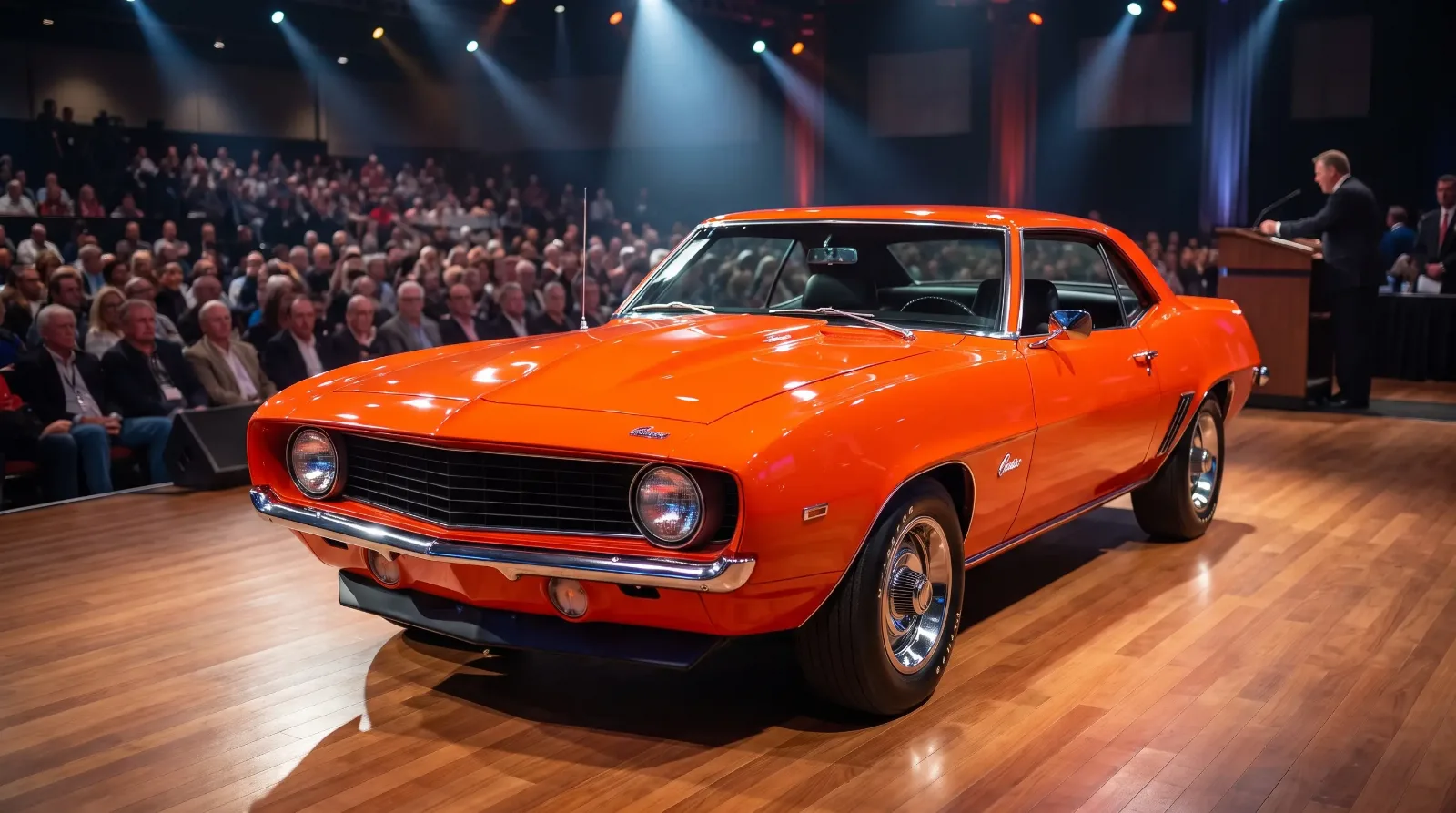
I track these cars because they anchor the top of the whole segment. When one of the genuinely rare ones sells, it drags the numbers on everything below it. If you want the wider context on how scarcity feeds value across the market, here's the full breakdown. Here I want to focus on the specific cars that define the rare end.
The Hemi convertibles that set the ceiling
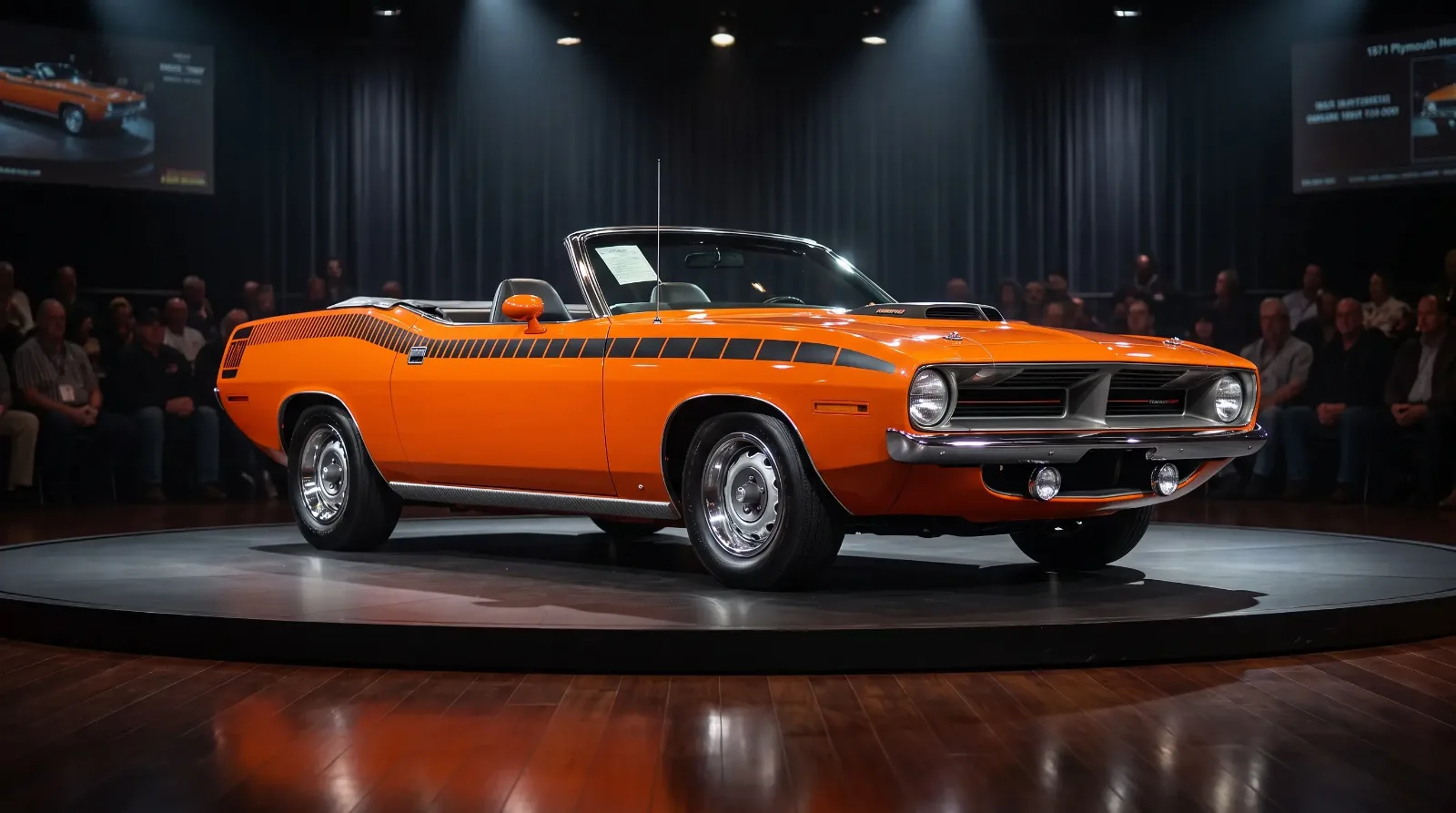
The 1971 Plymouth Hemi Cuda convertible is the car most collectors name first, and for good reason. Chrysler built only 11 of them for 1971, and just two of those left the factory with the four-speed manual. When one of those cars sells, the number is enormous, well into the millions, and each sale tends to reset expectations for the whole Mopar top tier. The Dodge equivalent, the 1971 Hemi Challenger convertible, is nearly as thin on the ground.
What makes these cars extreme is the stack of scarcity. The 426 Hemi was already a low-take-rate option. The convertible body cut the numbers again. The final model year cut them once more. Multiply three rare choices together and you land at production counts you can list on one hand. That is the mathematics of the rarest end of the market, and it explains why these Mopars sit above almost everything else.
Rare Chevrolet and the aluminum-engine cars
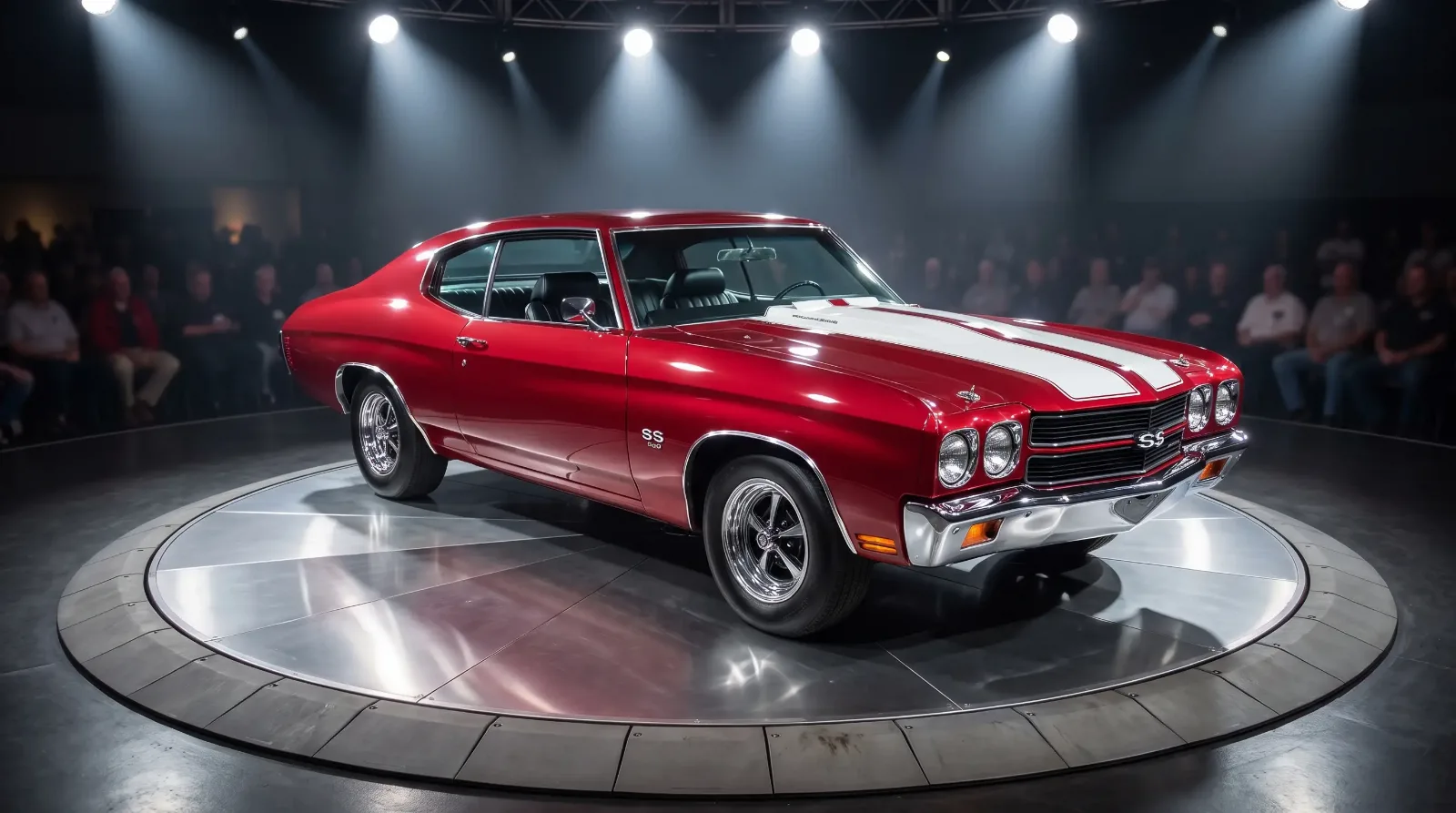
Chevrolet has its own scarce heroes. The 1969 Camaro ZL1, with its all-aluminum 427, was built in tiny numbers through the COPO ordering system, roughly 69 cars, because the engine was expensive enough to nearly double the price of the car. Those ZL1 Camaros are blue-chip today. The COPO 427 Chevelles and the aluminum-head cars follow the same logic: an over-the-counter racing engine dropped into a street body, ordered by only a few buyers who knew the codes.
The Chevelle line runs deep on rarity, from the LS6 cars down to the truly obscure COPO builds. If you want to go down that specific rabbit hole, I put together the the rarest chevelles ever built story with the production figures laid out. The pattern is the same one that runs through this whole segment. The rarest cars are the ones where a serious engine met a limited ordering window.
| Car | Approx. production | Why it's rare |
|---|---|---|
| 1971 Hemi Cuda convertible | ~11 | Hemi + convertible + final year |
| 1969 Camaro ZL1 | ~69 | All-aluminum 427 via COPO |
| 1970 Chevelle LS6 convertible | A few dozen (est.) | Top engine in open body |
| 1969 Dodge Charger Daytona Hemi | ~70 | Aero body + Hemi combo |
Aero cars and the winged warriors
The aero muscle cars are their own strange corner. The 1969 Dodge Charger Daytona and the 1970 Plymouth Superbird were built to win on NASCAR's superspeedways, and the winged bodies and long nose cones make them impossible to miss. The Hemi-powered versions of both are the rare ones. Total Daytona production was small to begin with, and the Hemi cars inside that run are a fraction. These cars combine motorsport history with genuine scarcity, which is exactly the mix the top of the market pays for.
Ford's rare Shelby and Boss cars
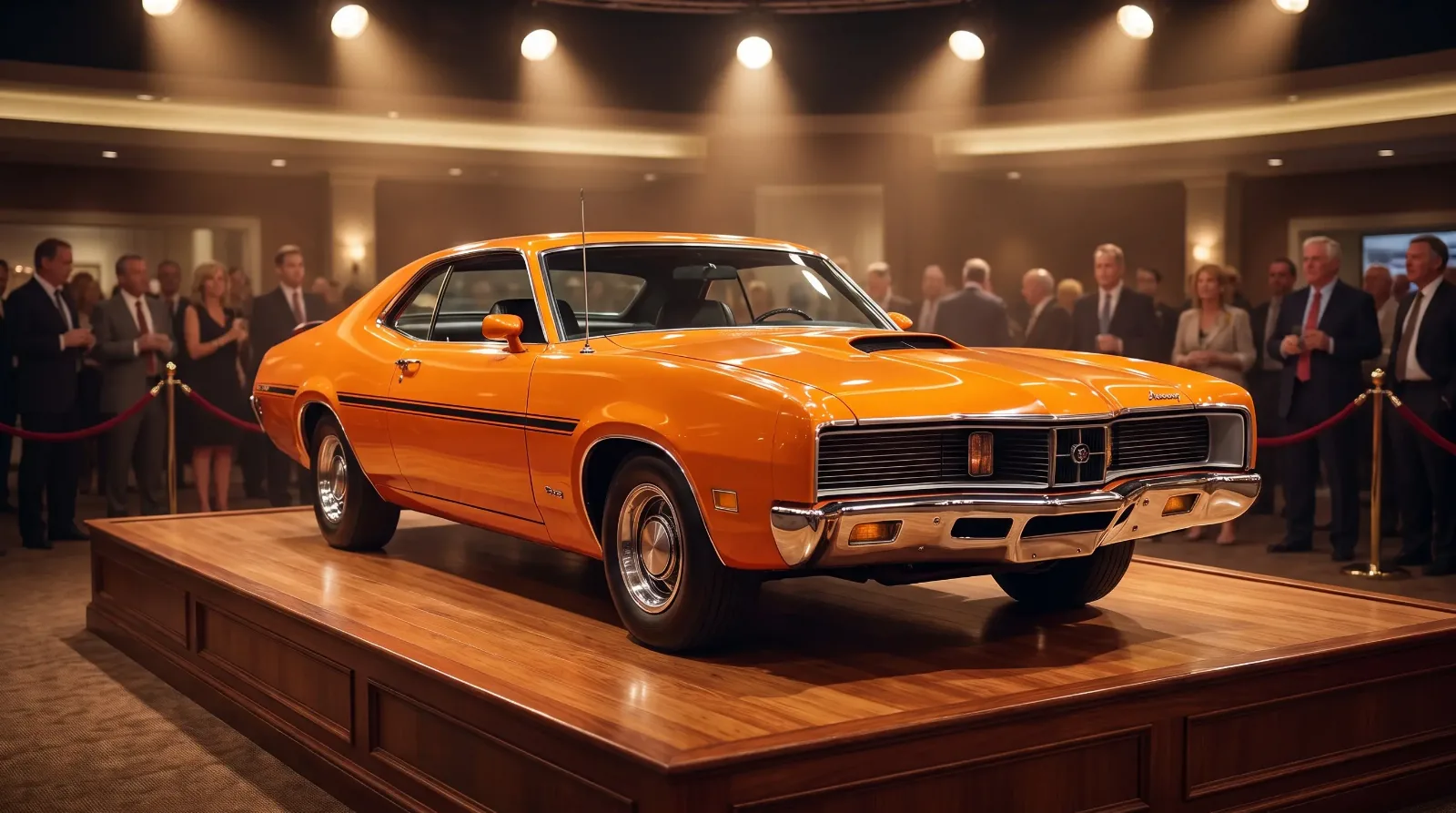
Ford belongs in this conversation too, even if its cars rarely reach the very top Mopar numbers. The rare Shelby Mustangs, the Boss 429, and the Cobra Jet drag packages all live at the scarce end. The Boss 429 is the standout, built to homologate the semi-hemi 429 engine for NASCAR, with production running to roughly 1,300 cars across 1969 and 1970. That is not a dozen cars, but for a hand-built homologation special it is genuinely rare, and clean documented examples are strong money.
The prototype and pilot cars are rarer still. Ford built a handful of early Boss 429s and various one-off drag and experimental cars that almost never surface, and when they do the provenance work is intense. The lesson holds across brands. The rarest Fords, like the rarest Mopars and Chevrolets, are the ones where a serious engine met a limited build reason, whether racing homologation or an off-catalog performance order.
What separates Ford's rare cars in the market is that the survival rate on the Boss and Shelby cars is comparatively healthy, because they were collectible early. That keeps them scarce without being impossible to find, which is its own kind of sweet spot for a buyer who wants a genuinely rare car that still trades often enough to have real comps.
"With the rarest cars, you are not pricing a car anymore. You are pricing an event. There might be one public sale every few years, so a single hammer number becomes the comp for the entire model."
David Mercer
What rarity means for a buyer
The lesson for a buyer is that rarity only pays when it is documented and desirable. There are low-production cars nobody wants, and there are fakes wearing the codes of cars that are worth a fortune. On the rare cars, provenance is everything. Broadcast sheets, factory records, and a chain of ownership that holds up to scrutiny are what separate a genuine seven-figure car from a very good clone. On these cars I would never move without expert authentication, because the downside of a wrong call is measured in serious money.
If you are chasing the rare end, understand where these cars came from before you chase the numbers. The the muscle car origin story explains why certain engines and model years carry the weight they do. And once you understand rarity, the next logical step is to see what that scarcity actually brings when the gavel falls, which is where read the full story picks up the thread with the record sales themselves.
Related Reading
Have a
Classic Car
for Sale?
Reach thousands of serious classic car collectors across the US.
Sell It Here →
Are You a Classic Car Dealer?
List your full inventory and connect with targeted classic car buyers.
Join as a Dealer →

About the author
David Mercer
Classic car market analyst with two decades of experience tracking collector car valuations, auction results, and investment trends.

Comments
Be the first to comment on this article.