
Here is a comparison that annoys people at every car show I attend. A 1969 Chevelle SS396 in good driver condition trades for $60,000 to $90,000. A 1941 Packard 180 formal sedan, a car that cost far more when new, was built with far more craftsmanship, and survives in far smaller numbers, might bring $35,000 on a good day. The Packard is objectively the more expensive machine to build and the harder car to find. It sells for less. That gap is not an accident, and understanding it is the whole point of buying undervalued classic luxury cars on purpose.
Market & Values
5 min read
Why Some Luxury Classics Are Undervalued Compared to Muscle Cars
Why beautifully built classic luxury cars sell for less than muscle cars, where the value gap is widest, and how to buy it without getting stuck.
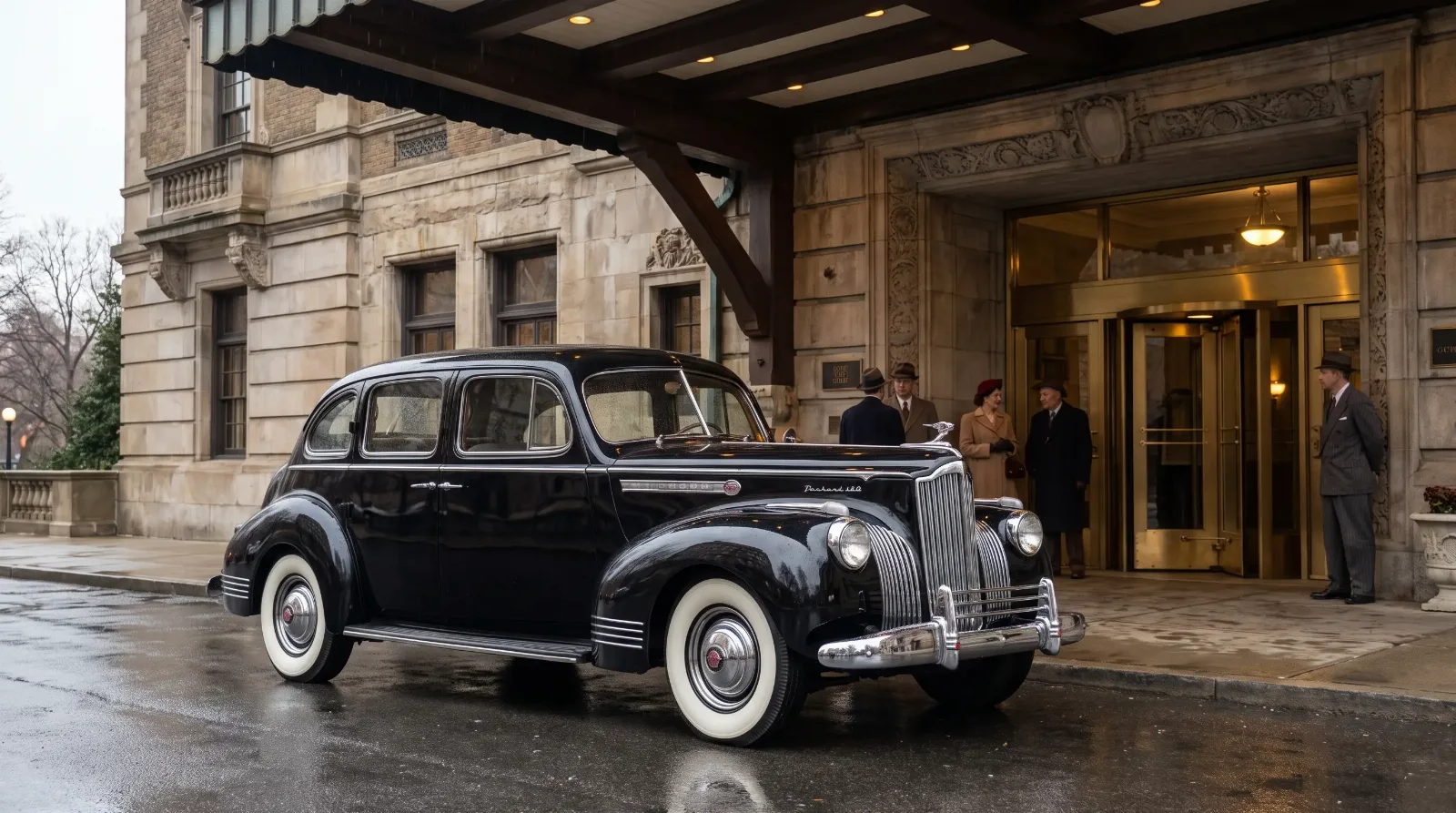
The muscle car market and the luxury classic market run on different fuel. One runs on nostalgia and a huge buyer base. The other runs on connoisseurship and a small one. When you understand why the crowd went one direction, you can see clearly where value was left behind.
Why muscle cars command the money
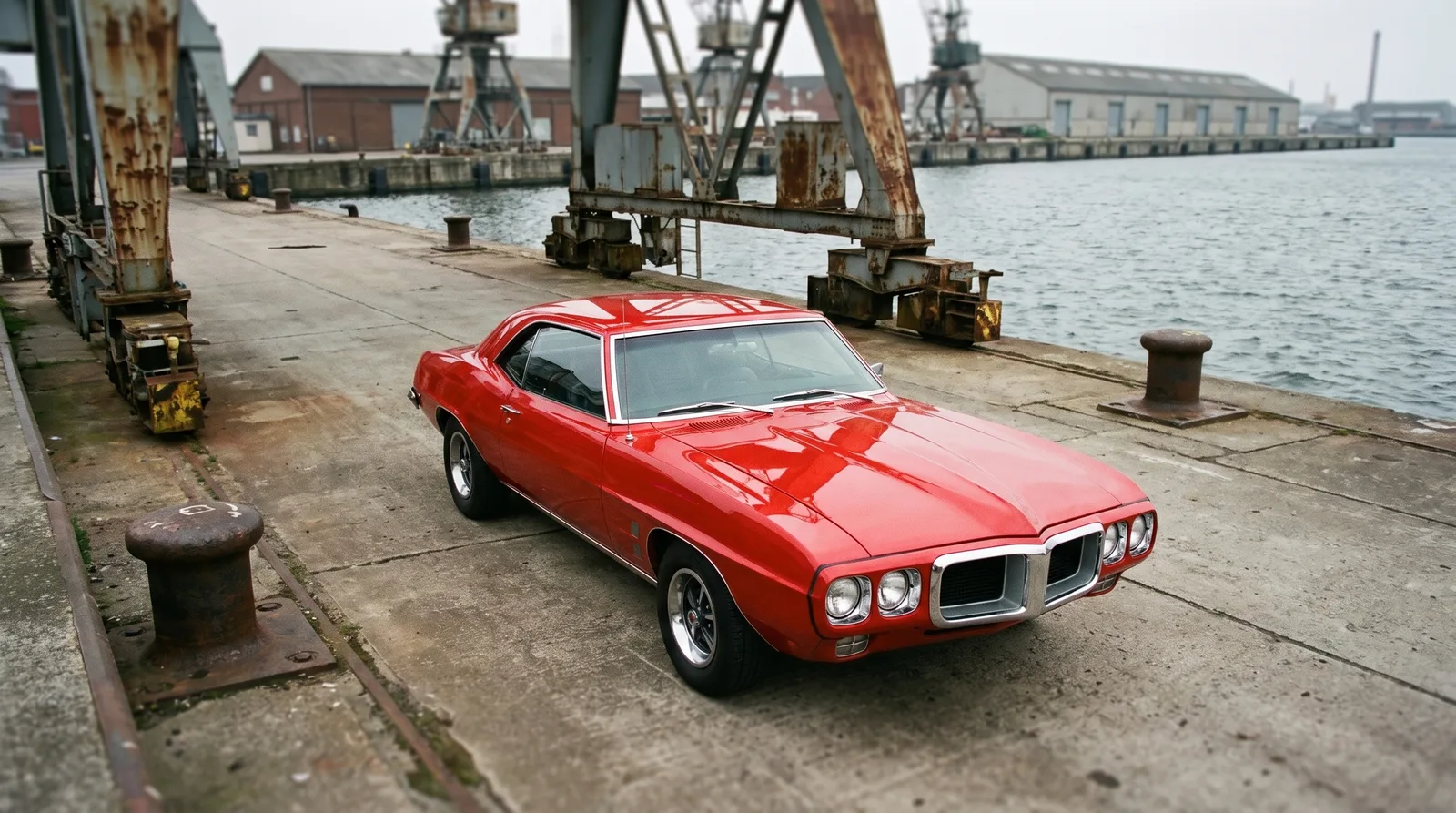
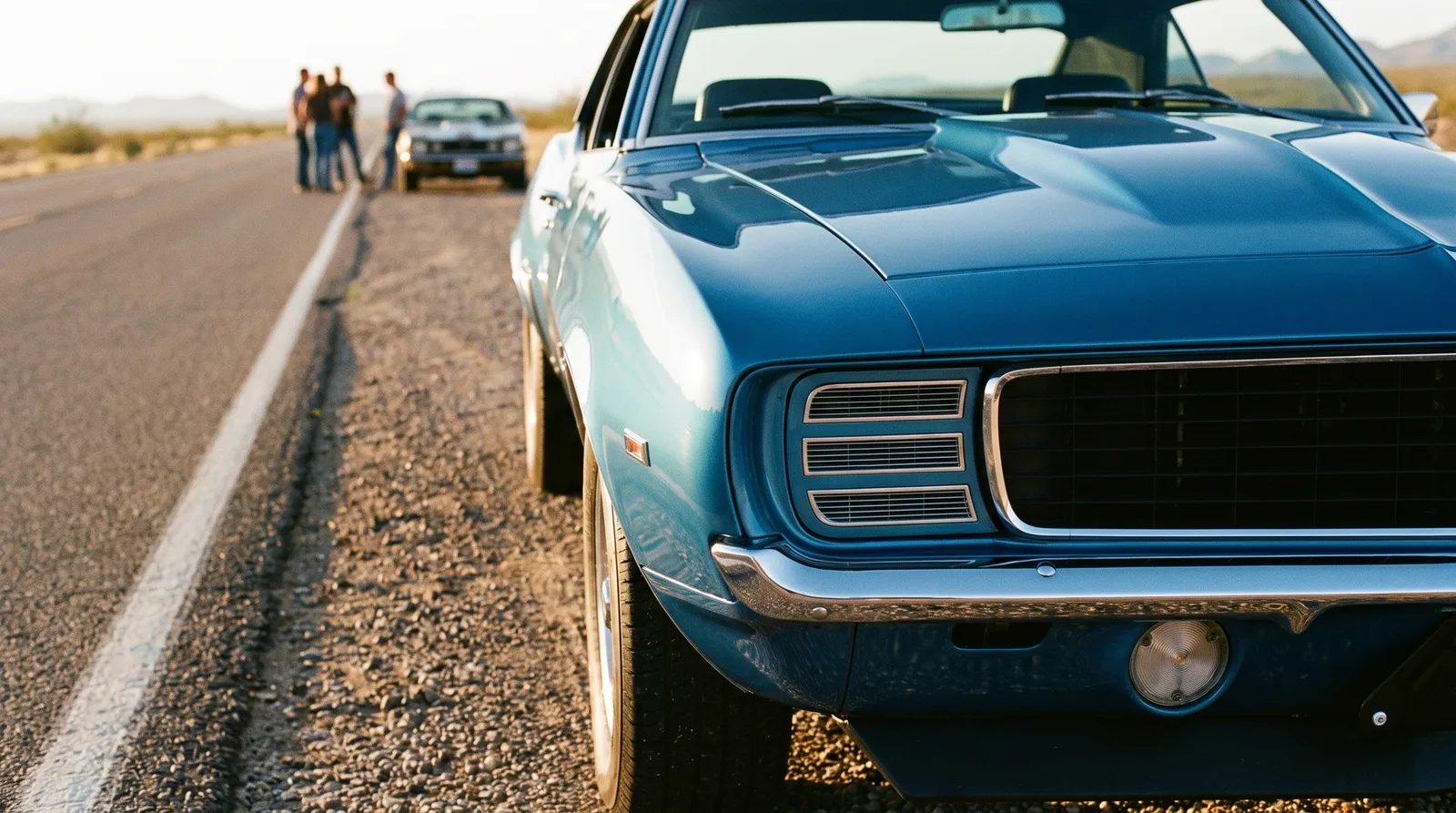
Muscle cars are priced by demand, and the demand is enormous. The buyers grew up with these cars, learned to drive in them or wanted to, and now have the money to own the poster from their bedroom wall. That generation is large, and it bids against itself. A numbers-matching LS6 Chevelle or a Hemi Cuda pulls seven figures at auction because thousands of people want a few hundred cars.
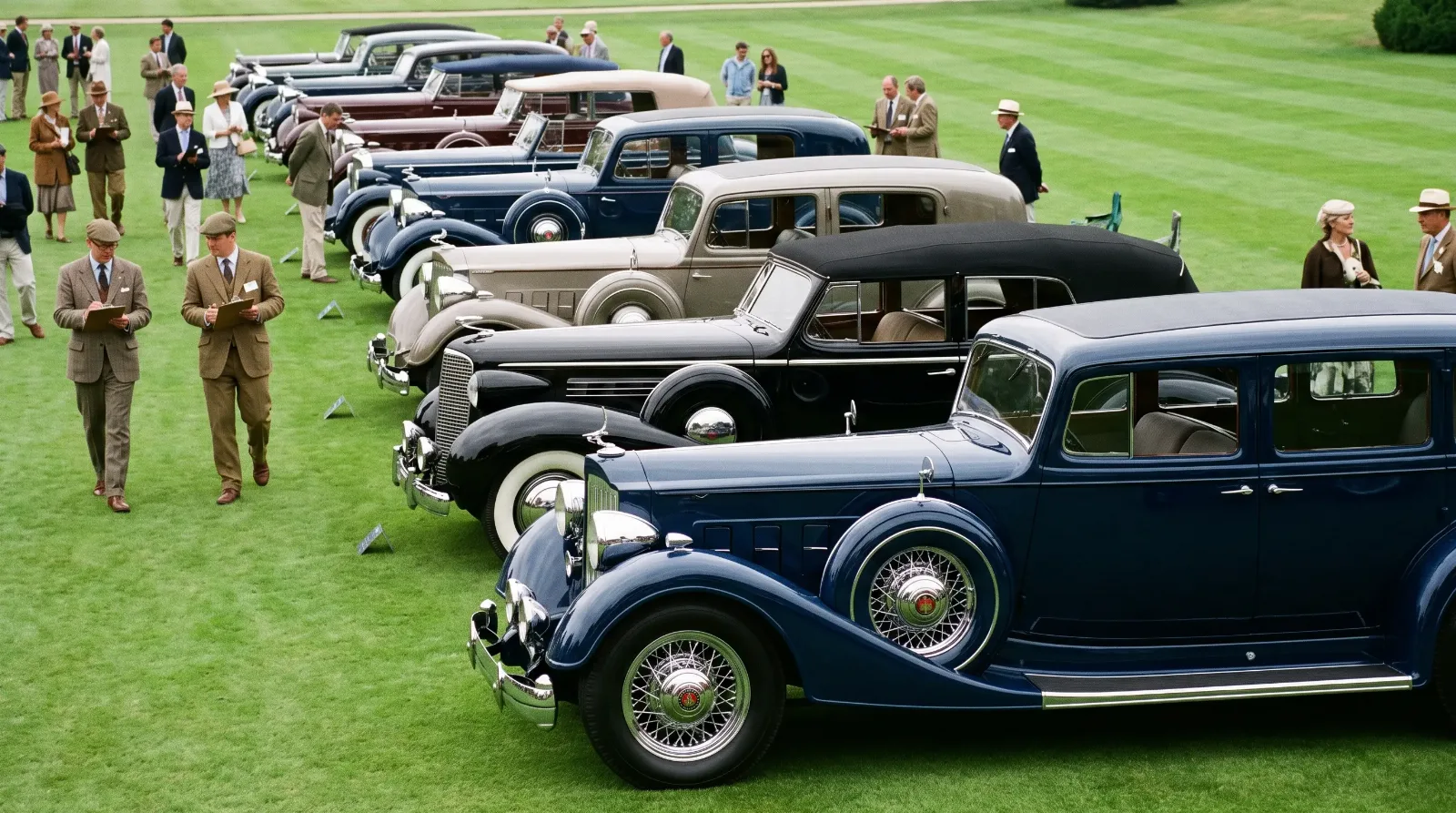
Luxury classics never had that mass audience. Almost nobody's father owned a Packard Twelve or a Cadillac Series 75. The cars were rare when new and rarer now, but rarity without a broad base of buyers does not create bidding wars. It creates thin, quiet markets where the right car sells slowly to the right person. For the full context on how these cars fit the collecting picture, the collector's guide lays out the ownership side.
Where the value gap is widest
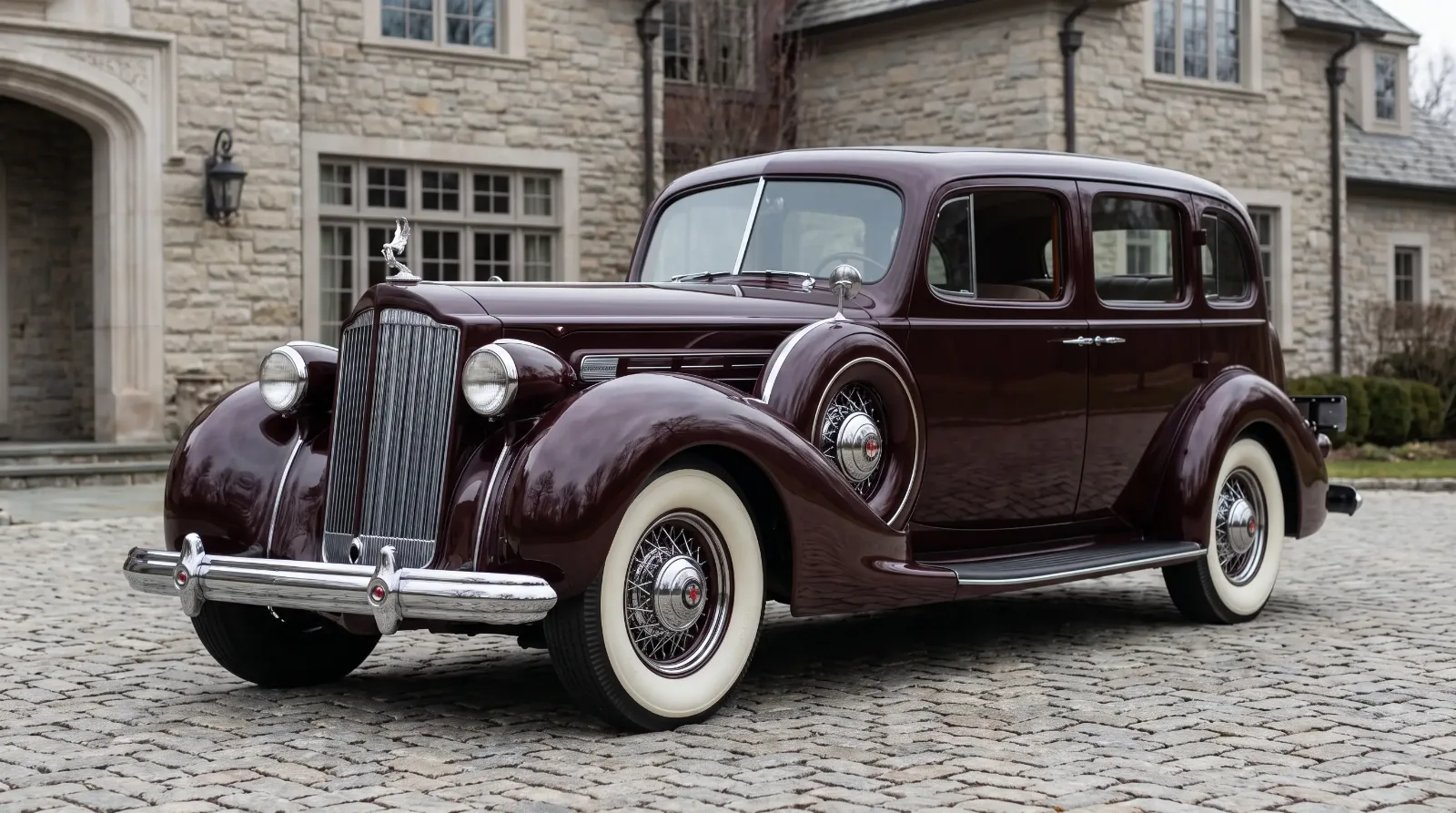
The undervaluation is not uniform. It concentrates in specific corners of the luxury market, and those corners are where a patient buyer finds real cars for sensible money.
Closed-body formal sedans are the clearest example. A four-door Packard, Cadillac, or Lincoln from the classic era is a beautifully engineered car that the market treats as furniture. Post-war European saloons follow the same pattern. A Jaguar Mark IX or a Mercedes-Benz 220 sedan offers genuine craftsmanship for the price of a used pickup. The market pays for convertibles and ignores the sedans, even when the sedan is the better-built car.
| Car | Approx. driver value | Why it lags |
|---|---|---|
| 1970 Chevelle SS396 (muscle benchmark) | $60K–$90K | Huge buyer base, nostalgia |
| 1941 Packard 180 sedan | $25K–$45K | Closed body, small audience |
| 1930s Cadillac V16 sedan | $70K–$150K | Rare but few buyers, high upkeep |
| 1960s Jaguar Mark X / 420G | $15K–$35K | Complex, unfashionable body style |
| 1970s Mercedes-Benz 280SE / 300SEL | $15K–$40K | Still seen as a used car by many |
These ranges move with condition and documentation, and the top of each can run higher for an exceptional car. Read them as relative positions, not fixed quotes.
Post-war European luxury sedans deserve a closer look, because that is where the gap has started to close fastest. A Mercedes-Benz 280SE or 300SEL from the late 1960s was, until recently, treated as an old used car. Values have firmed as younger collectors discovered that these cars offer real engineering and presence for a fraction of what a comparable muscle car costs. The same reappraisal is slowly reaching the big Jaguars and the coachbuilt Rolls-Royce and Bentley saloons. None of these has caught up to muscle car money, and none may, but the direction of travel is the point. When a segment that the market ignored starts drawing new buyers, the undervalued examples move first.
What keeps luxury classics cheap
Three things hold these prices down, and only one of them is likely to change. The first is running cost. A pre-war Twelve or V16 is expensive to maintain, and buyers price that reality into what they will pay. The second is the buyer base, which is small and older, though newer collectors drawn to craftsmanship over horsepower are slowly arriving. The third is fashion, and fashion moves. Segments that looked dead for years have come back when a younger generation reappraised them.
"Muscle cars are priced by how many people want them. Luxury classics are priced by how few people understand them. The first number is not going up much from here. The second one can change fast when the right buyers show up, and that is the whole opportunity."
David Mercer
How to buy the gap without getting stuck
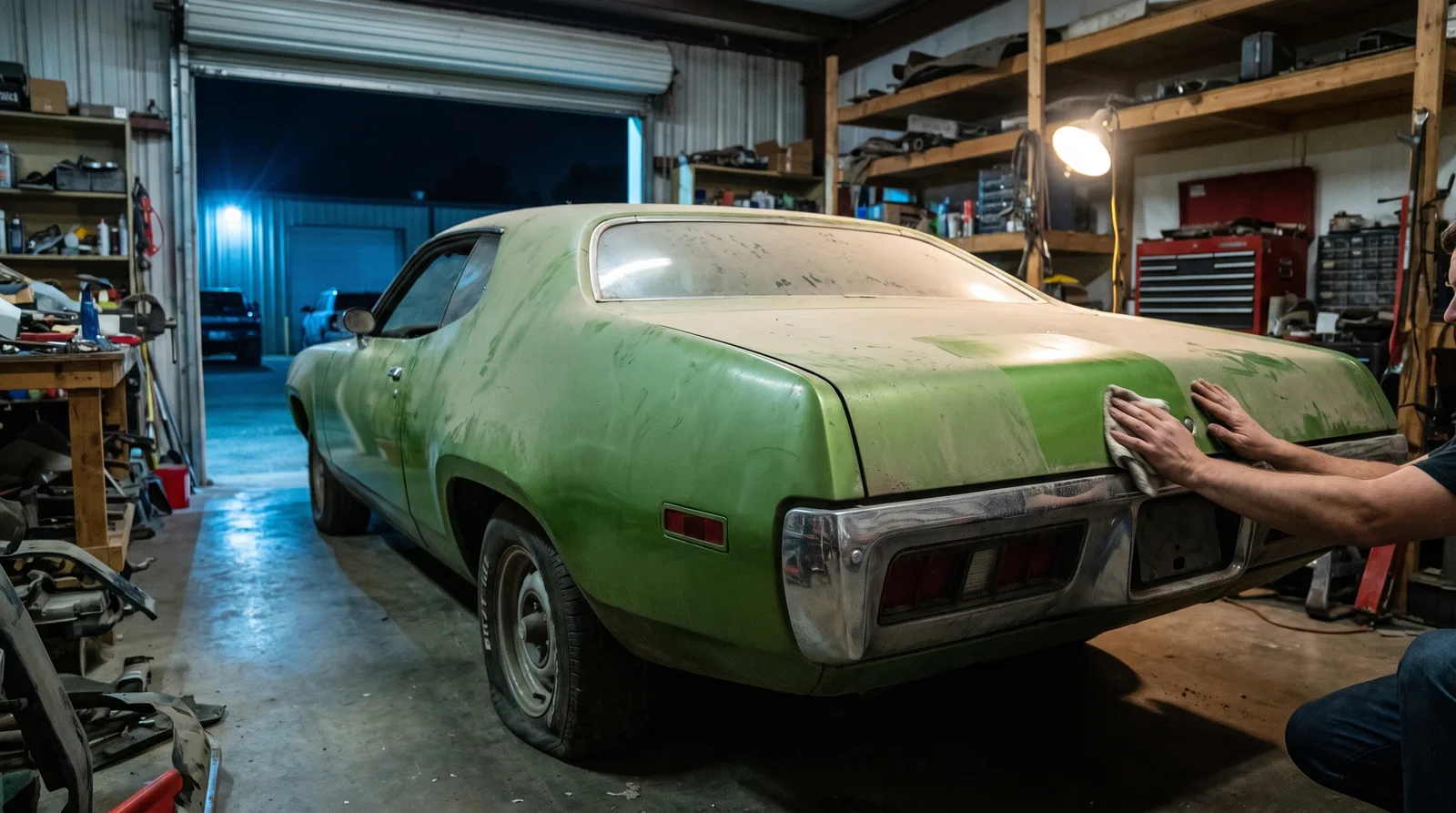
Undervalued does not mean guaranteed to appreciate. It means priced below what the object is, with a plausible reason the market might revisit it. Buy accordingly. Favor cars with real documentation, because when a segment does move, the documented cars move first and the mystery cars get left behind. Budget honestly for maintenance, since a cheap purchase price on an expensive car to run is not a bargain. And buy the car you would enjoy owning even if the value never moves, because with luxury classics the timeline is measured in years, not auction seasons.
The smartest entry point is often a coachbuilt or convertible version of an undervalued marque, where the rarity is real and the price still lags a muscle equivalent. If you want to test the current spread yourself, look through the classic luxury cars for sale and compare the asking prices against the muscle cars you know. The gap is real, and it is wider than most people expect. To go deeper on the communities that keep these marques alive and support their values, the next: Collector Clubs and Marque Registries piece is the place to start.
Related Reading
Have a
Classic Car
for Sale?
Reach thousands of serious classic car collectors across the US.
Sell It Here →
Are You a Classic Car Dealer?
List your full inventory and connect with targeted classic car buyers.
Join as a Dealer →

About the author
David Mercer
Classic car market analyst with two decades of experience tracking collector car valuations, auction results, and investment trends.
Comments
Be the first to comment on this article.