
There is a saying in the appraisal business that a car is only original once. You can restore it as many times as you like, but the factory paint, the untouched drivetrain, and the first interior exist for exactly one lifetime, and once they are gone no amount of money brings them back. That single idea explains why a low-mileage, unrestored muscle car often outsells a fully restored example of the same model. Mileage and originality are not soft, sentimental factors. They are the hard core of what the top of the market pays for, and they behave in ways that surprise buyers who assume a fresh restoration is always worth more.
Market & Values
6 min read
How Mileage and Originality Affect Value
A car is only original once. Here is how low mileage, matching numbers and surviving factory finishes drive muscle car values, and where the claims fail.
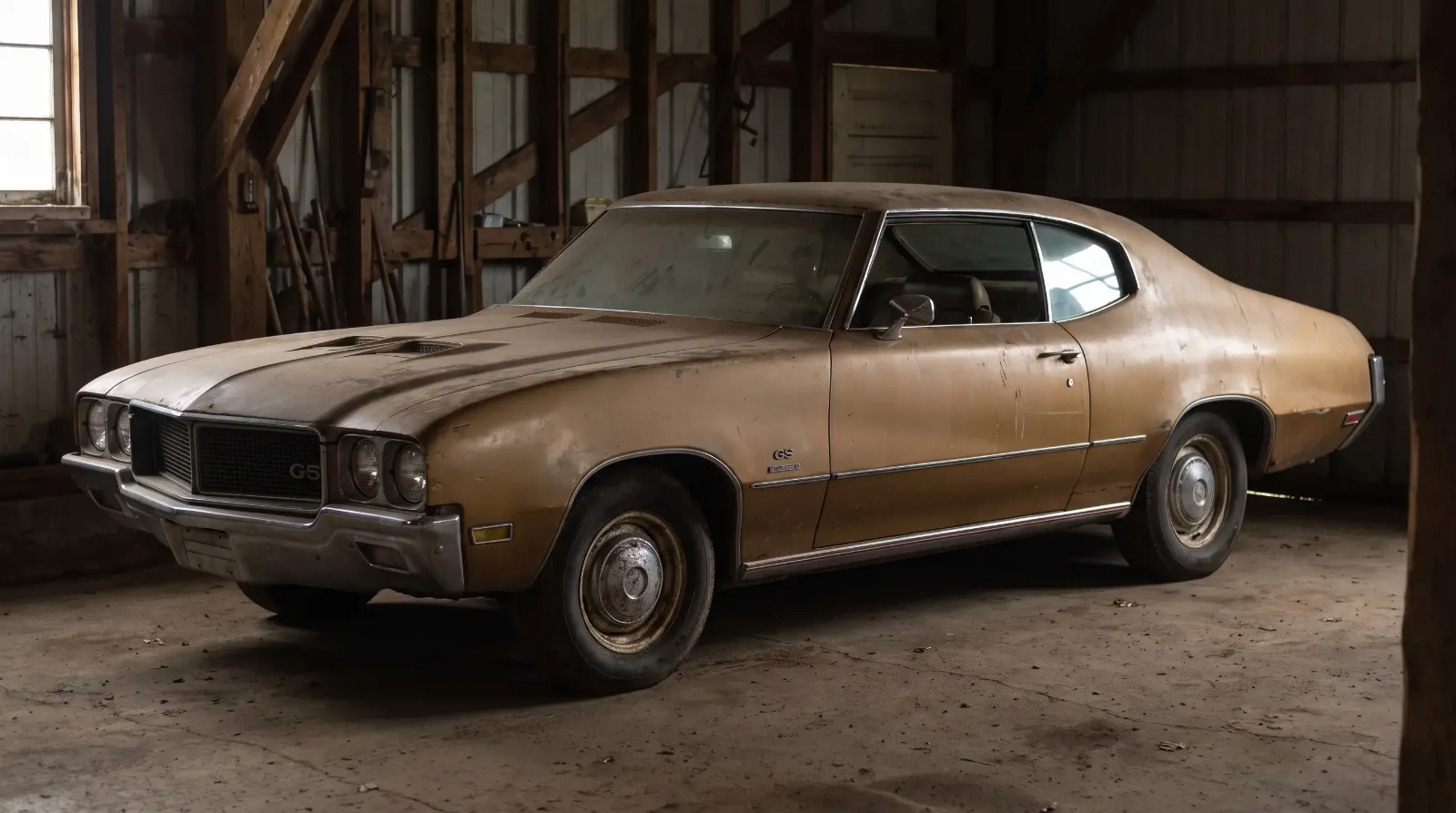
The way these two factors interact is where valuation gets interesting, because they do not always move together. A car can be low-mileage and heavily modified, or high-mileage and remarkably original. The value sits in the combination, and reading it correctly is the difference between a smart purchase and an expensive assumption. For the framework these factors live inside, the the muscle car values overview covers the collectibility drivers, and originality touches nearly all of them.
Why low mileage carries a premium
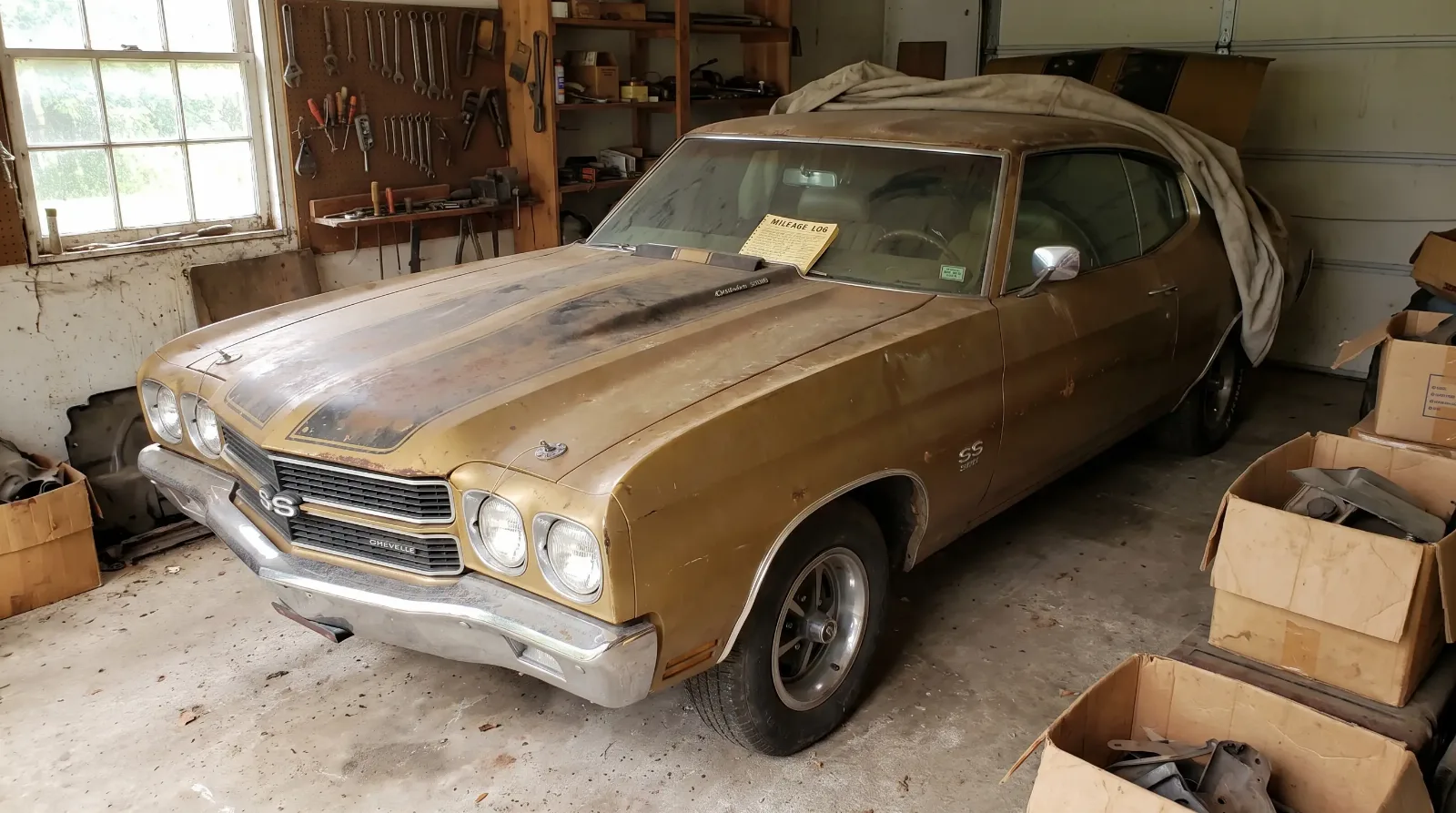
Low mileage matters because it is a proxy for preservation. A muscle car that covered only a few thousand miles from new most likely kept its original drivetrain, its factory finishes, and its untouched details, simply because it was not driven enough to wear them out or break them. The odometer reading is shorthand for a car that time mostly passed by, and buyers pay for that.
The premium is not linear, though. The market draws a sharp line at genuinely exceptional mileage, the cars with a few thousand original miles that read as time capsules. Those command outsized money. A car with moderate mileage, say a well-kept driver, gets only a modest bump for its odometer, because it has clearly lived a normal life. The value concentrates at the extreme low end of the mileage scale, where the car is less a vehicle than a preserved artifact. Everything in the middle is priced mostly on condition, not on the number itself.
Originality is the deeper factor
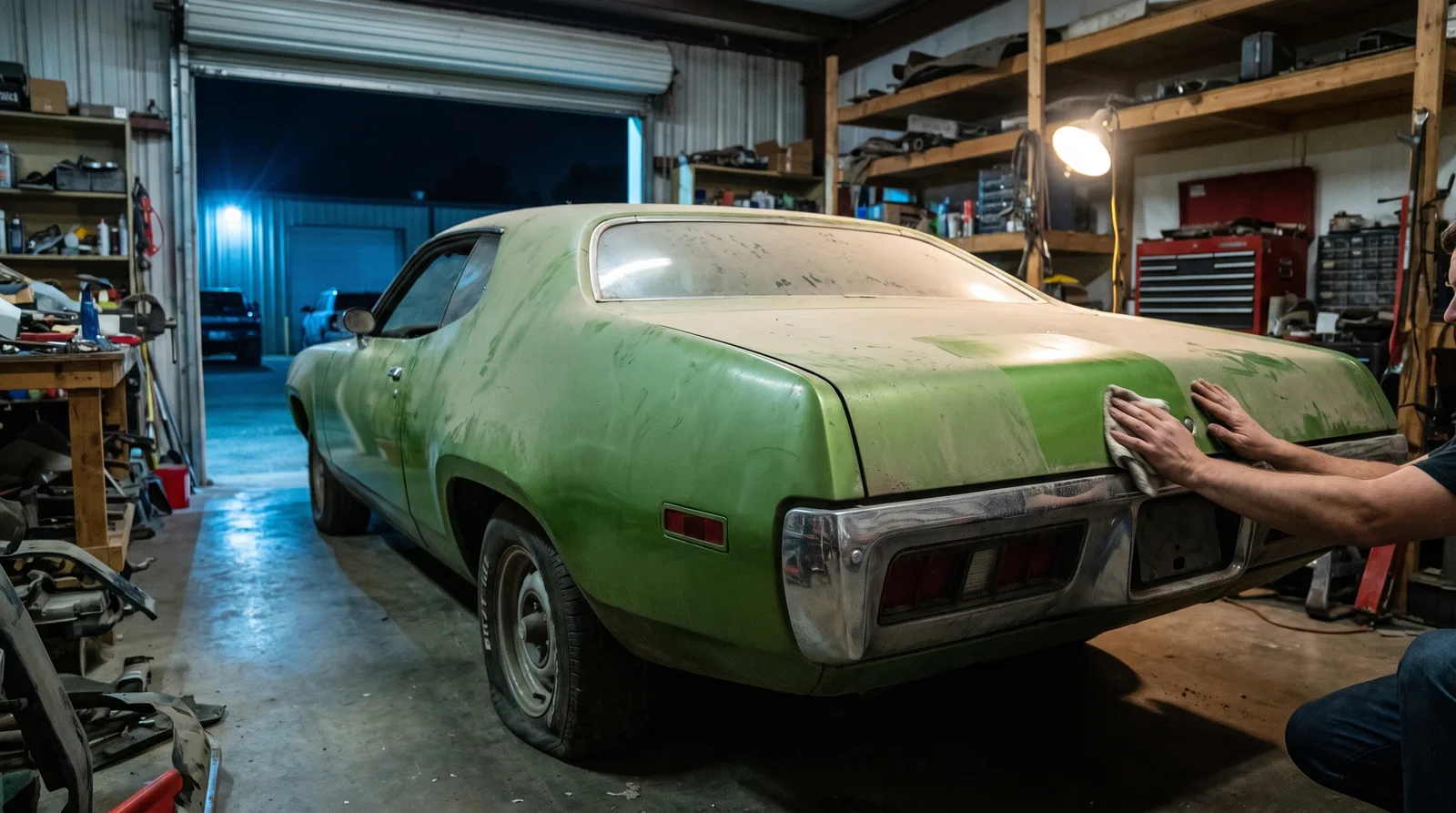
Mileage gets the headlines, but originality does more of the work. An original muscle car keeps the components it left the factory with: the numbers-matching engine and transmission, the original sheet metal, the factory paint where it survives, and the untouched interior. Each surviving original element adds to the case, and the market rewards the car that can prove the most of them.
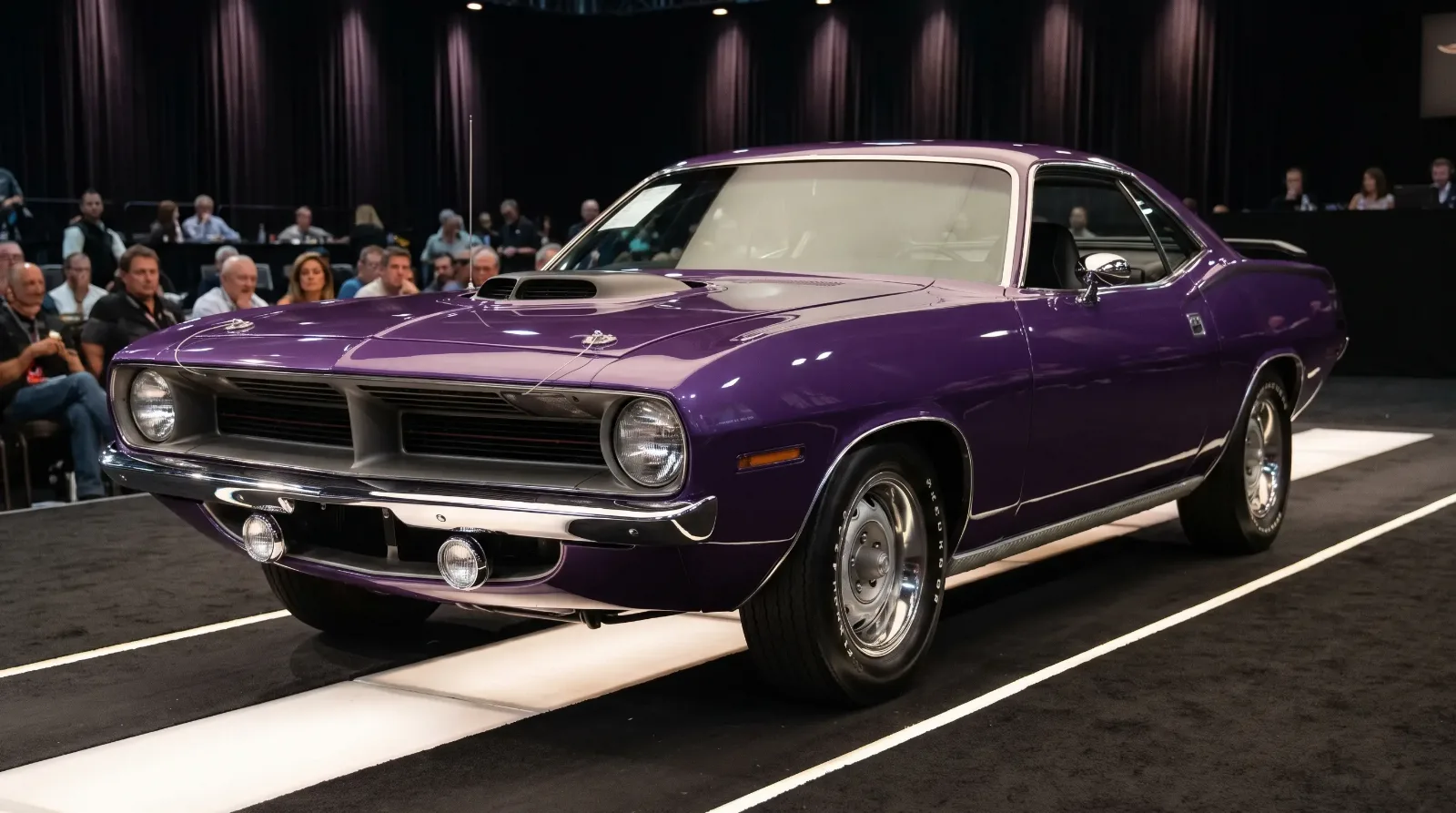
The reason is authenticity. A restored car, however beautiful, is an interpretation of what the factory did. An original car is the evidence itself, and for collectors and judges that distinction is the whole point. This is why the survivor category exists as its own class at shows and in the market, and why a genuine unrestored car with its factory finishes can outsell a concours restoration of the identical model. You are not buying condition alone. You are buying proof of what the car actually is.
| Attribute | Raises value | Caps value |
|---|---|---|
| Mileage | Documented, exceptionally low | High or undocumented |
| Drivetrain | Numbers-matching, original block | Replacement or restamped |
| Finishes | Original paint and interior surviving | Older repaint, redone trim |
| Proof | Records tying miles to history | Odometer claim with no paper |
The tension between the two
Mileage and originality create a genuine conflict for owners, and the market prices that conflict every day. The moment you drive a low-mileage original car, you add miles and you risk the very originality that gives it value. This is why the finest survivors barely move. Their owners understand that every mile spent enjoying the car is a small withdrawal from its worth, and the truly exceptional examples get trailered, shown, and preserved rather than driven.
That tension is why some collectors keep two versions of the same idea, a pristine original they preserve and a driver-quality car they actually use. It also explains why a restored car has a practical advantage the survivor lacks. You can drive a restoration hard, enjoy it, and repair it, because the value rests on the quality of the work rather than on a fragile factory finish that damage would erase. Neither approach is wrong. They are simply priced for different buyers.
"An unrestored car with its original paint and matching numbers is evidence you cannot recreate. A concours restoration is a craftsman's opinion of the same car. Both have value, but only one of them can prove exactly what left the factory, and the market pays a premium for proof that money cannot manufacture."
Marcus Feld
Where the claims fall apart
The weakness in both factors is documentation, and it is where deals go wrong. A low-mileage claim with no records behind it is just a number on a dial, and dials can be rolled back. A five-figure odometer reading means nothing to a careful buyer without service records, ownership history, and physical wear that matches the story. The genuine low-mileage car has the paper trail to prove it. The pretender has an odometer and a hopeful seller.
Originality faces the same test. A numbers-matching claim needs the casting numbers, the date codes, and ideally the build documentation to back it up, because restamped numbers are a known problem on valuable cars. Verify before you pay the originality premium, because that premium is exactly what a faker is trying to capture. If you are weighing current examples on the market, compare the documentation as closely as the paint, and browse the muscle cars for sale with the records in mind rather than the mileage claim alone.
Weighing it as a buyer
When you evaluate a muscle car, treat mileage and originality as a linked pair, not two separate boxes. A low-mileage car that has been repainted and re-engined has lost the originality that made the miles matter. A higher-mileage car that kept its numbers-matching drivetrain and its factory finishes may be the better authentic example. The strongest cars combine both, genuinely low miles and surviving original components, and those are the ones that hold value through any market. Owners who find themselves asking how much is my classic car worth can apply the same test to their own car before they list it.
Both factors also depend on the wider market staying willing to pay for them, and that is a live question in a segment that has run up hard. To see whether the premium on preservation and originality rests on solid ground or on momentum that could cool, read the full story on where the muscle market goes from here.
Related Reading
Have a
Classic Car
for Sale?
Reach thousands of serious classic car collectors across the US.
Sell It Here →
Are You a Classic Car Dealer?
List your full inventory and connect with targeted classic car buyers.
Join as a Dealer →

About the author
Marcus Feld
Accredited collector-car appraiser who reads the market through hammer prices, condition tiers and risk.
Comments
Be the first to comment on this article.