
The same 1969 Camaro can be worth noticeably more in Scottsdale than it is in Buffalo, and the gap is not random. Geography shapes muscle car values in ways that show up clearly in the auction record, from where the strongest cars survive to where the deepest buyers gather. A national market has national prices in theory. In practice, a car has a home region where it sells best, and knowing which region that is can be worth real money on either side of a deal.
Market & Values
6 min read
Regional Value Differences in the Muscle Market
The same muscle car sells for different money in different regions. Here is how climate, auction venues and local taste move the number.
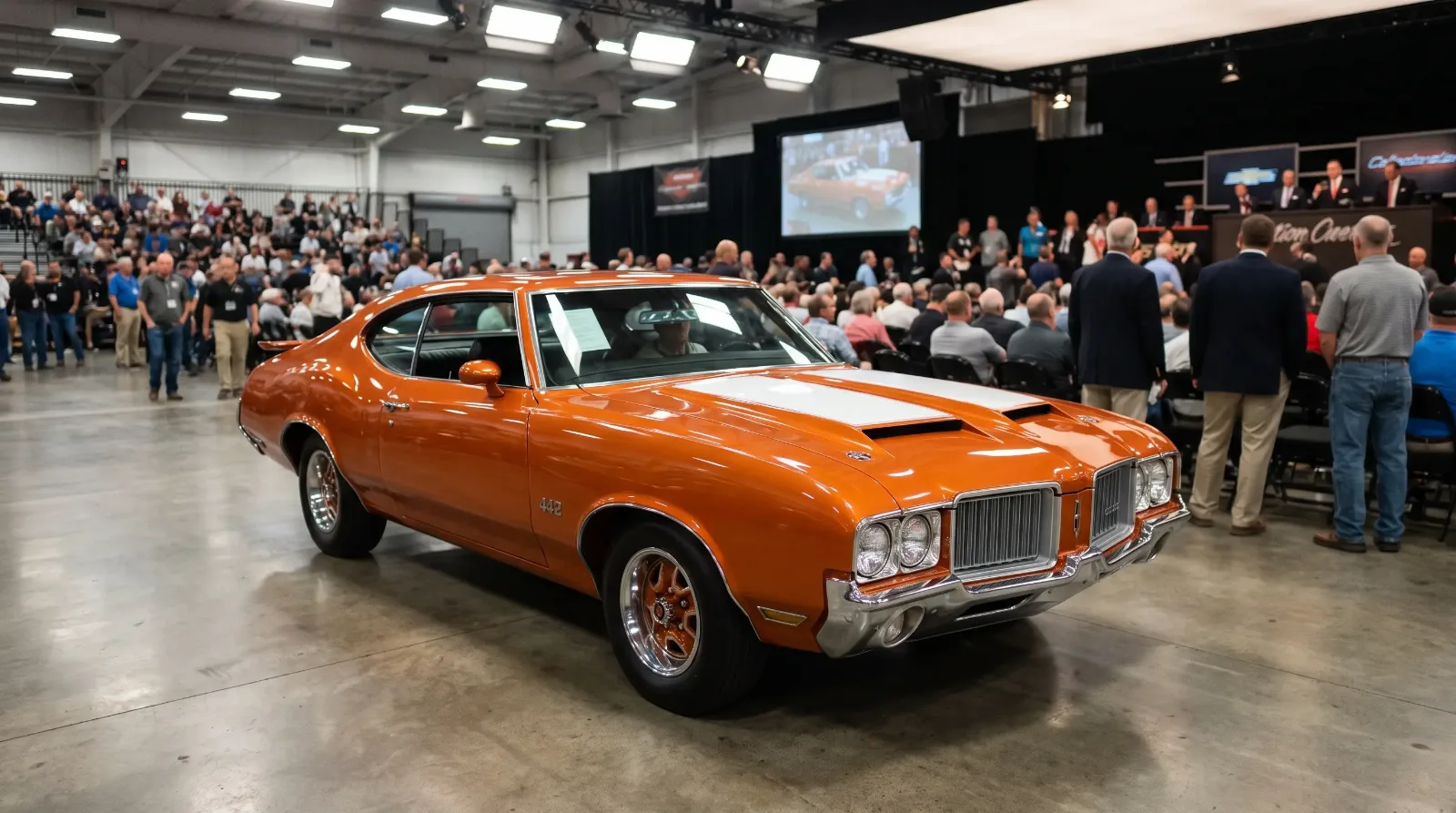
Regional value differences are one of the least discussed forces in the collector market, partly because they are hard to isolate. A car in Arizona and a car in Michigan differ in condition, history, and buyer pool all at once. Untangling those threads is where an analyst earns the fee. For the wider picture these regional splits fit into, our guide to understanding muscle car values covers the core drivers, and location quietly influences most of them.
Climate decides which cars survive
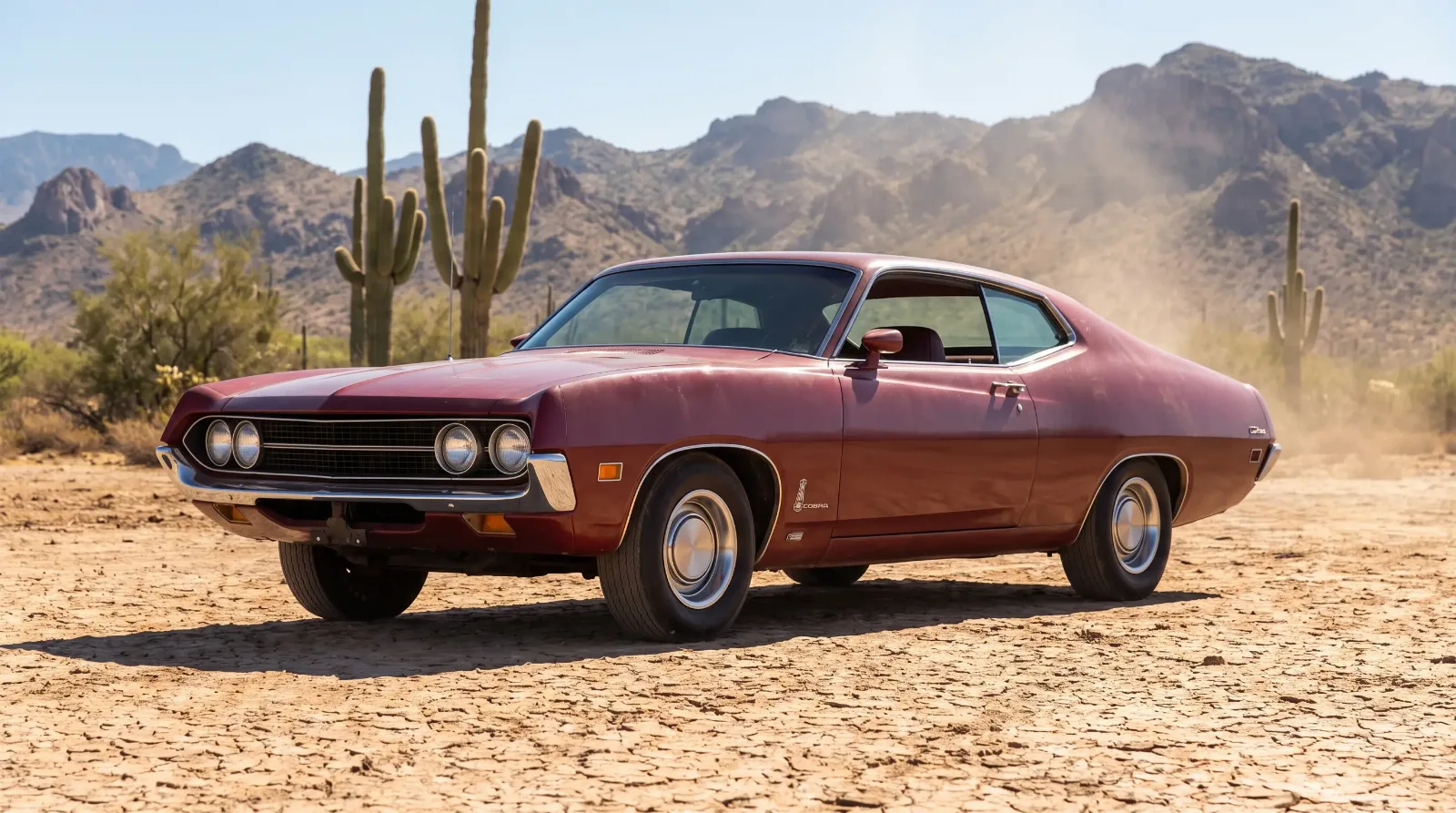
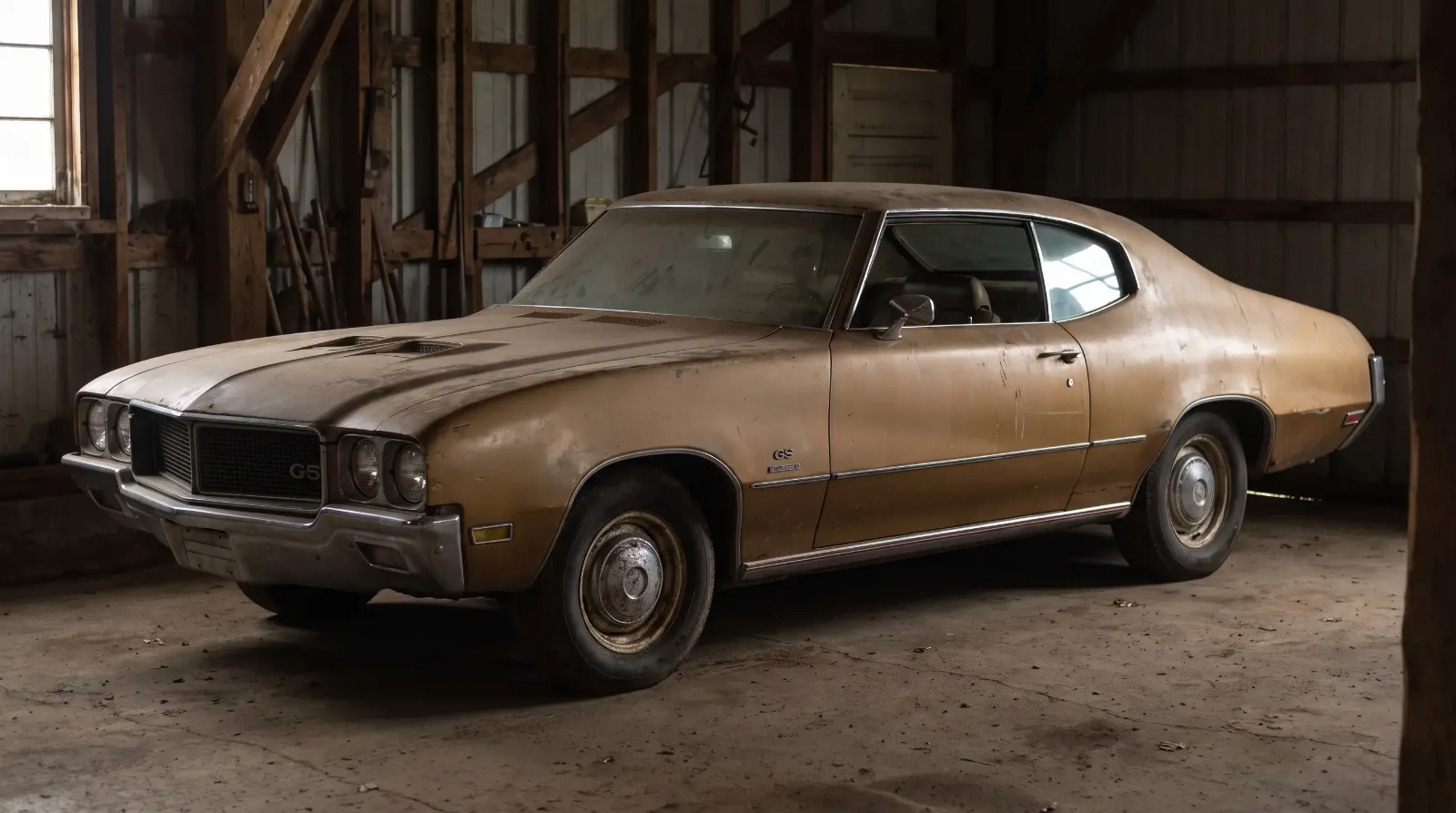
The first regional force is the simplest. Cars in dry climates rust less. A muscle car that spent fifty years in Arizona, New Mexico, or Southern California carries a different structural profile than one that lived through decades of road salt in the upper Midwest or the Northeast. The dry-state car keeps its floors, its frame rails, and its original sheet metal, and originality is exactly what the top of the market pays for.
This is why so much of the strongest inventory flows out of the Sun Belt. A rust-free survivor from a dry state starts a restoration or an appraisal from a better baseline, and that advantage prices in directly. A Rust Belt car of the same year and trim can be a fine car, but it more often needs floor and frame work that a buyer discounts for, even after the repair is done. Buyers pay a premium for metal that never needed cutting, and geography largely determined which cars still have it.
Where the money gathers
The second force is the auction calendar. The largest concentrations of collector-car money assemble in specific places at specific times. The January sales in Arizona, the Florida sales in Kissimmee, and the Monterey week in California pull deep national and international bidding into one room. A car consigned into one of those events reaches a different pool of buyers than the same car listed locally in a smaller market.
That concentration lifts prices for the right cars. When hundreds of serious bidders compete in the same venue, a rare or exceptional muscle car can find its true ceiling in a way it never would in a thinner local market. The flip side is that ordinary cars can get lost in a huge sale, hammering soft because the room came for the headline lots. Where you sell matters as much as what you sell, and the marquee venues reward the best cars while offering little to average ones. For a side-by-side look at the venues, sites, and dealers, see our guide on where to sell a classic car.
| Regional factor | Sun Belt effect | Rust Belt effect |
|---|---|---|
| Survivor condition | Less rust, more original metal | More corrosion, restoration needed |
| Buyer concentration | Major winter and spring auctions | Fewer large national sales |
| Local taste | Convertibles, open-air cars favored | Coupes, all-weather cars practical |
| Transport cost | Absorbed on high-value cars | Can erase margin on cheaper cars |
Local taste bends demand
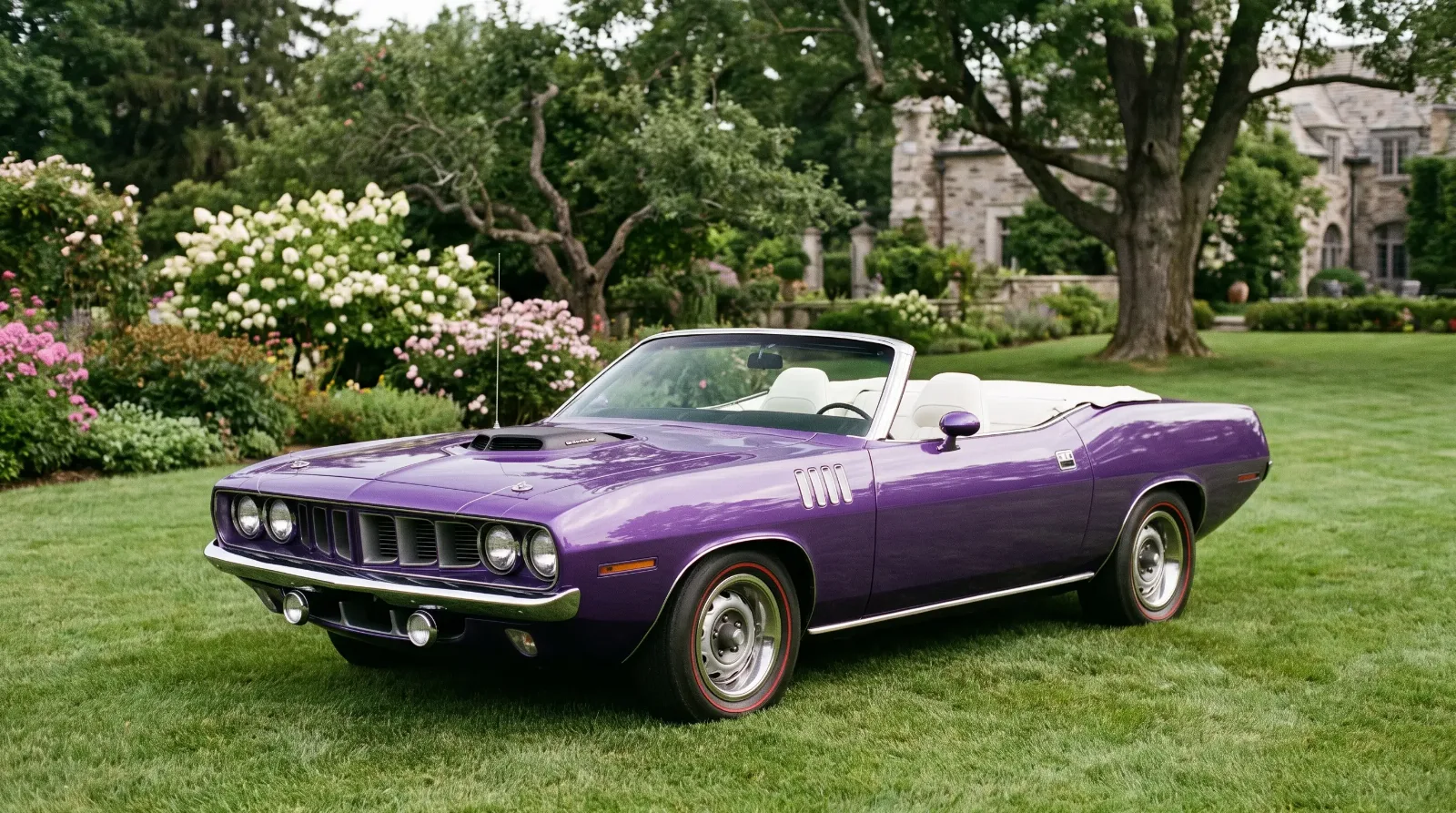
The third force is regional preference, and it is subtler than climate or venue. Different parts of the country favor different cars. Convertibles and open-top cars tend to draw stronger money in warm-weather states where they can be driven year round. Certain brands carry deeper loyalty in the regions where they were built or raced, and that hometown demand shows up as a small but real bump in local prices.
These preferences move the needle most on cars in the middle of the market, the solid drivers rather than the blue-chip rarities. A top-tier documented car finds its number anywhere, because the buyers who chase it are national and will travel. A good driver-quality car is more exposed to local taste, because its buyer pool is more local. Matching a car to the region that wants it most is one of the few reliable edges a private seller has.
"The market looks national until you actually track the results. A driver-quality convertible sells stronger in Phoenix in January than it does anywhere in the Rust Belt in February, and it is the same car. Condition, venue, and local taste are all pulling in one direction, and the hammer price shows it."
David Mercer
Transport quietly reprices everything
Shipping is the force nobody accounts for until it eats the margin. Moving a car across the country costs real money, and on a high-value car that cost is trivial against the sale price. On a cheaper car it can erase the very regional advantage the buyer was chasing. Buy a bargain in the Midwest to flip in Arizona, and enclosed transport across half the country can eat most of the spread you were counting on.
This is why regional arbitrage works better in theory than in practice for ordinary cars. The price gaps are real, but the cost of closing them is real too, and the two often cancel. The arbitrage that survives transport is at the top of the market, where a truly exceptional car sells for so much more in the right venue that the shipping is a rounding error. For everything below that tier, the local market usually wins once you count the freight.
Reading region into a deal
Region is a factor to weigh, not a formula to follow. When you evaluate a muscle car, ask where it lived, where it is selling, and where its natural buyer is. A dry-state survivor consigned into a marquee auction is priced for the best possible outcome. A Rust Belt driver listed locally in the off-season is priced for the weakest, and the gap between those two situations for the same model can be substantial.
The regional lens works best alongside the other value drivers rather than on its own, because climate history feeds directly into condition and originality, which do more to set a price than location ever will. To see how those factors interact with the numbers on the odometer and the survival of original components, read the full story on the way mileage and originality shape what a muscle car is finally worth.
Related Reading
Have a
Classic Car
for Sale?
Reach thousands of serious classic car collectors across the US.
Sell It Here →
Are You a Classic Car Dealer?
List your full inventory and connect with targeted classic car buyers.
Join as a Dealer →

About the author
David Mercer
Classic car market analyst with two decades of experience tracking collector car valuations, auction results, and investment trends.

Comments (1)
J
Jimmy Borowski
3 months ago
Took three years to find the right one. Patience is a genuine skill in this hobby and it pays off.