
Muscle car values confuse people because the badge on the fender is only part of the equation. Two cars can look identical in a parking lot and be separated by six figures at the auction block, and the difference is not paint. It is production numbers, drivetrain originality, options, and a paper trail that proves all of it. I have spent twenty years watching these cars cross the block at Scottsdale, Kissimmee and Monterey, and the pattern holds year after year: the market pays for rarity it can verify and discounts everything it cannot.
Market & Values
8 min read
Rarity, Collectibility & Muscle Car Values
What drives muscle car values in 2026: production numbers, documentation, condition tiers and which cars are rising or cooling, with real auction-based ranges.
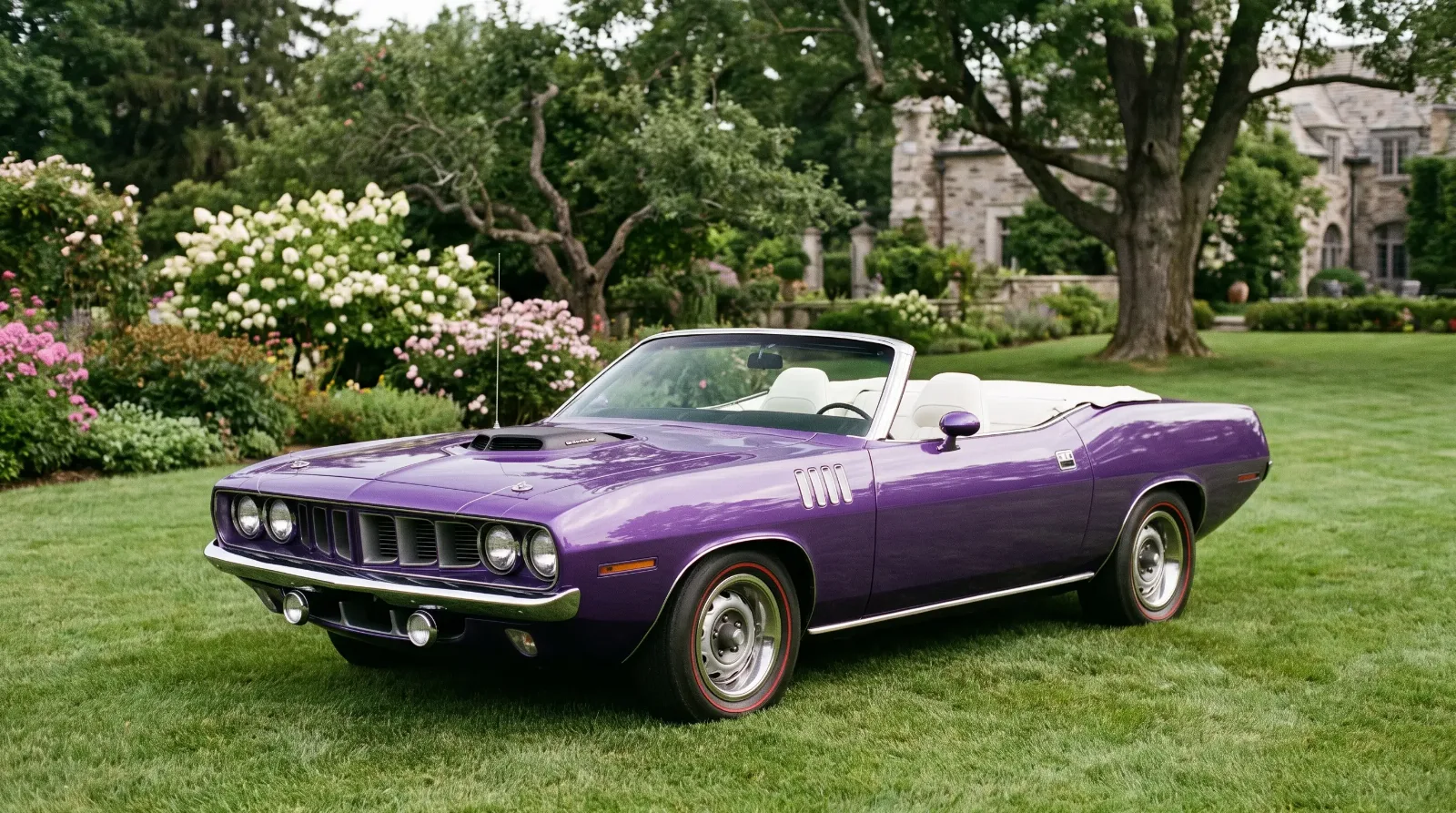
If you are buying to enjoy the car, none of this has to matter much. If you are buying with any thought toward holding value, it matters a great deal. This is a look at what actually moves muscle car values, where the money sits by condition, and which corners of the market are climbing or cooling as of 2026. The figures here are ranges drawn from public auction results, and where a number depends on options or documentation I have said so, because in this segment it always does.
What makes a muscle car rare
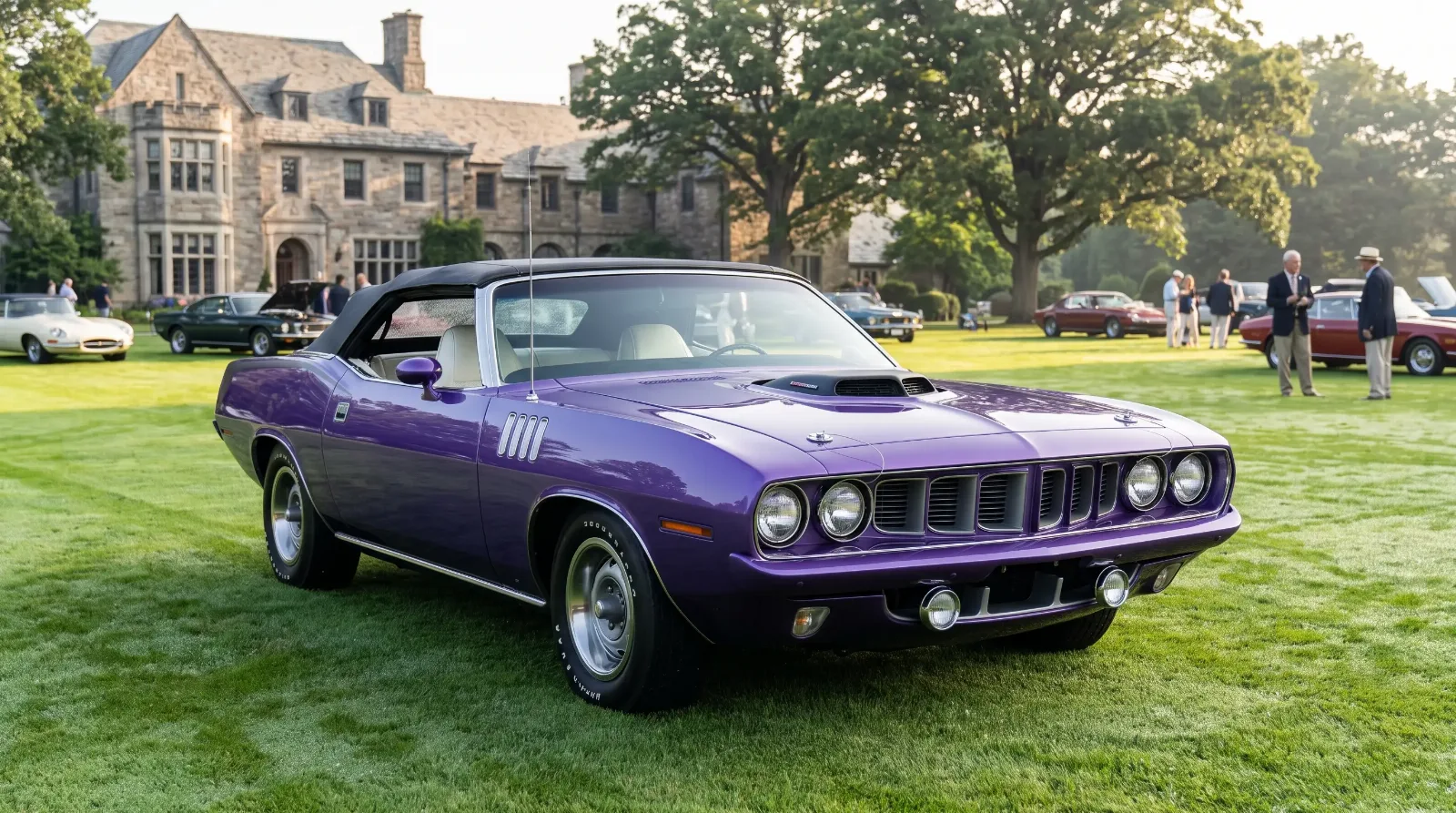
Rarity in this world is specific, not general. It is not enough that a model is uncommon. The market rewards the exact combination: the top engine option, the desirable transmission, a rare color, a convertible body, and low production of that precise build. A base V8 hardtop and the top-engine convertible of the same model are different investments even though the brochure lists them on the same page. The premium cars are the ones where the factory built very few of a specific high-performance configuration.
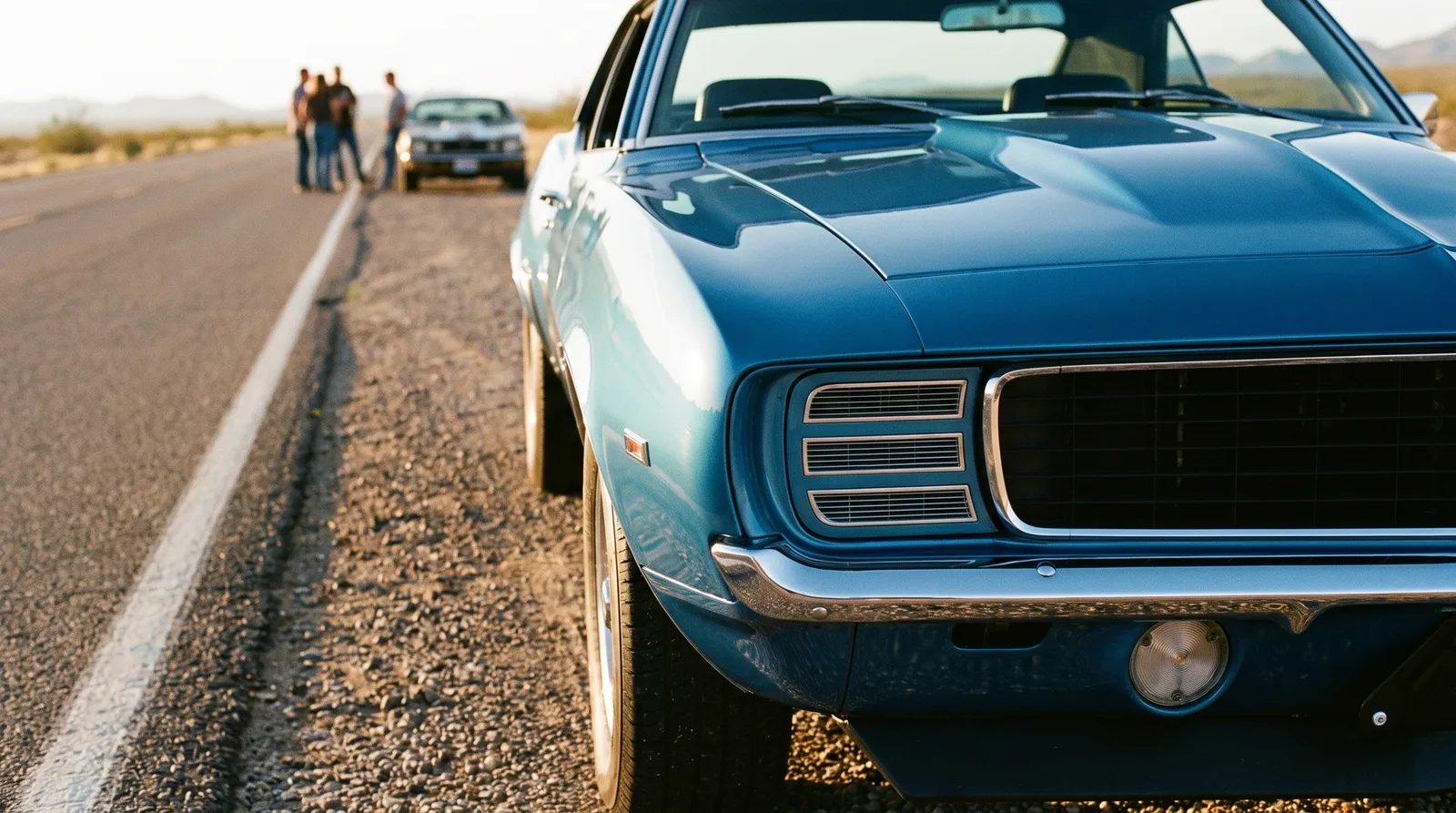
Consider the spread. Chevrolet built its 1969 Camaro by the hundred thousand, but only 69 of them left the line as the aluminum-427 ZL1, and those trade in a completely different universe. Chrysler's 1971 Hemi Cuda convertible is the extreme case, with only around 11 built, which is why it sits at the very top of the muscle car market. Scarcity of the specific build, not the nameplate, is what the money chases. For the wider arc of how these cars went from cheap performance to collectibles, it is worth reading the full muscle car story alongside the numbers.
Documentation is the whole ballgame
I cannot overstate this. In the muscle car market, documentation is not a bonus. It is a value multiplier. The same car with a full paper trail, a build sheet, the original window sticker, the factory invoice, dealer records, can be worth 30 to 50 percent more than an identical-looking car with a good story and nothing to prove it. Buyers have been burned enough times by restamped blocks and clone builds that they now pay a hard premium for provenance.
This is where a lot of the market's volatility actually lives. When a documented, matching-numbers example of a desirable variant comes up, it sets a strong price. When an undocumented car of the same model no-sales or trades soft, people misread it as the model cooling, when really the market just declined to pay a documented price for an undocumented car. Watch what the paperwork was before you read the result. The history of how these variants came to be is its own useful context, and you can read the full story of the era's evolution to understand why certain builds are so thin on the ground.
The blue-chip cars and what they bring
At the top of the market sit a handful of cars that function almost like fine art. The 1971 Hemi Cuda convertible is the headline, with documented examples having traded in the millions. The 1969 Camaro ZL1, the winged Mopars, the 1970 Chevelle LS6, and the documented Hemi cars across the Dodge and Plymouth lines all live in the serious-money tier. These are not driver cars for most buyers. They are assets that happen to have four wheels.
Below is a rough map of where some of the recognized cars sit for strong, documented examples. Treat these as ranges from public results, not quotes, because condition and options swing them hard.
| Car | Approx. value (documented, strong example) | Notes |
|---|---|---|
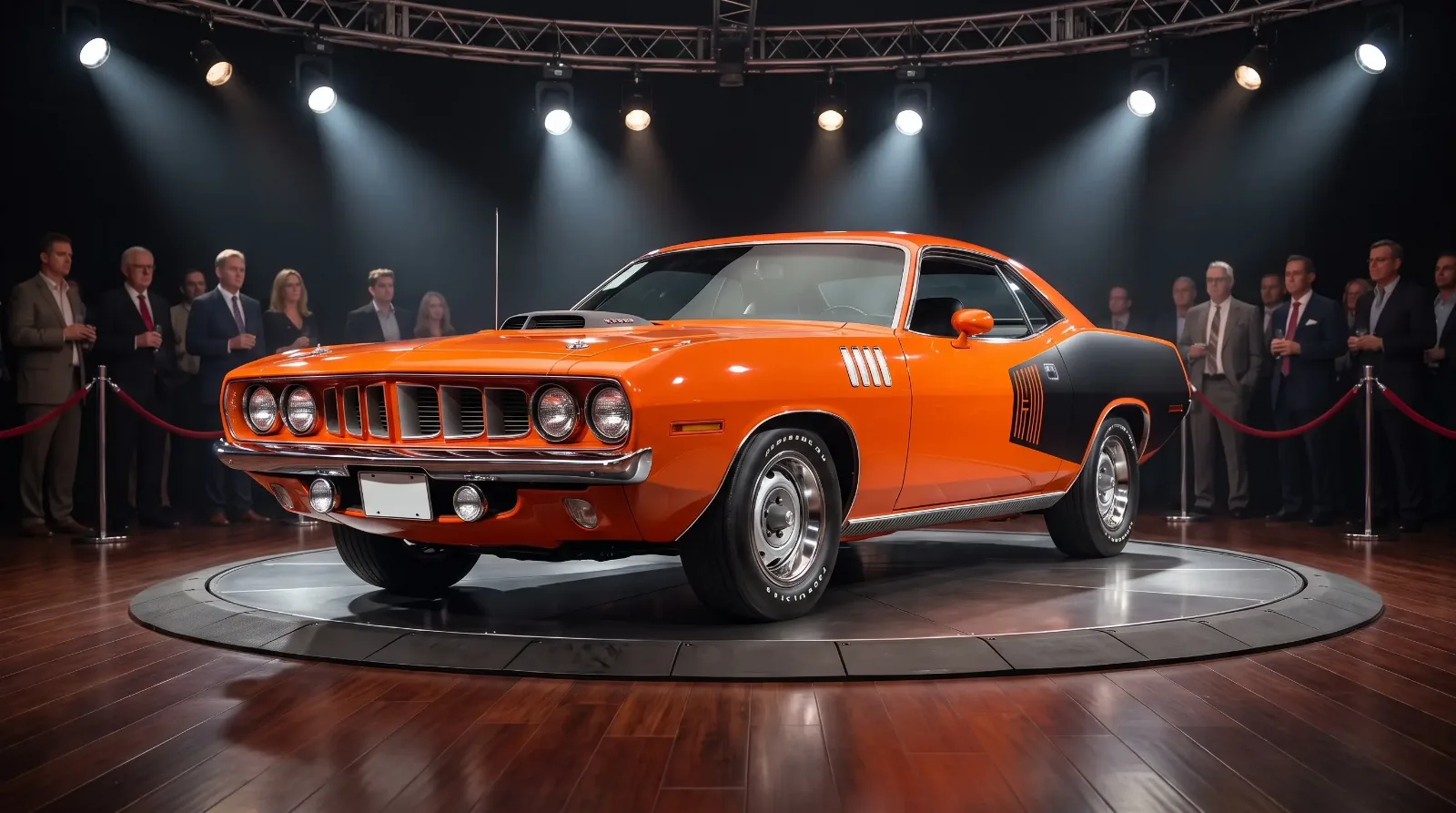
| 1971 Hemi Cuda convertible | $2M - $3.5M+ | Roughly 11 built; the market's ceiling |
| 1969 Camaro ZL1 | $500,000 - $1M+ | 69 built; aluminum 427 |
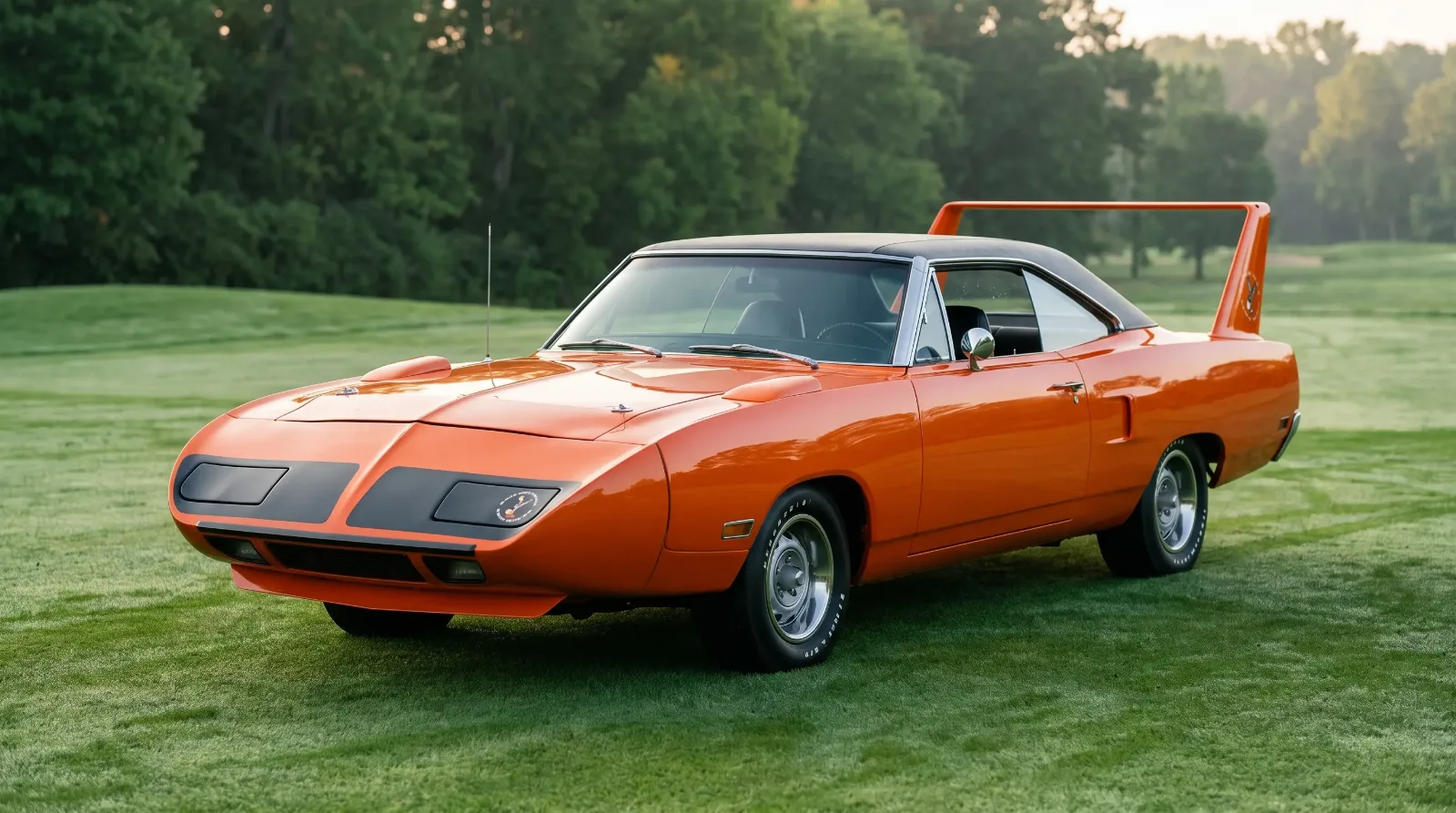
| 1970 Plymouth Superbird / Charger Daytona (Hemi) | $250,000 - $500,000+ | Winged aero cars, Hemi commands most |
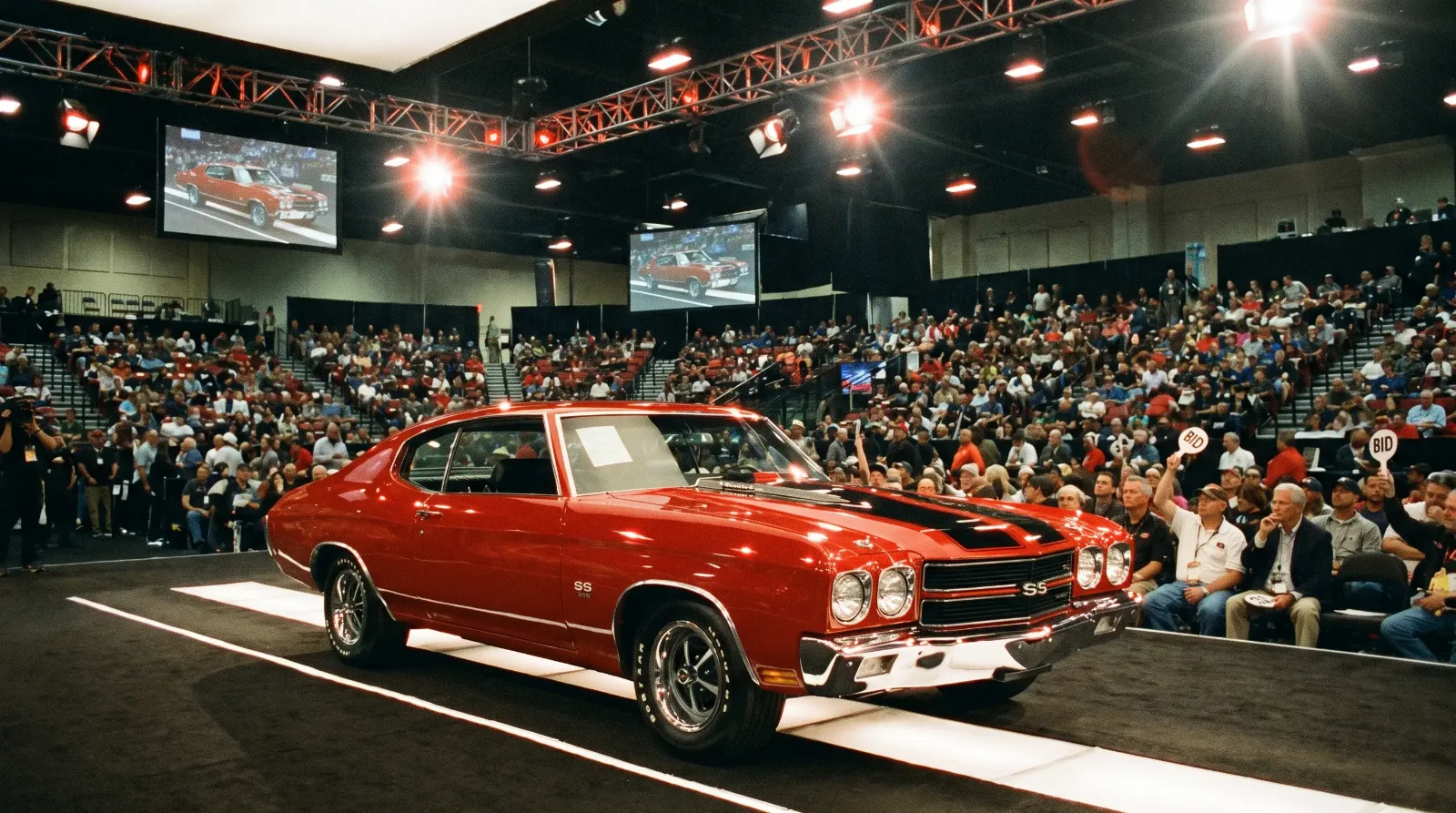
| 1970 Chevelle SS454 LS6 | $100,000 - $175,000 | Documented; convertibles higher |
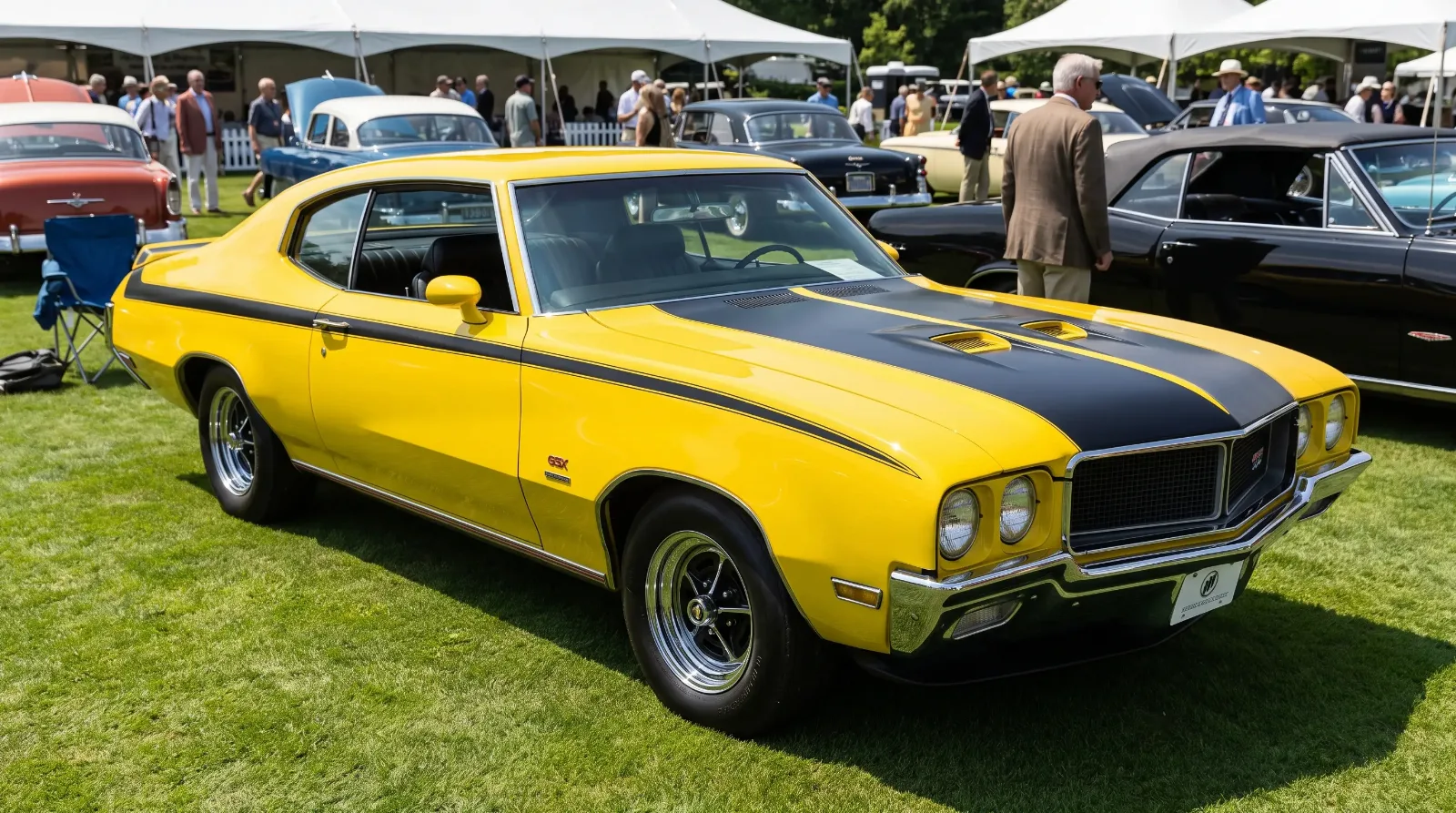
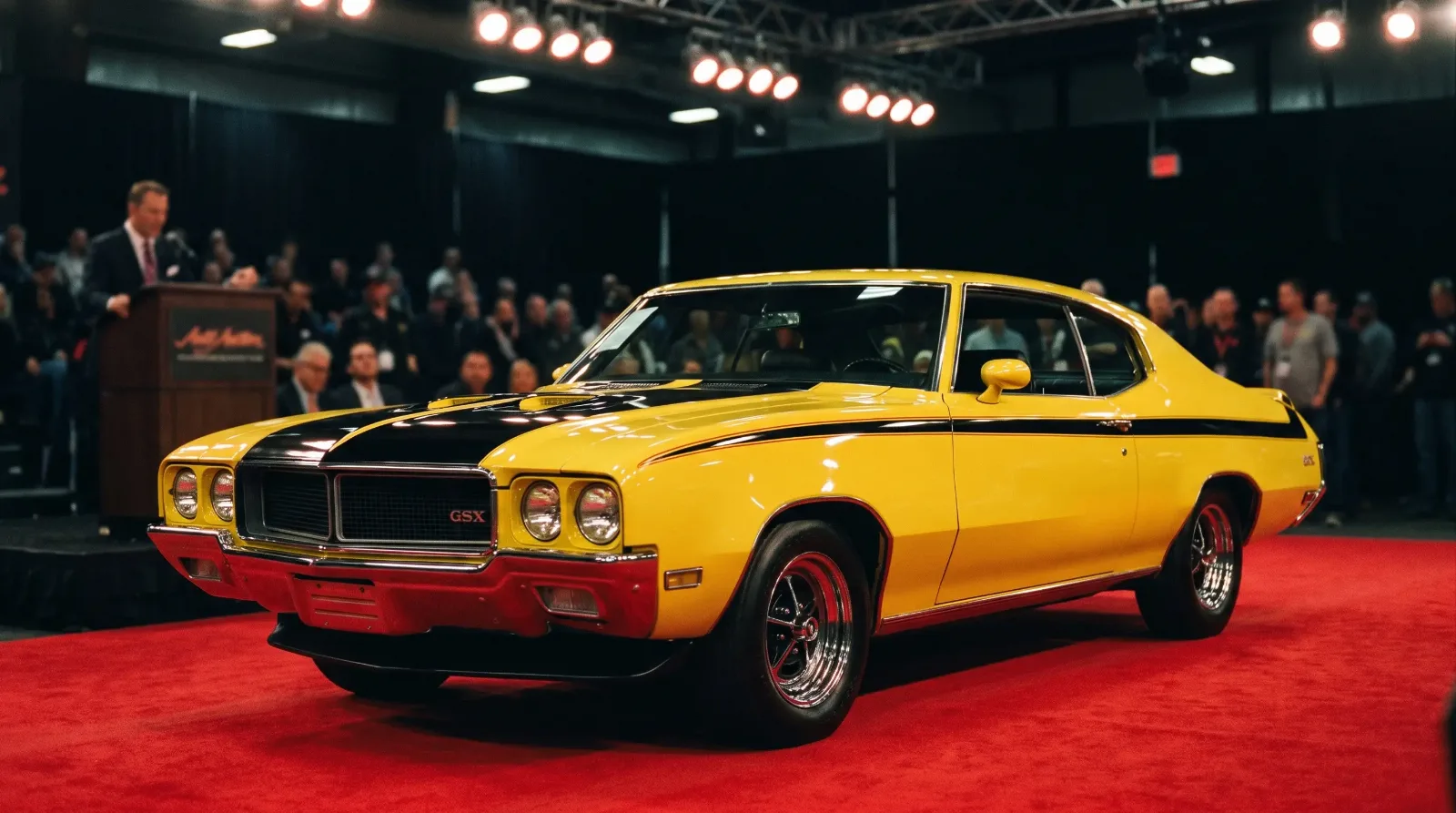
| 1970 Buick GSX Stage 1 | $100,000 - $200,000 | Around 400 GSX Stage 1 built for 1970 |
Where the value actually sits by condition
Most buyers are not shopping the blue chips. They are shopping the middle, and the middle is where condition tiers do the real work. The gap between a number-three driver and a number-two show car on the same model is often larger than people expect, and the gap up to a number-one concours car larger still. On a mainstream big-block muscle car, a solid driver might be a 45,000 dollar car while a concours example of the same build brings well past 90,000.
It helps to speak the market's language on condition, because the auction crowd and the price guides both run on a number scale from one to four. A number-one car is concours, better than the day it left the factory and rarely driven. A number-two is an excellent show car with only minor flaws. A number-three is a presentable, honest driver, and a number-four is a rough but running car that needs work. The jump from a three to a two is where most restoration money disappears, and the jump from a two to a one is where it disappears fastest. Knowing which number you are actually buying, and which number you are actually paying for, prevents most of the expensive mistakes in this segment.
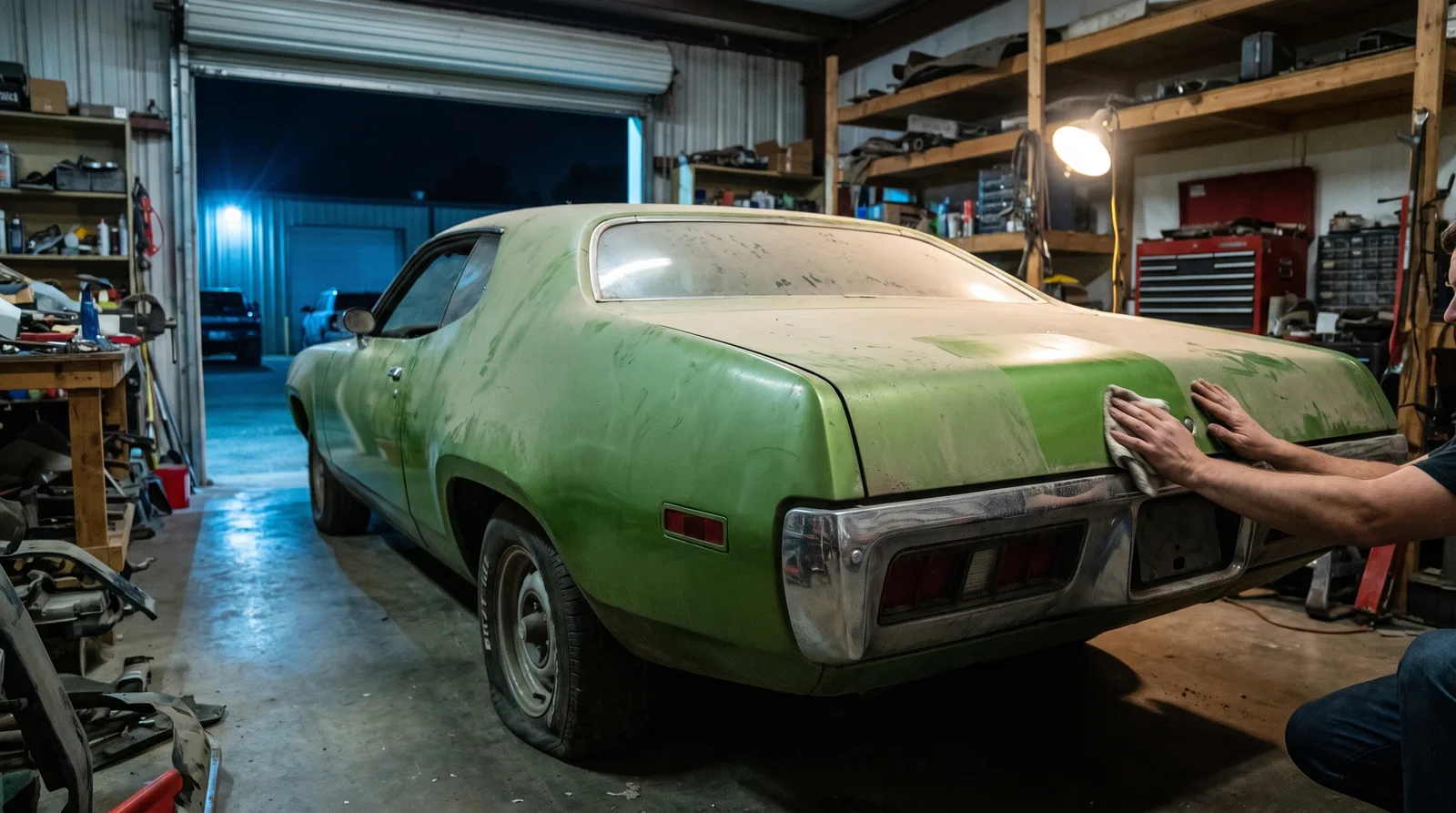
The practical takeaway is that condition is not linear. Moving a car from driver to show quality can cost more than the value it adds, which is why a nicely finished car often represents better value than a cheap project. If you are buying to hold value, buy the best documented example you can afford in one purchase rather than chasing a bargain and restoring up. The restoration almost never returns its cost in this segment unless the underlying car is genuinely rare, and even then only when the work is correct and documented.
"The single most common mistake I see is paying a documented-car price for an undocumented car on the strength of a good story. A number-two car with a thin paper trail is a number-three car with optimism attached, and the market figures that out the moment the check has to clear. Buy the paperwork first and the paint second."
David Mercer
What's rising and what's cooling
The market is not one thing, and it does not move all at once. Over the past few years the pattern has been fairly consistent. The documented, top-tier cars have held firm or climbed, because supply is fixed and the buyers at that level are not price sensitive. The soft spot has been the middle: common-engine cars, automatics, undocumented examples, and cars restored to a generic standard without originality. There is plenty of supply there and buyers have gotten pickier.
Two longer trends are worth watching. First, the buyer demographic is shifting, and cars from the late 1980s and 1990s are drawing the attention that 1960s iron used to own exclusively, which broadens the collector-car market but pulls some entry money away from traditional muscle. Second, within classic muscle the flight to quality is real: documented rarity is separating further from ordinary examples every year. If you want to buy well in 2026, that is the actionable read. Chase verifiable rarity, avoid the undifferentiated middle, and do not confuse a soft result on an undocumented car for a cooling model.
Buying for value in 2026
If value is part of your reason for buying, a few rules travel well across every brand in this segment. Buy documented cars. Favor the desirable build over the common one even if it costs more up front, because the premium build holds its spread in a downturn and the common one does not. Prefer originality to a fresh restoration when you can find it, since an unrestored, honest survivor of a rare configuration is increasingly the thing serious money wants. And do not overpay for condition you will never use, because the market does not fully reimburse concours money on a driver-grade model.
None of this means value has to be the only reason. Most people buy these cars because they wanted one at seventeen and can finally afford it, and that is a perfectly good reason to write the check. Just go in knowing what moves the number so you are not surprised at resale. When you are ready to see what the current market looks like across makes and models, you can shop classic muscle cars for sale and put the documentation-first discipline to work on real listings.
Related Reading
Article
The Classic American Muscle Car Story
Article
Muscle Car History & Evolution (1964-1974)
Article
Restoring & Owning a Classic Muscle Car
Article
What Makes a Muscle Car Valuable
Article
The Rarest American Muscle Cars Ever Built
Article
The Most Expensive Muscle Cars Ever Sold at Auction
Article
One-Year-Only Muscle Cars
Article
Limited-Production Muscle Cars Explained
Article
How Production Numbers Drive Value
Article
How Factory Options Affect Value
Article
How Color Affects Muscle Car Value
Article
Why Convertibles Command a Premium
Article
Documented vs Undocumented Muscle Cars
Article
Clones, Tributes and Real-Deal Cars
Article
Muscle Cars That Are Rising in Value
Article
Undervalued Muscle Cars to Buy Now
Article
Best Entry-Level Collector Muscle Cars
Article
Famous Celebrity-Owned Muscle Cars
Article
Muscle Car Auction Grades and Condition Tiers
Article
The Most Collectible Mopar Muscle Cars
Article
How Auction Houses Set Muscle Car Estimates
Article
The Hemi Premium: Why Mopar Muscle Leads
Article
Regional Value Differences in the Muscle Market
Article
How Mileage and Originality Affect Value
Article
The Muscle Car Bubble: Is It Sustainable?
Have a
Classic Car
for Sale?
Reach thousands of serious classic car collectors across the US.
Sell It Here →
Are You a Classic Car Dealer?
List your full inventory and connect with targeted classic car buyers.
Join as a Dealer →

About the author
David Mercer
Classic car market analyst with two decades of experience tracking collector car valuations, auction results, and investment trends.

Comments
Be the first to comment on this article.