
Every few years someone declares the muscle car market a bubble about to burst. The prediction has been made through multiple cycles, and the market has both crashed and recovered in ways that make the simple bubble story too simple. The honest answer to whether current values are sustainable is that it depends entirely on which cars you are talking about. The market is not one thing. It is at least two, moving in different directions, and treating it as a single trend is how people get the forecast wrong.
Market & Values
6 min read
The Muscle Car Bubble: Is It Sustainable?
Is the muscle car market a bubble? The answer splits by tier. Here is why documented rarities hold while common cars face a demographic reckoning.
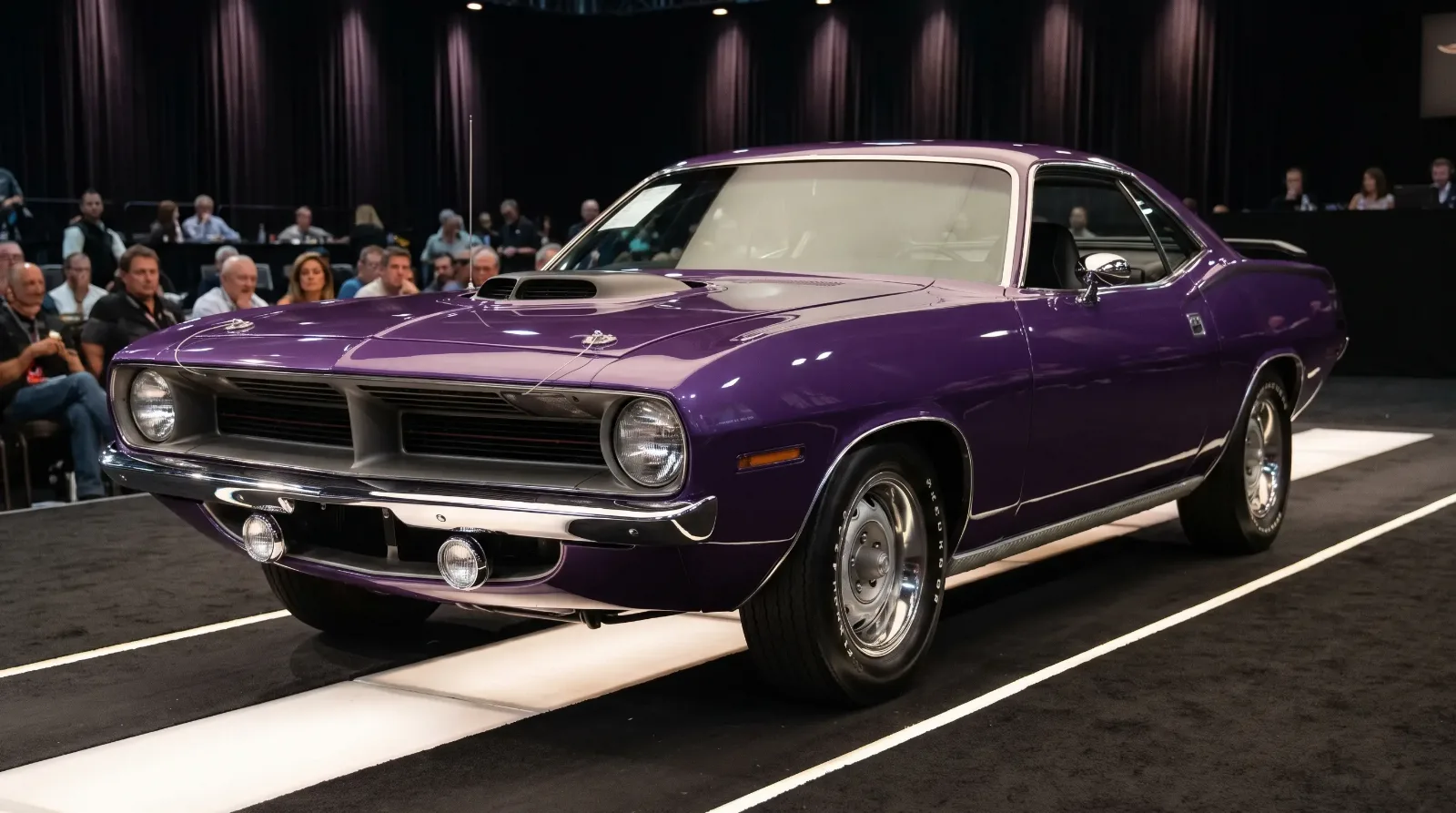
The bubble question is really a question about demand, and demand for these cars is tied to a generation that is aging out of the buying pool. That demographic reality sits underneath everything, and it pulls the top and the middle of the market apart. For the underlying drivers this analysis rests on, our guide to Muscle Car Values lays out what actually creates value, and sustainability is a question of whether those drivers hold.
What a bubble would actually mean
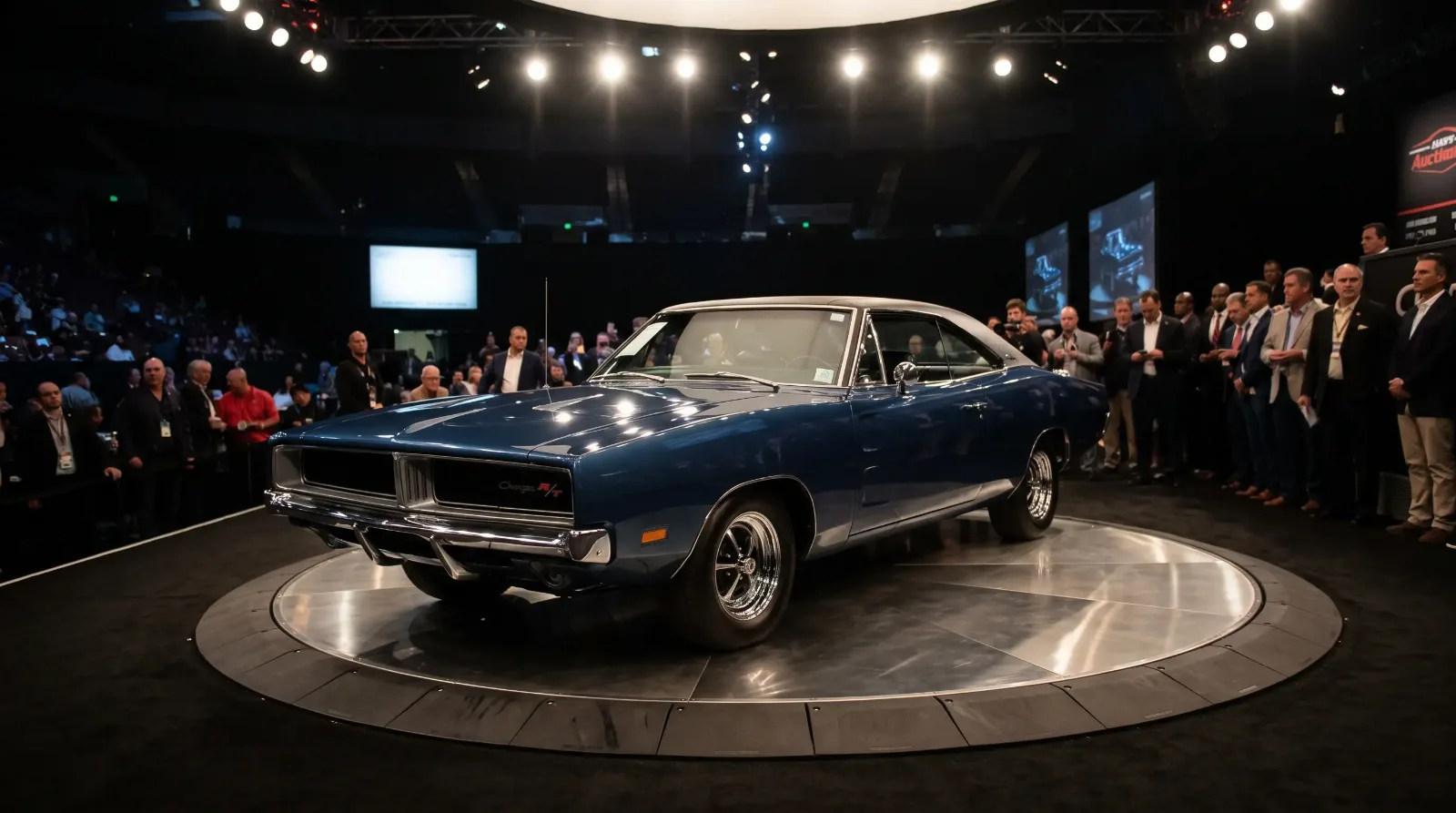
A bubble is not a high price. It is a price disconnected from any durable source of value, held up only by the belief that someone will pay more tomorrow. By that definition, parts of the muscle market have shown bubble behavior and parts have not. The speculative run-up of the mid-2000s, when ordinary cars and clones chased the same money as documented rarities, corrected hard when the wider economy turned. That was a bubble deflating, and it taught the market a lesson it partly remembered.
What replaced it was a more selective market. Buyers came back with a sharper eye for documentation, condition, and genuine rarity, and the prices that recovered fastest were on the cars that had real scarcity behind them. The froth on the common cars did not fully return. That history matters, because it shows the market can distinguish between a durable value and a speculative one, even if it takes a downturn to force the distinction.
The blue chips and the rest
The clearest way to read sustainability is to split the market in two. At the top sit the documented, genuinely rare cars, the Hemi convertibles, the low-production homologation specials, the numbers-matching examples with provenance. These behave like blue-chip collectibles. Their supply is fixed forever, the buyer pool at that level is wealthy and global, and their prices have held firm through soft patches because the people who buy them are not forced sellers.
Below that sits the broad middle, the common big-block cars, the driver-quality restorations, the cars that were built in the tens of thousands. This is where the vulnerability lives. Supply is ample, the buyers are more price-sensitive, and demand leans on the enthusiasts who grew up with these cars. As that generation ages, the middle of the market faces a real question that the top does not. The blue chips are supported by scarcity. The common cars are supported by nostalgia, and nostalgia has a shelf life tied to a generation.
| Market tier | Support | Sustainability outlook |
|---|---|---|
| Documented rarities | Fixed supply, wealthy global buyers | Durable, holds through downturns |
| Iconic named cars | Broad recognition, strong demand | Resilient, moderate cycles |
| Common big-block cars | Nostalgia, enthusiast buyers | Exposed to demographic shift |
| Clones and modified cars | Driver appeal, low scarcity | Most vulnerable to softening |
The demographic clock
The single largest force over the coming decade is generational turnover. The core buyers who paid up for these cars are the people who were young when they were new, and that group is moving out of its peak earning and collecting years. When a generation that formed an emotional bond with a specific car ages out, the demand it created does not automatically transfer to the next generation, which formed its bonds with different machines.
This does not mean the market collapses. It means it re-sorts. The cars with genuine historical significance and rarity will find new buyers because scarcity and importance survive a change of generations. The cars whose value rested mainly on one cohort's teenage memories face a thinner future, because the next set of collectors did not grow up wanting them. The market will not disappear. It will concentrate toward the cars that matter for reasons beyond nostalgia.
"People ask if the whole market is a bubble, and that is the wrong question. A documented rare car is not priced on hope, it is priced on scarcity that never changes. A common clone is priced on a feeling, and feelings age with the people who have them. One of those is sustainable and one of them is exposed, and the auction record has been telling you which is which for years."
David Mercer
What the data has been saying
The auction results over recent cycles support the split rather than a single trend. The headline sales, the seven-figure documented rarities, have set records and held them, because the supply cannot expand and the demand at that level is not tied to any one generation's memory. Meanwhile the middle of the market has been choppier, with common cars and lesser configurations softening in quieter periods and recovering more slowly.
That divergence is the tell. In a true across-the-board bubble, everything inflates together and everything deflates together. What the muscle market has shown instead is a widening gap between the cars with durable value and the cars without it. That is not a bubble bursting. It is a market maturing, learning to price rarity and documentation separately from nostalgia. The trend has been running long enough now to look structural rather than temporary.
The verdict on sustainability
If you are buying at the top of the market, the documented rarities with real scarcity and provenance, the values look sustainable in the way any blue-chip collectible is sustainable, subject to the broader economy but supported by permanent scarcity. If you are buying in the middle, treat the current prices as more fragile and buy the car because you want to own and drive it, not because you expect it to appreciate. The safest ground remains the same as it has always been: rarity you can prove, condition you can see, and documentation that survives scrutiny.
None of this argues against buying. It argues for buying the right car for the right reason at a price that makes sense to you. If you want to see what is available and how current asking prices line up with these tiers, browse classic muscle cars for sale and weigh each one against the fundamentals. To go deeper on what separates a durable value from a speculative one before you commit, read the full story on what actually makes a muscle car valuable.
Related Reading
Have a
Classic Car
for Sale?
Reach thousands of serious classic car collectors across the US.
Sell It Here →
Are You a Classic Car Dealer?
List your full inventory and connect with targeted classic car buyers.
Join as a Dealer →

About the author
David Mercer
Classic car market analyst with two decades of experience tracking collector car valuations, auction results, and investment trends.

Comments
Be the first to comment on this article.