
Two 1970 Chevelle SS396 cars can sit fifty feet apart at the same auction and sell for a $40,000 spread. Same model, same engine, same color. The difference is condition, and condition in this business is not a vague impression. It's a grade, and the grade decides the check. A buyer who understands muscle car auction grades reads a catalog differently than one who doesn't, because the grade tells you what you're really bidding on before you ever walk the lot.
Market & Values
6 min read
Muscle Car Auction Grades and Condition Tiers
How muscle car auction grades work, from concours #1 to project #4. What separates each condition tier and how to bid on the grade a car actually earns.
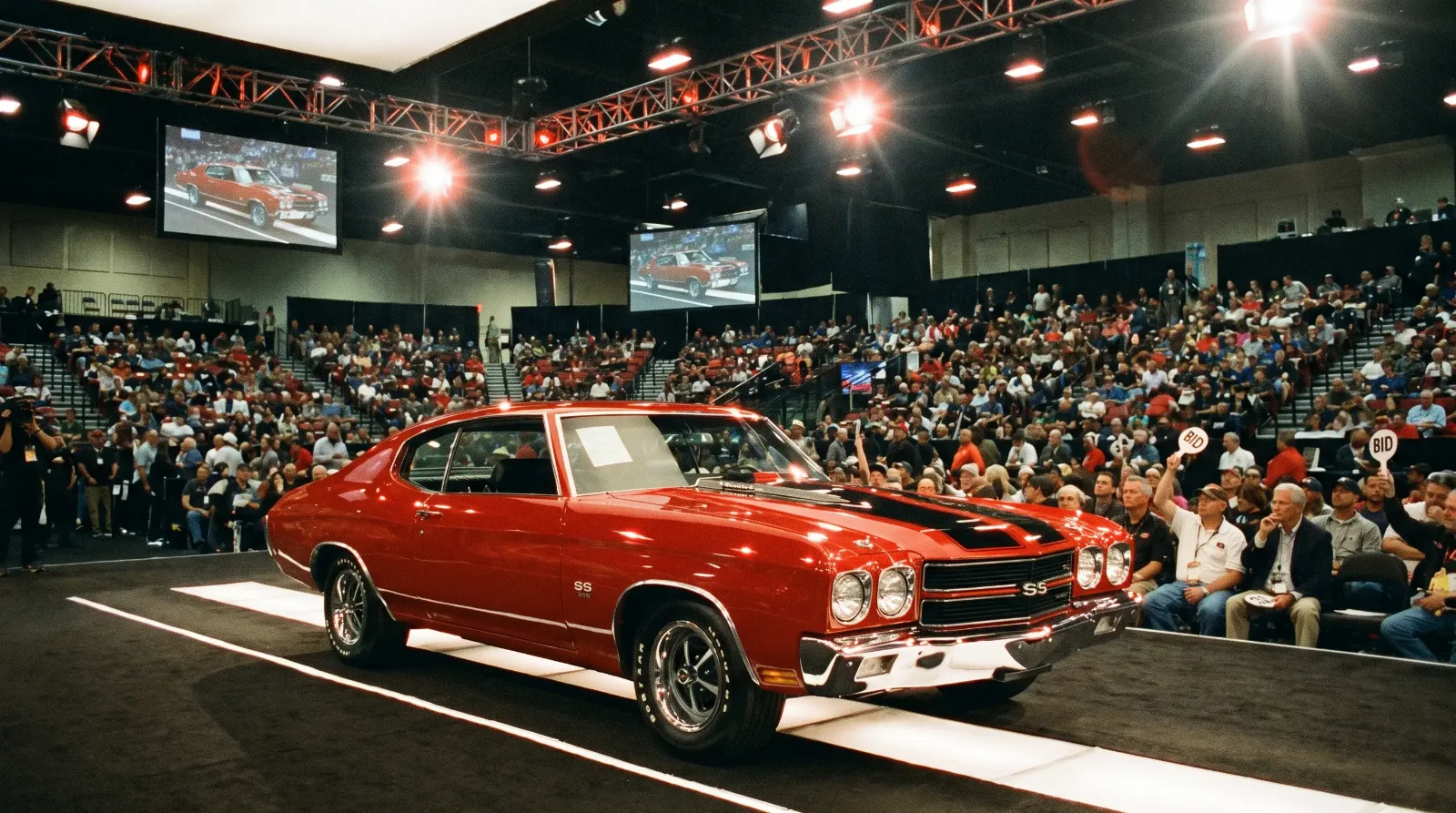
I appraise cars for insurance and investment clients, which means I spend my days translating condition into money. The number one mistake I see is a buyer falling for a car that presents beautifully at ten feet and paying a grade the car doesn't hold up close. The grading scale exists precisely to stop that, and once you know how it works, a lot of the mystery in auction pricing disappears.
The four condition tiers
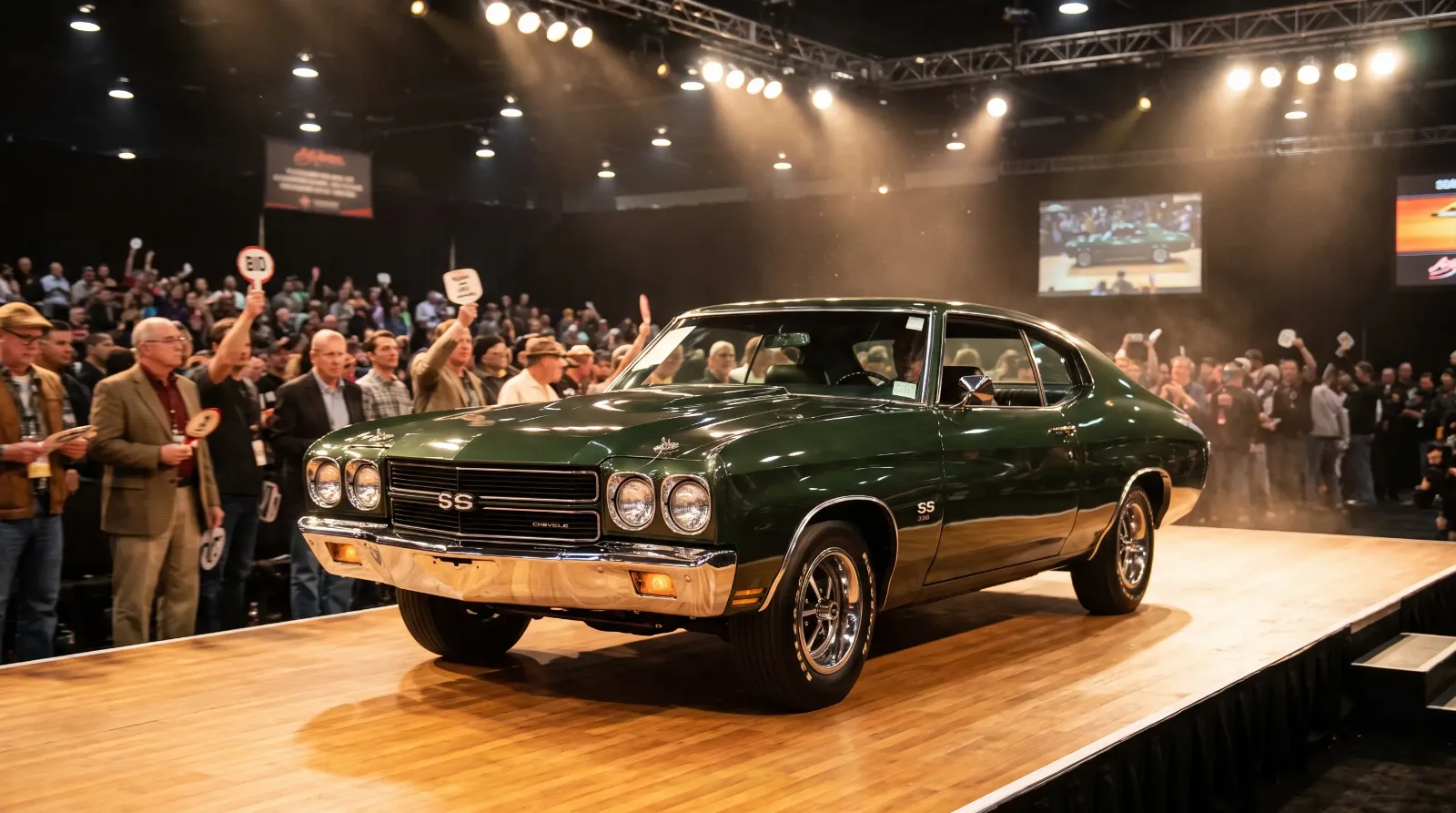
The industry runs on a numeric scale from 1 to 4, and every serious price guide, appraiser, and auction house speaks it. A number 1 car is concours, better than the factory ever built it, trailered and rarely driven. A number 2 is an excellent car, show-ready, with only minor flaws you have to hunt for. A number 3 is a solid, presentable driver with visible age. A number 4 is a running car that needs work, honest but tired. Each step down the scale is not a small discount. It's a cliff. For how a seller should rate their own car before listing it, see condition ratings explained from #1 to #4.
| Grade | Condition | What it means | Approx. share of top value |
|---|---|---|---|
| #1 | Concours | Better than new, show-judged, rarely driven | 100% |
| #2 | Excellent | Show-ready driver, minor flaws only | 65-80% |
| #3 | Good | Presentable driver, visible age and wear | 40-55% |
| #4 | Fair | Running project, needs cosmetic or mechanical work | 20-35% |
The gap between a number 2 and a number 3 is where most auction disappointment lives. A car described generously as a number 2 that is honestly a number 3 can cost a buyer tens of thousands, because the price was set for a grade the car doesn't earn. The full picture of how these tiers feed into pricing sits in the pillar's the muscle car values breakdown.
What separates one grade from the next
Grades come down to a handful of measurable things. Panel gaps and body straightness. Paint quality, meaning depth, orange peel, and whether the color is correct for the year. The originality of the drivetrain and whether the numbers match. The condition of chrome, glass, and interior. And underneath all of it, rust, which is the single fastest way to drop a car two grades regardless of how the paint looks.
Documentation sits alongside condition and can move a car within its grade. A number 2 car with a build sheet, factory invoice, and clean ownership history sells at the top of the number 2 range. The same car with no paper sells at the bottom. Provenance doesn't change the physical grade, but it changes where inside the grade the money lands.
Where grading claims go wrong
Grade inflation is the appraiser's constant headache. Sellers describe optimistically, and a car listed as a number 2 is very often a strong number 3. The tell is usually in the places a repaint can't hide: the door jambs, the underside, the trunk floor, the engine bay. A car that shines on top and shows its age underneath is a driver wearing a show-car description, and it should be priced as a driver.
"A number 2 car with a thin paper trail isn't a number 2 car when the check clears. It's a number 3 with a good story, and the appraisal has to say so."
Marcus Feld
The other trap is the restored car that was restored to the wrong standard. A fresh, glossy respray in a non-original color, or a car with reproduction parts where correct ones belong, can look like a high grade and appraise like a middle one. Correctness is part of condition at this level, and the market pays for it.
Using grades to bid smart
Before you bid, decide what grade the car in front of you actually earns, not the grade the catalog claims. Inspect the areas that reveal the truth, get an independent set of eyes if the money is serious, and set your ceiling against the honest grade. If the car grades a number 3, bid number 3 money no matter how good the description reads.
Grade discipline is what separates buyers who do well at auction from those who overpay and learn later. Certain marques carry their grades at a premium, and Mopar sits at the top of that list for reasons of rarity and demand, which the segment covers in read the full story. Know the scale, grade the car honestly, and let the number set your limit rather than the paint.
Why the same grade can bring different money
Two cars can share an honest number 2 grade and still sell for a meaningful spread, and buyers who don't understand why end up frustrated. Grade measures condition. It does not measure desirability, and the market pays for both. A number 2 Hemi car and a number 2 small-block car of the same body are graded identically and valued a world apart, because rarity and demand ride on top of condition rather than inside it.
This is where a lot of first-time bidders misread a catalog. They see the grade, assume it sets the price, and get surprised when a well-documented, high-demand car blows past its condition-based estimate. The grade tells you what shape the car is in. The model, the engine, the options, and the paperwork tell you how many people in the room want it. You need to read both columns before you set a ceiling, because a strong grade on an ordinary car is not the same bet as a strong grade on a car everyone came to buy.
Related Reading

Have a
Classic Car
for Sale?
Reach thousands of serious classic car collectors across the US.
Sell It Here →
Are You a Classic Car Dealer?
List your full inventory and connect with targeted classic car buyers.
Join as a Dealer →

About the author
Marcus Feld
Accredited collector-car appraiser who reads the market through hammer prices, condition tiers and risk.


Comments
Be the first to comment on this article.