
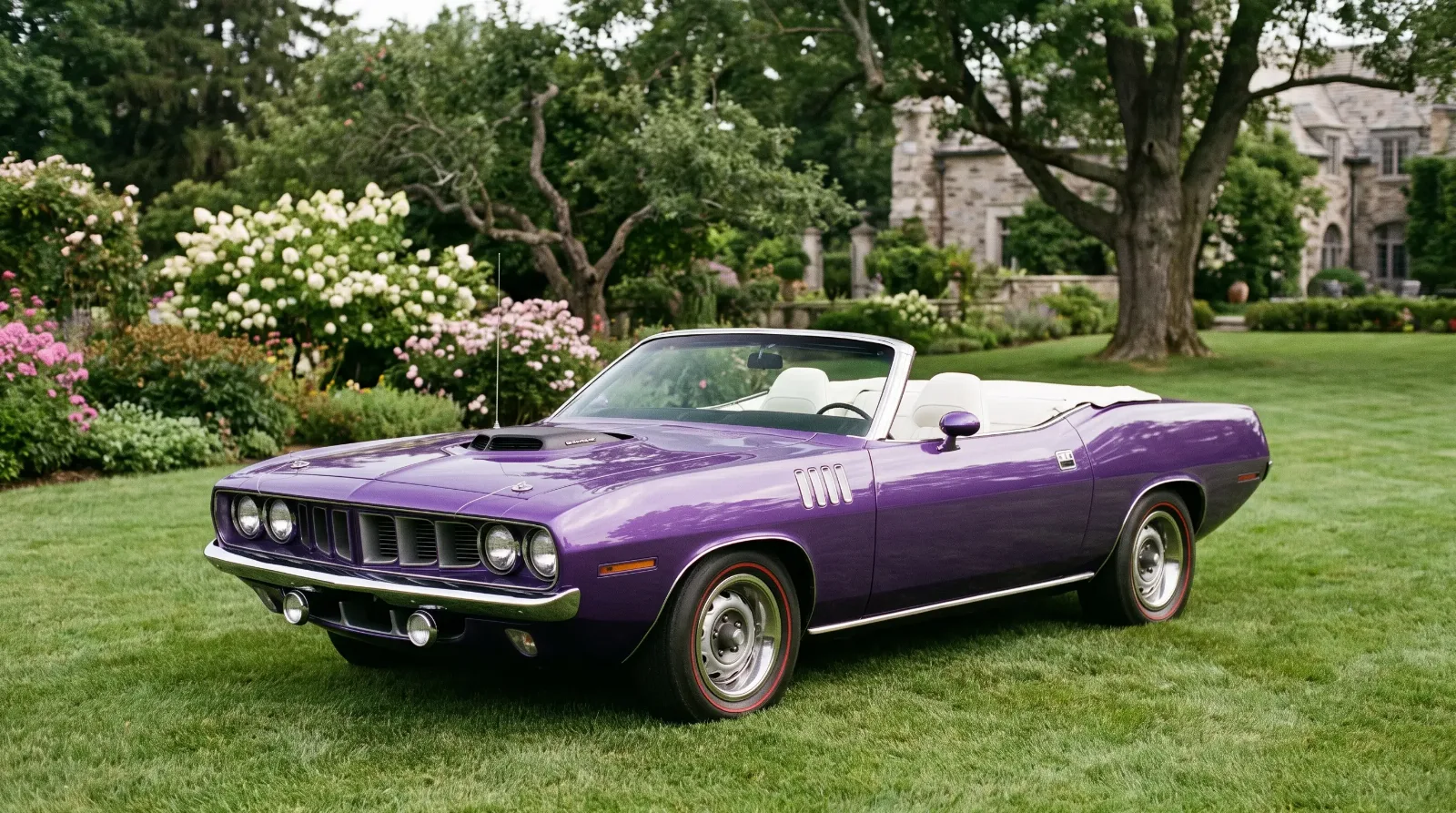
No corner of the muscle car market runs hotter at the top than Mopar. When a 1971 Hemi Cuda convertible changes hands for a number that starts with a two and has six digits behind it, it isn't an outlier, it's the ceiling of a segment that has commanded the highest prices in American muscle for two decades. Chrysler built fewer of the cars that matter most, gave them the most feared engine of the era, and collectors have never stopped paying for that combination. The collectible Mopar muscle cars are, dollar for dollar, the blue chips of the whole hobby.
Market & Values
6 min read
The Most Collectible Mopar Muscle Cars
The most collectible Mopar muscle cars, from Hemi Cuda convertibles to winged aero cars. Why Chrysler leads the market and legends beat clones.
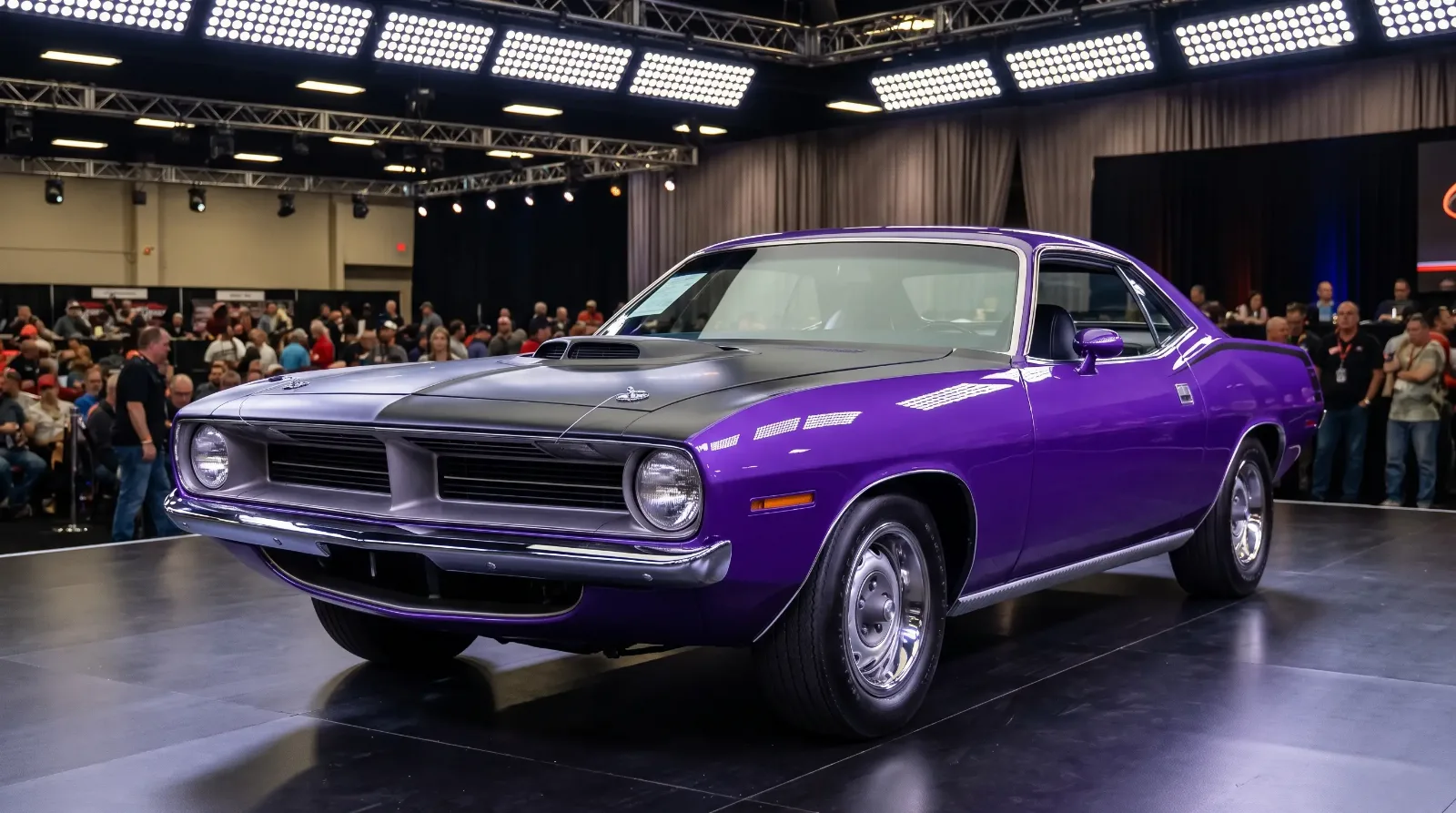
I track the auction results that set these prices, and the Mopar story is remarkably consistent. Rarity plus the Hemi plus documentation equals the top of the market, and the cars that stack all three trade in a league of their own. Understanding which Mopars carry that premium, and why, tells you a lot about how the entire muscle segment values scarcity. The pillar covers the mechanics of that in what you need to know.
Why Mopar sits at the top
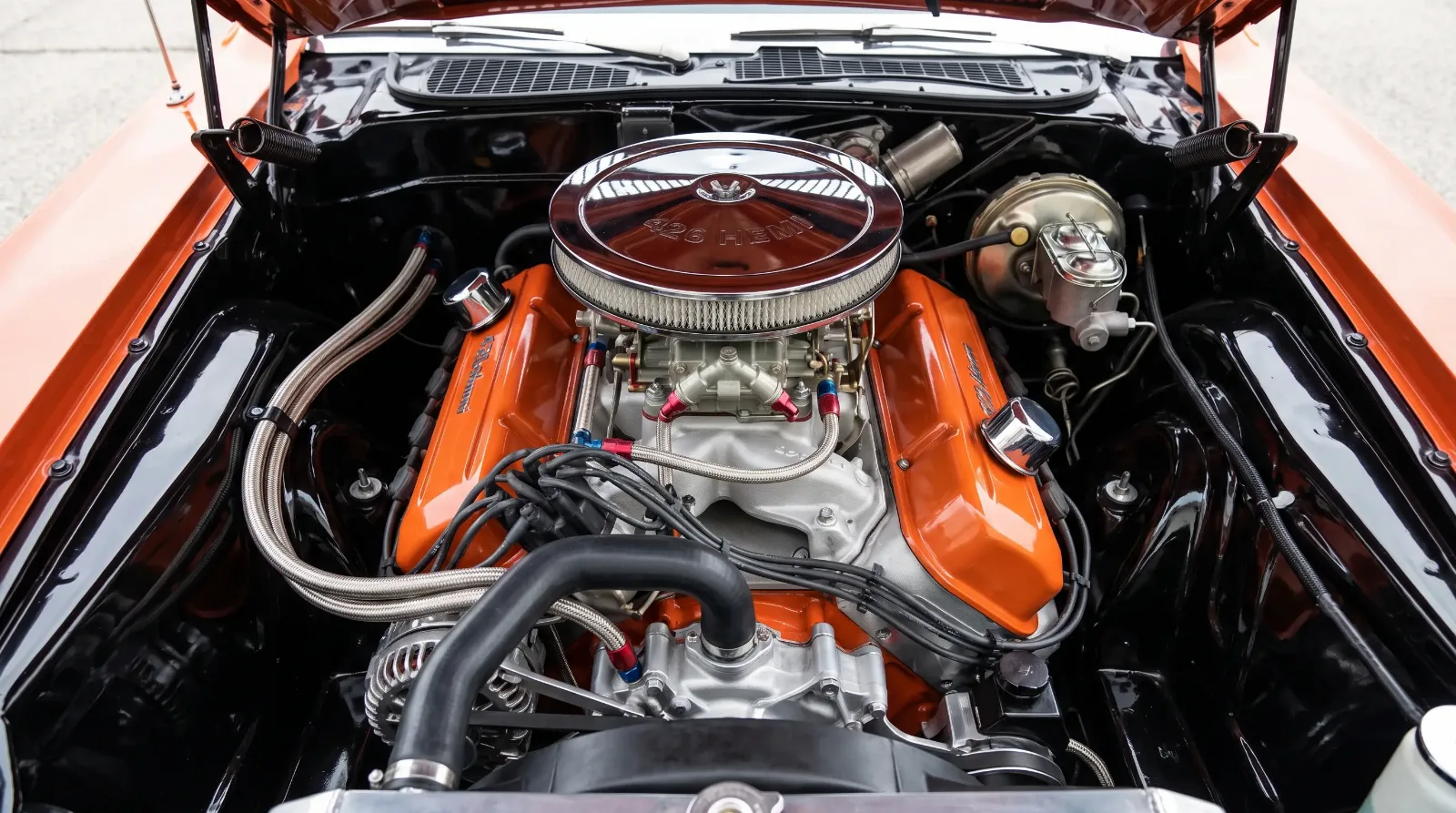
Three forces put these cars where they are. First is the 426 Hemi, an engine that was expensive when new, ordered by relatively few buyers, and legendary from the day it hit the street. Second is production scarcity, because Chrysler's most desirable configurations were built in tiny numbers, and some Hemi cars left the factory in the single or double digits for a given body and transmission. Third is the styling, the Cuda and the Charger and the winged cars, which have aged into some of the most recognizable shapes in automotive history.
Put those together and you get cars where a single option box, checked or not, swings the value by a factor of five or more. That leverage is why the Mopar market rewards documentation more ruthlessly than any other, and why a build sheet or fender tag can be worth as much as a fresh restoration.
The cars that lead the market
A handful of names define the top tier. The 1970 and 1971 Hemi Cuda, especially the convertible, is the most valuable of all, and the '71 convertible is famously one of the rarest muscle cars ever built. The Dodge Charger Daytona and Plymouth Superbird, the winged aero warriors built to win NASCAR, carry huge premiums with Hemi power. The Hemi Challenger, Coronet R/T, and Super Bee round out the group, each commanding a fortune in the right configuration.
| Car | Year | What drives the value | Approx. top-tier value |
|---|---|---|---|
| Hemi Cuda convertible | 1970-1971 | Extreme rarity, Hemi, drop-top | $1M-$3M+ |
| Plymouth Superbird (Hemi) | 1970 | NASCAR aero, Hemi, low build | $400,000-$1M+ |
| Dodge Charger Daytona (Hemi) | 1969 | Winged aero, Hemi, scarcity | $500,000-$1M+ |
| Hemi Challenger R/T | 1970 | Hemi, first-year styling | $200,000-$500,000 |
| Hemi Coronet Super Bee | 1970 | Hemi, low production | $150,000-$400,000 |
What separates a great Mopar from a good one
Within the Mopar world, the value ladder is steep and unforgiving. The engine sits at the top: a genuine Hemi car is worth multiples of the same body with a 383 or 440, even though the smaller-engine cars are excellent in their own right. Body style comes next, with convertibles commanding a strong premium over hardtops. Then transmission, color, and options each move the needle.
Above all of it sits documentation. A numbers-matching Hemi car with a fender tag, broadcast sheet, and clean history is worth far more than an otherwise identical car with a question mark in its past. The Mopar market has more clones and tributes than almost any other, which makes provenance the difference between a legend and a liability.
"In the Mopar world, the paperwork is the car. A documented Hemi and a nicely built tribute can look identical in the driveway, and the market values them a million dollars apart."
David Mercer
Where the Mopar market is heading
The very top Mopars, the documented Hemi convertibles and winged cars, have proven remarkably resistant to broader market softness, because the supply is fixed and the demand is global. I don't expect that to change. The more interesting movement is one rung down, where documented 440 and 340 cars offer much of the Mopar experience for a fraction of the Hemi money, and those cars have room to appreciate as the top tier prices buyers out.
The Mopar dominance at auction is worth measuring against the other marques, and the Ford side of that story lives in the the rarest and most expensive mustangs ever story. If you want to understand how these estimates get built in the first place, the process behind the catalog numbers is covered in read the full story. Buy the documented car, verify the engine, and let Chrysler's scarcity keep doing the work it has done for twenty years.
Buying into the Mopar market safely
The same qualities that make these cars valuable make them the most faked in the hobby, and a buyer stepping into Mopar for the first time needs to protect against exactly that. The fender tag and broadcast sheet are the starting point, but tags can be reproduced and sheets can be planted, so the real work is verification. Have the VIN, engine casting numbers, and date codes checked against each other by someone who knows the marque, and treat any car whose paperwork doesn't line up as a tribute until proven otherwise.
The economics of a clone versus a real car are brutal enough to justify the effort. A genuine documented Hemi car and a beautifully built 440 tribute wearing Hemi badges can look identical across a fairground, and the market values them hundreds of thousands of dollars apart. That gap is the whole reason the fakes exist. For a first Mopar, many buyers are better served by an honest, correctly-badged 340 or 440 car bought for what it actually is, a car that delivers the Chrysler experience without the six-figure exposure to a documentation dispute. Buy the real thing at the top, or buy an honest lesser car, but never pay top money for a story the numbers can't back up.
Related Reading
Have a
Classic Car
for Sale?
Reach thousands of serious classic car collectors across the US.
Sell It Here →
Are You a Classic Car Dealer?
List your full inventory and connect with targeted classic car buyers.
Join as a Dealer →

About the author
David Mercer
Classic car market analyst with two decades of experience tracking collector car valuations, auction results, and investment trends.

Comments
Be the first to comment on this article.