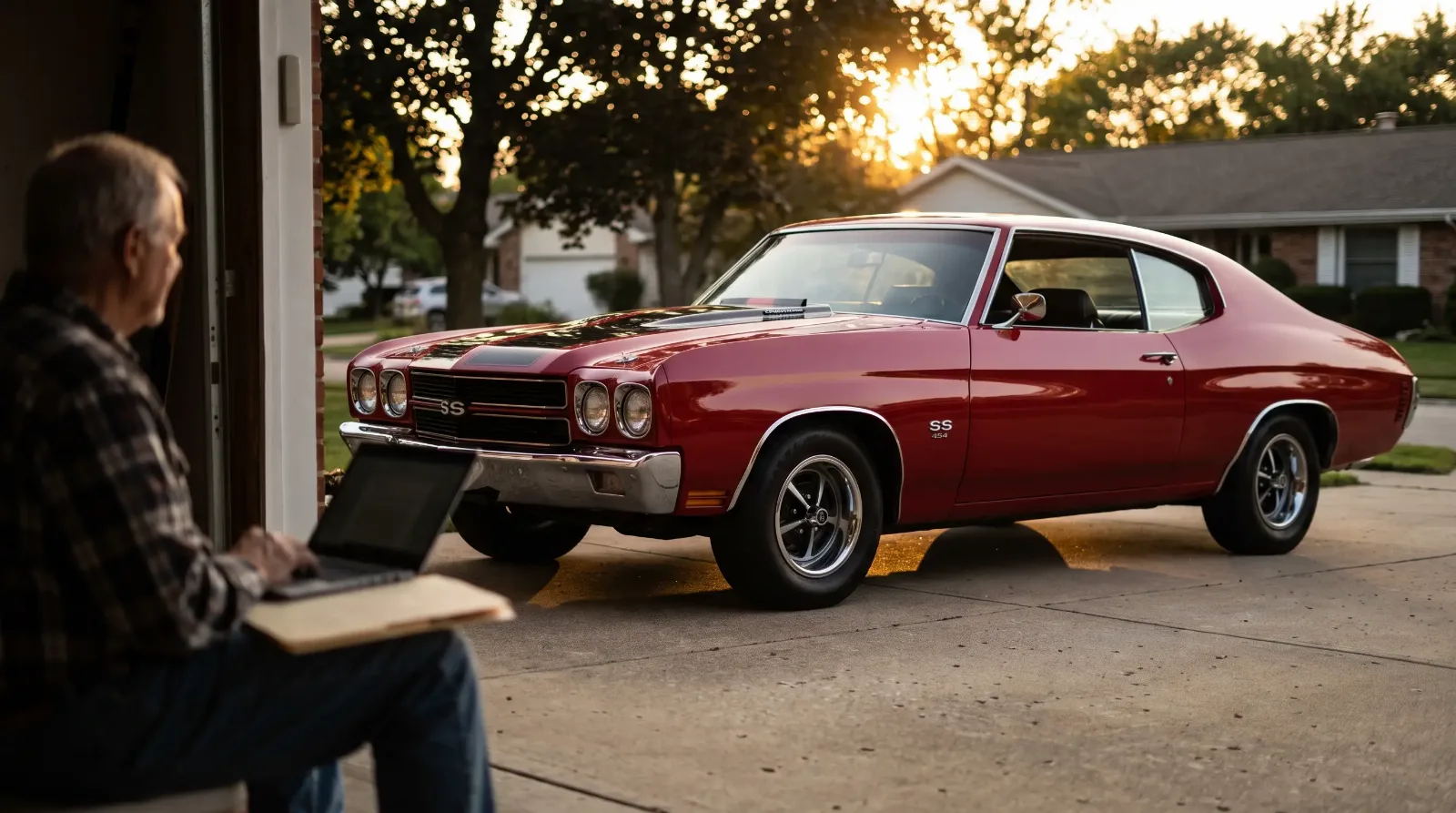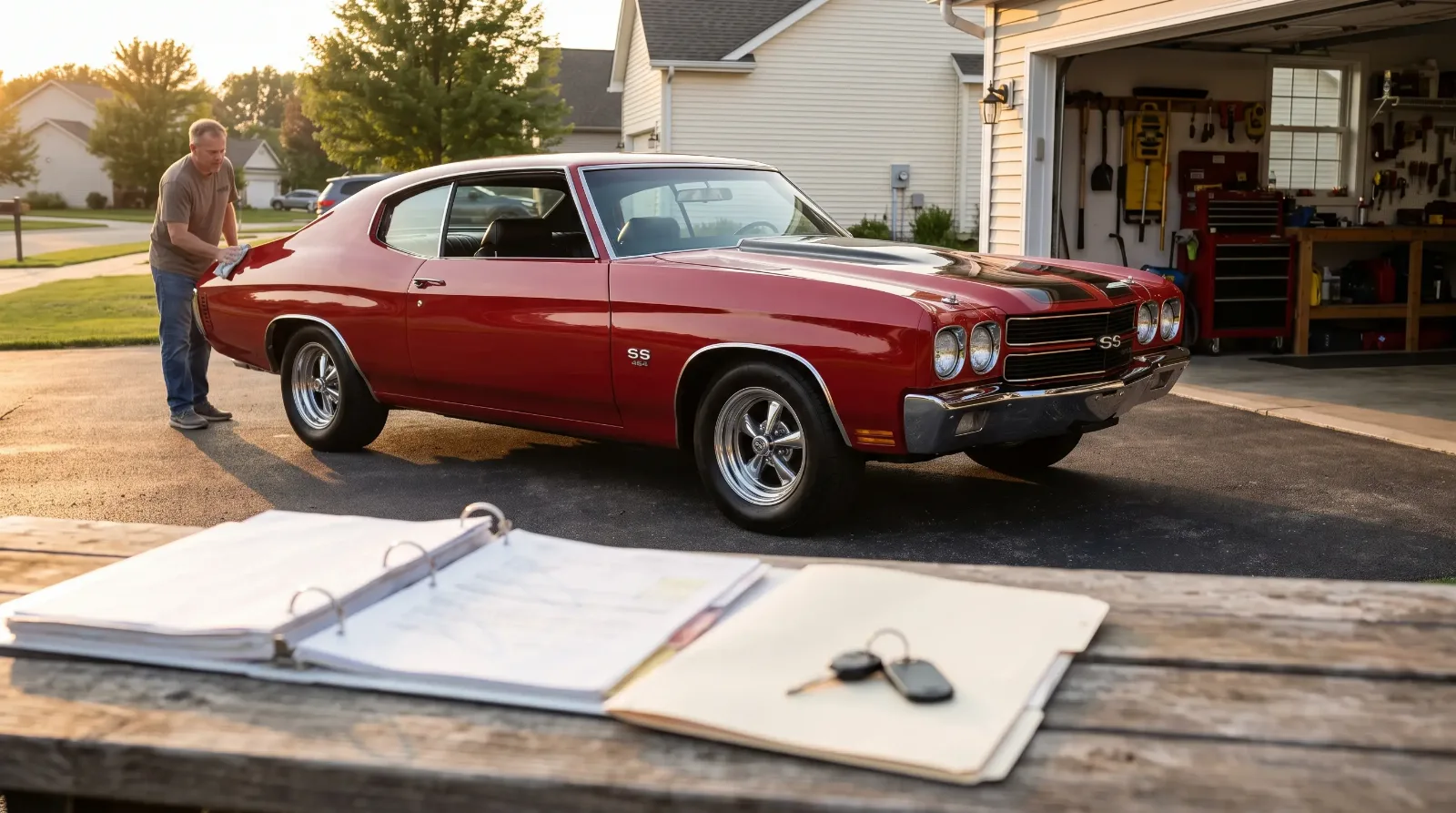

A fellow at a club breakfast once told the whole table he was taking his 1967 Pontiac GTO to a big televised auction. Everybody nodded. It had a fresh repaint, a good engine, and a story about a grandfather who bought it new. Then somebody asked whether the original window sticker and the Pontiac Historic Services report were still in the glovebox. They weren't. He'd never ordered the report, and the sticker had gone missing in a move. The table got quiet, and the conversation turned from "which auction" to "which way of selling makes sense for a car like this one."
That is the question this piece is about. Not which website or which auction house, but which method. A private sale, an auction (live or online, with or without a reserve), or consignment through a dealer. Each one trades money against time, effort and risk in a different ratio, and the best way to sell a classic car depends far more on the car and its paperwork than on whatever method your neighbor used. If you are still sorting out the platforms themselves, our guide on where to sell a classic car covers the venues. Here we pick the method first.
Three methods, three different bargains
Every way of selling a collector car is really a deal about who does the work and who carries the risk. In a private sale, you do everything: price the car, photograph it, write the description, answer the calls, show it to strangers, and handle the money. In exchange you keep nearly all of the sale price. At an auction, the auction company supplies the crowd and the deadline. You give up a share of the result, and you give up some control over the final number. With consignment, a dealer takes the car onto the lot or the showroom, handles the buyers, and keeps a commission or a fixed fee when it sells.
None of these is better in the abstract. A car with a thick folder of documents and a known market can do very well in front of a bidding room. A clean driver with no paperwork usually does better sold directly to a buyer who can drive it and ask questions.
Private sale: the most money, the most work
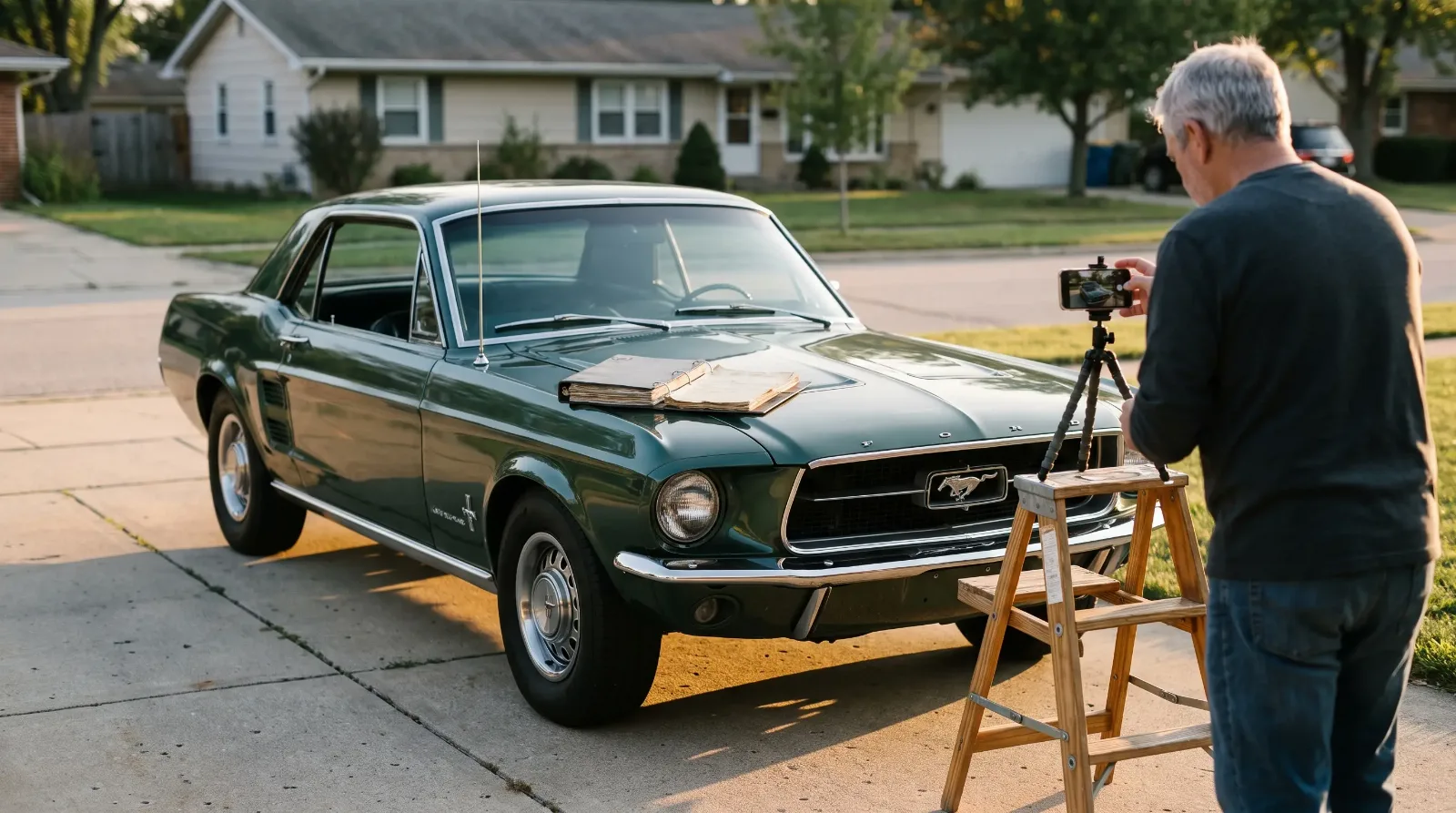
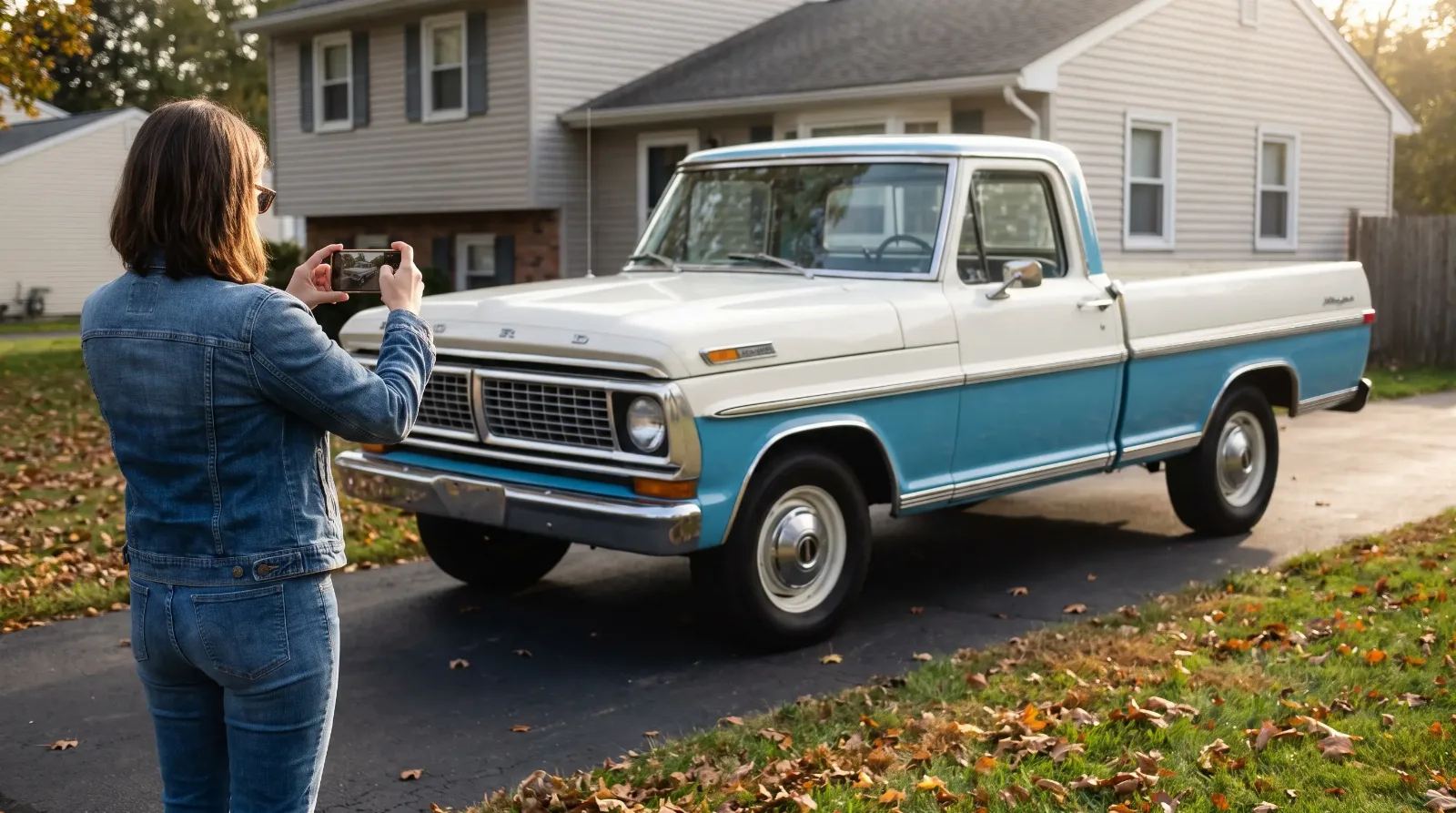
A private sale keeps the most money in your pocket because nobody stands between you and the buyer taking a percentage. The costs are mostly your own time plus some modest out-of-pocket items: a proper detail, good photographs, maybe a pre-sale inspection report from an independent shop so buyers trust what you say, and the cost of the listing itself.
Listing costs vary a lot. Free classifieds bring plenty of tire kickers and scam messages. Paid classic car marketplaces charge either a flat fee or a subscription. On ClassicCarsArena, for example, the listing is a flat one-time fee of $49, $99 or $179 depending on the package, with no commission and no success fee, the ad stays up until the car sells, and the buyer pays you directly. The two higher tiers also go out in newsletter sends to more than 15,000 subscribers who signed up to hear about new listings. Long-running marketplaces such as Hemmings, ClassicCars.com and Autotrader Classics sell their own ad packages, and those rate cards change, so check current prices before you compare.
The tradeoffs are real, though. A private sale has no deadline, which cuts both ways. A fairly priced car can sell in a week, while an overpriced one can sit for months. You also take on the risk side of the deal yourself. You have to verify funds, avoid overpayment scams, deal with buyers who want to send a "shipper" with a cashier's check, and sign the title over correctly.
Auctions: live, online, reserve and no-reserve
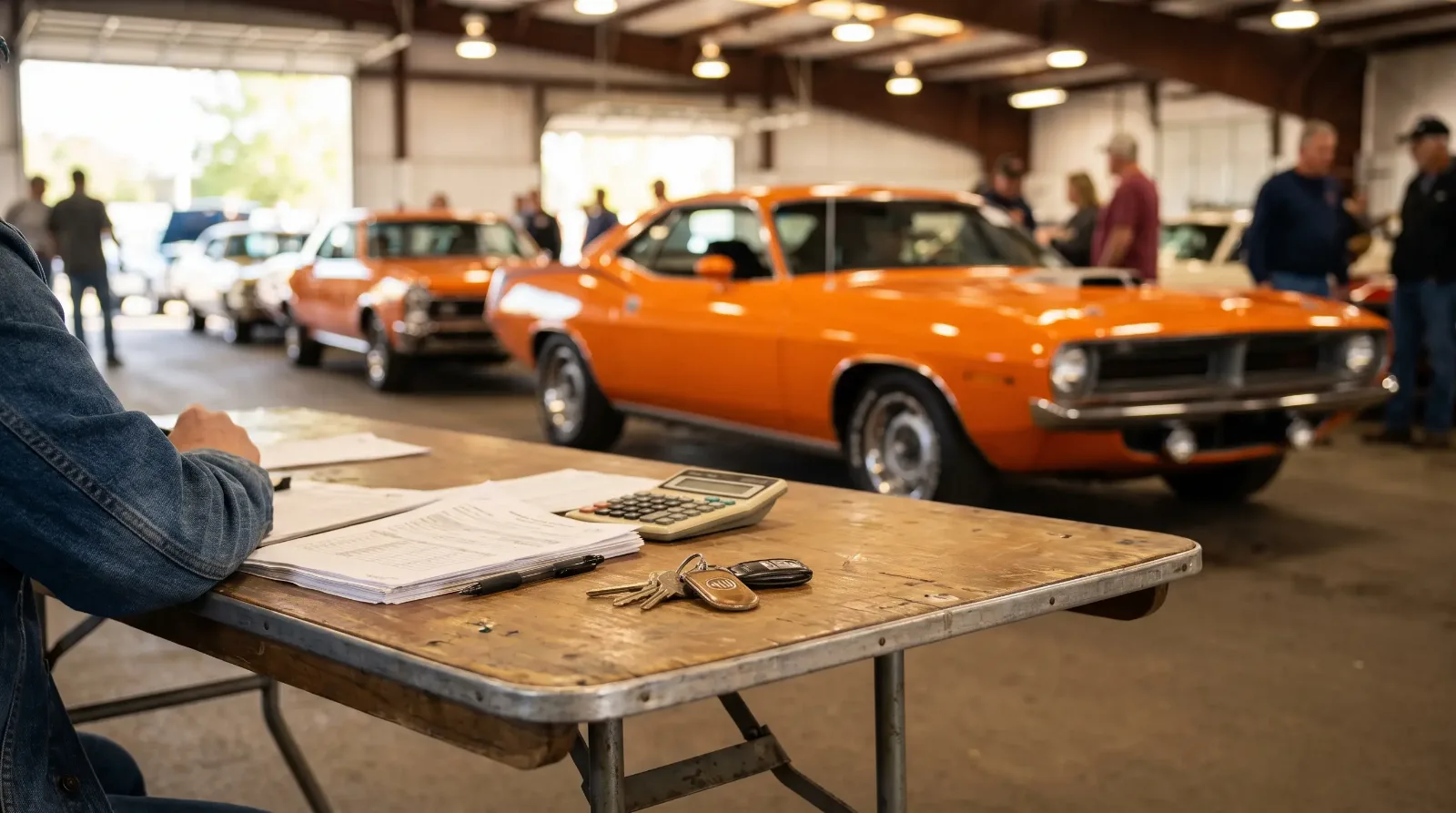
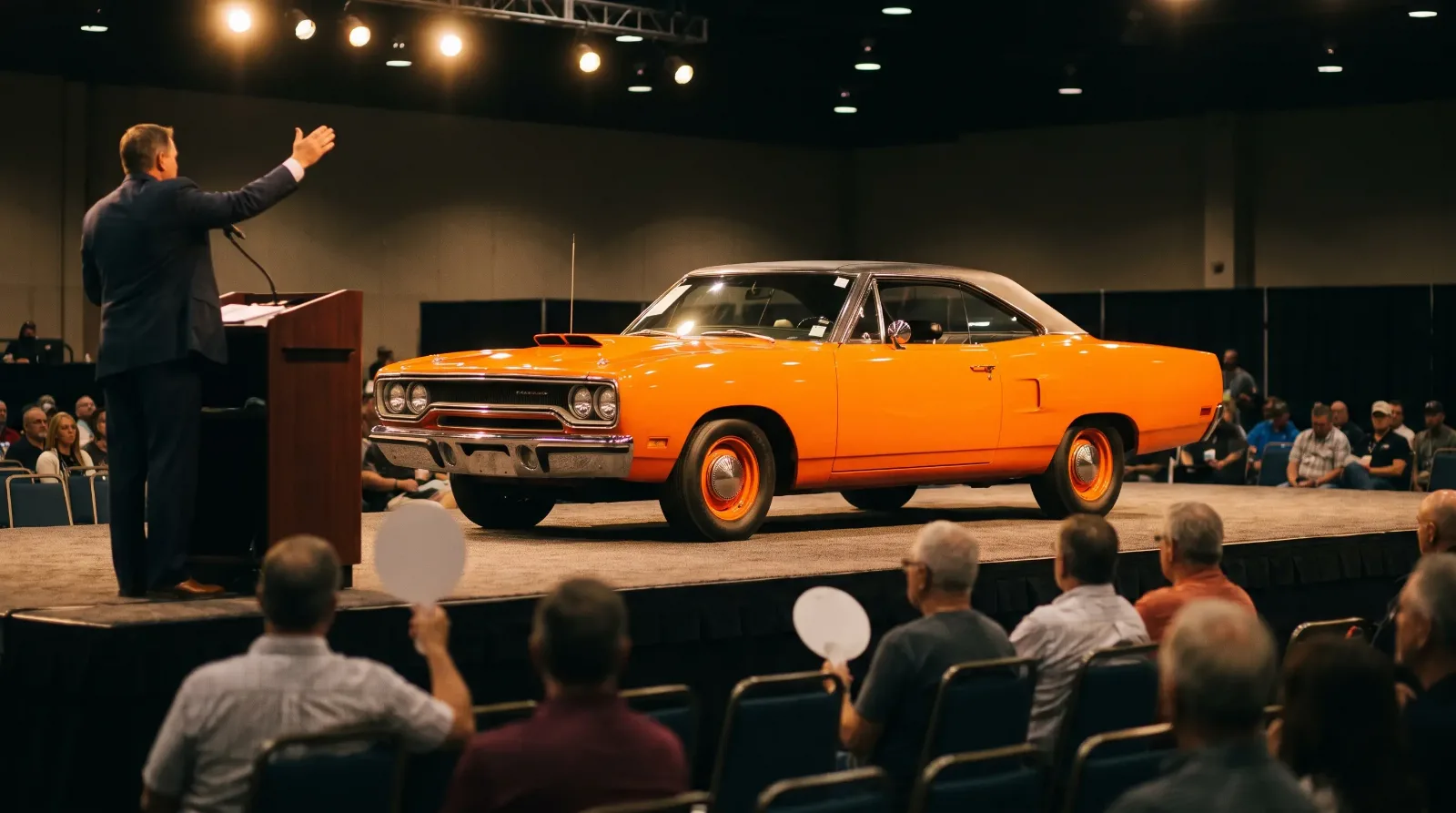
Auctions sell two things a private listing cannot: a crowd and a deadline. When the hammer falls or the clock runs out, the car is sold (or it isn't), and you know where you stand. For the right car, competition between two determined bidders can push the price past what any single private buyer would have offered.
Live auctions
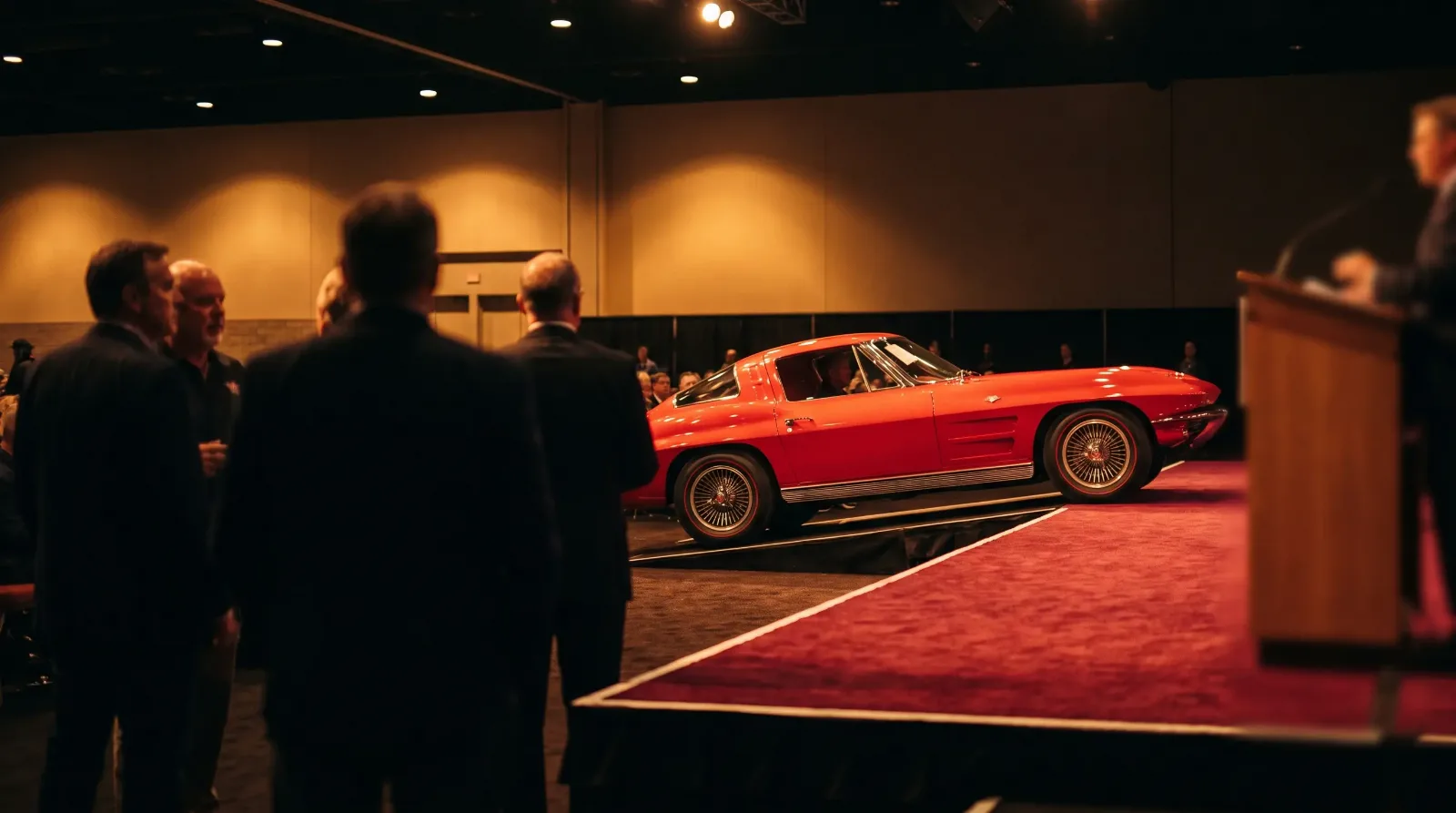
Live auctions are the televised tents and ballrooms. They charge the seller a nonrefundable entry fee and a commission on the hammer price. Mecum publishes entry fees of $350 to $1,000 plus a 6% seller's commission at no reserve or 10% with a reserve, charged only if the car sells. Barrett-Jackson sets its entry fee by the day and time of the lot and charges an 8% seller's commission. The buyer pays a premium on top of the hammer: 10% in person at Mecum and Barrett-Jackson (Mecum charges 12% for phone and internet bids, with a $1,000 minimum on vehicles), and 12% up to $250,000 at RM Sotheby's North American sales. Add trucking to the event, and remember you can pay all of that and still go home unsold if the reserve is not met.
Online auctions
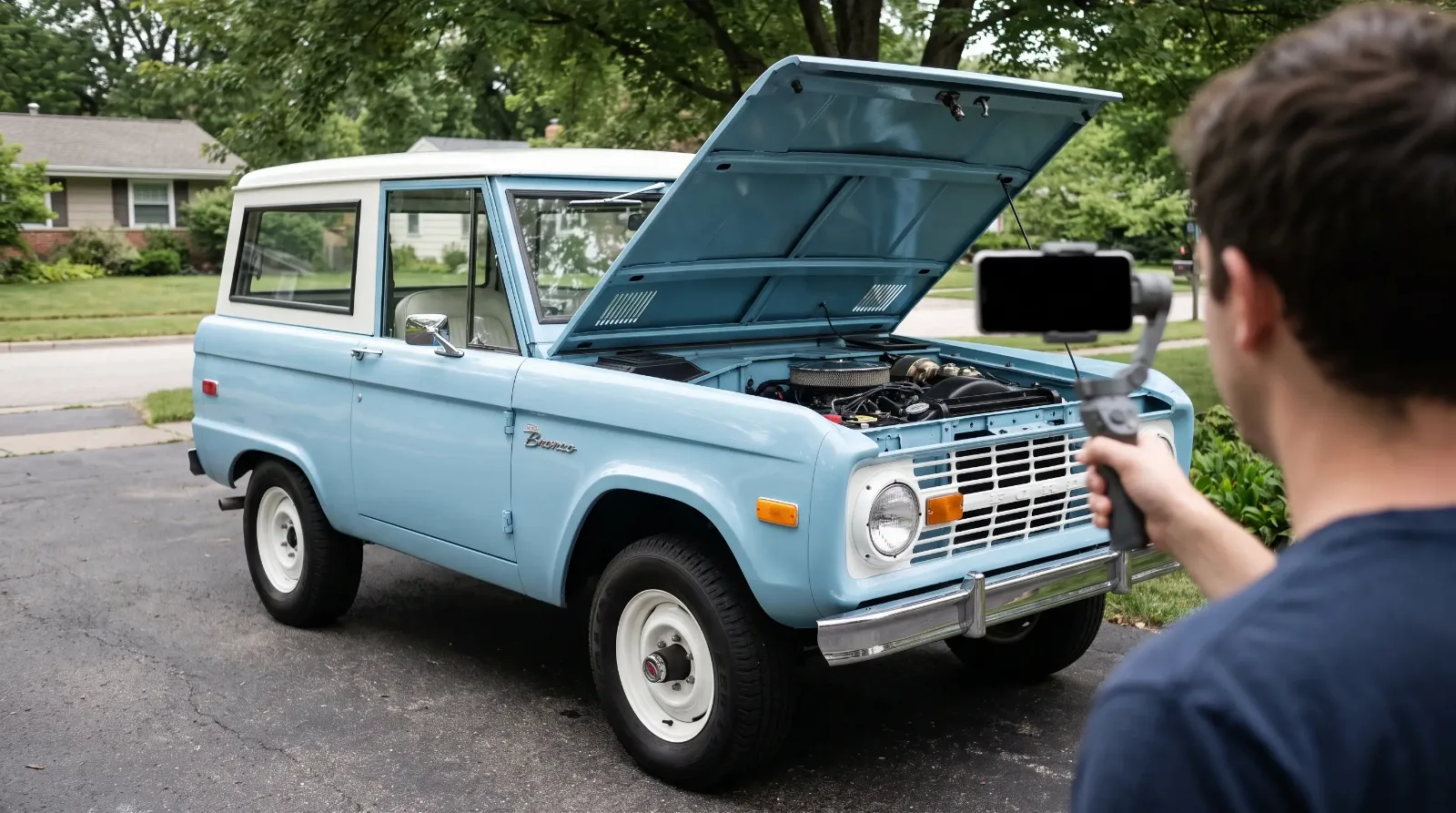
Online auctions run for a set number of days and take bids on a website. Seller fees are usually lower, typically a flat listing fee somewhere between nothing and about $300, with the buyer paying a premium that usually falls between 4% and 7%, often with a minimum and a cap. You do not have to ship the car anywhere until it sells. What you do have to do is answer questions in public comment threads, provide a lot of photos and often video, and accept that commenters will point out every flaw on the car in front of every bidder.
Reserve versus no-reserve
A reserve is the minimum price you will accept. If bidding stops below it, the car does not sell. That protects you from a bad day, but bidders know a reserved car might not sell, and some hold back. A no-reserve auction tells the room the car will sell at whatever the last bid is. That tends to draw more bidders and more energy, and it can produce surprising results on desirable cars. Some houses reward the commitment, too: Mecum halves the entry fee and drops its commission to 6% for no-reserve lots. It can also produce a painful result on an ordinary car on a slow day, and you have agreed in advance to accept it.
Auctions suit cars with a clear market and strong documentation, where bidders can price the car from the catalog description and the paperwork without driving it first.
Consignment: paying someone else to carry the weight
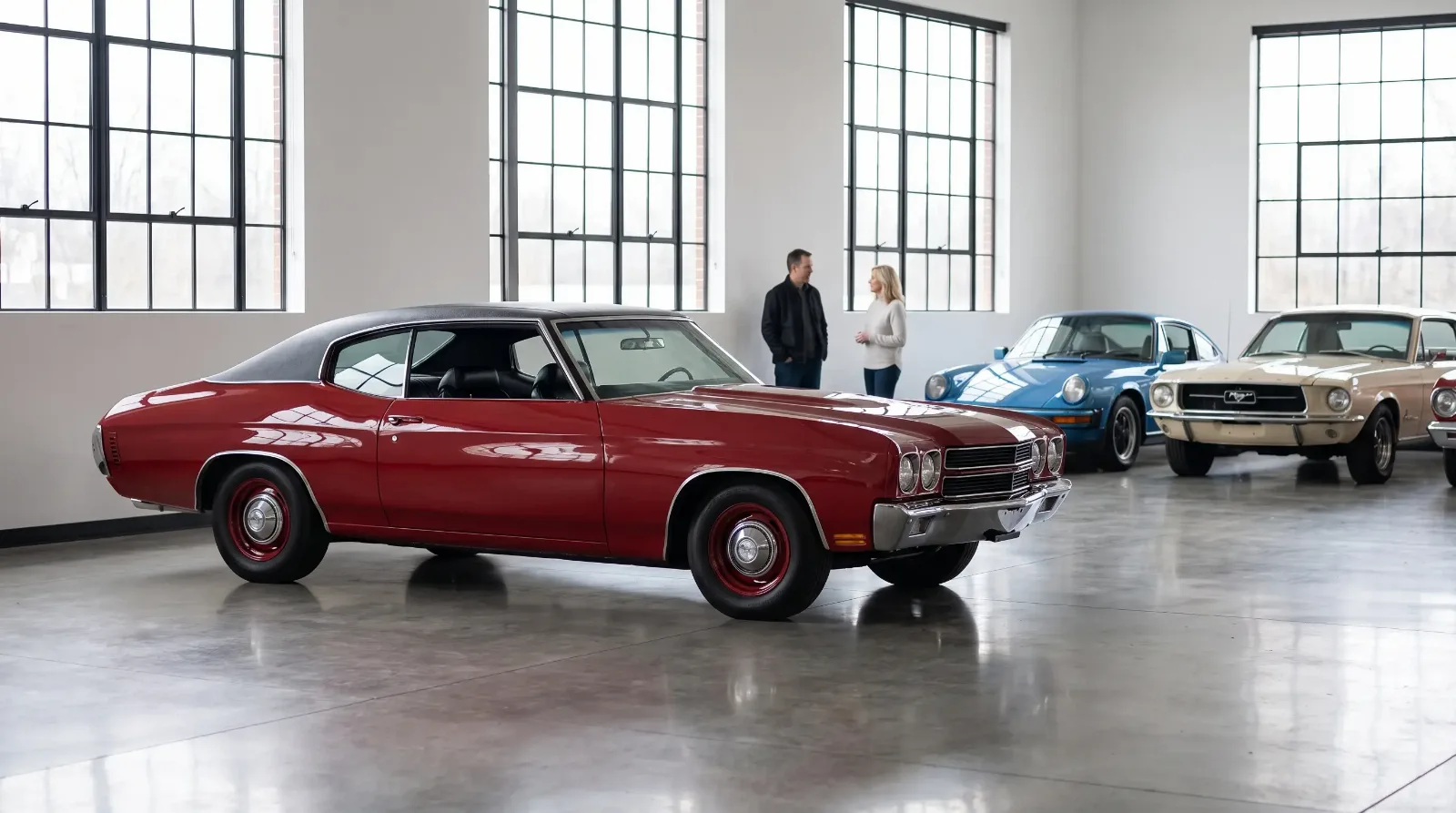
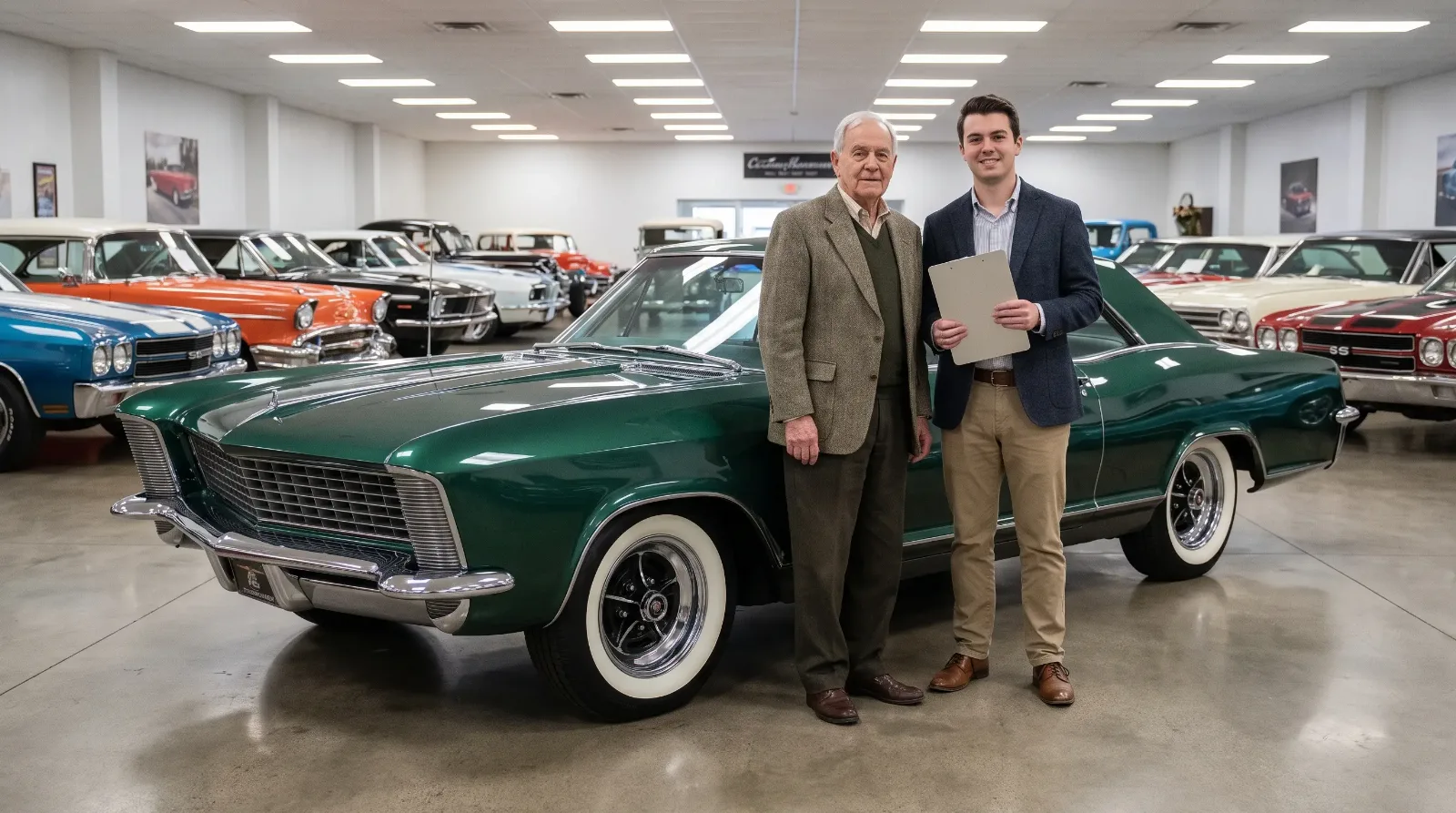
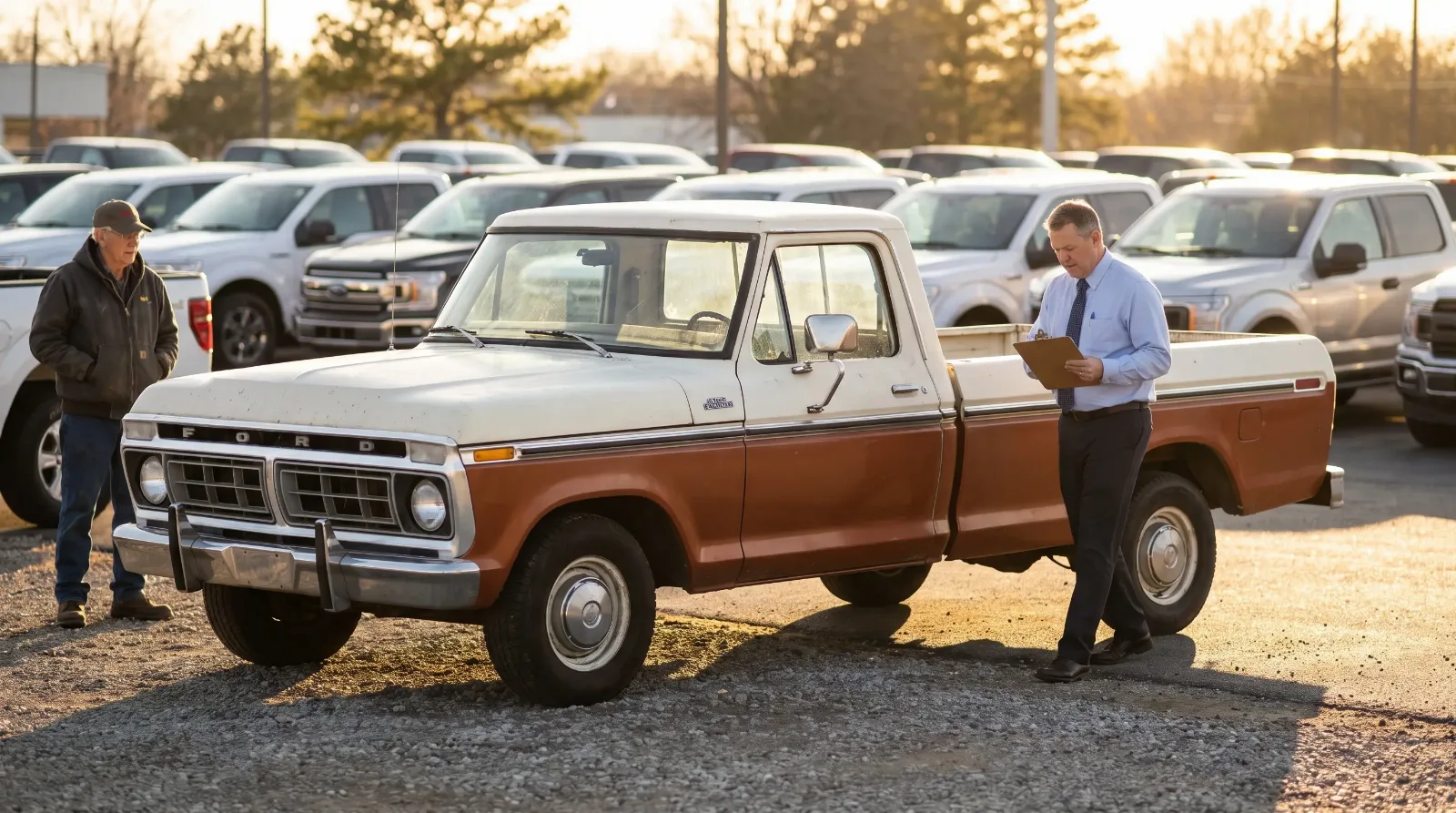
Consignment means a dealer sells your car for you while you keep the title until it sells. The dealer handles the photographs, the listing, the phone calls, the test drives and often the paperwork. In exchange, the dealer takes a commission, often somewhere around 5% to 15% of the sale price, a flat fee, or a margin built into the asking price, depending on the shop and the value of the car. Some dealers also charge for detailing, storage or advertising.
The appeal is obvious for owners who do not want strangers in their driveway or who live far from where the buyers are. A car on a respected showroom floor also often sells closer to retail than it would from a private driveway, which can cover much of the commission.
The risks deserve attention. You are trusting someone else with a valuable car and, later, with the buyer's money. Read the agreement carefully: who insures the car, how long the term runs, what the minimum price is, and how fast you get paid after the sale. Ninety days is a common term, often with an option to extend, but terms vary from shop to shop. Our separate guide to classic car consignment walks through the contract clauses that matter and the questions to ask before you hand over the keys.
Net proceeds, side by side
Fees in percentages are easy to wave away. Dollars are not. The table below is an illustration only, built on one hypothetical car that buyers value at about $60,000 all-in, with fee assumptions drawn from published terms in October 2026. Real numbers depend on the platform, the event, the car and the contract you sign, and every fee rate here should be checked against current published terms.
| Method (illustrative example) | Likely sale or hammer price | Main costs to seller (illustrative) | Approximate net to seller | Typical time to cash | Seller effort |
|---|---|---|---|---|---|
| Private sale | $58,000 to $60,000 after negotiation | Listing fee $0 to $300, detail and photos about $500 | About $57,200 to $59,500 | Days to several months | High |
| Live auction, with reserve | About $54,500 hammer (bidders who budget $60,000 all-in leave room for a 10% buyer's premium) | Entry fee $500, seller's commission 10% ($5,450), transport $1,500 | About $47,050 if sold; the $2,000 in entry and transport is spent even if it does not sell | One event day, then payout once the buyer's funds and title paperwork clear | Medium |
| Online auction | About $57,000 hammer (buyer pays a premium of roughly 5%) | Listing fee $0 to $300, photos and video about $500 | About $56,200 to $56,500 | One to three weeks of bidding plus closing | Medium to high |
| Consignment | $60,000 to $63,000 on a dealer floor | Commission 10% ($6,000 to $6,300), before any detail or storage fees | About $54,000 to $56,700 | Often within a 90-day agreement, sometimes longer | Low |
Two things stand out. First, the private sale leaves the most money on the table for you, but only if you price correctly and do the work. Second, the auction column is the most sensitive to luck. Two strong bidders can push that hammer well past $60,000. One quiet afternoon can leave it below $50,000, or leave the car unsold with the fees already spent.
Which method fits which car
The car decides more than the owner does. Here is how the main types of cars tend to line up with the methods.
The rare, well-documented car
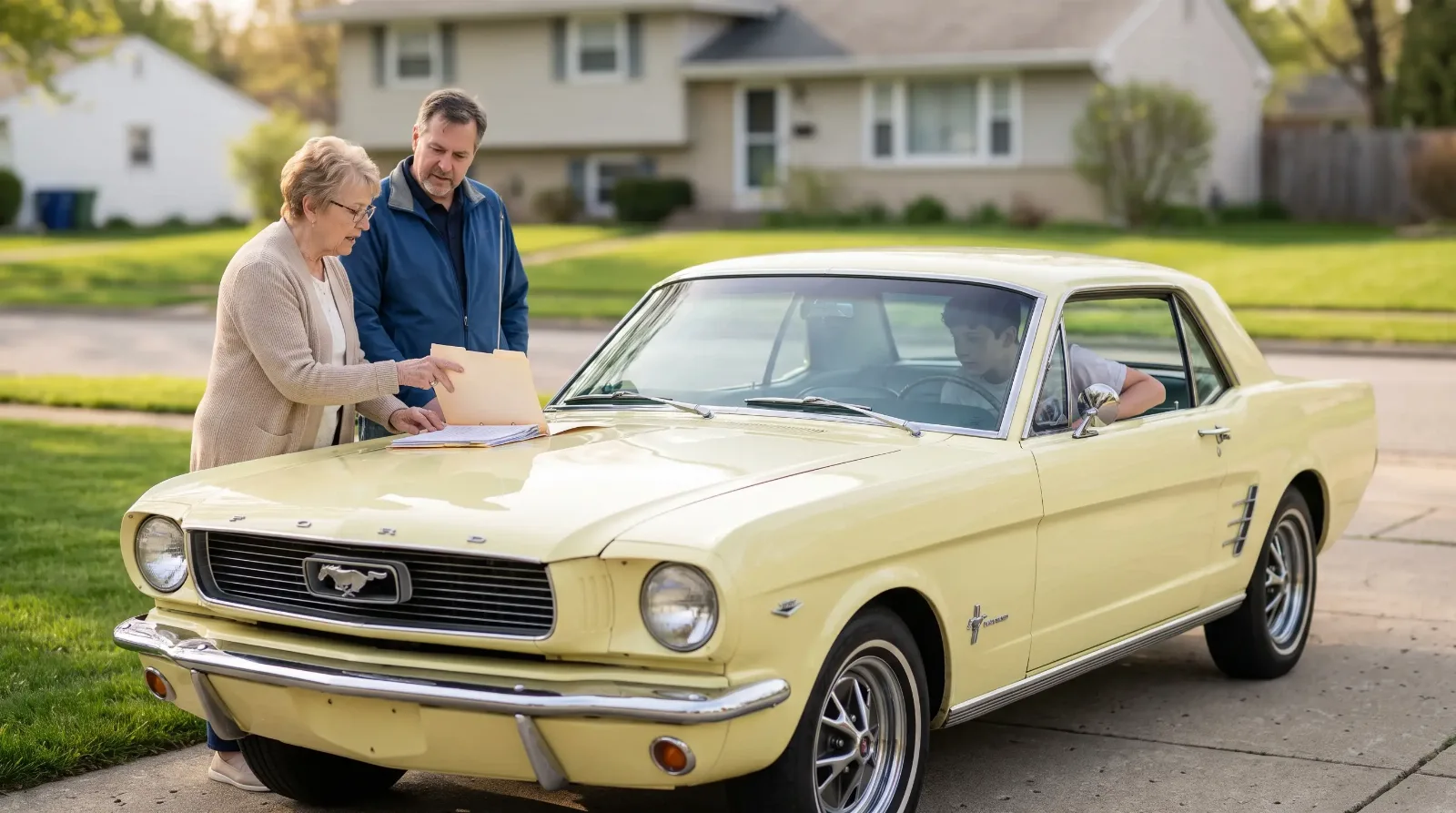
Matching numbers, a build sheet, a factory invoice, a registry certificate, a chain of ownership with names and dates. This is the car auctions were built for. Bidders can price it from the paperwork, and a no-reserve listing on a car like this often pulls in collectors who would never answer a classified ad. If the car is truly significant, a major live auction or a curated online auction makes sense. A specialist consignment dealer who knows that particular marque is the other strong option.
The good driver-grade car
This is most of the hobby. A solid, honest car with a decent repaint, a reliable engine, some receipts and no special documentation. Auction fees eat a large share of its value, and in a bidding room it competes against better-documented examples of the same model. Driver-grade cars usually net the most through a private sale, where the buyer can take a test drive, crawl underneath and fall for it. Consignment is a reasonable second choice if you do not have the time.
The project car
Rust, missing parts, a seized engine or an unfinished restoration. Project cars sell to a specific buyer: someone with a garage, skills and a plan. That buyer shops classifieds and club networks, not showrooms. Most consignment dealers will not take a true project, and live auction fees are hard to justify on a low-value car. A private sale with blunt, detailed photos of the problems is nearly always the right method.
"Every car has two prices. There's the one the owner remembers and the one the paperwork can prove. The method you pick should be built around the second one."
— Wayne Coburn
Making the call
Go back to that GTO at the club breakfast. Without the documentation, it was a nice driver with a good family story. In an auction catalog it would have sat next to cars with full reports, and bidders would have marked it down for what it lacked. Sold privately, the story became an asset, because a buyer could hear it firsthand, drive the car and decide for himself. He ordered the report anyway, for the next owner's sake, and sold the car directly.
That is the general rule. Documented, rare and easy to compare points toward auction. Honest driver points toward private sale. No time at all points toward consignment. Projects belong in front of people who want projects.
Whichever way you go, three habits protect you. Get the paperwork together before you list, because every document you can show raises the floor on your price. Read every fee schedule and contract in full, including the parts about unsold cars and payout timing. And be honest about the car's condition in writing. Buyers forgive flaws they were told about. They rarely forgive the ones they discover after the money has changed hands.
Sources and notes
- Mecum Auctions: FAQ (buyer premium, consignment entry fees and seller's commission)
- Barrett-Jackson: how to sell your car at Barrett-Jackson (8% seller's commission, entry fee by lot)
- Barrett-Jackson: how to bid (10% on-site buyer's premium)
- RM Sotheby's: Monterey 2026 bidder information (buyer's premium)
- CLASSIC.COM: auction fees and prices (live and online auction fee ranges)
- Federal Register (NHTSA), 49 CFR 580.17 odometer disclosure exemptions, November 26, 2019