
Open a muscle car's roof and, in most cases, you open up its value too. The convertible premium is one of the steadier facts in this market, and it holds for a reason that has nothing to do with how the car drives and everything to do with how few were built. Convertible muscle car value tracks production scarcity first and desire second, in that order.
Market & Values
5 min read
Why Convertibles Command a Premium
Convertible muscle cars sell for more because so few were built and survived. How production scarcity, structure and documentation set the premium.
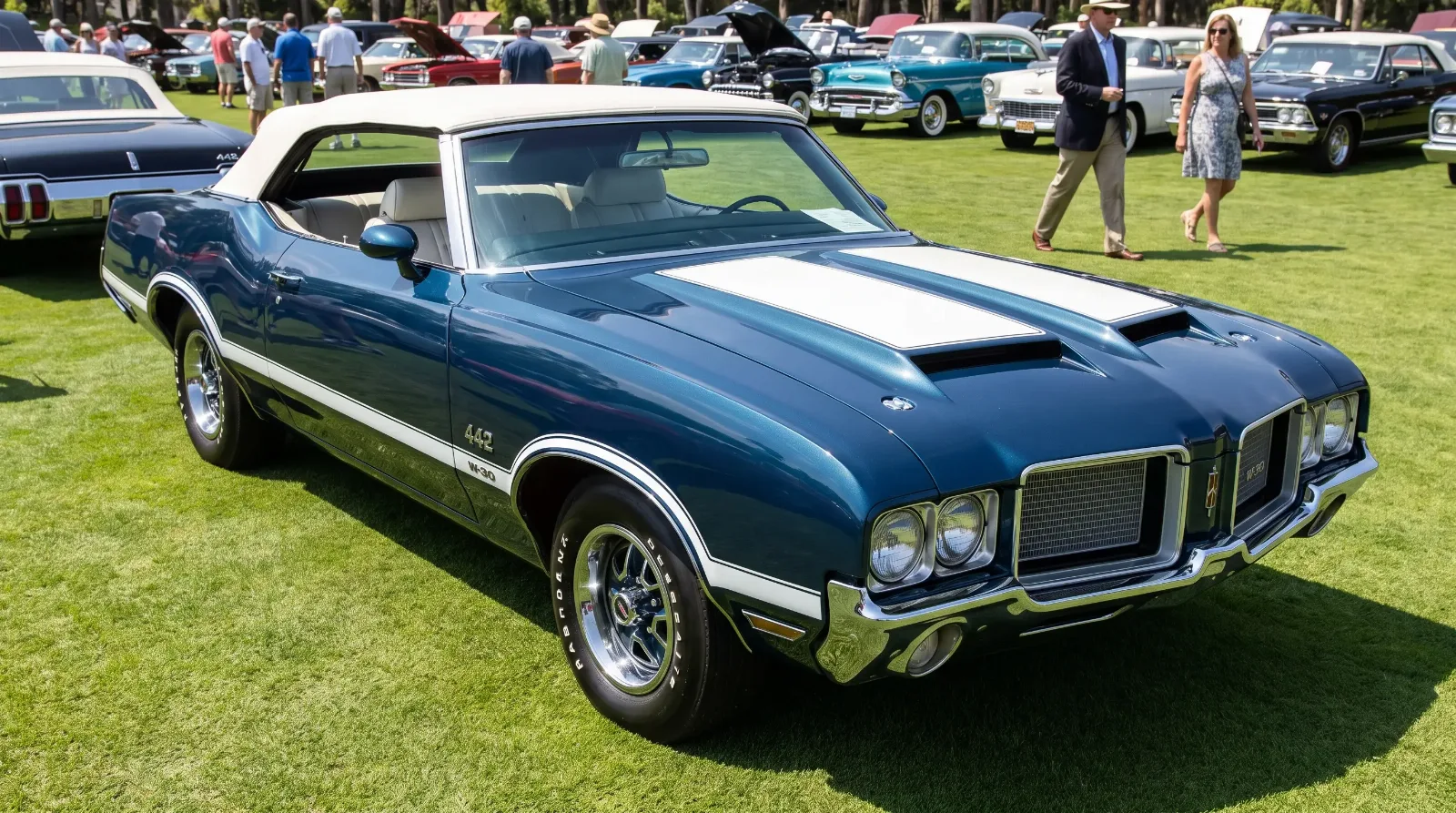
An appraiser does not price the wind in your hair. An appraiser prices condition, documentation, liquidity, and downside. Convertibles happen to score well on the first three and carry a specific risk on the fourth. Understanding both halves keeps you from overpaying for a body style that the market genuinely rewards but does not reward blindly.
The production math behind the premium
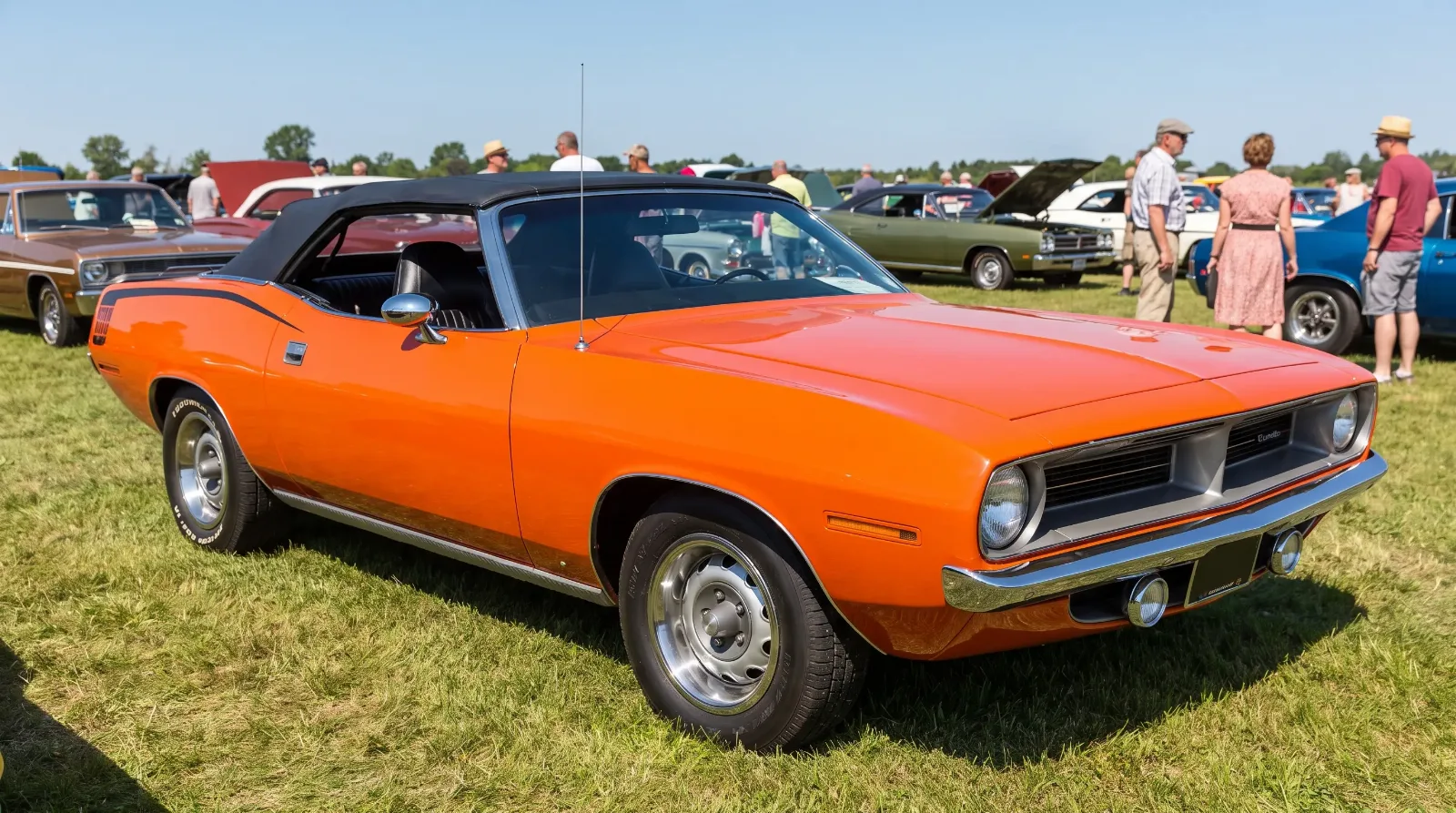
Convertibles were the minority order in period. On most muscle models the drop-top accounted for a small fraction of the run, sometimes well under 10 percent, and the survival rate is worse than the hardtops because open cars rust, leak, and get driven hard. Fewer made and fewer surviving is the entire foundation of the premium.
Layer a desirable drivetrain on top of that scarcity and the numbers compress fast. A top-engine convertible can represent a production figure in the low hundreds or fewer, which puts it in a different valuation tier from its hardtop sibling. Scarcity plus documentation is where the money concentrates, a pattern we lay out in full in the story of muscle car values.
What the open roof does to condition and cost
Here is the caveat every buyer should hear before the premium seduces them. Convertibles are more expensive to own and more expensive to get wrong. The structure flexes without a fixed roof, so rust in the floors, rockers, and frame rails matters more, not less. The top mechanism, the frame, the pads, and the glass are all wear items that cost real money to make correct.
An appraiser rates these cars on a condition tier from #1 down to #4, and a convertible drops through those tiers faster than a coupe because there is simply more to go wrong. A #2 hardtop with a tired interior is a manageable project. A #2 convertible with a failing top frame and soft floors is a larger check than the paint suggests.
The liquidity picture cuts both ways as well. In a strong market, a documented convertible sells fast because the buyer pool that wants open cars is competing over a thin supply. In a soft market, the same car can sit, because the higher price point narrows the field of buyers who can act. An appraiser factors that exposure into the number, discounting a convertible that would take longer to move against a hardtop that clears at any point in the cycle. Timing matters more with an open car than a closed one.
| Factor | Hardtop | Convertible |
|---|---|---|
| Typical production share | Majority of run | Small minority |
| Survival rate | Higher | Lower, exposure and use |
| Structural rust risk | Moderate | Higher, less rigidity |
| Restoration cost | Baseline | Higher, top and structure |
| Market premium | Baseline | Meaningful, when documented |
When the premium is real and when it is a trap
The premium is real on a documented, structurally sound car in a desirable configuration. It evaporates on a rust-hidden project or a clone. The convertible body style is also, unfortunately, a favorite for fakery, because the value gap between a hardtop and a drop-top gives a forger a strong incentive. That makes documentation more important here than almost anywhere else in the market.
A convertible with a thin paper trail is not a convertible premium waiting to happen. It is a risk. The comps that support open-car pricing all assume the car is what it claims to be, and an appraiser who cannot verify the body style, the drivetrain, and the history will discount the car toward hardtop money regardless of how nice the top looks. The documentation question is central enough that we treat it separately, and you can read the full story on how paper changes the number.
How to value a convertible without overpaying
Work in order. Confirm the body style and drivetrain against the tags and any surviving records. Inspect the structure harder than you would a coupe, because that is where the hidden cost lives. Establish the condition tier honestly. Then apply the convertible premium to a car you have already priced on its fundamentals.
Do not pay top-tier open-car money for a car whose structure or documentation cannot support it. The premium rewards scarcity that is proven and condition that is genuine. It punishes assumptions. Buyers who inspect the floors and read the paperwork before they fall for the roofline are the ones who capture the upside instead of inheriting someone else's deferred maintenance.
"A convertible is a premium body on a discount for hidden structure. Price the floors and the paperwork before you price the roofline, because the top comes down easy and the surprises come up expensive."
Marcus Feld
The convertible premium is one of the market's honest patterns. It comes from real scarcity and real desire, and it survives every cycle. Just remember that the same open roof that adds the premium also adds the risk, and the appraisal has to account for both.
Related Reading
Have a
Classic Car
for Sale?
Reach thousands of serious classic car collectors across the US.
Sell It Here →
Are You a Classic Car Dealer?
List your full inventory and connect with targeted classic car buyers.
Join as a Dealer →

About the author
Marcus Feld
Accredited collector-car appraiser who reads the market through hammer prices, condition tiers and risk.

Comments
Be the first to comment on this article.