
Color is the one variable buyers react to before they know a single option code. It hits them across the auction tent from fifty feet away, and it moves money in ways that make no mechanical sense at all. A car painted in a rare factory high-impact color can outsell the identical car in a common shade by a wide margin, and that gap is one of the more reliable patterns in muscle car color value.
Market & Values
6 min read
How Color Affects Muscle Car Value
Rare factory colors can add serious money to a muscle car, while a non-original repaint costs you. How paint codes and correctness drive the market.
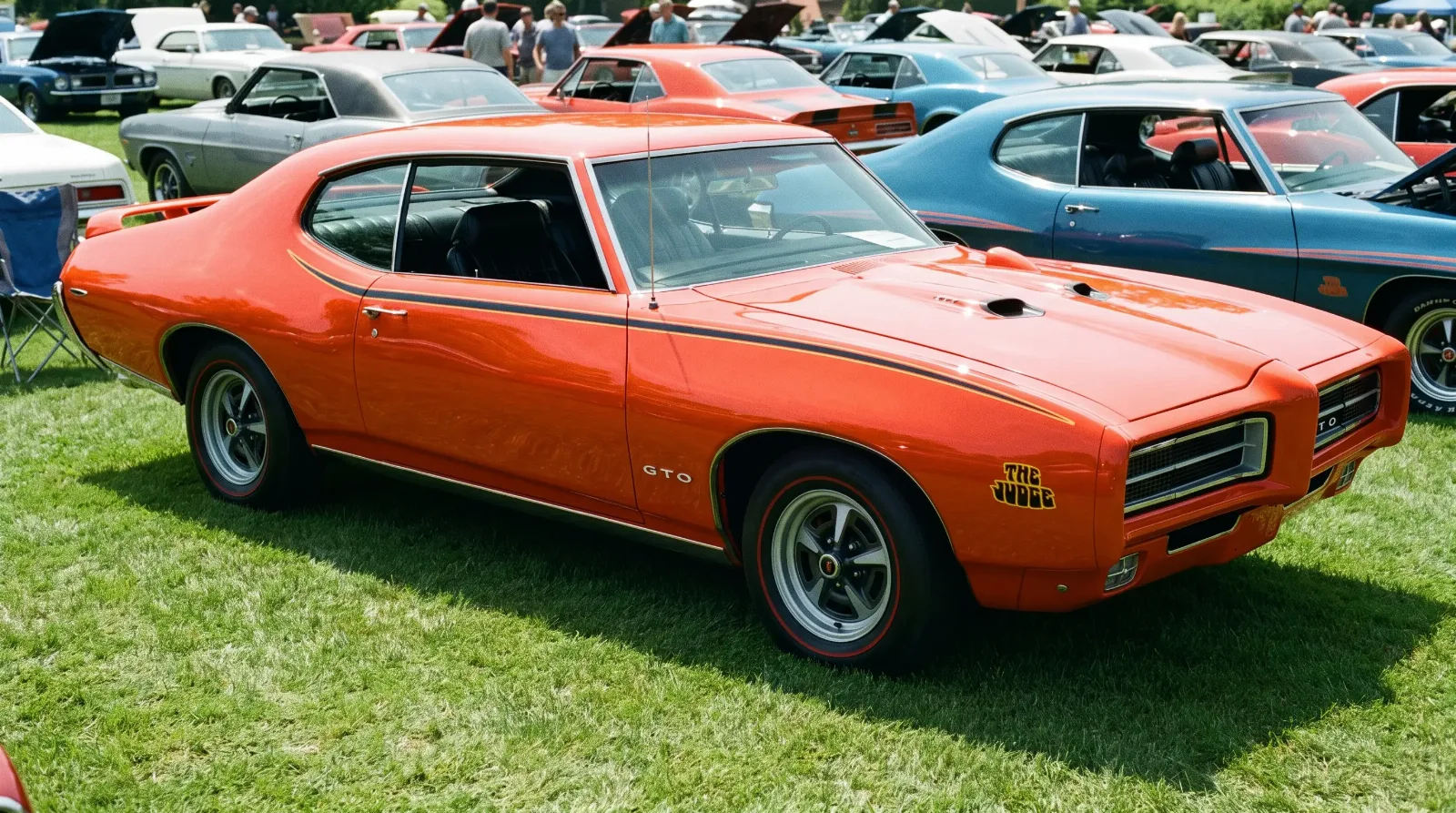
The interesting part is how uneven the effect is. Some colors add real money. Some subtract it. And a repaint in a color the car never wore from the factory can turn a premium into a discount overnight. Here is how the market actually prices paint.
Why paint moves money at all
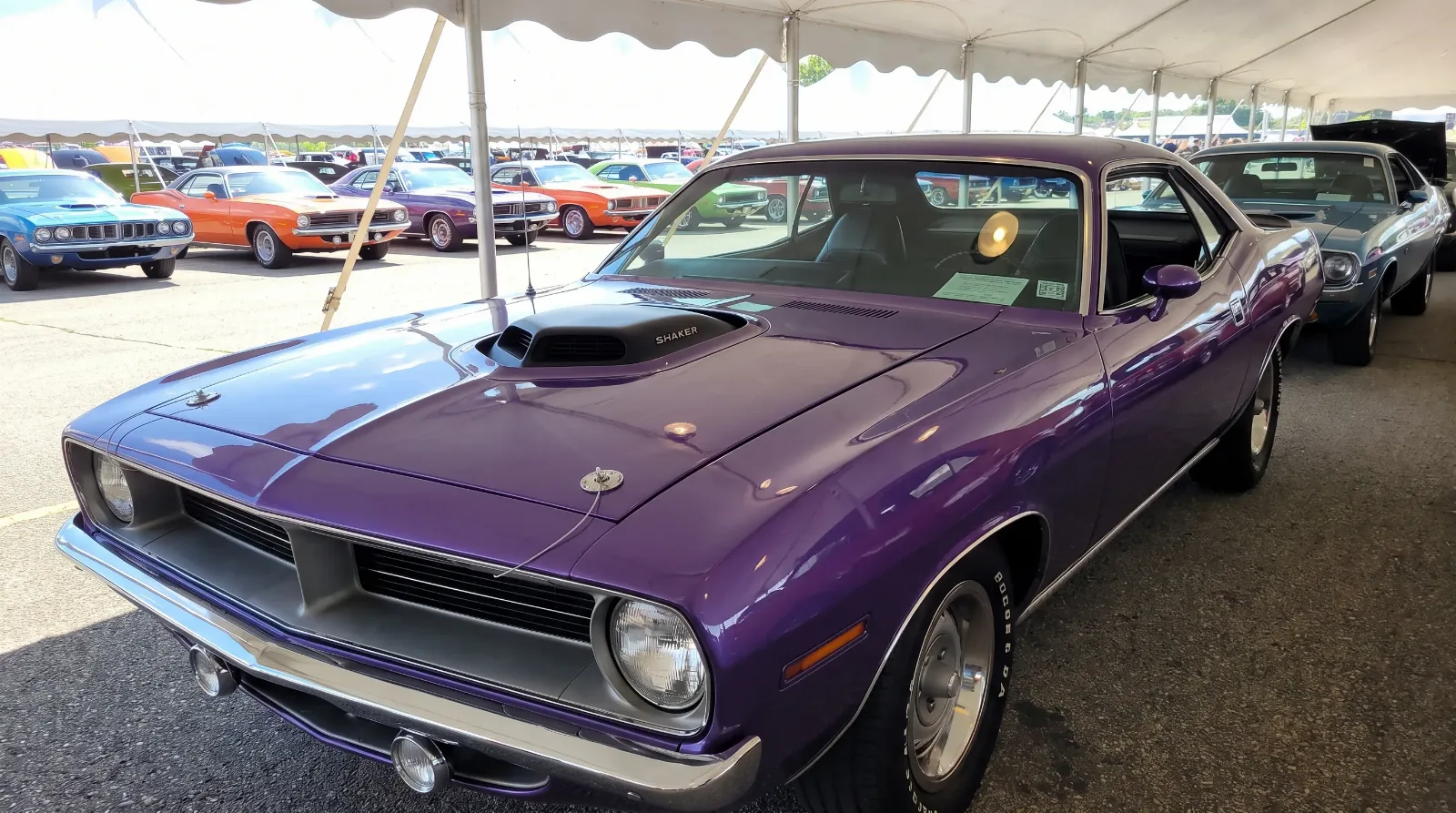
Color scarcity works the same way every other kind of scarcity works. A color that only a small percentage of buyers ordered in period is a color that few survivors wear today. When a documented example of that shade comes up, the pool of comparable cars is tiny, and a small pool means competitive bidding. That is the whole mechanism.
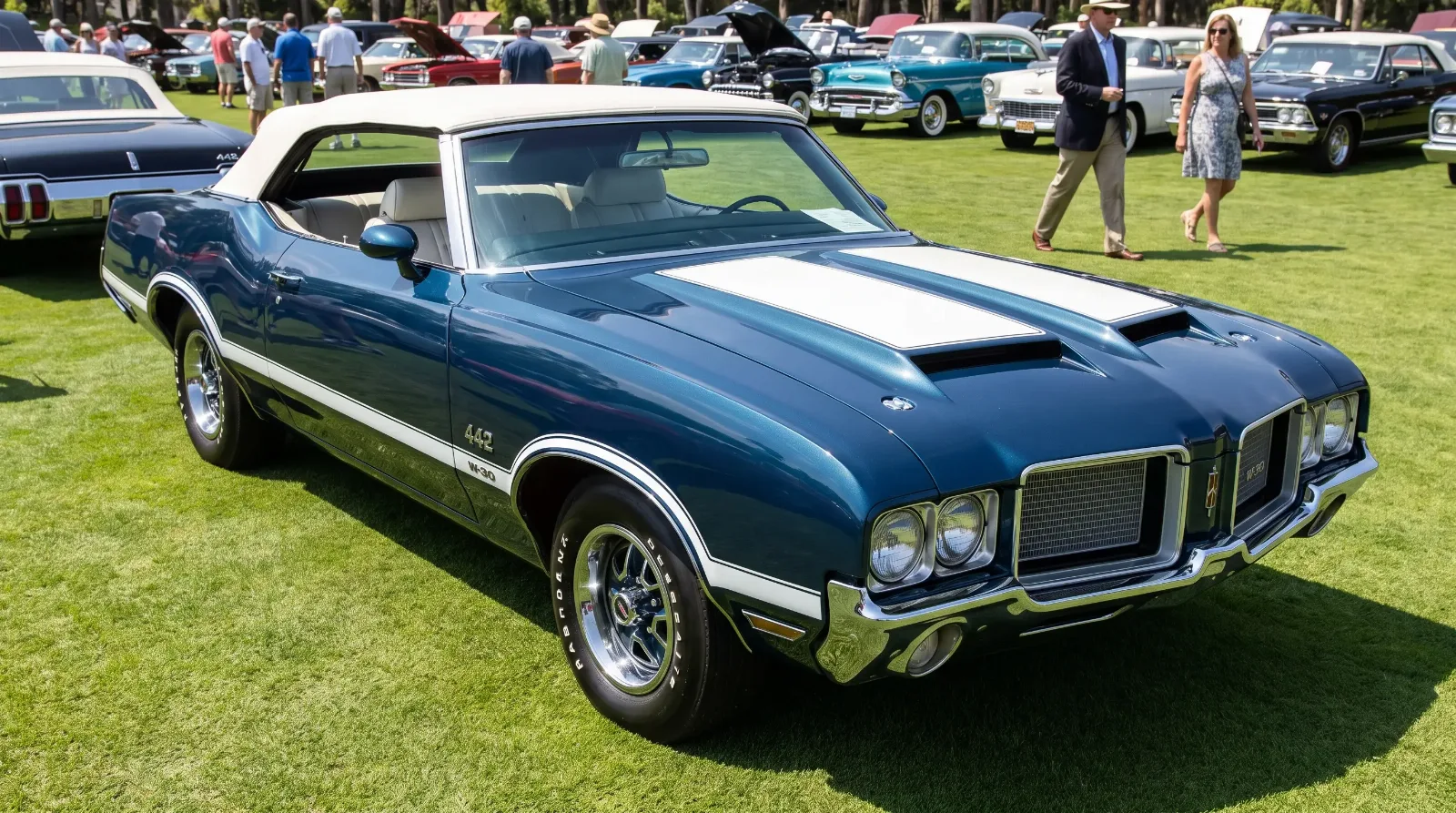
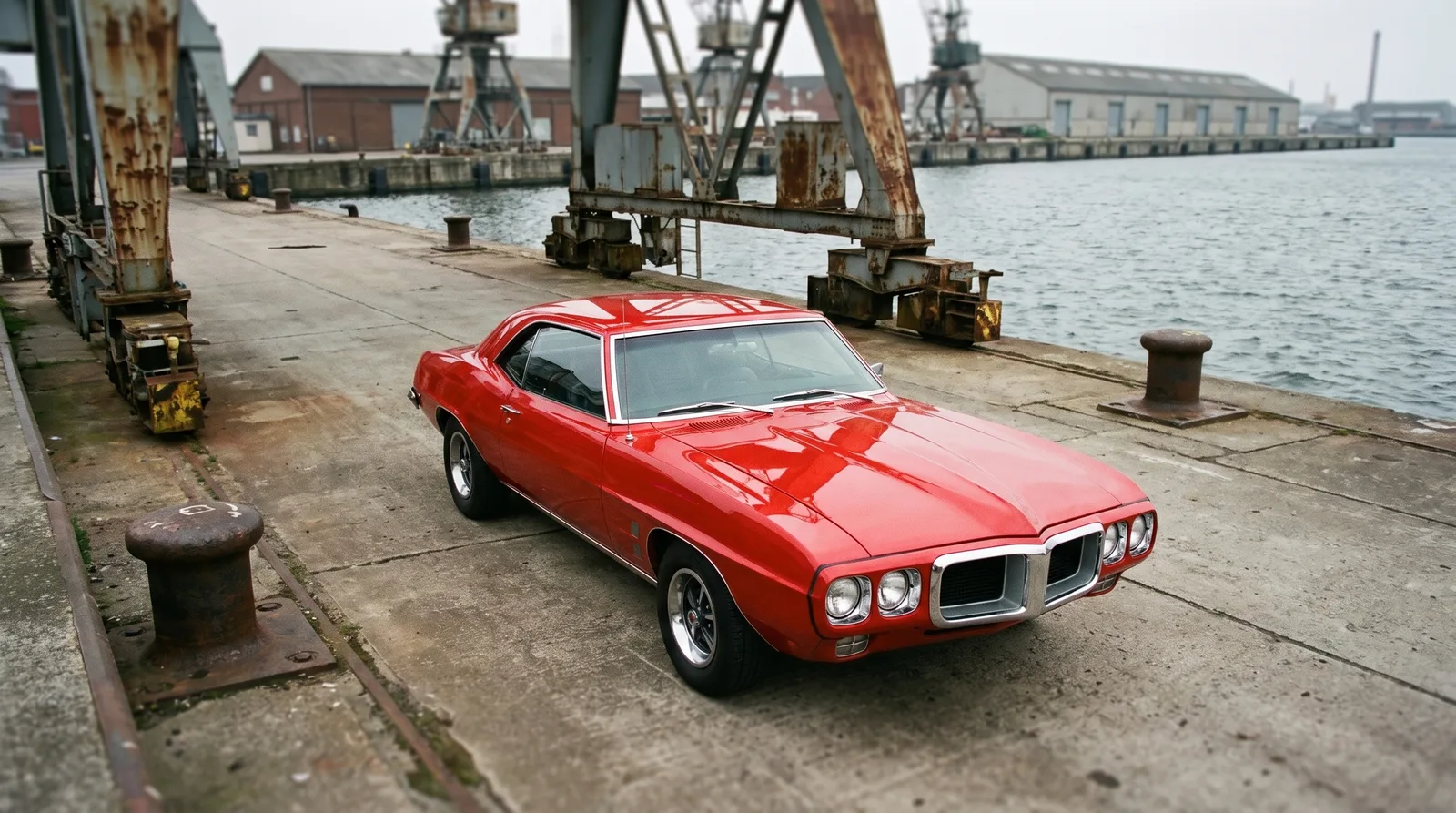
The high-impact palettes of the early 1970s are the clearest case. The oranges, greens, purples, and yellows that looked outrageous when new were ordered in modest numbers, and today they command a premium that a conservative black or white simply does not. If you want to see how this fits the larger picture of what drives these cars, our the muscle car values explainer lays out the full framework.
The colors that add money and the ones that cost you
Not every loud color wins, and not every subtle one loses. The market has settled into a rough hierarchy that holds across brands even when the specific paint names change.
| Color category | Market effect | Notes |
|---|---|---|
| Rare high-impact factory colors | Strong premium | Low period take rate, high demand today |
| Iconic model-associated colors | Premium | Colors tied to a car's identity in advertising |
| Classic red, black, blue | Neutral to slight premium | Broad appeal, deep buyer pool |
| Common white, beige, base greens | Neutral to slight discount | Plentiful, little bidding tension |
| Non-original repaint color | Discount | Breaks factory correctness, hurts documentation |
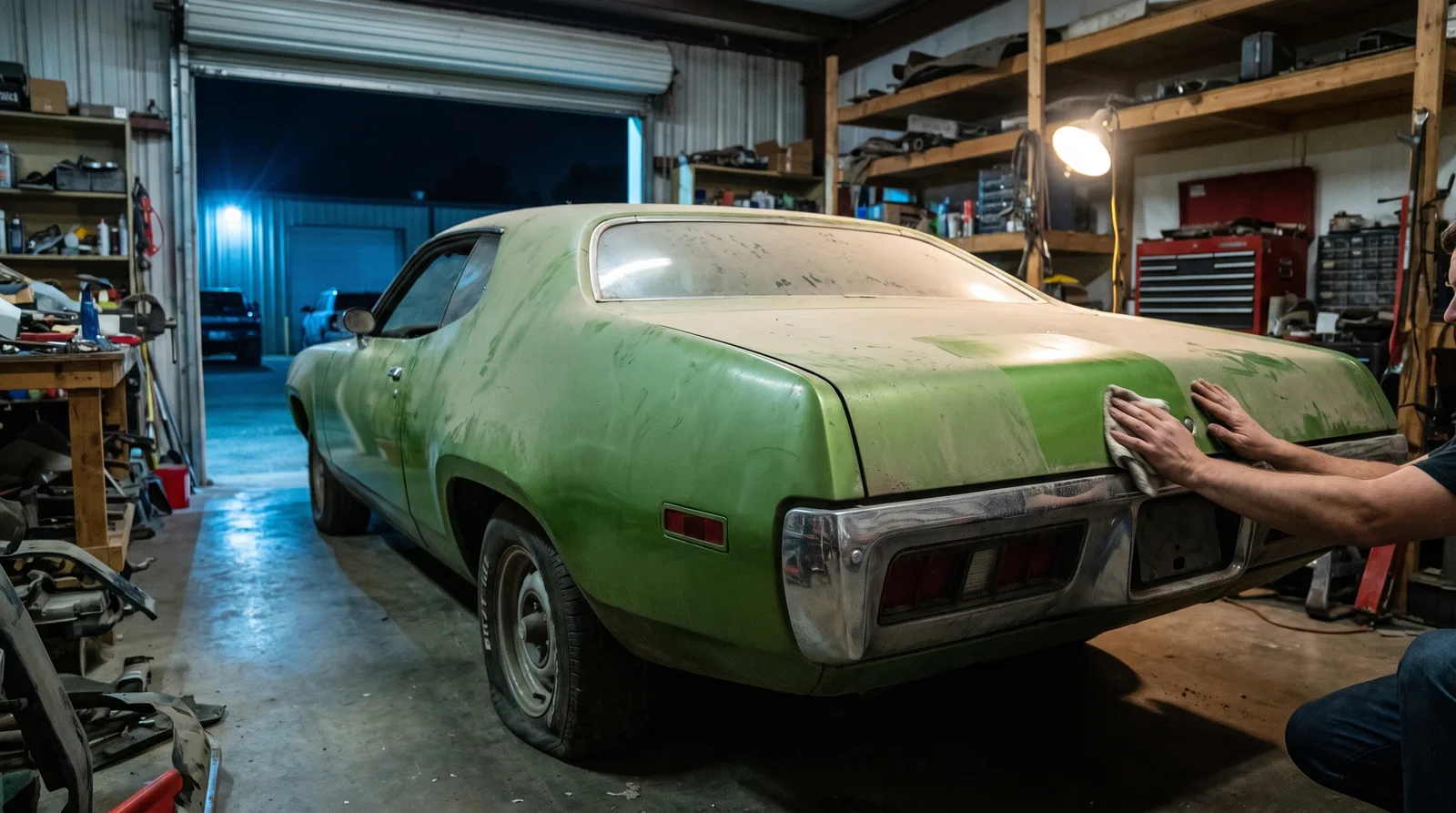
The premium for a genuine rare color is real, but it is fragile. It depends entirely on the color being correct for that car. A high-impact shade that the trim tag confirms is a premium. The same shade sprayed on later, over a car that left the factory in a base color, is a repaint, and the market treats a non-original repaint as a strike against the car no matter how good the work looks.
Interior color follows the same logic, though it moves less money. A rare factory interior trim that matches a rare exterior can reinforce a premium, while a modern re-trim in the wrong color quietly undercuts it. The buyers who chase original colors want the whole car to agree with itself, inside and out, and they discount cars where the story does not hold together. A mismatched interior is often the first sign that the exterior color is not original either.
Color, code and the correctness trap
This is where buyers lose money. A striking color is exciting, and excitement makes people skip verification. The factory recorded the paint code, and that code lives on the trim tag or cowl tag. Before you pay a color premium, the code has to match the paint on the car.
I have watched cars sell strong on the color alone, only for a knowledgeable buyer to walk the aisle, read the tag, and quietly move on because the paint did not match the code. A color premium is only bankable when the documentation supports it. Without that, you are paying rare-color money for what the next appraiser will call a repaint. When you are ready to shop, you can discover muscle cars up for grabs and practice reading the color story on real listings.
How to factor color into what you pay
Treat color as a modifier on top of a car you have already valued on its mechanicals and documentation. Value the drivetrain, the options, and the condition first. Then adjust for color, up for a documented rare shade, down for a common one, and down harder for a non-original repaint. Sellers can run the same sequence from the other side, and we walk through it step by step in setting a realistic asking price for your car.
Do not let a color you love inflate your ceiling on a car whose fundamentals are weak. A rare color on a base-drivetrain car is still a base-drivetrain car. The paint premium sits at the margin. It rewards the right car and punishes the wrong assumptions, and the buyers who keep that order straight are the ones who do not overpay. The same discipline applies to another body-style premium worth understanding, and you can read the full story on how open cars are priced.
"Color sells the car in the tent and the trim tag sells it to the appraiser. When those two agree you have a premium. When they don't, you have a repaint with a good story, and the second buyer always finds out."
David Mercer
Paint is the most emotional variable in the muscle market and one of the easiest to misprice. Handle it with the same discipline you bring to option codes, and color becomes a tool for spotting value instead of a trap that empties your budget.
Related Reading
Have a
Classic Car
for Sale?
Reach thousands of serious classic car collectors across the US.
Sell It Here →
Are You a Classic Car Dealer?
List your full inventory and connect with targeted classic car buyers.
Join as a Dealer →

About the author
David Mercer
Classic car market analyst with two decades of experience tracking collector car valuations, auction results, and investment trends.
Comments
Be the first to comment on this article.