
The shop estimate is not the cost of the restoration. It is the cost of the work the shop expects to do. Everything around that work, from moving the car to storing it between phases, adds a second budget that rarely appears on the first invoice.
Restoration & Tech
6 min read
The Hidden Costs of a Restoration: Storage, Transport, Sublet Work
The costs that never appear on the first estimate: transport, idle storage, sublet chrome and machine work, insurance and rust change orders, with 2026 ranges.
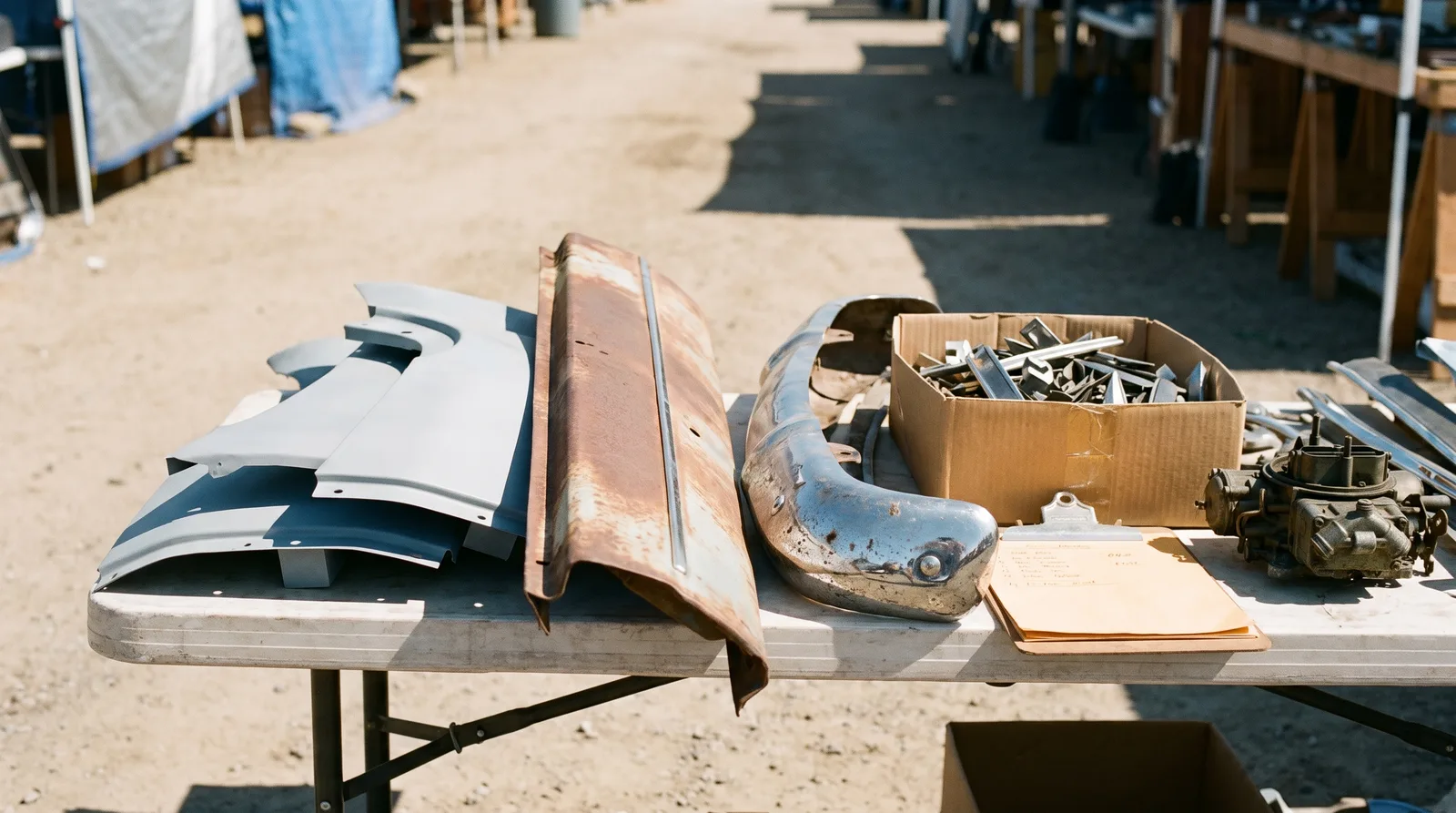
Transport and storage
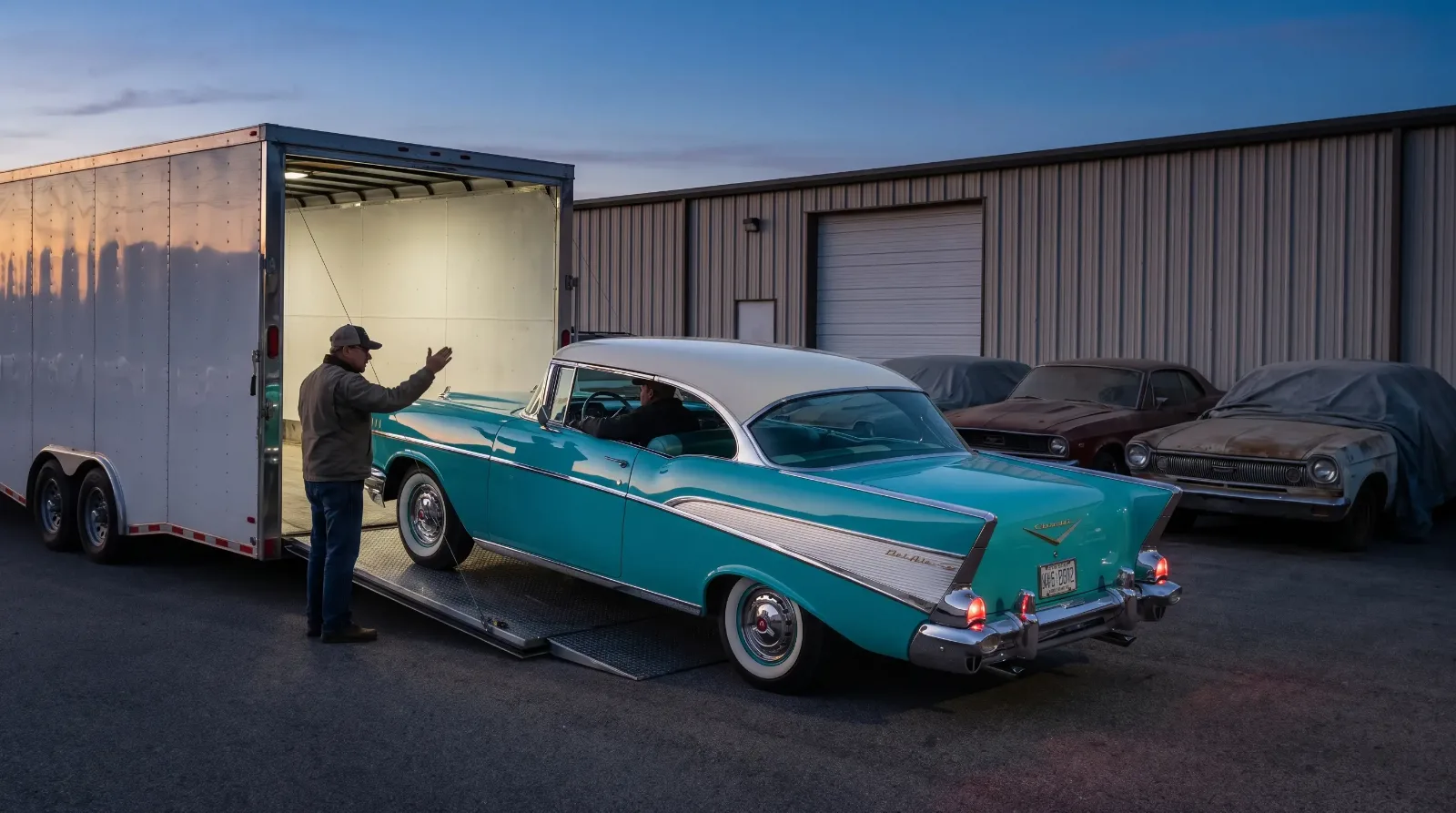
Enclosed transport for a classic car often runs about $1.30 to $2.10 a mile on typical lanes, with minimums of several hundred dollars on short runs. Enclosed carriers usually charge 30 to 60 percent more than open ones, and a cross-country move commonly lands around $1,400 to $2,500, more for rare, low or high-value cars. Most restorations involve at least two trips, one to the shop and one home, and more when work is split across specialists.
Storage is the quiet drain. If the car is waiting for parts, plating or a slot at the paint booth, someone is storing it. Storage fees vary widely by region and facility, from about $100 a month for a basic garage to $300 or more for commercial or climate-controlled space, and a shop may bill its own rate when the car sits idle. A project that stretches by a year or more can add a couple of thousand dollars in storage alone.
| Hidden cost | Typical range (2026 USD) | When it appears |
|---|---|---|
| Enclosed transport, each way | $800 to $2,500, more for long or specialty moves | Start and end of project |
| Idle storage | About $100 to $400 per month, varies by region | Waiting on parts or sublet work |
| Sublet chrome and plating | Several thousand dollars to $20,000 or more on trim-heavy cars | Mid-project, often late |
| Machine work, typical V8 (parts and assembly extra) | $1,500 to $3,500 | Before assembly |
| Insurance during work | Varies by car value and policy | Whole project |
| Change orders from rust or damage | Often 20 percent or more of the estimate | After disassembly |
Sublet work
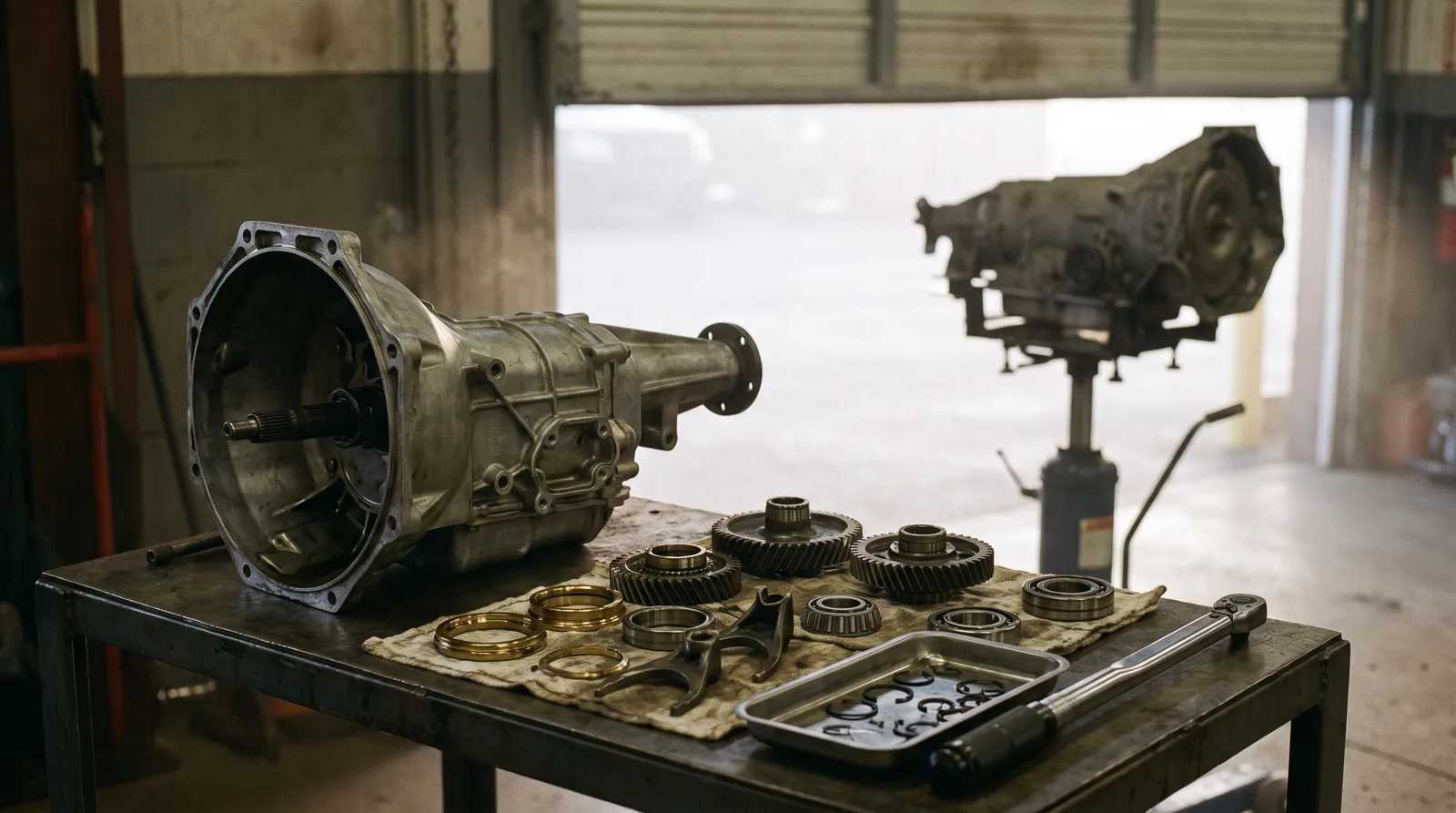
Few shops do everything in-house. Chrome plating, glass, engine machining, transmission rebuilds, upholstery and sometimes paint are sent out. The shop marks up the sublet, commonly with a markup of some percentage, and may bill it separately from the main estimate. Ask which items are included and which are not, and ask for the sublet list in writing before work begins.
Chrome is the classic surprise. Bumpers, trim and bright pieces on a full-size American car can run to five figures at a good plating shop, and cars from the 1950s with extensive trim tend to cost the most. Plating can also take weeks or months, which feeds the storage bill.
Rust, parts and the surprise list
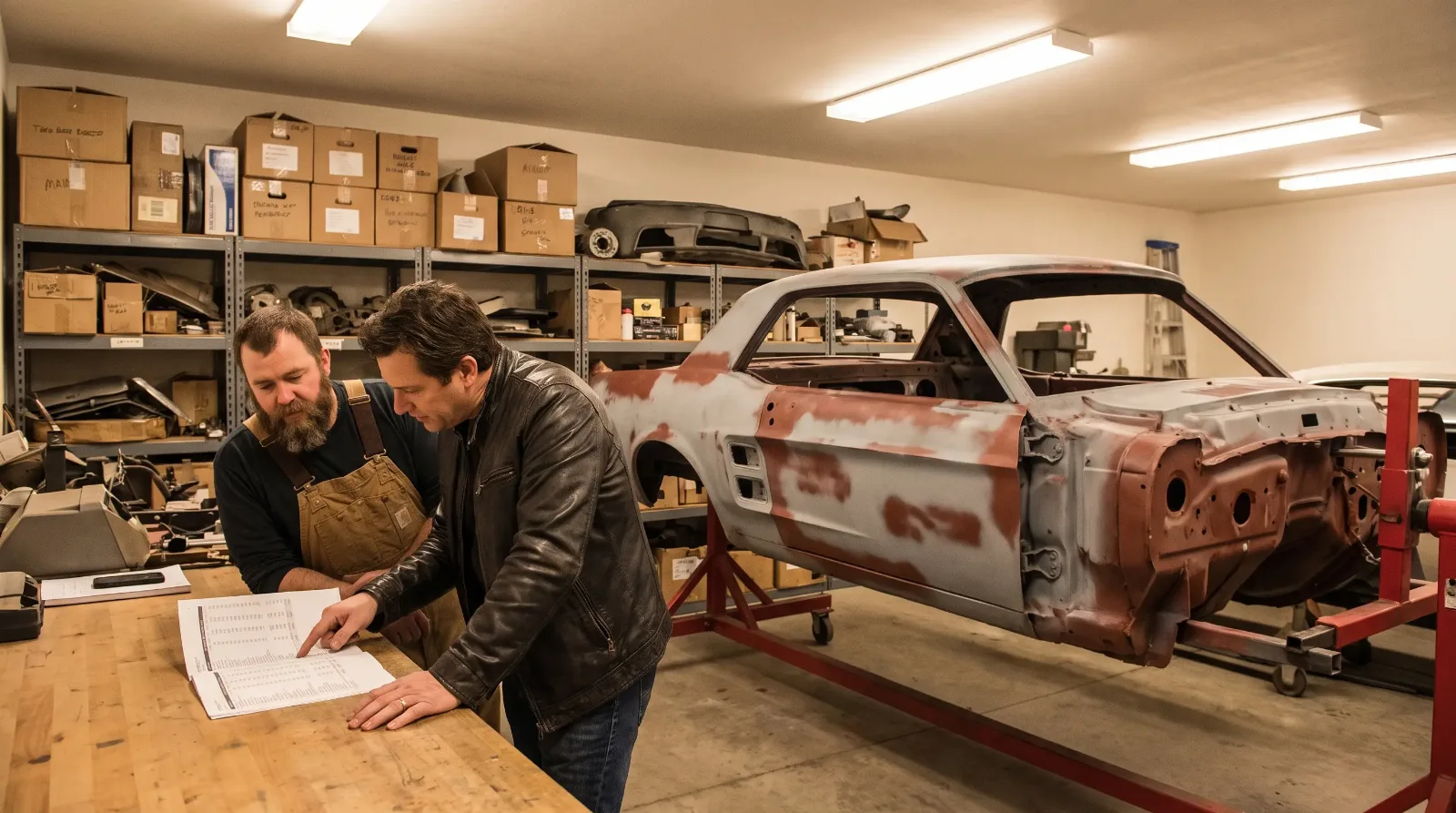
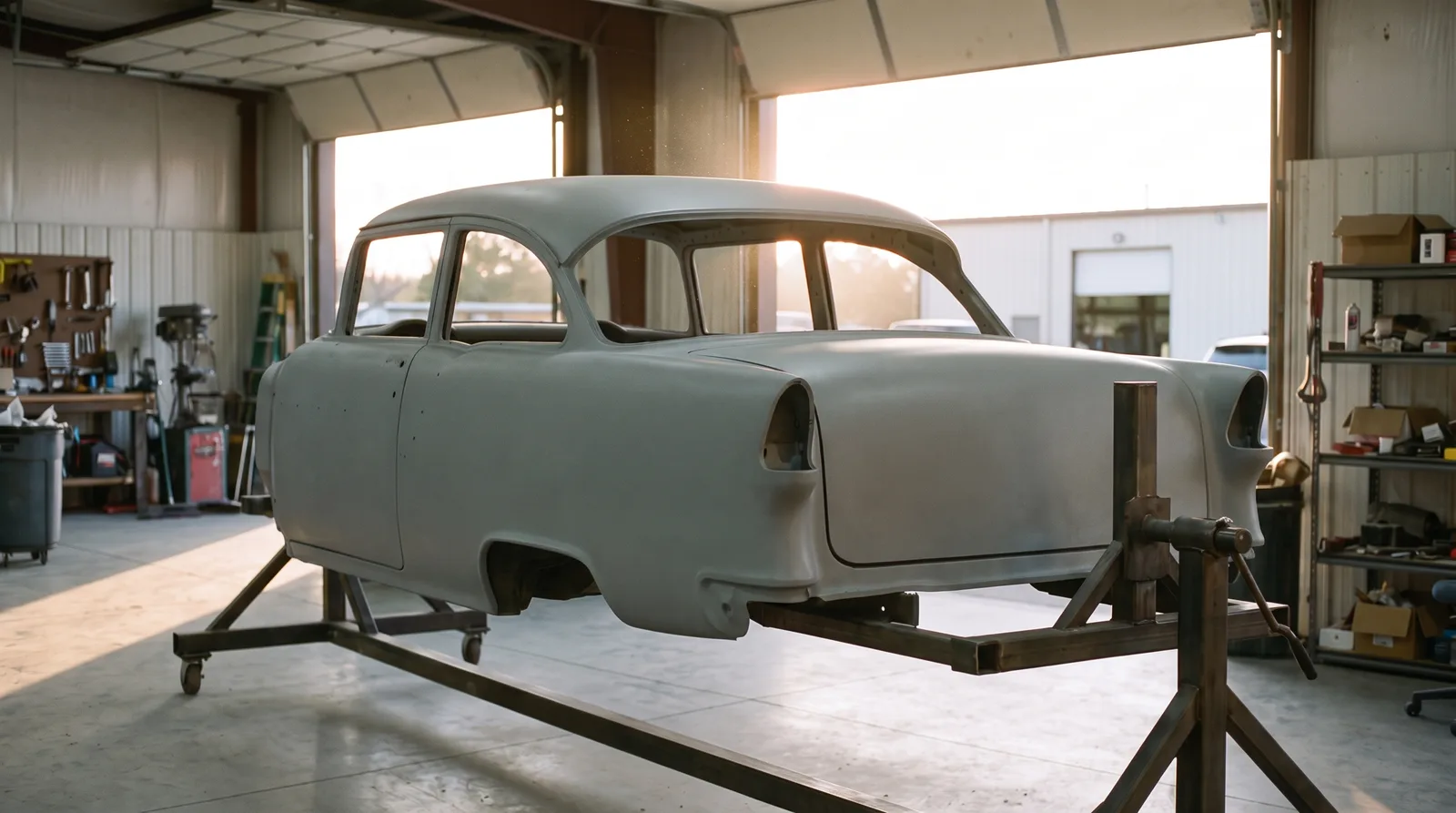
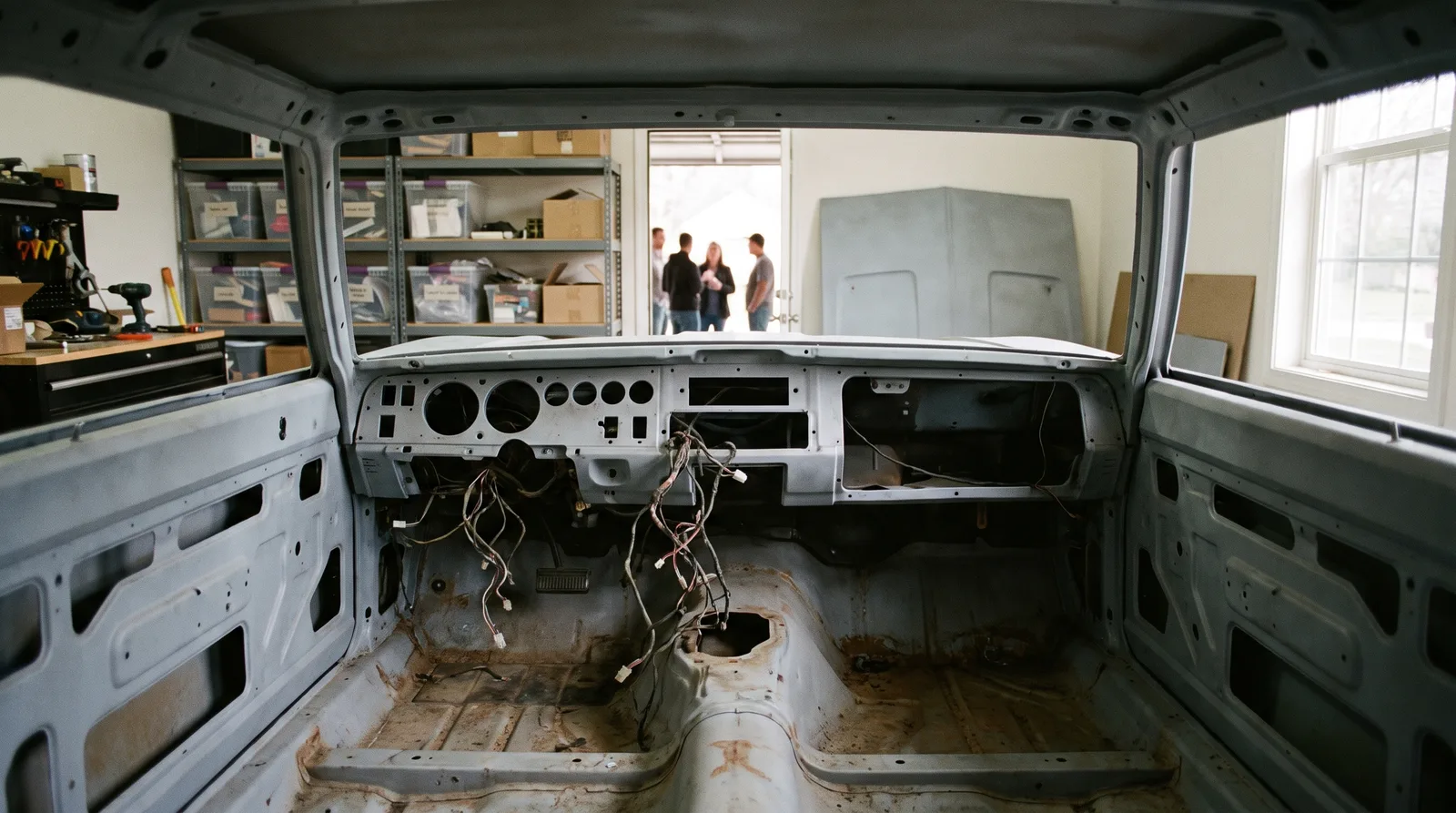
Hidden damage is the largest source of overruns. Rust inside rockers, frame rails and cowls cannot be measured until the body is stripped. Missing or incorrect parts show up during assembly, not at the start. Parts for rare cars may need to be fabricated, and fabrication is billed by the hour. Shops reasonably quote a range, and the final bill can land in the upper part of it.
Plan for a contingency of 20 to 30 percent on top of the estimate, more on salt-state cars. This is not a pessimistic assumption. It is the number that matches how projects behave, and it should sit as an explicit line in your budget rather than being absorbed by individual categories.
Time, insurance and the cost of waiting
Time is a cost. A project that runs long ties up the car and the money for years. Insurance on a stored project is often cheaper than on a driving car, but an agreed-value policy during restoration should reflect what you have invested, not what the car was worth when it arrived. Check that the shop carries its own garage liability and that your policy covers the car while it is at the shop and in transit.
Registration, inspection and the first season of tuning add small amounts, but they add up. So do tools, if you are doing part of the job. Treat them as a small line of their own.
Parts you did not know you needed
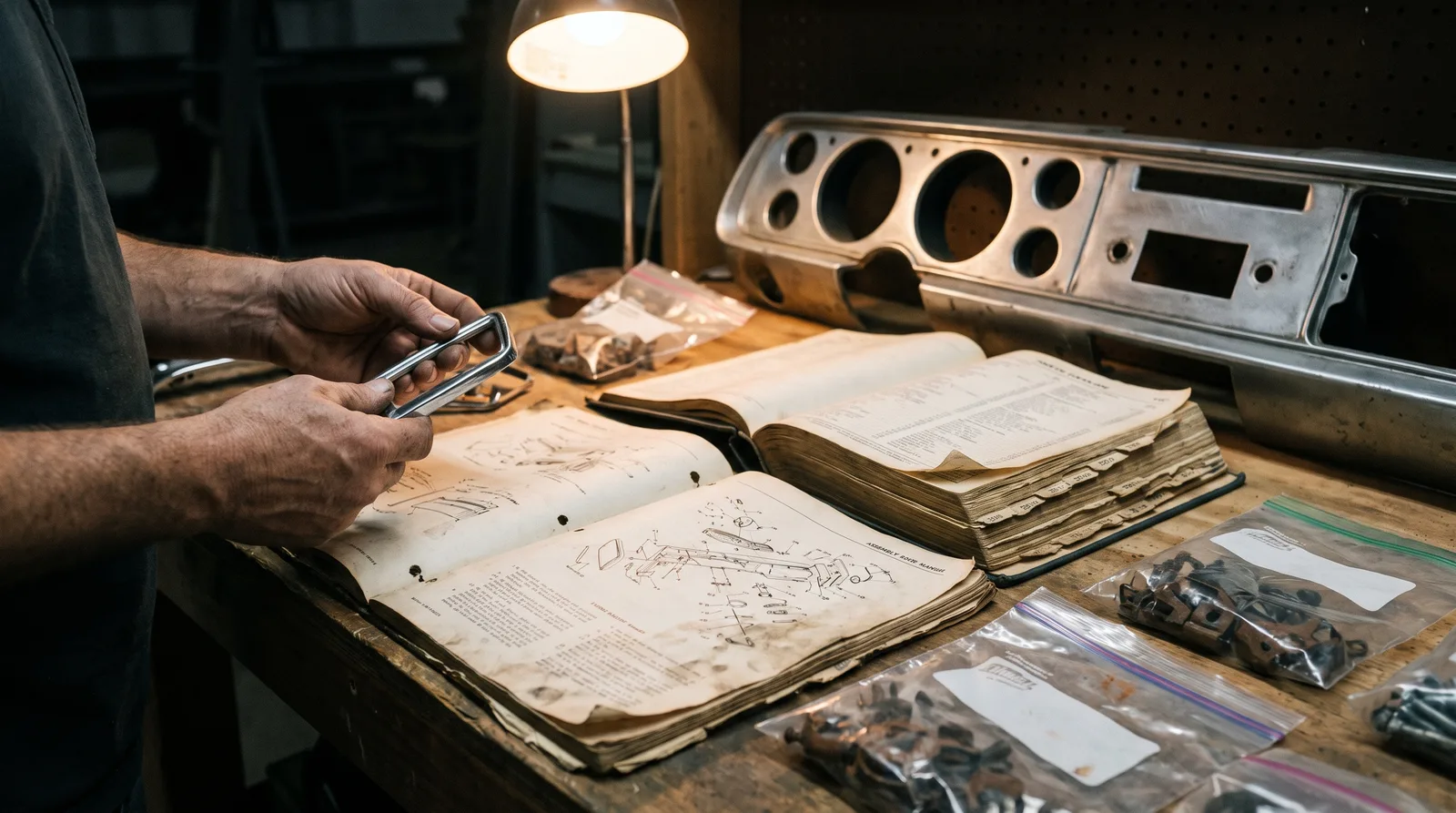
Every restoration produces a list of small items that were not in the original plan. Fasteners, clips, grommets, brake and fuel lines, bushings, hoses, belts, gaskets and fluids all have to be bought, and on a full job they add up quickly. Most are inexpensive on their own. A shop that quotes labor alone may leave them to you, and the invoice later shows a separate parts total that surprises owners who expected a single number.
Ask the shop how consumables are treated. Some build them into the hourly rate and others bill them at cost plus a markup. Neither is wrong, but the difference can be meaningful over a full project, and you should know which you are agreeing to.
The cost of changing your mind
Scope changes are expensive. Deciding midway to repaint in a different color, add air conditioning, upgrade the brakes or swap a transmission means taking apart work that has already been done. Every change order carries the new work plus the cost of undoing the old. Settle the specification before the car is disassembled, put it in writing, and treat later additions as a deliberate decision with a price attached.
How to ask for a cleaner estimate
Use a standard questionnaire. What is the hourly rate? What is included in the estimate? Which items are sublet? What happens when rust is found? How is storage billed? How are change orders approved? A good shop answers all six without hesitation. To compare options, start from a restoration shop directory and ask the same questions of each.
"The headline number gets you in the door. The invoice trail tells you what the project actually cost. Budget for the second one."
David Mercer
Always compare shop quotes against the headline restoration number you started with, and track each line as the project moves. Billing terms matter as much as price, so read up on how shops expect to be paid before signing.
None of these items is dramatic alone. Together they explain why final totals so often exceed the first quote. Owners who list them early, assign a number to each and review the list monthly tend to finish closer to budget, and they have fewer difficult conversations with the shop along the way.
Sources and notes
- Hagerty: what does it cost to restore a classic car, hidden problems found after disassembly, labor rates and why restorations rarely recoup their cost
- FreightWaves: cost to ship a car in 2026, enclosed transport premium and cross-country price range
- Ship a Car, Inc.: how much does it cost to ship a car, enclosed versus open premium and why classics use enclosed carriers
- Popular Restorations: hidden restoration costs, overlooked storage, insurance and tool costs and a real project that overran its estimate
- Popular Restorations: storage costs during a restoration, examples of monthly storage rates that vary by region
Related Reading
Have a
Classic Car
for Sale?
Reach thousands of serious classic car collectors across the US.
Sell It Here →
Are You a Classic Car Dealer?
List your full inventory and connect with targeted classic car buyers.
Join as a Dealer →

About the author
David Mercer
Classic car market analyst with two decades of experience tracking collector car valuations, auction results, and investment trends.
More in Restoration & Tech
Comments
Be the first to comment on this article.