
A restoration can add value to a muscle car. It can also destroy it. The difference comes down to what you started with, what the market rewards, and whether the money you spend ever comes back at resale. Most owners assume that a fresh restoration always lifts the price. The auction results say otherwise. There are cars where a body-off restoration returned every dollar and then some, and there are cars where the same work turned a valuable original into an expensive also-ran.
Restoration & Tech
6 min read
How a Restoration Affects Value
Does restoring a muscle car add value or destroy it? Where restoration money returns, where it leaks, and how originality and documentation move the price.
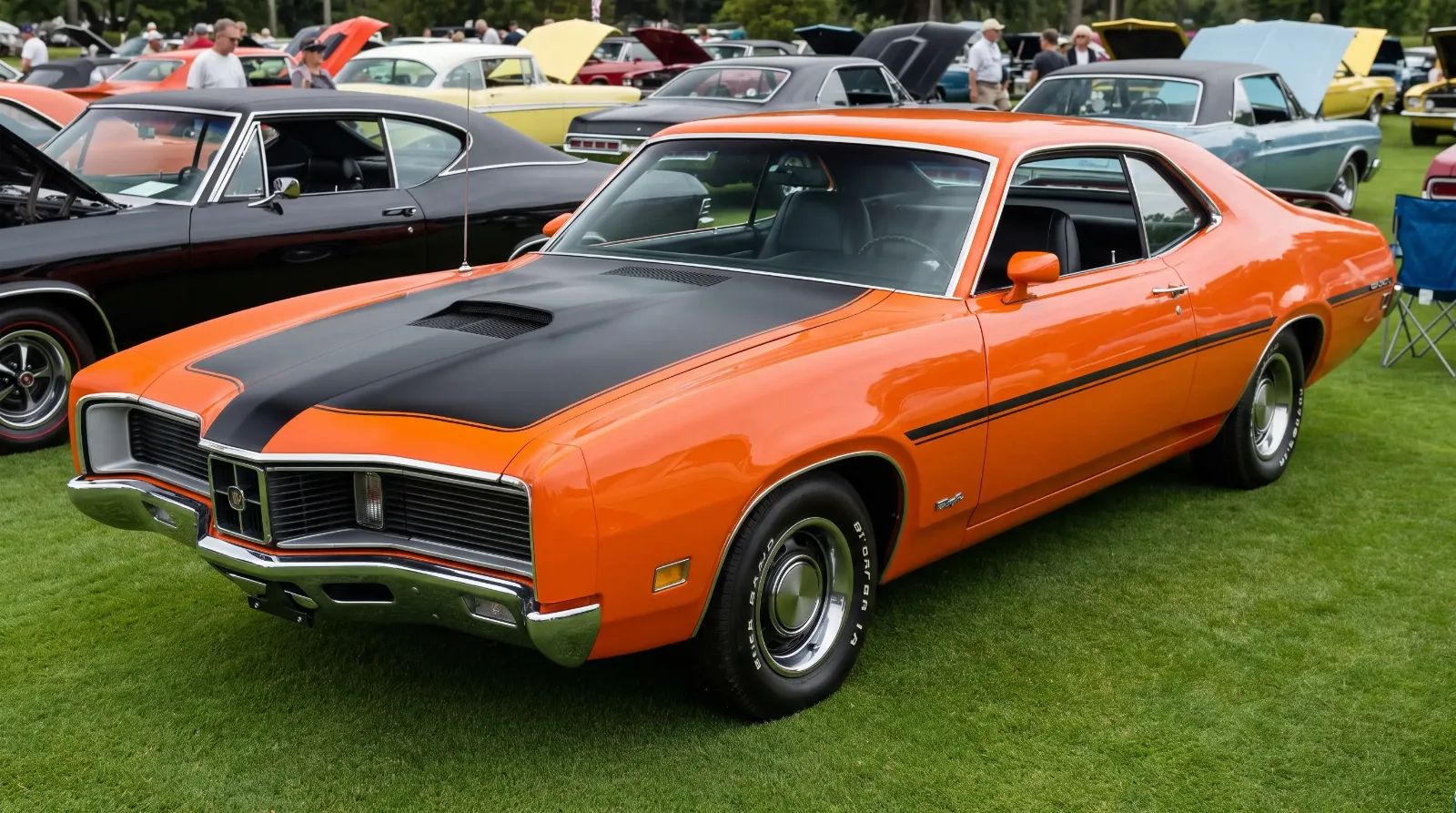
The honest way to think about it is as an investment with a known cost and an uncertain return. Restoration budgets on a serious muscle car run from the low tens of thousands for a driver-grade refresh to well past six figures for concours work. Before you commit, you want a clear sense of where the value goes and where it leaks. This is muscle car restoration viewed strictly through the lens of value, which is a different conversation than how to turn the wrenches.
Originality is a value you can only spend once
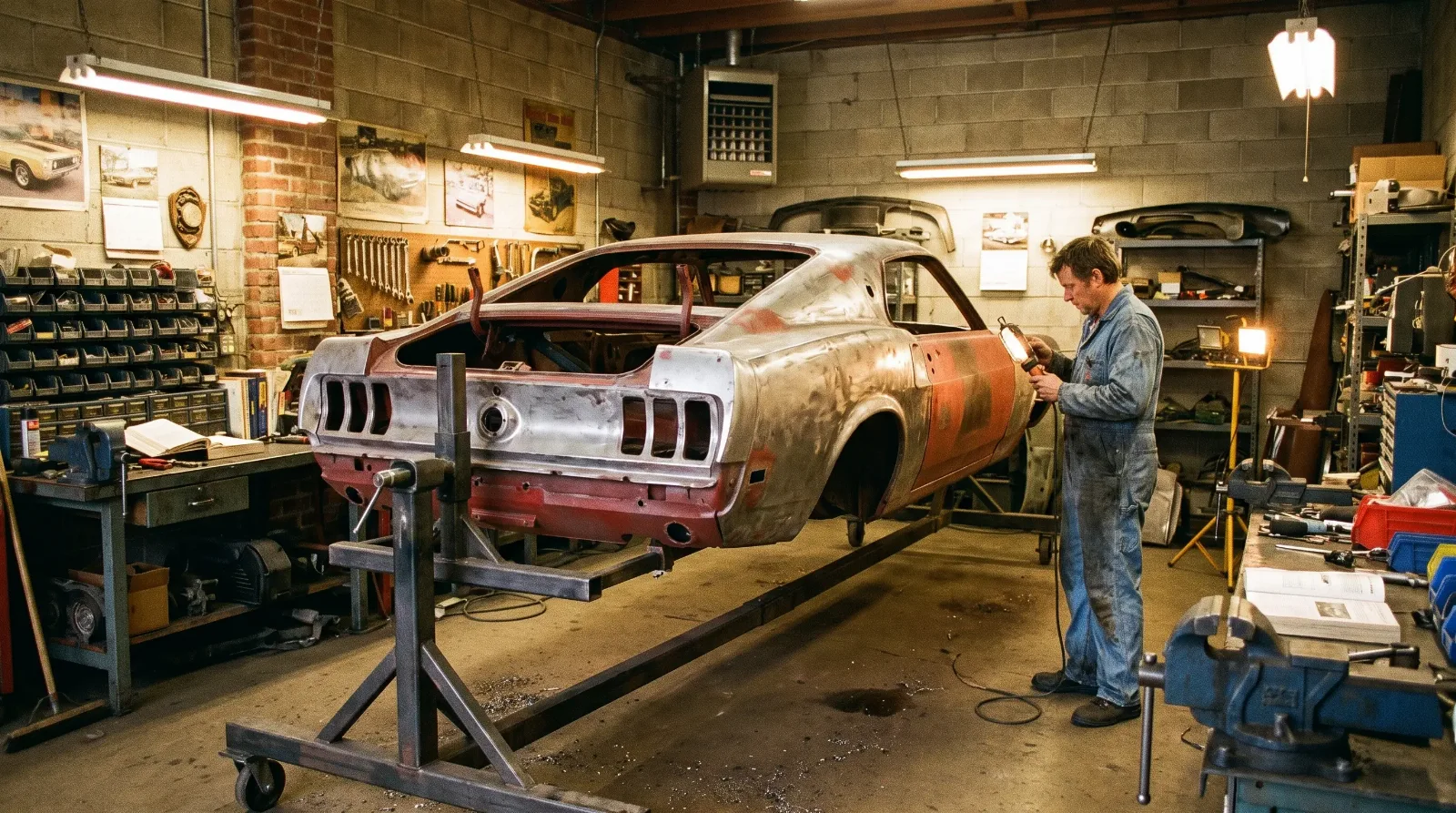
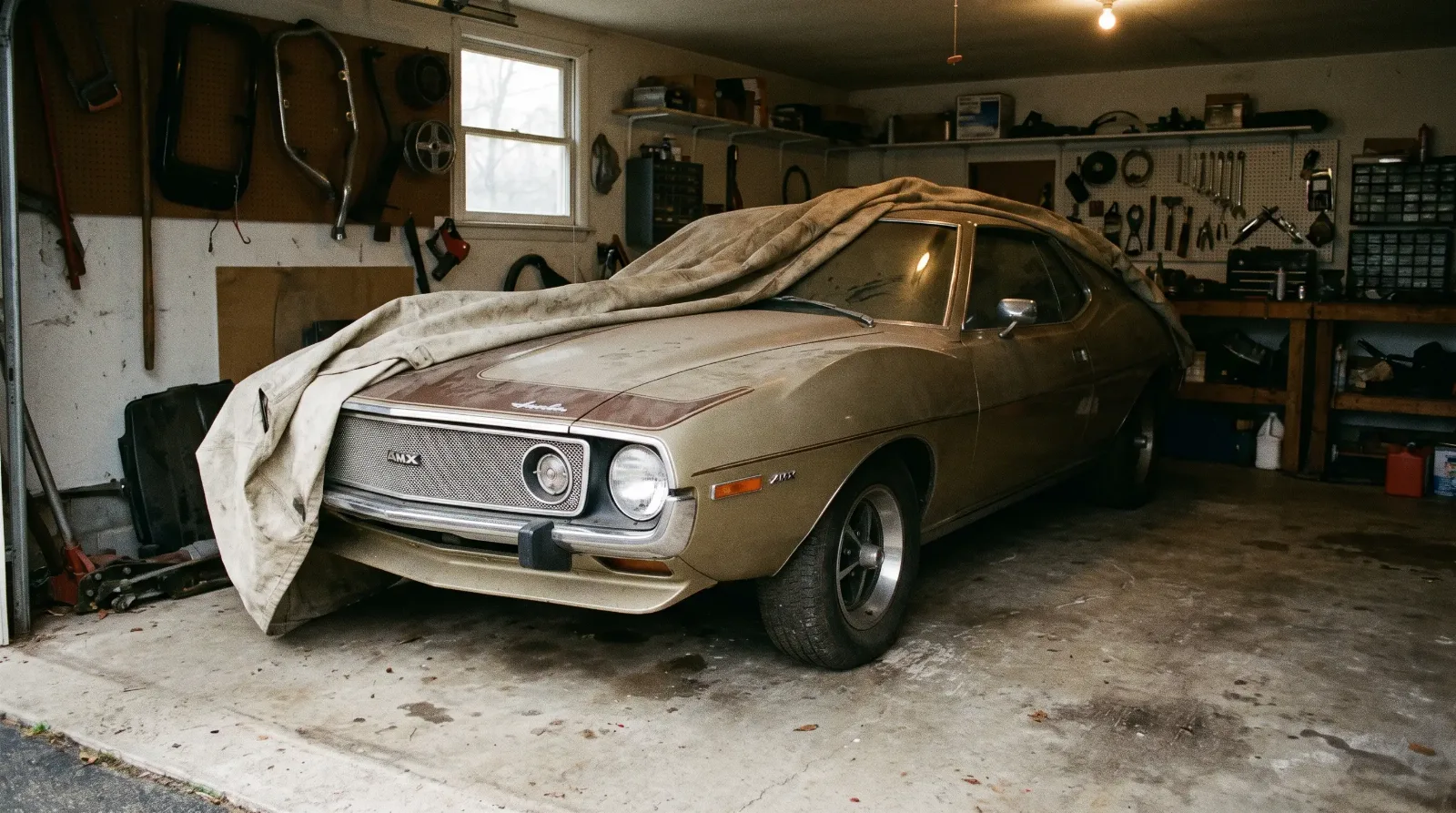
The single biggest factor most owners underrate is originality. An unrestored, well-preserved car carries something a restored car never gets back: factory-original surfaces, finishes, and evidence. Once you strip and repaint a car, you have converted that originality into cosmetics, and that trade is permanent. For a rare, documented, low-mileage survivor, that can be a losing move. Collectors at the top of the market increasingly pay premiums for cars that were never taken apart.
For the far more common driver-grade car with mediocre paint and tired mechanicals, originality is not the asset, and a quality restoration is usually the right call. The point is that the value math depends entirely on where the car sits on that spectrum. A blue-chip original and a rough project respond to restoration in opposite directions. Understanding which one you own is the first decision, and it connects directly to the broader arc of the story of American muscle and why certain cars command what they do.
Documentation moves the number more than paint
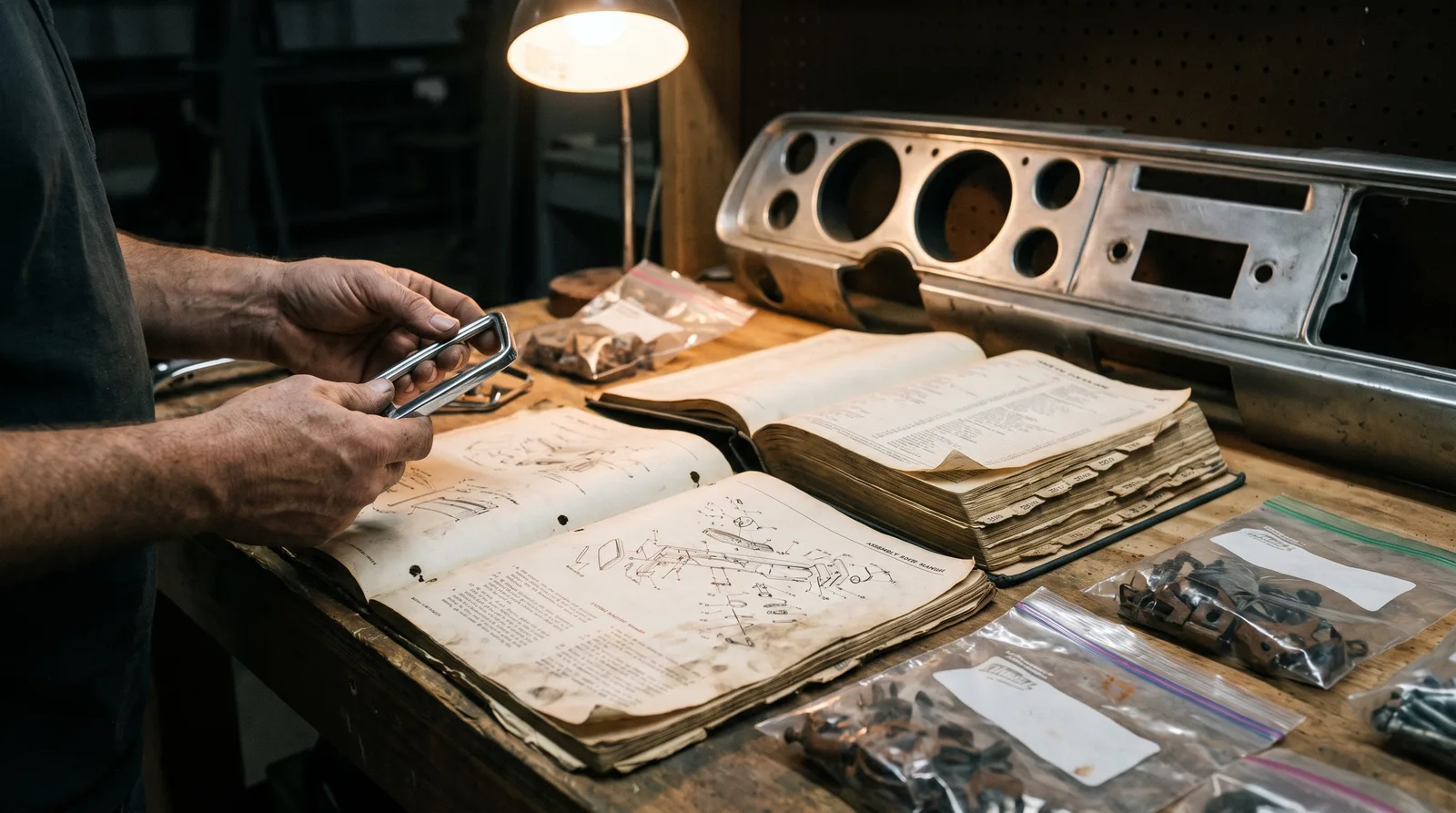
Two cars, same model, same options, same restoration quality. One has a build sheet, a window sticker, and a folder that proves the drivetrain is original to the car. The other has a clean respray and a good story. In my experience tracking sales, the documented car consistently commands a meaningful premium, and the gap widens as the car gets rarer.
This is why the paperwork you generate during a restoration is not busywork. It is value creation. Matching numbers, verified by casting numbers and date codes, can be the difference between a car in the fifty-thousand range and one in the six figures for the same nameplate. If you are restoring a car now, treat the record as part of the asset. The best time to build that file is while the car is apart, which is a subject worth its own attention.
Where restoration money comes back and where it leaks
Not every dollar of a restoration returns equally. Certain work is close to mandatory to reach a given tier and pays back reliably. Other spending is discretionary and rarely recovered at resale. Knowing the difference keeps you from over-restoring a car past what its ceiling will support. We run the numbers on restoration cost against sale price in a companion piece for owners getting ready to sell.
| Work performed | Typical effect on resale | Notes |
|---|---|---|
| Correct, documented drivetrain | Strong positive | Numbers-matching is a hard value driver |
| Quality body and correct paint code | Positive | Correct color and finish matter more than flash |
| Proper interior restoration | Moderate positive | Buyers notice, but rarely pay a premium above cost |
| Over-restoration beyond factory | Neutral to negative | Judges deduct; buyers do not pay extra |
| Restomod modifications on a rare car | Variable | Can add or subtract depending on the platform |
The classic value leak is over-restoration: chrome where the factory used bare metal, glossy engine bays that never existed on the line, upgrades that a knowledgeable buyer sees as incorrect. On a collectible car, correctness beats perfection. On a driver, the calculus flips again, because a buyer looking for a usable weekend car cares less about a mismatched date code than about how the thing drives.
Condition tiers and what the market actually pays
The market sorts restored muscle cars into rough tiers, and the jump between tiers is where most of the money lives. A solid driver-quality car sits well below a show-quality example, and the cost to move from one to the next often exceeds the value it adds. That is the trap: spending concours money on a car whose ceiling is a strong driver.
As a rough frame, a driver-grade muscle car might trade in the low-to-mid tens of thousands depending on the nameplate, a well-sorted show-quality car in the mid tens to low six figures, and a rare, documented, correctly restored example well beyond that. Those ranges vary enormously by model, so treat them as illustration rather than a quote. If you want to see where real cars are landing right now, discover classic muscle cars for sale and compare condition against asking prices.
"The mistake I see most is spending show-car money on a driver-grade platform. The restoration is beautiful and the owner still loses, because the market caps what that particular car will ever bring."
David Mercer
Protecting the value after the work is done
A restoration is not the end of the value story. How the car is kept afterward determines whether the investment holds. Poor storage undoes expensive paint and lets fresh mechanicals seize, and the market discounts a restored car that has been neglected since. If you have just finished a project or bought a fresh one, the way you store it is the cheapest insurance on the money you spent, and it is worth doing right the first time. The details of that are covered separately, and you can read the full story there.
The takeaway is straightforward. Restoration adds value when it fixes a car that needed it, preserves originality where originality is the asset, and comes with the documentation to prove the work. It subtracts value when it erases a genuine survivor, over-restores past what the platform supports, or leaves the buyer guessing. Know which car you own before you spend, and the number at resale takes care of itself.
Related Reading
Have a
Classic Car
for Sale?
Reach thousands of serious classic car collectors across the US.
Sell It Here →
Are You a Classic Car Dealer?
List your full inventory and connect with targeted classic car buyers.
Join as a Dealer →

About the author
David Mercer
Classic car market analyst with two decades of experience tracking collector car valuations, auction results, and investment trends.
More in Restoration & Tech
Comments
Be the first to comment on this article.