
Panel gaps are the first thing I look at on any C10, mine or somebody else's. A truck can have a fresh paint job and a clean interior, but if the hood sits crooked against the fenders or the doors have gaps you could lose a pencil in, that tells me something about how it was put back together. Getting hoods and fenders to line up right isn't complicated work, but it's fussy, and fussy work is exactly what gets skipped when somebody's trying to finish a build before a show deadline.
Restoration & Tech
6 min read
How to Align C10 Hoods and Fenders for Consistent Panel Gaps
A practical guide to reading and correcting C10 hood, fender, and door gaps, from diagnosing the cause to setting the final alignment.
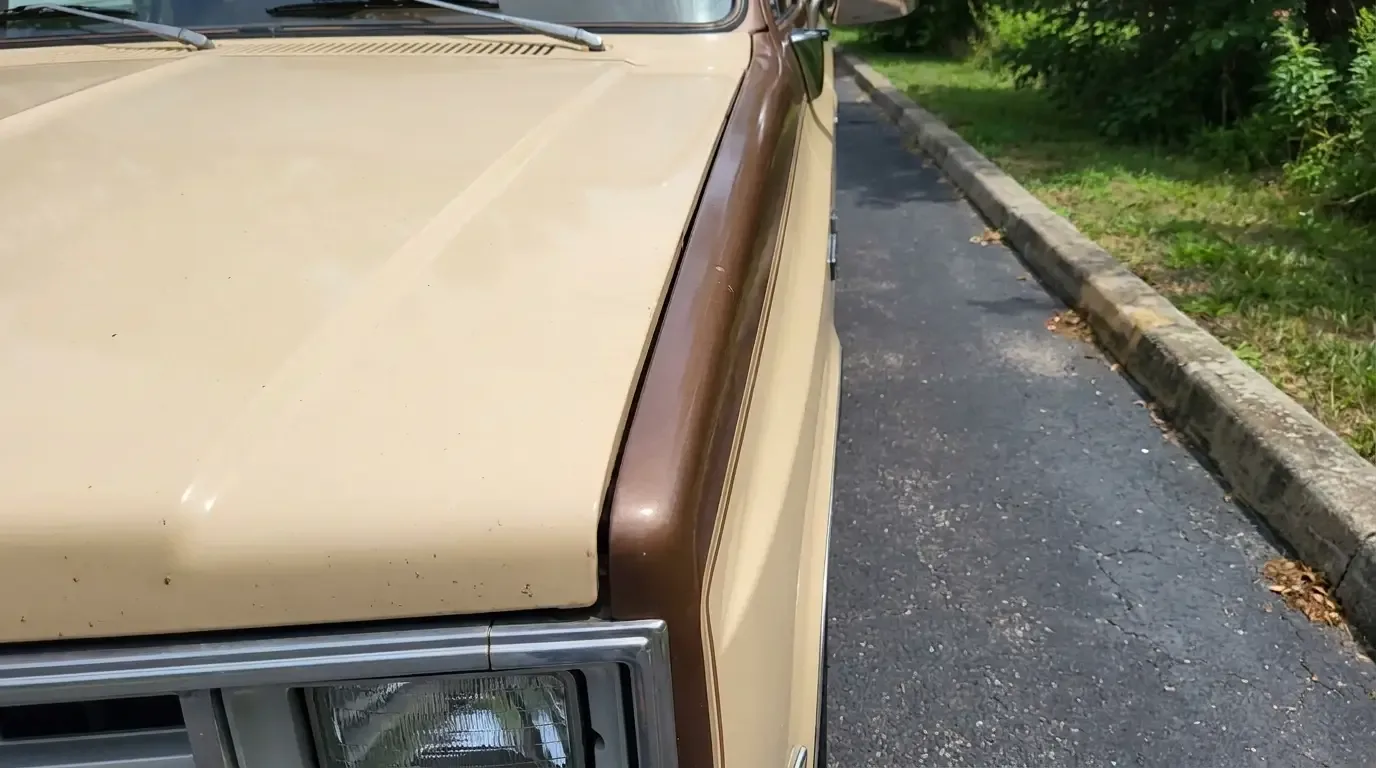
Most alignment problems on these trucks come down to one of three things: sagging hinges, shifted mounting points from a repaint or bodywork, or a frame and cab that were never quite square to begin with after a repair. Sort out which one you're dealing with before you start turning bolts, because chasing a gap problem with the wrong fix just moves the misalignment somewhere else.
Reading the gaps before you touch anything
Walk the truck and check every gap with a consistent method, not just eyeballing it. A cheap set of plastic gap gauges or even a stack of playing cards works fine for getting consistent numbers. Check the hood to fender gap on both sides, the fender to door gap, the door to cab gap, and the door to rocker gap at front and rear of the door. Write the numbers down. You need a baseline before you can tell whether an adjustment actually helped.
Uneven gaps side to side usually point to something shifted, either at the hinge, at the fender mounting bracket, or further back in the cab mounts. Gaps that are consistent but too wide or narrow across the whole truck often mean the panels themselves were installed slightly off from the factory reference points, which happens more than you'd think on trucks that have had aftermarket fenders or a full repaint.
| Gap location | Typical target range | Common cause when off |
|---|---|---|
| Hood to fender | roughly 3/16 to 1/4 inch | Hood hinge sag, hood latch misalignment |
| Fender to door | roughly 1/8 to 3/16 inch | Fender bracket shift, cab mount settling |
| Door to cab | roughly 3/16 to 5/16 inch | Door hinge wear, door sag |
| Door to rocker | roughly 1/4 to 3/8 inch | Hinge wear, rocker repair not squared |
Working the hood and fenders
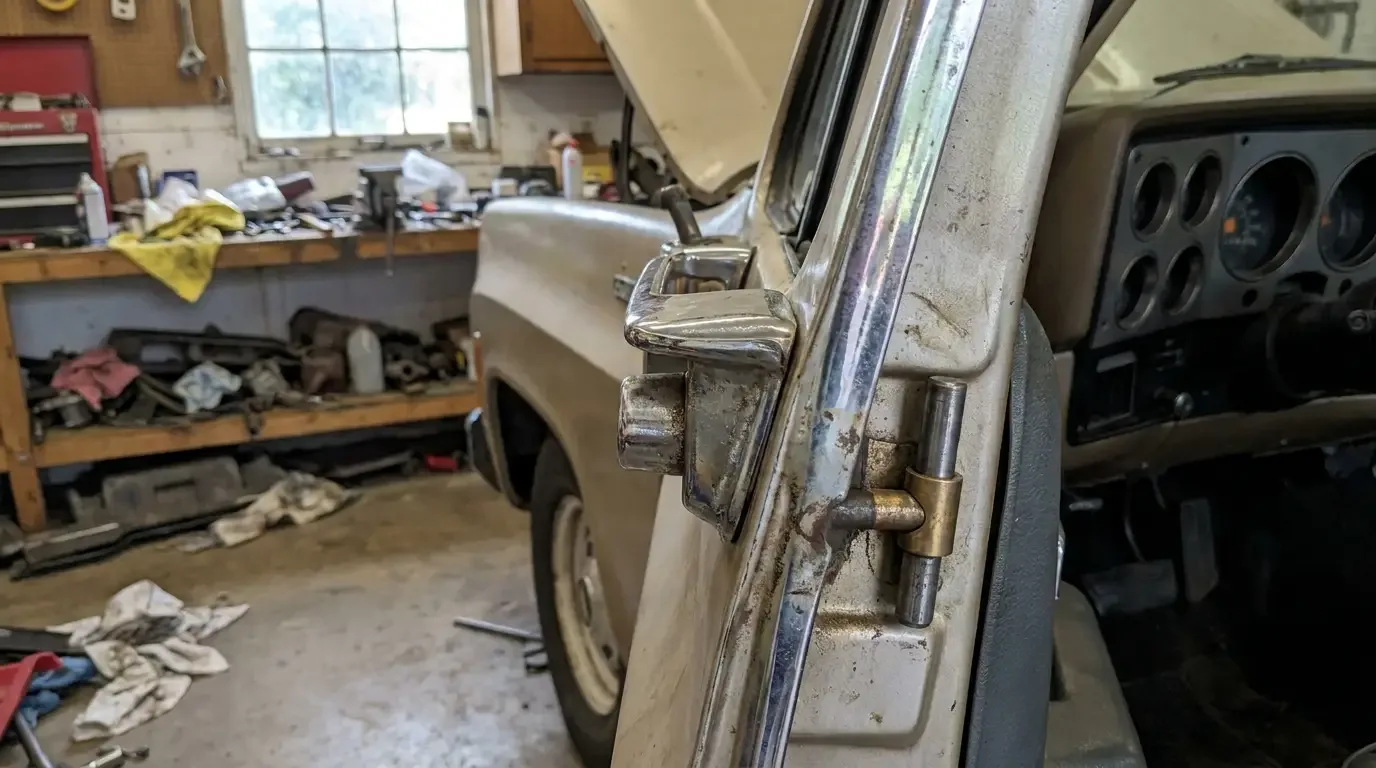
Hood alignment starts at the hinges, not the latch. If the hinges are loose or worn, no amount of latch adjustment will hold the hood square, because you're fighting play in the pivot instead of fixing position. Snug the hinge bolts and check for play by hand before you loosen a single hood bolt to shift position.
With the hinges solid, loosen the hood bolts just enough that the hood can move under hand pressure, then walk it into position from the front, checking both fender gaps as you go. Small movements. A quarter turn on a bolt can shift a gap more than you expect once the hood settles under its own weight. Tighten in stages, checking the gap again after each stage, because a hood that looked perfect loose will sometimes shift slightly once fully torqued down.
Fenders bolt to the cab and the front core support at multiple points, and shims go behind the fender at these mounting points to correct gaps rather than just cranking bolts tighter. If a fender sits too far forward or back relative to the door, that's a mounting point issue at the cab side, not something you fix by fighting the hood.
When the problem isn't the panel, it's the door
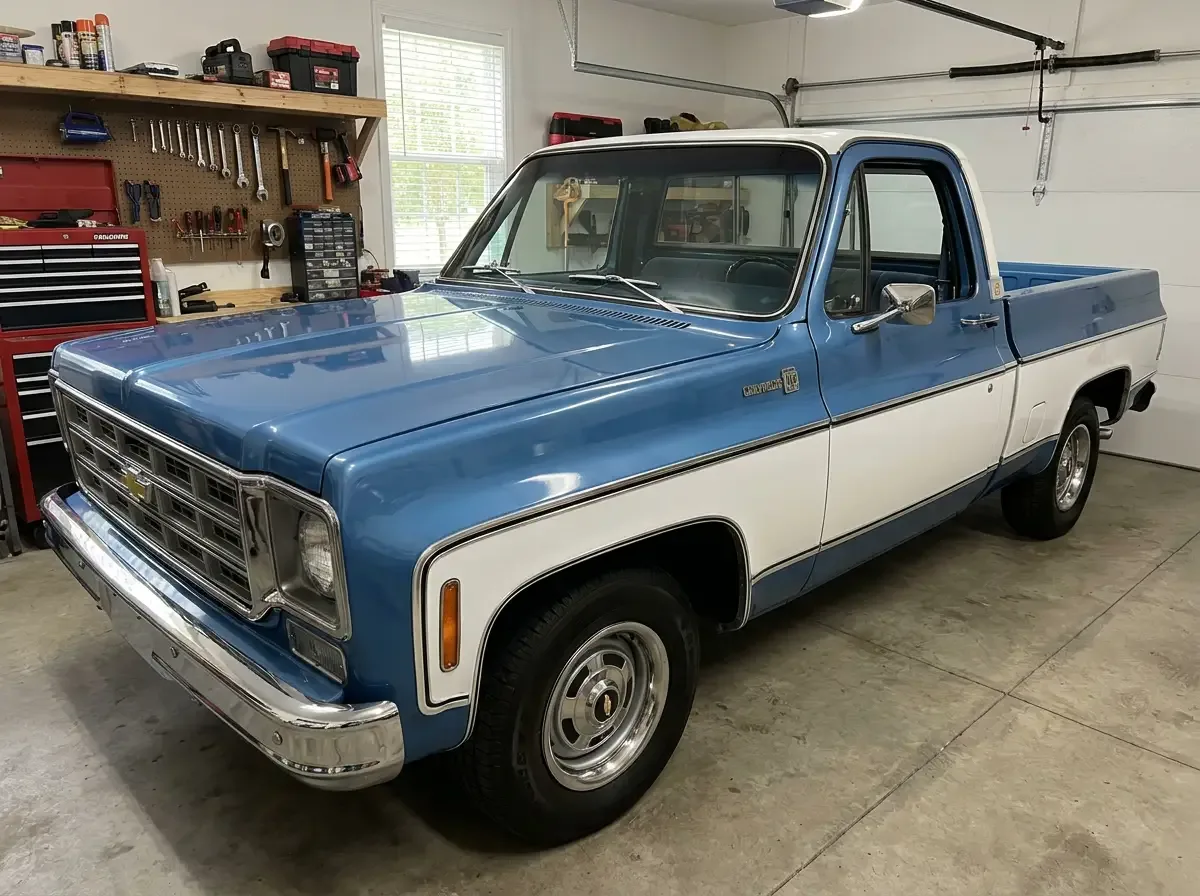
A lot of gap complaints on these trucks trace back to door sag that throws gaps off rather than anything wrong with the fender or hood itself. Worn hinge pins let the door drop at the rear corner, which opens up the gap at the top of the door to cab and closes it at the bottom, or throws the door to rocker gap out of parallel. If you're chasing a gap and the numbers don't make sense against anything you've adjusted at the fender or hood, check hinge play before you keep turning bolts on the panels around it.
Putting it all back together
Work in a consistent order: hinges and structural checks first, then hood, then fenders, then doors last since door position depends on everything around it being settled. Recheck every gap after each panel is set, because tightening one panel down can shift the gap on the panel next to it slightly, especially at shared mounting points like the cowl area where hood, fender, and cab all meet.
Take your time with the final torque pass. A gap that looks right with bolts snugged loose can move once everything's fully tightened, and redoing a gap after final torque means backing out the whole sequence again. This is genuinely one of those jobs where going slow the first time is faster than rushing and doing it twice.
"Panel gaps are free information. Before I ever open the hood or crawl under a C10, I walk the outside and read the gaps, because a truck that's tight and even all the way around usually means somebody who cared about the details did the mechanical work too. A truck with sloppy gaps makes me want to check everything twice."
Mike Sullivan
If you got here after finishing rust repair rather than a fresh build, it's worth reviewing the restoration guide to see where panel alignment fits in the overall sequence, since doing it before the paint goes on saves a lot of rework. And if you want the fuller story on how these trucks were built and why their panel fitment quirks exist in the first place, the full C10 story covers that background.
Sources and notes
- Old Cars Weekly: door support build-up and the 3/16-inch gap target used in classic restoration work
- Roadkill Customs: how to align body panels on a classic build
- GM Square Body forum: door gap discussion on 1973-1987 trucks
- I-CAR RTS: whether OEM gap specifications exist for fender-to-door fitment
- Classic Cougar Community forum: panel alignment tips for classic vehicles
Related Reading
Have a
Chevrolet C10
for Sale?
Reach thousands of serious classic car collectors across the US.
Sell It Here →
Are You a Classic Car Dealer?
List your full inventory and connect with targeted classic car buyers.
Join as a Dealer →

About the author
Mike Sullivan
Detroit-area muscle car enthusiast and restoration specialist with three decades of hands-on experience working on American iron.
Related Listings - Chevrolet C10
More in Restoration & Tech
Comments
Be the first to comment on this article.