
Everybody wants to know the cheapest way into a rat rod, and the honest answer is that it starts with picking the right junk. A rat rod lives or dies on its starting point. Buy the wrong rusted-out hulk and you will spend more fixing it than you would have spent buying something solid. Buy the right cheap sedan or pickup cab and you are already halfway to a driver. This is the part of the build where you save real money, long before you turn a wrench. If you are still learning the ropes on the money side, my piece on how to build a rat rod covers the wider budget picture. This one is just about the metal you start with.
Restoration & Tech
6 min read
The Cheapest Platforms to Start a Rat Rod
Old Ford and Chevy sedans, pickup cabs and loose cowls are the cheapest honest way into a rat rod. Here is what to buy and what to avoid.
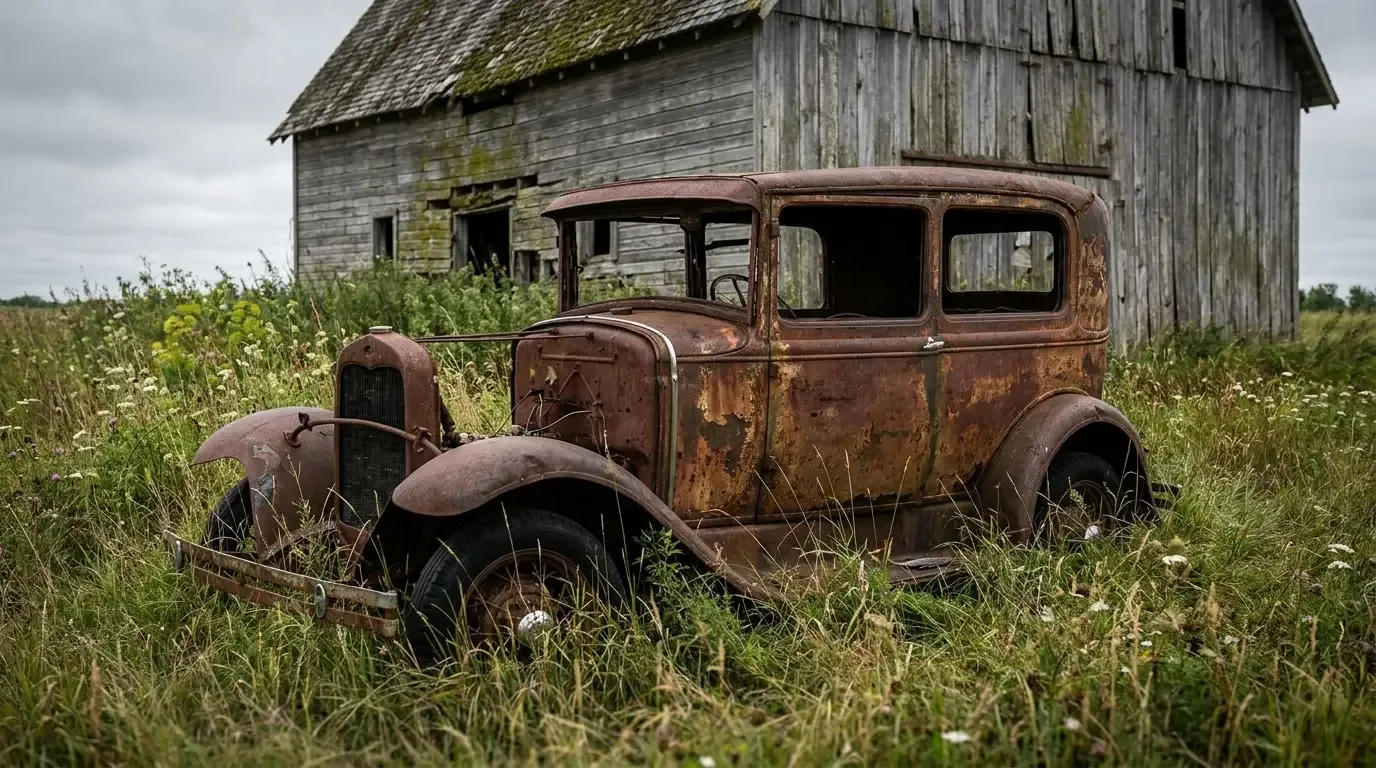
Why old Ford and Chevy sedans are the sweet spot
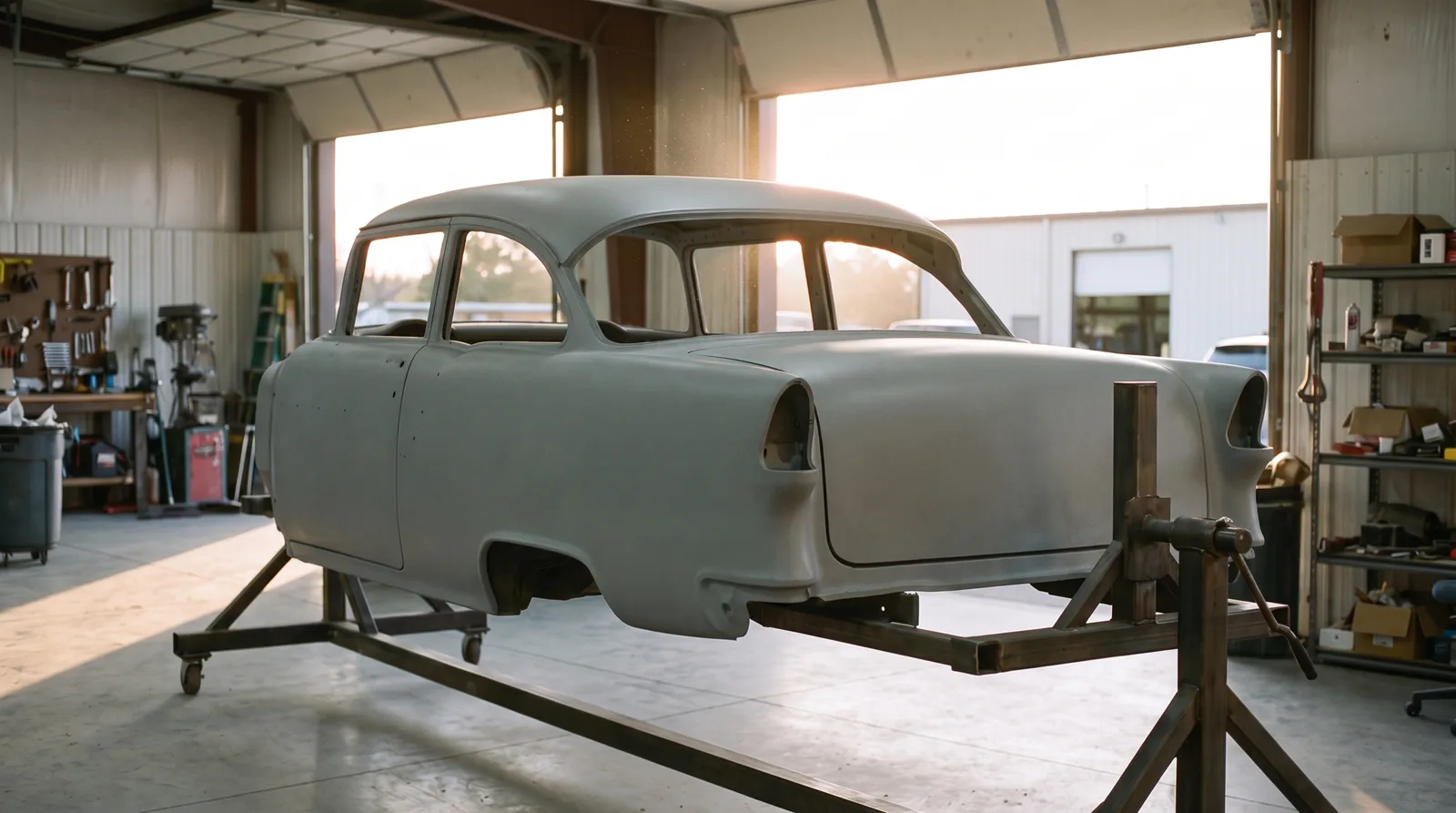
The classic rat rod bones are prewar and early postwar American iron, roughly 1928 through 1948. Fords get most of the glory. The Model A of 1928 to 1931 and the flathead-era Fords of 1932 to 1934 are the shapes people picture when they hear "rat rod." The trouble is that a genuine 1932 Ford, the "Deuce," has been picked clean by hot rodders for eighty years, so even a rusty one is expensive now. That is where the humble four-door sedan comes in.
Two-door coupes and roadsters are the desirable, pricey body styles. Four-door sedans are the cheap ones because nobody wanted them for a traditional build. For a rat rod, that snobbery is your friend. A rough Model A Tudor or Fordor sedan, a mid-1930s Chevy Master, or a late-1940s Ford or Chevy business coupe can still be found as a project for a fraction of coupe money. Chevys of the same years are usually cheaper than the equivalent Ford because the Ford flathead crowd bid the Blue Oval stuff up. If you do not care about brand loyalty, an old Chevy sedan is often the smarter buy.
Pickups, cabs and cowls: the real bargain metal
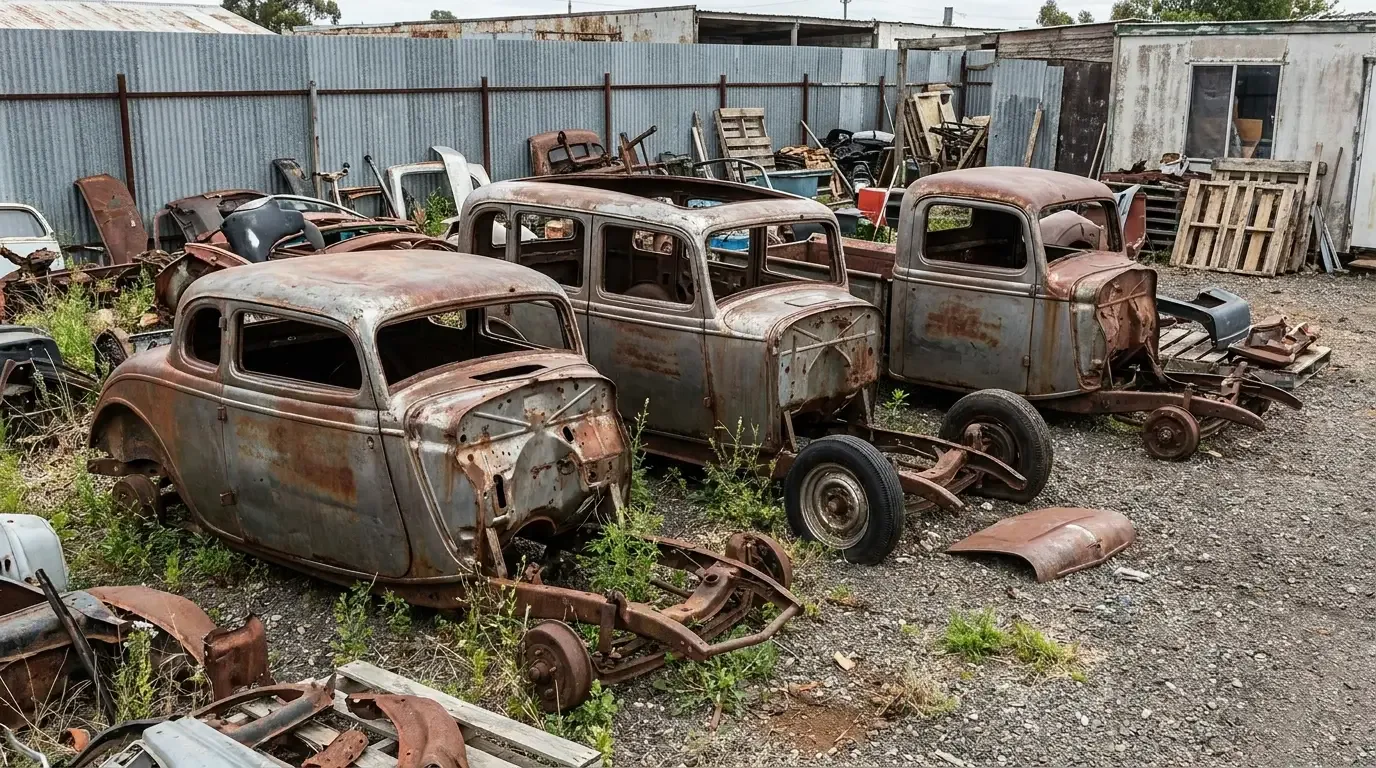
If the sedan is the sweet spot, the old pickup is the bargain bin. Prewar and early-1950s Ford and Chevy trucks were work vehicles that got used up, so beaten pickup cabs survive in barns and fields everywhere. A rat rod truck also flatters a low-buck build, because a truck is supposed to look rough and functional. You are not fighting anybody's expectation of shiny paint.
You do not even need a whole vehicle. Two partial pieces do most of the work on a rat rod, and both are sold cheap on their own:
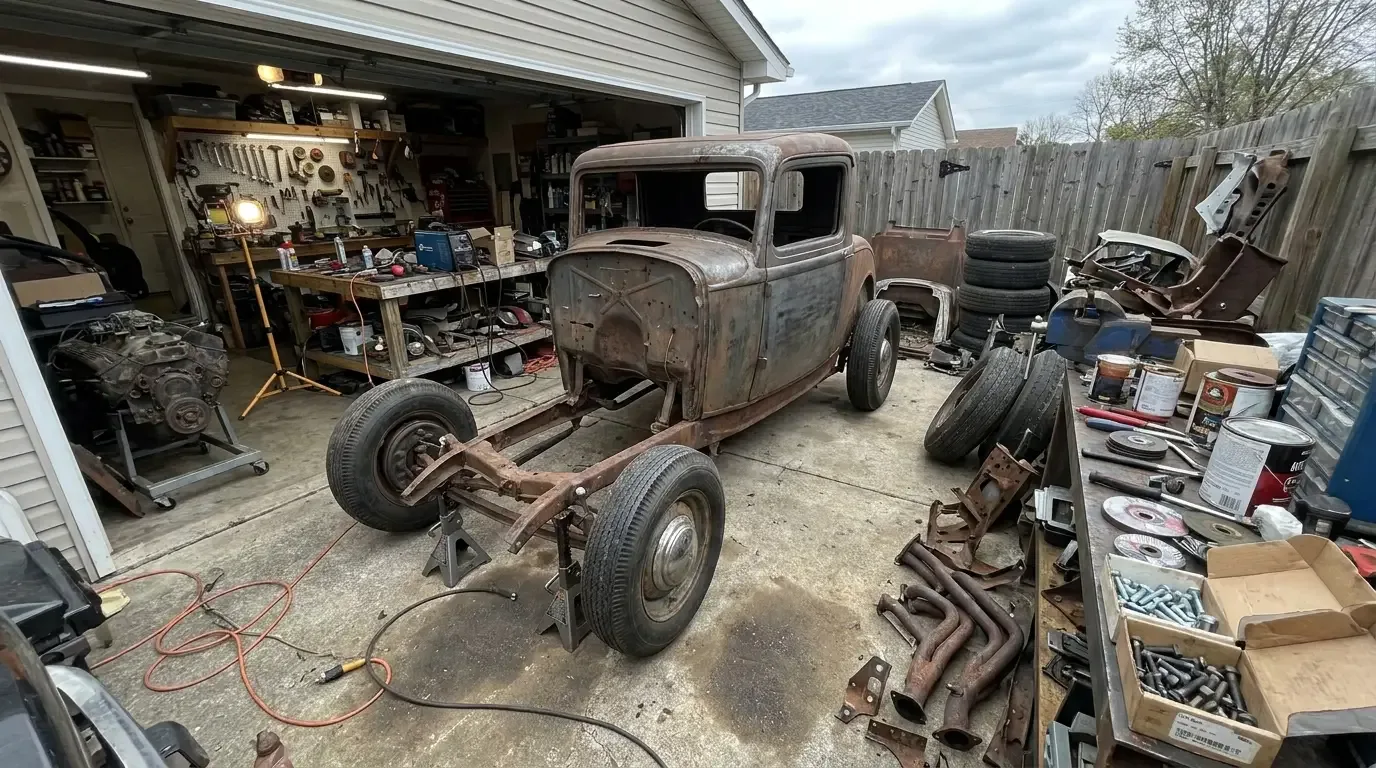
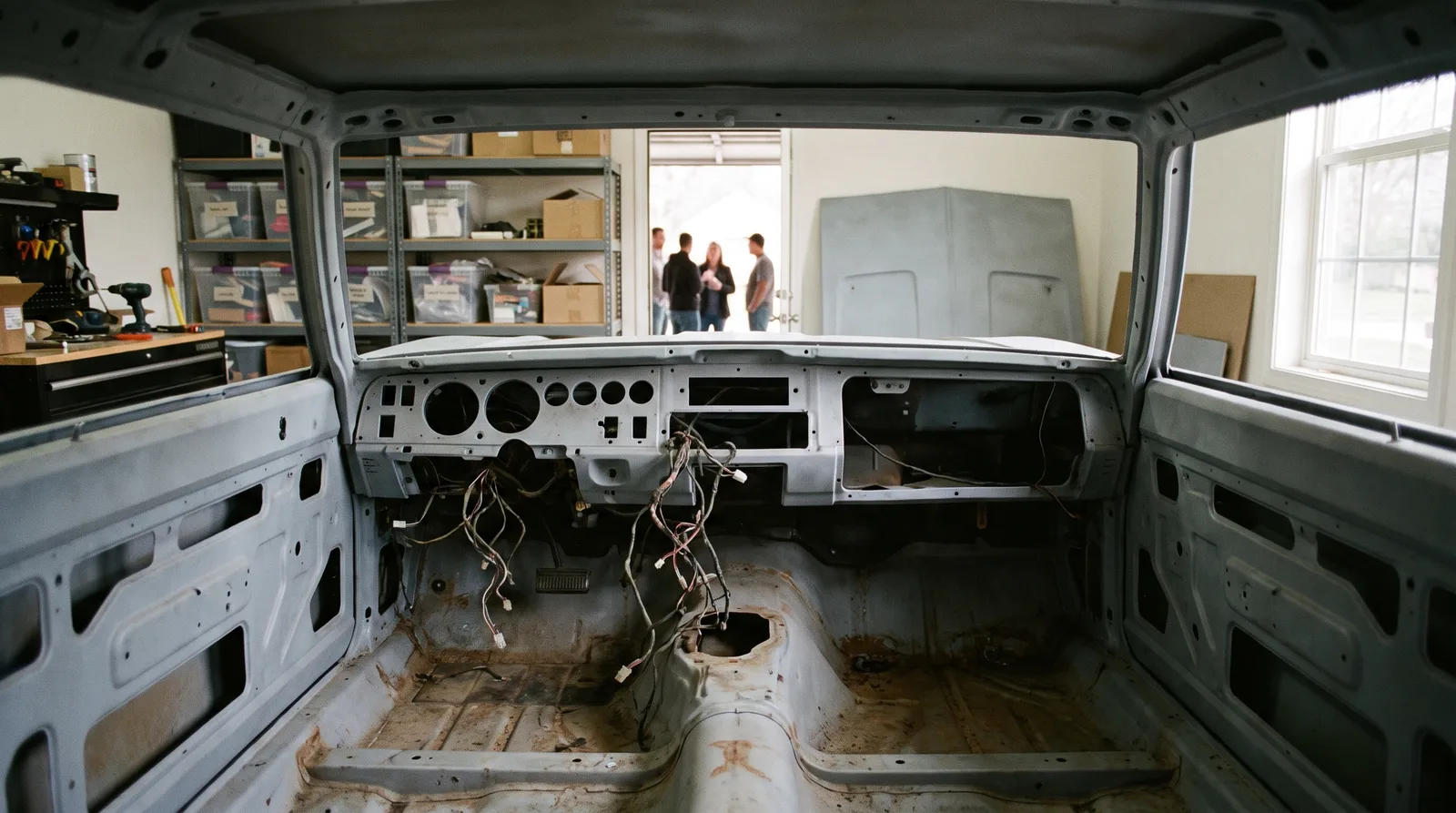
- The cab is the truck's cabin, the boxy part you sit in. A standalone pickup cab, no frame, no bed, no drivetrain, is one of the cheapest ways to get a real vintage shape to build under.
- The cowl is the section between the hood and the windshield that carries the firewall and dash. Builders buy loose cowls to graft the front of an old body onto a home-built frame. A cowl plus a couple of doors can become the whole passenger compartment of a channeled rat rod.
This is where the DIY ethos pays off. Instead of restoring a complete car, you are assembling a body from the good parts of several dead ones. It is cheaper, and it is the honest way to do it. My take on what a the story of the rat rod was built on runs right through this kind of found-metal fabrication.
What things actually cost
Prices swing hard by region, condition and how badly the seller wants it gone, so treat these as rough starting ranges from recent classified listings, not fixed quotes. Always go look in person before you believe a photo.
| Starting point | Rough price range | What you are really buying |
|---|---|---|
| Model A / mid-30s sedan, project | around $2,000 to $4,000 | Complete rough body and frame, no running gear |
| Old pickup cab, standalone | roughly $500 to $1,500 | Just the cab, you build everything else |
| Loose cowl | a few hundred dollars | Firewall and dash section to graft on |
| Finished driving rat rod | often $7,000 and up | Somebody else already did the work |
The math is simple. A finished rat rod that runs and drives frequently starts around seven thousand dollars and climbs from there, which tells you the parts-and-labor gap is where your savings live. If you would rather skip the build entirely, there is nothing wrong with buying done, and you can browse cheap rat rods for sale to see what completed cars are going for before you commit to a project.
"The cheapest platform is never the cheapest price tag. It is the one that needs the least welding to make it safe. I have watched guys save two grand on a body and then burn four grand fixing a frame that was rotted through. Buy the solid ugly one, not the pretty rusty one."
Jim Vasquez
What to avoid
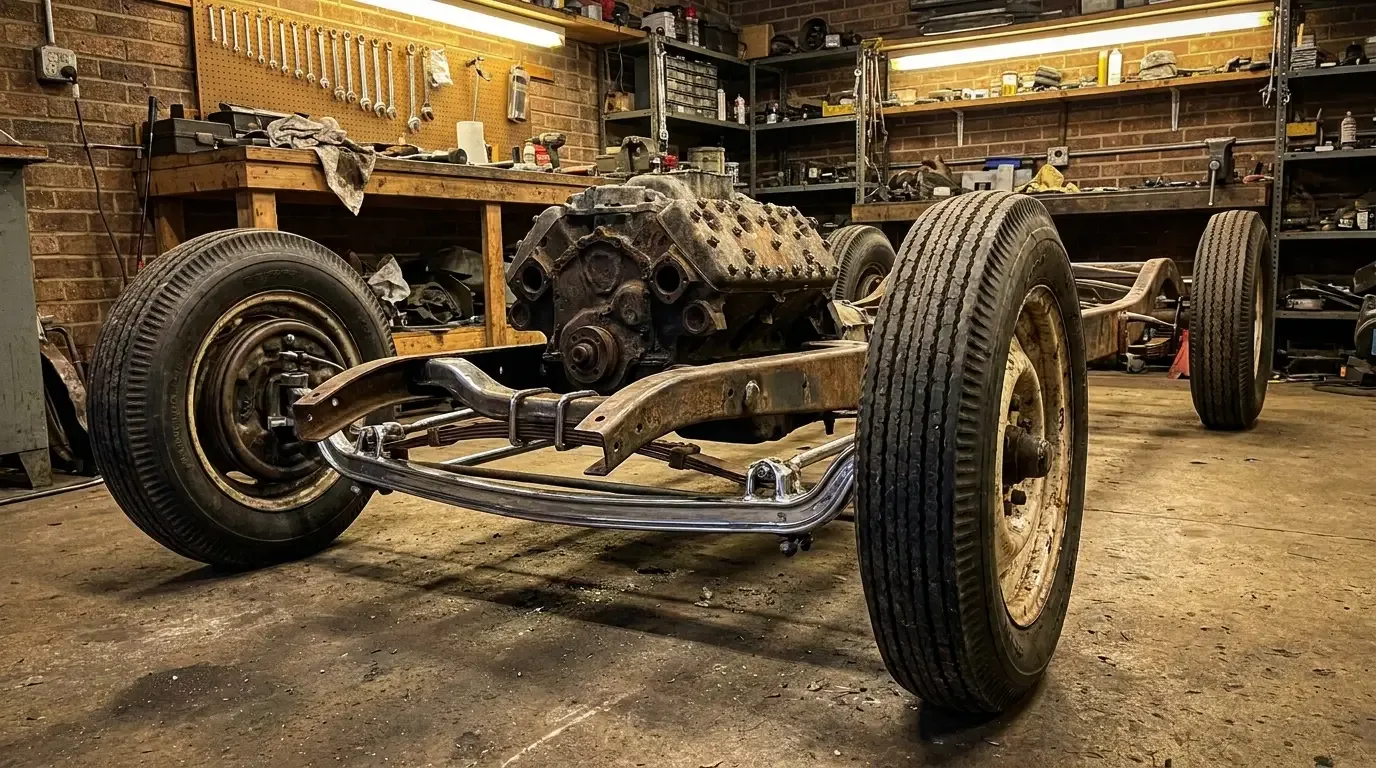
Cheap does not mean free of traps. The rat rod look forgives cosmetic rust, but it does not forgive rot in the parts that hold you together. Surface patina on a door skin is character. A frame rail you can push a screwdriver through is a death trap, and no amount of clear coat fixes it. The frame and floor are the pieces you inspect hardest, and if they are gone, walk away no matter how good the price sounds. For the deeper dive on building the underpinnings, see my write-up on Rat Rod Frames and Chassis.
Start with a solid, common, ugly old Ford or Chevy sedan or a beaten pickup cab, keep your money in the frame and floor instead of chasing a rare body, and you have the cheapest honest way into a rat rod there is.
Sources and notes
- Recent online classified and auction listings for prewar Ford and Chevrolet project cars and rat rods (price ranges are approximate and regional).
- Period and modern hot-rod and rat-rod press on body-style values and the coupe-versus-sedan price gap.
- Builder interviews and shop experience on frame, floor and structural inspection.
- General vehicle-title and registration guidance for assembled and rebuilt vehicles (varies by state).
Related Reading
Have a
Classic Car
for Sale?
Reach thousands of serious classic car collectors across the US.
Sell It Here →
Are You a Classic Car Dealer?
List your full inventory and connect with targeted classic car buyers.
Join as a Dealer →

About the author
Jim Vasquez
Southern California hot rod and custom car builder with roots in the traditional kustom kulture scene.
More in Restoration & Tech
Comments
Be the first to comment on this article.