
Everybody wants to know the number. What does it cost to build a rat rod? The honest answer is that there isn't one, because a rat rod is defined by what you refuse to spend as much as by what you buy. The whole style grew out of guys who couldn't afford a finished street rod and built something out of a rusty cab, a junkyard engine, and a weekend of welding in the driveway. That is still the recipe. Do it right and you drive away for the price of a used economy car. Do it wrong, chase the wrong parts, pay someone else to do your fabrication, and you end up spending street-rod money on something that looks like it cost nothing.
Restoration & Tech
10 min read
Building a Rat Rod on a Budget
Where the money really goes on a rat rod build, from cheap platforms and junkyard engines to the brakes you never skimp on.
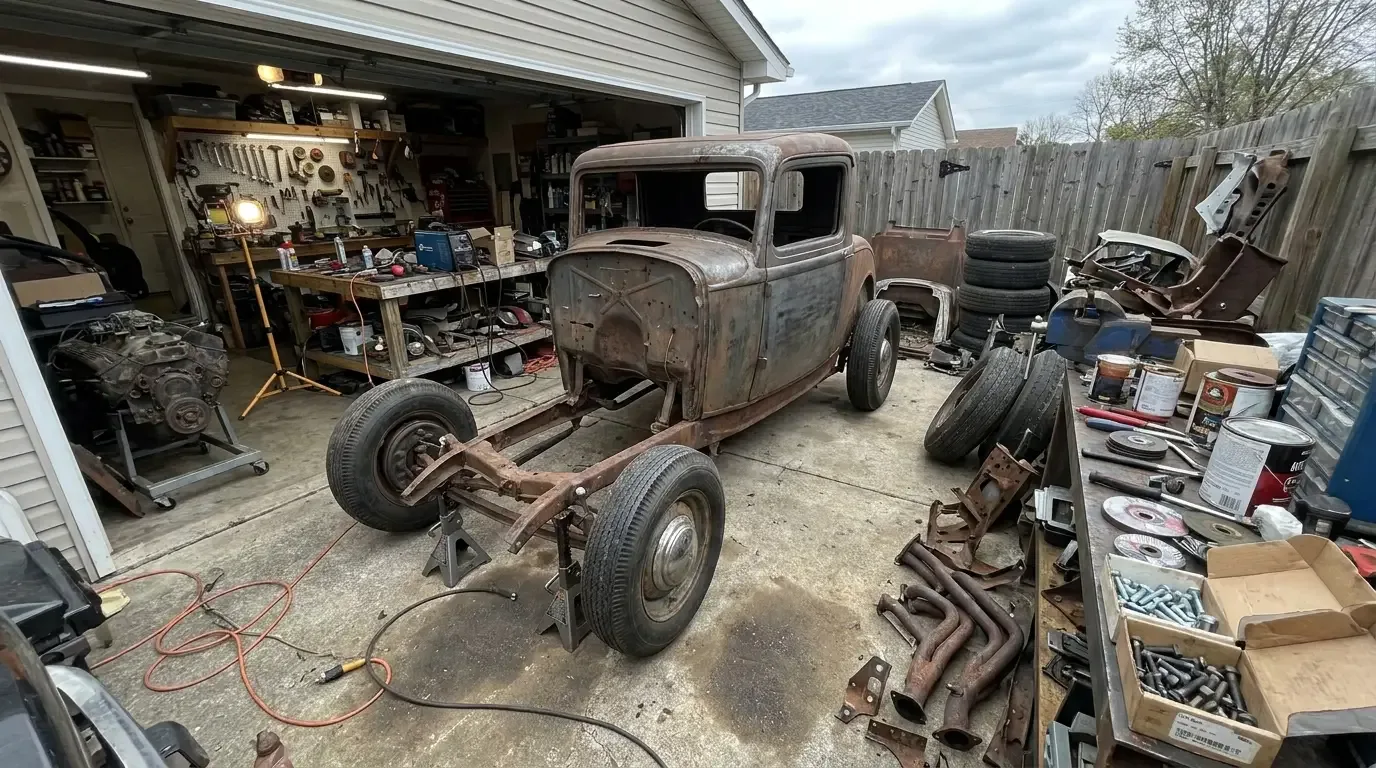
I have built these and I have watched a lot of people build them badly, so let me walk you through where the money actually goes, what you can scrounge, and what you should never cheap out on. If you are fuzzy on what a rat rod really is before we start talking money, read that first, because the ethos drives every buying decision you are about to make.
Start with a platform, not a dream
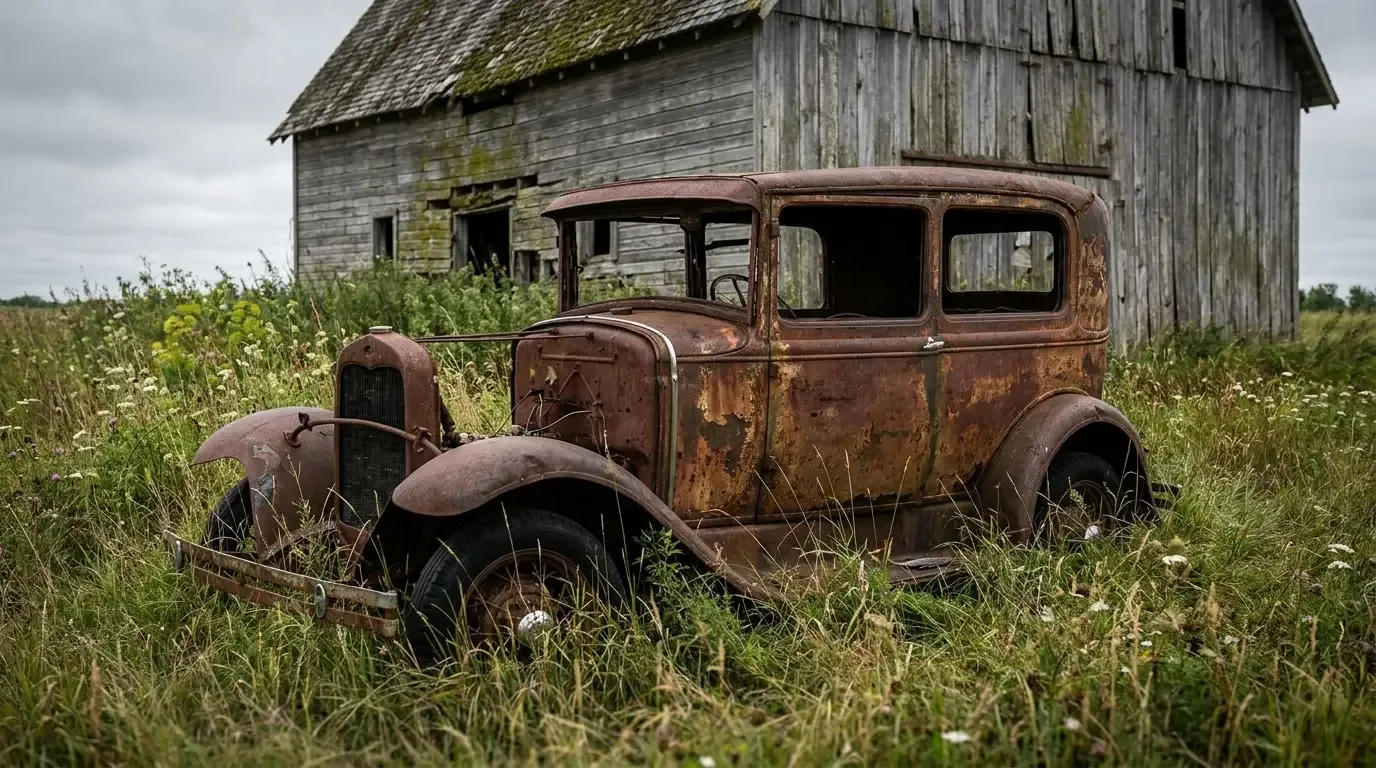
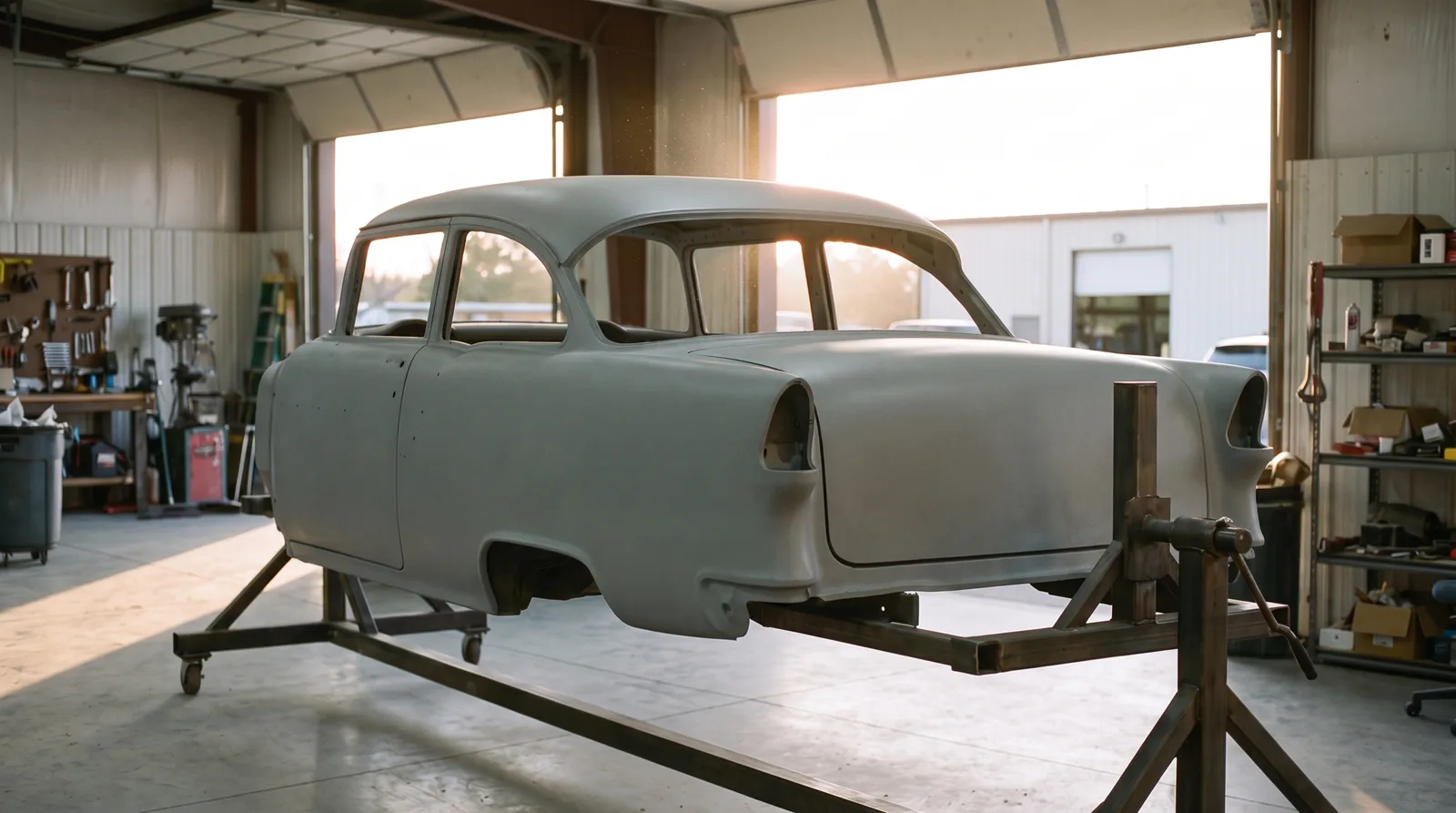
The single biggest cost decision happens on day one, when you pick what you are building from. A rat rod is traditionally a pre-1948 American body on a frame, but the cheap builds rarely start with a pristine survivor. They start with a rough cab, a stripped body shell, or a bare frame that somebody has been tripping over in a barn for thirty years.
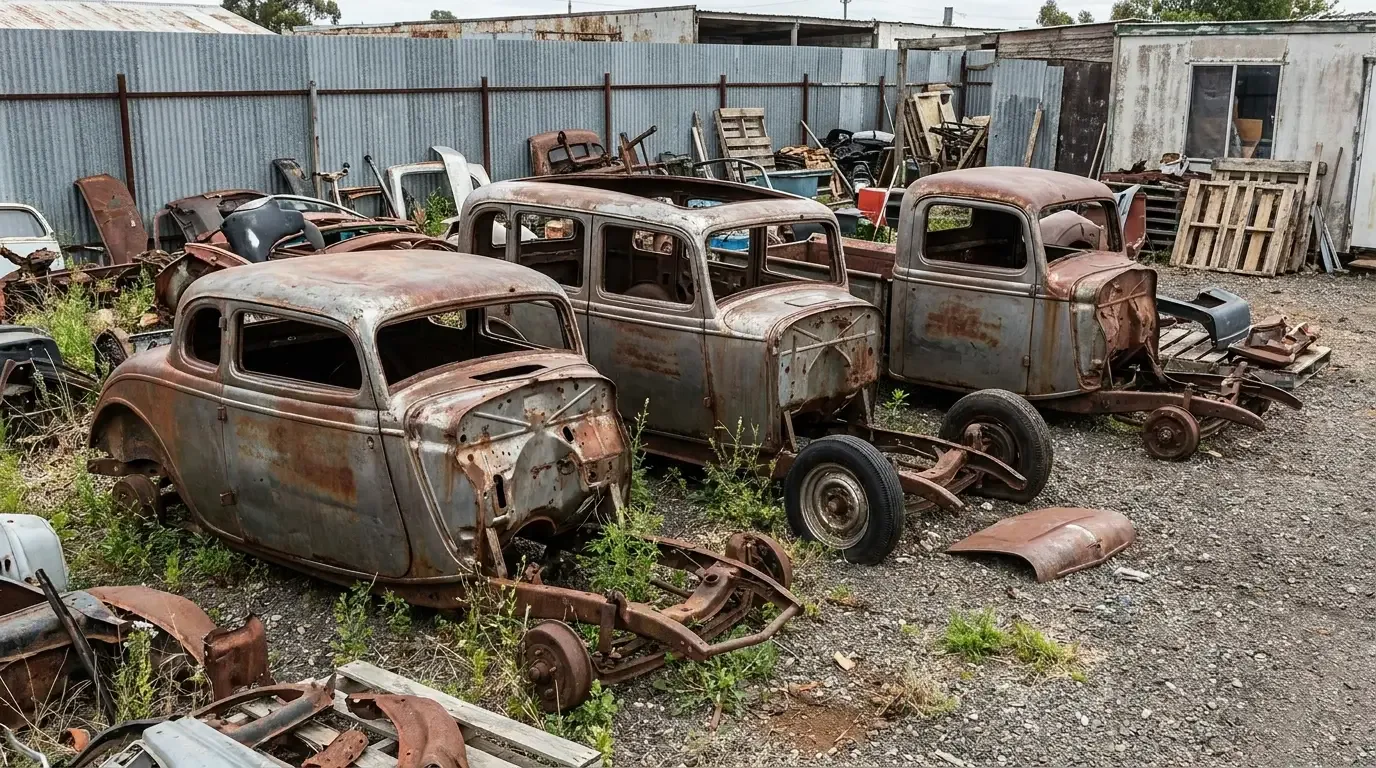
The cheapest way in is a body without a title chasing it and without a matching drivetrain, because you were going to replace the drivetrain anyway. Model A Ford coupes and sedans are the classic starting point, and old pickup cabs from the 1930s and 1940s are even cheaper because a bare cab is less desirable to a restorer than a whole car. What you want is a solid cowl and floor structure. Surface rust is the point of the style. Rot through the structural metal is a problem you will pay for later.
| Platform | Typical condition | Rough budget range | Why builders pick it |
|---|---|---|---|
| 1930s pickup cab (Ford/Chevy) | Bare cab, surface rust, no floor | $800–$2,500 | Cheapest real steel entry, tall cab suits the look |
| Model A Ford coupe/sedan body | Rough shell, no drivetrain | $1,500–$4,000 | Traditional shape, huge parts support |
| 1940s sedan or coupe | Complete but tired roller | $2,500–$6,000 | More metal, doors and glass often included |
| Fiberglass repro body | New, but not "real steel" | $3,000+ | No rust to chase, but purists sneer |
Those numbers move with the market and with how much rust you tolerate. Treat them as a starting frame of reference, not a quote. Prices for anything pre-war have crept up over the years as the barn-find supply dried up.
Where the money really goes
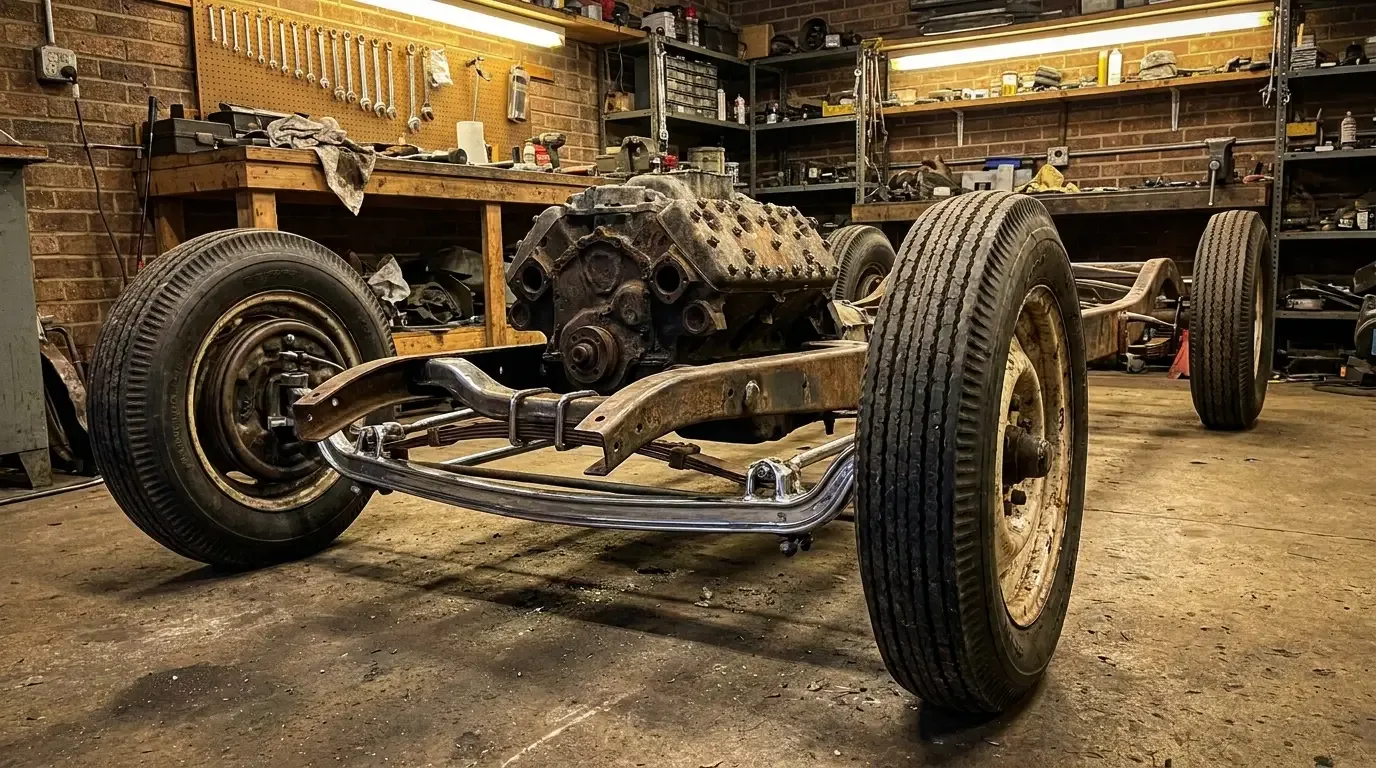
People fixate on the body because it is the visible part, but the body is often the smallest line on the receipt. The chassis, the brakes, and the drivetrain are where a build quietly doubles in cost. Here is roughly how a lean, honest budget breaks down when you do most of the work yourself.
- Rolling platform (body plus frame): the biggest single chunk, and the one you can most control by scrounging.
- Drivetrain: a junkyard engine and transmission, plus the adapters, mounts, and cooling to make them live.
- Brakes and steering: the line you should never trim. More on that below.
- Consumables: welding wire, gas, cutoff wheels, primer, fasteners. It adds up faster than anyone expects.
- Wheels and tires: the big-and-little look costs real money if you buy new.
A driver-quality rat rod built at home, with a junkyard drivetrain and found parts, commonly lands somewhere in the low-to-mid four figures for the whole car if you are patient and do your own welding. Pay a shop to fabricate the frame and set up the drivetrain and you can triple that without trying. That gap, between the driveway build and the checkbook build, is exactly what separates a real rat rod from a rat-look build.
Junkyard drivetrains: the heart of a cheap build
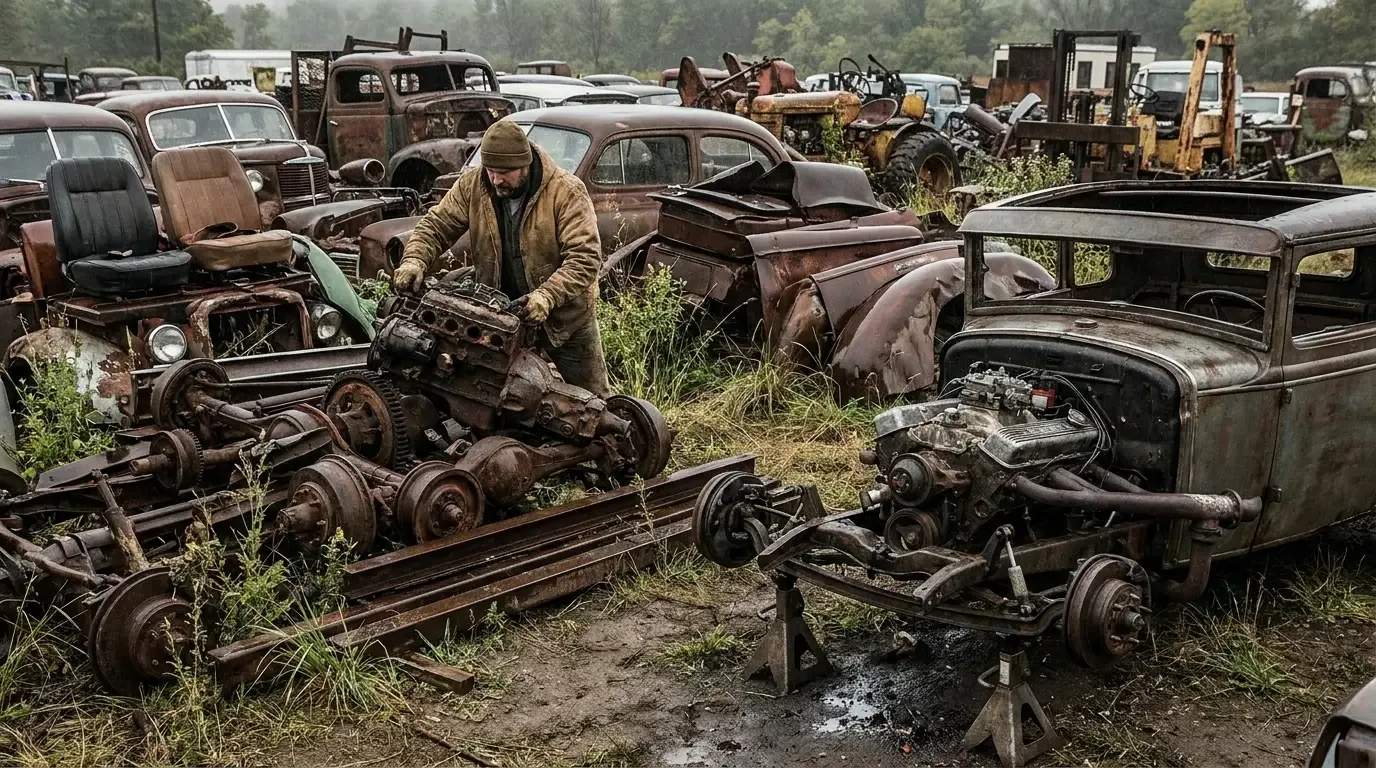
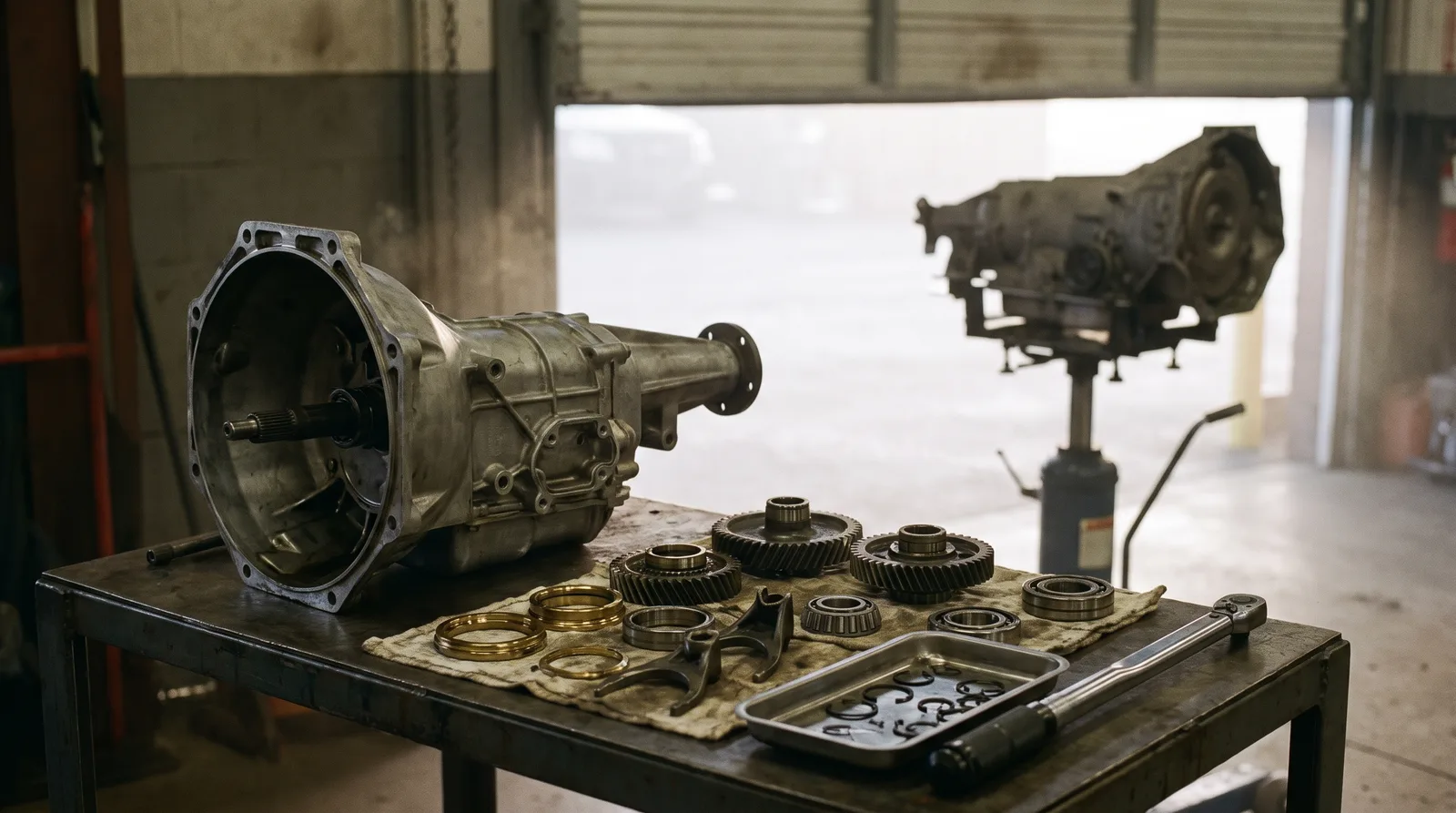
The engine is where the "build it for nothing" philosophy either works or falls apart. You are not buying a crate motor. You are pulling something out of a car that died for reasons that have nothing to do with the engine, and you are making it run in a frame it was never meant to see.
The Chevy small-block is the default for a reason. Millions were made, they are in every wrecking yard, parts are cheap, and the aftermarket has been supporting them for decades. A running small-block out of a truck or an old sedan is one of the cheapest reliable ways to move a light rat rod down the road. Ford small-blocks and the old inline sixes have their own following, and a running flathead is the traditionalist's choice, though a good flathead is neither cheap nor simple anymore.
The trap is forgetting the hidden costs around the engine. The long block might be cheap or free from a buddy's dead truck, but you still need mounts, a bellhousing or adapter, a radiator that fits the chassis, an exhaust you fabricate yourself, wiring, and a fuel system. Those supporting parts often cost more than the engine did.
"The motor is the cheap part. It's the mounts, the cooling, the exhaust and the wiring that empty your wallet. I've seen guys drop a free small-block in and then spend two grand making it actually drive. Budget for the stuff around the engine, not just the engine."
Jim Vasquez
Scrounging: found parts and the swap-meet mindset
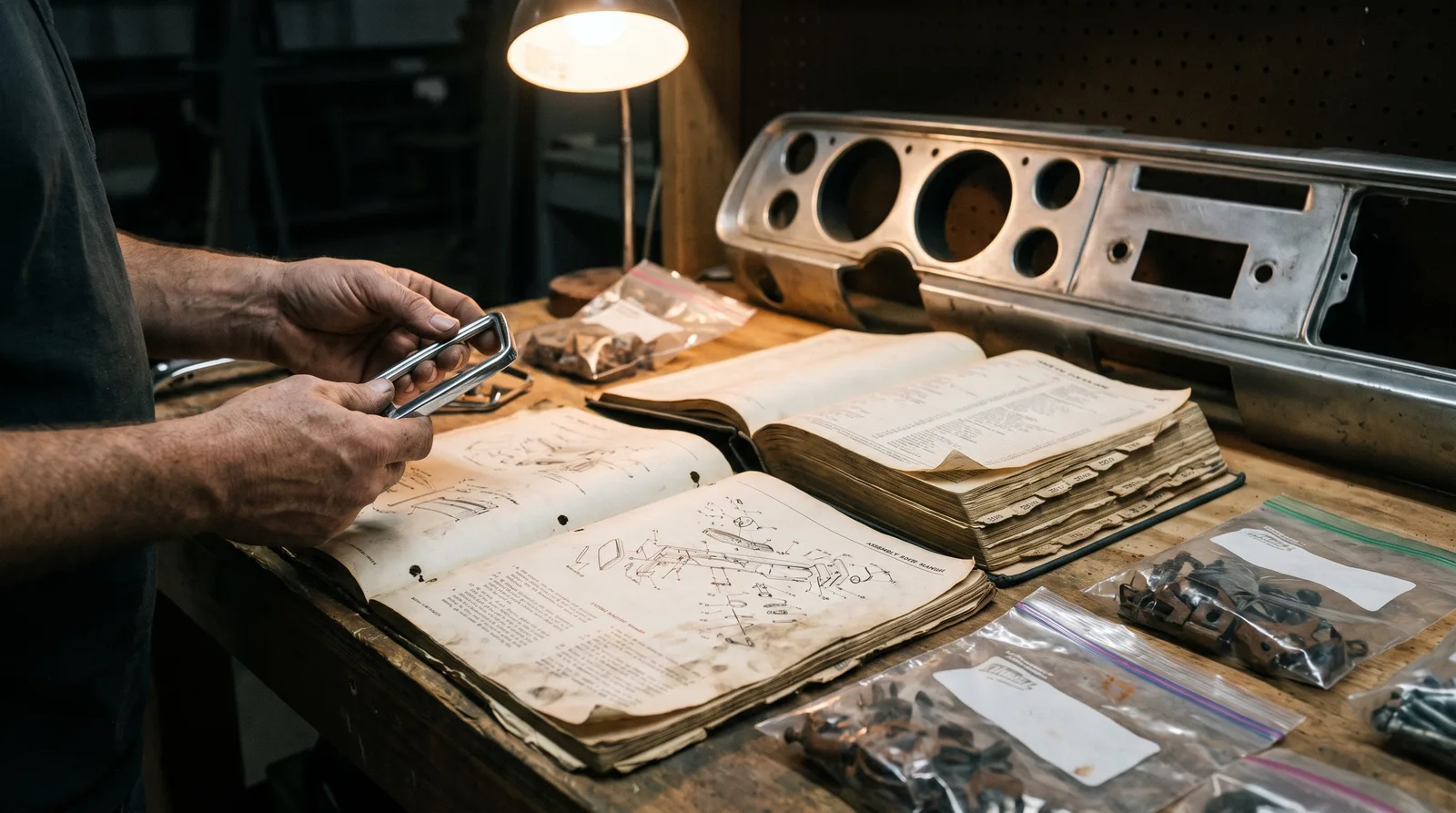
The style rewards the scrounger. Half the character in a good rat rod comes from parts that were never meant to go together, and that same scrounging is what keeps the cost down. This is where you build the shopping habits that make or break the budget.
- Wrecking yards for the drivetrain, brakes, master cylinder, steering box, and axles. Pull-your-own yards are cheapest if you bring your own tools.
- Swap meets for the pre-war tin, the vintage gauges, and the odd speed parts. Cash talks and end-of-day deals are real.
- Farm and industrial castoffs for the found-object details, old fuel tanks, hand-formed brackets, tractor seats, and steel that becomes a bed floor.
- Online marketplace listings and club networks where somebody's stalled project becomes your cheap roller.
The discipline is buying for the build you are doing, not for the fantasy build in your head. A pile of "too good to pass up" parts that don't fit your chassis is just money sitting in the corner of the garage. Buy the drivetrain first, get it mounted, then chase the details. And keep the look honest. If you want to understand how the surface finish reads as authentic rather than fake, the rat rod patina conversation matters here, because a cheap build earns its patina, it doesn't spray it on.
The one place you never cut the budget
Here is where I get serious, because rat rods have earned a real reputation for cut-corner brakes and steering, and that reputation gets people hurt. You can weld a bed floor out of a rusty sign. You cannot improvise a brake system. The look is allowed to be raw. The parts that stop and steer the car are not.
Whatever you save on the body, spend it here. A modern disc-brake setup from a junkyard donor, a proper dual-circuit master cylinder, real brake line, and a steering box or rack that is actually rated for the load. These are not the parts to guess on, and they are not the parts to buy used and hope. A car that looks like it was built out of scrap should still stop like a car built this century.
🔧 Inspection Priorities
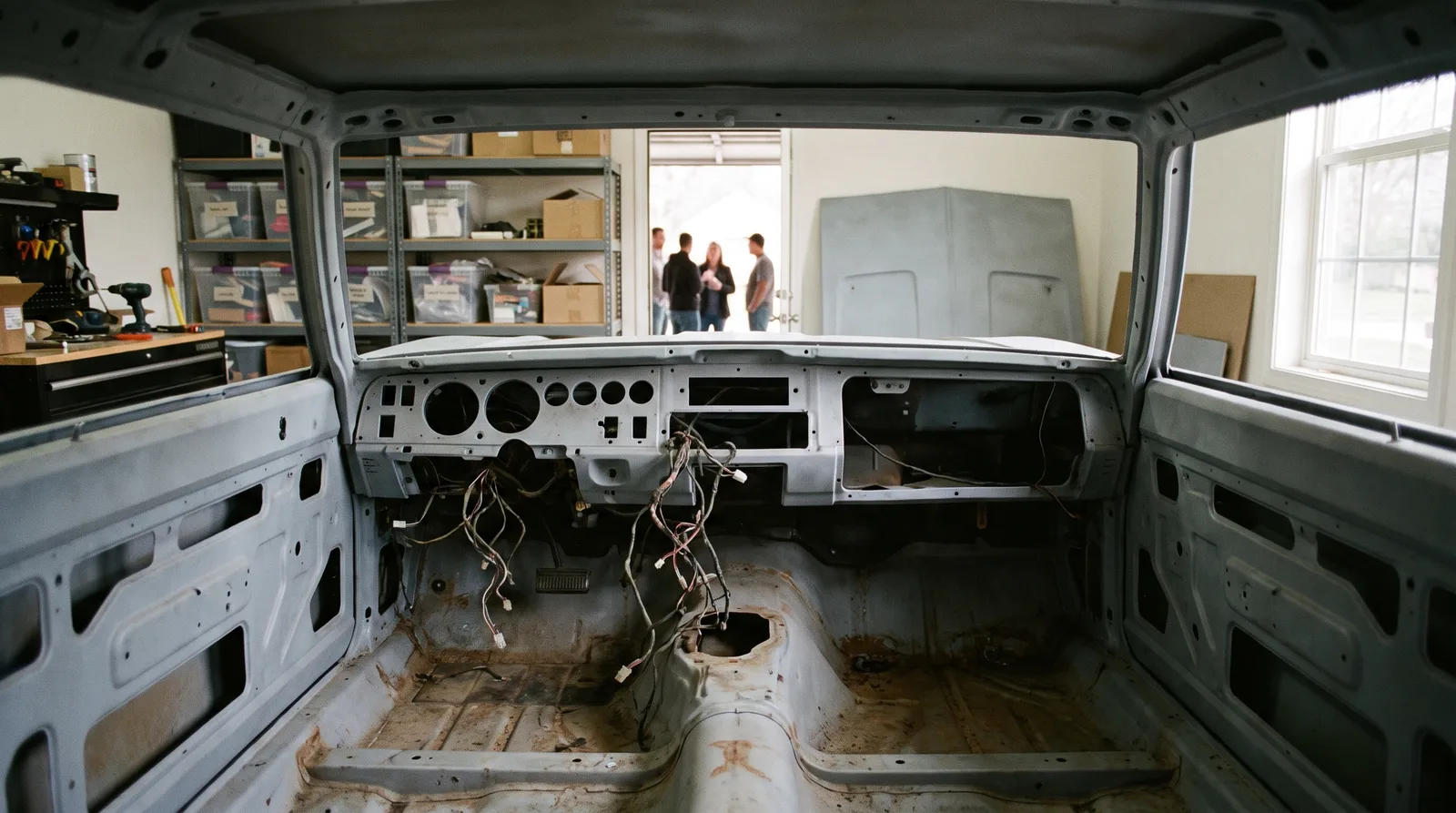
- Structural rust in the cowl and floor. Surface rust is fine. Rot through the frame rails or cowl means hidden fabrication cost and a car that may never be safe. Walk away or budget heavily.
- Frame straightness and prior hack jobs. A tweaked or badly welded frame is expensive to fix. Check for kinks, mismatched rails, and grinder-happy repairs.
- Drivetrain completeness. A "runs" engine with no bellhousing, mounts, or accessories is a partial engine. Price the missing pieces before you buy.
- Brake and steering donor availability. Confirm you can source a modern brake and steering setup that fits before you commit to the platform. This decides whether the car is ever road-legal.
- Title and paperwork. A cheap body with no path to a title can cost you more in registration hassle than you saved on the purchase.
A realistic budget you can actually hit
If you strip away the fantasy, a first rat rod built by one person in a home garage generally works out like this. You find a rough but solid platform for the price of a cheap used car. You spend a smaller amount again on a junkyard drivetrain and everything it needs to run. You spend a serious slice on brakes and steering because you refuse to cut corners there. Then the consumables, welding gas, cutoff wheels, primer, fasteners, quietly eat a chunk you did not plan for.
Done patiently, with your own labor and a scrounger's discipline, a driver ends up costing roughly what a decent used commuter costs, spread over a year or two of weekends. The people who blow the budget are the ones who pay for fabrication, buy new when used would do, and chase parts for a car they are not actually building. If, halfway in, you decide the driveway build is more work than you signed up for, it is worth pricing finished cars. Browsing rat rods for sale is a fast reality check on what your time and money are really worth against a car somebody else already sweated over.
Build it cheap, build it honest, and spend where it counts. That is the whole game.
Sources and notes
- Period and contemporary hot-rod and rat-rod press covering budget build practices and platform pricing trends.
- Builder interviews and driveway-build accounts on drivetrain swaps and fabrication costs.
- General engine and chassis references for junkyard small-block and flathead swaps.
- Wrecking-yard, swap-meet, and club-network sourcing practices as reported by long-time builders.
- Dollar figures are approximate ranges that vary by region, condition, and market year, and should be confirmed against current listings before relying on them.
Related Reading
Article
The Rat Rod Story
Article
What Is a Rat Rod: The Ethos Explained
Article
Rat Rod Style and the Patina Look
Article
The Cheapest Platforms to Start a Rat Rod
Article
Rat Rod Frames and Chassis
Article
Junkyard Parts and Found-Object Building
Article
Rat Rod Body and Cab Choices
External
/rat-rods-for-sale
Have a
Classic Car
for Sale?
Reach thousands of serious classic car collectors across the US.
Sell It Here →
Are You a Classic Car Dealer?
List your full inventory and connect with targeted classic car buyers.
Join as a Dealer →
#rat rod
#budget build
#how to build a rat rod
#junkyard drivetrain
#hot rod fabrication
#found parts

About the author
Jim Vasquez
Southern California hot rod and custom car builder with roots in the traditional kustom kulture scene.
More in Restoration & Tech
Comments
Be the first to comment on this article.