
Here's the number that matters most about the 1967 GTO: 400 cubic inches. Not 389. Pontiac grew the engine, killed off Tri-Power, and handed GTO buyers a single four-barrel motor that, on paper, looks like a step sideways from the triple-carb 1966 car. On the dyno and in real-world driving, it wasn't. Let's get into why.
Car Features
6 min read
1967 GTO: 400 Cubic Inches and the End of Tri-Power
Tri-Power was gone for 1967, but the new 400 cubic inch four-barrel pulled harder where it counted: down low, in real-world driving.
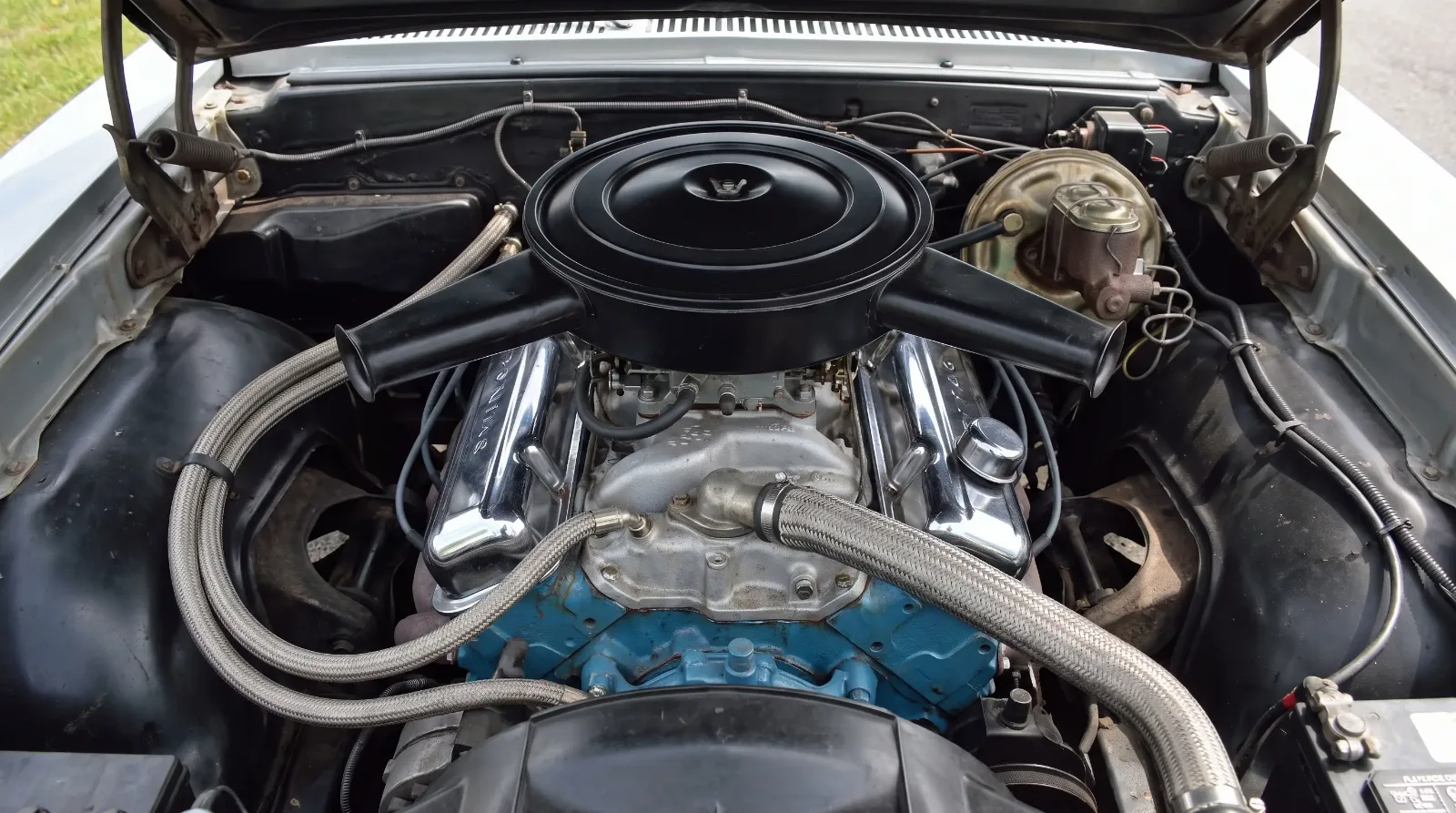
The 389 is gone, and that's not a downgrade
Pontiac bored and stroked the venerable 389 out to 400 cubic inches for 1967, part of a corporate push across GM to squeeze more displacement out of existing tooling before the next round of emissions rules started tightening things up. The base four-barrel 400 was rated at 335 hp, and the performance-oriented HO version, with a hotter cam and different heads, was rated higher still at 360 hp. Compare that to the outgoing 1966 Tri-Power 389 at 360 hp on paper, and the raw number looks close, the HO 400 actually matches the old Tri-Power figure exactly. What changed underneath those numbers is where this gets interesting.
Why Tri-Power disappeared
General Motors corporate leaned on its divisions in the mid-1960s to move away from multi-carburetor setups on mainstream muscle cars, partly for emissions and driveability reasons and partly because a well-sorted single four-barrel could deliver comparable real-world power without the tuning headaches three carburetors bring. Pontiac fought that trend longer than most divisions, but for 1967 the writing was on the wall. Tri-Power was dropped from the regular GTO order sheet entirely, and buyers who wanted the triple-carb look and sound had to look elsewhere in the lineup, or wait for the small run of factory Ram Air cars that took a different path to extra breathing.
The number that actually tells the story isn't peak horsepower, it's the torque curve. The 400 made real, usable torque lower in the rev range than the 389 Tri-Power did, which matters more on the street than a headline horsepower figure. A GTO buyer driving to work Monday through Friday got a car that pulled harder off idle and didn't need three carburetors staying in sync to do it.
What the displacement bump actually changed inside the engine
Boring and stroking an existing block sounds simple on paper, but it forced real changes through the rest of the engine. A larger bore meant re-engineering the cylinder wall thickness to keep the block structurally sound, and the longer stroke changed the rod and piston geometry enough that Pontiac's engineers had to revisit balance specs for the rotating assembly. None of it was a trivial parts-bin swap. The 400 shared its basic architecture with the 389 it replaced, but it wasn't simply a 389 with bigger holes drilled in it, and treating the two as interchangeable when sourcing rebuild parts is a mistake I still see people make.
Cylinder head design carried over with only modest revisions between the two engines, which is part of why the base 400 four-barrel and the outgoing 389 four-barrel put up broadly similar dyno numbers despite the larger displacement. The real gains showed up in the HO version, where a hotter camshaft profile and different valve timing did more for the power curve than the extra cubic inches alone would have managed.
| Spec | 1967 GTO 400 (4-bbl) | 1967 GTO 400 HO |
|---|---|---|
| Displacement | 400 cid | 400 cid |
| Carburetion | Single 4-barrel | Single 4-barrel |
| Horsepower (gross, SAE) | 335 hp | 360 hp |
| Transmission options | 3-spd manual, 4-spd manual, 3-spd automatic | 4-spd manual, 3-spd automatic |
| New for 1967 | Rear disc brake option, Turbo Hydra-Matic 3-speed auto | Same |
Two other changes that mattered on the street
The engine gets the headline, but 1967 brought a couple of chassis and drivetrain changes worth knowing about if you're evaluating a car today. Pontiac introduced an optional rear disc brake setup, a rarity on a mid-priced American muscle car in this era, and swapped the old two-speed automatic for a proper three-speed Turbo Hydra-Matic, a transmission that stayed in GM's lineup for decades because it was simply that good. A GTO ordered with the Hydra-Matic in 1967 shifts and pulls noticeably better than a 1966 car saddled with the old two-speed.
The rear disc option is worth flagging specifically because so few buyers actually checked that box in period, which makes a factory-disc 1967 GTO a genuinely uncommon find today. Most cars on the road now, and most cars you'll find for sale, carry the standard drum brakes all around, which were perfectly adequate for the era but nowhere near what the disc option delivered in stopping distance and fade resistance under repeated hard use.
Gearing matters just as much as the engine spec when you're actually judging how a 1967 GTO performs, and it's a detail buyers overlook constantly. A 400 backed by a numerically higher rear axle ratio launches noticeably harder than the same engine paired with a highway-friendly ratio, and two cars with identical horsepower ratings on paper can feel like completely different animals off the line depending purely on what's in the differential. Check the rear axle code against the build sheet before you assume anything about how a specific car should perform.
"People fixate on Tri-Power because it looks cool with the hood open, and I get it. But run a 1967 400 four-barrel and a 1966 Tri-Power 389 back to back and the 400 pulls harder in the midrange every time. The spec sheet undersells this engine."
Dan Reeves
What the numbers mean for buyers today
If you're shopping strictly by horsepower rating on a spec sheet, the jump from 1966 to 1967 looks unremarkable, a few numbers shifting around without a clean win either direction. That's the wrong way to read this engine. The 400's real advantage lives in the torque curve and in a chassis that finally caught up with disc brakes and a proper three-speed automatic, changes that matter every single time you drive the car rather than only on the one day you dyno it. A 400 HO with the Hydra-Matic and rear discs is, on balance, the more livable, more capable machine, even if it never generates the same hood-open theater as three carburetors sitting in a row.
Where the 1967 sits in the bigger picture
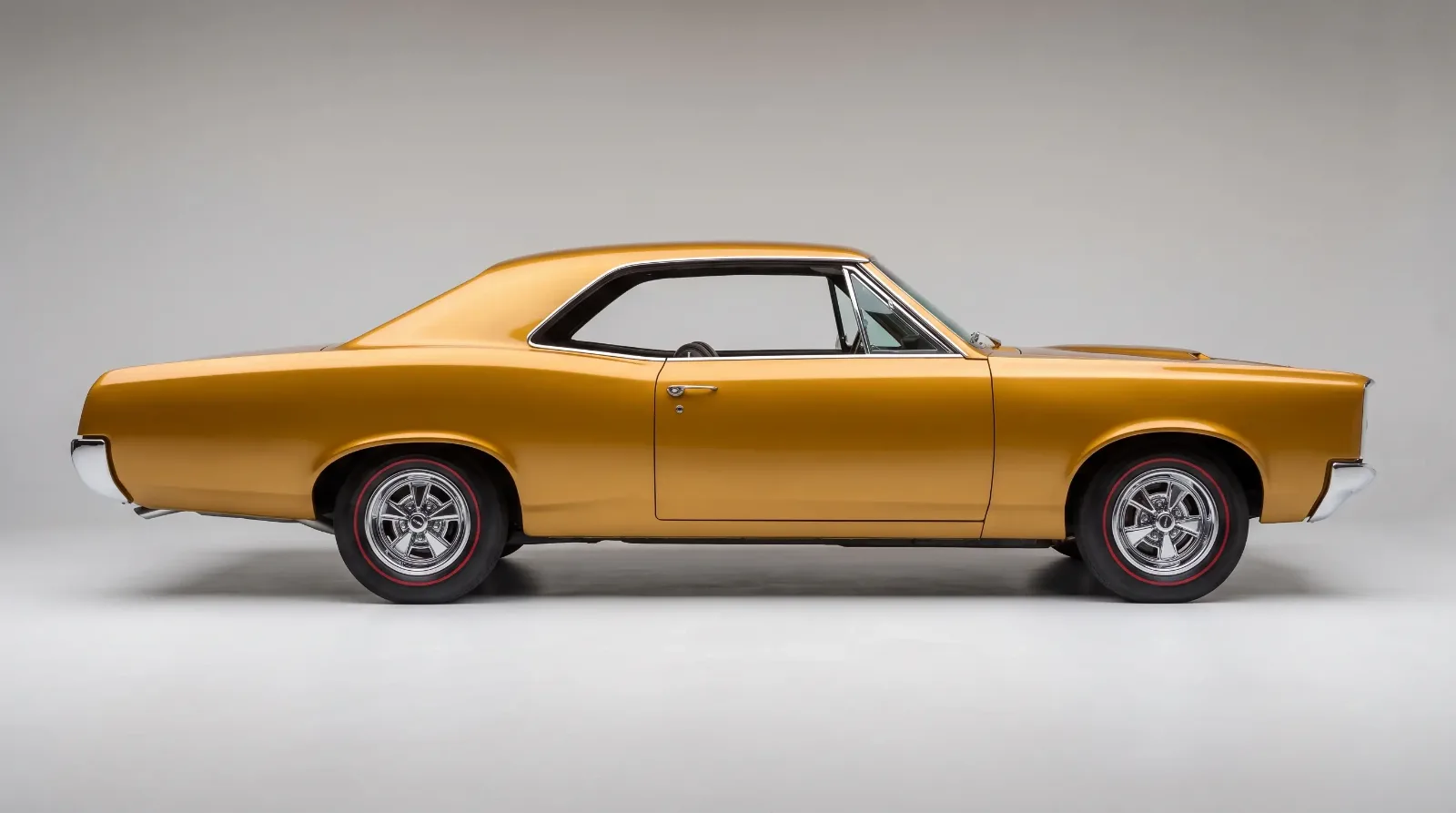
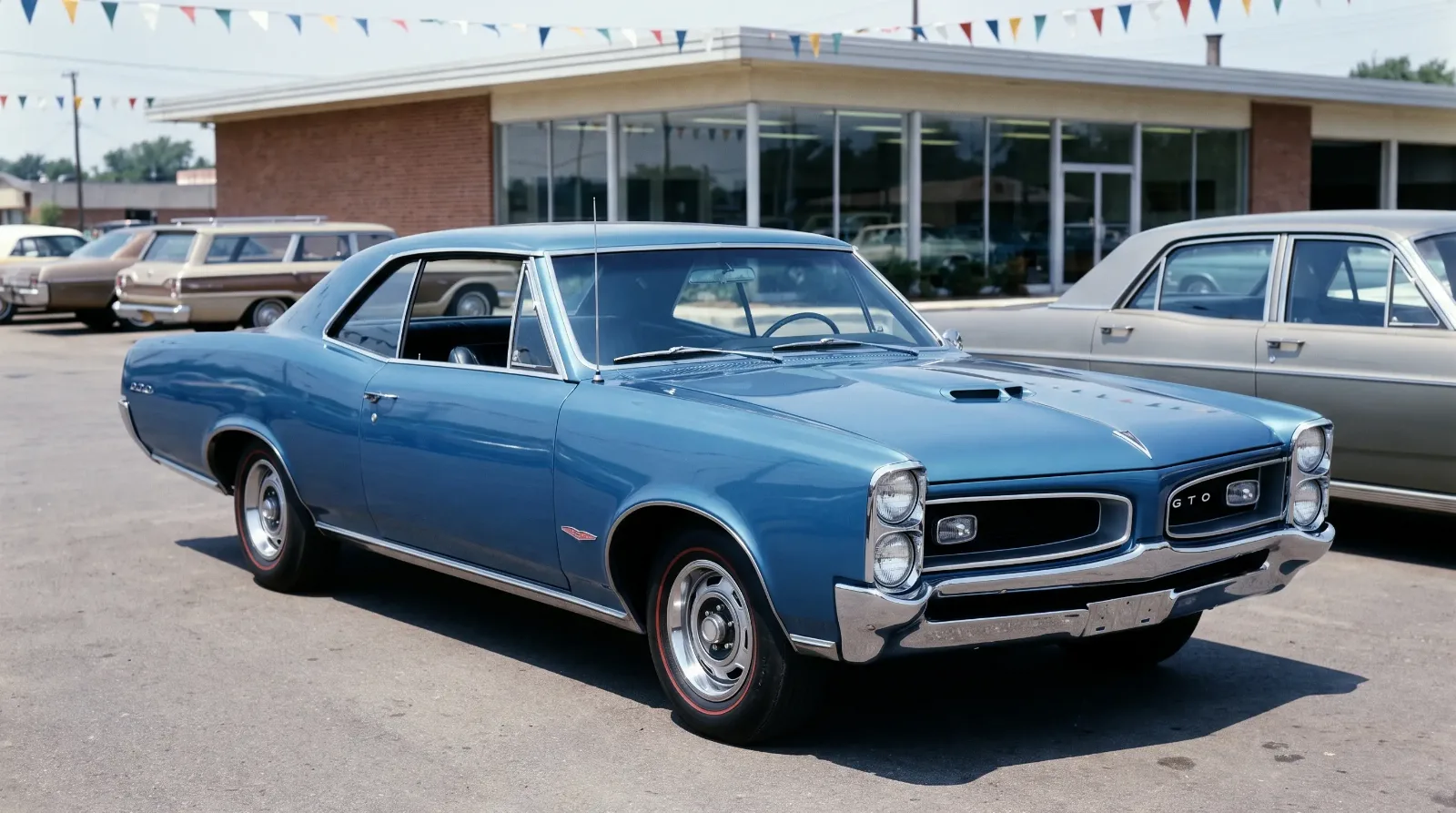
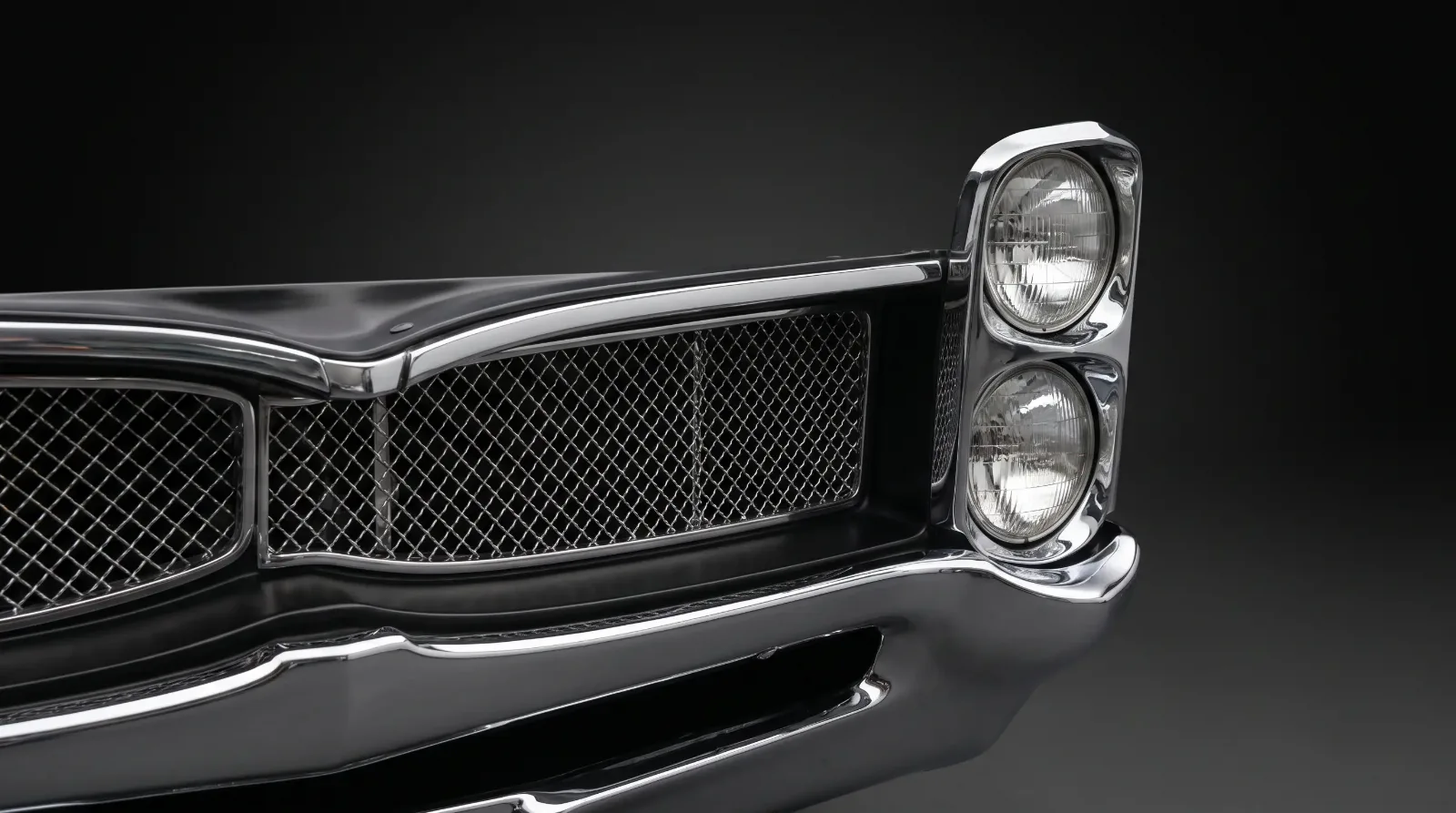
The 1967 GTO shares its body with the 1966 car, both part of the classic Coke-bottle era, but the drivetrain and a handful of trim details are different enough that the two years shouldn't be treated as interchangeable when you're shopping or restoring. If you want the full side-by-side of what separates a 1966 from a 1967 beyond the engine, read on for the details that trip up even experienced buyers.
For the complete arc of how the GTO got here and where it went after 1967, Pontiac GTO history covers the whole run from 1964 through 1974. And if the 400-cube 1967 is the one you're after, you can browse GTO listings to see current inventory.
Sources and notes
Related Reading
Have a
Pontiac GTO
for Sale?
Reach thousands of serious classic car collectors across the US.
Sell It Here →
Are You a Classic Car Dealer?
List your full inventory and connect with targeted classic car buyers.
Join as a Dealer →
#1967 pontiac gto
#classic muscle car
#gto 400 engine
#pontiac gto specs
#turbo hydra-matic
#gto horsepower

About the author
Dan Reeves
Performance engine builder from North Carolina's motorsports corridor, focused on swaps, forced induction and making real, repeatable power.
Related Listings - Pontiac GTO




Comments
Be the first to comment on this article.