
I've had my hands inside more GTOs than I can count, and the ones that stop me in a parking lot are still the 1966 cars. That's the year Pontiac quit hiding this thing inside the Tempest brochure and gave it its own name plate, its own body, and its own reason to exist. If you want to understand why the GTO became a legend instead of a footnote, 1966 is where that actually happened.
Car Features
6 min read
1966 GTO: The Year It Became Its Own Model
The 1966 GTO ditched the Tempest option-box arrangement for its own body and identity, kicking off the Coke-bottle era in earnest.
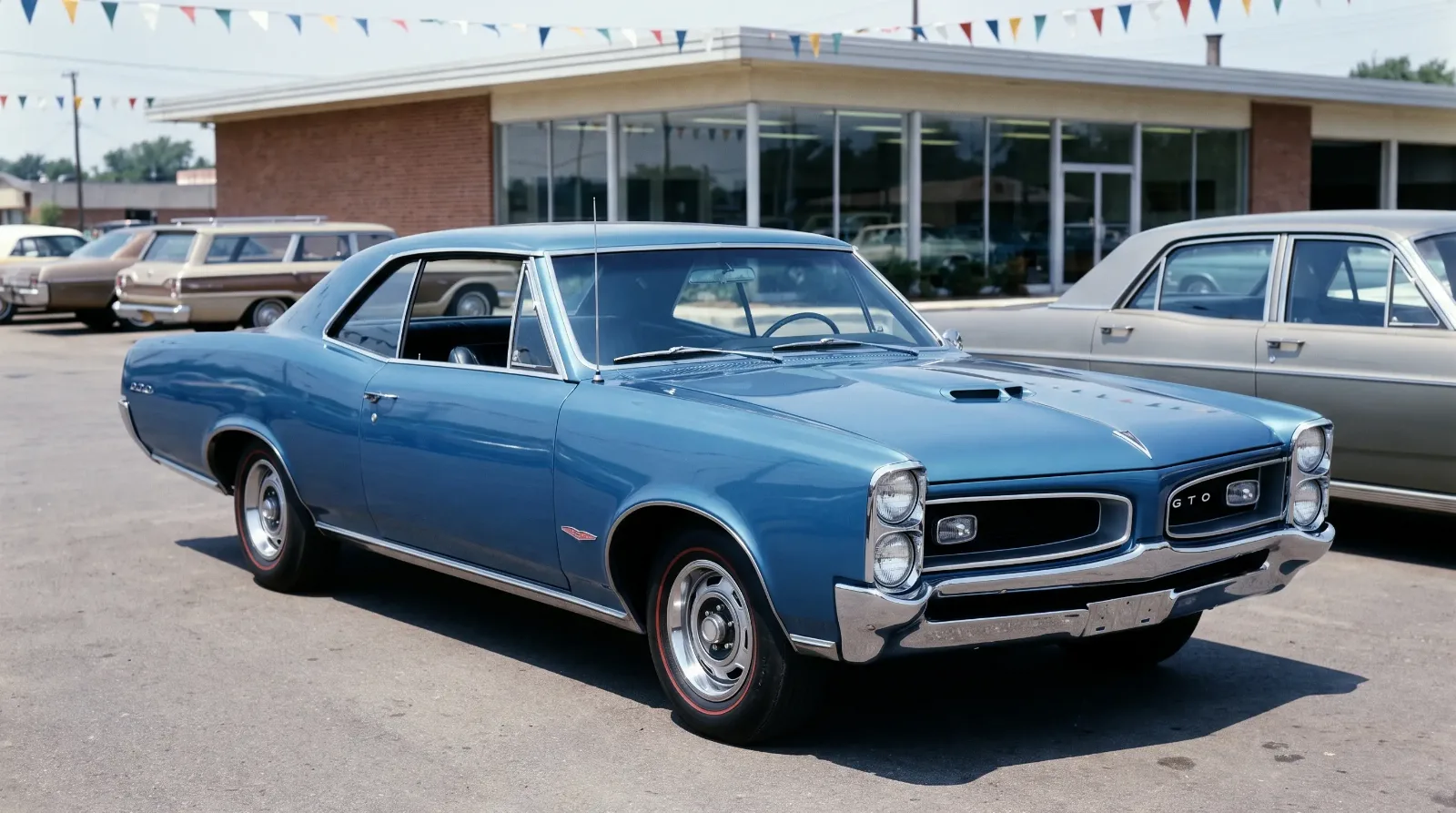
People who only know the GTO from the '64 origin story tend to assume the car arrived fully formed. It didn't. The 1964 and 1965 cars were proof of concept, a smart end-run around GM's internal displacement limits that worked because buyers responded to it. 1966 is when Pontiac stopped treating the GTO as a clever loophole and started treating it as a flagship, and that shift in attitude shows up in everything from the sheet metal to the way the car was marketed.
From option box to its own model
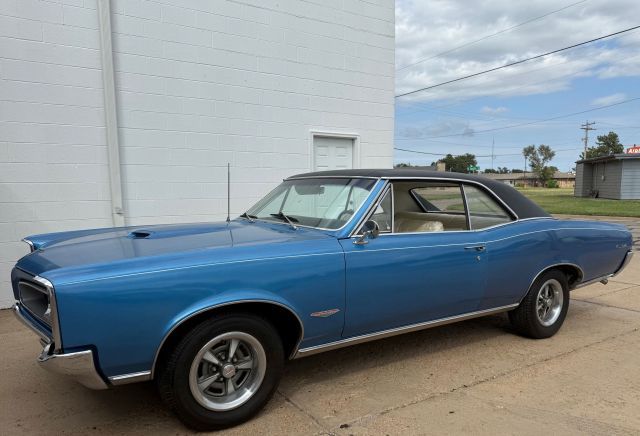
For 1964 and 1965 you bought a GTO by checking an option box on a Tempest or LeMans order form. For 1966, Pontiac dropped that arrangement and made the GTO a model in its own right, with its own body shell shared loosely with the Tempest line but styled to look like nothing else in the showroom. This wasn't a paperwork change. The car got a completely new "Coke-bottle" body, wider and lower-looking than the 1965 car, with a pinched waist behind the front wheels that gave it the curved profile that whole era gets its nickname from.
That new shape is the start of what most people mean when they talk about the 1966-67 GTO, and it's the body that put the GTO on posters and in magazine ads as its own thing, not an accessory to a family sedan.
Why the standalone status mattered more than it sounds
It's easy to read "became its own model" as a marketing detail, but from where I sit, wrench in hand, it changed how the car was built and how it's held up ever since. When the GTO was an option package, it shared far more of its structure, sound deadening, and even some trim decisions with the base Tempest, because the whole point was to keep tooling costs down for what was technically a low-volume derivative. Once Pontiac committed to the GTO as its own model line for 1966, the engineering team had more latitude to spec the car the way a performance buyer actually wanted it, from suspension tuning to interior trim that didn't feel like a six-cylinder commuter car with a big engine dropped in.
That distinction shows up today in restoration work. Parts that are genuinely GTO-specific for 1966, not shared Tempest pieces, are a real category you have to learn to identify, because a car built on its own model line accumulates its own unique part numbers over time in a way an option package never fully does.
What a mechanic actually notices in a 1966 GTO
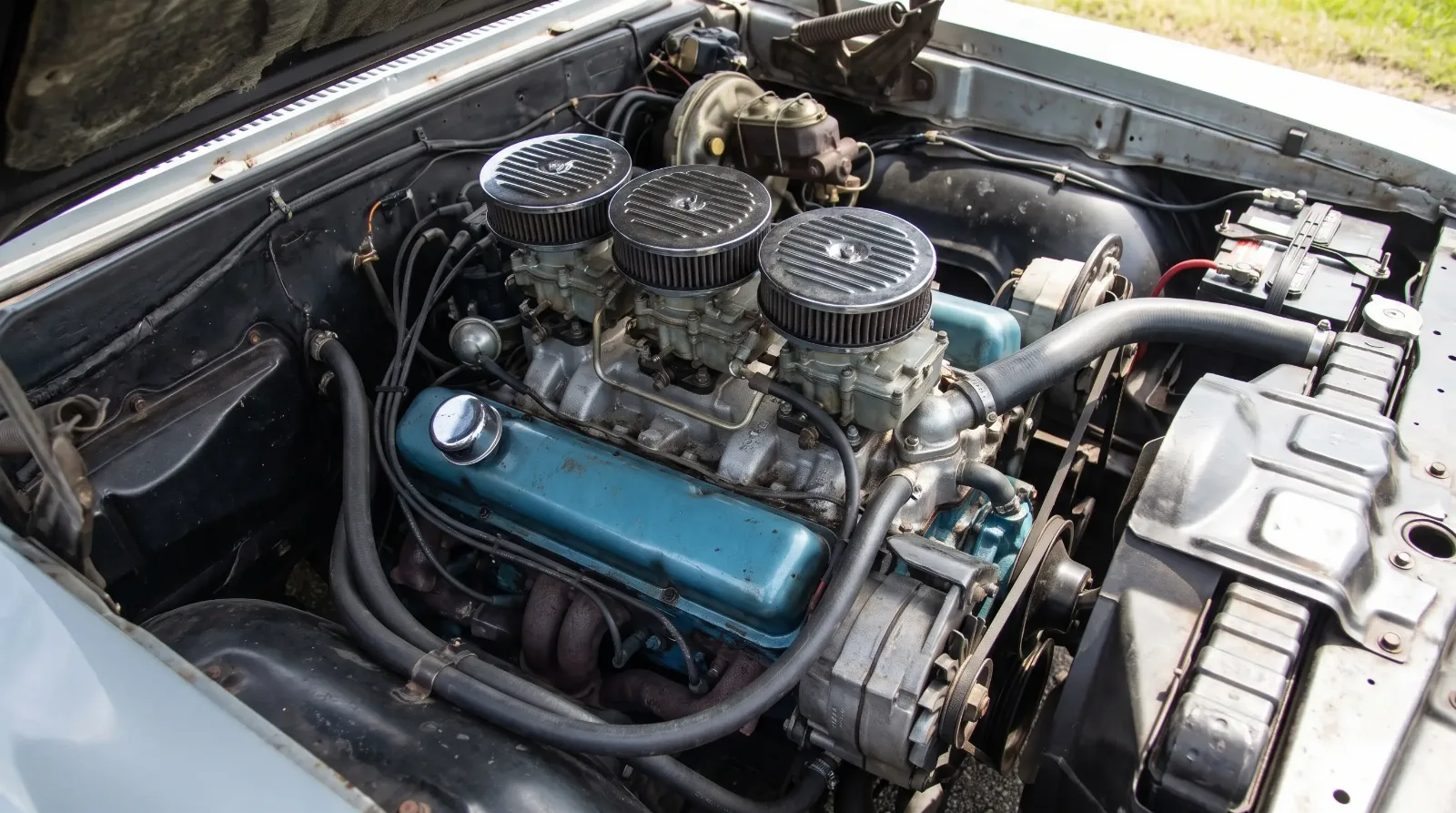
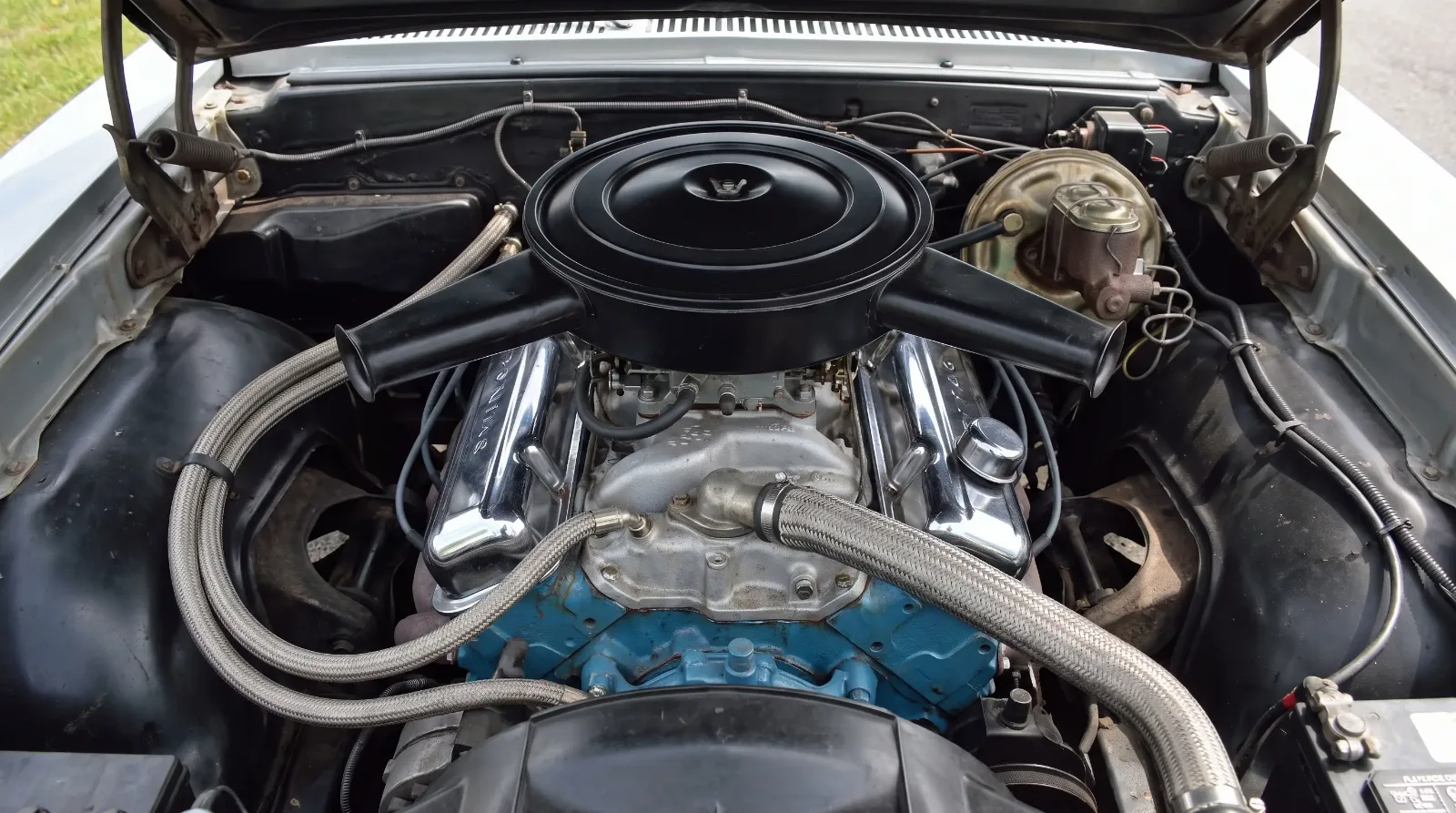
Pop the hood on a 1966 and the 389 is right where you'd expect it, same basic architecture as 1964 and 1965, breathing through a four-barrel as standard or the Tri-Power triple two-barrel setup if the original buyer checked that box. Output numbers moved up slightly from 1965 with a hotter cam option added mid-year, and Pontiac quoted 335 hp for the standard four-barrel car and 360 hp for Tri-Power. What I care about more than the sheet numbers is how the car drives, and the 1966 chassis feels tighter than the earlier cars. Pontiac firmed up the springs and shocks a bit for the new body, and combined with the wider track it corners with more confidence than a 1965 does.
Where I tell people to look hard when they're buying one: floor pans and trunk floors, especially on cars that spent winters up north, and the lower rear quarters behind the wheel arches where that Coke-bottle curve tucks in and traps moisture. The new body panels are gorgeous but they're not more rust-resistant than what came before, and repro sheet metal for the specific curves of a 1966 quarter panel is not as plentiful as it is for later years.
The interior is worth a slower look too. Because the GTO now had its own model identity, Pontiac dressed the cabin with trim and gauge treatments meant to feel purpose-built rather than borrowed. That's a nice touch when it's all there and original, and a real headache when it's not, because sourcing correct 1966-specific interior pieces means knowing exactly what separates them from the Tempest parts bin, not just ordering "GTO interior trim" and hoping it fits.
🔧 Inspection Priorities
- Lower quarter panels behind the wheel opening. The Coke-bottle taper collects road spray and rusts from the inside out. Repair panels exist but fitment takes real skill to match the compound curve.
- Trunk floor and spare tire well. A common rust point on cars that sat with a leaking trunk seal for years. Push on it, don't just look.
- Matching numbers on the 389 block and Tri-Power setup, if equipped. Tri-Power cars command a real premium, and mismatched carbs or an added-later setup should knock the price down accordingly.
- Interior trim correctness. Confirm gauge cluster, door panels, and seat trim match 1966-specific part numbers rather than later or Tempest-sourced substitutes from a prior repair.
Sales that finally matched the hype
The gamble on giving the GTO its own identity paid off. Production jumped to 96,946 units for 1966, easily the best single year the classic GTO ever had, and it stayed the benchmark other Detroit muscle cars were measured against for the rest of the decade. Buyers could get the GTO as a hardtop coupe, a pillared coupe, or a convertible, with the hardtop again taking most of the volume.
"A 1966 GTO doesn't feel like a Tempest with a big engine stuffed in it anymore. It feels like Pontiac built the whole car around the idea of going fast and looking good doing it, and you can feel that intention in how it drives."
Mike Sullivan
💡 Did You Know?
Even after becoming its own model, the 1966 GTO still shared its basic body-in-white with the Tempest and LeMans, meaning the same assembly lines that built family sedans also turned out the car Motor Trend and Car and Driver were fawning over that year.
Where 1966 leads next
Pontiac wasn't done tuning this platform. For 1967 the engine grew to 400 cubic inches, Tri-Power got dropped in favor of a single four-barrel across the board, and a handful of other changes separated the two model years more than their shared body might suggest. That story is worth reading on its own, read on for the full breakdown of what changed between the two.
If you want the whole arc, from the 1964 original through the 1974 send-off, the full GTO story puts 1966 in context as the year this car stopped being an experiment and started being an institution. And if you're in the market for one yourself, you can browse GTO listings to see what's out there right now.
Sources and notes
Related Reading
Have a
Pontiac GTO
for Sale?
Reach thousands of serious classic car collectors across the US.
Sell It Here →
Are You a Classic Car Dealer?
List your full inventory and connect with targeted classic car buyers.
Join as a Dealer →
#pontiac gto history
#gto tri-power
#1966 pontiac gto
#classic muscle car
#gto coke bottle body
#gto rust inspection

About the author
Mike Sullivan
Detroit-area muscle car enthusiast and restoration specialist with three decades of hands-on experience working on American iron.
Related Listings - Pontiac GTO




Comments
Be the first to comment on this article.