
There's a photograph that turns up in enough Pontiac club newsletters that it's practically become a shared memory even for people who weren't there to take it: a dealer lot at dusk, a row of GTOs nose to tail under sodium lights, hoods still warm from test drives that ran later than the salesman probably wanted. Nobody remembers the dealer's name. Everybody who's seen the photo remembers the year on the window stickers. 1970 sits in the middle of the GTO's story the way a held breath sits in the middle of a sentence, everything building toward it, and everything after it exhaling slowly away.
Car Features
7 min read
Why the 1970 GTO Is the Muscle-Era High-Water Mark
The 1970 GTO arrived at a convergence point of engines, styling, and culture that the nameplate never quite reached again after that year.
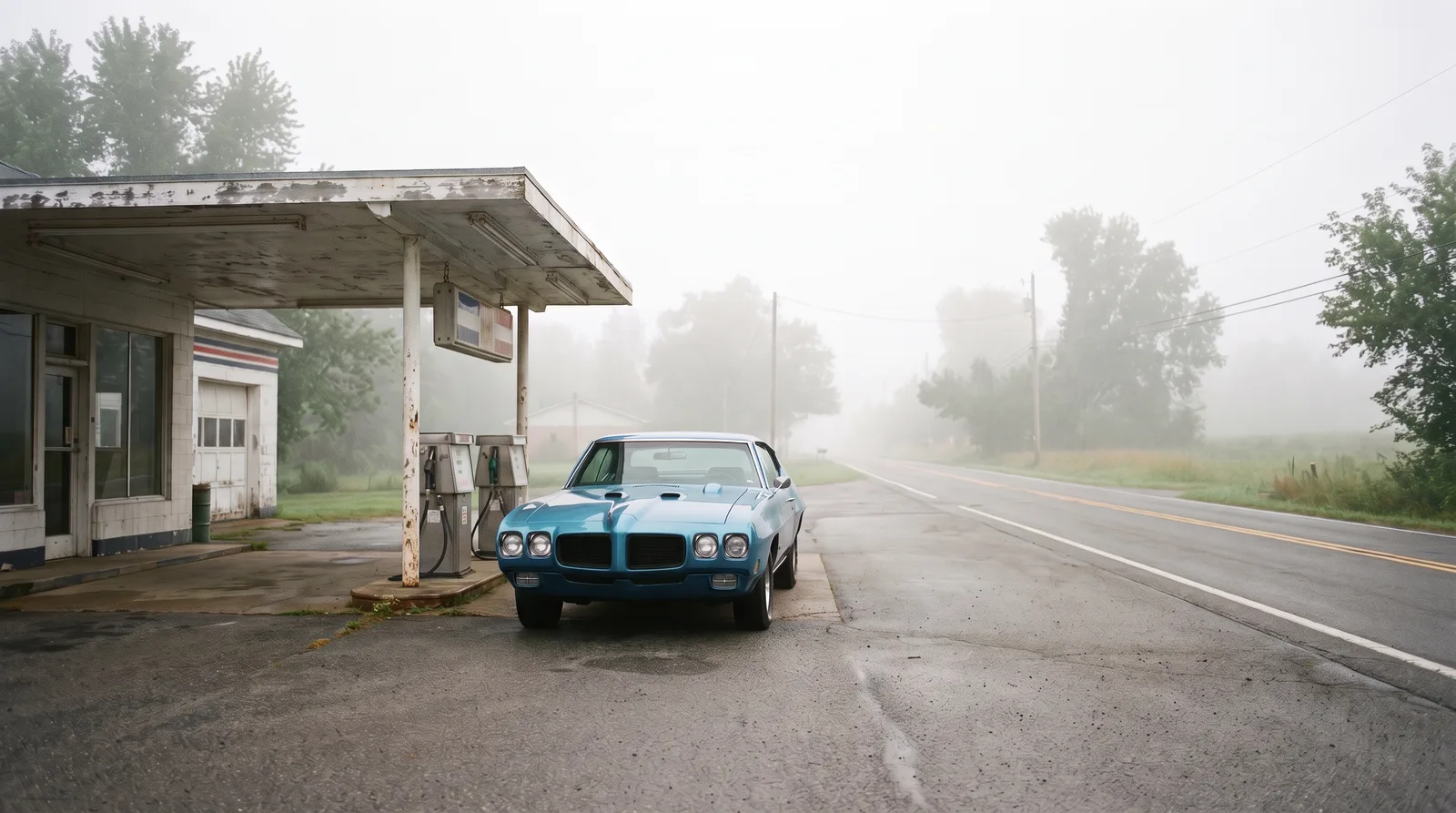
Ask a room full of Pontiac people which year of the peak-power years was the best one, and you'll get a genuine argument, but 1970 wins more of those arguments than any other single year, and it's worth understanding why that particular twelve months carries so much weight.
Everything arrived at once, and it wouldn't again
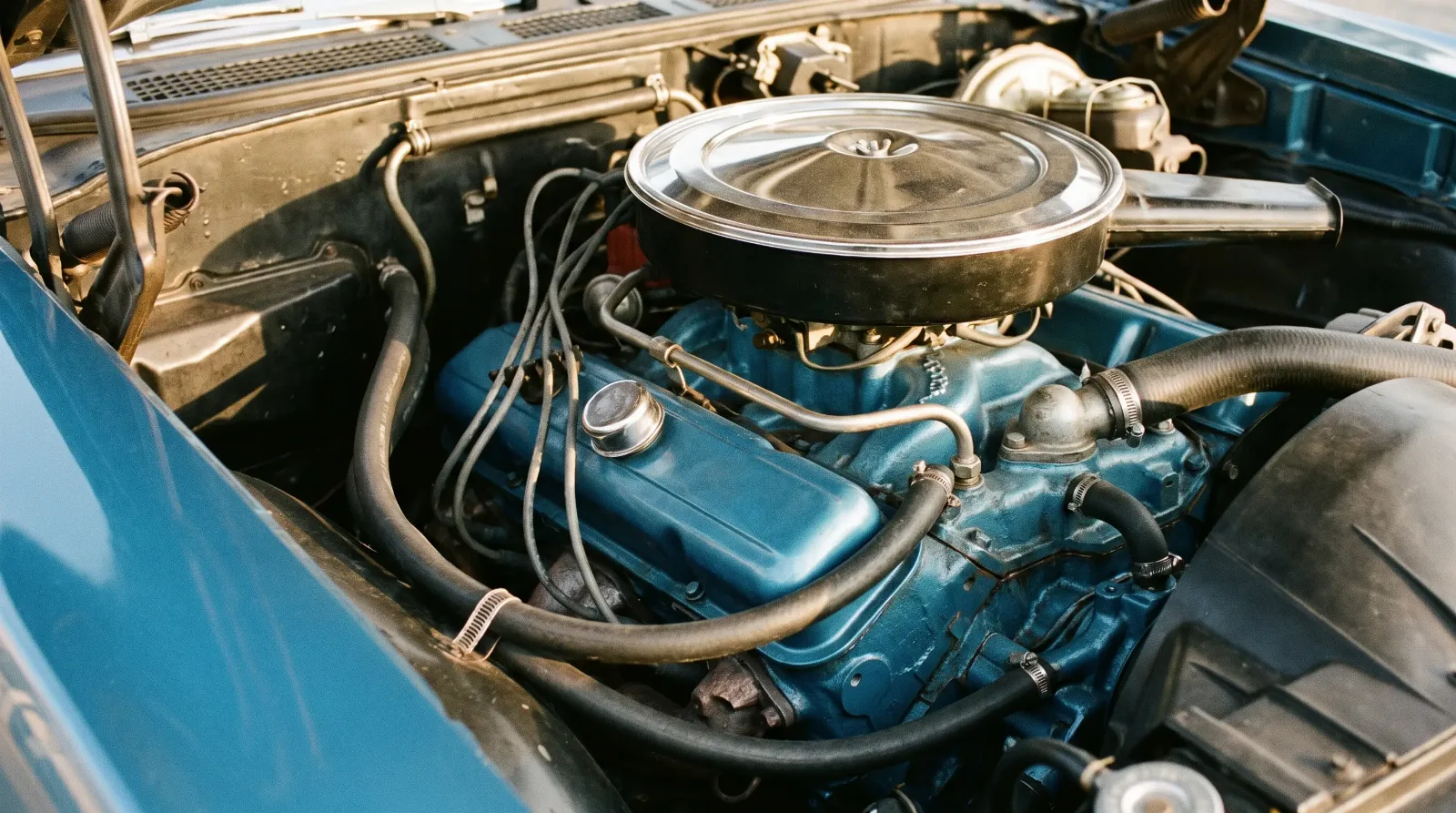
By 1970, Pontiac had spent six model years refining the GTO formula, and the car that resulted was the most complete version of the idea the division ever built. The 455 cubic inch V8 joined the lineup this year, giving buyers a torque option the earlier cars simply didn't have, alongside the continuing Ram Air III and Ram Air IV engines for buyers chasing higher-revving performance instead of low-end grunt. The Judge package was in its second year and fully sorted, no longer a mid-year scramble the way it had been when it launched in 1969. Styling had matured into something confident rather than tentative. Every piece of the car, engine, trim, options list, was at the point a good design reaches right before the world around it starts asking for something different.
That's the part people miss when they talk about 1970 as just another model year. It wasn't an accident of timing that made it feel complete. It was the last year Pontiac got to build the GTO purely on its own terms, chasing performance and presence without yet having to design around insurance rating tables or a compression ratio ceiling dictated by emissions rules that were about to reshape the entire industry.
What changed almost immediately after
The years right on either side of 1970 tell you how narrow that window really was. Before it, the GTO was still finding its full identity, working through the earlier body style and gradually adding the option packages that would define the car at its peak. After it, the story turns considerably more complicated, and not because Pontiac's engineers lost interest. Insurance surcharges started pricing young buyers out of high-output cars just as 1970 was ending, compression ratios started dropping across the industry to meet new fuel and emissions standards, and by 1971 and 1972 the GTO that rolled off the line, while still a genuinely good car, was working with a smaller margin than the 1970 model had enjoyed.
None of that is a knock on the later cars. Plenty of GTO owners are fiercely loyal to their 1971 or 1972 examples, and rightly so. But there's a reason the market and the enthusiast consensus keep circling back to 1970 as the year everything lined up, the engines, the options, the styling, and the buyer's freedom to option all of it without a punishing insurance bill waiting at the end of the transaction.
The cultural moment, not just the mechanical one
1970 also sat at a specific cultural point that's easy to forget from this distance. Drag strips across the Midwest and South were full on a Friday night with cars exactly like this one, magazine covers were still running muscle car comparison tests as a routine feature rather than a nostalgia piece, and a GTO in a driveway still meant something specific to the neighbors, a signal about who you were and what you valued, in a way that's hard to fully translate to how cars get read today. The car wasn't retro yet. It was current, aggressive, and a little bit dangerous in the way new things sometimes are before the world decides how it feels about them.
That context matters because a car's high-water mark isn't purely a mechanical calculation. It's the year the engineering, the culture, and the buyer's ability to actually own the thing all crested together, and for the GTO, that convergence point sits squarely in 1970, before the following year's rating tables and compression changes started chipping away at what the car could be.
"Every car has a year where the whole idea behind it finally clicks into place. For the GTO, that year has a dealer lot at dusk in it, and every argument about it eventually comes back to 1970."
Patrick Walsh
A year the styling finally caught up to the engines
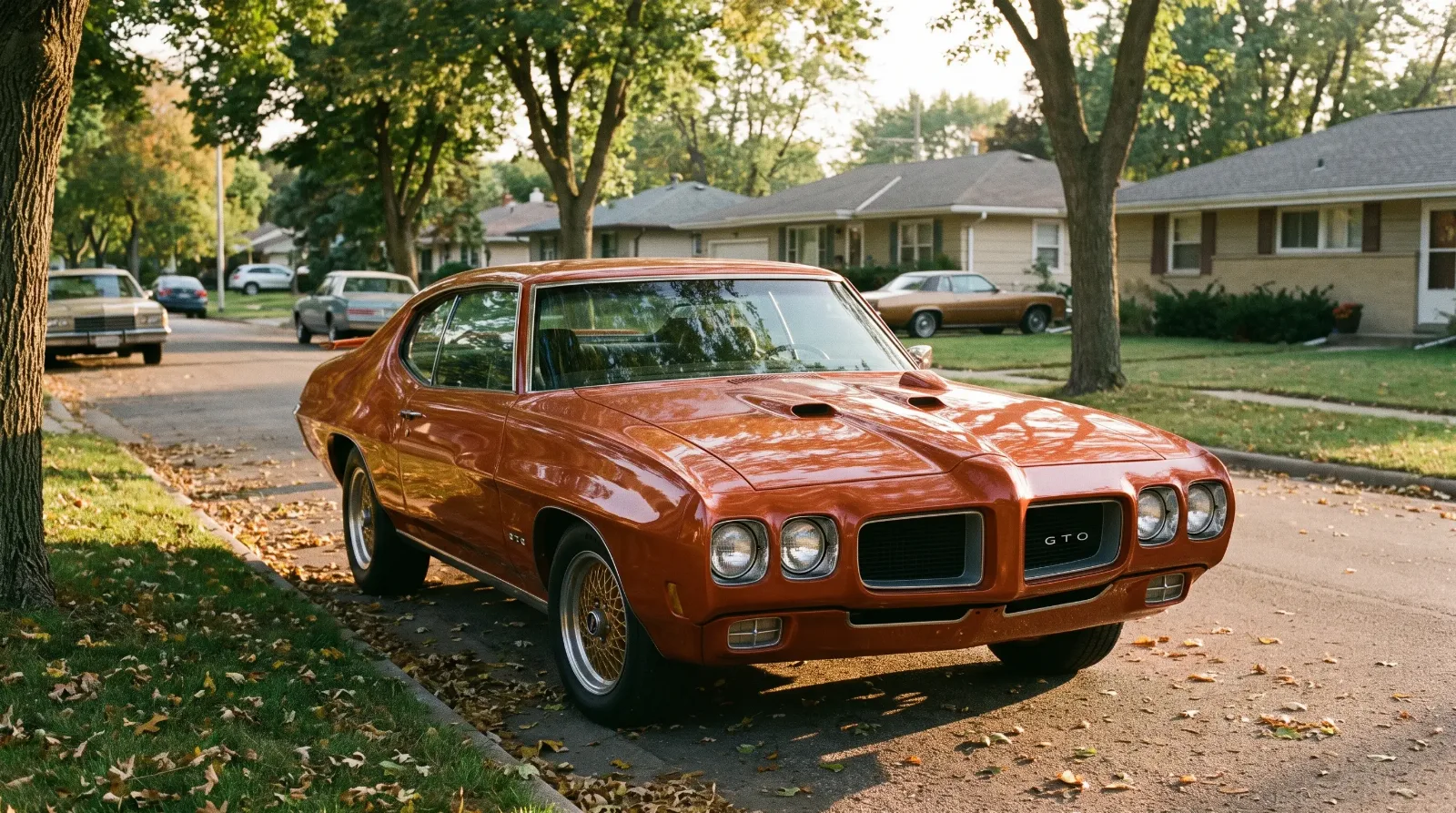
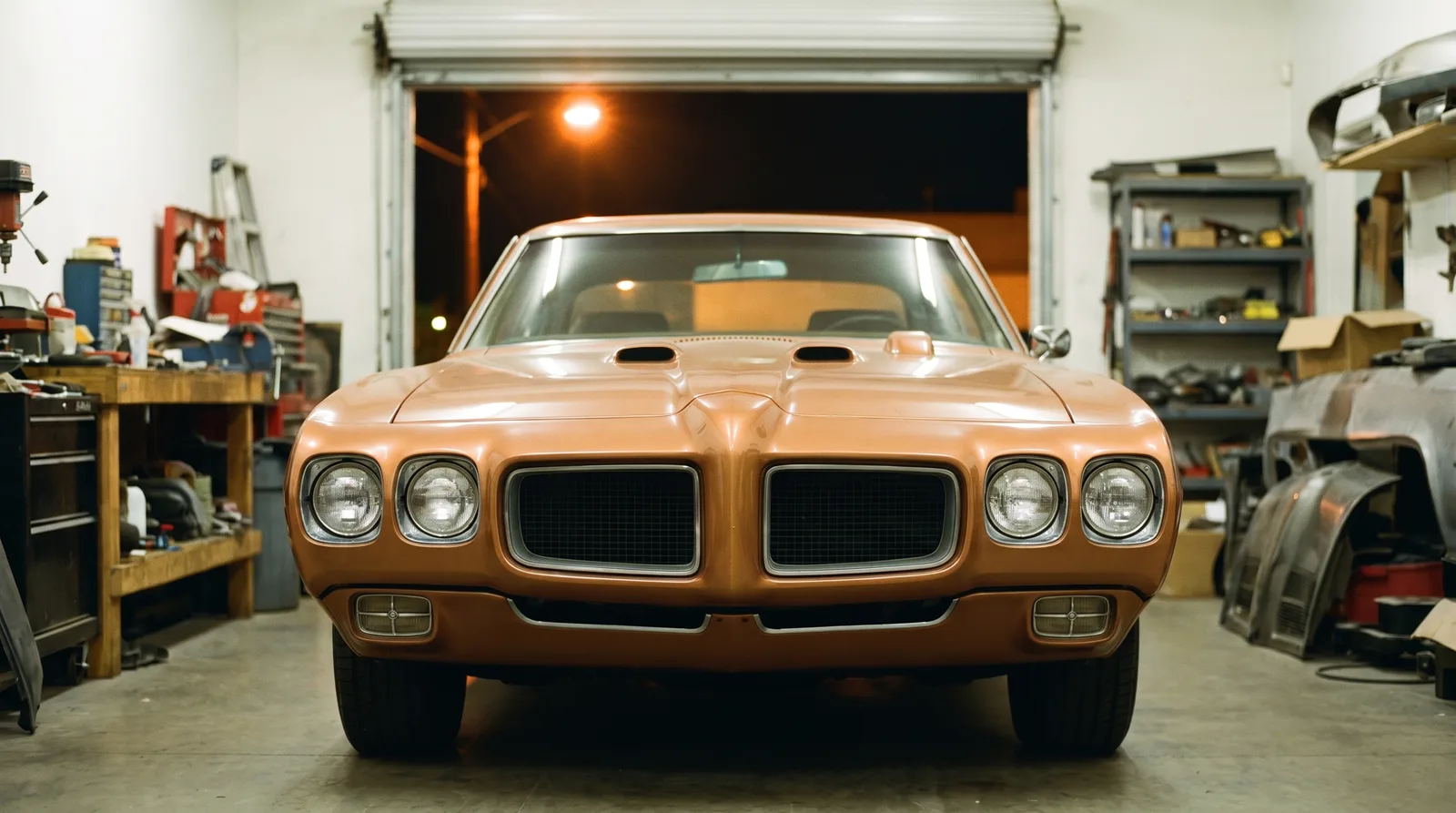
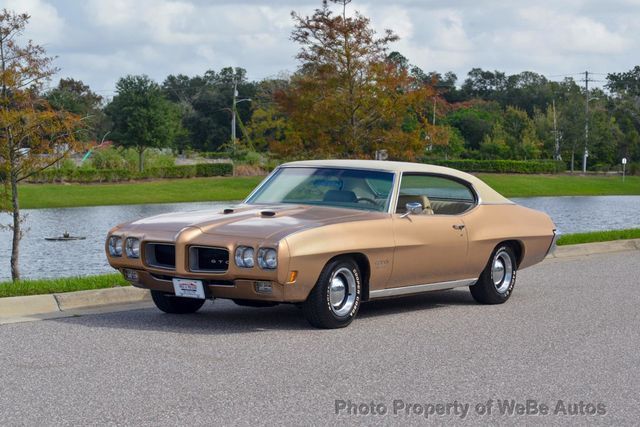
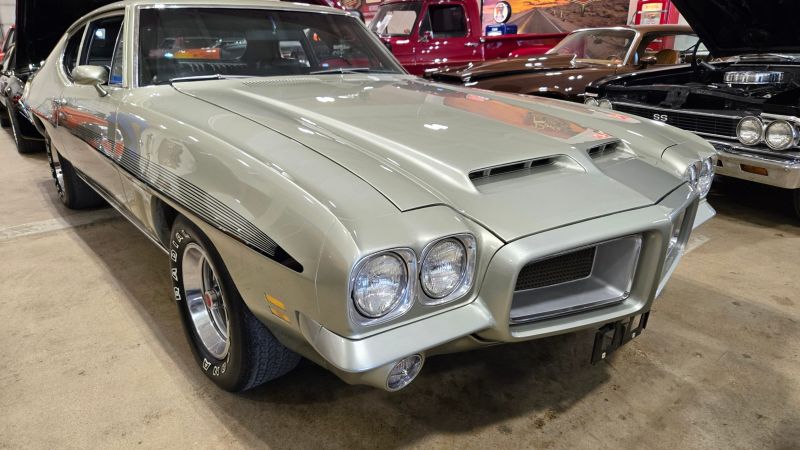
It's worth saying plainly that the visual language of the 1970 GTO deserves as much credit as the mechanical specification. The Endura front end, introduced a couple years earlier, had by this point been refined into its most confident form, a body-colored nose that read as sculptural rather than experimental the way it had when it first appeared. The overall stance, the way the car sat on its wheels, the proportion of hood to greenhouse, all of it had been dialed in through repeated model years the way only a design that gets to mature without a total redesign forced on it can be dialed in.
Compare that to what came immediately after, when the platform began shifting toward a bigger, heavier body style for 1973 and beyond, and you can see how narrow the window really was where the GTO's proportions, its engines, and its cultural moment all matched up without compromise. Design language doesn't usually get to sit still long enough to be perfected. For one year, this one did, and it shows every time somebody points a camera at a well-kept 1970 example parked at a show.
Why the argument still matters to buyers today
This isn't just a nostalgic exercise for people who were around to see it happen the first time. The 1970 model year's reputation as the high point of the whole nameplate shapes real buying decisions in the collector market right now, and a documented 1970 car, particularly one carrying the 455 or a well-sorted Ram Air engine, tends to draw stronger interest at auction than comparable 1971 or 1972 examples with similar condition and options. Buyers are, in effect, paying for that convergence, for the sense that they're getting the version of the car that arrived at exactly the right moment and never quite got repeated again.
Whether you land on 1970 as your personal favorite or you're partial to a different year of this run, understanding why so many people converge on this specific twelve months tells you something real about what made the whole nameplate matter in the first place. It wasn't just about being fast. It was about being fast, complete, and available to the right buyer, all at the same time, in a window that turned out to be shorter than anybody realized while it was happening.
For a closer look at exactly what made this the peak year mechanically, from the 455's arrival to the last full expression of Ram Air performance, read on.
Sources and notes
Related Reading
Have a
Pontiac GTO
for Sale?
Reach thousands of serious classic car collectors across the US.
Sell It Here →
Selling a classic? Here's how: where to sell your classic car online
Are You a Classic Car Dealer?
List your full inventory and connect with targeted classic car buyers.
Join as a Dealer →

About the author
Patrick Walsh
Automotive journalist covering classic car shows, events, and the enthusiast community across North America.
Related Listings - Pontiac GTO

Comments (1)
A
AirCooledAndy
1 week ago
flex the endura nose before buying, cracks hide there.