
There's a reason "454" gets said with a little extra weight at every cruise-in where a Chevelle shows up. It's not just a cubic inch number. It's shorthand for the moment Chevrolet's big-block program hit its ceiling in a mid-size car, and for a lot of people who grew up around drag strips in the early seventies, it's the engine that defined what a fast Chevelle actually meant. Four decades of aftermarket development later, it's still one of the most swapped, most argued-about, most respected engines in the muscle car world.
Car Features
6 min read
The 454: How One Engine Became a Drag-Strip Legend
How the LS5 and LS6 454 turned the 1970 Chevelle SS into a drag strip benchmark, and why the engine never stopped being raced hard.
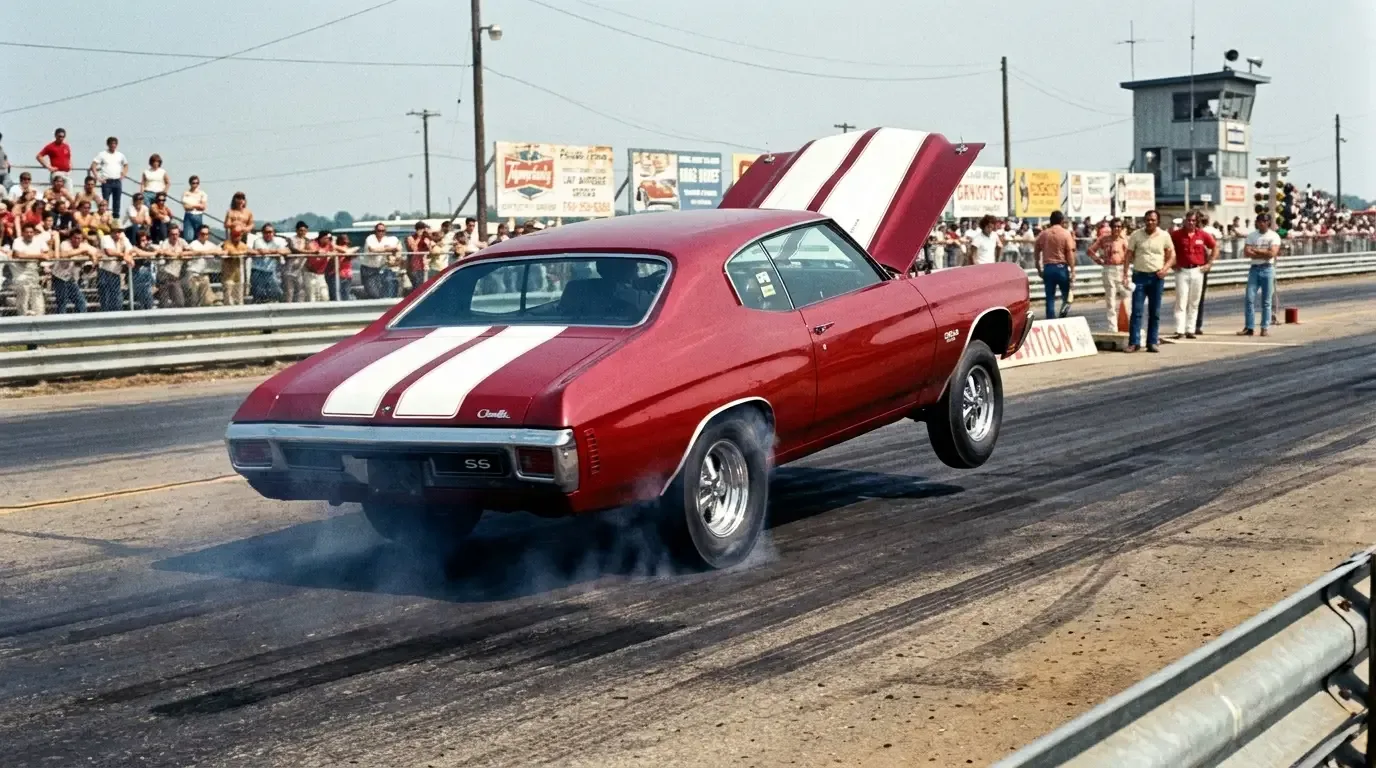
What makes the 454's drag strip reputation different from a lot of other famous muscle car engines is that it never really stopped being relevant. Plenty of legendary factory engines became museum pieces, admired but not really raced hard anymore. The 454 kept getting built, kept getting run, and kept showing up in serious cars decades after Chevrolet stopped putting it in showroom Chevelles.
How the 454 landed in the Chevelle
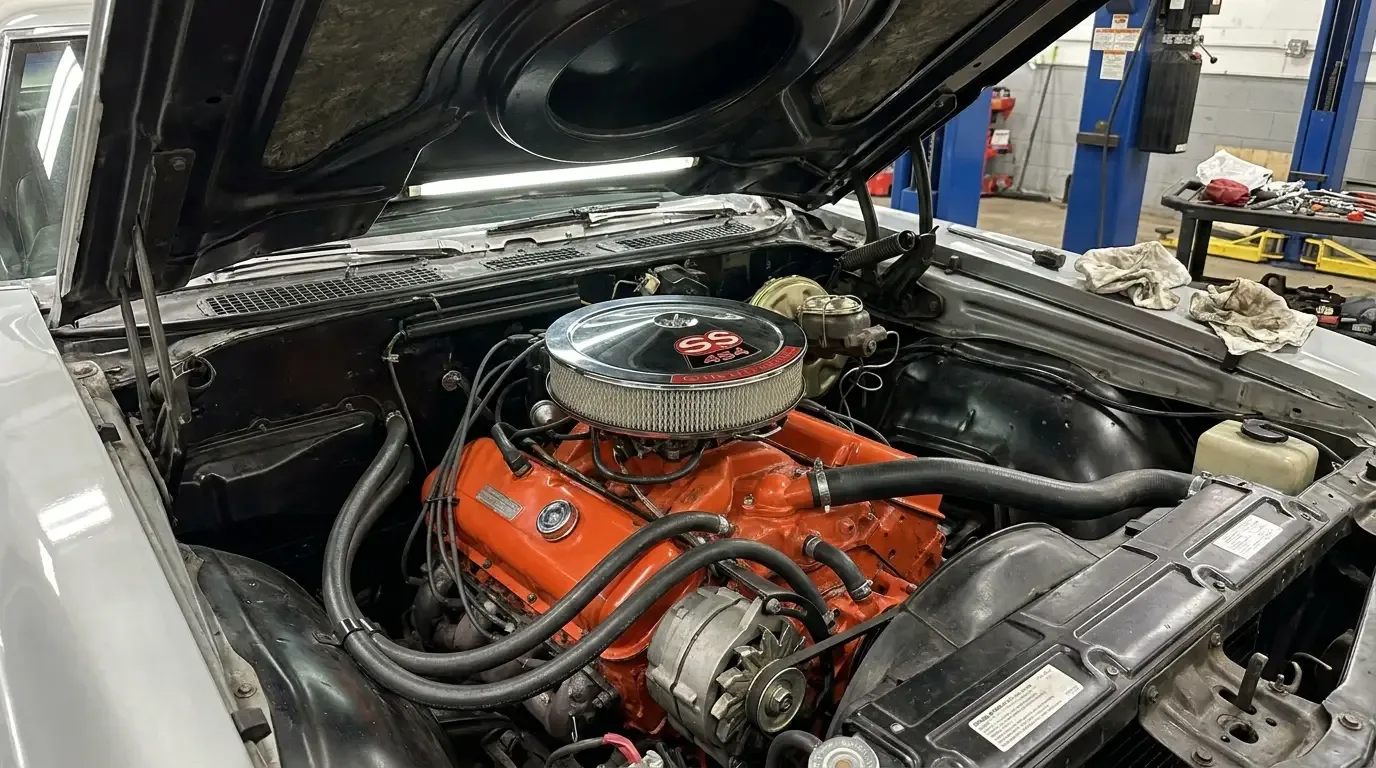
Chevrolet introduced the 454 for the 1970 model year, offering it in the Chevelle SS in two distinct forms: the LS5, rated at 360 horsepower SAE gross, and the LS6, the serious version, rated at 450 horsepower SAE gross. The LS6 in particular became the benchmark that every other muscle car engine of the era got measured against, a factory rating that some people to this day argue was conservative on paper compared to what the engine actually made on a dyno.
The 1970 SS454 wasn't just a bigger number bolted to an existing car. It came with reinforced internals, a stronger crank, and valvetrain components built to actually survive the power the engine made, which is part of why so many of these blocks are still alive and running hard fifty-plus years later. Chevrolet built the LS6 to be used, not just advertised.
| Variant | Approx. factory rating | Notes |
|---|---|---|
| LS5 454 | 360 hp SAE gross | Standard SS454 engine, hydraulic cam, broader street usability |
| LS6 454 | 450 hp SAE gross | Solid-lifter cam, forged internals, the drag-strip benchmark of the era |
Why it became a drag strip name
On the strip, the LS6-powered SS454 ran quarter-mile times that put it near the front of the entire muscle car field for 1970, and it did it with an engine that could be built further without needing exotic parts. That combination, strong out of the box and easy to build on, is exactly what turned it into a drag racing staple that outlasted its own model year. Racers who wanted more just kept pushing the same basic architecture, bigger cams, better heads, stronger rotating assemblies, and the block kept taking it.
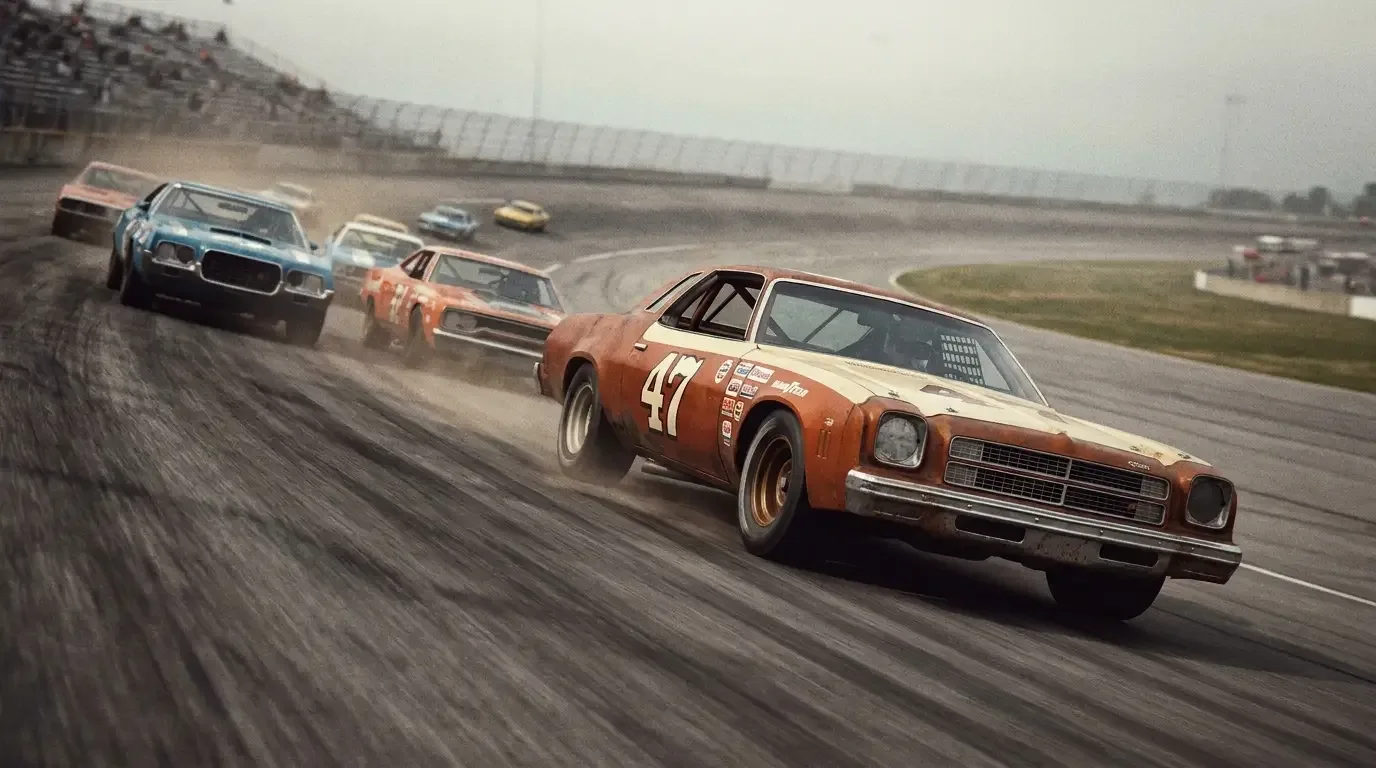
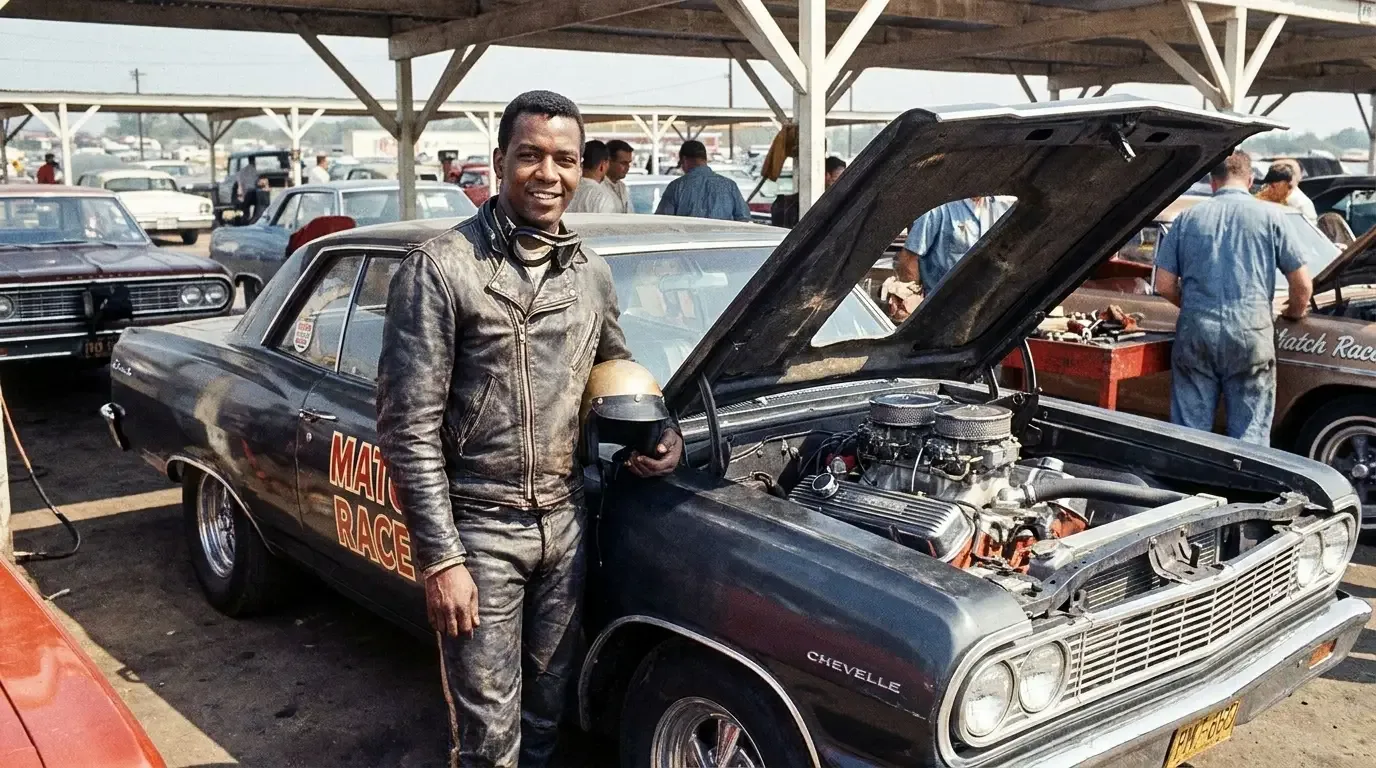
By the mid-1970s, plenty of racers who'd started with factory LS6 or LS5 blocks were running numbers that would have seemed absurd on a showroom floor just a few years earlier. The 454's drag strip reputation in this stretch wasn't really about the factory rating anymore. It was about how far the basic architecture could be pushed while staying a genuinely streetable engine between race weekends, which is a big part of the Chevelle's racing legacy as a whole.
🔧 Inspection Priorities
- Casting numbers over paint. A lot of 454s have been rebuilt, swapped, or dressed up to look like an LS6 that never left the factory that way. Check block casting numbers and date codes before you pay LS6 money.
- Crank and rod forging. The LS6's forged internals are a big part of its reputation for taking abuse. A rebuilt bottom end with cast replacements changes what the engine can actually handle long-term.
- Cylinder head casting numbers. Head swaps happened constantly over fifty years of ownership. Confirm what's actually bolted on before assuming factory specification.
The aftermarket kept it alive
Part of the 454's staying power on the drag strip comes down to how thoroughly the aftermarket embraced the big-block Chevrolet architecture in general. Aluminum heads, aftermarket blocks built to the same basic dimensions, forged rotating assemblies rated well beyond anything the factory offered, all of it exists because enough people kept building these engines that suppliers found it worth tooling up for. A guy building a serious drag Chevelle today has options that simply didn't exist in 1975, while still working within the same basic architecture Chevrolet engineers laid out.
That's a meaningful difference from engines that got orphaned once the factory stopped building them. The 454 never got orphaned. It just kept evolving, in race shops and home garages, long after the last SS454 rolled off a Chevrolet assembly line.
Where the legend stands today
Walk any big drag strip today and you'll still find 454-powered Chevelles running everything from mild street/strip combinations to serious bracket builds pushing numbers the factory engineers never imagined. Prices for documented, numbers-matching LS6 cars have climbed well beyond what a working-class kid could afford in 1970, but the engine itself, as a platform to build around, remains genuinely accessible. You can find 454-powered Chevelles at almost every price point, from tired drivers that need everything to fully sorted cars ready to run a number right now.
"The 454 earned its reputation the honest way. It didn't just win a few races in 1970 and coast on that forever. Guys kept building it, kept racing it, kept proving it could take more than the factory ever asked of it, and that's still true today."
Patrick Walsh
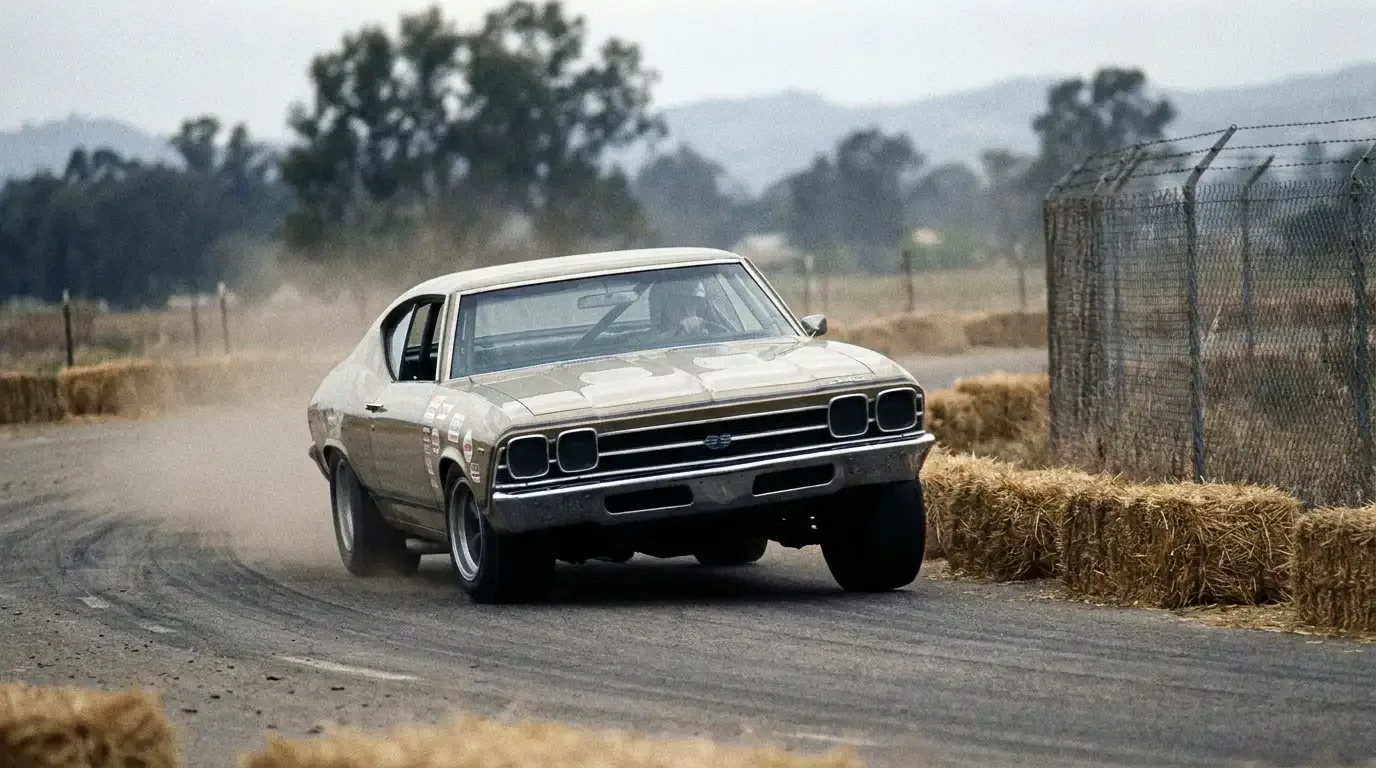
The 454's drag strip fame is really only half the story. The same architecture that made it a strip legend also made it a legitimate road-course engine when the Chevelle showed up in SCCA competition, a chapter that gets less attention but deserves it. That's next: Chevelle SCCA and Road-Course Appearances, and it's worth understanding the other side of what this engine could do.
Sources and notes
Related Reading
Have a
Chevrolet Chevelle
for Sale?
Reach thousands of serious classic car collectors across the US.
Sell It Here →
Are You a Classic Car Dealer?
List your full inventory and connect with targeted classic car buyers.
Join as a Dealer →

About the author
Patrick Walsh
Automotive journalist covering classic car shows, events, and the enthusiast community across North America.
Related Listings - Chevrolet Chevelle




Comments
Be the first to comment on this article.