
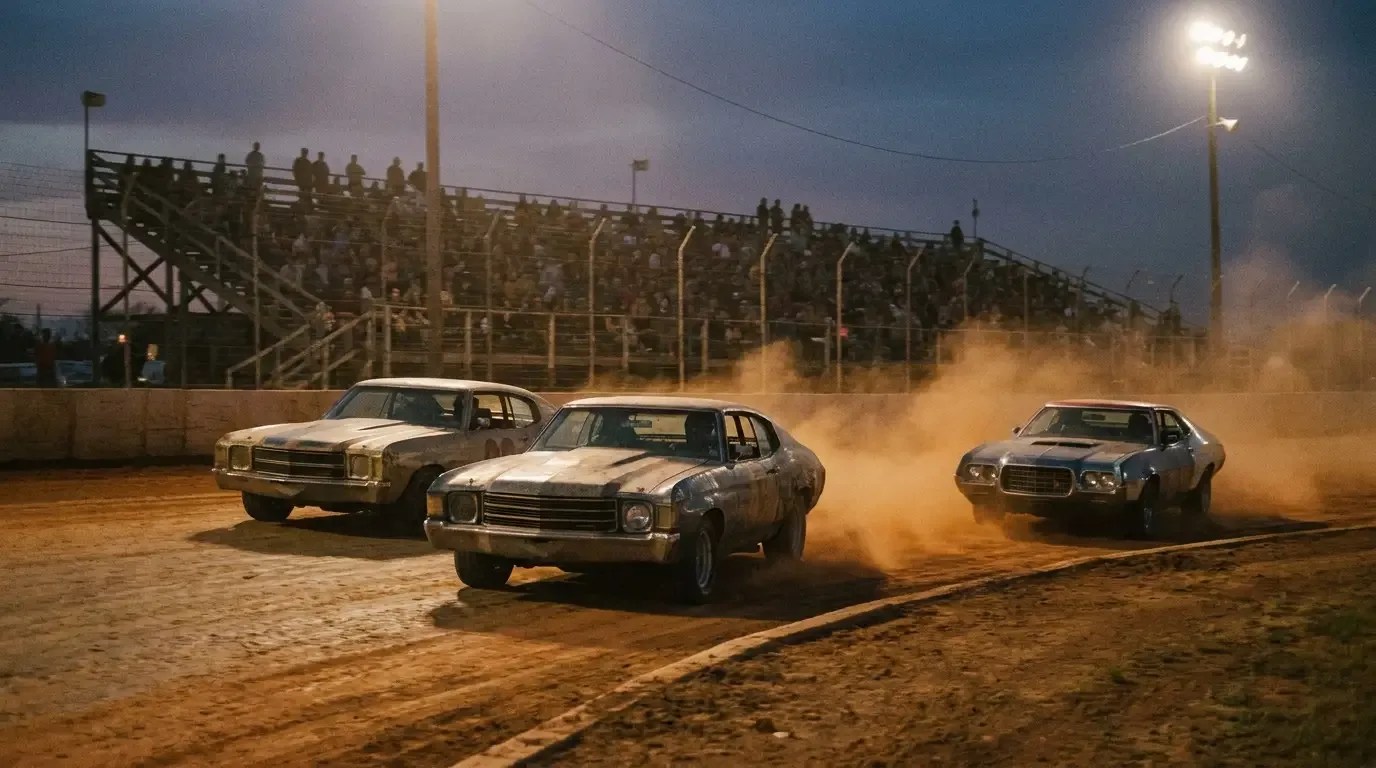
The Chevelle wasn't built for road courses. It was built to go straight, fast, and it did that job about as well as anything Detroit put out in the sixties. So when you find one on a road course entry list, that's a story worth telling, because it means somebody fought the car's own nature to get it there.
Car Features
7 min read
Chevelle SCCA and Road-Course Appearances
The Chevelle wasn't built to turn corners, but regional SCCA and IMSA sedan racers made it work anyway. Here's how they did it.
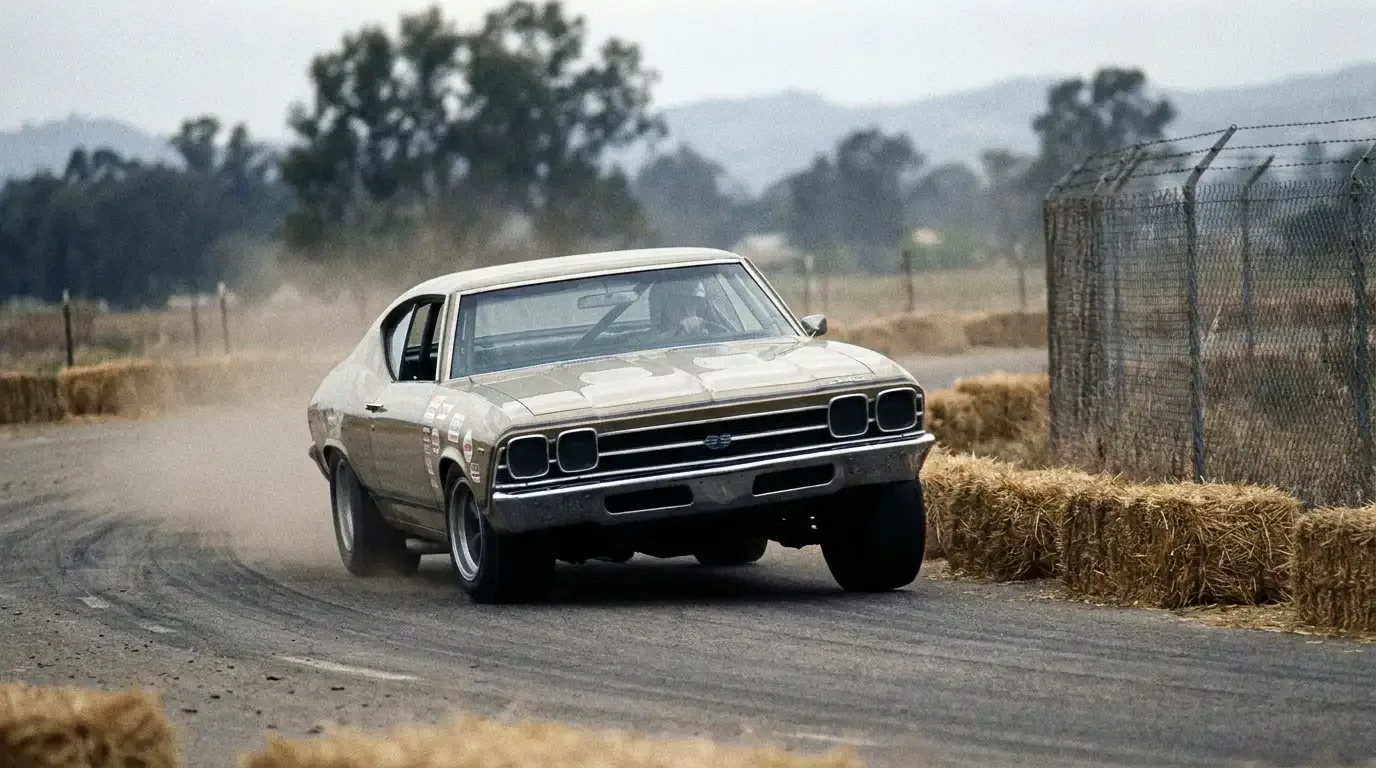
I've had my hands on a few of these over the years, and the thing that always strikes me is how much weight sits over the front wheels on a big-block Chevelle. That's fine on a quarter mile. It's a fight on a road course with a decreasing-radius corner. A Chevelle up against purpose-built Camaros and Mustangs on any road course is bringing a knife to a gunfight in the corners, and whoever's behind the wheel has to make up for it everywhere else.
Why the Chevelle showed up on road courses at all
The mid-size Chevelle was never SCCA Trans-Am eligible the way the Camaro, Firebird, and Mustang were. Trans-Am's rules, and later the SCCA's dedicated American Sedan class that grew out of it, were built around a wheelbase and weight formula that favored the pony cars specifically, and Chevrolet's own factory road-racing money went to the Camaro Z/28 program, not the Chevelle. There's no equivalent factory-backed Trans-Am Chevelle history to point to.
What the Chevelle actually had was a much quieter, mostly amateur presence: guys running a Malibu two-door with a 350 or a 396 in loosely regulated regional SCCA and vintage club events, autocross, and time-trial-style track days, rather than a documented run in a specific sanctioned sedan class. It's not the kind of racing history that shows up in a manufacturer's record book or a Trans-Am points table, and anyone telling you exactly which class number a given Chevelle ran in a specific season should be able to back it up with a program or a photo, because the paper trail on this is thin. What's real is that individual owners took Chevelles to road courses anyway, because it was the car they already had, not because Chevrolet or the SCCA built a program around it.
What it took to make one turn
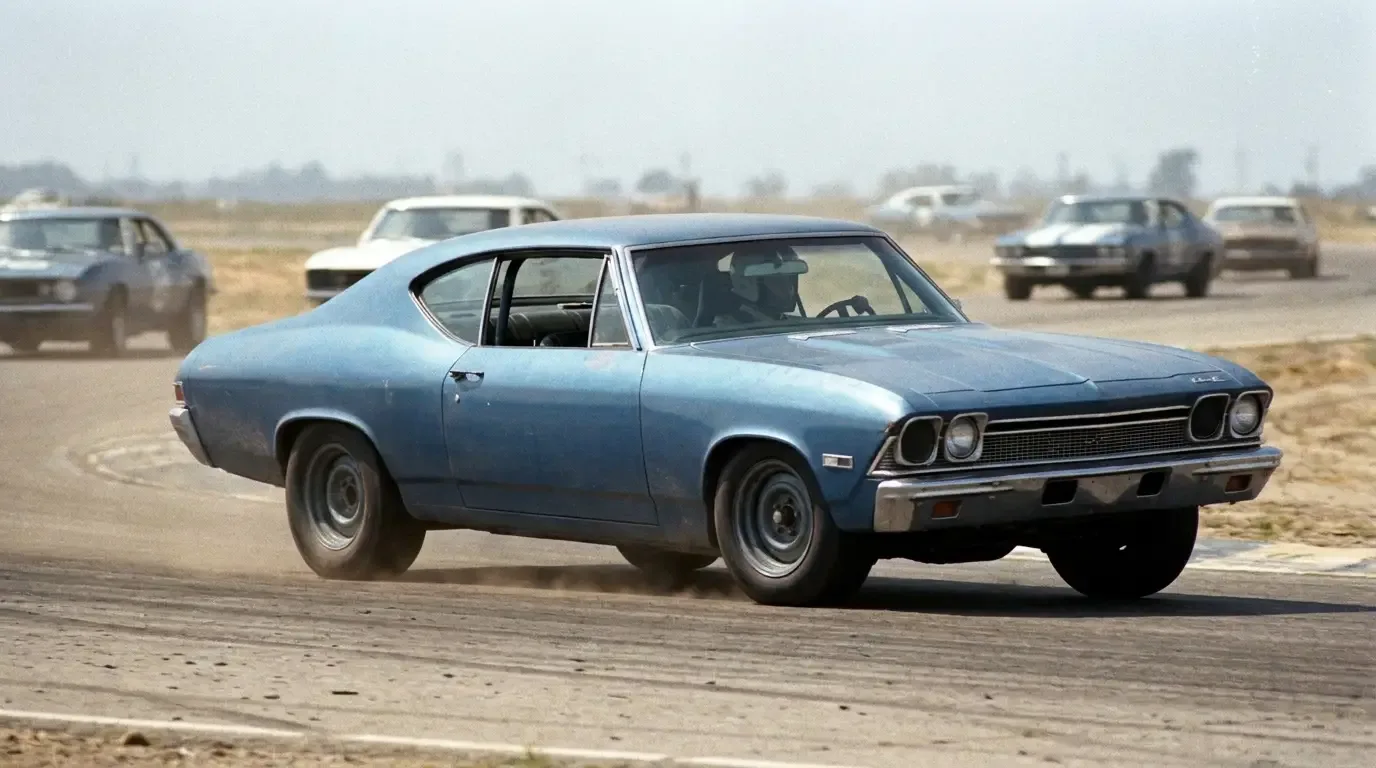
Stock, a Chevelle understeers like it's got a mission. Front sway bar too soft, rear leaf springs that wind up under power, and a weight bias that puts most of the car's mass ahead of the firewall. To get one to turn in reliably, the road-course guys I've talked to did three things every time: stiffened the front bar, added a rear bar where the factory didn't bother with one, and set the ride height so the roll center didn't wander mid-corner.
Brakes were the other problem nobody talks about enough. Factory drums, even the optional front discs on later cars, weren't built for repeated hard stops from 120 mph into a tight corner. Guys running these cars regularly went to bigger rotors and better pads out of the parts bin, sourcing whatever GM intermediate had the biggest factory brake package that would bolt up. It's the kind of unglamorous fix that keeps you finishing races instead of watching from the pits with warped rotors.
🔧 Inspection Priorities
- Frame condition at the rear spring perches. A car raced hard on a road course loads the frame in ways the factory never designed for. Cracked or repaired perches are common and expensive to fix correctly.
- Subframe-to-body mounting bushings. Years of cornering loads chew through factory rubber bushings fast. Worn ones mean vague, inconsistent handling that no alignment will fix.
- Brake system originality vs. period upgrades. A car with mismatched period brake parts from other GM models isn't wrong, it's often exactly what a real road racer did in period, but it changes what you're actually buying.
The suspension parts that actually mattered
The factory F41 suspension package, available on some Chevelle trims through the late sixties and early seventies, was the closest thing GM offered to a starting point for road work. It wasn't enough on its own, but it beat starting from a base car's soft springs and skinny bar. Guys building road-course Chevelles usually started there and then added aftermarket urethane bushings, a larger front bar, and traction bars or a Panhard-style rear locator to control axle hop and wind-up under braking.
Tire choice mattered as much as the suspension work. A factory bias-ply tire on a Chevelle road-course car in period was a genuine handicap, and the switch to radials, once SCCA rules allowed it in a given class, changed the whole character of these cars. Suddenly the car would tell you what it was doing at the limit instead of just letting go.
| Setup item | Stock Chevelle baseline | Typical road-course fix |
|---|---|---|
| Front sway bar | Undersized or absent on base trims | Larger aftermarket bar, often 1 inch or bigger |
| Rear sway bar | Not fitted from factory on most cars | Add a rear bar to balance the front |
| Brakes | Front drums or small factory discs | Larger GM intermediate discs, upgraded pads |
| Tires | Bias-ply | Radials where class rules allowed |
"A Chevelle on a road course tells on its driver fast. You can't hide a bad setup with horsepower out there the way you can on a drag strip. Either the car turns or it doesn't, and if it doesn't, you're the guy everybody's passing at the same corner every single lap."
Mike Sullivan
Where these cars show up today
Vintage road racing groups still see the occasional Chevelle, usually built to a period-correct spec rather than a modern track-day setup. Series like the Upper Midwest Vintage Racing Series have run a documented '66 Chevelle in recent years, and SVRA's B-Sedan Challenge group is open to cars built to the era's small-bore Trans-Am and IMSA rules, which is the closest a Chevelle-adjacent car gets to a recognized modern vintage class. These are genuinely uncommon. A Camaro or a Mustang from the same era vastly outnumbers Chevelles at any vintage road race, which is exactly why the ones that do show up get noticed.
If you're chasing one of these cars, a genuine period road-course car with a real history behind it is a different animal from a resto-mod built to look fast in a driveway. The frame work, the brake upgrades, the subframe bushings, all of it tells a story if you know what to look for, and given how thin the documentation trail is on this side of Chevelle history, be skeptical of any seller claiming a specific factory or class pedigree without paperwork to back it up. That scarcity of hard documentation is part of what makes a car like this a genuine oddity, a car that was never supposed to be a road racer and occasionally was one anyway.
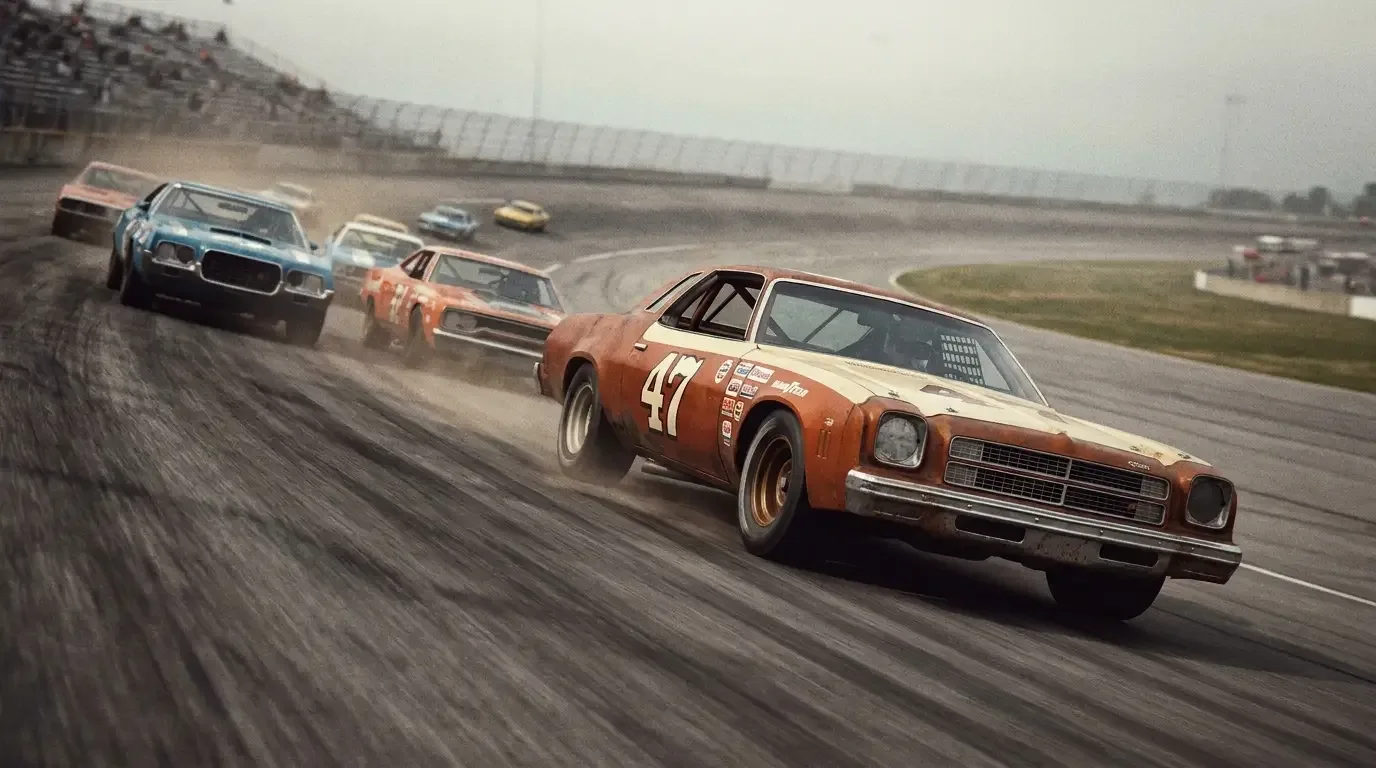
The next chapter in this competition history moves from twisty road courses to NASCAR's ovals, where the Chevelle fought a completely different kind of battle. Read next: Chevelle NASCAR for how short-track grit and superspeedway aero shaped two very different versions of the same car.
Sources and notes
Related Reading
Have a
Chevrolet Chevelle
for Sale?
Reach thousands of serious classic car collectors across the US.
Sell It Here →
Are You a Classic Car Dealer?
List your full inventory and connect with targeted classic car buyers.
Join as a Dealer →

About the author
Mike Sullivan
Detroit-area muscle car enthusiast and restoration specialist with three decades of hands-on experience working on American iron.
Related Listings - Chevrolet Chevelle
Comments
Be the first to comment on this article.