
Auction results tell you what buyers actually paid, not what a seller hopes to get. Look at enough of them for pre-war cars and the same handful of factors keep moving the number up or down, often by tens of thousands of dollars on the same basic model. Understanding which factors carry real weight, and which are just talking points in a listing description, is the difference between bidding well and overpaying.
Car Features
6 min read
The Factors That Determine True Vintage Car Value
A look at the auction data behind vintage car pricing, and which factors actually move the hammer price versus which ones are just listing talk.
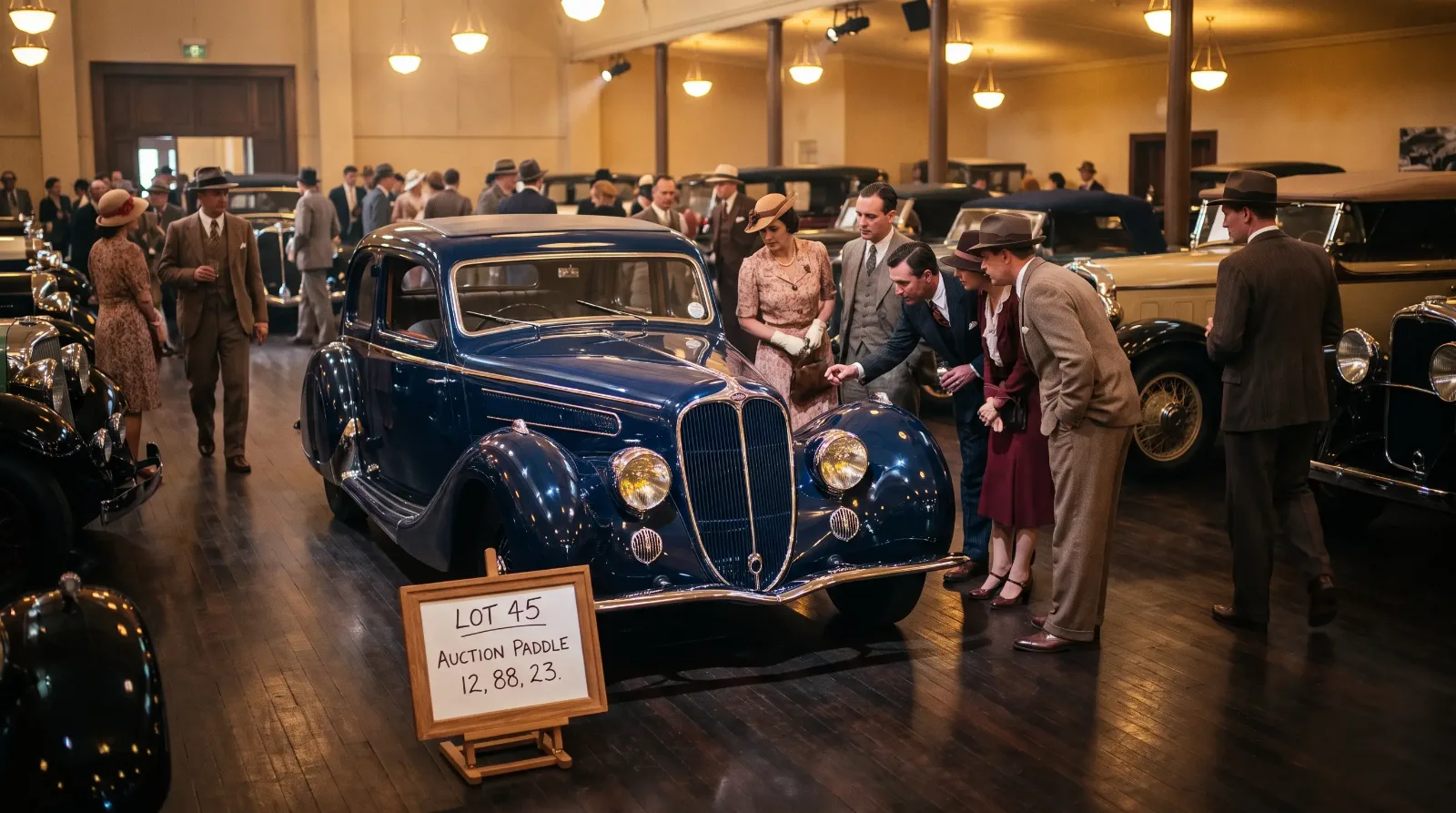
Condition grade is doing more work than you think
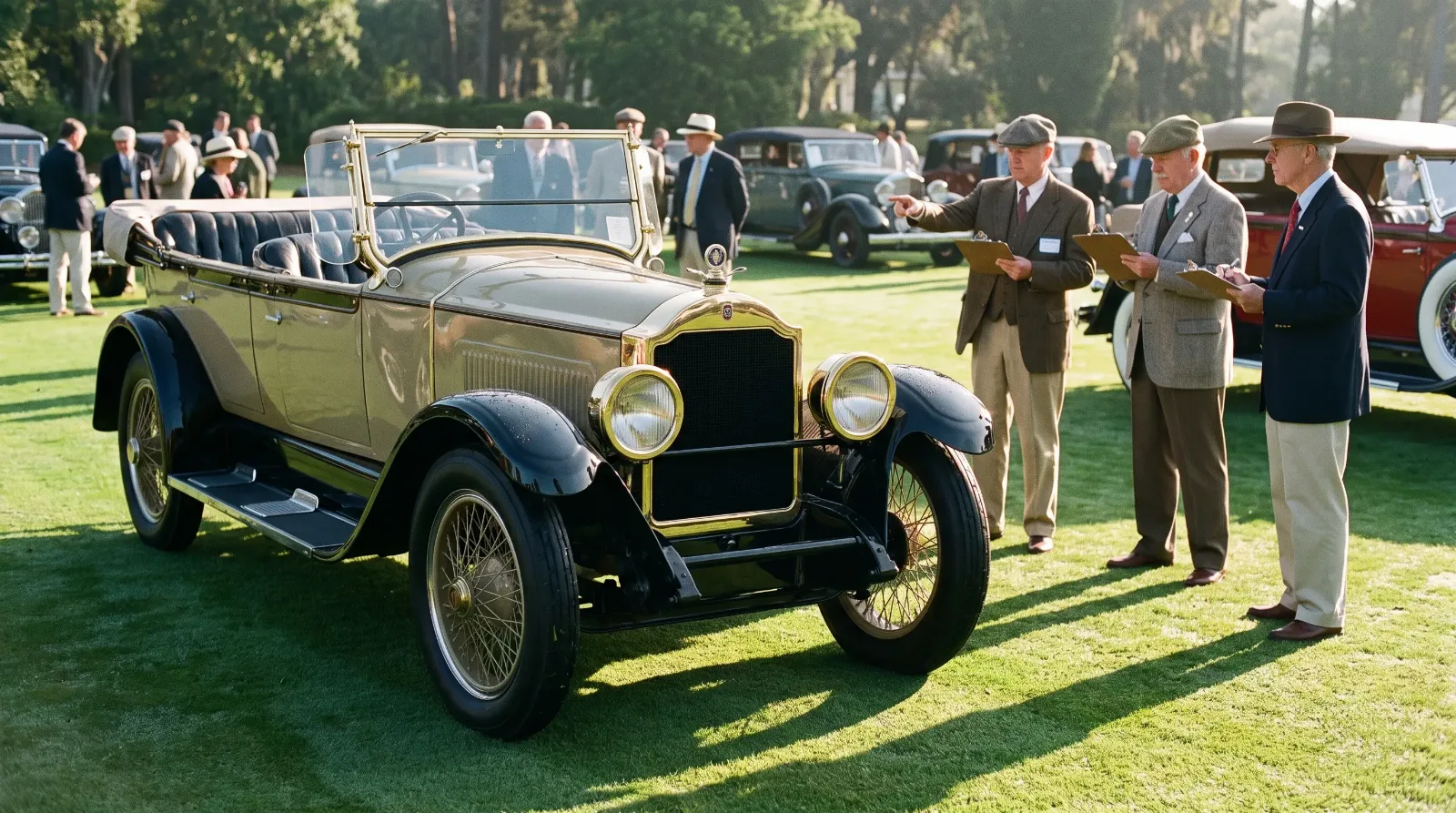
Auction houses and appraisers use tiered condition grading, roughly running from concours-level restoration or exceptional original condition at the top down to project-car condition at the bottom. The spread between the top and bottom grade on the same model is not incremental. It is routinely two to three times the price, sometimes more on marques with a thin buyer pool. A car described as "driver quality" without further detail should be priced as if it needs real work, because in most cases it does.
What condition grading does not capture well is mechanical soundness versus cosmetic polish. A car can present at a high grade with fresh paint and chrome while hiding a tired engine or a chassis that has seen accident repair. That gap between how a car photographs and what it actually needs is where buyers lose money at auction.
A pre-purchase mechanical inspection is the cheapest insurance available against this gap, and it is routinely skipped by buyers caught up in auction momentum. The cost of a thorough inspection is a rounding error against the price of the car itself, and it is the single fastest way to confirm whether a high condition grade actually reflects mechanical soundness or just a fresh coat of paint over deferred maintenance.
Originality and matching numbers set the ceiling
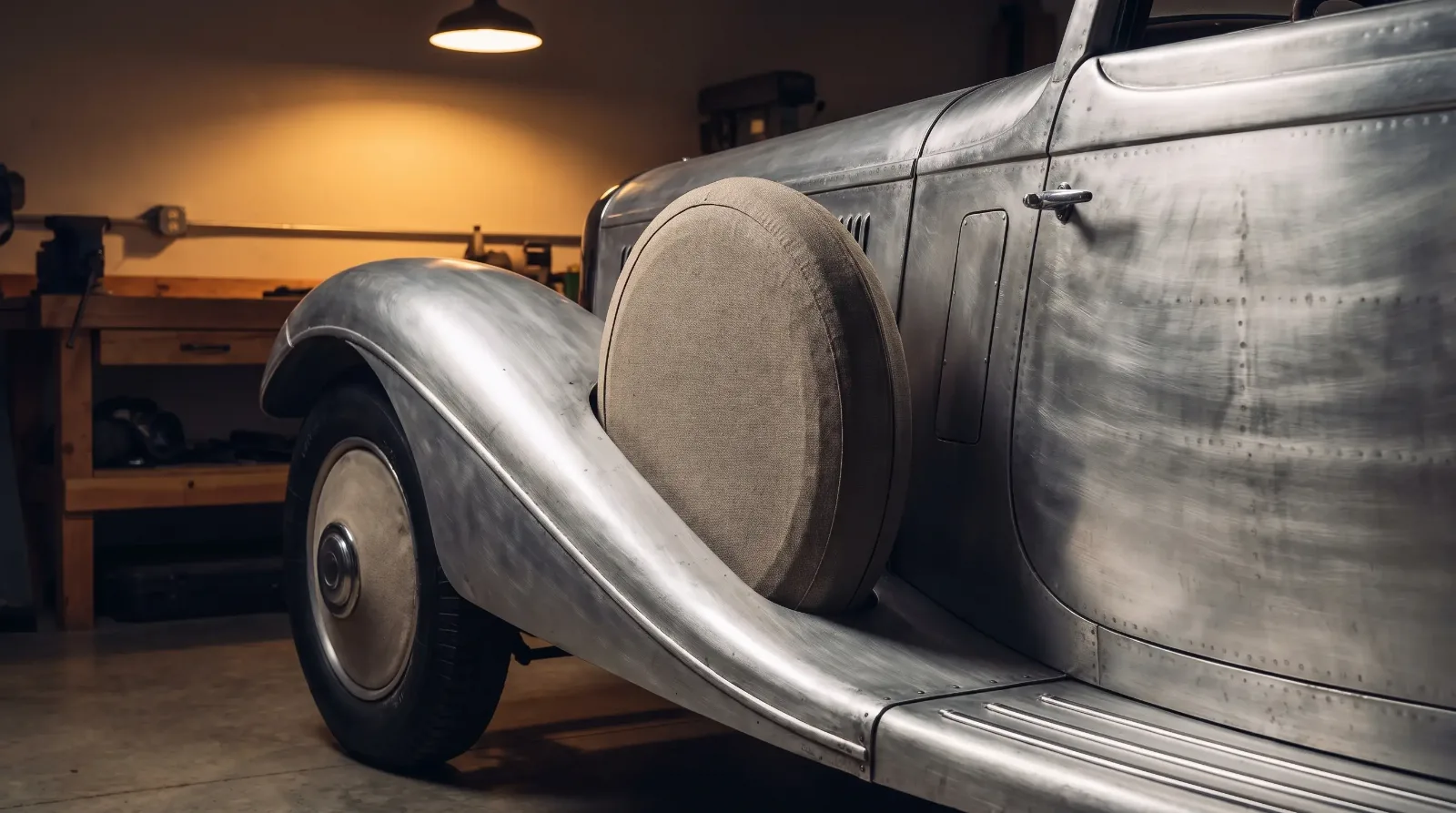
Across recent pre-war auction results, numbers-matching, factory-original cars consistently sell above comparably restored examples with replaced major components, even when the replaced-component car looks better in photos. The premium for a fully documented, original-configuration car over an otherwise similar restored example with a swapped engine or non-original body panels tends to run in the range of 15 to 30 percent, depending on how rare the model is and how thin the market for it has become. Rarer models show wider spreads because there are fewer comparable sales to anchor a buyer's expectations, which lets originality command more of a premium.
Coachbuilt and special-order bodies deserve separate mention here, since they can move the ceiling further than any of the other individual factors. A production chassis fitted with a documented, one-off coachbuilt body sits in a different pricing universe than the same chassis wearing its standard factory body, and the spread between the two is not something a simple percentage captures well. Each coachbuilt example needs to be evaluated largely on its own terms against comparable coachbuilt sales, not against the broader model's typical range.
| Factor | Typical price swing | Notes |
|---|---|---|
| Condition grade (top vs. bottom tier) | 2x to 3x | Widens further on thin-market marques |
| Numbers-matching originality | 15% to 30% | Wider spread on rarer models |
| Documented provenance / ownership chain | 10% to 25% | Celebrity or competition history pushes higher |
| Coachbuilt or special-order body | Highly variable | Can multiply base value several times over |
Provenance moves the number even when condition does not
Two examples of the same model, in comparable condition, can sell for meaningfully different prices purely on documented history. A continuous, verifiable ownership chain back to the original buyer, or a period competition record, or a known coachbuilder commission, adds a premium that has nothing to do with how the car drives. This is where specific recent hammer prices matter more than general rules, because provenance premiums are lumpy rather than linear. A car with an unremarkable history sells close to the market average for its condition grade. A car with a documented, interesting history can sell well above it, sometimes enough to reset the ceiling for the model going forward.
Reading comps without fooling yourself
The most common mistake buyers make with auction data is treating a single high sale as the new market price for a model. One result, especially a well-promoted headline sale with strong provenance, is a data point, not a trend. I want to see at least three to five comparable sales within a reasonable time window before I trust a number as representative. If those comps are not available because the model rarely trades, that scarcity itself is information: thin markets are harder to price and carry more risk in both directions.
It also matters where the sale happened. A marquee auction house with an international bidder base tends to produce stronger results than a regional sale for the same car, sometimes by a wide margin, purely because of who is in the room or bidding online. Adjust your expectations accordingly if you are buying or selling outside the top-tier auction circuit.
Timing within the calendar year plays a smaller but real role too. Marquee auctions clustered around major concours weekends tend to draw stronger bidder attendance and, on average, stronger results than the same consignments would achieve at a quieter, off-season sale. None of this changes what a car is fundamentally worth, but it does affect what any single auction result tells you, which is exactly why a single data point deserves skepticism rather than confidence.
"People ask me for a number and I give them a range, because a single price without the underlying comps is just a guess with confidence attached to it. The data tells a real story if you pull enough of it. One result tells you almost nothing."
David Mercer
What this means for your next purchase
If you are shopping pre-war cars right now, treat condition grade, originality, and provenance as the three levers that explain most of the price variation you will see between otherwise similar listings. Everything else, color, options, minor trim differences, matters at the margin but rarely explains a five-figure gap between two cars. For the vintage cars valuation factors guide, these factors sit inside a broader framework worth reading before you bid. For the next installment, we get into how the terminology itself, antique versus vintage versus classic, affects how a car gets marketed and priced. And if the pre-war era's specific market dynamics are new to you, the pre-war classics story is the right starting point. When you are ready to shop with these factors in hand, browse current vintage cars for sale and run the comps yourself before you make an offer.
Sources and notes
- Hagerty - collector car condition rating guide
- Hagerty Insider: how numbers-matching came to matter for collector cars
- Hagerty Insider: what a car's condition really looks like
- RM Sotheby's - past auction results
- Bonhams - motor car department results
- Old Cars Weekly - the 1 to 6 collector car rating system explained
Related Reading
Have a
Classic Car
for Sale?
Reach thousands of serious classic car collectors across the US.
Sell It Here →
Are You a Classic Car Dealer?
List your full inventory and connect with targeted classic car buyers.
Join as a Dealer →

About the author
David Mercer
Classic car market analyst with two decades of experience tracking collector car valuations, auction results, and investment trends.




Comments
Be the first to comment on this article.