
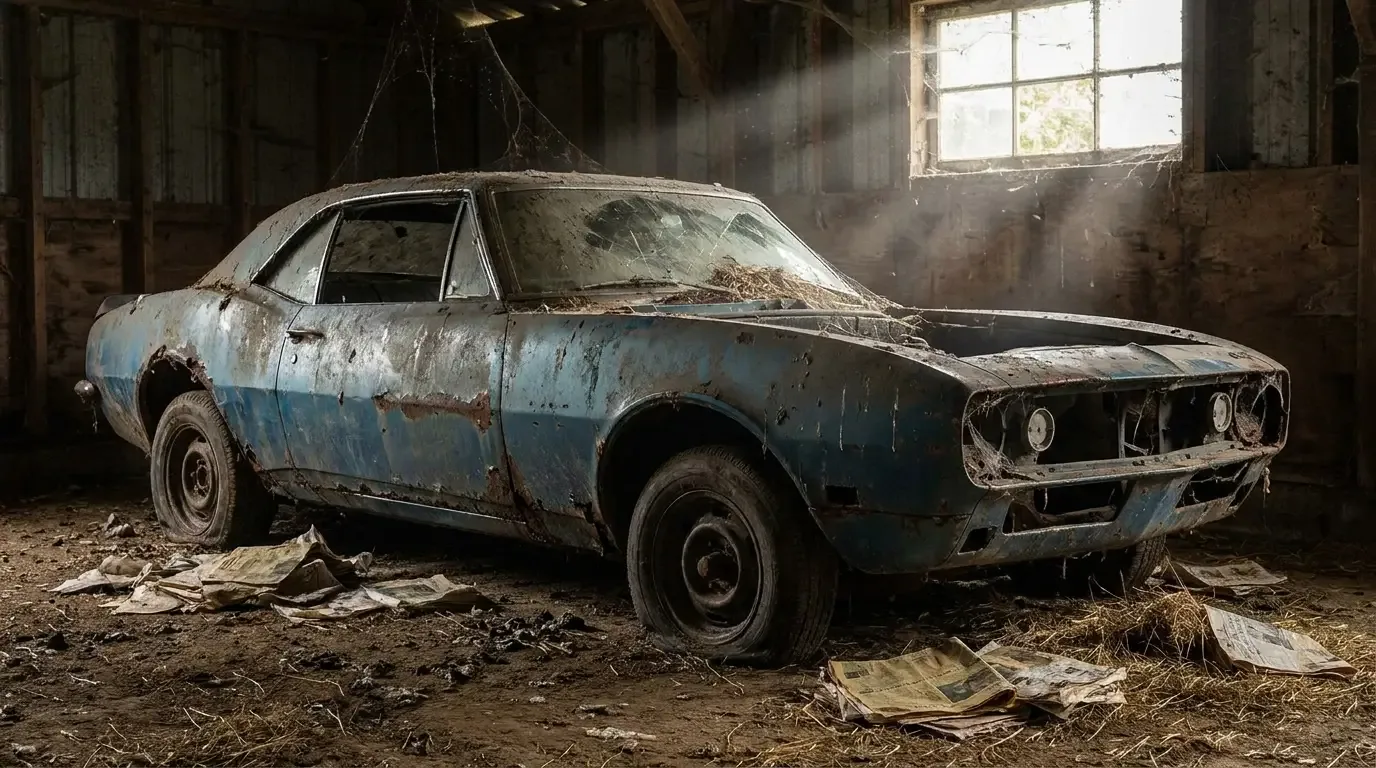
A man in Ohio pulls a tarp off a shape in the back of his late uncle's tobacco barn. Under forty years of dust and pigeon mess sits a car. He posts three photos, calls it "untouched," and by morning strangers are telling him he is sitting on a six-figure fortune. That story, or some version of it, runs across social media every week. The reality he meets a month later, when the flatbed driver quotes him for a seized engine and a floor you can see through, almost never gets posted.
Car Features
7 min read
Barn Find Myth vs Reality
The hidden-treasure fantasy vs the usual reality: rough, rusty, and expensive to bring back. An honest look at what is really under the tarp.
I have chased enough of these to know the gap between the two versions is where people lose money and heart. If you want the clean definition first, start with what is a barn find, then come back here for the part nobody frames for the camera.
The fantasy the algorithm keeps feeding you
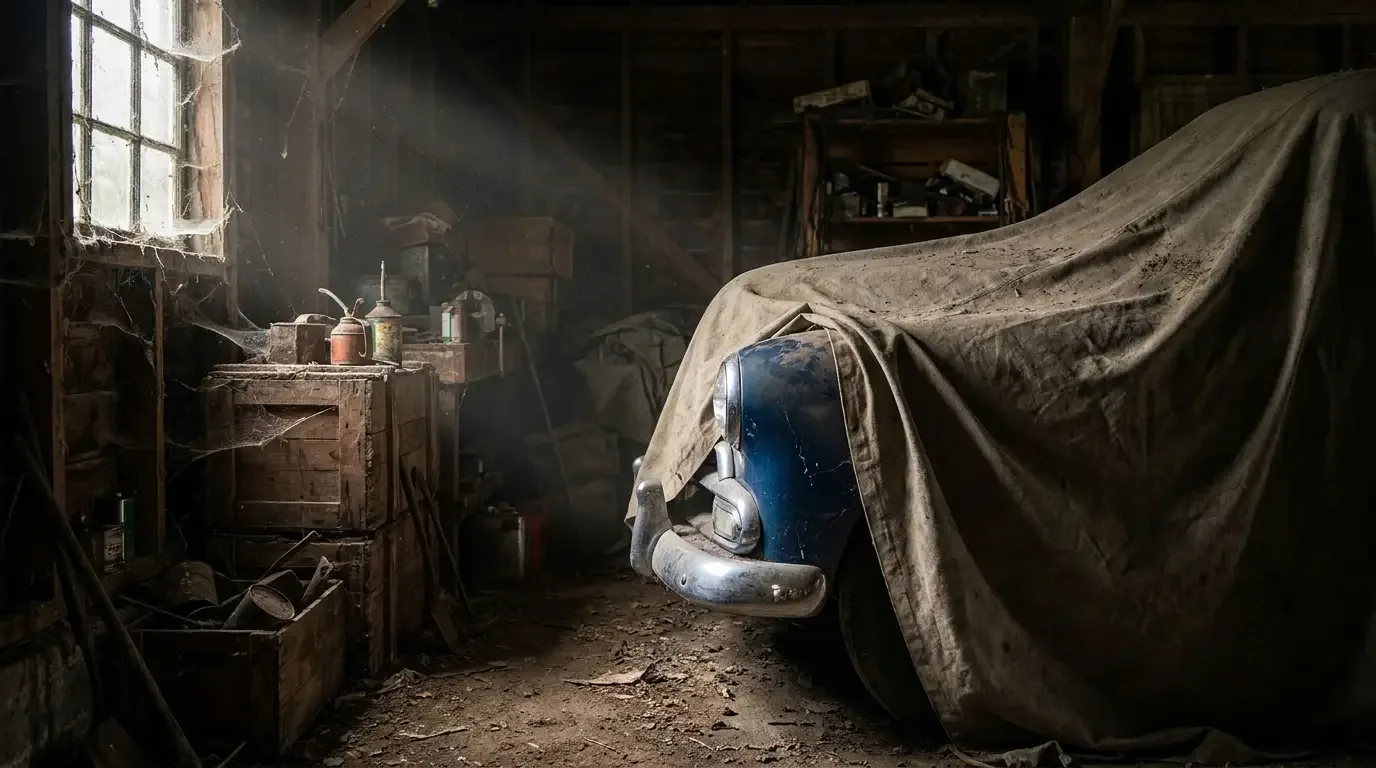
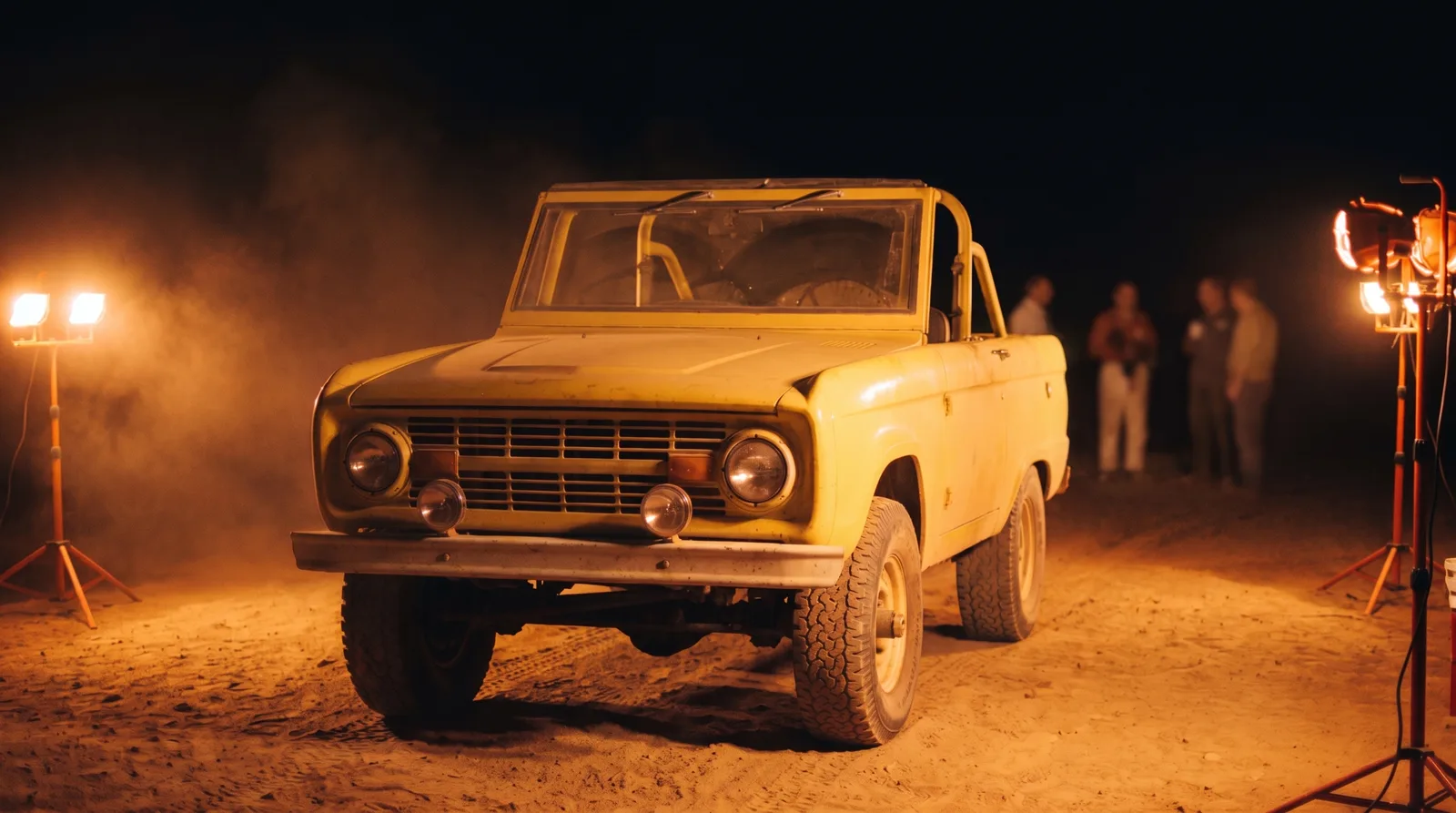
The myth is simple and seductive. A rare car sleeps for decades, forgotten by everyone, and waits for one lucky person to wake it up rich. It is a lottery story with grease on it. The picture that spreads is always the same: soft light through a broken window, dust like snow on the hood, a hint of the right badge.
Social media rewards that picture and punishes the follow-up. A dramatic "before" photo travels. A boring spreadsheet of what the revival actually cost does not. So the feed fills with discoveries and empties of consequences, and the average viewer walks away believing the barn is full of treasure when it is mostly full of projects. The stories that made this whole genre famous were real, but they were also the rare exceptions, which is exactly why they became stories. If you want the honest version of how those famous discoveries actually played out, read the story of the barn find and notice how much work sits between the tarp and the trophy.
What is usually actually under the tarp
Strip away the lighting and here is the common truth. A car parked in a barn was parked for a reason, and the reason is rarely "the owner got bored of a valuable classic." Usually it broke, or the owner ran out of money, or it was cheap and disposable to begin with. Then time and a dirt-floor building went to work on it.
Barns are humid. Dirt floors wick moisture straight up into the frame. Animals nest in the seats and chew the wiring, and their waste is acidic enough to eat metal. What looks like patina in a photo is often structural rust you cannot see until you poke it. The mechanical picture is usually worse than the cosmetic one, because rubber, fuel, and fluids do not survive long naps well.
| The myth says | The barn usually delivers |
|---|---|
| Rare, sought-after model | Common trim, no options, a body style few people want |
| "Just needs a battery and gas" | Seized engine, varnished fuel system, rotted brake and fuel lines |
| Honest surface patina | Rust through floors, frame rails, and rockers |
| Complete and original | Missing trim, wrong parts fitted, no title in the drawer |
| Instant profit | Purchase price plus a revival bill that dwarfs it |
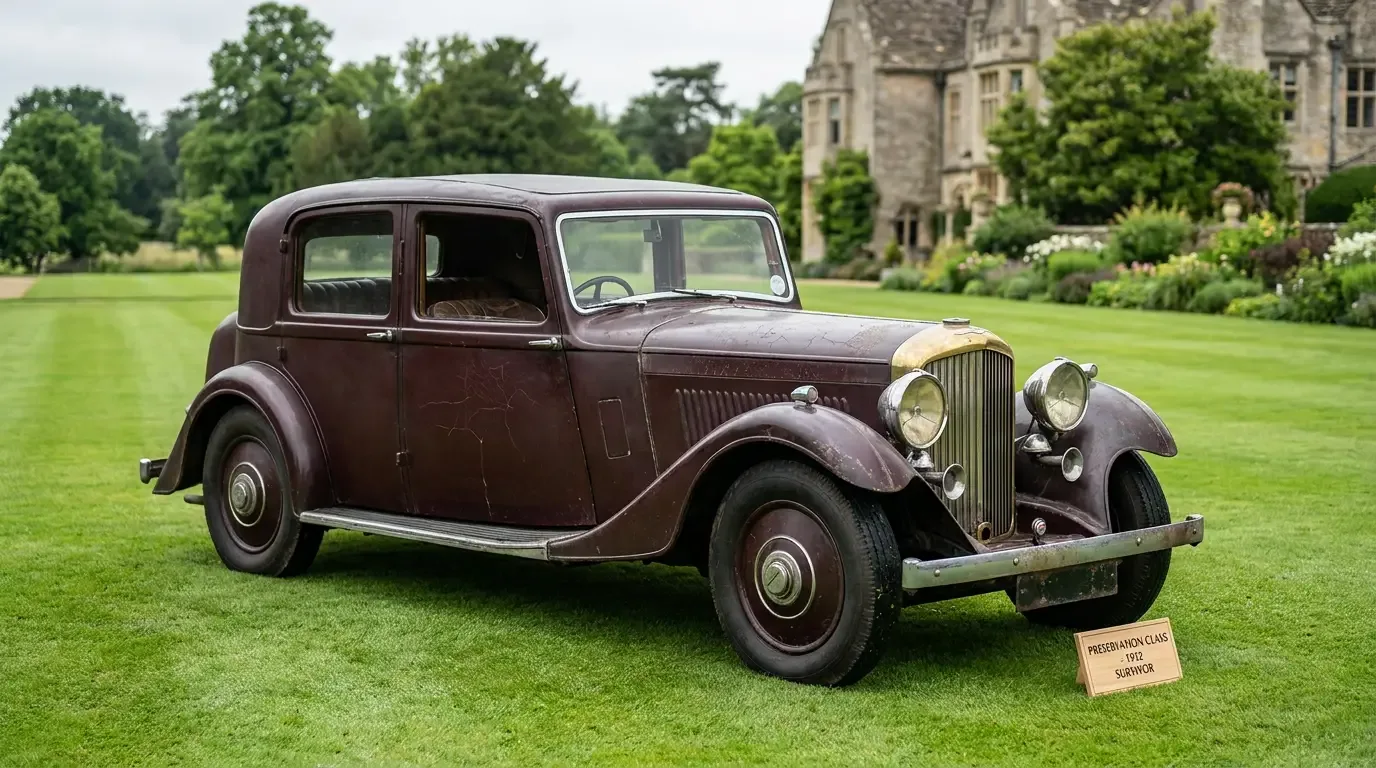
None of that means the car is worthless. It means the car is a starting point, not a finish line. The genuinely valuable finds do exist, and there are real reasons some of them command strong money, which I get into separately in Why Barn Finds Are Valuable. The point here is that value is the outcome of a hard evaluation, not the default state of anything wearing dust.
Why the math surprises almost everyone
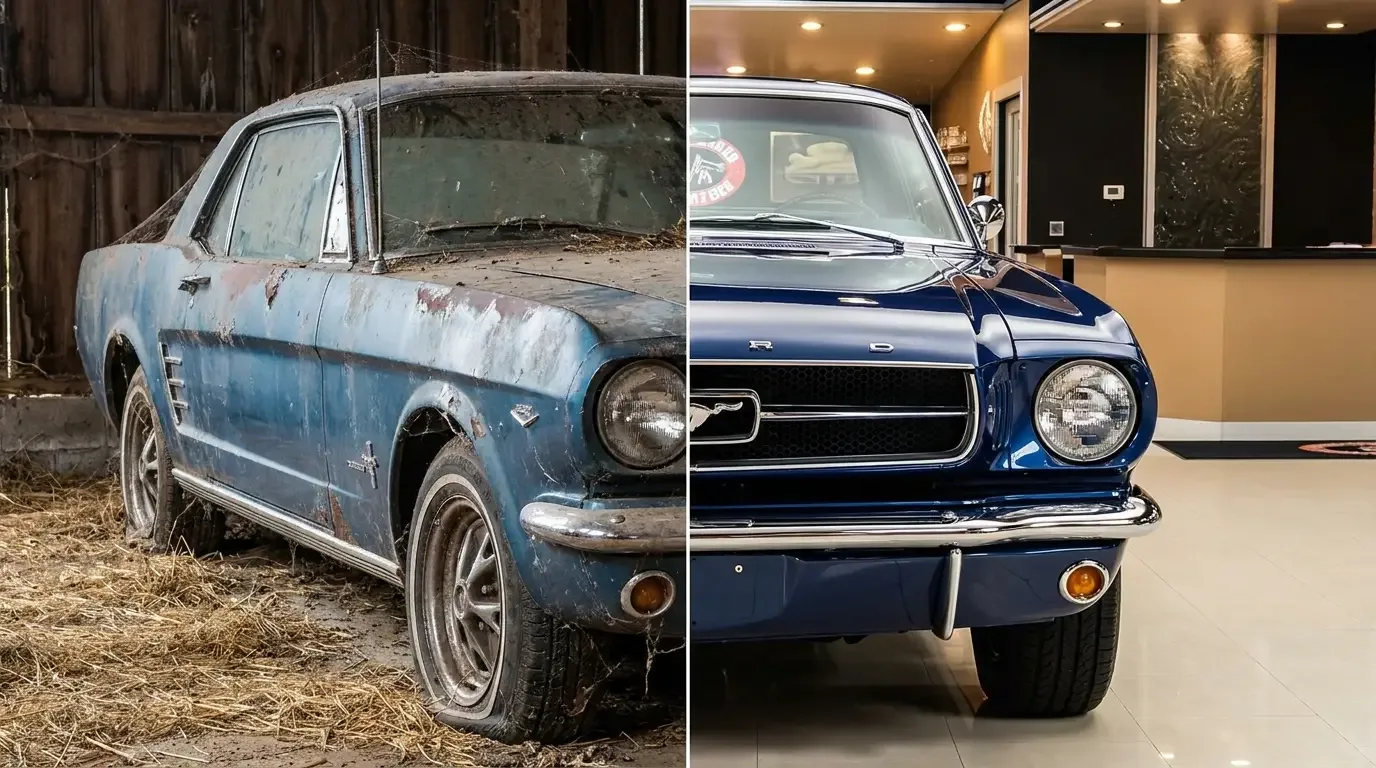
The number that breaks hearts is not the asking price. It is the difference between what a running, sorted example is worth and what it costs to get your barn car to that state. People anchor on the top figure they saw online and forget it describes a finished car, not a sleeping one.
Consider a modest example. Say you buy a common 1960s coupe out of a barn for 4,000 dollars because the photos looked charming. A seized engine that needs a rebuild is real money before you have touched anything else. Add a fuel system flush and replacement, all new brake and fuel lines, tires that are round but 30 years old and unsafe, an interior the mice claimed, and paint if you ever want it to look like the fantasy. That charming 4,000 dollar car can pass 20,000 dollars invested while a clean, sorted one that someone else already finished sells for 15,000. You did not find treasure. You bought a job and paid a premium for the privilege of doing it.
"The barn does not owe you a fortune. It owes you the truth, and the truth is usually a long list. The people who come out ahead are the ones who read that list before they fall in love, not after."
Patrick Walsh
This is why the honest buyers I respect do their crying at the barn, flashlight in hand, before any money changes hands. They assume the worst and let the car prove them wrong, instead of assuming treasure and letting the car prove them broke.
How to keep the fantasy from costing you
You do not have to kill the romance to survive it. You just have to check it against a floor jack and a flashlight. A barn find can be a genuinely good buy. It is a bad religion.
The discoveries that go viral are real, and every so often somebody does peel a tarp off a fortune. But treating that as the expected outcome is how ordinary buyers overpay for rust and heartbreak. Respect the myth for what it is, a great story, and buy on the reality, which is a car that has to earn every dollar back one honest inspection at a time.
Sources and notes
- Period and contemporary automotive press coverage of notable storage and estate discoveries.
- Collector-car auction house records and sale results for barn-find and preservation-class vehicles.
- Marque club and registry guidance on evaluating long-stored cars.
- Restoration-shop and independent mechanic interviews on typical revival costs for cars stored for decades.
Related Reading
Have a
Classic Car
for Sale?
Reach thousands of serious classic car collectors across the US.
Sell It Here →
Are You a Classic Car Dealer?
List your full inventory and connect with targeted classic car buyers.
Join as a Dealer →

About the author
Patrick Walsh
Automotive journalist covering classic car shows, events, and the enthusiast community across North America.
Comments
Be the first to comment on this article.