
The early barracuda collectible case does not get made often enough, and the numbers back up why it should. While Mustang and Camaro prices from the same era have climbed into territory that prices out a lot of buyers, first-generation Barracudas from 1964 through 1966 remain one of the more accessible entry points into genuine 1960s Detroit history, and the gap between what these cars offer and what they cost is worth a hard look.
Car Features
7 min read
Why Early Barracudas Are Quietly Collectible
First-generation Barracudas remain priced well below comparable Mustangs despite similar engineering and an earlier launch date, making them a genuine value play for the right buyer.
The price gap that does not make sense on paper
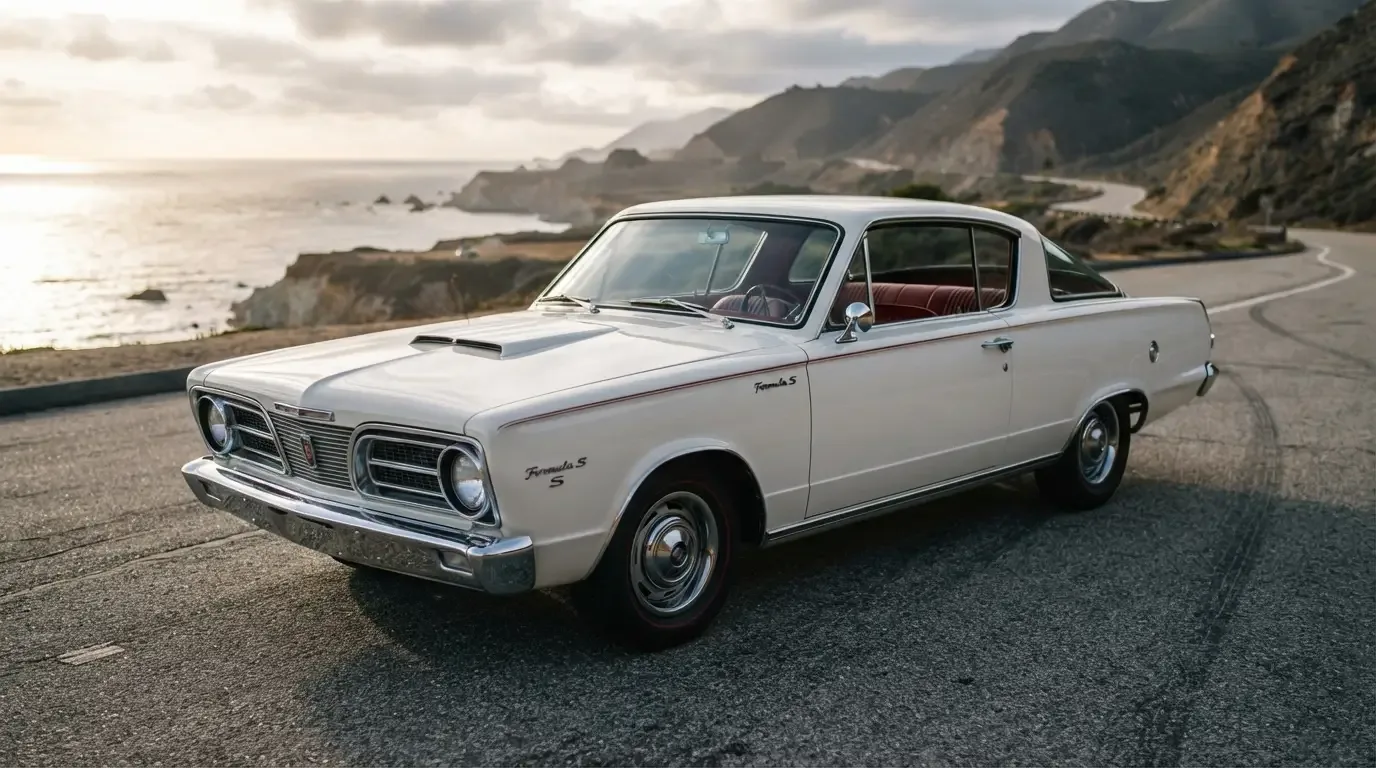
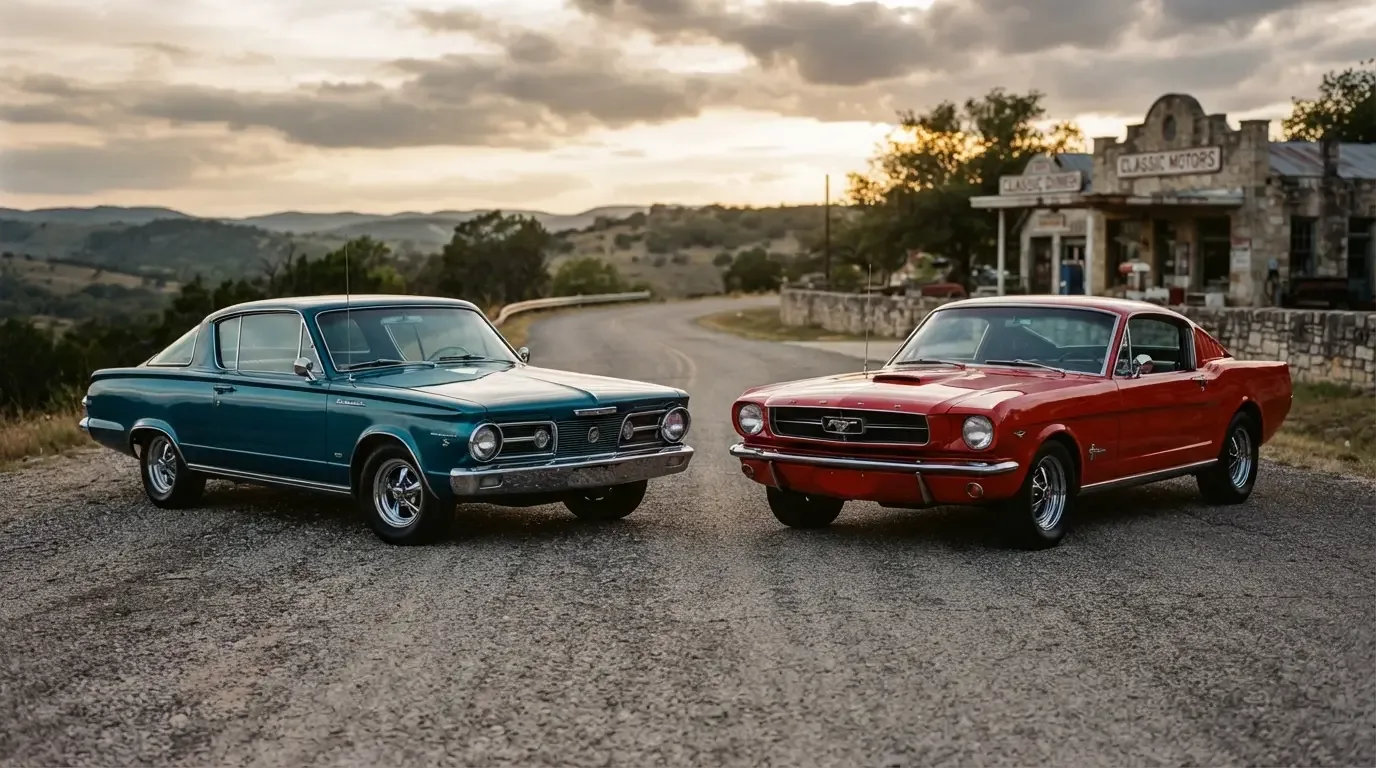
Comparable-condition first-generation Mustangs routinely sell for meaningfully more than equivalent Barracudas from the same model years, despite the Barracuda beating the Mustang to market and offering similar levels of period engineering and styling ambition. Hagerty's own valuation guides consistently price clean, driver-quality 1965 and 1966 Barracudas below what a comparable base Mustang commands, and that gap tends to widen further once you compare optioned Formula S cars against Mustang GT equivalents, though the exact spread shifts with the market and varies by specific condition and options.
This gap is not a reflection of build quality or engineering merit. It is almost entirely a function of brand recognition and marketing history. The Mustang's launch dominated the cultural conversation in 1964 so completely that six decades later it still commands a premium tied to that reputation, while the Barracuda, despite its earlier launch date and genuinely clever engineering, never built the same mass-market mythology. For buyers who care about the underlying car rather than the badge's fame, that gap is opportunity.
What actually drives value within the generation
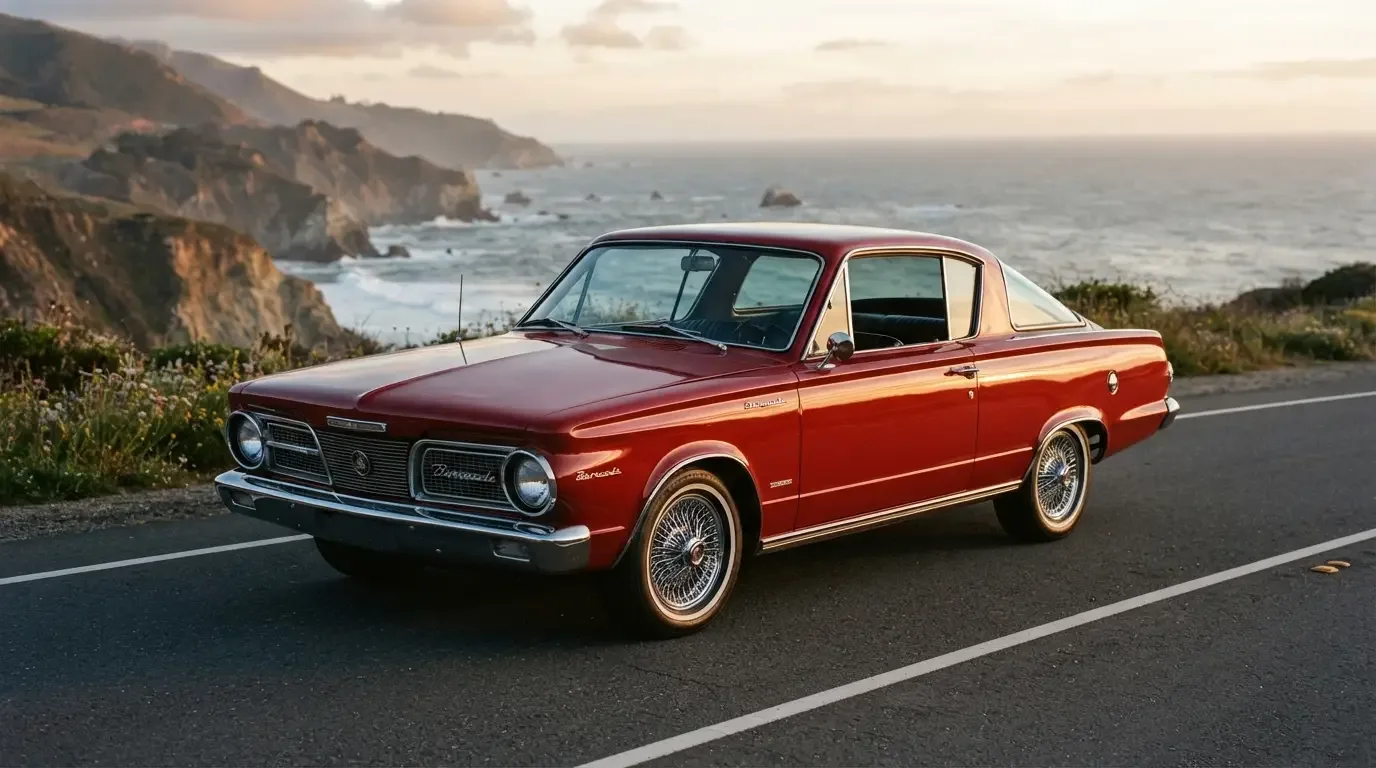
Not every first-generation Barracuda is an equally good buy. Plain slant-six coupes, which made up the bulk of production across all three model years, sit at the affordable end of the market and represent a reasonable entry point for someone who wants the styling and history without a large budget. Formula S cars, particularly those with the V8 and four-speed manual transmission, sit meaningfully higher, and documented, numbers-matching examples with verifiable build sheets command the strongest prices within the generation.
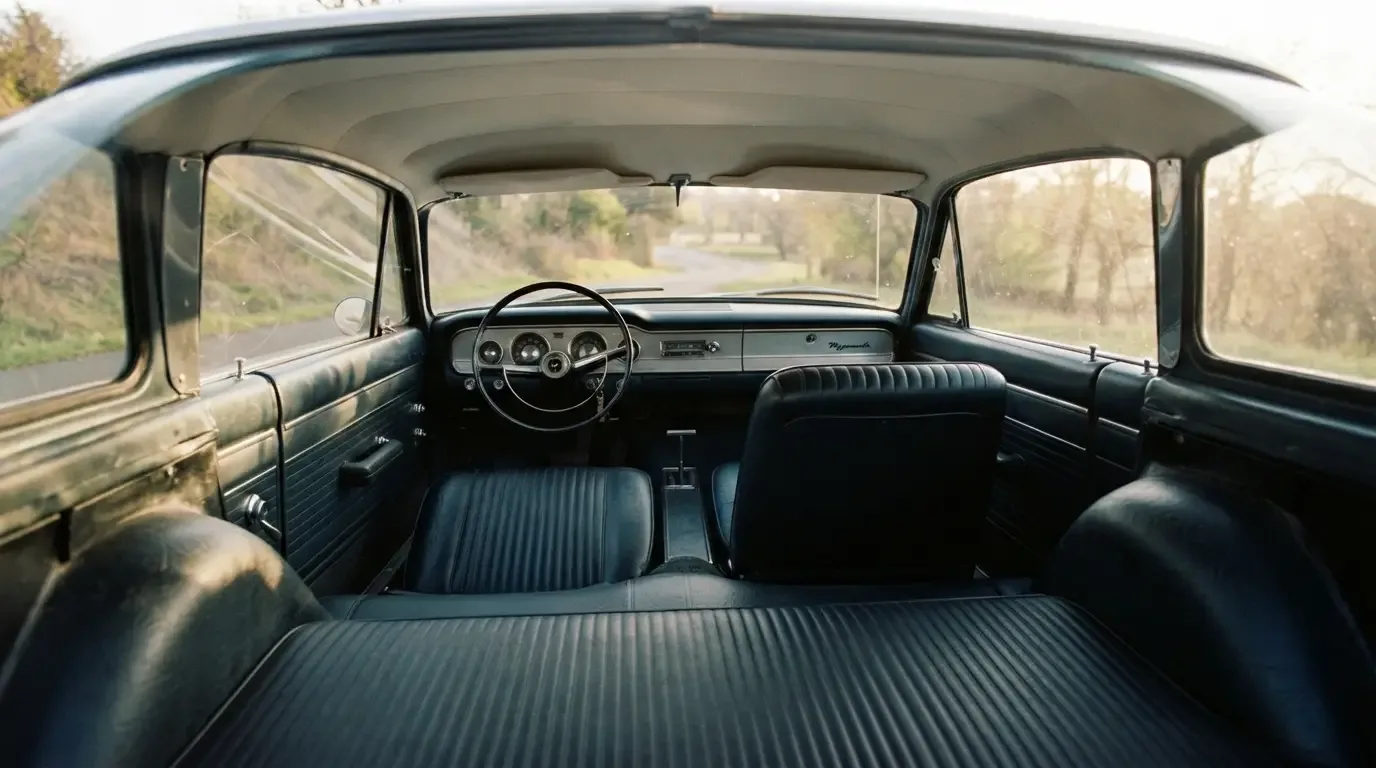
Originality matters as much here as in any collector segment. A car with its original interior, correct paint code, and matching drivetrain numbers will outsell a comparable car that has been reupholstered or repainted in a non-original color, even when the underlying mechanical condition is similar. Buyers who have done their homework increasingly ask for fender tags and broadcast sheets before committing, and sellers who can produce that documentation see it reflected in final sale prices.
"The Barracuda is one of the few cars from this era where the fundamentals genuinely do not match the price. That mismatch will not last forever, but it has lasted longer than I expected."
- David Mercer
The risk side of the equation
Undervalued does not mean risk-free. Parts availability for first-generation Barracudas is thinner than for Mustangs of the same era, simply because far fewer cars were built and far fewer companies have invested in reproduction parts for a smaller market. Buyers taking on a project car, rather than a driver-ready example, need to budget for the reality that trim pieces, glass, and certain interior components can take longer to source and cost more when they do turn up, compared to sourcing equivalent Mustang parts.
Liquidity is the other consideration. A Mustang in any condition tends to sell faster simply because the buyer pool is larger. A Barracuda, even a well-documented one, may sit on the market longer before finding the right buyer, which matters if you are thinking about this as a near-term flip rather than a longer-term hold.
How the ownership experience compares day to day
Value on paper is one thing, but the day-to-day case for a first-generation Barracuda holds up just as well once you get past the spreadsheet. The car is genuinely easy to live with by muscle-car standards. A slant-six or small-block Barracuda is mechanically simple, parts that are available tend to be inexpensive relative to Mustang-specific pieces even when they take longer to find, and the car's compact dimensions make it far friendlier in modern traffic and parking than a full-size muscle car from the same era. Owners who split their time between a Barracuda and a bigger, more expensive collector car frequently report driving the Barracuda more often, precisely because it does not carry the same anxiety about irreplaceable trim or a six-figure insurance valuation.
That usability matters more than collectors sometimes admit when talking about pure investment value. A car that gets driven regularly tends to be maintained better than one that sits under a cover waiting for the next auction cycle, and a first-generation Barracuda bought specifically to be enjoyed rather than merely stored plays directly to that dynamic. The people who have owned one of these cars longest are often the ones who make this case most convincingly, since they are speaking from years of actual use rather than a single appraisal.
Where the market goes from here
The trend line among specialist collectors and appraisers has been consistently toward closing this gap rather than widening it further. As the buyers who grew up idolizing the Mustang age out of the market and are gradually replaced by a younger, more research-driven collector base, brand mythology built entirely on 1964 launch-day marketing carries less weight than it once did. Buyers coming to this hobby today are more likely to have read a detailed comparison of the two cars' engineering than to have any personal nostalgia tied to either nameplate, and that shift favors cars like the Barracuda that reward a closer look.
None of this means the gap will close quickly or evenly. Formula S cars with documented history are likely to keep appreciating faster than plain slant-six coupes, and regional demand still varies enough that the same car can command noticeably different money depending on where it is sold. But the broader direction, a narrowing gap between Barracuda and Mustang pricing for comparable condition and options, looks durable rather than temporary, and buyers who get in before that narrowing runs its course stand to benefit the most.
The bottom line for buyers weighing this generation
For a buyer comfortable with a smaller parts network and somewhat longer resale timelines, the first-generation Barracuda represents genuine value relative to its Mustang competition, and that gap has not closed as quickly as the fundamentals would suggest it should. This is a buy for someone who wants the history and the engineering story more than instant liquidity, and it is a pass for someone who needs to be certain of a fast resale.
Reading the whole picture of the first generation's development and reception helps explain why the market has been slow to catch up to what these cars actually offer, since so much of the Mustang's price premium traces back to marketing momentum rather than anything measurable about the cars themselves. If the numbers here have you thinking about buying in before that gap closes further, you can find a classic Barracuda and compare current asking prices directly against what documented Mustangs of the same years are commanding.
Sources and notes
Related Reading

About the author
David Mercer
Classic car market analyst with two decades of experience tracking collector car valuations, auction results, and investment trends.
Related Listings - Plymouth Barracuda

Comments (1)
R
Roy Sandoval
2 weeks ago
Great resource for someone new to this segment. Sent it to a friend who's been asking questions about getting into the hobby.