
I have spent enough hours standing next to these cars at shows to know what stops people mid-stride, and with the first-generation Barracuda it is almost always the same feature. The a-body barracuda styling job Plymouth pulled off in 1964 took a plain compact platform and turned it into something people still stop and stare at, six decades on, and it did it without a big budget or a clean-sheet design.
Car Features
7 min read
A-Body Styling: The Fastback Fish
How Plymouth turned a plain Valiant platform into one of the most distinctive shapes of the pony car era, built around a single enormous piece of curved glass.
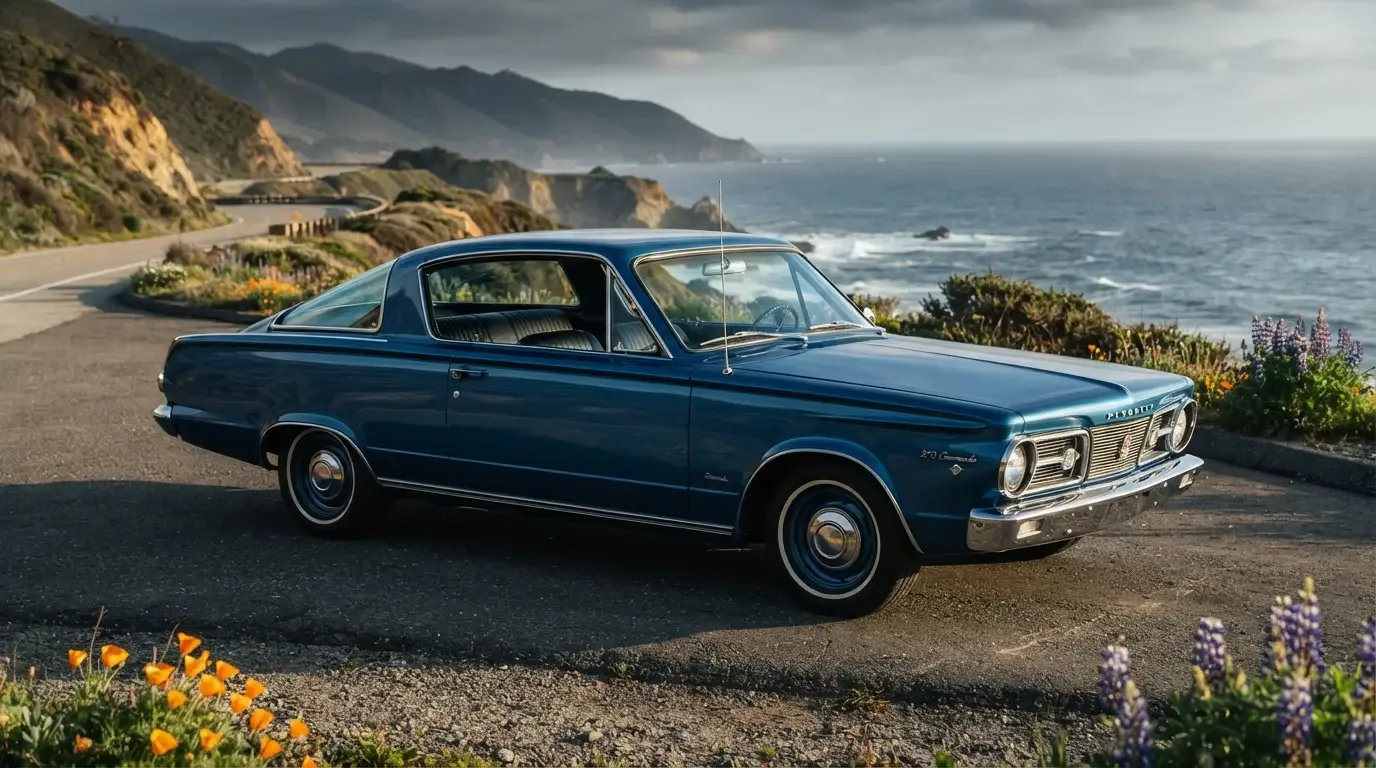
Starting from a Valiant and ending up somewhere else entirely
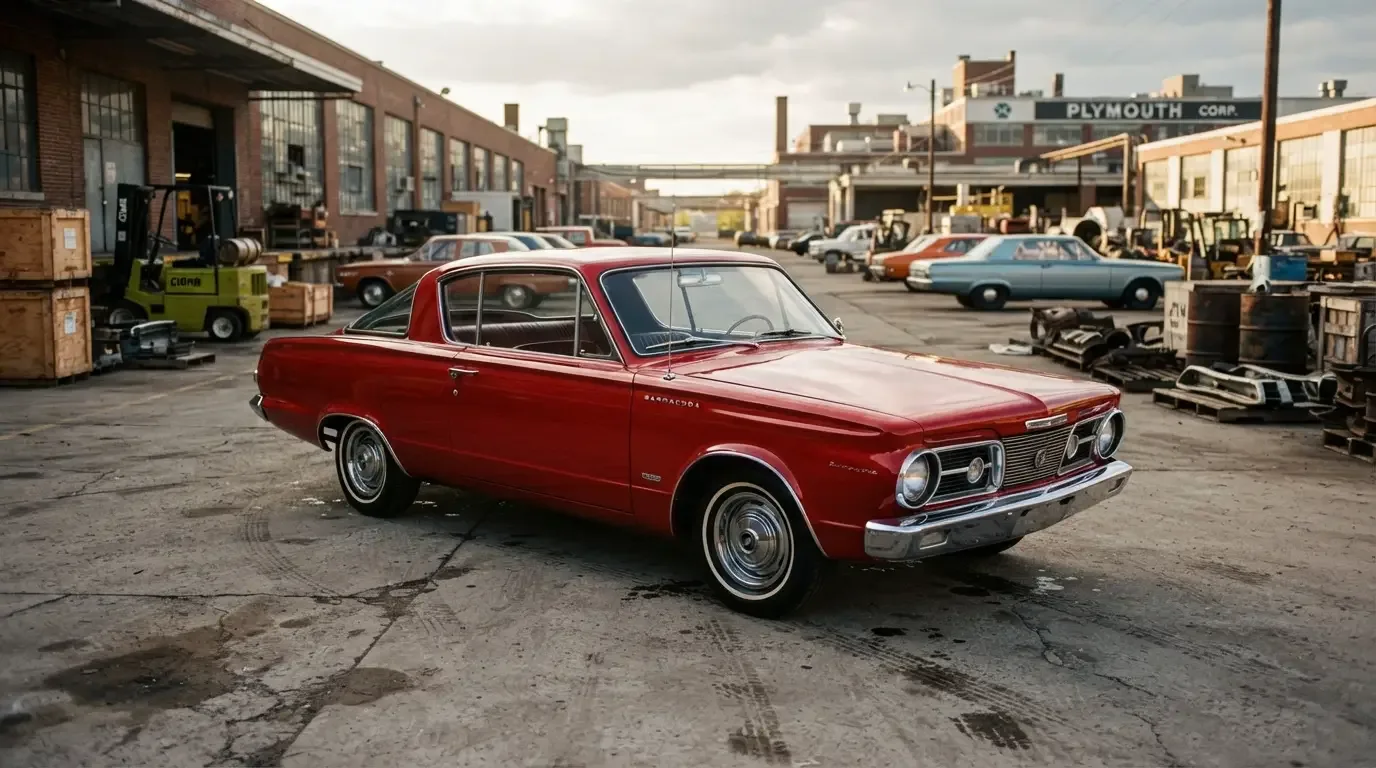
Plymouth's A-body platform underneath the Barracuda was the same basic architecture running under the humble Valiant, a car built for people who wanted cheap, reliable transportation and nothing more. That is not a glamorous starting point for what became one of the more distinctive shapes of the era, and it is exactly why the styling job deserves more credit than it usually gets. The design team had to keep the doors, the floor pan, and most of the cowl structure from the Valiant, then dress the rest of the car up enough that nobody cross-shopping it would think "economy car" when they looked at it.
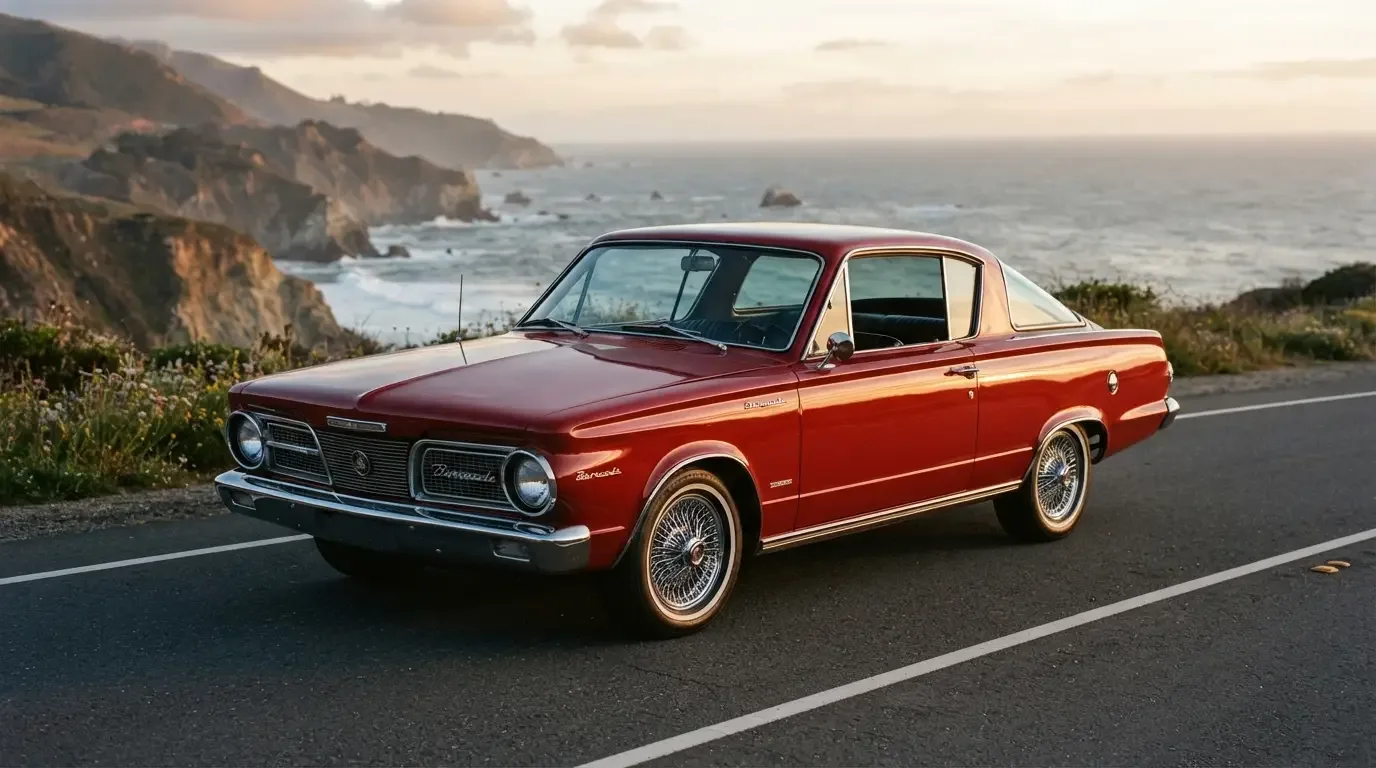
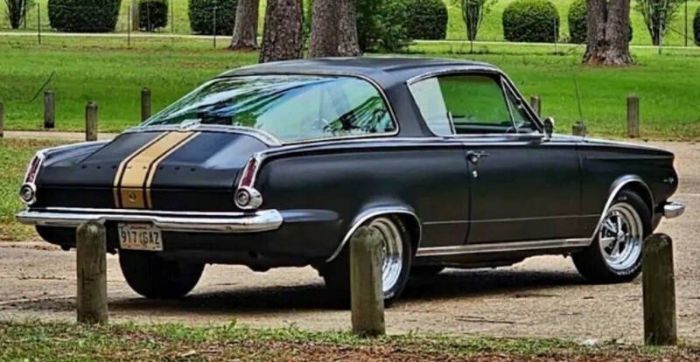
What they came up with was a fastback roofline that ran in one continuous sweep from the windshield to the tail, capped by that enormous curved rear window everybody remembers. It was not a subtle change. A Valiant is an upright, practical shape. A Barracuda, from the doors back, is a completely different silhouette, low and stretched, and the trick is that Plymouth managed this transformation while reusing the majority of the car's structure underneath.
The glass everybody talks about, for good reason
That rear window deserves the attention it gets. It was reportedly the largest single piece of curved glass installed on a production car at the time, and getting a piece of glass that size to sit right, seal properly, and survive years of daily driving without cracking was not a small ask of Chrysler's suppliers. Standing behind one of these cars, the glass does not read as a separate panel bolted on. It reads as part of the body's whole line, curving down into the trunk lid in a way that makes the whole rear end feel like one continuous piece rather than a collection of stamped parts.
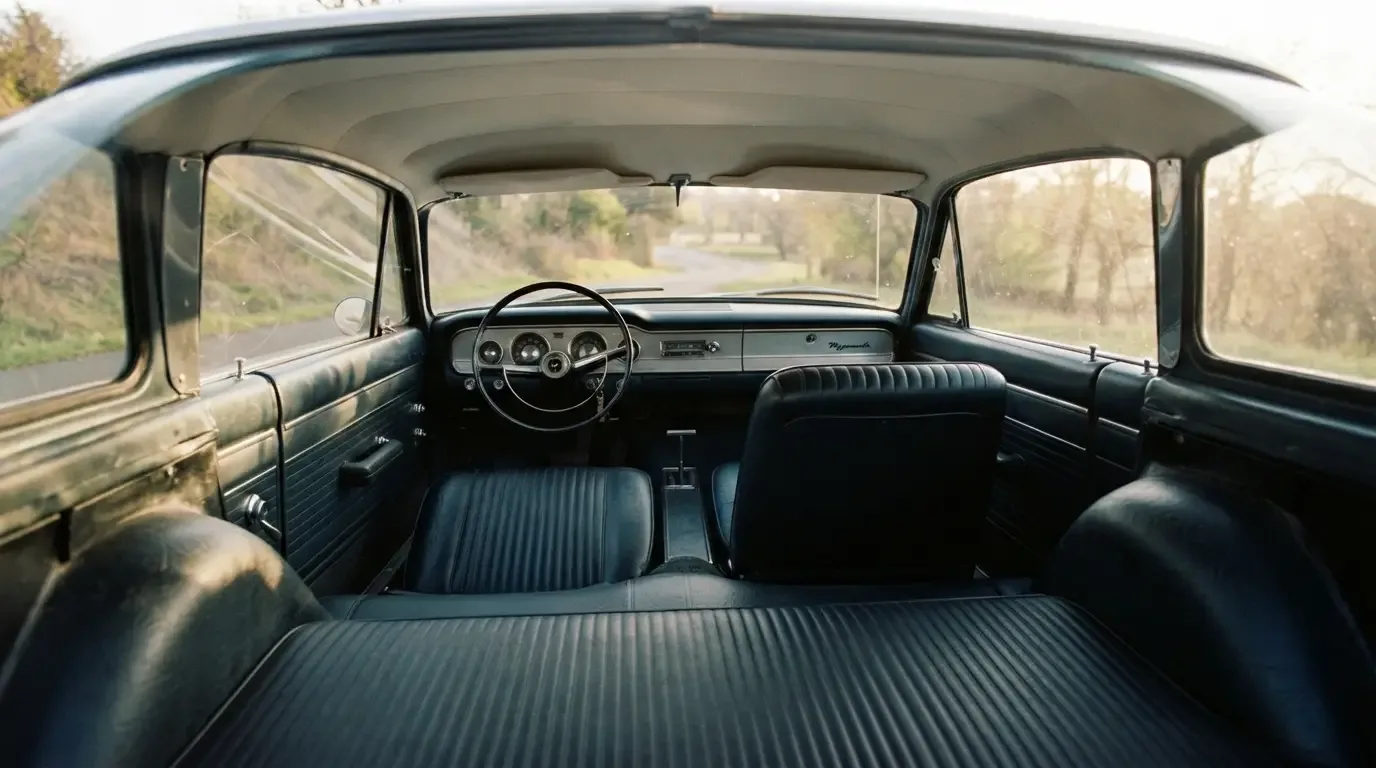
Inside, that glass also opened up the cargo area in a way nothing else on the market did at the time, with a fold-down rear seat that turned the trunk and interior into one long cargo space. Buyers who wanted a sporty-looking car that could still haul a load of gear found that combination appealing, and it is one of the quieter practical reasons the styling worked as well as it did commercially.
"You can tell a body man knew what he was doing on this car the second you run your hand along that quarter panel into the glass. Nothing about that transition is an accident."
- Mike Sullivan
Details that separated it from the Valiant on the showroom floor
Beyond the roofline, Plymouth's stylists worked in smaller changes that added up. A distinct grille treatment, unique badging, and a different rear panel gave the car its own front and rear identity even though the doors and greenhouse structure below the beltline stayed close to Valiant spec. Two-tone paint options and a sportier dashboard layout inside pushed the car further from its economy roots. None of these were radical individually. Together, they built a car that looked and felt like its own model rather than a dressed-up Valiant, even to buyers who knew exactly what was underneath.
The wheel and tire packages available with the Formula S option added a wider stance that made the whole shape look more planted and aggressive, a visual cue that matched the improved handling those cars actually delivered. It is a good example of styling and engineering working together rather than styling covering for a car that could not back it up.
Why the shape still gets attention today
Fastback rooflines went in and out of fashion plenty of times over the following decades, but the specific proportions Plymouth landed on for this A-body still read as clean and purposeful rather than dated. Part of that is simply good design work holding up over time. Part of it is that the car's rarity today, especially compared to how many Mustangs and Camaros survive, means fewer people have seen one in person, so the shape still feels a little unfamiliar and fresh even to people who know classic cars well.
Anyone who wants the full context on how this styling fit into the car's broader launch and reception should read our complete history of the first generation, which covers how the styling decisions tied into Plymouth's rushed development schedule and the competitive pressure from Ford's upcoming Mustang.
How it compared to what else was on the road
Look at a lineup of American compacts from 1964 and the Barracuda stands out immediately, not because it was radical in some abstract sense but because almost nothing else in that price range committed as fully to one styling idea. Other manufacturers were building sportier trim packages on existing sedans, adding stripes and badges and maybe a slightly different grille. Plymouth built an entirely different roofline and rear structure on the same floor pan, which is a far bigger commitment of tooling budget and engineering time than most compact-based specials of the era attempted.
That commitment is easiest to appreciate in profile. From the front, a 1964 Barracuda reads recognizably as a Valiant relative, sharing headlight placement and much of the hood and fender structure. From the side, starting around the base of the windshield, the car becomes something else entirely, the roofline dropping and stretching in a way the Valiant sedan never attempted. That contrast between a familiar front end and an unfamiliar profile is part of what made the car memorable to people seeing it for the first time on a dealer lot.
Color and trim choices that reinforced the shape
Plymouth's color palette for the Barracuda leaned toward brighter, more saturated options than the typical Valiant buyer would have chosen, another subtle signal that this car was meant to be seen rather than simply driven. Two-tone treatments, where offered, tended to emphasize the fastback's horizontal lines rather than break them up, a choice that shows real attention from whoever was making these decisions inside Plymouth's styling studio. Chrome trim around the greenhouse and along the beltline was kept relatively restrained compared to some of the more ornate compacts of the period, letting the shape itself do the visual work rather than relying on brightwork to catch attention.
What to look for if styling is what draws you in
If the shape is what pulls you toward one of these cars, condition of that rear glass and the surrounding sheet metal should be near the top of your checklist, since replacement glass for this specific application is scarce and expensive when you can find it at all. Panel fit around the fastback taper is also worth a careful look, since decades of sun and weather have a way of finding the weak points in any curved body section. Rust at the base of that rear glass, where the curved panel meets the trunk structure, is a particularly common trouble spot worth inspecting closely on any car you are seriously considering.
If the styling has you hunting for one of your own, you can browse browse classic Barracuda listings and see current examples firsthand, glass and all.
Sources and notes
Related Reading

About the author
Mike Sullivan
Detroit-area muscle car enthusiast and restoration specialist with three decades of hands-on experience working on American iron.
Related Listings - Plymouth Barracuda
Comments
Be the first to comment on this article.