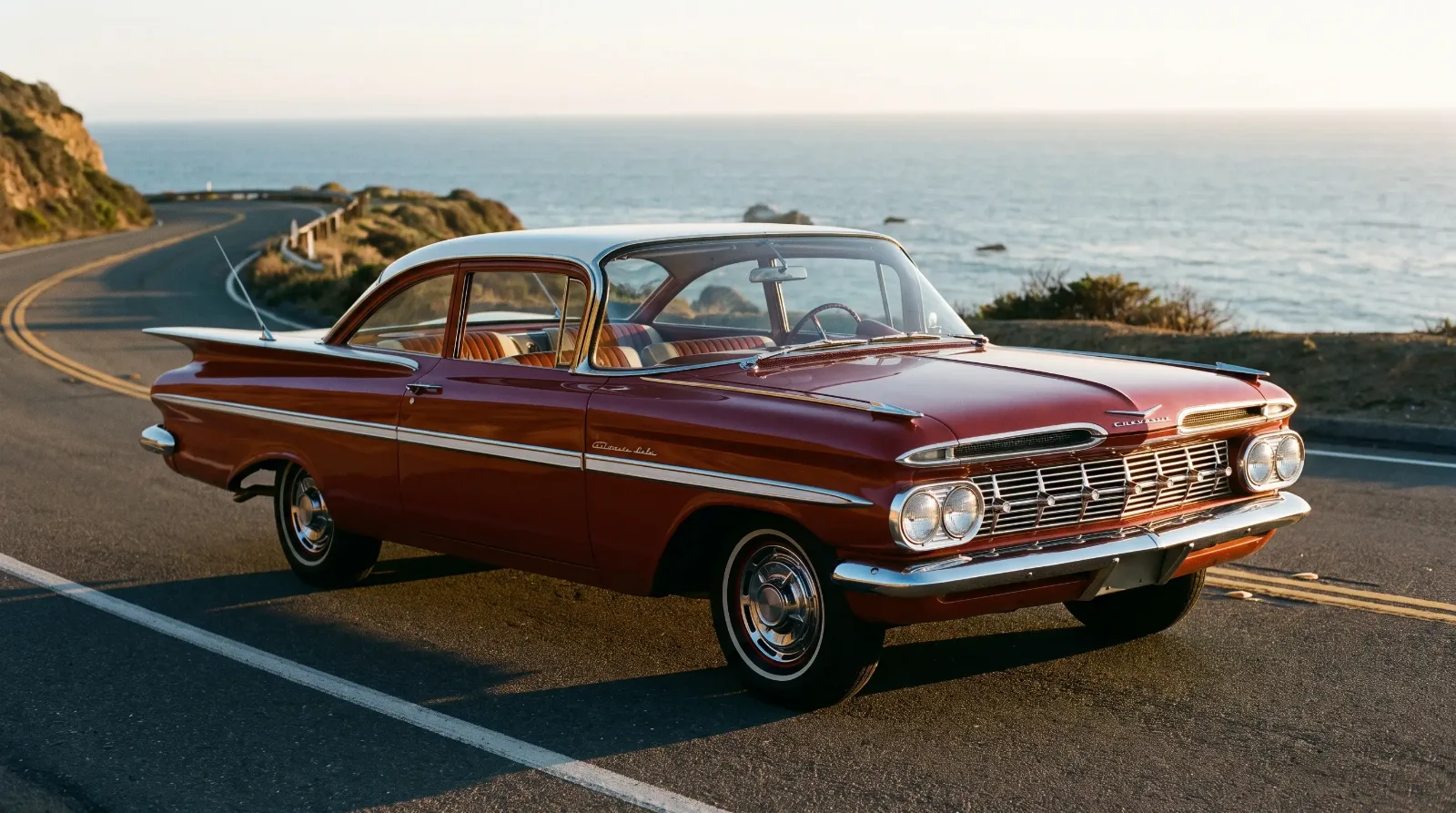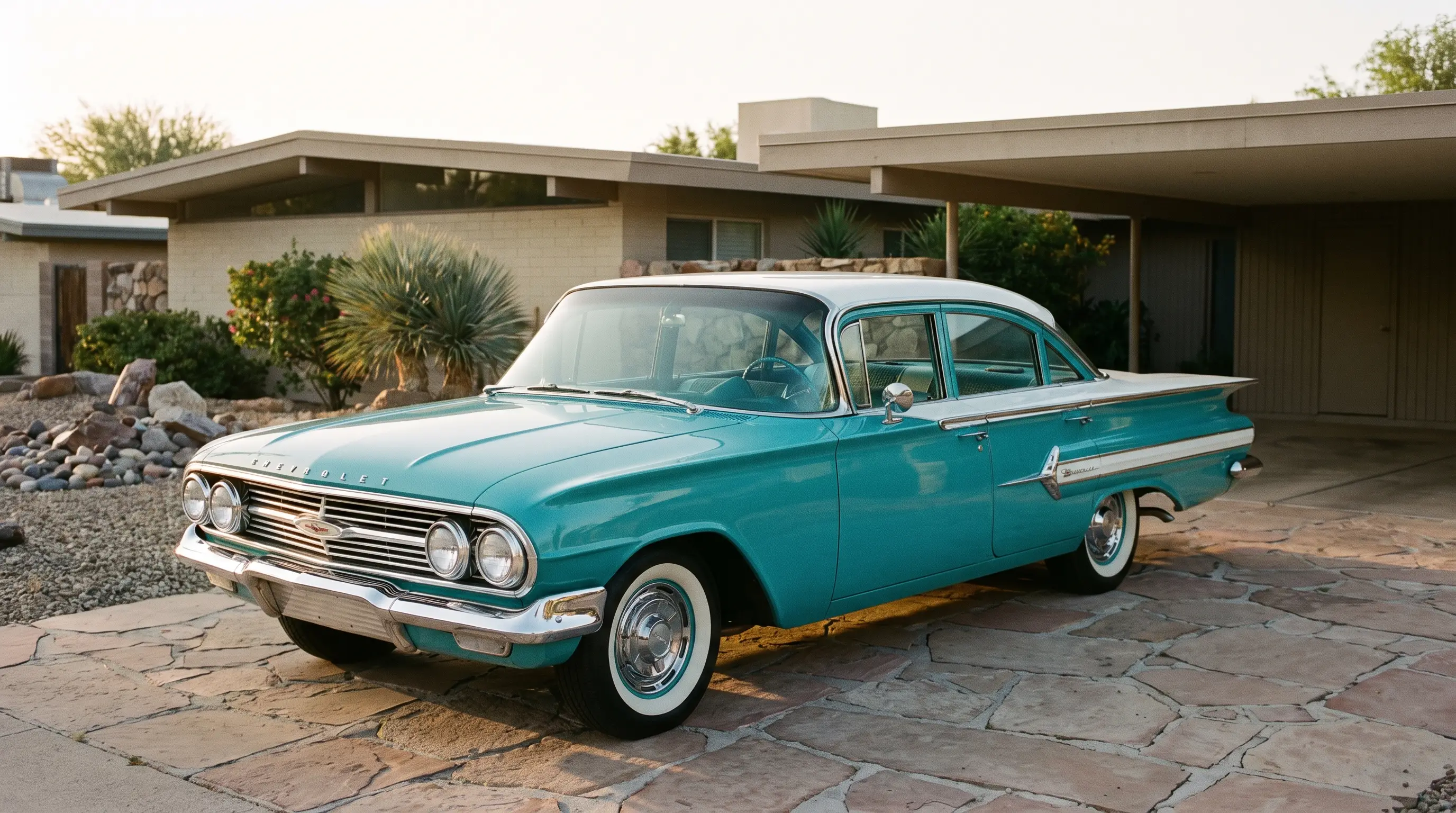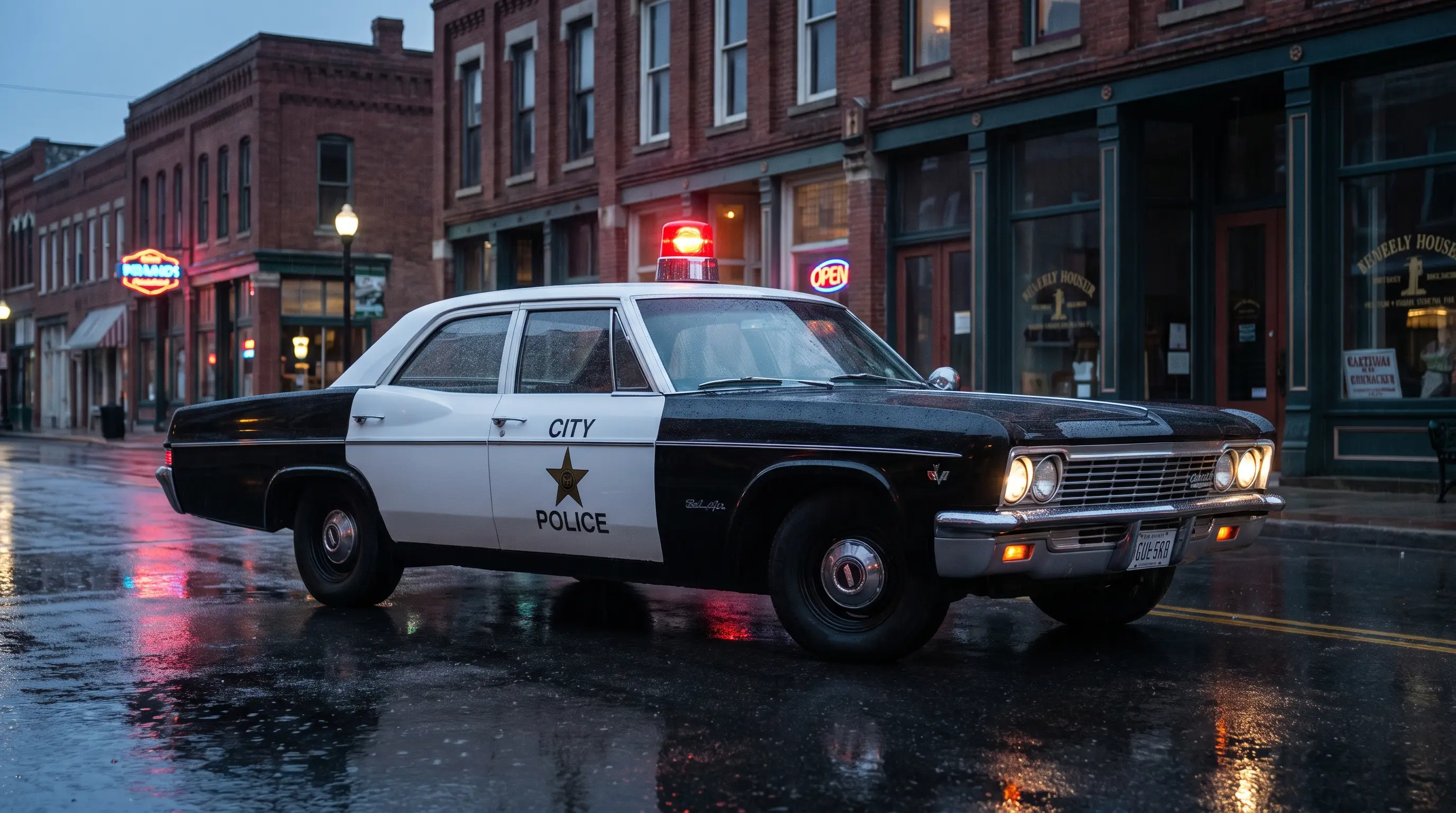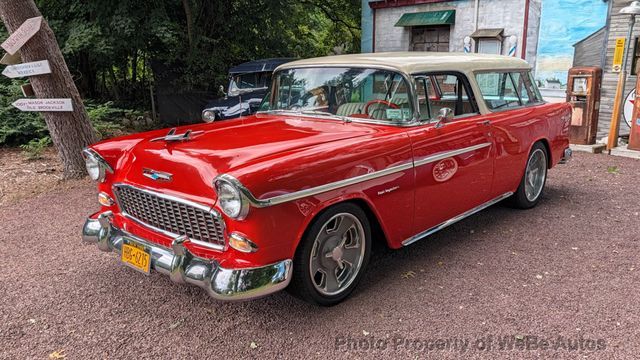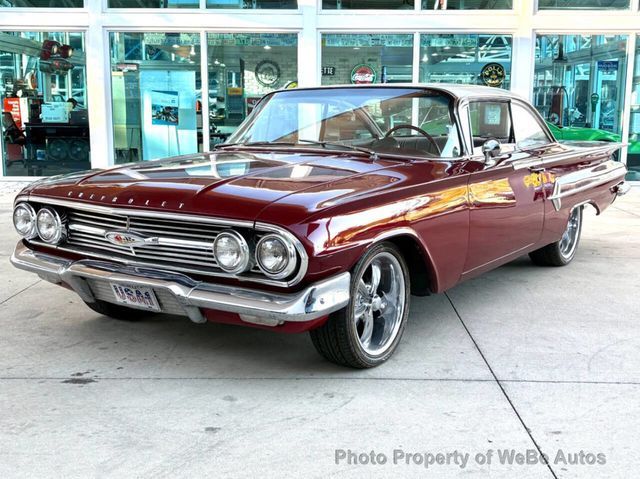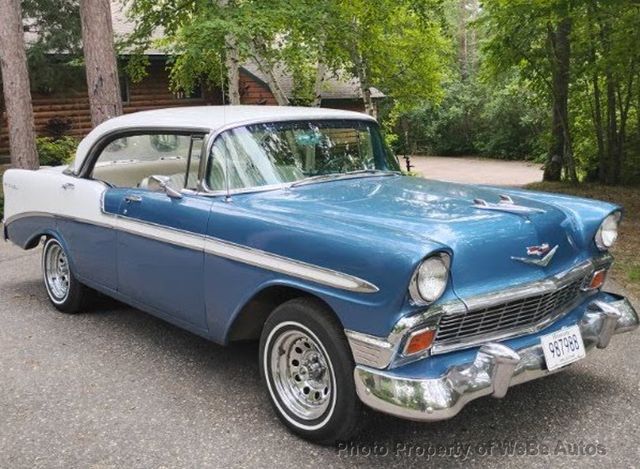
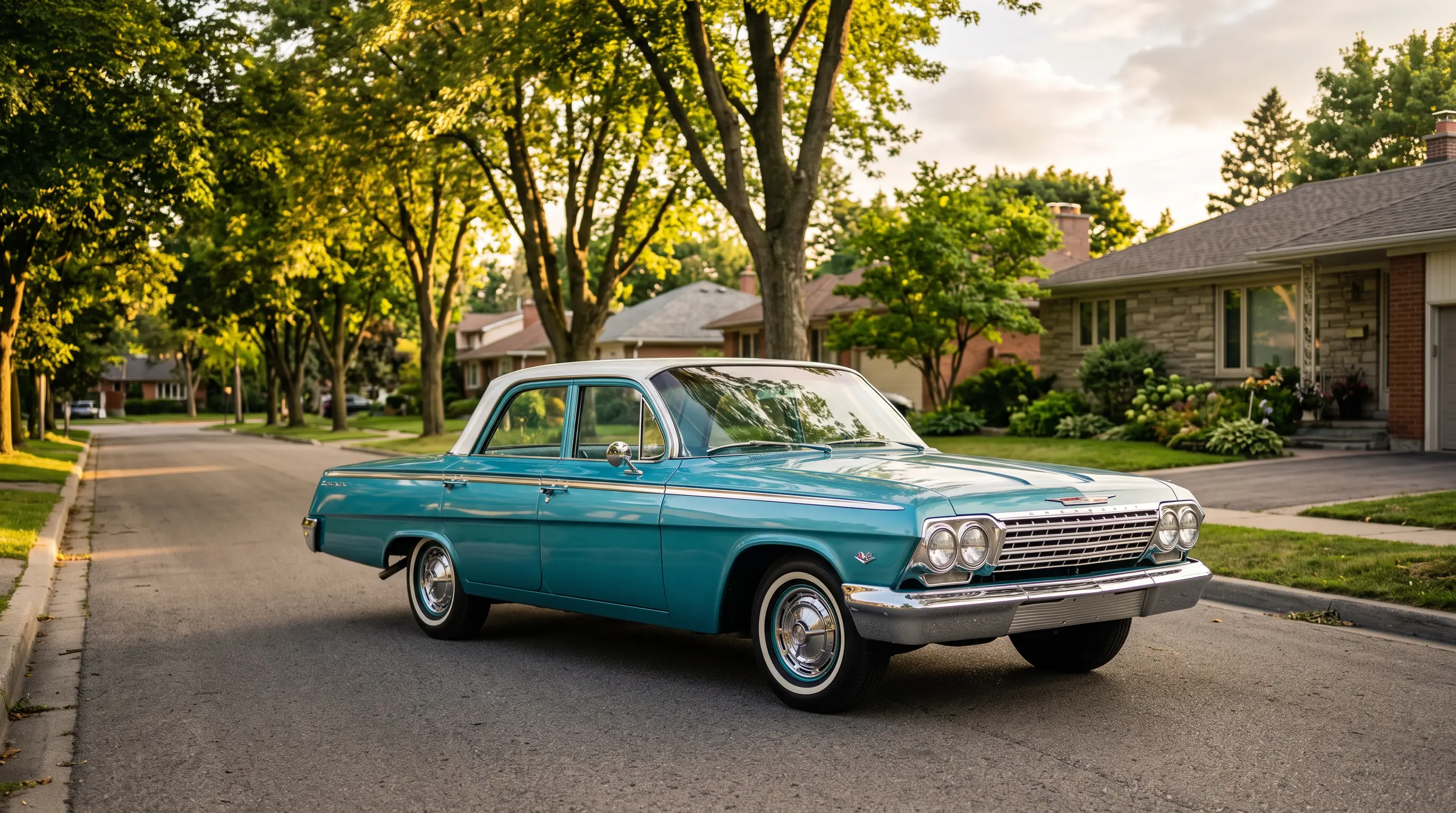
By 1962 the Chevy Bel Air had settled into a strange and comfortable middle age. It was no longer the flashiest car in the Chevrolet lineup, that job belonged to the Impala, and it was no longer the cheapest, the Biscayne handled that end of the showroom. The 1962 chevy bel air sat in the space between, a full-size car built for people who wanted Chevrolet reliability without paying for chrome they would never look at twice. Production records for this era tell a quieter story than the tailfin years, but it is not a lesser one.
A body redesigned for a new decade
General Motors reskinned its full-size cars for 1961, dropping the flamboyant fins that had defined the late 1950s in favor of cleaner, more rectilinear panels. The Bel Air rode this new body through 1964, and the change mattered more than it looked. Chevrolet was chasing a wider, more conservative buyer, someone who wanted a big American sedan without the theater. The roofline lost its wraparound windshield, the trunk lost its exaggerated overhang, and the whole car reads today as more restrained, almost European in its discipline compared to what came before.
Inside the lineup, Chevrolet kept splitting hairs between trims. The Bel Air carried more brightwork than a Biscayne but far less than an Impala. Bench seats, a simple dash, and a straightforward set of options defined the cabin. This was the car a family bought when they wanted something a step above basic transportation but had no interest in bucket seats or a console.
Engines built for everyday duty and the occasional stoplight
The base engine through these years remained Chevrolet's dependable inline six, the workhorse that powered fleets, farms, and first cars for a generation. But the options sheet is where the 1962 chevy bel air gets interesting. Buyers could step up through a series of small block V8s, and the 409 cubic inch big block, first offered in limited numbers on the full-size cars in mid-1961 and available more broadly from 1962 on, was the same engine the Beach Boys immortalized in their song released that same year. Most Bel Airs left the factory with something far tamer under the hood, a 283 or 327 small block tuned for smooth power rather than quarter mile bragging rights. the full story on that engine belongs elsewhere in this series, but its presence on the order sheet says something about how seriously Chevrolet took performance even in a car marketed as sensible.
Transmission choices ranged from a three speed manual on the column to Chevrolet's Powerglide automatic, with a four speed available for buyers who checked the right performance boxes. None of this made the Bel Air a sports car. It made it a car that could be exactly as quick or exactly as calm as its owner wanted.
Who actually bought a Bel Air in these years
The Bel Air buyer of 1960 through 1964 was rarely chasing status. He or she was often a second time Chevrolet owner, someone who had driven a Bel Air or a Biscayne before and wanted the same brand loyalty with a little more comfort. Fleet buyers liked the car too, and taxi companies and small businesses ordered Bel Airs in numbers that rarely show up in enthusiast histories but kept the model profitable for Chevrolet year after year. It was not a car built to be remembered. It was a car built to be used, and used hard, which is exactly why so few clean examples survive from this window compared to the flashier Impala.
That scarcity has quietly reshaped the collector market. A well kept Bel Air from these years, especially one with a V8 and a manual transmission, has become harder to find than its production numbers would suggest, simply because so many were driven into the ground doing exactly the job Chevrolet built them for.
"Everybody remembers the Impala from these years because it was the car in the ads. Nobody remembers that the Bel Air outsold it in some configurations, because nobody photographed a taxi fleet for a brochure."
- Tom Ramirez
How the 1962 Bel Air fits the bigger Chevrolet story
This period sits in the middle of a longer arc for the nameplate, one that stretches from its introduction as a top trim in the early 1950s through its eventual fade from the American market decades later. If you want the origin points that set up everything discussed here, read the background on how the full-size Bel Air took shape before this generation arrived. The police and fleet role the car played during these same years is also worth a look too, since so many 1962 and 1963 Bel Airs left the factory bound for municipal contracts rather than driveways.
What makes the 1960 through 1964 cars distinct within that arc is the balance they struck. They were not the entry model, they were not the flagship, and that middle position let Chevrolet experiment quietly with engine offerings, trim packages, and body styles without risking the brand's image the way a change to the Impala would have. The 409 option on a car this understated is the clearest evidence of that freedom.
Buying one today
Collectors chasing this generation should pay close attention to body style. A two door hardtop or a rare Bubbletop coupe from these years commands far more attention than a four door sedan, though the sedans remain the more honest daily represenation of what the Bel Air actually was to most owners. Numbers matching 409 cars are the trophy pieces here and priced accordingly, while six cylinder sedans remain genuinely affordable entry points into full-size classic Chevrolet ownership.
Parts, colors, and the small details that separate cars
Chevrolet offered a wide range of exterior colors across this generation, from muted grays and tans aimed squarely at fleet buyers to brighter blues and greens ordered by private owners who wanted a little personality without stepping up to an Impala. Interior trim followed the same pattern, with vinyl and cloth combinations that leaned practical rather than showy. None of it screamed for attention, and that restraint is part of what gives these cars their appeal now. A 1962 Bel Air in a factory color combination, kept mostly stock, reads as an honest artifact of its decade rather than a restoration project chasing a look that never existed on the showroom floor.
Parts availability has improved in recent years as interest in full-size Chevrolets from this window has grown, though trim specific pieces, like correct Bel Air badging and certain interior door panels, remain harder to source than mechanical components shared across the broader Chevrolet full-size family. Buyers restoring one of these cars should expect to spend real time hunting NOS or reproduction trim rather than assuming a parts counter will have everything in stock.
For buyers ready to look at what is actually available, you can shop classic Air listings and see how this generation is currently priced against the rest of the model's long production run. The 1962 chevy bel air remains one of the more approachable entry points into full-size Chevrolet ownership, a car built without pretension that has aged into a genuinely interesting piece of the brand's history.