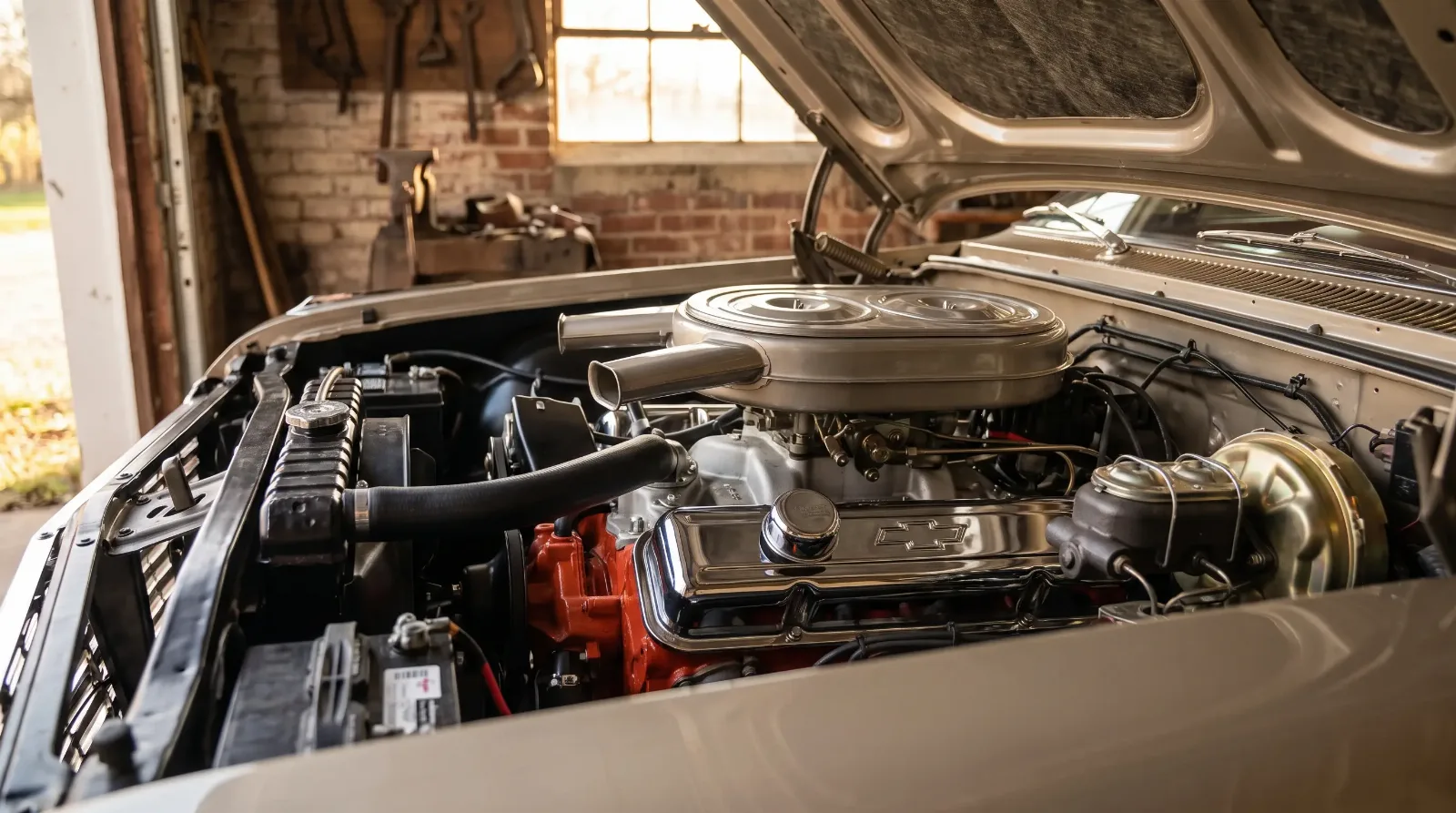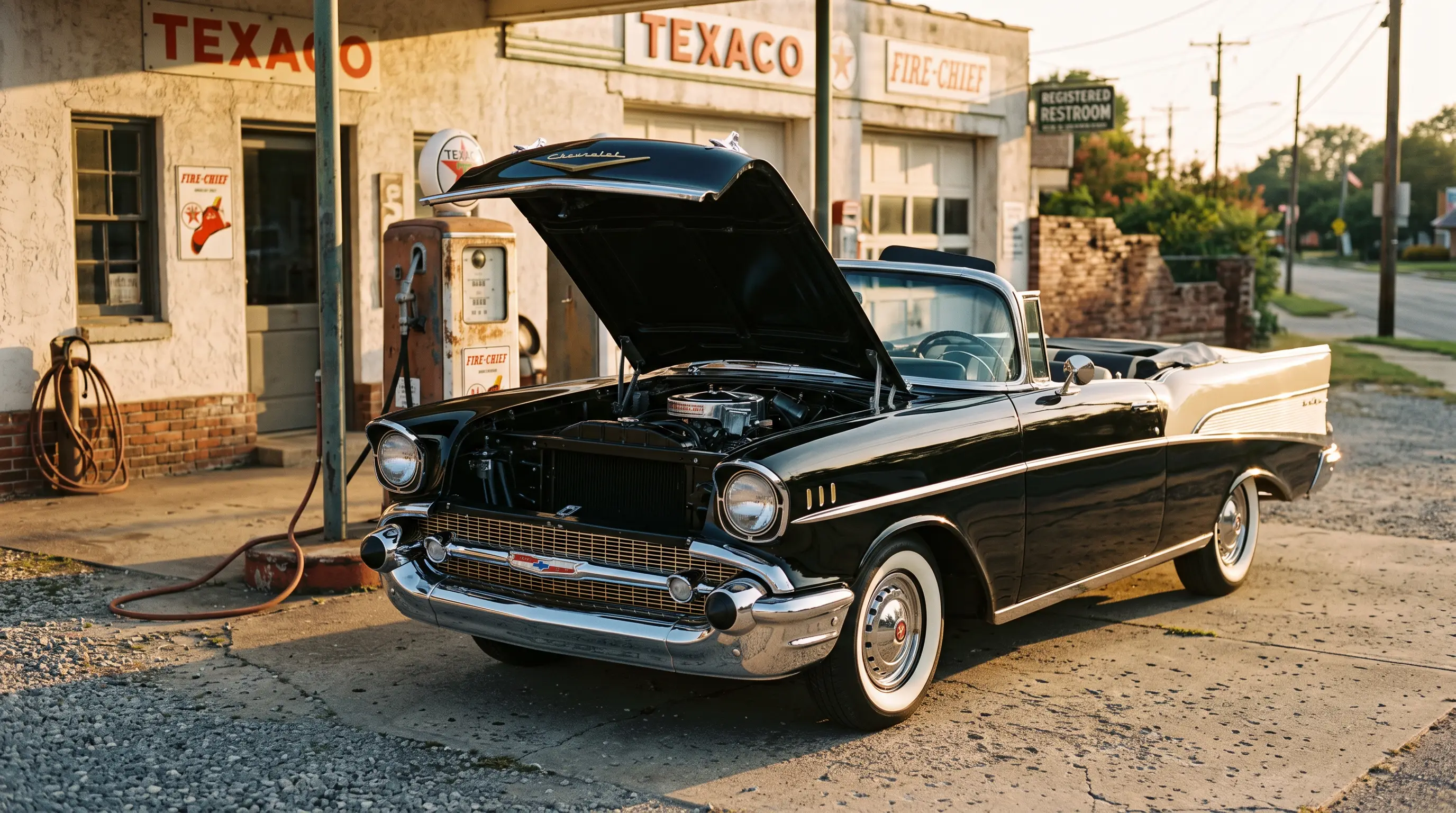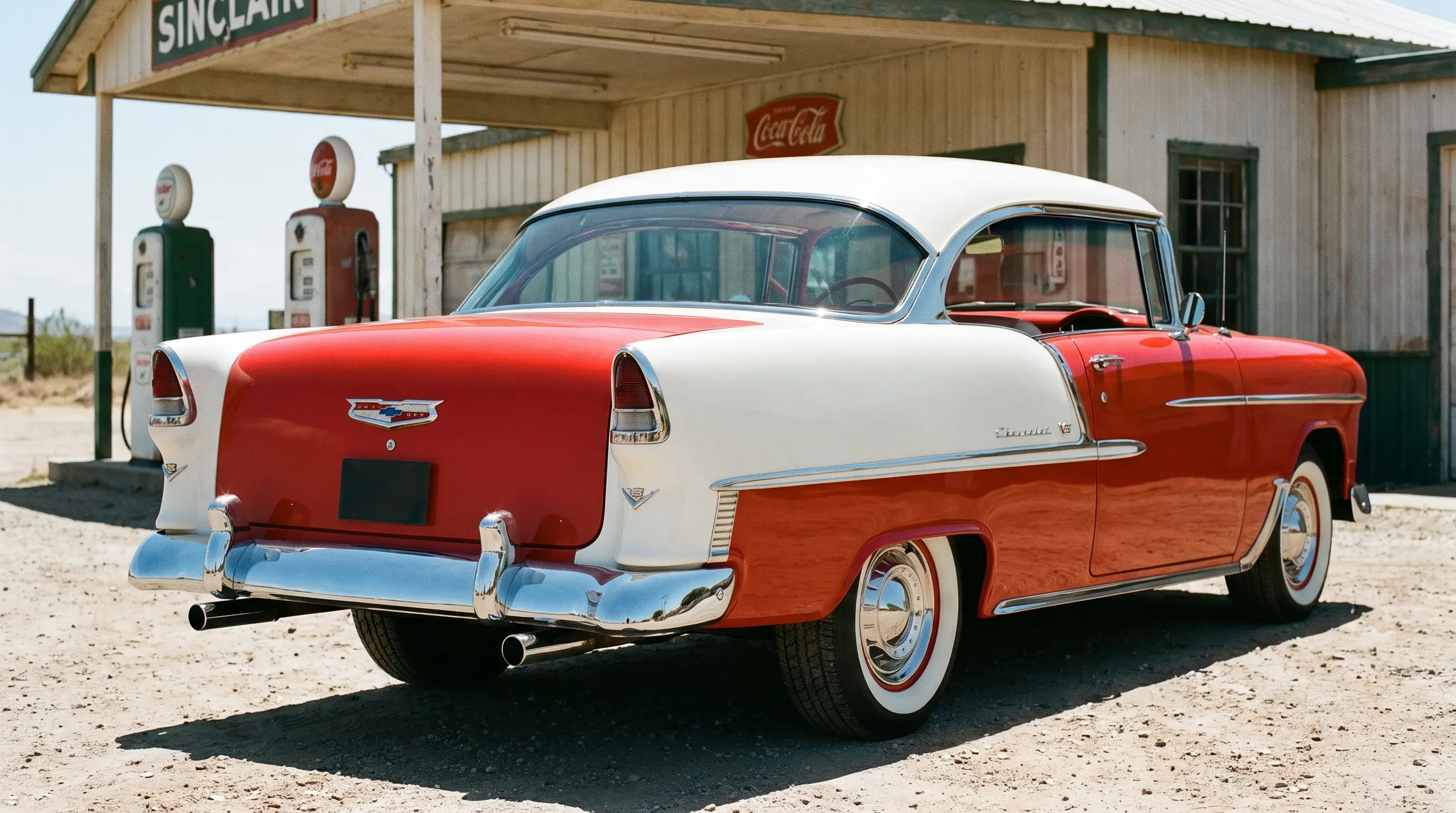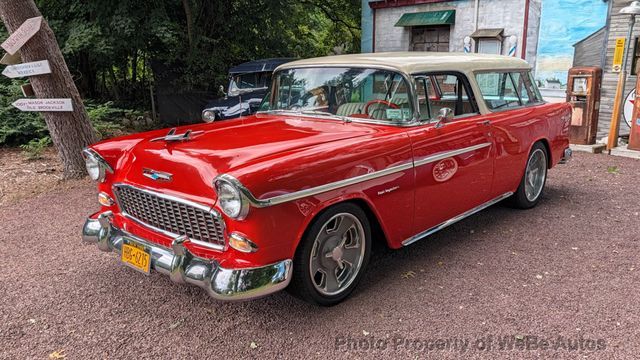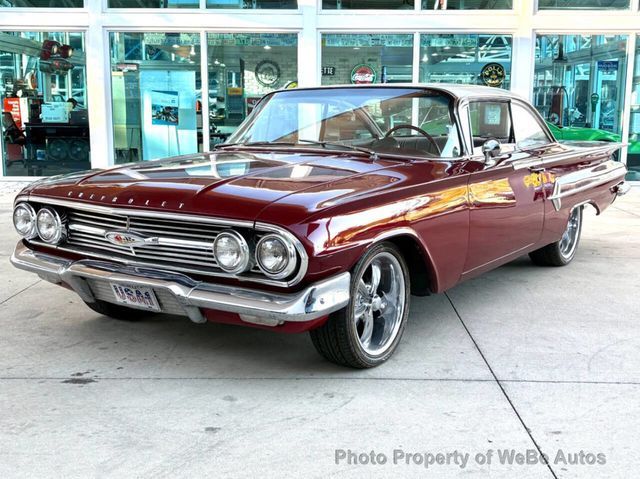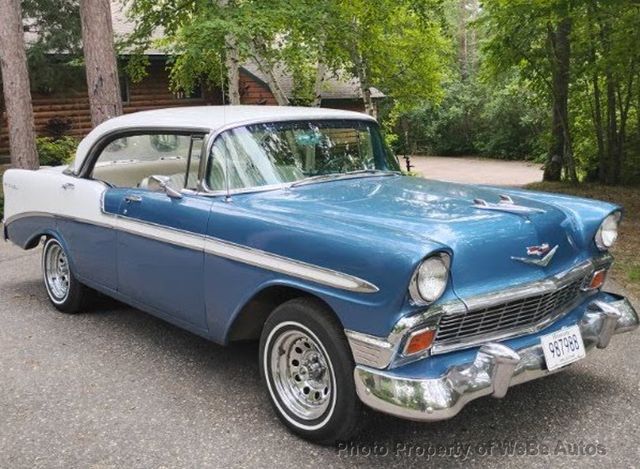
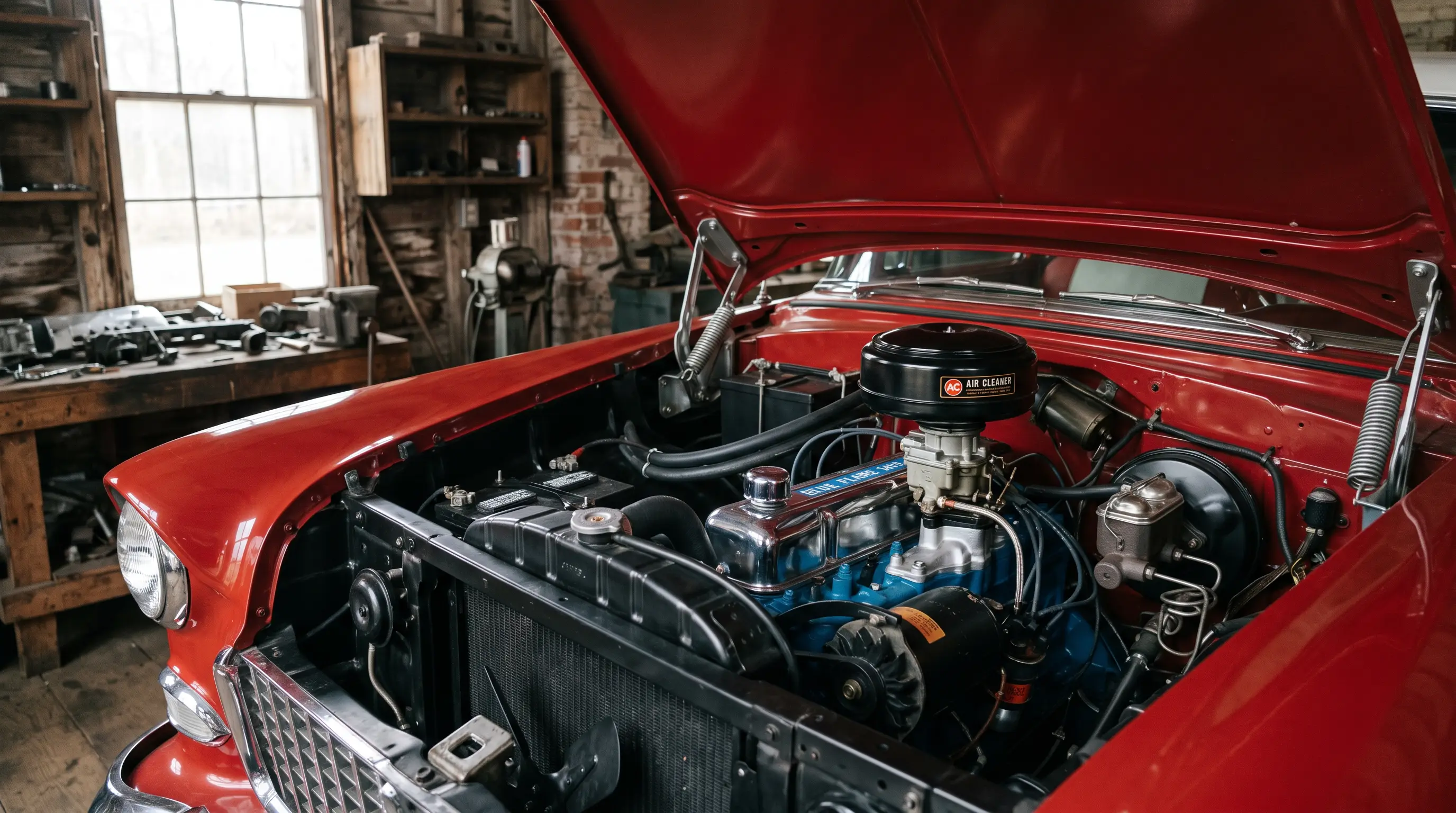
Before the small block V8 arrived and rewrote Chevrolet's identity, every Bel Air on the road ran the chevy blue flame six engine, an inline six that spent nearly two decades as the default heartbeat of the brand. It is easy to dismiss a six-cylinder engine when the V8 story gets all the attention, but the Blue Flame deserves an honest evaluation on its own engineering merits, not just as the thing the 265 replaced.
What the numbers actually looked like
The Blue Flame six displaced 235.5 cubic inches and, in its standard 1955 Bel Air tune, produced 123 horsepower. With the optional Powerglide automatic transmission, Chevrolet bumped compression slightly and offered a Powerglide-specific tune rated at 136 horsepower. Neither number sounds impressive against the V8 options that arrived the same model year, and that comparison is exactly why the six gets overlooked. Judged against its actual competition, other inline sixes from Ford and Plymouth in the same period, the Blue Flame held its own on smoothness and low-end torque delivery, if not outright power.
| Blue Flame Six Spec | 1955 Bel Air Figure |
|---|---|
| Displacement | 235.5 cubic inches |
| Standard horsepower | 123 hp |
| Powerglide tune horsepower | 136 hp |
| Configuration | Inline six, overhead valve |
Why the engine mattered before the V8 arrived
The Blue Flame traces its design back to Chevrolet's overhead-valve six that debuted in 1929, refined continuously over more than two decades before landing in the 1955 Bel Air. That is a long engineering lineage, and it shows in the engine's reliability record. This was a mature design by the time it reached its Blue Flame designation, not an unproven experiment, and buyers who wanted a Bel Air without paying V8 pricing got a genuinely dependable engine, not a compromised one.
Chevrolet actually engineered the Blue Flame's cylinder head specifically to work with the Powerglide automatic, raising compression to compensate for the power the automatic transmission absorbed. That is a small detail most casual histories skip, but it is a meaningful piece of engineering discipline. Chevrolet was not simply bolting a decades-old engine into a new car. It was still actively refining it even as the V8 program moved toward production in parallel.
"People treat the six-cylinder Bel Air as the car nobody wanted. The production numbers tell a different story. Plenty of buyers wanted a reliable, affordable Bel Air more than they wanted bragging rights at a stoplight."
- Emily Chen
How the V8's arrival changed the six's role
Once the 265 arrived in the same model year, the Blue Flame's position in the lineup shifted immediately from default engine to budget engine. It did not disappear, and it remained available for years afterward, but the sales and marketing energy moved entirely to the V8 side of the brochure. That shift is worth understanding on its own terms rather than treating it as an afterthought, because it explains a real gap in how these cars are valued today. A six-cylinder 1955 Bel Air, otherwise identical to a V8 car, typically sells for meaningfully less at auction, sometimes by a significant margin, purely on the strength of what is under the hood.
For a deeper dive into the engine that overtook it, read more on the chevy 283 engine, which picks up the small block story from where the Blue Flame left off.
The case for buying a six-cylinder car anyway
Not every buyer needs V8 horsepower, and a well-maintained Blue Flame six is objectively a simpler, cheaper engine to own and service. Parts remain reasonably available given how many were produced across nearly two decades of Chevrolet passenger cars and trucks, and the engine's reputation for longevity is well earned rather than a nostalgic exaggeration. A buyer prioritizing an honest, original, lower-cost entry point into Bel Air ownership has a legitimate reason to seek out a documented six-cylinder car rather than chasing a V8 premium they may not actually need.
That said, know what you are buying and price it accordingly. A six-cylinder Bel Air is not a lesser car in any moral sense, but it is a different market segment with different resale expectations, and pretending otherwise sets a buyer up for disappointment down the road.
What to check on a surviving Blue Flame car
Originality is harder to verify on six-cylinder cars than on the more scrutinized V8 versions, mostly because collectors have historically paid less attention to documenting them. Casting numbers on the block and head still apply the same way they would on a V8, and a seller should be able to produce them without hesitation. Watch for a common issue in this era, an aftermarket V8 conversion performed decades ago and never fully disclosed. Some sixes were pulled and replaced with a small block by a previous owner chasing more performance, which means a car advertised honestly as a six-cylinder original is worth a genuine premium over an unverified one, simply because originality itself has become the rarer trait.
Mechanically, the Blue Flame tolerates modern fuels and lubricants without the finicky behavior some more exotic period engines exhibit, and a competent independent mechanic unfamiliar with classic Chevrolets can generally still service one without specialized training. That accessibility is an underrated advantage for a first-time classic car owner who wants to actually drive the thing regularly rather than trailer it to shows.
Compression ratios and timing specifications on the Blue Flame are forgiving compared to the higher-strung V8 options, which means the engine tolerates ordinary pump gas and infrequent tuning better than some of its more temperamental contemporaries. That is not a glamorous selling point, but it is a genuinely practical one for anyone planning to put real miles on a classic rather than simply display it.
Where this fits in the bigger Bel Air story
The Blue Flame six was already under the hood when the Bel Air name first meant something special in the showroom, years before anyone had heard of a small block V8. If you want to understand where this started, the six-cylinder years are not a footnote to skip past. They are the foundation the rest of the model's reputation was eventually built on top of.
Whether you end up chasing a documented V8 or a clean, honest six-cylinder original, both stories are legitimate parts of Bel Air history. Current classic Airs on the market span both categories, and knowing which one you actually want, rather than which one you feel obligated to want, will save you money and disappointment.
The engineering case for the Blue Flame does not depend on beating the V8 on paper. It depends on a two-decade track record of doing exactly what it was designed to do, reliably and without drama, in millions of Chevrolets before the small block ever existed. That is a legitimate engineering achievement on its own terms, and it deserves to be judged that way rather than purely as the runner-up in a horsepower contest it was never built to win.
Sources and notes
- Chevrolet Stovebolt Engine - Wikipedia
- Stovebolt 6 Engine History and Information
- Everything You Should Know About The Corvette Blue Flame Six Engine - Jalopnik
- 1954 Chevrolet Corvette 235 Blue-Flame Powerglide Specs - Automobile Catalog
- 1955 Chevrolet - Wikipedia
- 1955 Chevrolet Corvette Guide - Amazing Classic Cars