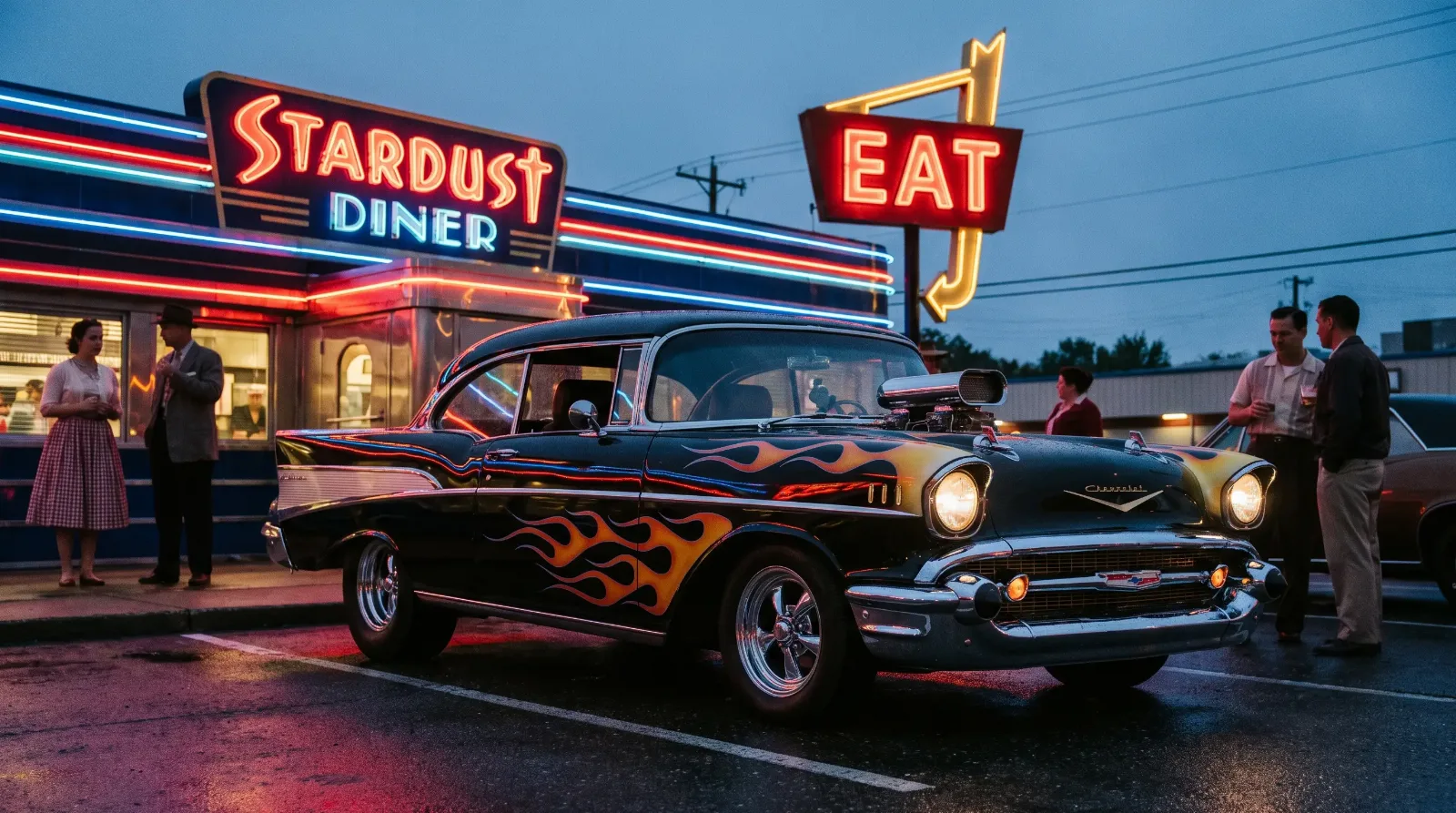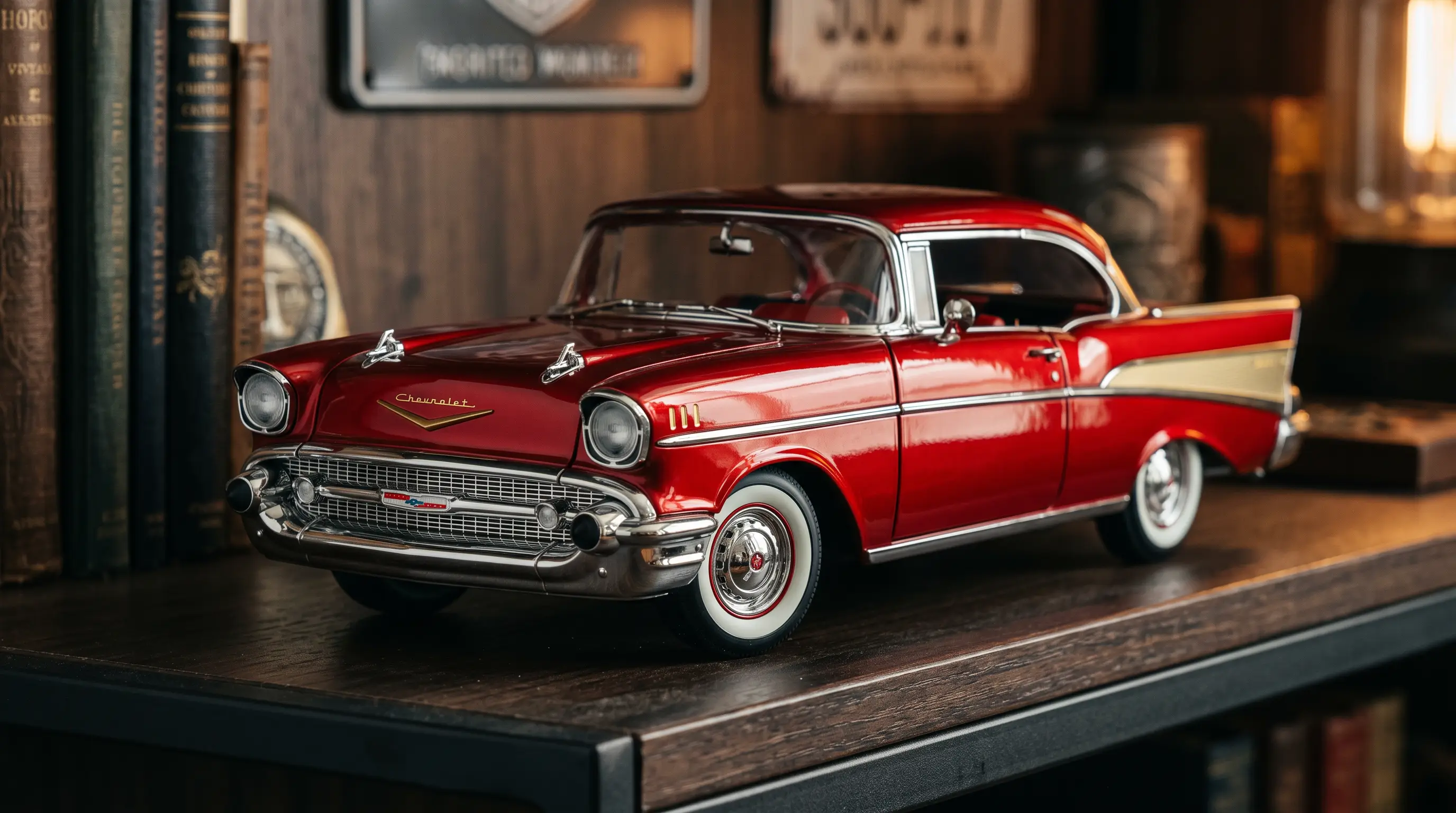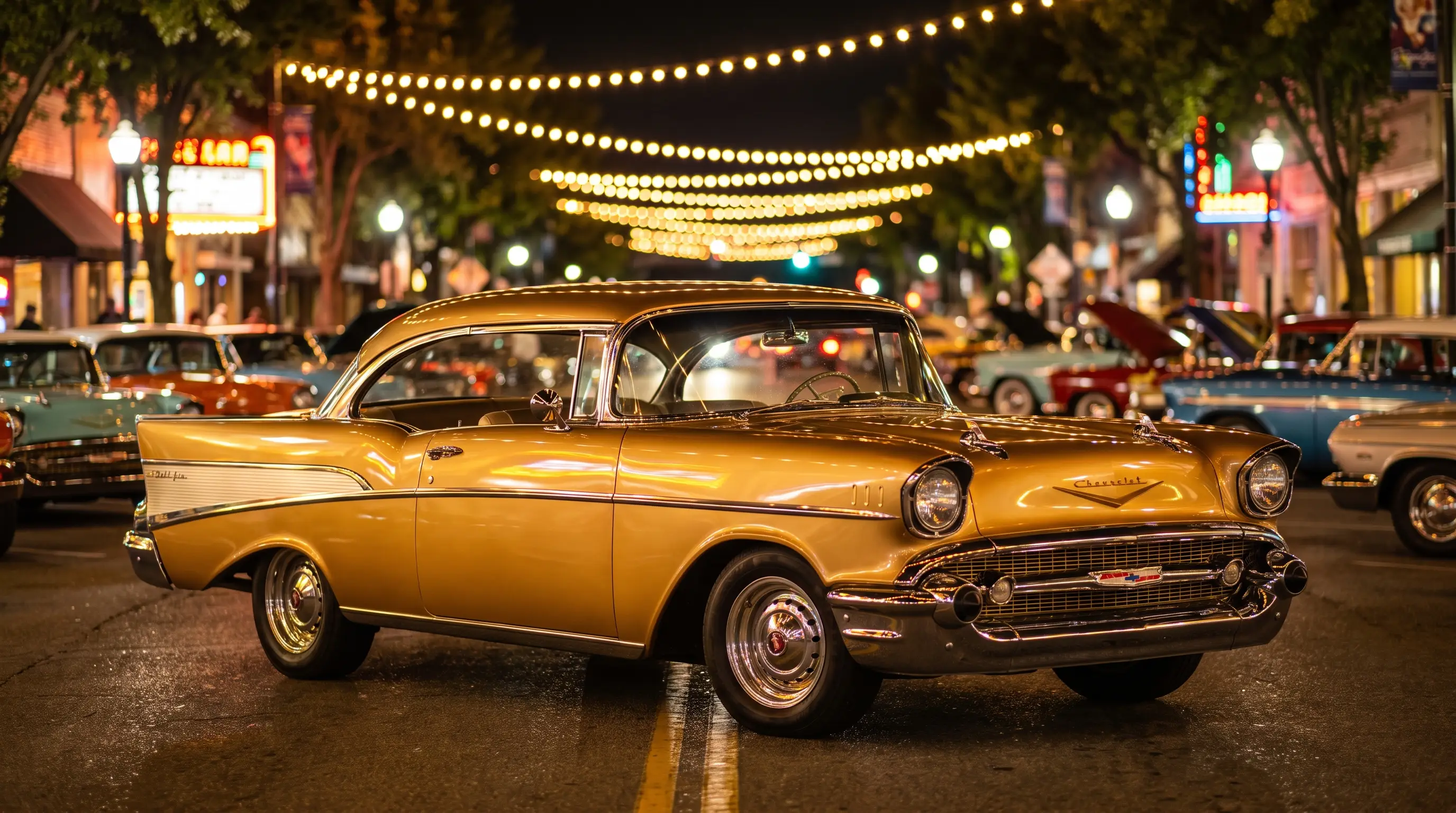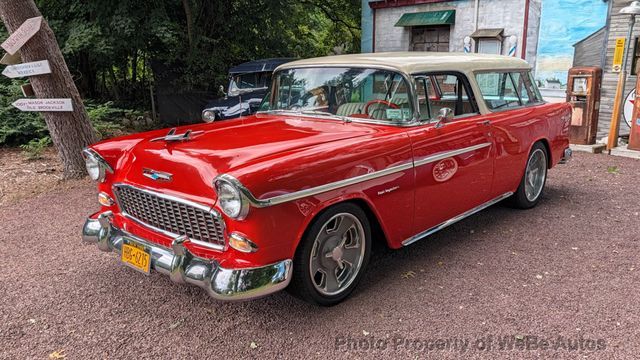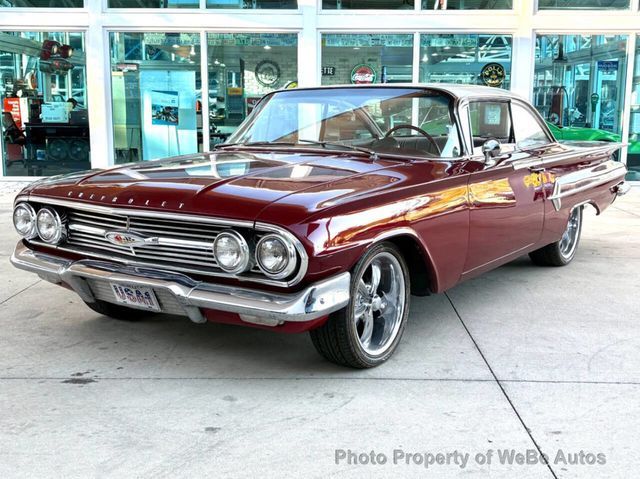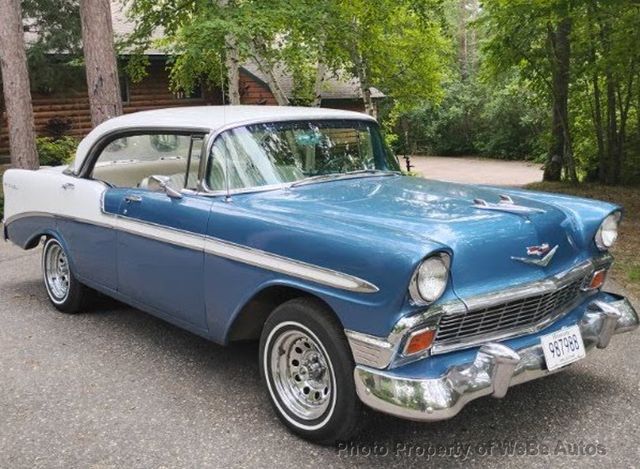
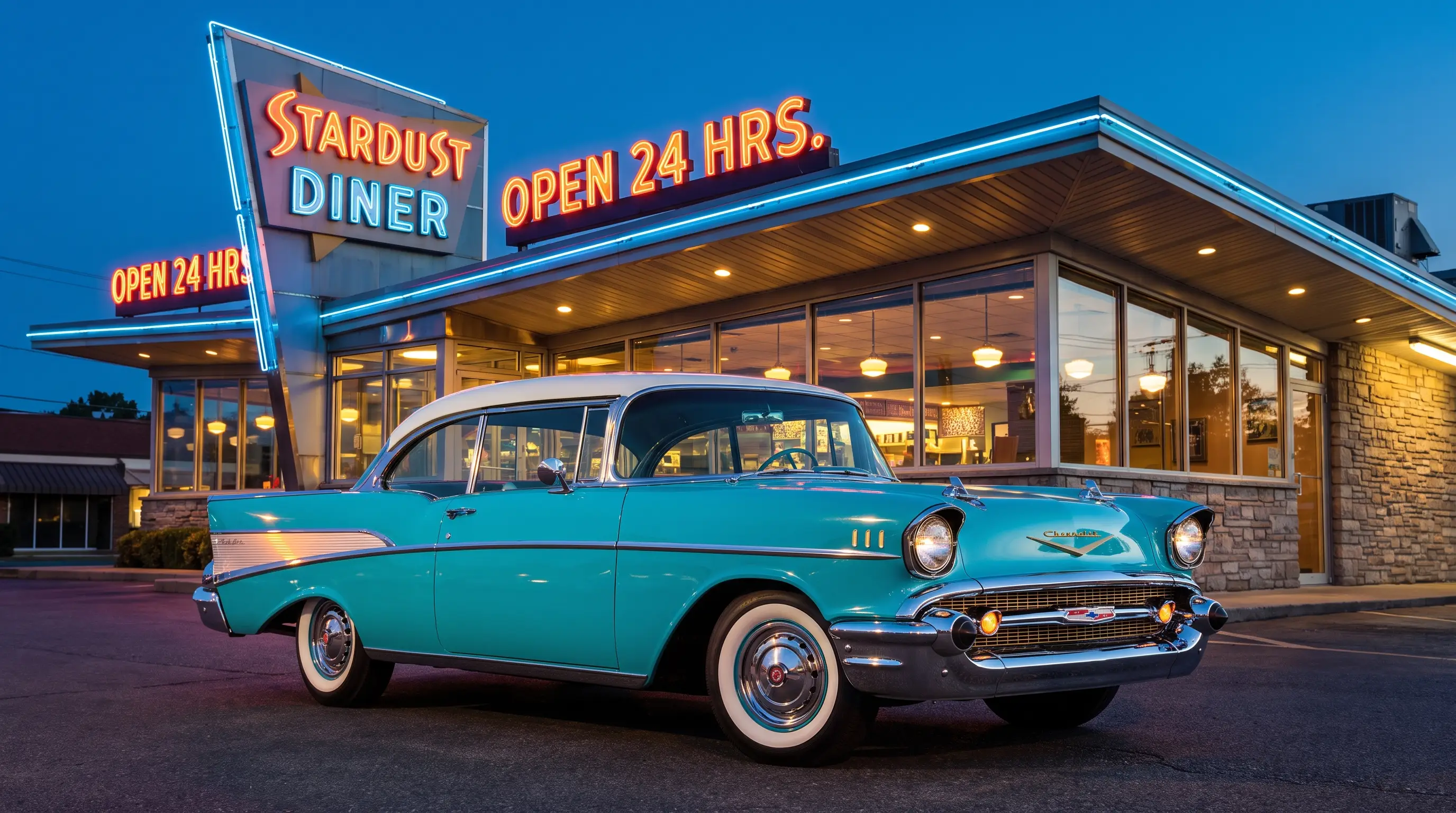
Few objects survive from any decade well enough to stand in for the whole thing, but the Chevrolet Bel Air manages it almost without argument. Search for bel air 1950s america in any archive of period photographs and the same two-tone shape keeps turning up. Ask someone to picture the decade and a two-tone Bel Air with a wraparound windshield is likely to appear before a television set or a kitchen appliance does. That is not an accident of nostalgia. The Bel Air arrived at the exact moment postwar prosperity, industrial design confidence, and mass car ownership converged, and it recorded that convergence in sheet metal more precisely than almost anything else produced during the period.
The economic moment the Bel Air was built for
By the middle of the decade, the United States had settled into a period of real wage growth, expanding suburbs, and a manufacturing base still running at wartime-era capacity, now redirected entirely toward consumer goods. Car ownership, once a luxury for a smaller share of households, became an expectation for a growing middle class. Chevrolet positioned the Bel Air as the top trim within its own lineup, styled and equipped to let a family signal that they had arrived without requiring the price tag of a Cadillac or a Lincoln.
This positioning mattered enormously. The Bel Air was never the most expensive car on the market, but it was priced and marketed to feel like an achievement, a reward for a decade of steady work in an economy that finally seemed to be rewarding it. That emotional positioning is a large part of why the car still reads as a symbol of the era rather than simply a popular model among many.
Design language as historical record
The 1955 through 1957 Bel Air, commonly grouped as the Tri-Five generation, carries design choices that document the period's aesthetic priorities with unusual clarity. The wraparound windshield reflected an industry-wide fascination with jet age and space age imagery, borrowed loosely from aircraft canopy design. Two-tone paint combinations mirrored a broader postwar embrace of color and optimism after years of wartime austerity and drab factory palettes. Chrome trim, applied more generously with each model year, signaled abundance in a way that would have seemed almost wasteful a decade earlier.
None of these choices happened in isolation. They tracked directly against consumer research, competitor moves, and a design culture at General Motors that treated the annual model change as a genuine event rather than a minor refresh. The Bel Air's evolving grille and taillight treatments across just three model years give researchers an unusually tight, well-documented window into how quickly automotive style moved during this period.
The car as a household object, not a curiosity
What separates the Bel Air from other well-styled cars of the period is scale. It was not a low-volume special built to demonstrate what a manufacturer could do. It was, for a significant stretch of the decade, one of the best-selling cars in the country, present in driveways, church parking lots, and school pickup lines across every income bracket that could reasonably afford a new car. Historians studying material culture value this kind of ubiquity precisely because it was ordinary. The Bel Air documents what a normal, aspirational American family actually bought, not what a wealthy outlier chose.
That ordinariness is exactly what makes the car useful as a historical artifact today. A rare, expensive halo car tells you what a handful of people could afford. A Bel Air, produced by the hundreds of thousands, tells you what an entire decade's worth of families considered a reasonable, attainable version of success.
"A single Bel Air in a museum tells you about a car. A thousand of them in period photographs tell you about a country."
- Sarah Whitfield
Cultural memory versus documented history
Popular memory of the Bel Air has been shaped almost as much by later films and photographs as by the decade itself. Retrospective portrayals, including the 1957 bel air american graffiti story, cemented the car's image for audiences who never experienced the 1950s firsthand. That secondhand nostalgia is not inaccurate exactly, but it does compress a complicated decade into a much simpler, sunnier image than the historical record fully supports. Researchers working from period sources, dealership records, contemporary advertising, and newspaper coverage, tend to find a more textured picture: real economic anxiety alongside real prosperity, a car market shaped as much by competition and cost pressure as by pure optimism.
For readers wanting the complete production and design history behind the car discussed here, the full story lays out that documentation in detail.
Why the symbol has held up
Symbols usually fade as the decade they represent recedes further into the past, replaced by newer, more immediate touchstones. The Bel Air has not faded in the same way, and the reason is straightforward. It was well designed, well documented, and produced in large enough numbers that surviving examples remain genuinely accessible to collectors and researchers alike, rather than locked away in a handful of institutional collections. That accessibility keeps the historical record alive and keeps the car circulating in public memory rather than fossilizing into an untouchable museum piece.
Reading the Bel Air alongside the decade's contradictions
A careful historian resists treating the Bel Air purely as a triumphant symbol, because the decade it represents was not purely triumphant. The same years that produced record car sales and expanding suburbs also produced significant social and economic exclusion, communities and families who did not share equally in the postwar prosperity the Bel Air's advertising so confidently projected. Reading period Chevrolet marketing material against broader social history of the decade reveals a gap between the idealized family shown behind the wheel and the more complicated reality experienced by a large share of the country.
This does not diminish the Bel Air's value as a historical artifact. If anything, it sharpens it. The car documents not just what happened in the 1950s but what the era wanted to project about itself, an aspirational image manufactured deliberately by advertisers and stylists working for a company with an obvious financial interest in selling that image as widely as possible. Understanding the Bel Air properly means holding both truths at once: it was a genuinely well designed, well built, broadly beloved car, and it was also a piece of highly effective mid-century marketing selling a version of American life that not everyone actually got to live.
That dual reading is exactly why the car remains useful to researchers decades later. A simple, uncomplicated symbol eventually stops teaching anything new. The Bel Air, examined honestly, keeps offering fresh angles, on design history, on marketing history, on the social history of who could and could not afford to buy into the image the car represented.
For those who want to hold a piece of that record rather than just read about it, there are classic Airs on the market today, surviving examples of a car that did more to define its decade in the popular imagination than almost anything else built during it.