
Names get attached to cars for all sorts of reasons, some considered for months, others chosen almost in passing. The chevrolet bel air name origin belongs to the first kind. It was not an accident and it was not a placeholder. General Motors' product planners in the late 1940s were deliberately borrowing the language of Southern California wealth to sell a mainstream car, and the choice reveals a lot about how Detroit thought about its customers at the start of the 1950s.
Car Features
7 min read
How the Bel Air Name Began
Chevrolet borrowed the name of an affluent Los Angeles neighborhood to sell a mainstream car, and the choice outlasted the marketing logic behind it by decades.
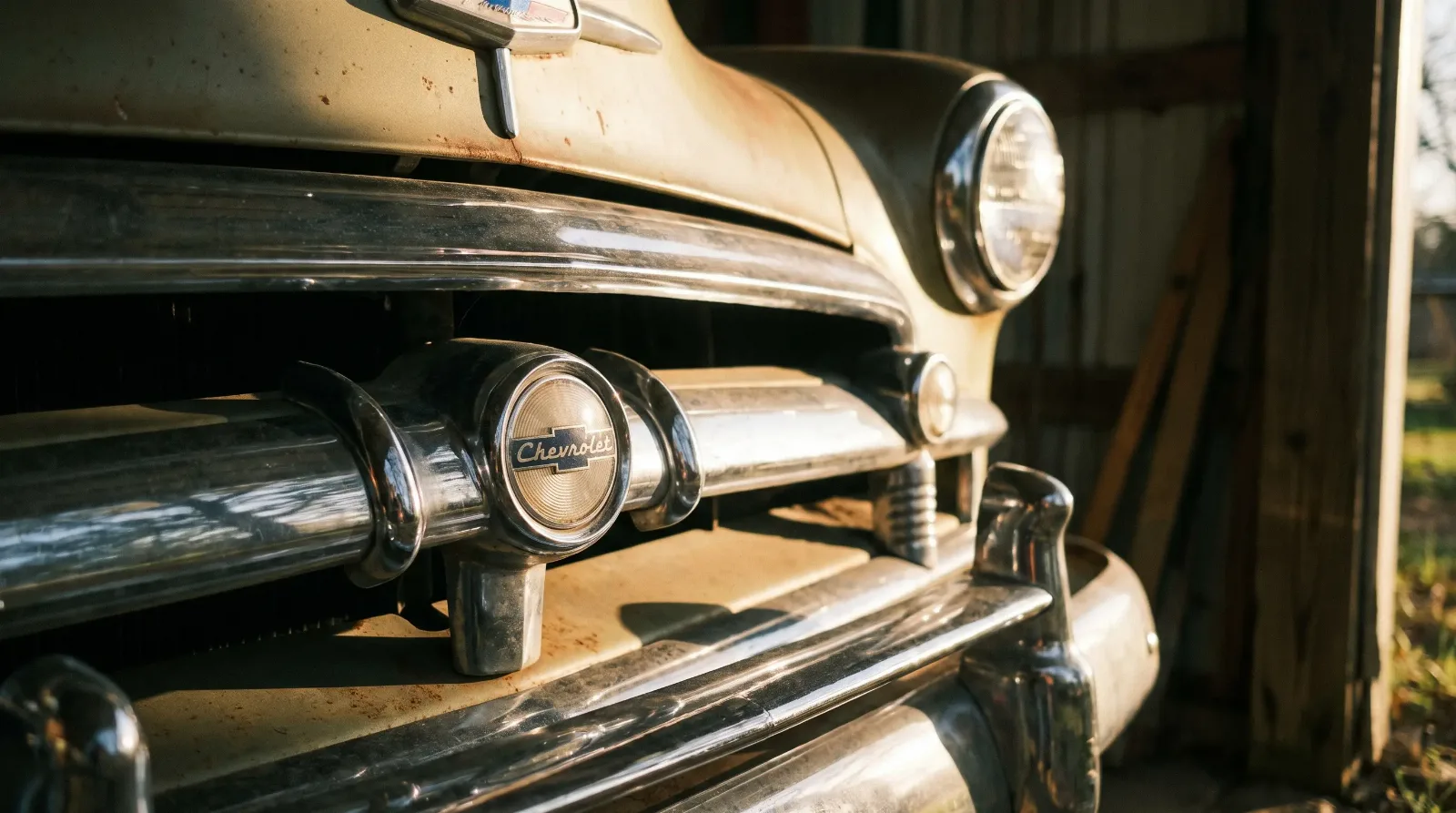
A neighborhood, not a slogan
Bel Air is a real place, an affluent enclave west of Beverly Hills in Los Angeles, developed starting in the 1920s as a retreat for people with serious money. By the postwar years its name carried an unmistakable association with hillside estates, palm trees, and a version of California living that most Americans only saw in magazines. Chevrolet's naming committee wanted exactly that association, and they were not subtle about it. The goal was to let a working or middle class buyer drive off the lot in something that sounded like it belonged in a much higher tax bracket.
This was not an isolated move. The entire American auto industry spent the postwar years mining real place names for glamour. Cadillac already had Eldorado on the way. Ford would later lean on Fairlane, another borrowed estate name. Chevrolet's own lineup would eventually include Malibu, another Southern California reference. Bel Air was simply first out of the gate at Chevrolet, and it stuck harder than any of the others.
From body style to full identity
When the name first appeared for 1950, it was attached to a single body style, the new hardtop coupe, within the existing Styleline DeLuxe line rather than standing as its own series. Chevrolet was testing the water, seeing whether a name alone could add perceived value to a car that was mechanically identical to cheaper models on the same showroom floor. It worked well enough that the company kept expanding what Bel Air covered.
By 1953 the name had grown into something bigger. Chevrolet restructured its entire lineup and made Bel Air the top trim series across every body style the company offered, from sedans to convertibles. That expansion, and everything it meant for buyers and for Chevrolet's showroom strategy, gets a full treatment in our complete history of the car, which is worth reading if you want the full arc rather than just the naming decision.
Other names Chevrolet reportedly considered
Product naming records from this period rarely survive in complete form, and Chevrolet's internal deliberations over the Bel Air name are no exception. What does survive suggests the company weighed several geographic and aspirational candidates before settling on Bel Air, consistent with the industry pattern of testing multiple place names against each other for sound, brevity, and how well they photographed on a trunk lid or fender script. Whatever the shortlist actually contained, Bel Air won out, and the choice proved durable enough that Chevrolet never seriously revisited it during the name's quarter-century run.
What the name was supposed to signal
Automotive naming in this era followed a fairly consistent logic. A model name needed to suggest something the car itself could not always deliver through engineering alone: status, leisure, escape. Chevrolet's engineers built solid, honest, mechanically simple cars for a mass market. The company's marketers needed a way to make those same cars feel aspirational without raising the price beyond what a factory worker or a schoolteacher could afford. A borrowed place name did that work efficiently. It cost nothing to manufacture and it changed how the car felt the moment a buyer read it on the trunk lid.
Sarah Whitfield's research into period Chevrolet dealer literature shows the company leaned hard on this idea in its advertising copy, pairing Bel Air imagery with language about resort living and leisurely weekends, a clear signal that the name was doing marketing work the sheet metal alone could not.
How the naming committee actually worked
General Motors in this era ran naming decisions through a mix of internal product planning staff and outside advertising agencies, weighing candidate names against a handful of criteria: how easily the word rolled off a salesman's tongue, whether it carried any unwanted associations, and whether it could be trademarked cleanly against competitors already circling the same territory. Place names had an advantage over invented words because they arrived with built-in meaning nobody had to explain. A buyer did not need a glossary to understand what Bel Air was supposed to suggest. The word was already doing cultural work before Chevrolet ever put it on a fender.
Period correspondence and dealer training material from Chevrolet's regional zones in the early 1950s consistently frame the Bel Air name as shorthand for a lifestyle rather than a technical description of the car, coaching salesmen to sell the feeling of the name alongside the actual features on the build sheet. That approach was common practice across the industry at the time, but Chevrolet leaned into it with unusual consistency across nearly every piece of Bel Air advertising through the decade.
Why the name outlasted the era it described
What is unusual about the Bel Air name is how long it survived after the marketing logic behind it had faded. Chevrolet kept the name in production for more than two decades, well past the point where anyone needed convincing that a Chevrolet could feel upscale. By the 1960s Bel Air had settled into a mid-range trim position, sitting below Impala, and the neighborhood association had mostly given way to simple brand recognition. People bought a Bel Air because they knew what a Bel Air was, not because the name still conjured hillside estates.
That durability says something about how well the original naming decision worked. A name chosen to borrow glamour from a Los Angeles neighborhood ended up carrying enough weight on its own that Chevrolet never felt the need to replace it, right through the car's final year in 1975 for the full-size line.
| Milestone | Detail |
|---|---|
| Name source | Bel Air, an affluent Los Angeles neighborhood |
| First use | 1950, as a hardtop body style within Styleline DeLuxe |
| Promoted to full series | 1953 |
| Related naming trend | Ford Fairlane, Chevrolet Malibu |
| Name retired | 1975, full-size Chevrolet line |
"Chevrolet's engineers built the car. Its marketers built the name. Bel Air only works because both halves were doing their job at the same time, and neither half was lying to the customer about what the other one was selling."
- Sarah Whitfield
The name has aged into something closer to a period artifact now, a small piece of postwar marketing history riding around on millions of trunk lids and fender badges. If you want to see where that name eventually landed, plenty of buyers still find a classic Air to bring home, whichever era of the badge speaks to them.
Sources and notes
Related Reading
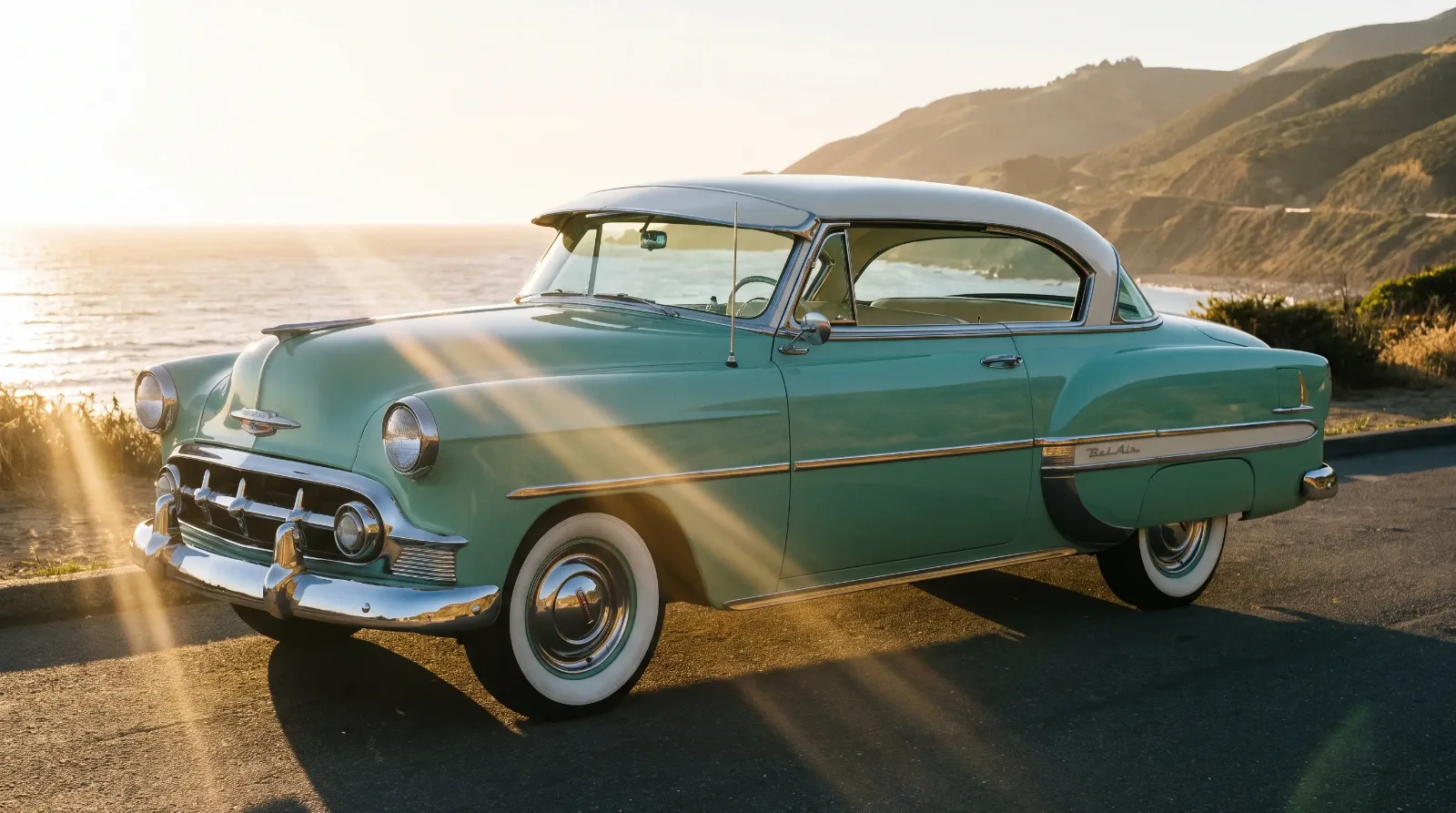
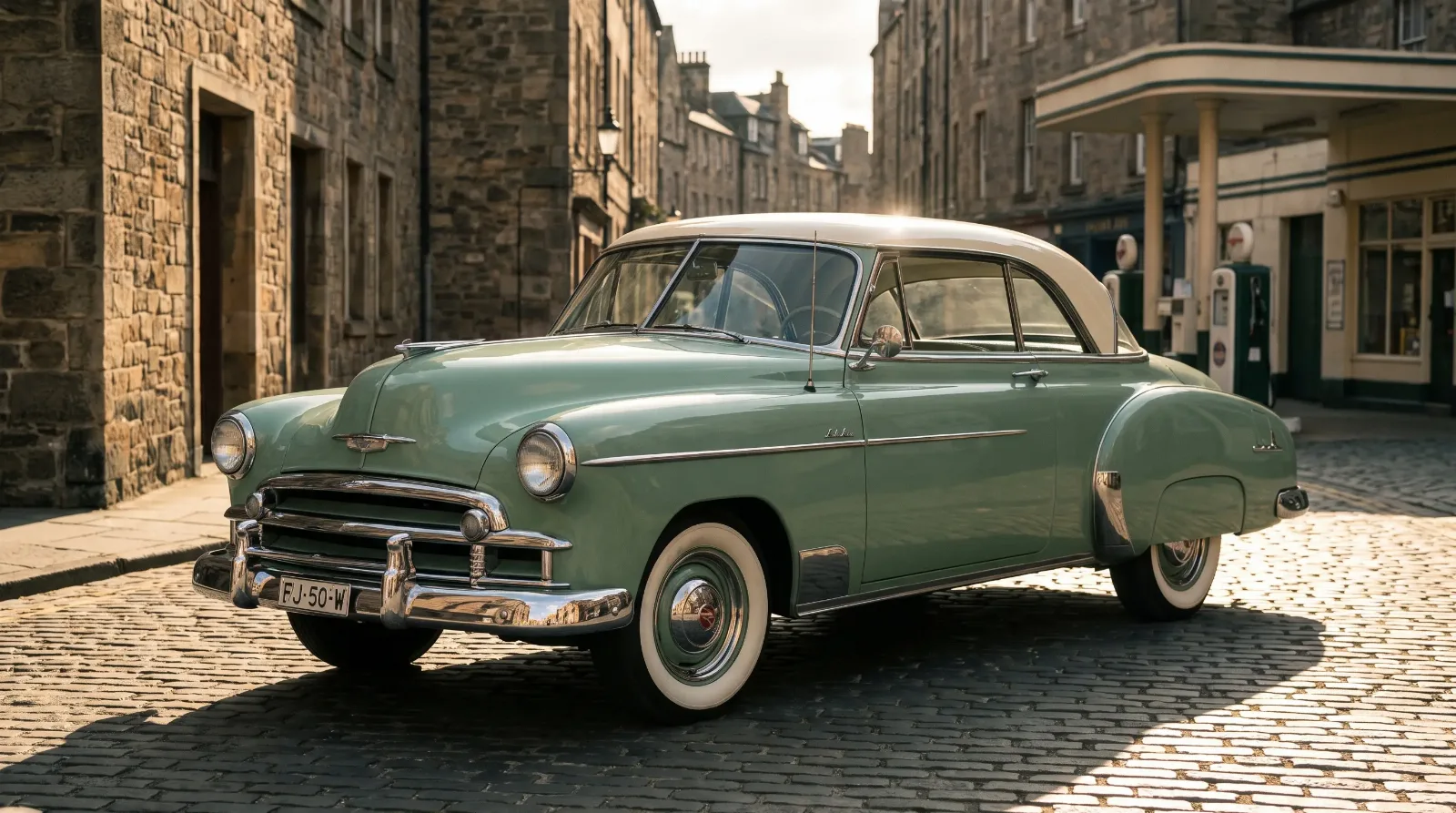
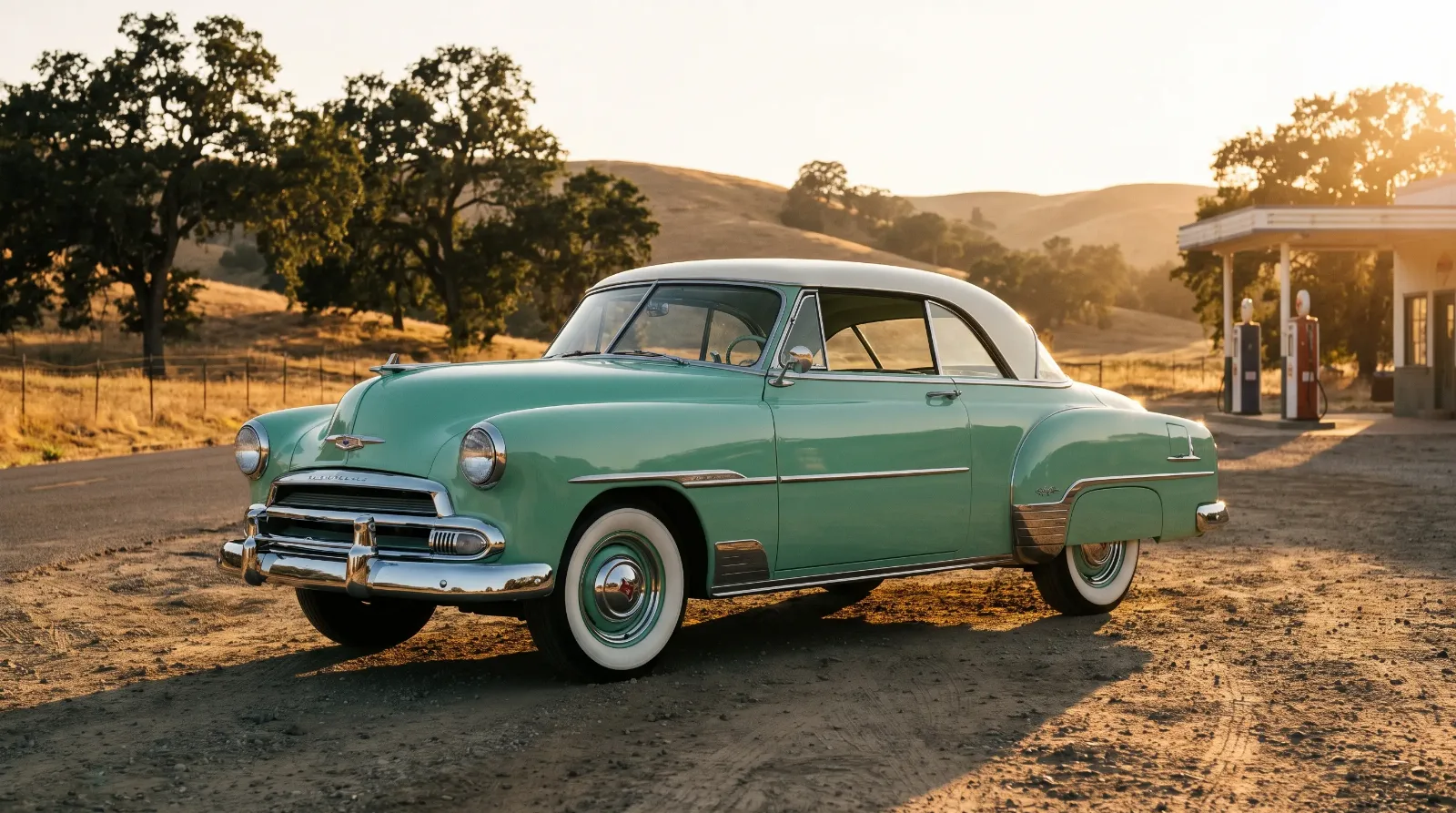
Have a
Chevrolet Bel Air
for Sale?
Reach thousands of serious classic car collectors across the US.
Sell It Here →
Are You a Classic Car Dealer?
List your full inventory and connect with targeted classic car buyers.
Join as a Dealer →

About the author
Sarah Whitfield
Third-generation classic car collector specializing in pre-war American and European coachbuilt automobiles. Researcher and concours enthusiast.
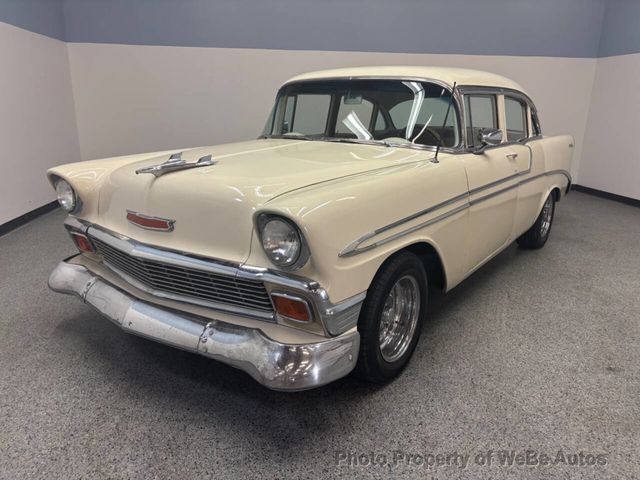
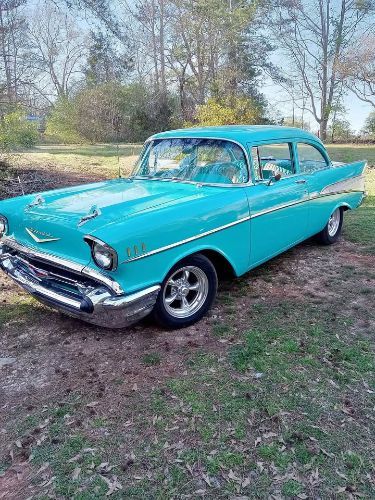
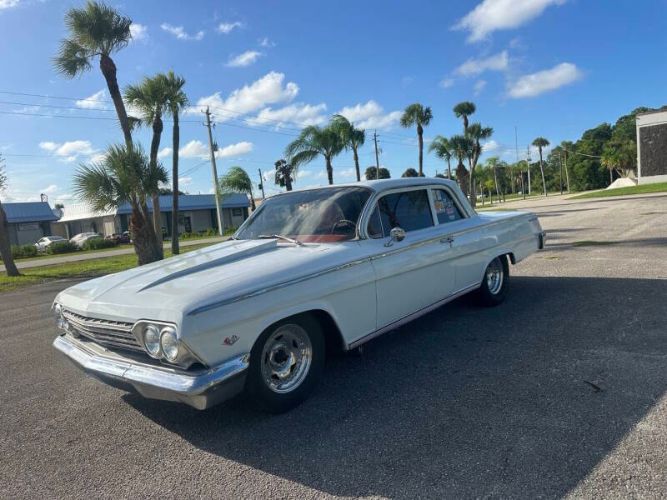
Related Listings - Chevrolet Bel Air
Comments
Be the first to comment on this article.