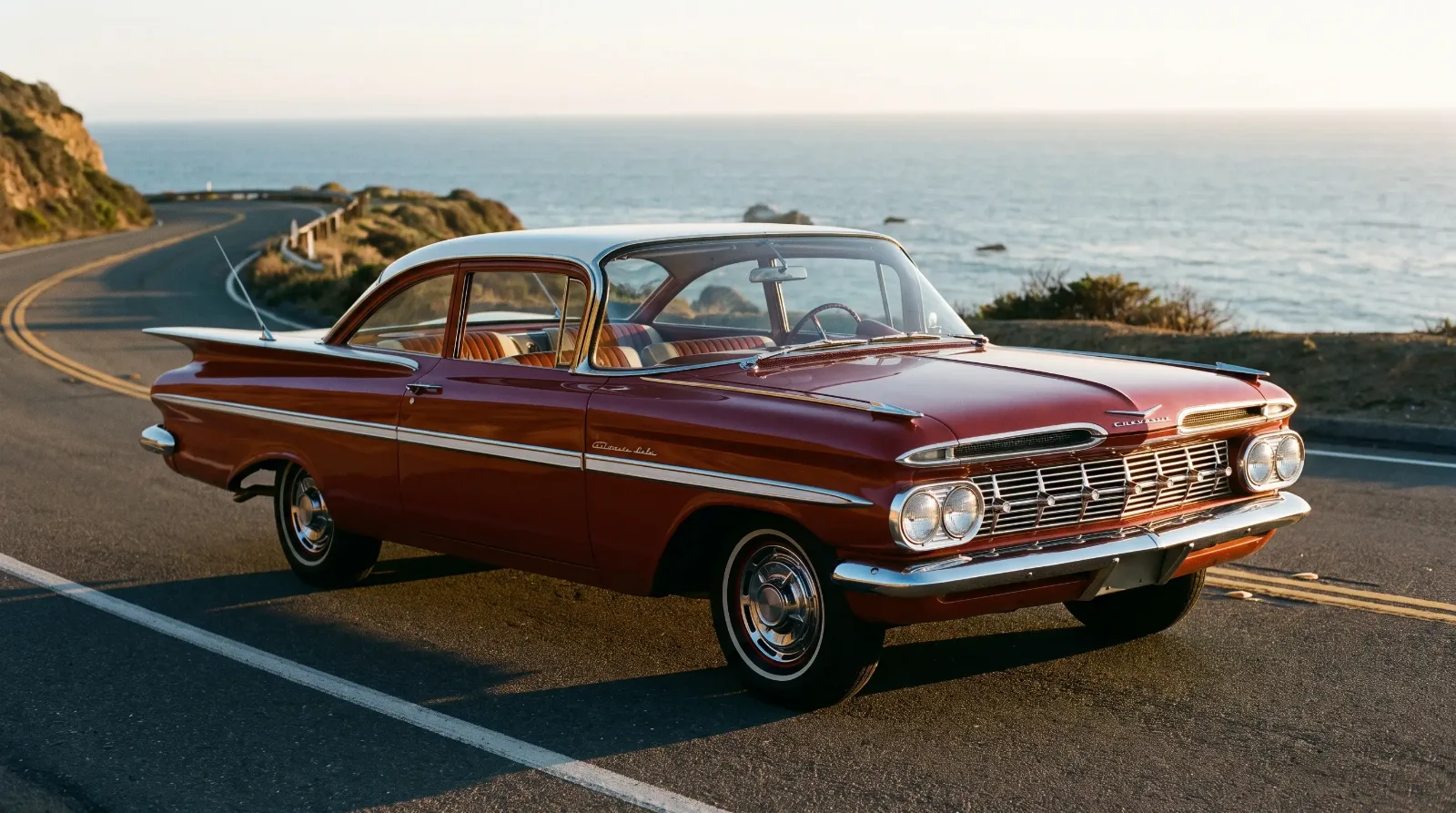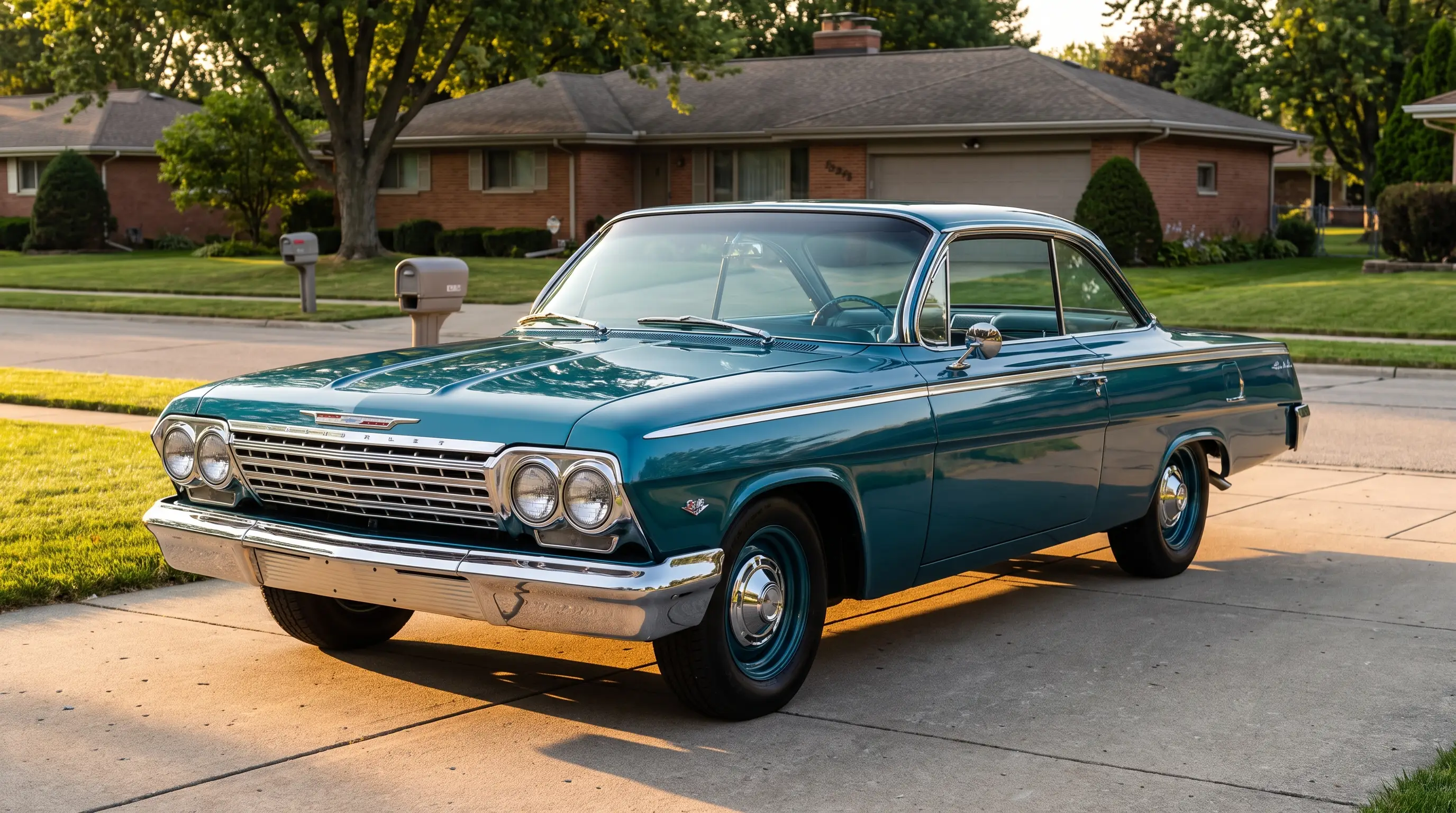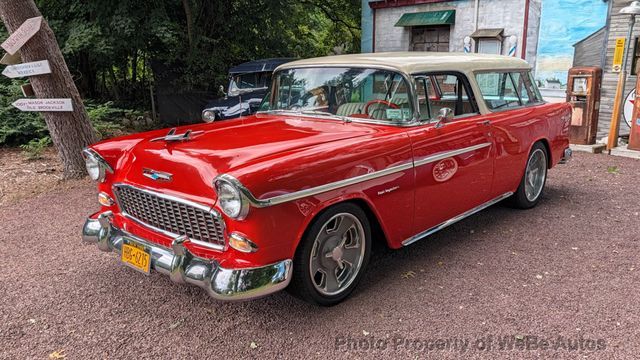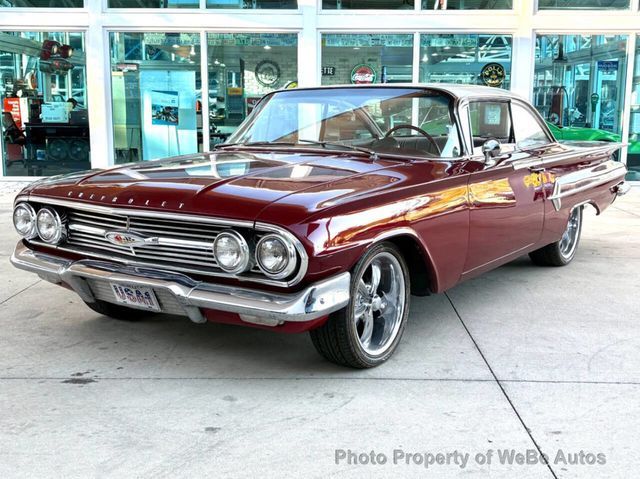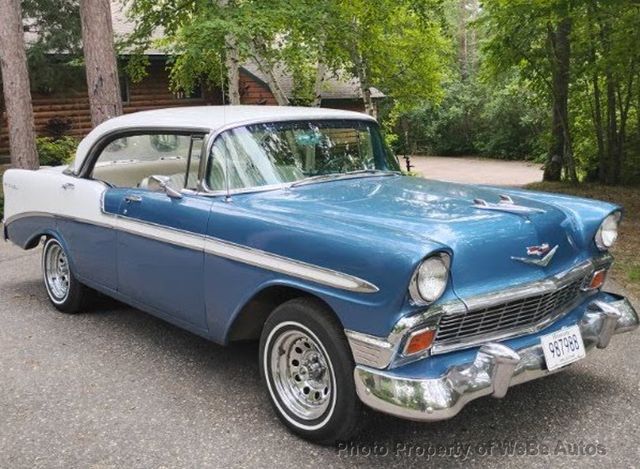
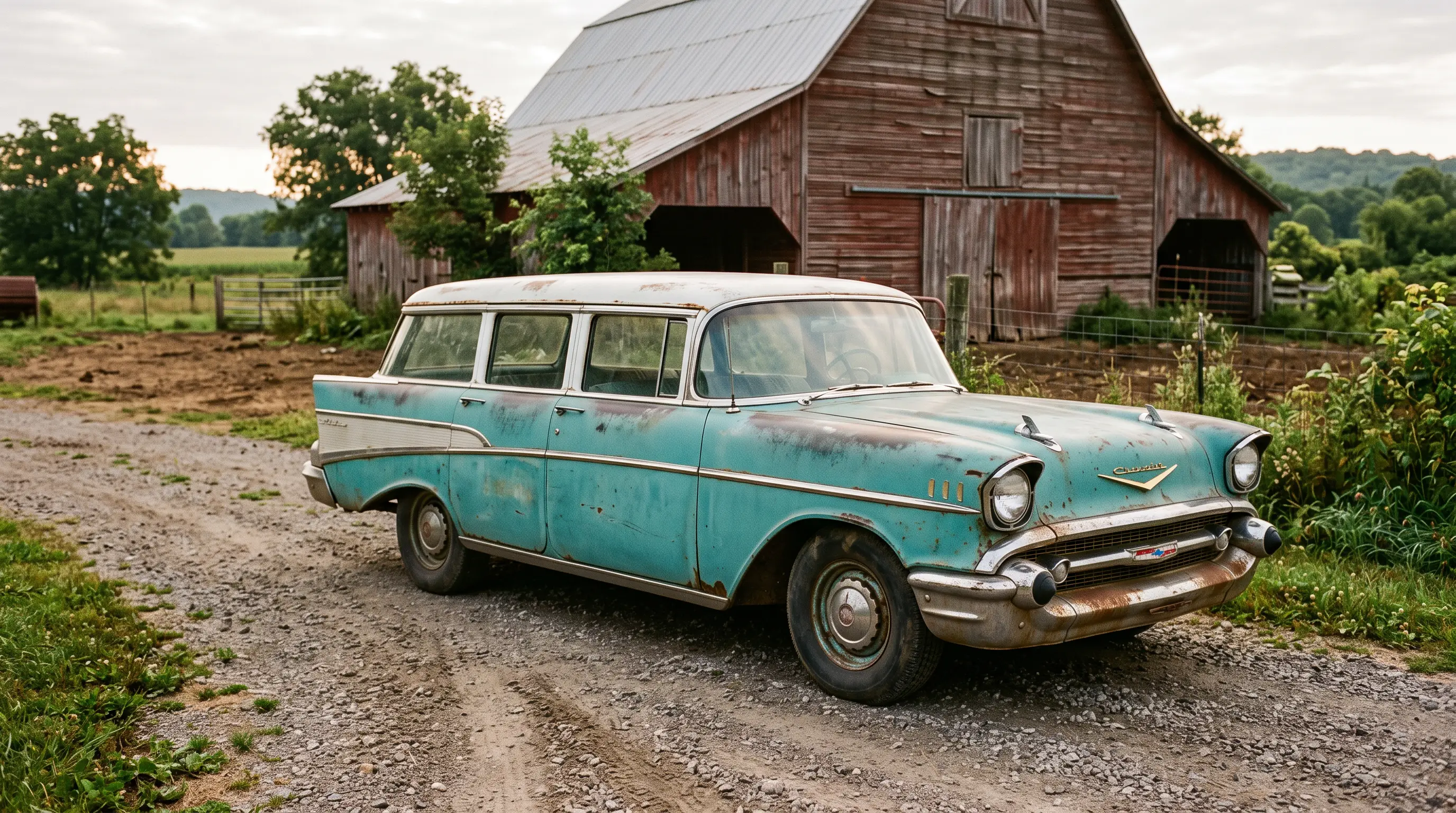
Nobody bought a chevy bel air wagon to impress anybody. That was never the point. It was the car that sat in the driveway getting used every single day while the neighbor's coupe stayed in the garage under a cover. You bought one because you needed to haul four kids, a dog, a week of groceries, and whatever your neighbor asked you to move that weekend, and you needed it to still be running in ten years. I have pulled the floors out of enough of these things to tell you Chevrolet built them for exactly that job, and most of them did it until there was nothing left worth saving.
Where the wagon fit in a full-size lineup
Chevrolet offered Bel Air wagons across a long stretch of the model's production run, from the 1950s through the car's final years on the American market. The wagon body shared its basic mechanical underpinnings with the sedan and hardtop, meaning a buyer could option a wagon with the same range of engines available on the rest of the lineup, right up through the bigger V8s that gave these family haulers more grunt than their practical mission usually required. That overlap is part of why a well equipped wagon still turns heads today. Underneath the cargo area and the fold flat rear seat sits the same drivetrain hardware that powered plenty of quicker looking Bel Airs.
Trim wise, the wagon sat in the same middle position the rest of the Bel Air lineup occupied, above the stripped Biscayne wagon and below whatever Chevrolet was calling its top trim wagon in a given year. That meant a Bel Air wagon buyer got real chrome, a decent interior, and a full set of gauges without paying for the top shelf trim most families never used anyway.
What actually wears out on these cars
I have had my hands in enough of these wagons to know exactly where to look before buying one. The rear cargo floor takes the worst of it, since decades of wet cargo, leaking tailgate seals, and general abuse rot the metal from the inside before it ever shows on the surface paint. Tailgate mechanisms wear out too, and the power tailgate option some years offered is more trouble than it is worth on a driver quality car unless you enjoy chasing wiring gremlins on a Saturday afternoon. Rear leaf springs sag under decades of hauling duty, which is worth checking on any wagon that spent real years doing actual wagon work rather than sitting in a garage.
Frame rust around the rear kickup, where the frame rises over the rear axle, is another spot I check first on every wagon that comes through my shop. Wagons carried more weight over that section of frame than a sedan ever did, and it shows in the rust patterns decades later. I also look under the spare tire well, another spot where trapped moisture does its quiet work for decades before anybody notices.
Why survivors are harder to find than sedans
Wagons got worked harder than sedans, plain and simple, and that hard use shows in survival rates. A family that bought a Bel Air sedan might have babied it a little more, kept it for Sunday drives alongside a daily driver. A family that bought the wagon bought it specifically because they needed to haul things, and haul things it did, for years past the point most sedans of the same vintage had already been retired. By the time collector interest in these cars picked up, a lot of the wagon population had already been scrapped, rusted through, or converted into makeshift utility haulers that eventually got parted out.
That scarcity has started translating into real collector interest, though wagons still generally sell for less than a comparable hardtop or convertible from the same model year. Buyers who want a genuinely usable classic, one that can still do the grocery run and the car show in the same weekend, have increasingly figured out that a solid Bel Air wagon offers a lot of car for the money relative to flashier body styles. Prices have moved up over the past several years as this realization spreads, but wagons still generally trail sedans and hardtops enough to make them one of the better value plays left in this segment of the market.
"Everybody wants the hardtop until they realize the wagon will haul their tools to the swap meet and still look right parked next to it."
- Mike Sullivan
Parts and rebuild reality
Wagon specific sheet metal is harder to source than sedan or hardtop panels, plain fact. Fewer wagons were built to begin with, and fewer survived in good enough shape to be parted out, which means a rusted tailgate or a damaged rear quarter on a wagon can turn into a much longer parts hunt than the same repair on a sedan. Reproduction companies have caught up on some common wear items, weatherstripping, floor pan sections, that kind of thing, but trim specific to the wagon body, tailgate hardware and third row seat components especially, often means combing through swap meets and online forums rather than ordering from a catalog.
I tell customers up front that a wagon restoration usually runs longer and costs more than a comparable sedan project, purely because of parts availability. That is not a reason to avoid one, it is just a reality worth planning for before you commit to a full restoration rather than a straightforward driver quality fix up.
What to check before you buy
Getting the whole picture on the full-size Bel Air story helps explain why the wagon carried the trim and mechanical options it did during these years, and understanding that broader context makes it easier to spot a correctly optioned wagon versus one that has been mixed and matched from parts cars over the decades. Buyers ready to look at what is out there right now can shop classic Air listings that include wagons alongside the more commonly available sedans and hardtops, giving a clearer sense of how scarce a genuinely solid wagon has become relative to the rest of the model's production run.