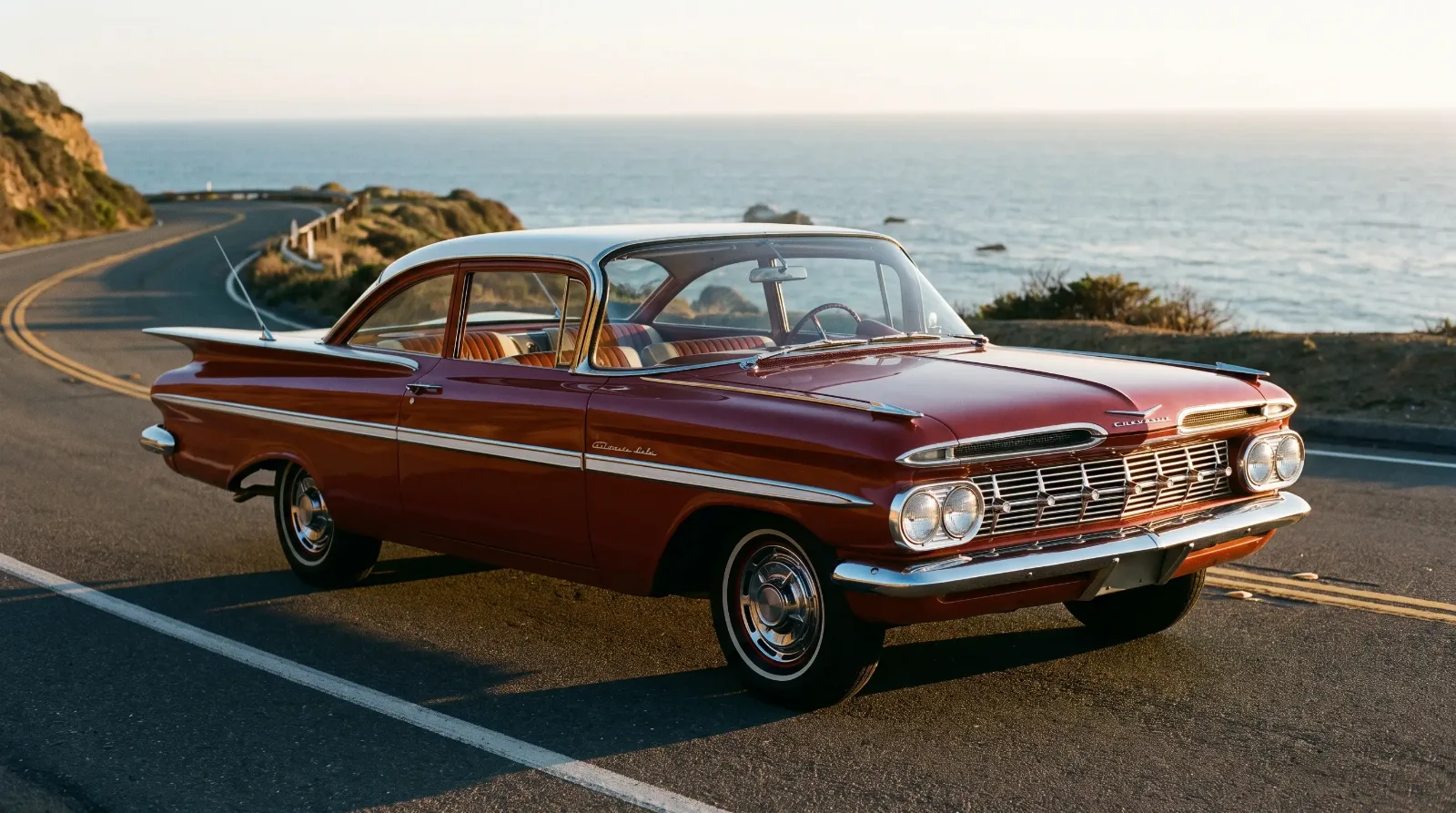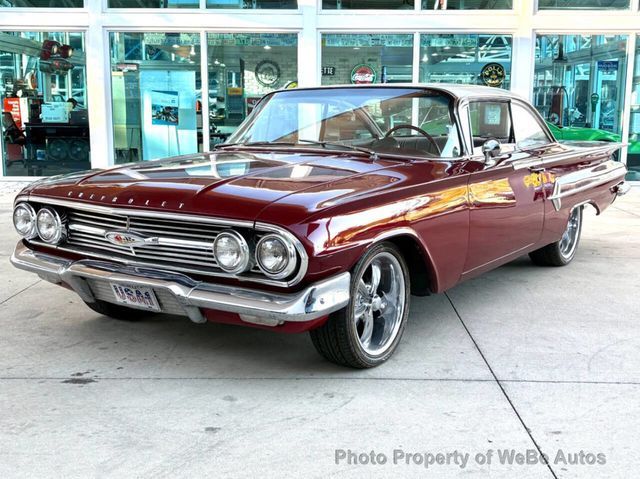
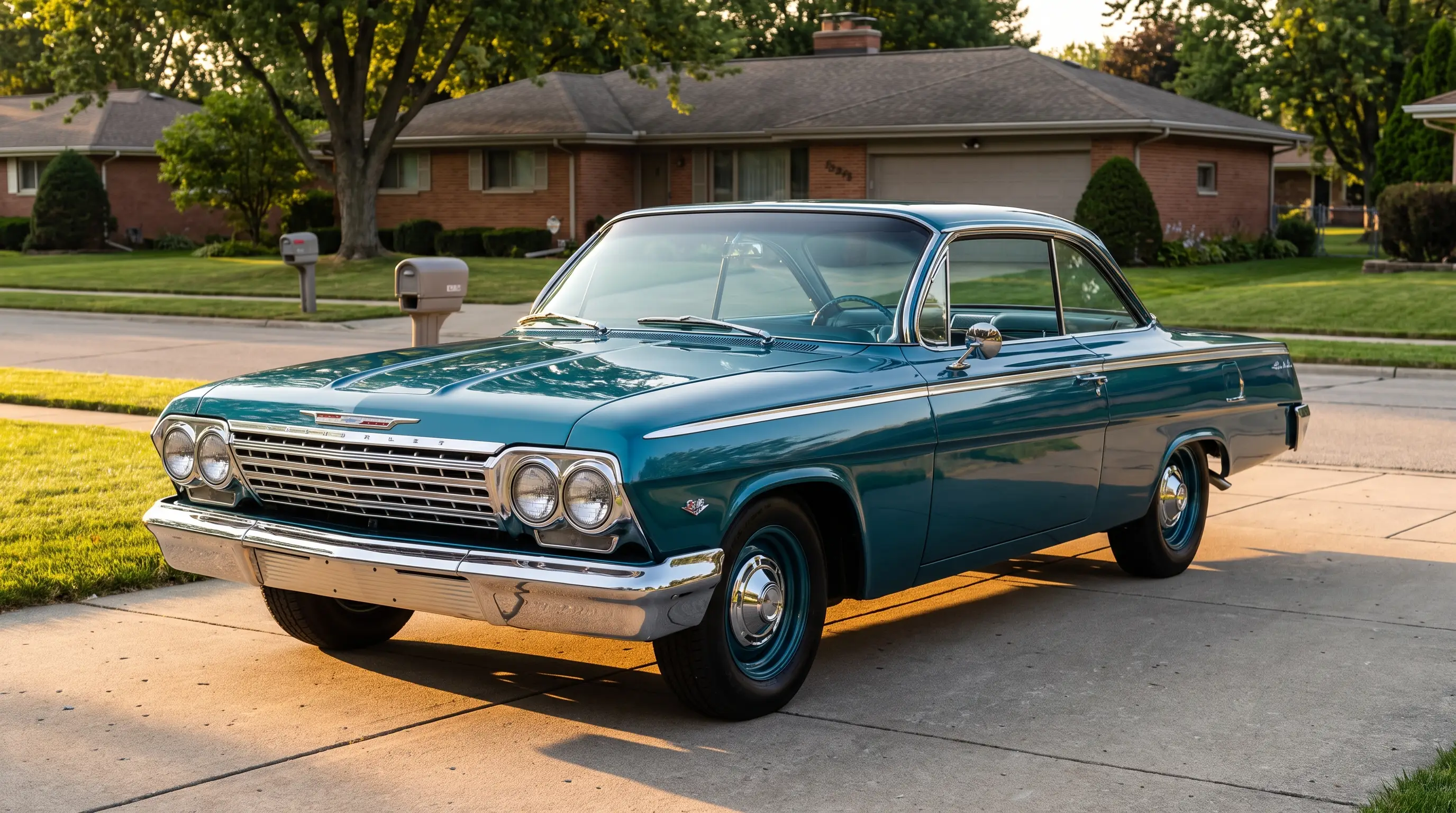
Ask about 1962 bel air value and most people quote a number they saw attached to a heavily optioned 409 car at a headline auction, then get confused when a plain six cylinder sedan sells for a fraction of that figure. The gap is not a market inefficiency. It is the market working exactly as it should, pricing engine, documentation, and body style as three separate variables that happen to share the same trim badge. I see this confusion constantly from sellers who pull one auction headline off the internet and assume it applies to their own car regardless of configuration.
Why the spread is so wide within one model year
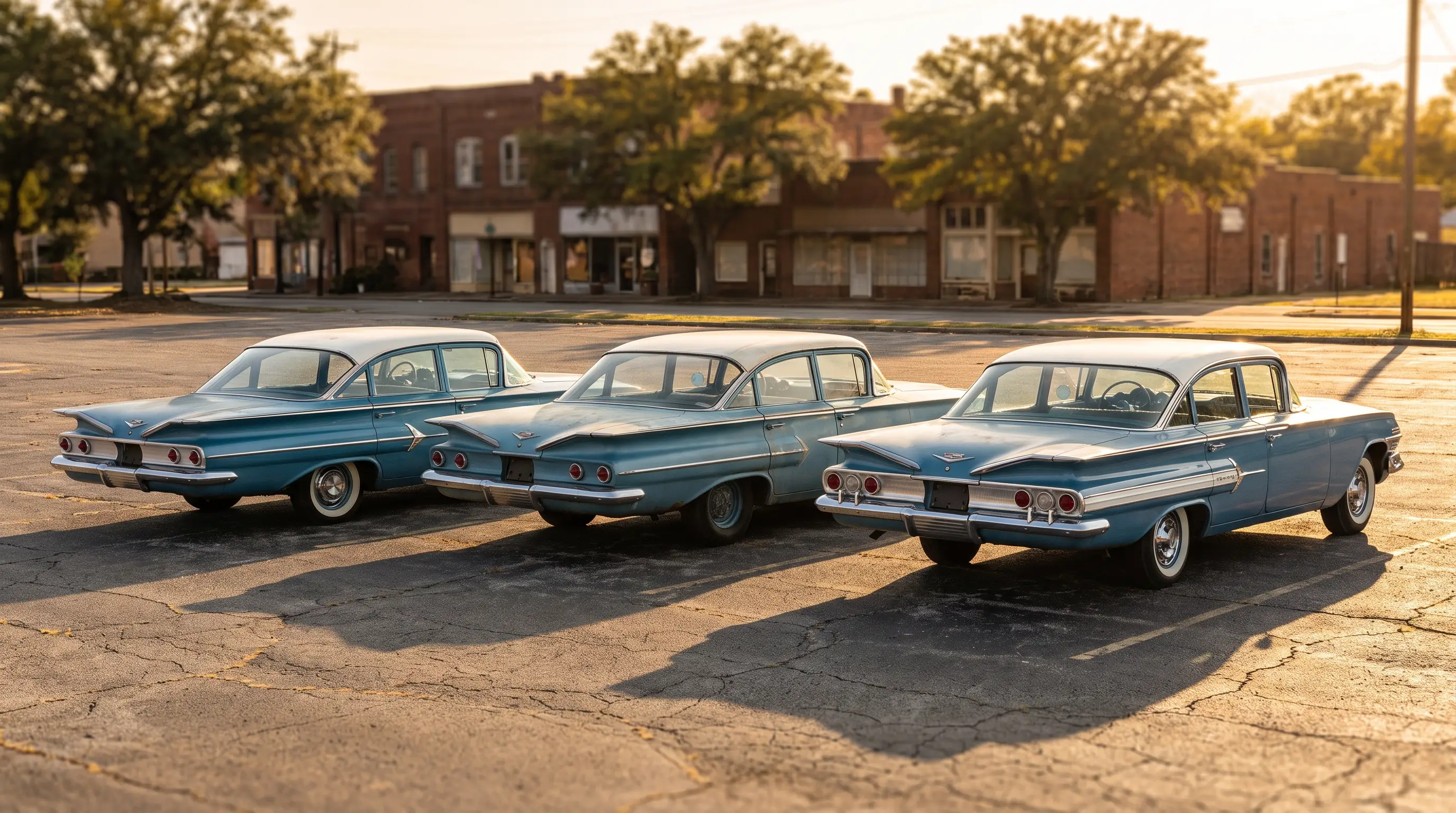
A 1962 Bel Air could have left the factory as a base six cylinder four door sedan built for a fleet contract, or as a two door hardtop optioned with a 409 big block for a buyer chasing genuine performance. Both cars carry the same Bel Air script, the same model year, and roughly the same body shell, yet their values today can differ by a factor of five or more depending on configuration, condition, and documentation. Auction results that lump all 1962 Bel Airs together into a single average number are functionally useless for anyone trying to price an actual car, and buyers who rely on that kind of oversimplified figure consistently overpay or underbid.
The variables that actually move value break down predictably. Engine and transmission configuration matters most, followed by body style, with two door hardtops and convertibles commanding a real premium over sedans and wagons in comparable condition. Documentation supporting any performance claims ranks close behind, since an undocumented claimed 409 is worth meaningfully less than a verified one, regardless of how the car looks in photographs.
What later years add to the equation
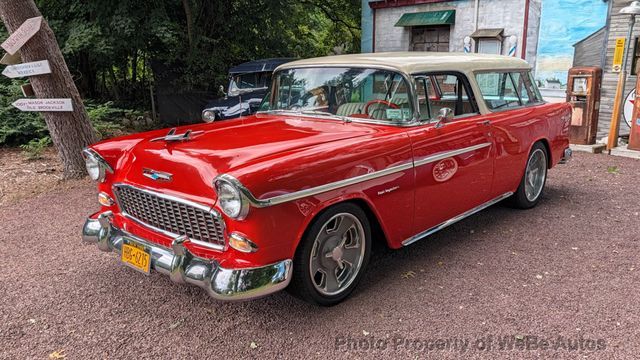
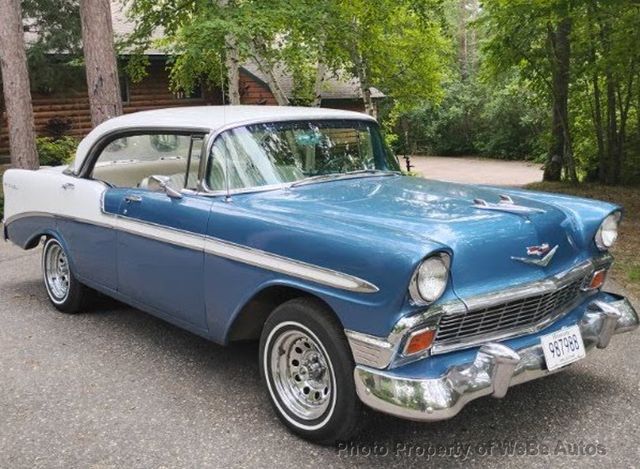
The later full-size Bel Airs, stretching from the mid 1960s redesign through the model's final American years in the mid 1970s, add another layer of complexity to any value discussion. These cars generally trade for less than their early 1960s counterparts, reflecting both a less iconic body style in the collector market and a broader shift toward performance being spread across more models in Chevrolet's lineup rather than concentrated in the Bel Air specifically. That said, later cars in exceptional original condition, particularly documented low mileage survivors, have started closing some of that value gap as buyers increasingly prioritize originality and condition over strict model year prestige. the 1959 chevy bel air story covers the earlier chapter of this same value dynamic, when the car was still Chevrolet's flagship rather than its middle trim, and understanding that history helps explain why early cars still command the attention they do today.
Reading a real market comparison
| Configuration | Relative value position | Key value driver |
|---|---|---|
| Six cylinder sedan, undocumented | Entry level | Usable classic, low purchase cost |
| Small block V8 hardtop, documented | Mid range | Balanced condition and body style |
| Verified 409 hardtop or convertible | Top tier | Numbers matching documentation, rarity |
This kind of tiered comparison is far more useful than a single blended average, since it lets a buyer or seller identify roughly where their specific car sits before negotiating a price. A seller quoting a top tier number for a mid range car, or a buyer expecting entry level pricing on a documented performance example, both end up frustrated by negotiations that a clearer framework would have avoided entirely.
"I have watched two nearly identical looking cars sell for wildly different prices at the same auction weekend, and the difference almost always traces back to paperwork, not paint."
- David Mercer
Documentation is worth more than most sellers realize
The single highest leverage move a seller can make before listing a Bel Air is assembling whatever documentation actually exists, build sheets, dealer invoices, prior appraisals, ownership history, anything that supports the car's story with something other than a verbal claim. Buyers pay a real premium for that paper trail because it removes risk from the transaction, and risk removal is worth money in any collector car market. A seller who shows up to a sale with a folder of documentation is negotiating from a fundamentally stronger position than one asking a buyer to simply trust the story. I have seen that folder alone add a meaningful percentage to a final sale price, simply because it shortened the buyer's due diligence and removed the discount most buyers mentally apply to an unverified claim.
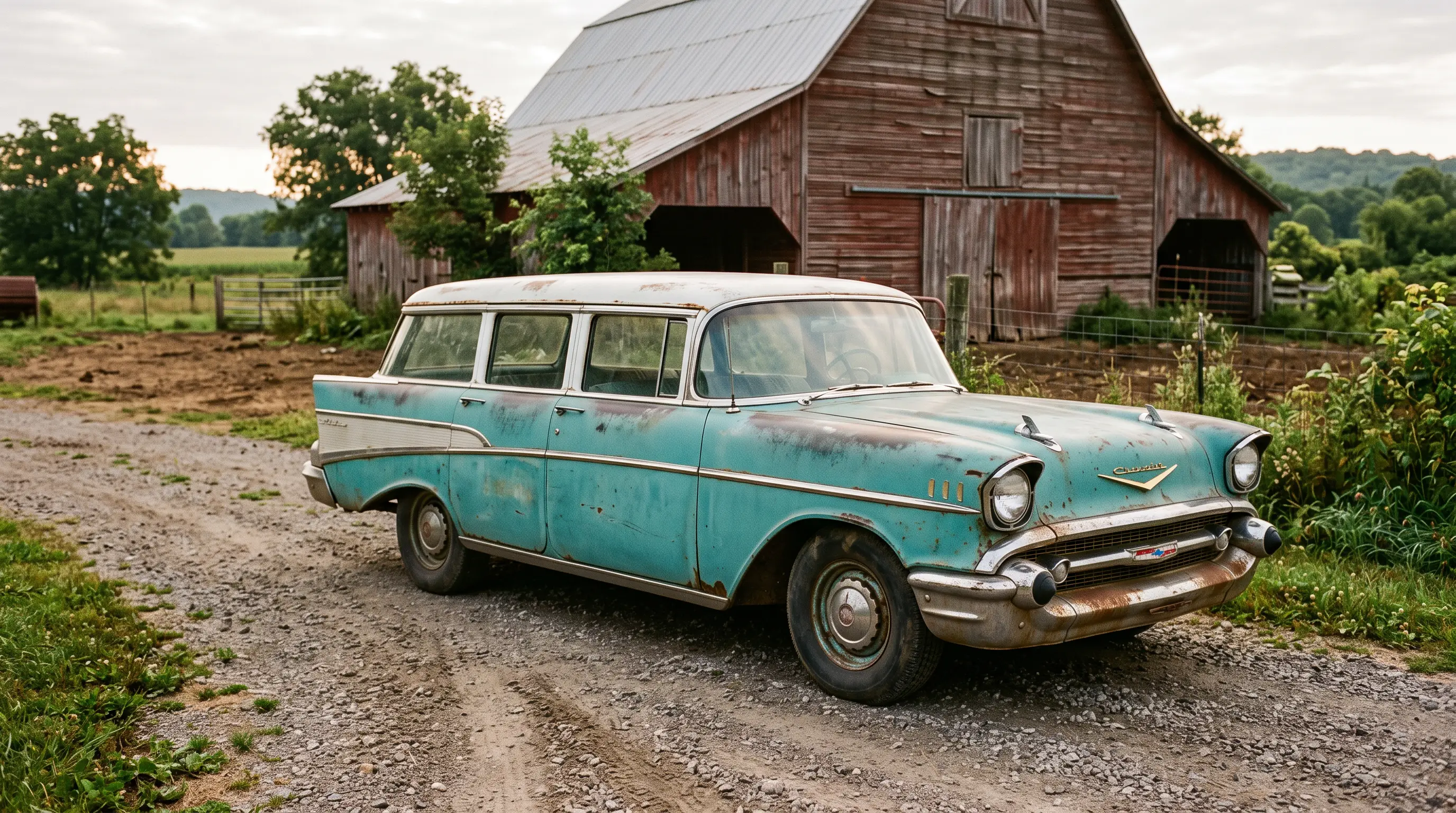
This matters even for cars that are not chasing top tier six figure numbers. A documented six cylinder sedan with clean ownership history and original paperwork will often outsell an undocumented example in seemingly better cosmetic condition, because buyers increasingly understand that cosmetics can be faked in a weekend while a real paper trail cannot. That principle holds across every tier of this market, from entry level sedans to top tier documented performance cars.
Appraisals and insurance value
Getting a proper written appraisal matters more for later Bel Airs than most owners assume, particularly because these cars sit in a price range where standard market value insurance coverage can significantly undervalue a well documented example. Agreed value policies through specialty classic car insurers require exactly the kind of paperwork discussed above, and owners who skip that step often discover the gap between their car's real value and their coverage only after a loss, which is the worst possible time to find out. A fresh written appraisal every few years is a small annual cost against the risk of being underinsured on a car whose market value has quietly climbed since the last policy renewal.
Where this market is heading
Collector interest in full-size Chevrolets from across the Bel Air's entire production run has grown steadily as buyers who grew up around these cars reach the point in life where they can afford to chase one seriously. That demand has lifted prices across the board, but unevenly, with documented performance cars and exceptional original survivors appreciating faster than plain sedans, which remain relatively affordable entry points into the hobby. Anyone tracking 1962 bel air value specifically should watch documented 409 sales closely, since they set the ceiling the rest of the market gets measured against, even though most Bel Airs sold in any given year will never approach that number.
For readers who want the full story of how the nameplate moved through its entire run before settling into its current collector market position, that background provides useful context for understanding why certain years and configurations command the premiums they do today. Buyers ready to compare real asking prices against this framework can look at classic Airs on the market and see how the tiers described here actually play out across current listings.