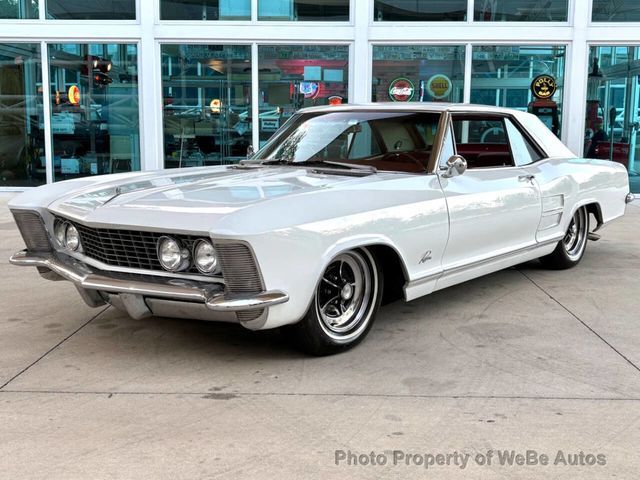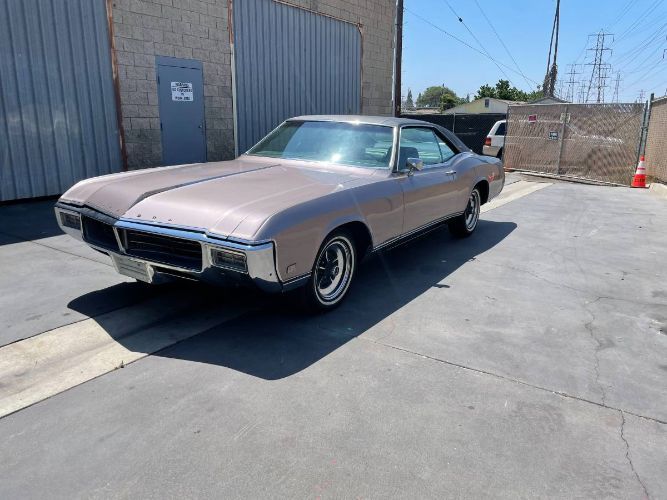
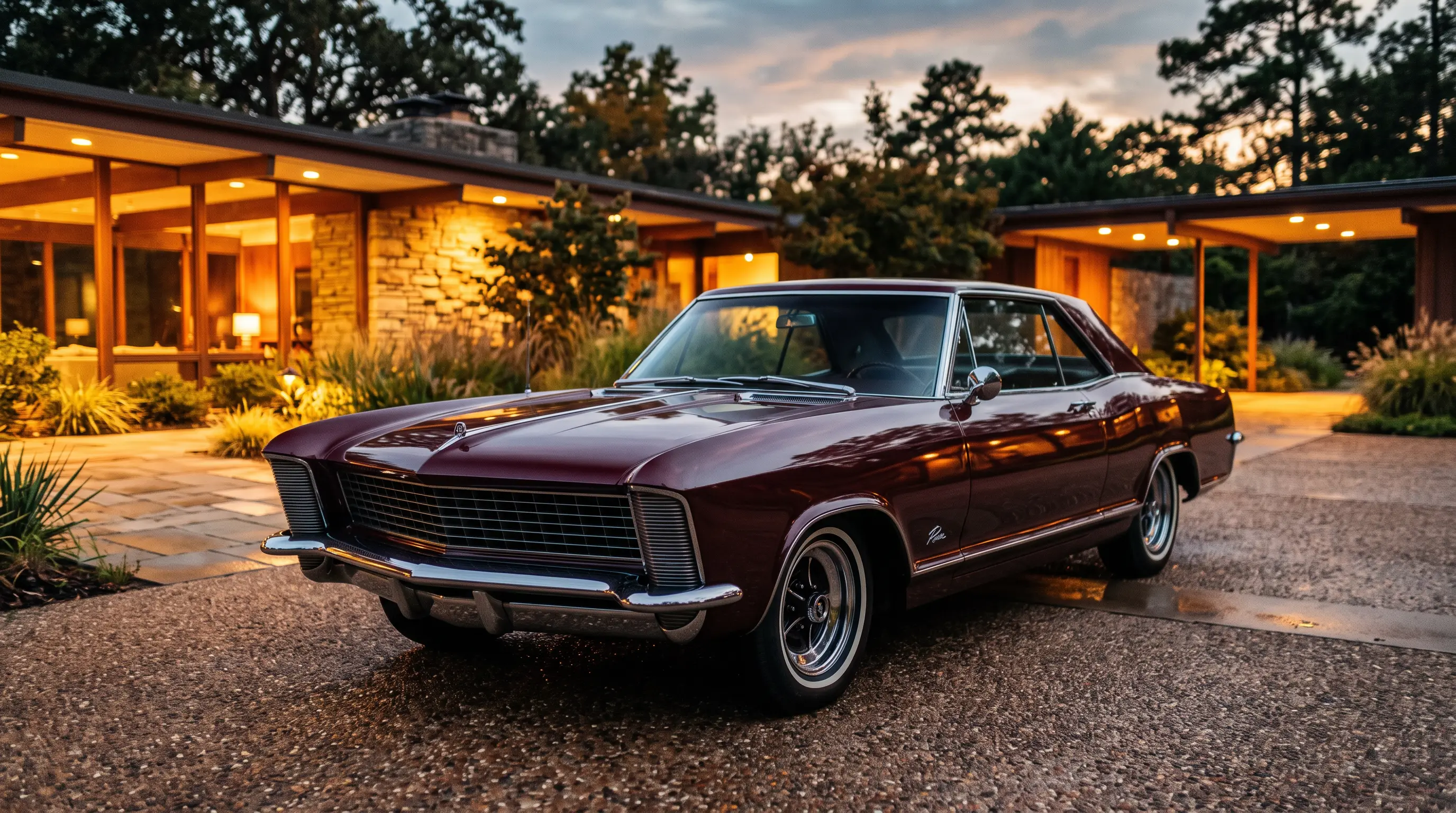
Ask a body man which 1965 Riviera color and trim combination he would want to fix up and you will get an opinion fast, because paint and trim on this car are not just decoration, they are a statement about who ordered it new. I have stripped enough of these down to bare metal to know that color choice on a 1965 Riviera says as much about the original buyer as the engine code does.
The palette Buick actually offered
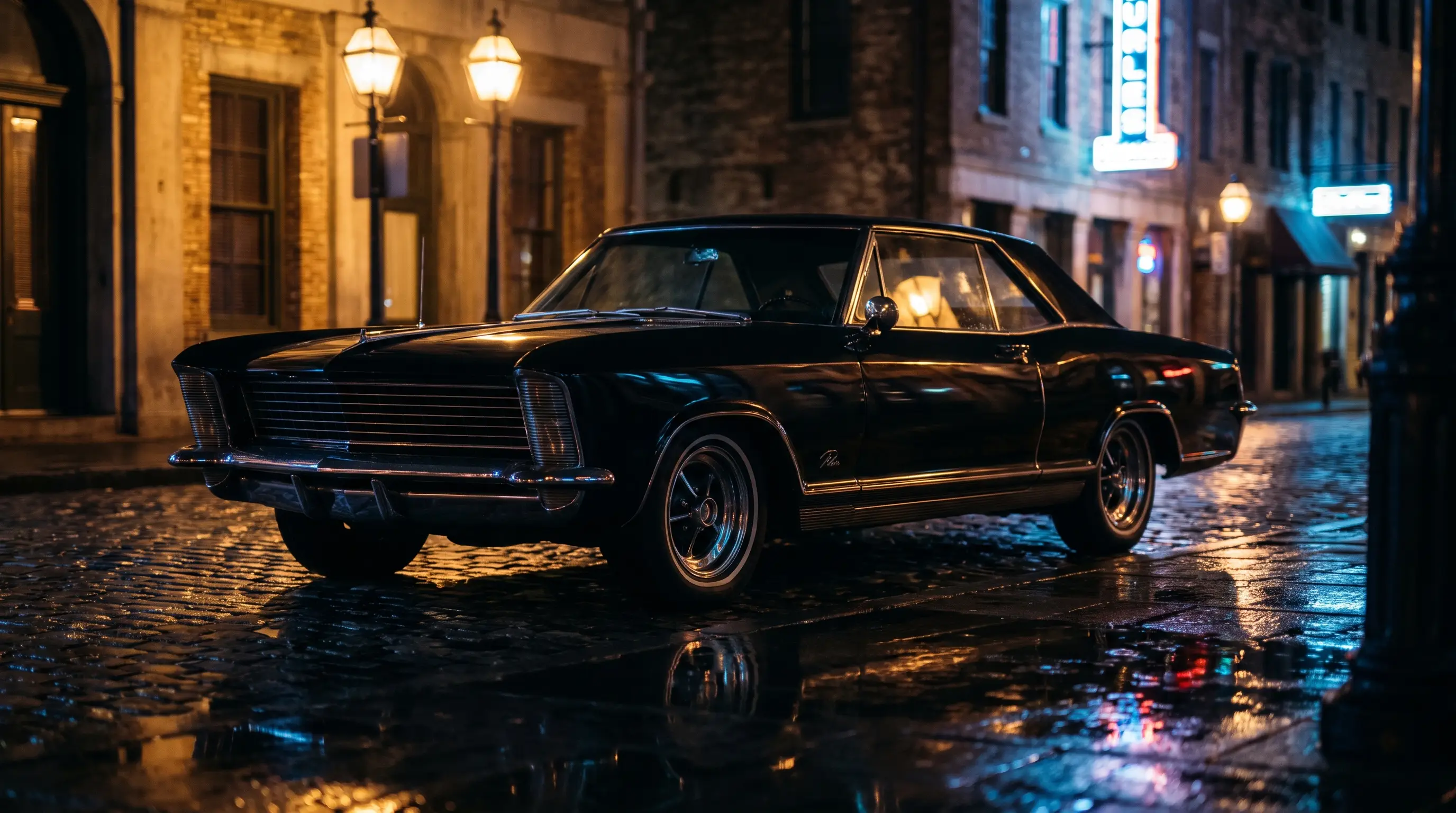
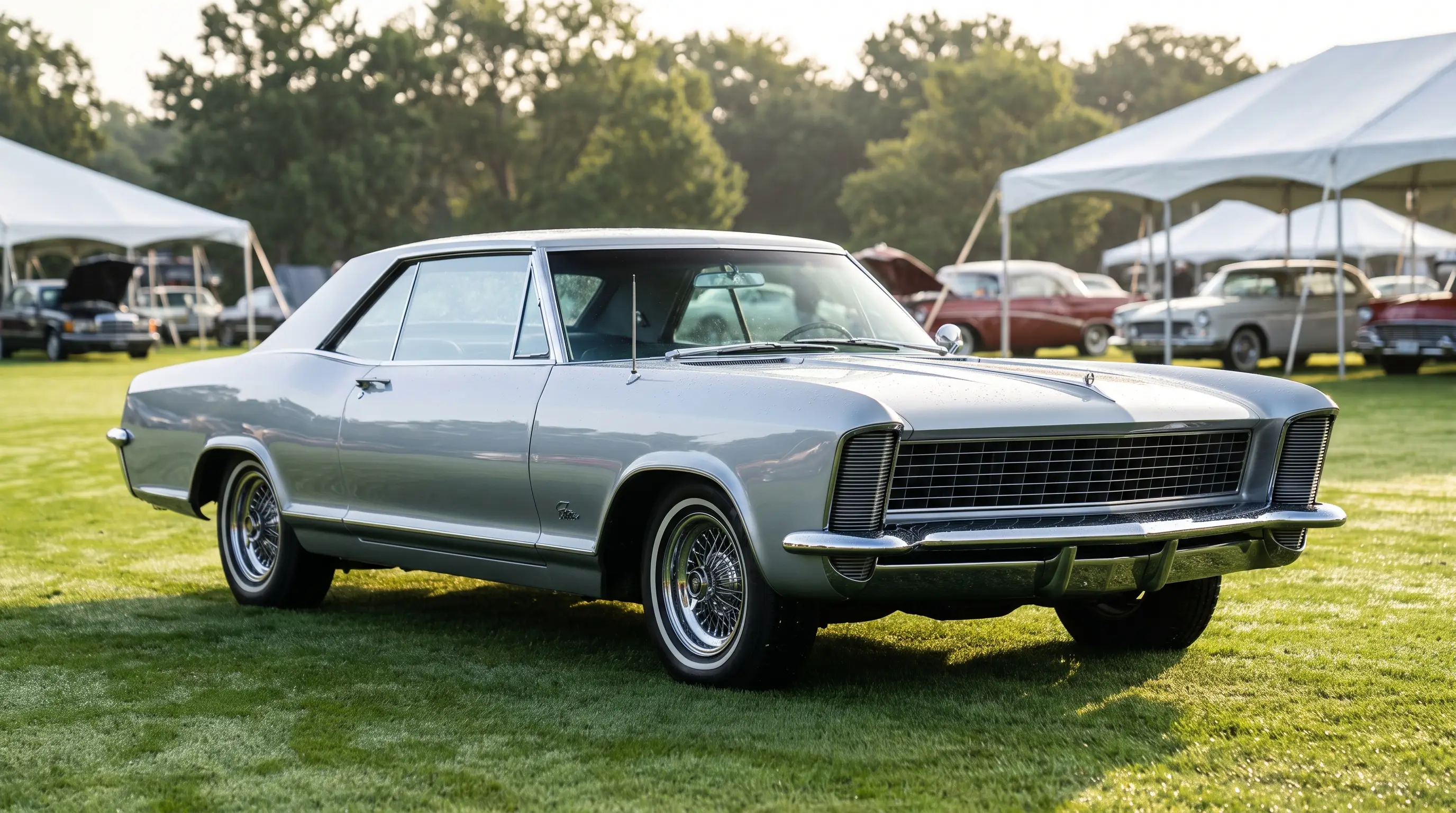
Buick gave 1965 Riviera buyers a real spread of colors that year, roughly fifteen exterior shades in all, running from conservative tones like Arctic White through deeper, more confident colors such as Midnight Blue and Burgundy Mist meant to set the car apart on a dealer lot. What matters more than any single shade is the pattern behind the choices. Buick was not throwing paint at a wall. Darker, richer colors tended to show off the car's crisp fender lines and hidden headlight doors better than pale shades did, and buyers who understood that the Riviera's whole design story was about clean surfaces gravitated toward colors that let those surfaces read clearly under changing light.
A car in a lighter color can look plain from thirty feet if the trim underneath is not sharp. A car in a deeper shade shows every crease and every panel gap, for better or worse. That is why a shop doing a color matched restoration pays as much attention to how paint interacts with the character lines as to the color itself.
Trim packages and what they signal under the paint
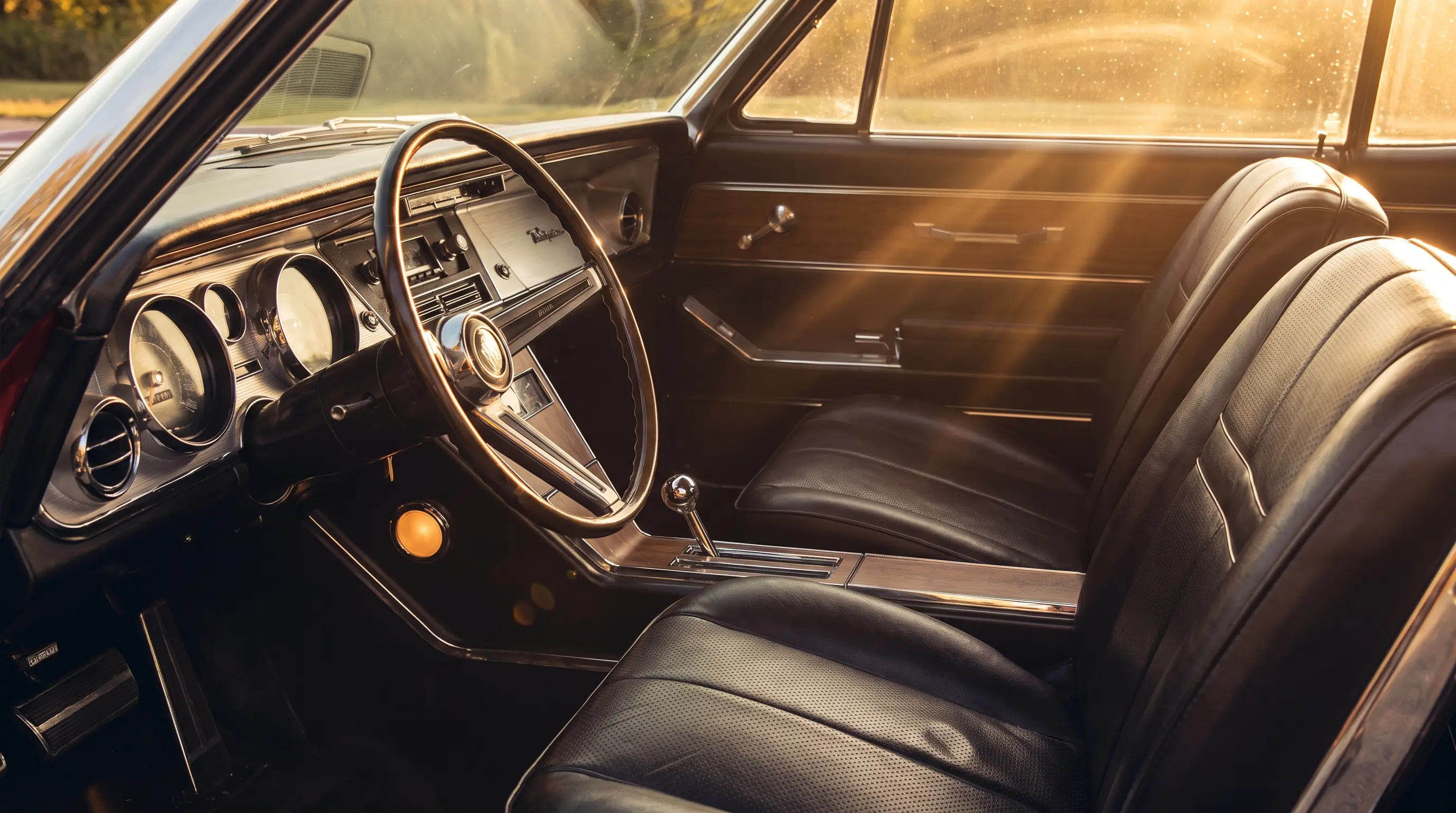
Interior trim on the 1965 Riviera came in a handful of combinations, and the pairing of exterior color to interior trim was not random. Buick's order guide steered certain color and trim combinations together, and a car wearing a mismatched or unusual pairing today is worth a second look, because it either means a factory special order or a repaint that strayed from what left the plant. Either way, that is information a buyer needs before writing a check.
Chrome trim on the body, particularly around the hidden headlight doors and the beltline spear, was applied heavily enough that a dull or pitted set of trim pieces drags down the whole car's presence no matter how good the paint looks. I have seen a otherwise sharp repaint look tired next to a car with original, well cared for brightwork, simply because the trim did the heavy lifting that the paint could not do alone.
| Element | What to look for |
|---|---|
| Body color | Deeper tones show fender lines and clamshell headlight doors best |
| Interior trim | Should match factory pairing for the exterior color, per build sheet |
| Chrome brightwork | Condition affects overall presence as much as paint quality |
| Vinyl roof (if equipped) | Period correct texture and color, not a generic aftermarket cover |
What decades of sun and bad repaints do to these cars
Original lacquer and enamel from 1965 did not hold up the same way modern basecoat clearcoat systems do, and plenty of Rivieras from this year have been repainted at least once, sometimes more, over their lives. That history is not automatically a problem, but it changes what a shop needs to check before starting any color and trim work. A car that has been resprayed in a color close to but not exactly matching the original code will often show it under direct sun, where the true factory shade and the approximate replacement separate just enough to catch a trained eye. I look at door jambs and under the trunk lid first, since those areas get skipped or rushed in a lower budget repaint and usually still carry the original color underneath.
Rust repair complicates this further. Any panel that has been replaced or patched changes how paint lays and how the character lines catch light, even with a skilled bodyman doing the work. A shop that respects the original design will spend real time blending those repairs into the factory lines rather than treating the patch as good enough once it holds paint. That extra care is invisible in photos and completely obvious in person, which is exactly why a serious buyer needs to see a car under natural light before trusting anyone's description of its condition.
Interior trim ages differently depending on which color it started life as. Lighter interior vinyls tend to show sun fade and cracking sooner than darker ones, while darker dash pads can shrink and split from heat exposure in a way that lighter materials sometimes resist a little longer. None of this means one color is objectively better to buy today. It means a buyer needs to weigh the specific wear patterns that specific trim color is prone to, rather than judging every 1965 Riviera interior by the same standard regardless of what shade it started as.
Doing it right in the shop
When a color and trim job gets done properly, the paint depth, the chrome condition, and the interior trim all read as one coherent statement instead of three separate projects bolted together. That means color sanding done with patience instead of a rush job that leaves orange peel in the clear, chrome rechromed rather than just polished over pitting, and interior vinyl sourced in a grain and color that actually matches what left the factory rather than the closest thing available off a shelf. Cutting corners on any one of these three areas shows up immediately to anyone who knows what they are looking at, even if a casual buyer would not notice.
"Paint is the easy part. Getting the trim and the interior to agree with it, that is where a shop earns its money."
- Jim Vasquez
Why the mood of a color choice still matters
People talk about a car's color like it is a surface level decision, but on a design as deliberate as the 1965 Riviera, color decides how the whole shape reads to a passerby. A car finished in a shade that flatters its lines looks like it was drawn that way from the start. A car finished in something that fights the design looks like an afterthought no matter how clean the bodywork is underneath. That is the mood a good color and trim choice creates, and it is worth understanding before committing paint code to metal on a restoration. Anyone wanting the full story of what made this generation's design so exacting will find the color and trim decisions make a lot more sense in that broader context, and anyone hunting for a well finished example can look at classic Riviera for sale listings to see how a range of original and restored colors actually hold up in person.