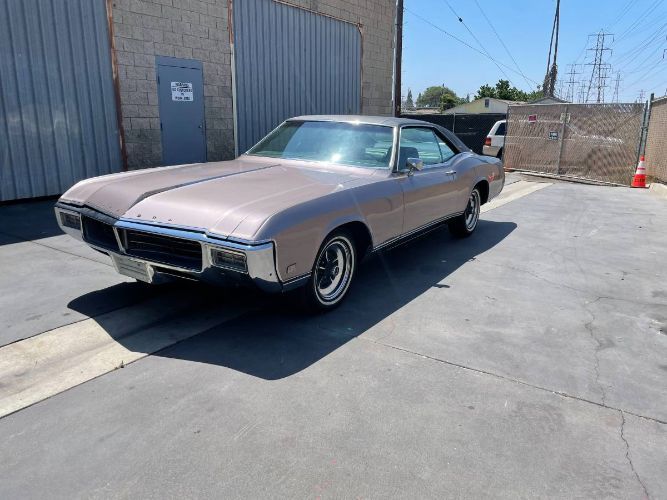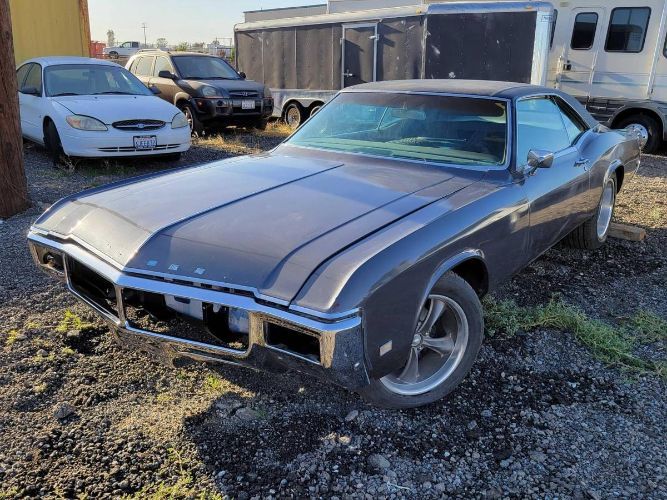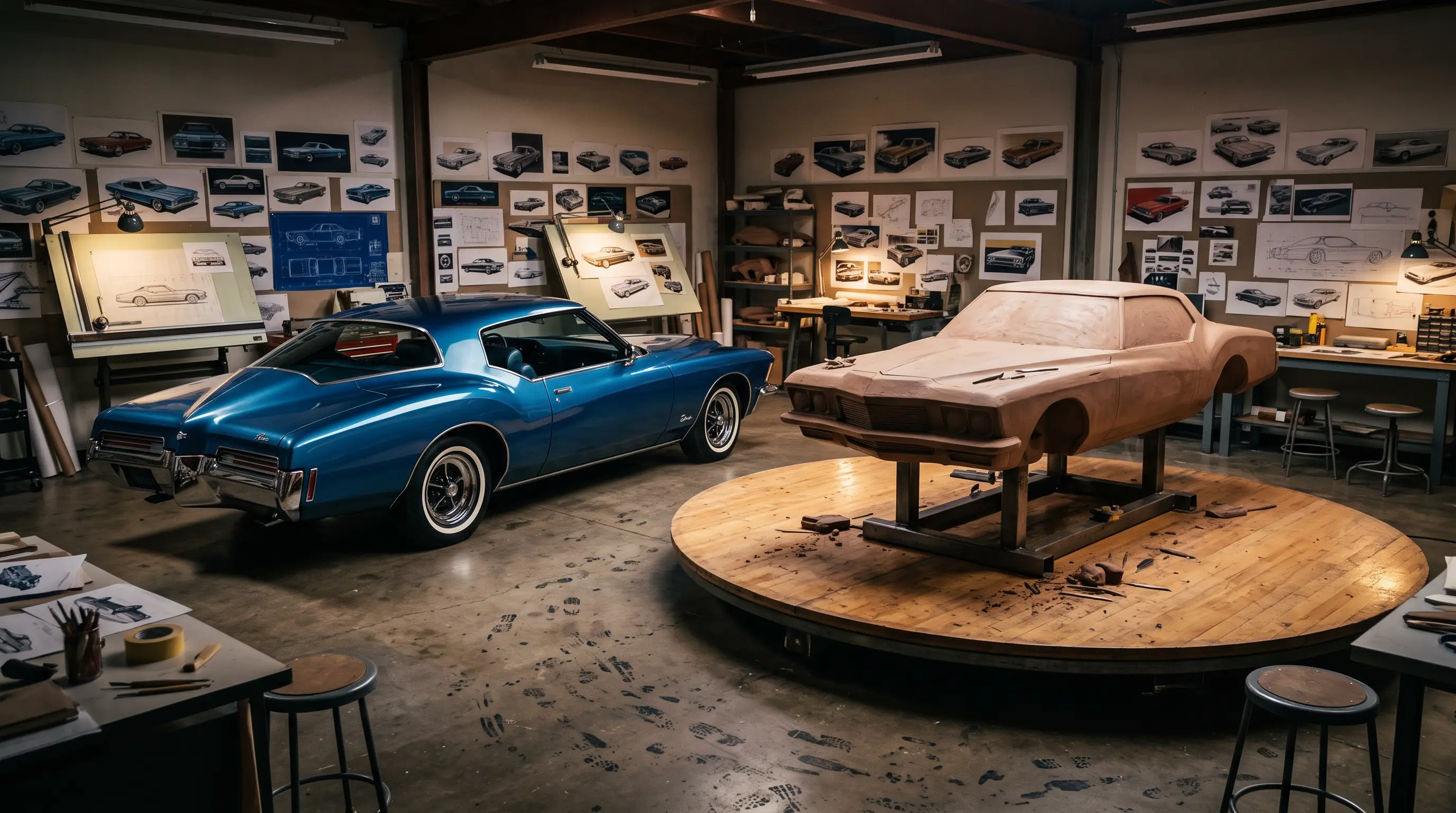
Picture a design studio in suburban Detroit sometime in the late 1960s, clay dust on the floor, and a group of stylists arguing over a shape nobody in Buick's showroom lineup had ever attempted before. That argument is the real starting point of how a radical concept reached the buick riviera boattail concept to showroom, and the distance between that clay model and the cars that eventually rolled off the line in 1971 is longer and stranger than most people assume when they see the finished car today.
A studio sketch with no obvious home
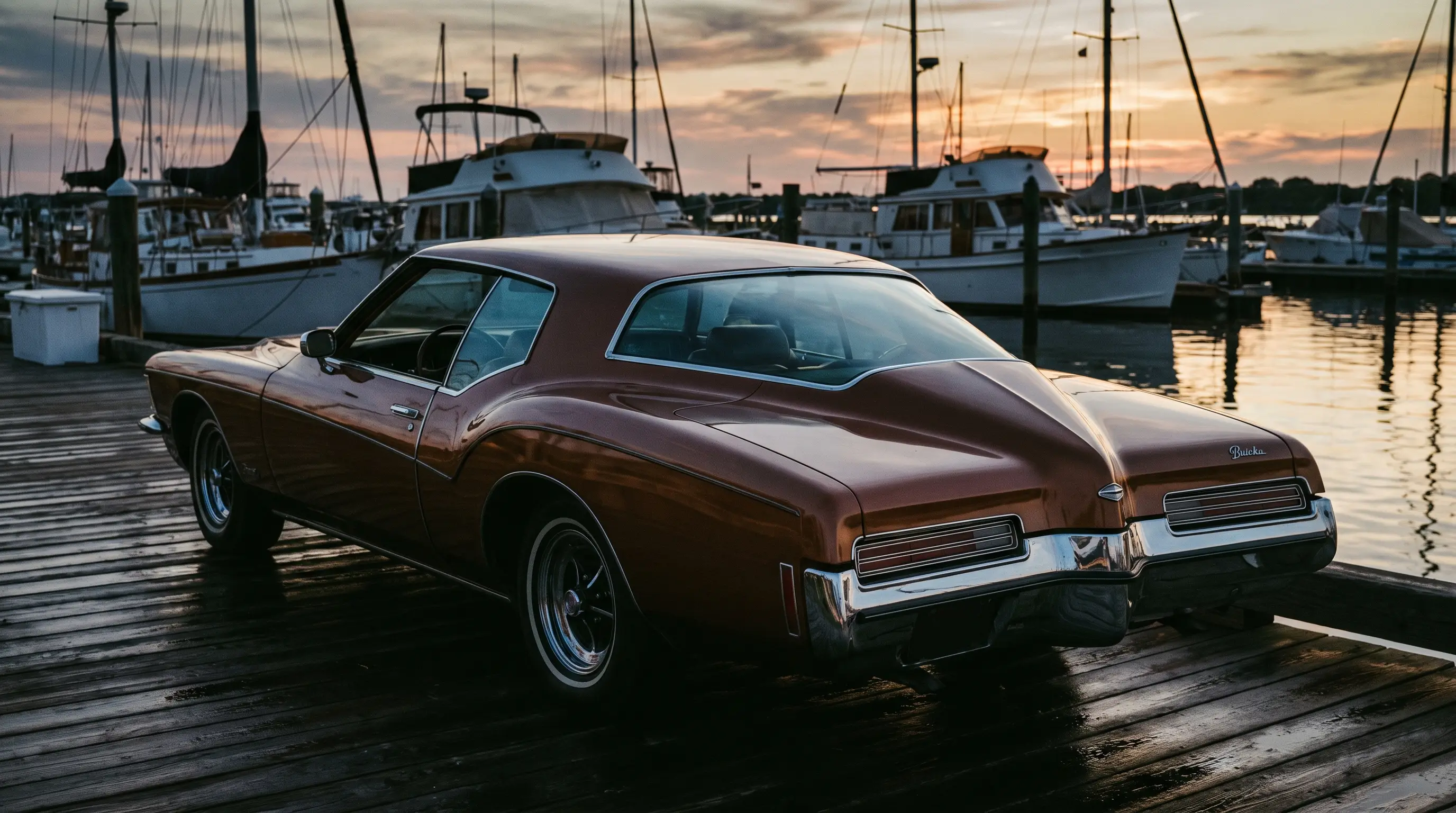
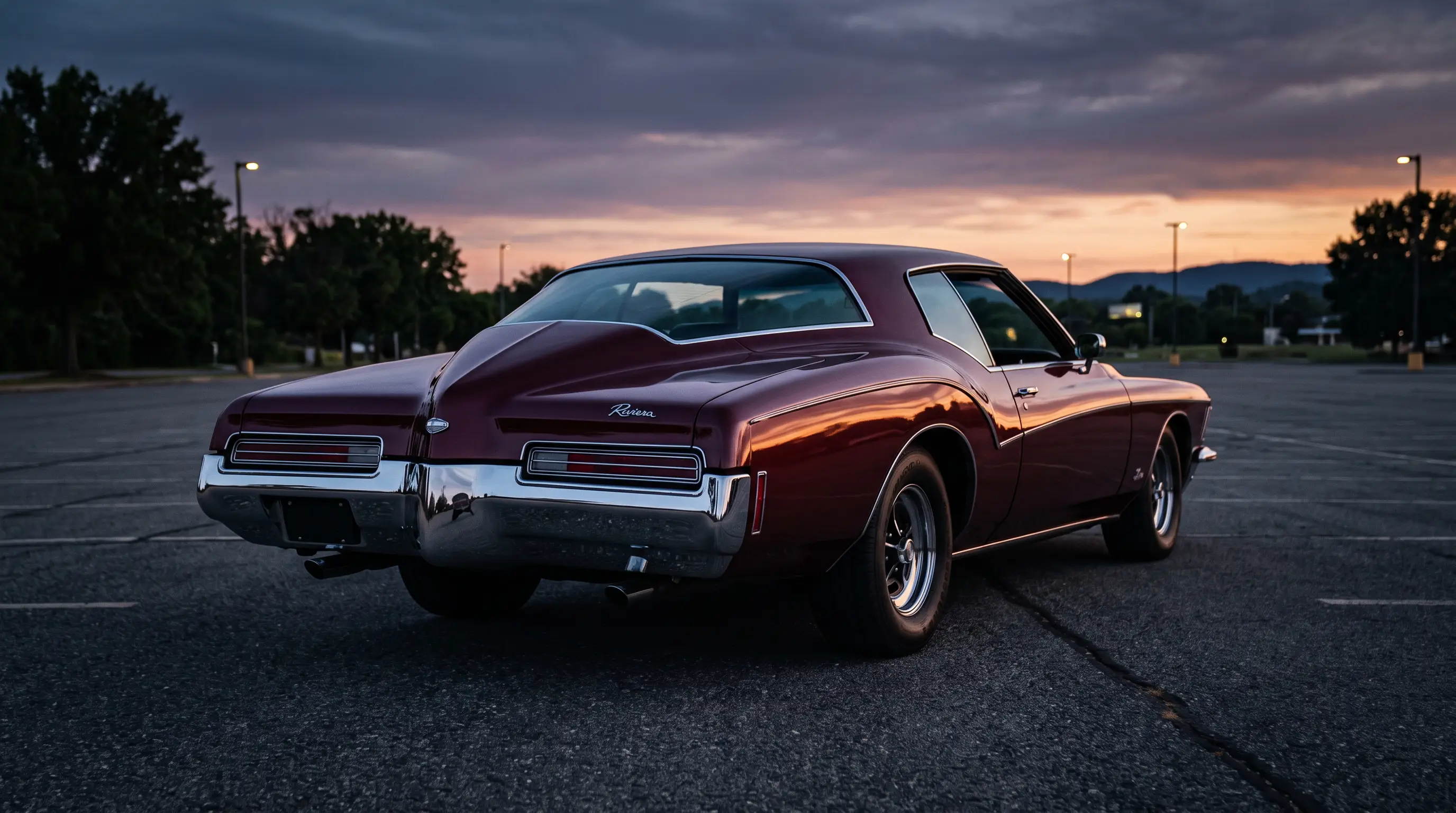
GM design chief Bill Mitchell had a well documented fondness for boats and sailing, and the tapering rear deck that would eventually define the third generation Riviera grew out of that personal obsession as much as it grew out of any market research. Early studio work explored a fastback shape that pulled the rear window in tight and let the deck lid narrow to a near point, a treatment closer to a yacht's stern than to anything Buick had put into production before.
That kind of concept usually dies in a design studio. Most radical clay models get shown to executives, get politely admired, and then get quietly shelved in favor of something safer that will not scare a conservative sales network. The fact that this one survived that gauntlet says something about how much internal support Mitchell was able to build for it inside GM during this period.
Selling the idea to the people who had to sell the car
Getting a shape this bold from a design studio to a production line required convincing Buick's own management, and by extension Buick's dealer network, that a car this dramatic could actually move off a showroom floor. That was not a small ask in the early seventies, when Buick's reputation still leaned heavily on comfortable, conservative styling rather than sculptural risk taking.
The argument that eventually won the day rested on the Riviera nameplate itself. Buick had already used the Riviera name since 1963 to signal its most individualistic, personal luxury offering, distinct from the rest of the lineup. That gave the design team a legitimate home for a shape this unconventional, a car whose whole reason for existing was to be Buick's boldest statement rather than its safest one.
From concept to engineering reality
Once the shape cleared the internal approval process, Buick's engineers had to make it work as an actual production car rather than a static clay model. That meant solving stamping challenges for compound curved sheet metal, working out how the small, steeply raked rear window would handle real world visibility, and packaging a full size personal luxury interior underneath a roofline that had been drawn for drama first and interior volume second.
The finished car kept the standard Buick 455 cubic inch V8 under the hood, with the Gran Sport package available for buyers who wanted the sportier suspension tuning and dual exhaust to match the visual statement outside. None of that drivetrain was radical on its own. The radical part was entirely above the beltline, which meant Buick's engineers were essentially building a familiar, well proven American V8 coupe underneath a body that looked like nothing else on the road.
The showroom moment of truth
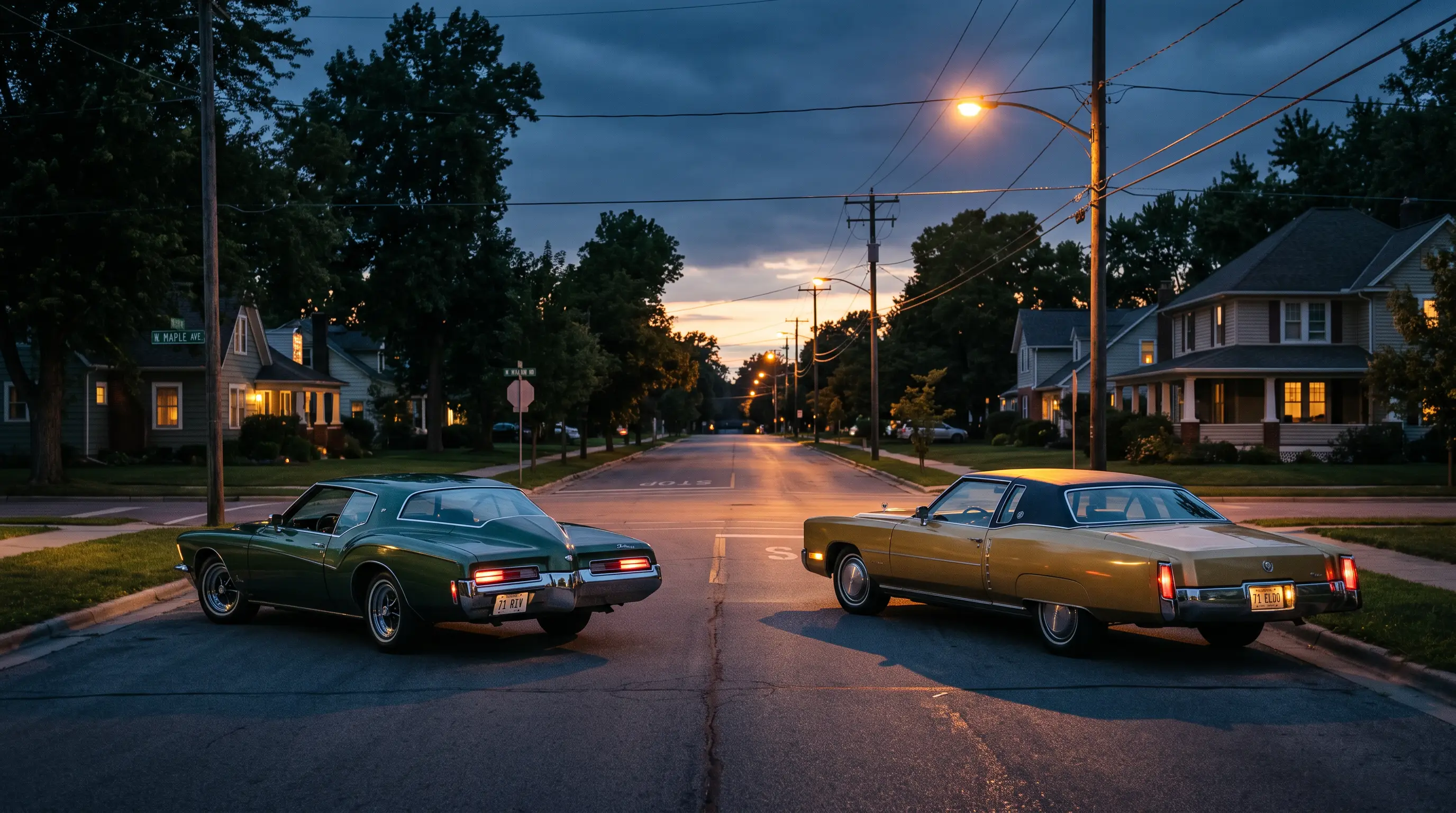
When the 1971 boattail Riviera finally reached dealer lots, it landed in front of a buyer base that was more used to the smoother, more conventional second generation Riviera from the years before. Reactions split sharply. Some buyers loved it immediately and became lifelong defenders of the shape. Others found it too much, too soon, and gravitated toward more familiar personal luxury coupes instead, including Cadillac's Eldorado on the same GM E-body platform.
That split reaction shows up clearly in the sales figures across the three boattail model years, which never quite matched the more conservative Eldorado's numbers. The Riviera outsold the Eldorado in 1971, around 33,810 to 27,368, but by 1972 the Eldorado had jumped to roughly 40,074 units while the Riviera held nearly flat at around 33,728, and Cadillac kept widening that gap through the rest of the run. But the fact that this shape reached production at all, in a business built around minimizing risk at every stage between a sketch and a showroom floor, is itself a small miracle of internal salesmanship inside a company as large as General Motors.
"Somewhere between that first clay model and the showroom floor, somebody at Buick had to stand up in a meeting and defend a car that looked nothing like anything else the company sold. That takes more courage than most people give a 1970s auto executive credit for."
- Patrick Walsh
Three model years of quiet retreat
The concept did not stay frozen once it reached production either. Federal bumper regulations that took effect for the 1973 model year forced Buick to fit a heavier, more prominent rear bumper, a change that softened exactly the delicate taper that had made the 1971 car's rear end so distinctive. Buick also toned down some exterior trim and detailing across the run, small retreats from the purest version of the concept that suggest even after the shape reached showrooms, the internal argument about how much drama the market could tolerate never fully settled.
Looking at the three model years side by side tells that story better than any single photo can. The 1971 car is the concept nearly unfiltered. The 1973 car is the same basic idea wearing a heavier coat, a car still recognizably a boattail Riviera but one that had already started compromising with regulation and market caution by the time production wound down.
Why the journey still matters
Knowing how close this shape came to never reaching production changes how you look at a surviving boattail Riviera today. It is not just a striking design. It is proof that a large, cautious corporation occasionally lets a genuinely bold idea survive the entire journey from a stylist's sketch to a customer's driveway, intact enough that the finished car still reads as a single coherent statement rather than a design compromised into blandness by committee.
If you want the whole picture of how Mitchell's studio refined this shape across its development, that history fills in the gaps this concept to production journey only sketches. And if this story has you wanting to see the finished result in person rather than in old design sketches, you can find a classic Riviera and judge for yourself whether Buick's gamble on this shape paid off.
Standing next to one now, decades removed from those studio arguments and dealer floor debates, it is easy to forget how uncertain the whole path from sketch to showroom actually was. The car survived, the shape survived largely intact through three model years, and the story behind that survival is arguably as interesting as the finished sheet metal itself.