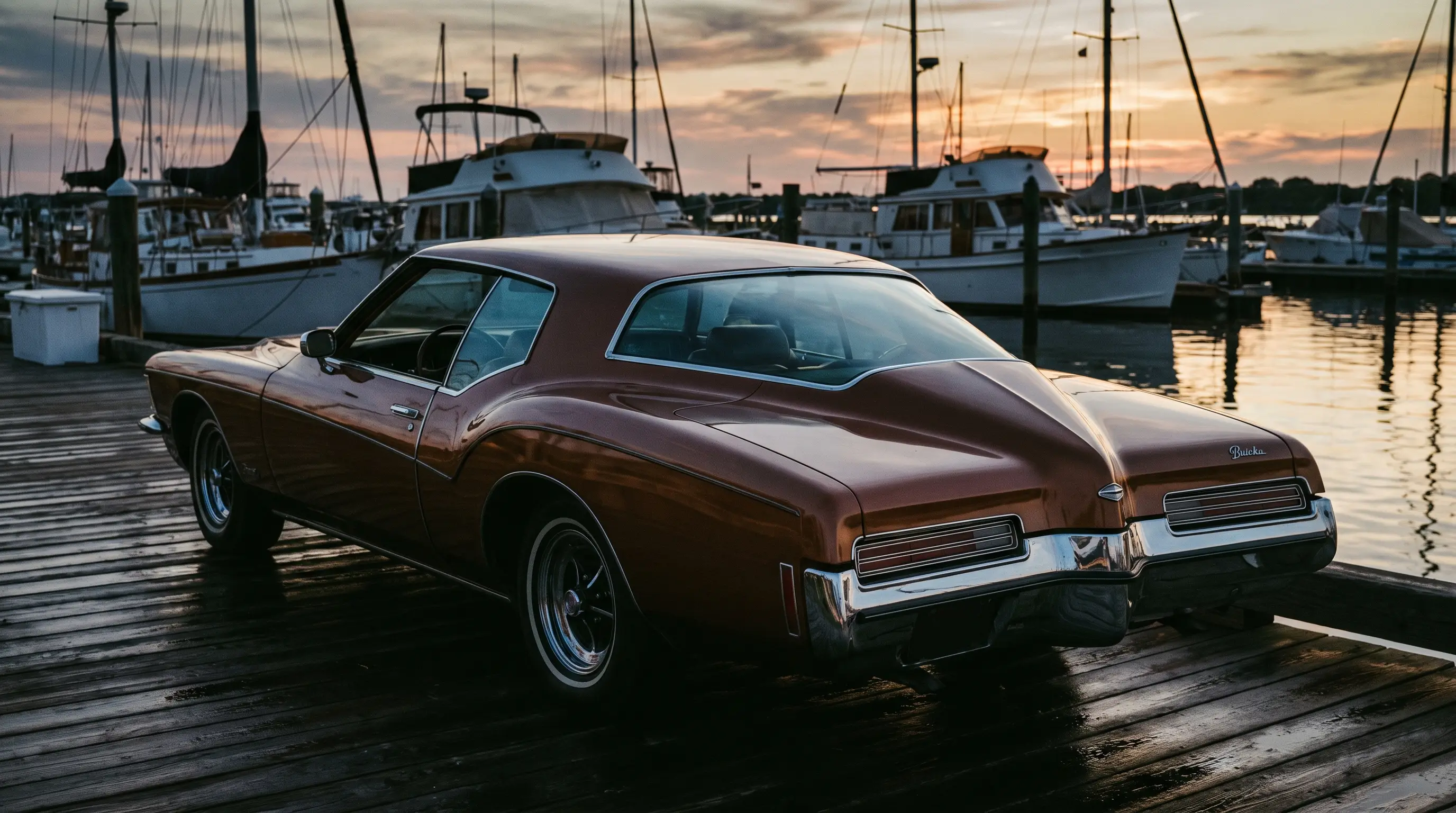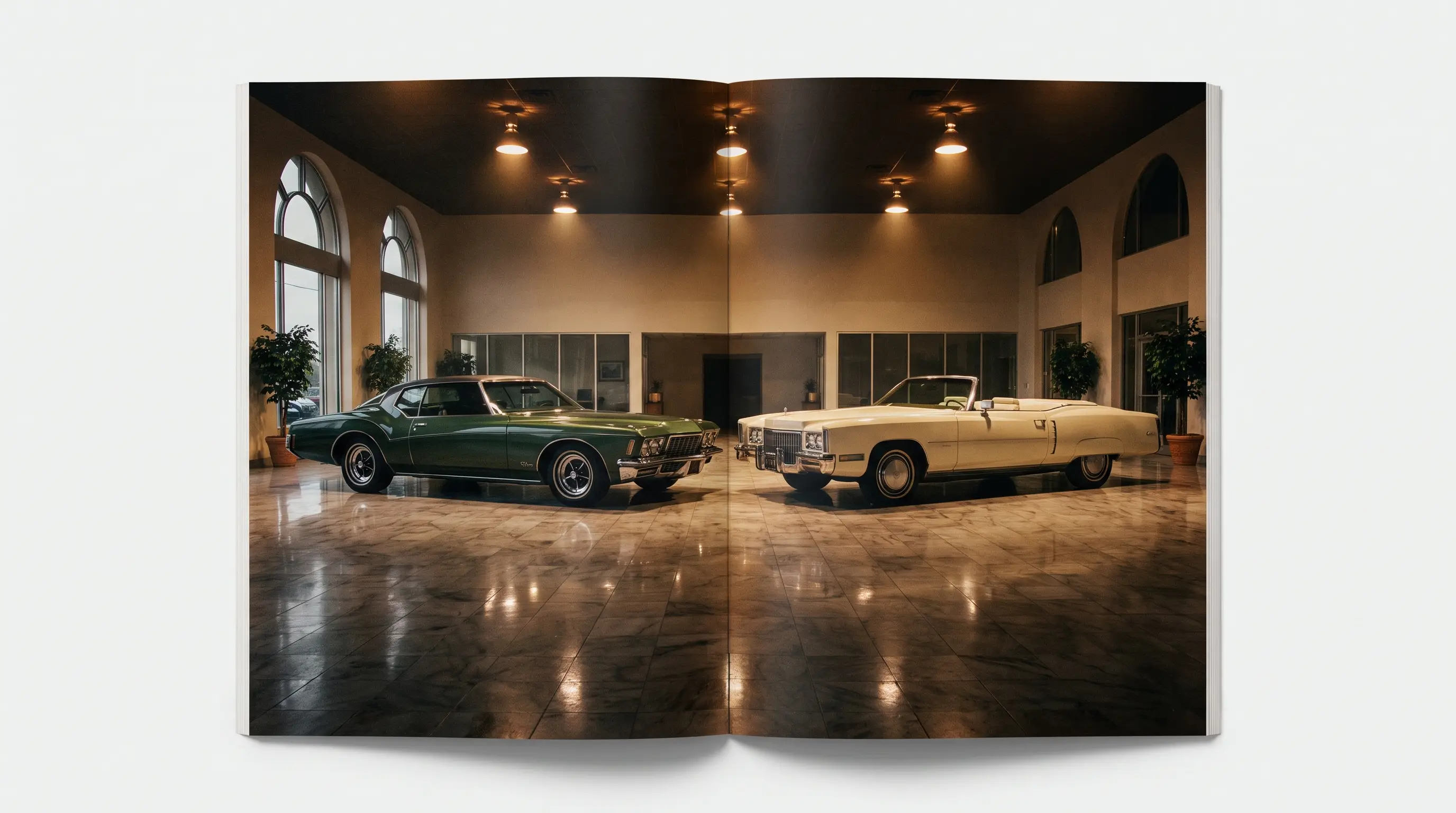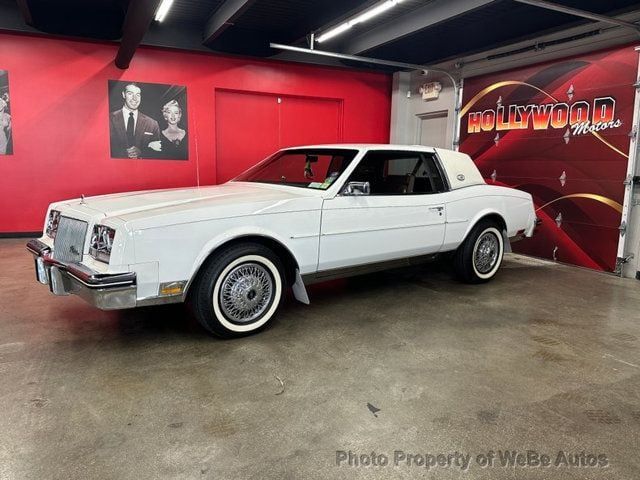
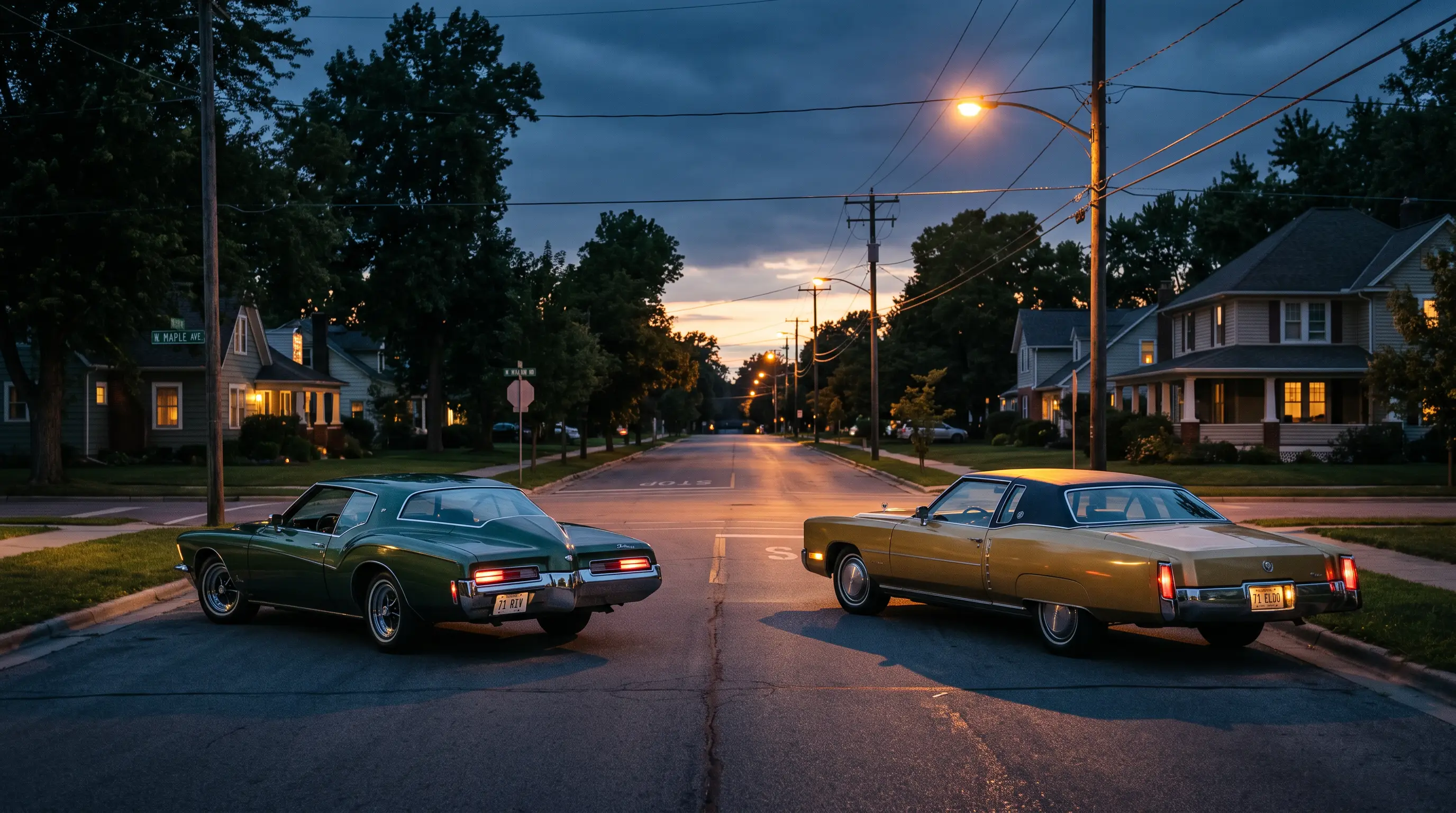
Every era in the car business has a moment where two competing ideas of the same thing sit side by side on the same platform, and the buick riviera boattail eldorado personal luxury crossroads is one of the cleanest examples I have seen in fifty years around this hobby. Buick and Cadillac took the same GM E-body bones and pointed them in different directions, and what came out the other end tells you almost everything about where personal luxury cars were headed by the middle of the 1970s.
A shared platform pulled two ways
The E-body underpinnings supported the Riviera, the Eldorado, and the Oldsmobile Toronado, three cars aimed at three slightly different versions of the same wealthy buyer. Buick kept the Riviera on a conventional rear wheel drive layout while Cadillac and Oldsmobile committed to front wheel drive, a genuinely bold engineering call for the American market at the time. That split alone tells you GM was not trying to build one personal luxury car and rebadge it three times. Each division was solving its own version of the brief, and the results diverged from there.
By the early seventies this whole segment sat at a real crossroads. Buyers still wanted size, chrome, and presence, but the industry was starting to feel pressure from emissions rules, insurance surcharges on big engines, and a public mood that had started to question whether a personal luxury coupe needed to weigh two tons to prove a point.
Buick's answer at the crossroads
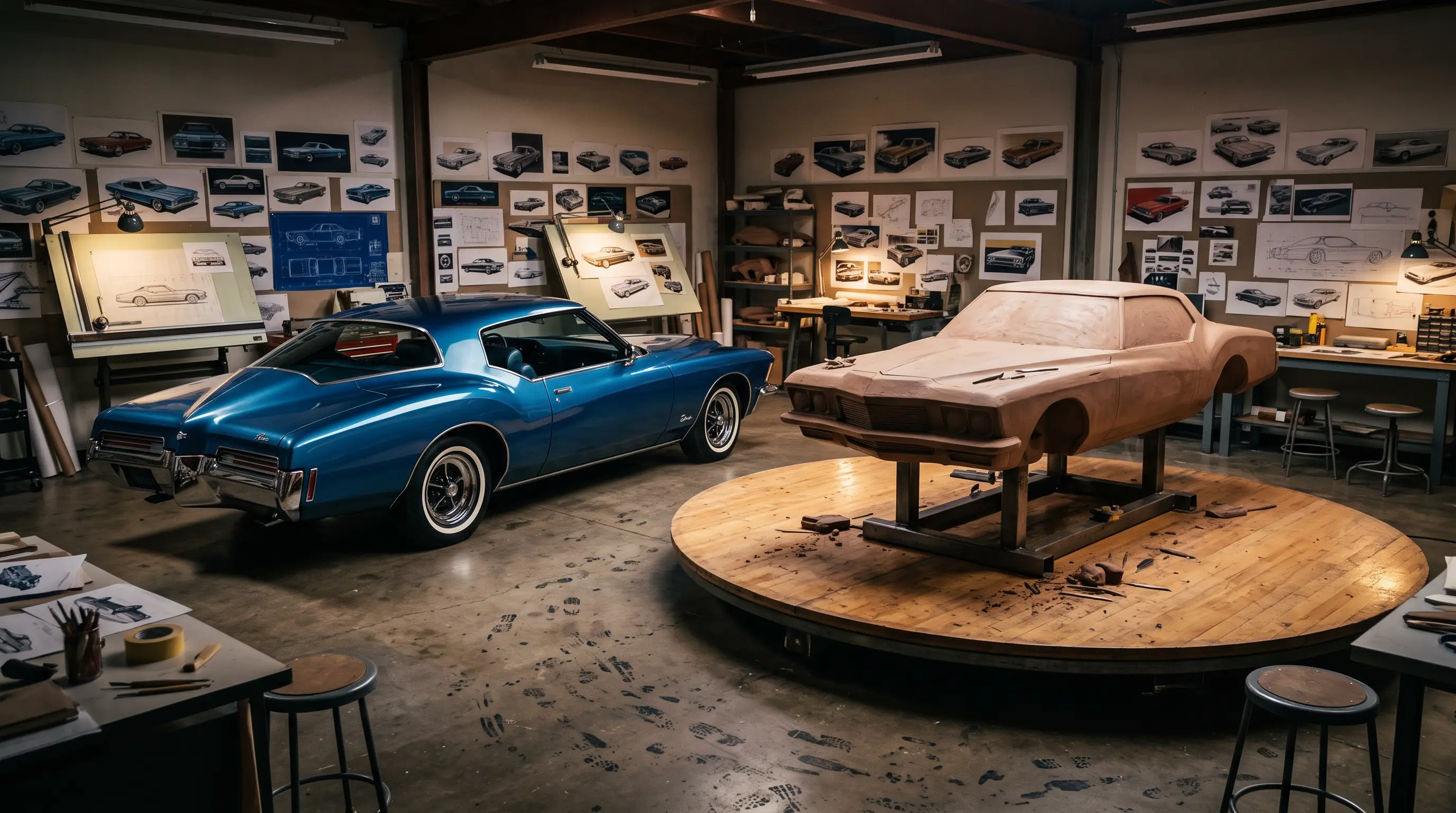
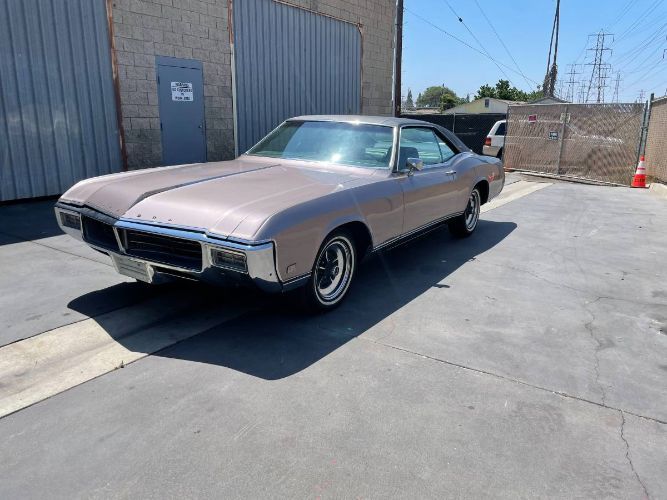
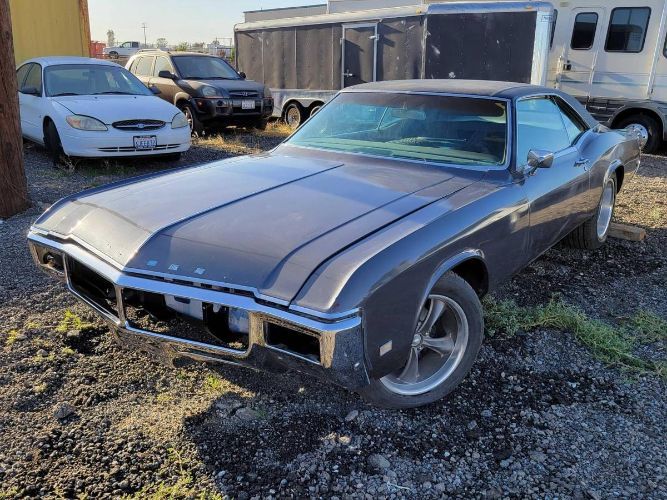
Buick's answer was to double down on the sculpture. The buick riviera boattail history traces how design chief Bill Mitchell pushed his studio toward a tapering, boat inspired rear deck that broke every convention of a squared off American coupe. That was a genuine risk for a division that had built its reputation on comfortable, conservative styling for most of two decades. Buick bet that a buyer at this crossroads wanted individuality more than familiarity, and for a meaningful slice of the market, that bet paid off in the kind of loyalty that still shows up at car shows today.
The 455 cubic inch V8 under the hood, especially in Gran Sport trim, backed up the visual statement with real performance for a car this size, even as horsepower ratings softened year over year through 1973 as compression dropped for emissions compliance. The 1971 GS 455 Stage 1 was rated around 330 hp gross, but once the industry switched to SAE net ratings for 1972 the Stage 1 package was quoted at roughly 270 hp net, a drop that reflects the measuring standard as much as any real loss of power.
Cadillac's answer at the same crossroads
Cadillac took the opposite bet with the Eldorado. Rather than reinvent the shape of personal luxury, Cadillac refined a formula buyers already trusted, kept the lines flatter and more formal, and let the front wheel drive layout be the quiet engineering flex instead of the sheet metal. That is a legitimate answer to the same crossroads, just a more conservative one, and the sales numbers of the era suggest more buyers agreed with Cadillac's read of the room than agreed with Buick's. Cadillac sold around 27,368 Eldorados against roughly 33,810 Rivieras in 1971, but by 1972 the Eldorado had climbed to about 40,074 units while the Riviera held nearly flat at around 33,728, and the Eldorado kept widening that lead from there.
Neither company was wrong. They were reading the same market and drawing different conclusions about how much risk a buyer at this price point was actually willing to accept in exchange for individuality.
What a builder sees looking back at this fork in the road
I have had both cars on my lift, and the personal luxury crossroads shows up in more than just styling. The Riviera's rear wheel drive layout means a builder or an owner doing their own work is dealing with a familiar driveline arrangement, transmission tunnel, and rear axle setup that borrows heavily from other Buick big cars of the era. The Eldorado's front wheel drive system asks a completely different set of questions from anyone working on it, one that fewer independent shops in this hobby are comfortable tackling today.
That practical difference matters more than most buyers realize when they are choosing which side of this crossroads to collect. A Riviera is, mechanically, the more approachable classic to live with long term, even though its body is the more dramatic and harder to source sheet metal of the two.
"Two divisions, one platform, two completely different answers to the same question. That is the kind of moment that only happens once or twice in an automaker's history, and GM happened to have it twice in the same showroom."
- Jim Vasquez
How the crossroads shows up in restoration costs
The practical cost of collecting either car runs downstream from that same fork in the road. A Riviera's rear wheel drive components, driveshaft, differential, and transmission overlap with parts bins that also serve other big Buicks from the same years, which keeps sourcing a little easier than owners of the Eldorado's front wheel drive system tend to experience. That system is a genuine engineering achievement for its era, but it is also a narrower universe of shops and parts suppliers who understand it well.
I tell customers the same thing about both cars. Budget more for body and trim than for driveline, because the mechanical side of either car is manageable with patience. The unique sheet metal, especially the Riviera's tapering deck lid and quarter panels, is the part of this crossroads that gets more expensive to fix every year that passes.
Which side of the crossroads still holds up
Fifty years on, both cars have their defenders, and I am not going to pretend the Riviera is objectively the better choice for every collector. But if you want the car that still argues for itself the moment someone walks up to it, the boattail wins that argument more often than not. If you want a related story on how Buick's studio actually got that shape approved for production, it explains a lot about how close this design came to never reaching a crossroads at all.
If this crossroads has you leaning toward the Buick side of it, there are Rivieras for sale now worth a look, and I would tell any buyer the same thing I tell customers in my own shop: buy the straightest body you can find first, because that boattail sheet metal is the one part of this car nobody is stamping new replacements for.
Whichever side of this crossroads you land on, the two cars deserve to be understood together rather than judged in isolation. They came from the same GM parts bin and the same design era, and the fact that they look and drive so differently is exactly what makes this period of American luxury coupes worth studying instead of just admiring from across a parking lot.
I keep coming back to this crossroads whenever a customer asks me why I have spent so many years on Buicks instead of chasing whatever the market currently rewards. The honest answer is that the boattail Riviera represents a moment when a major automaker let its design studio take a real swing instead of playing it safe, and cars built from that kind of conviction tend to hold up better, in both value and character, than cars built purely to hit a sales target.