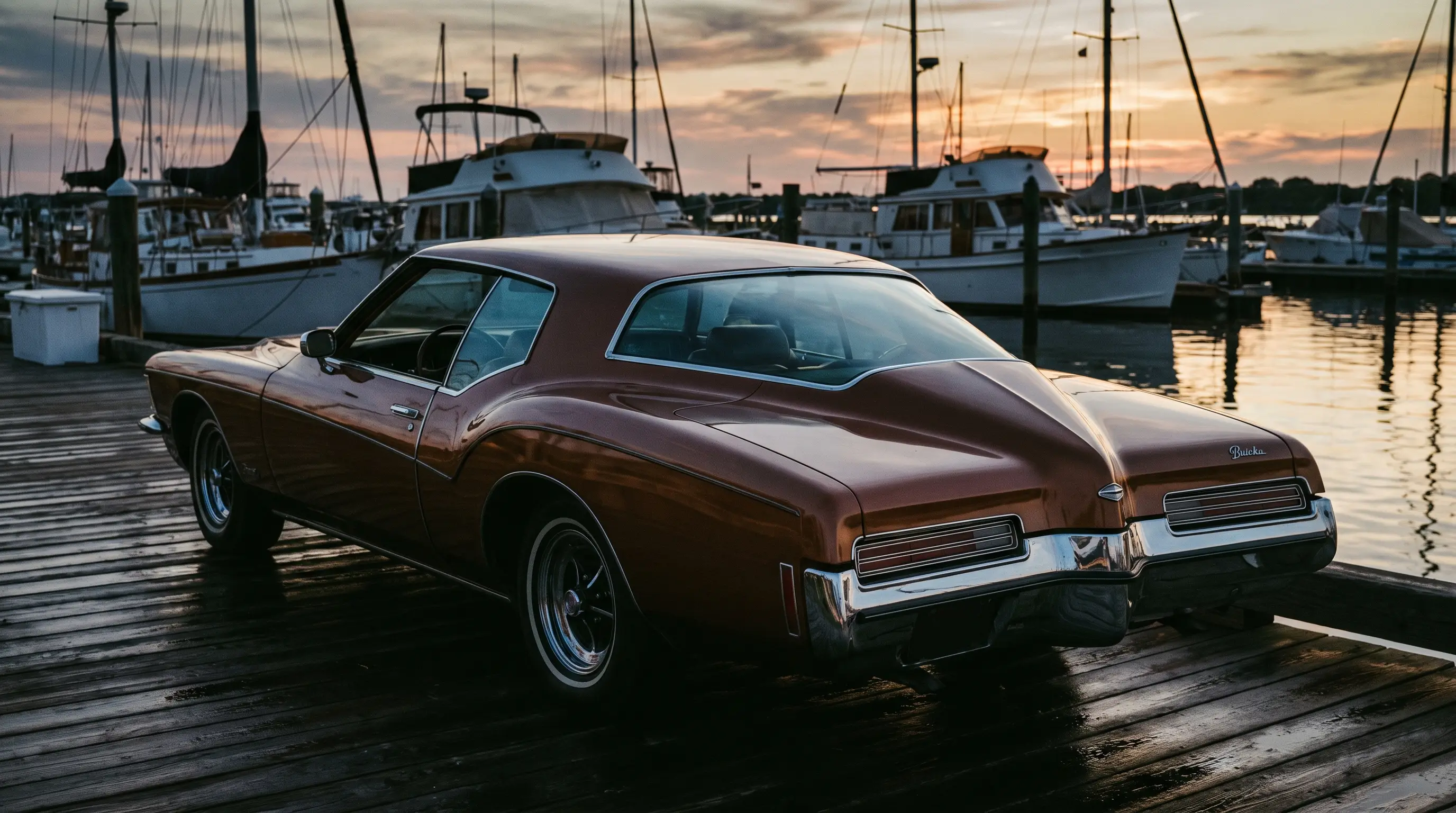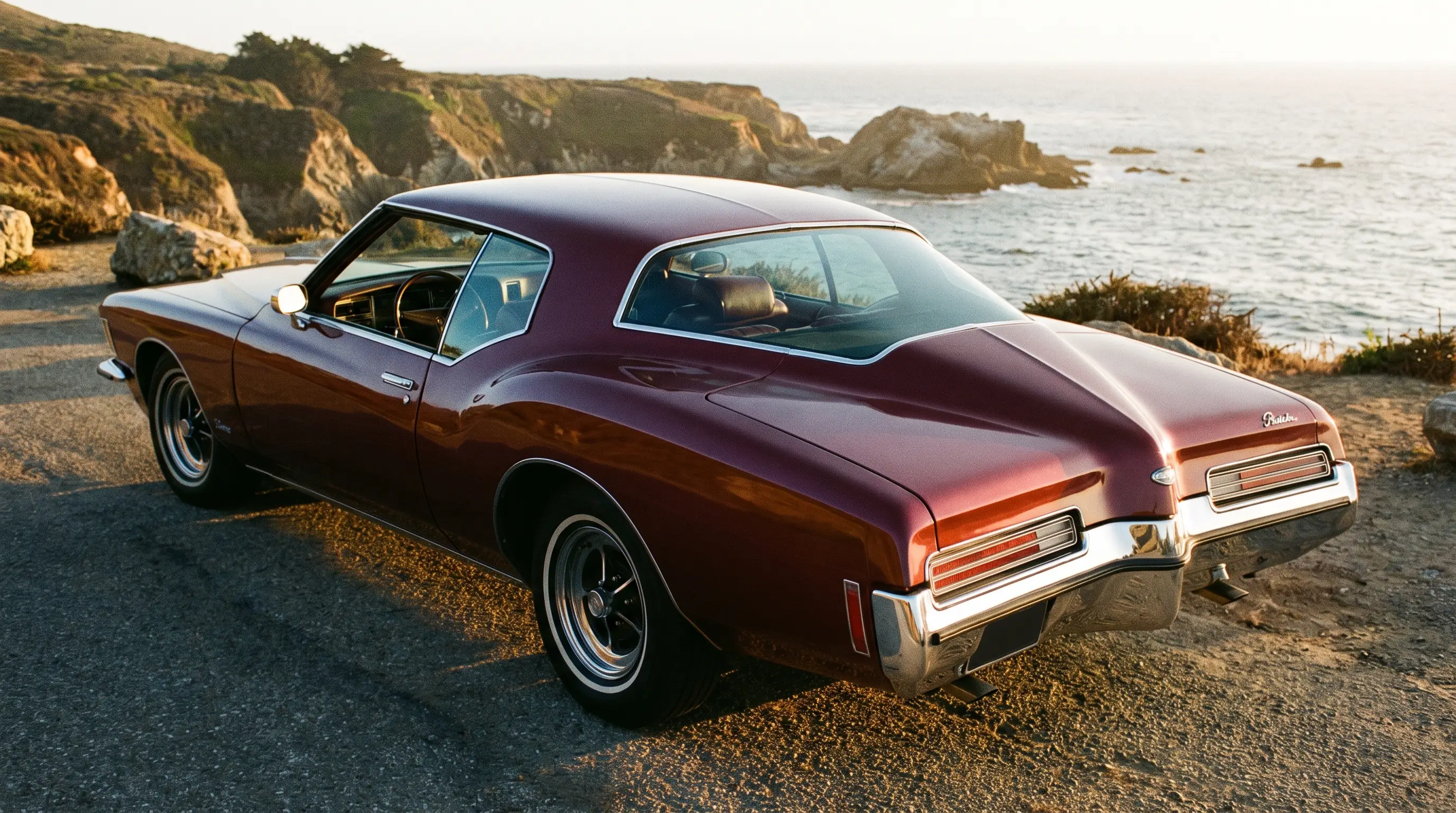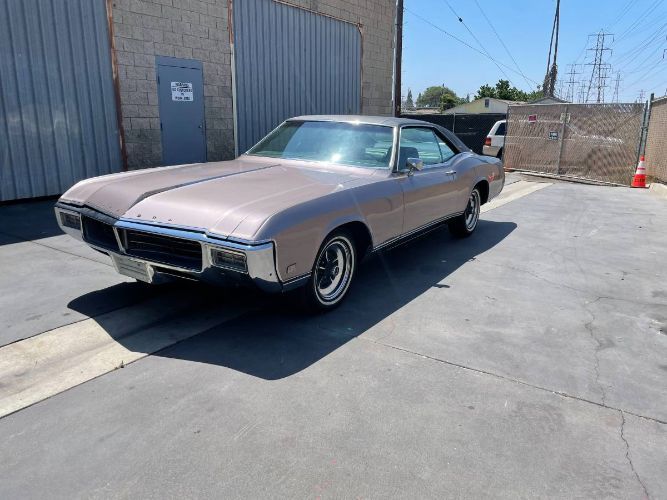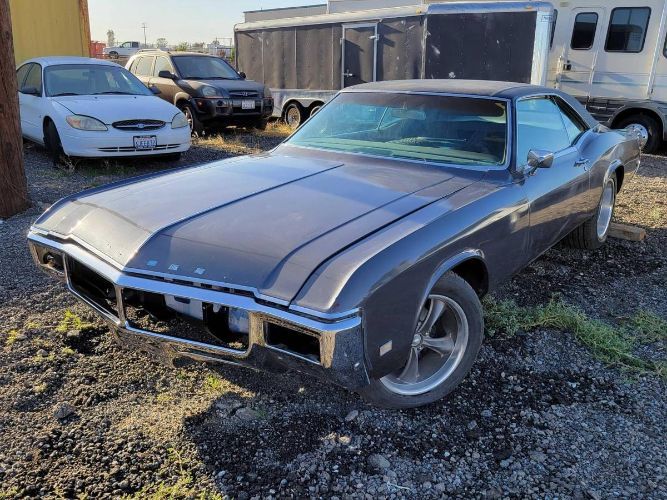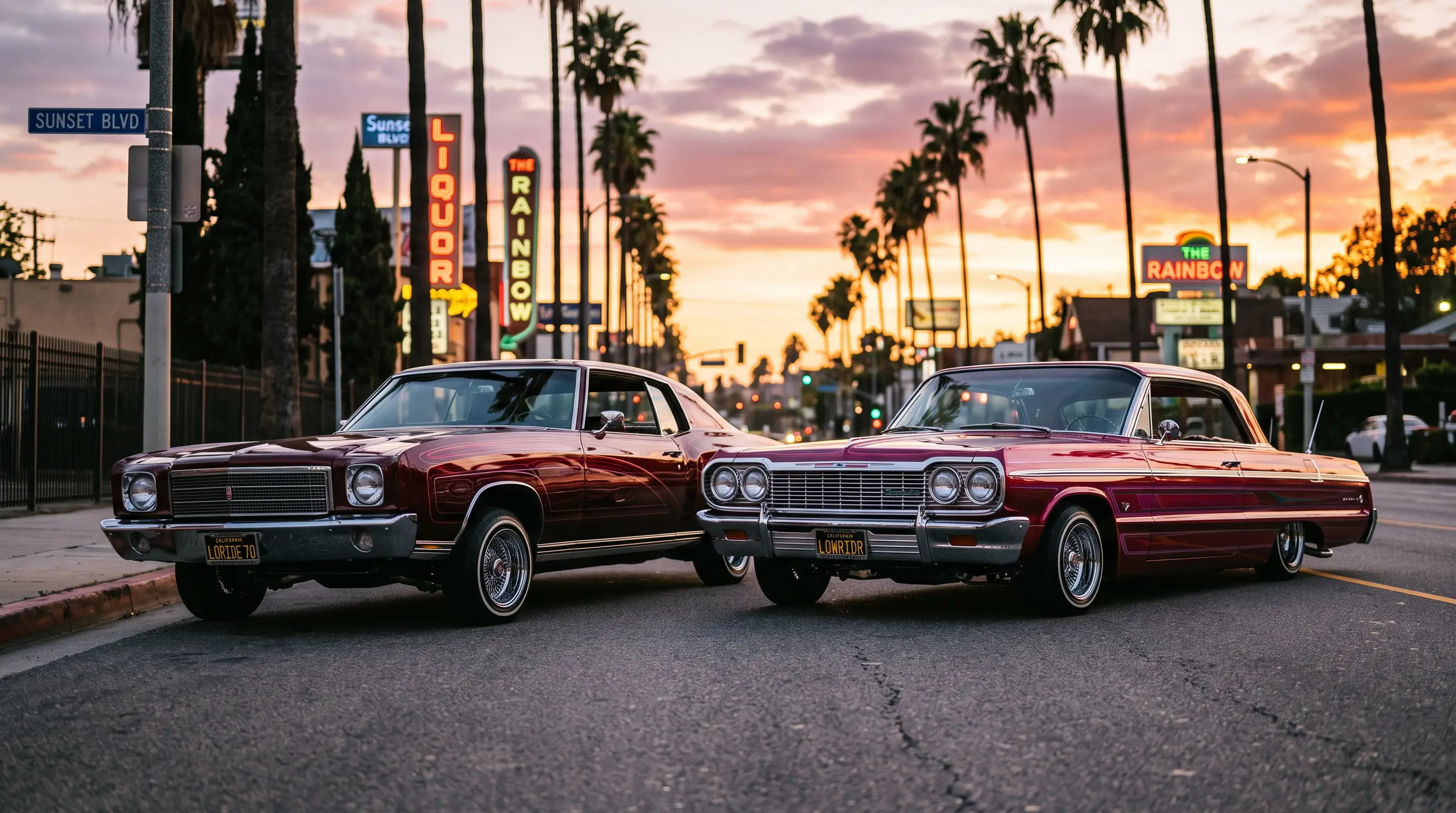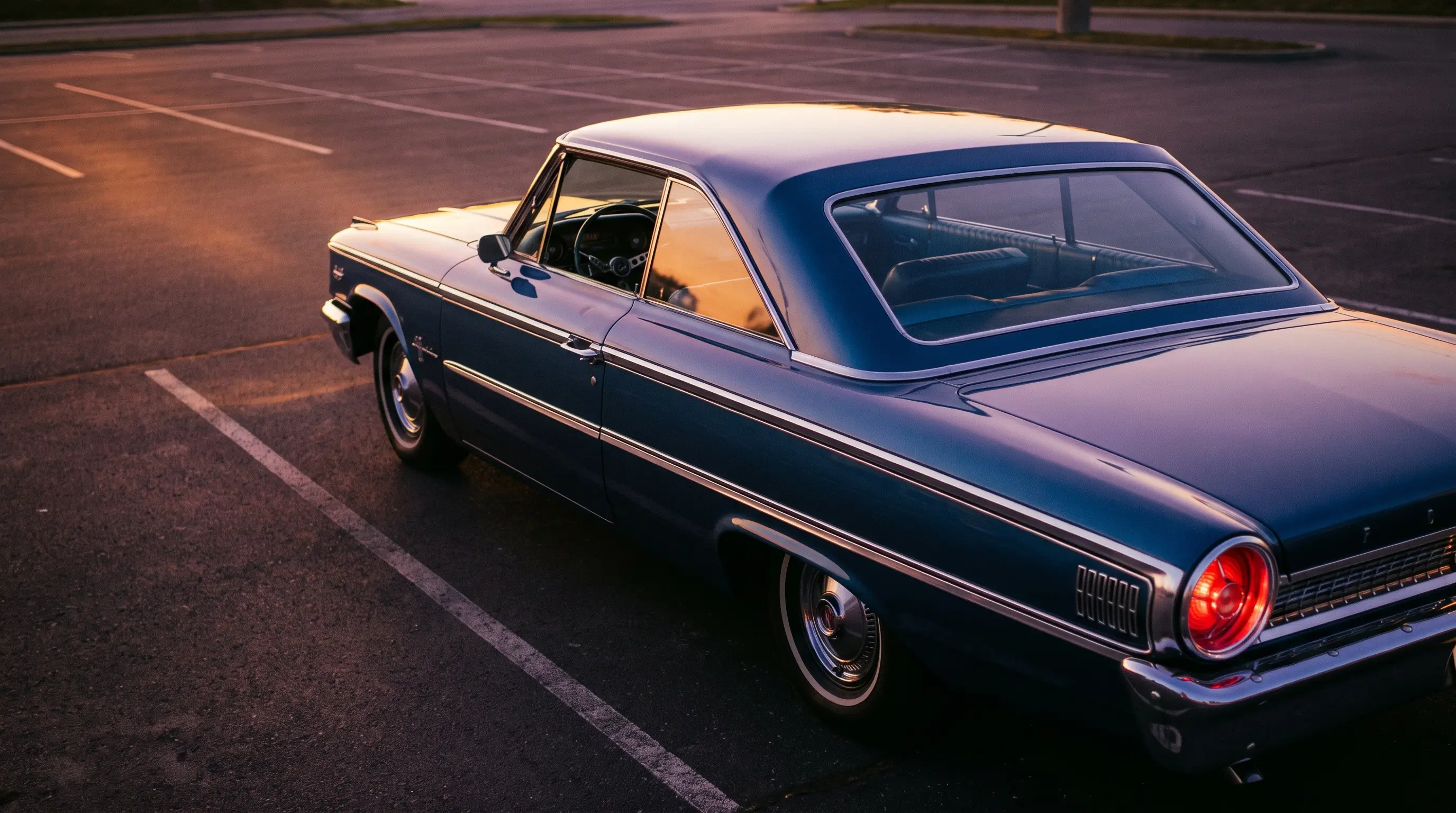
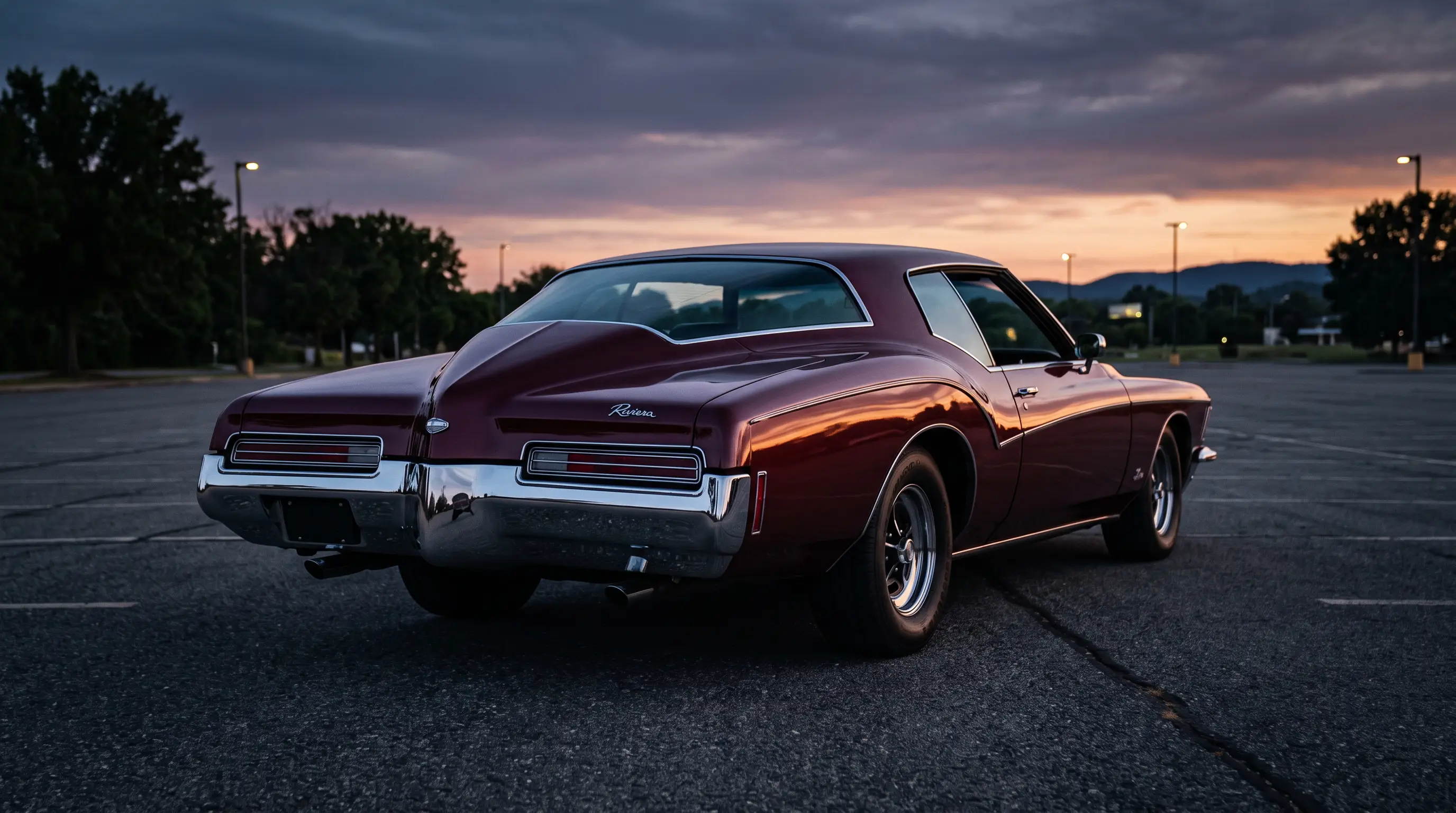
Paint alone does not sell a car this shaped, but the right color absolutely changes the mood of it, and buick riviera boattail color and stance mood is a subject I think about every time a customer brings one of these into my shop for bodywork. This is a car where the color, the stance, and the way the light moves across that tapering rear deck all work together, or they fight each other, and the difference between those two outcomes is bigger than most owners expect.
Why stance matters more on this body than most
A boattail Riviera sitting even slightly wrong, too high in the rear, too low in the front, or riding on the wrong width of wheel and tire, throws off the entire visual argument the design was built around. The tapering deck lid is supposed to read as a single continuous line from the roof to the tail. Get the ride height wrong and that line breaks visually, even if nothing is mechanically wrong with the car.
I always tell owners to set stance before they worry about paint color. A boattail sitting level, with the correct factory ride height and a period appropriate wheel and tire combination, looks right in almost any color. A boattail sitting wrong looks off no matter how good the paint is, because the eye reads the broken proportion before it ever registers the color choice.
Colors that were built for this shape
Buick's factory color palette across 1971 through 1973 leaned into deep, saturated tones, greens, golds, and burgundies that were common across the whole industry in this era, alongside cleaner whites and blacks that let the sculpture do the talking without any color competing for attention. Darker colors tend to emphasize the sweep of the tapering deck by letting shadow and highlight do more of the visual work along that long curved surface. Lighter colors flatten that same surface slightly, which is not necessarily worse, just a different mood.
Owners chasing originality should stick to the factory color chart for their specific model year, since Buick's palette shifted noticeably across the three boattail years, with some shades exclusive to a single model year such as the 1973 only Burnt Coral, and a color that looks period correct on paper can still be wrong for a specific model year if you are chasing full accuracy.
Chrome, trim, and restraint
Part of what makes the boattail's mood work is how sparingly Buick used chrome against that big sculpted body. A single sweep line down the flank, trim around the wheel openings, and modest bumper treatment in the earlier model years let the shape carry the visual weight instead of leaning on brightwork to do it. That restraint is easy to lose during a repaint or a restoration if someone starts adding trim the factory never specified, chasing a flashier look that actually works against what made this design distinctive in the first place.
I have seen owners over trim these cars trying to make them look more special, and it almost always backfires. The boattail's mood comes from confidence in the shape itself, not from stacking on extra brightwork to draw the eye.
Wheels and ride height as mood setters
The right wheel and tire package changes the entire personality of this car more than most owners expect. Factory steel wheels with hubcaps read as period correct and understated. A slightly wider wheel with the correct offset, still tucked properly under the fender lip, can sharpen the car's stance without looking anachronous, as long as the ride height stays true to how Buick intended the car to sit.
Lower it too aggressively and you fight the factory proportions this design was built around. This is not a car that benefits from an aggressive slam, because the boattail's whole visual argument depends on that long, level sweep from the windshield to the tail, a line that a wrong ride height ruins faster than almost any other single change an owner can make.
"Get the stance right first. Everything else about how this car reads, the color, the chrome, the whole mood of it, sits on top of that foundation, and no amount of good paint fixes a car that sits wrong."
- Jim Vasquez
How the mood changed across three model years
Stance and mood were not fixed across the boattail's short production run either. The heavier rear bumper that federal regulations forced onto the 1973 cars added visual weight right where the design depended on lightness, and that single change altered the mood of the car more than any paint color could. A 1971 car in a dark, saturated color still reads as almost weightless from certain angles, the tail tapering away as if it barely touches the ground. A 1973 car in the same color carries more visual mass back there no matter how it sits, simply because the bumper regulations changed what the sheet metal had to accommodate.
That does not make a 1973 car a lesser example, but it does mean owners chasing the purest version of this mood tend to gravitate toward the earlier cars, where the sculpture is least compromised by outside regulation. Knowing that distinction before you shop saves a lot of disappointment later, especially for a buyer who fell in love with photos of a 1971 model without realizing how much the shape shifted by the final year.
Putting the whole mood together
The best boattail Rivieras I have worked on all share the same quality regardless of their specific color choice. The stance is correct, the trim is restrained to what the factory actually specified, and the color chosen either works with the sculpted rear deck or at minimum does not fight it. That combination is what turns a technically correct restoration into a car that actually captures the mood Buick's designers were chasing when they first sketched this shape.
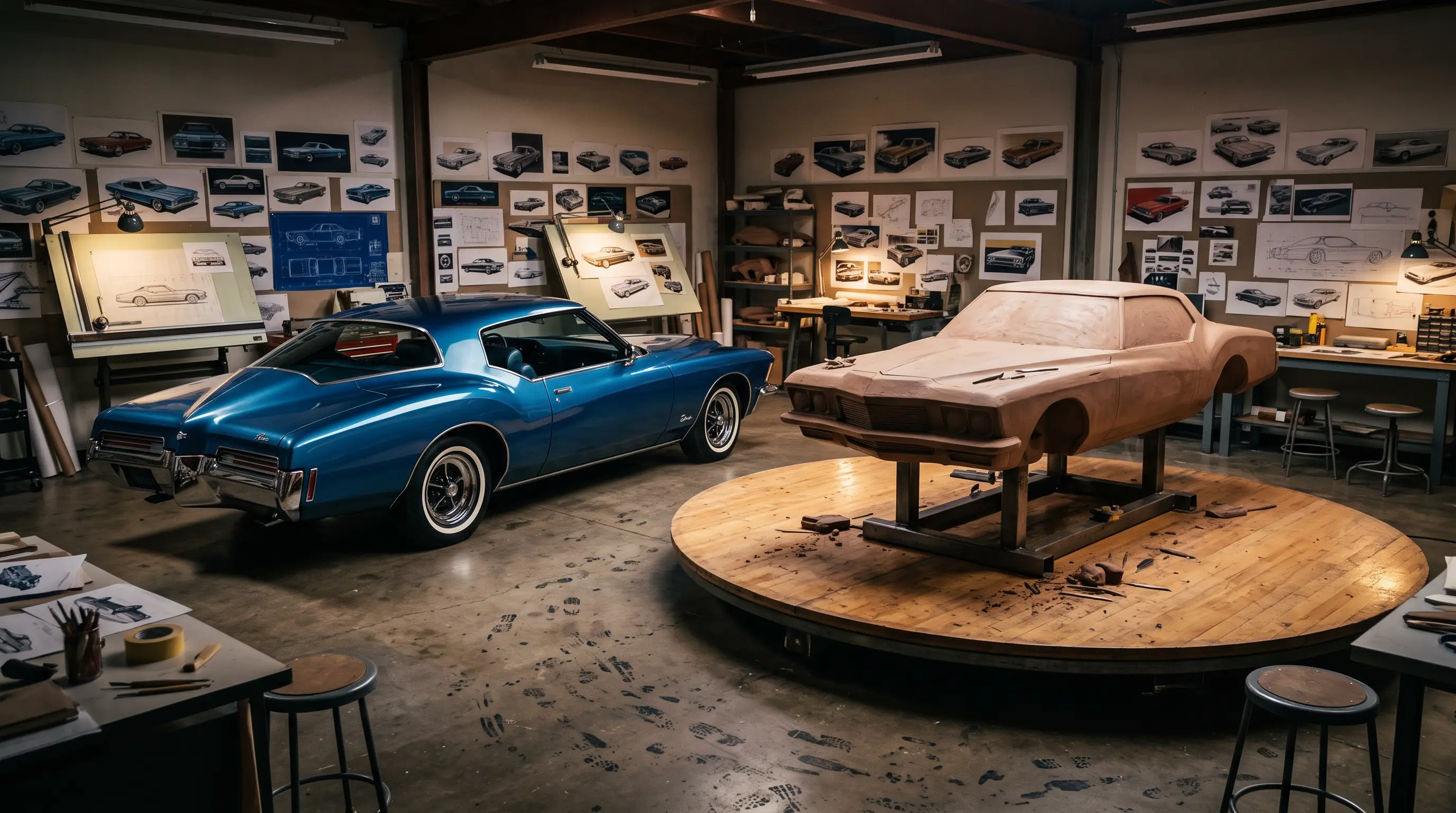
If you want to understand where this started, the design history behind this shape explains exactly why stance and restraint matter as much as they do on this particular body. And if you are shopping for one to bring back to that original mood yourself, you can shop classic Riviera listings to find a starting point worth the work.
Every boattail I have touched in my shop teaches the same lesson twice, once when it comes in wrong and once when it leaves right. Get the stance and the trim honest to the factory intent, choose a color that respects the sculpture instead of fighting it, and the mood this car was designed to project shows up on its own. Force any of those elements and you end up with a car that technically matches a spec sheet but never quite earns the second look this shape was built to attract.
Sources and notes
- Das Boattail: The 1971-1973 Buick Riviera - Ate Up With Motor
- Model Years - Buick Riviera Boattail Registry
- Color and Trim Charts 1972-1973 - Riviera Owners Association
- Highly Original 1973 Buick Boattail Riviera - Barn Finds
- Buick Riviera - Wikipedia
- The 1971-73 Buick Rivieras Offered Great Boattail Designs - MotorCities