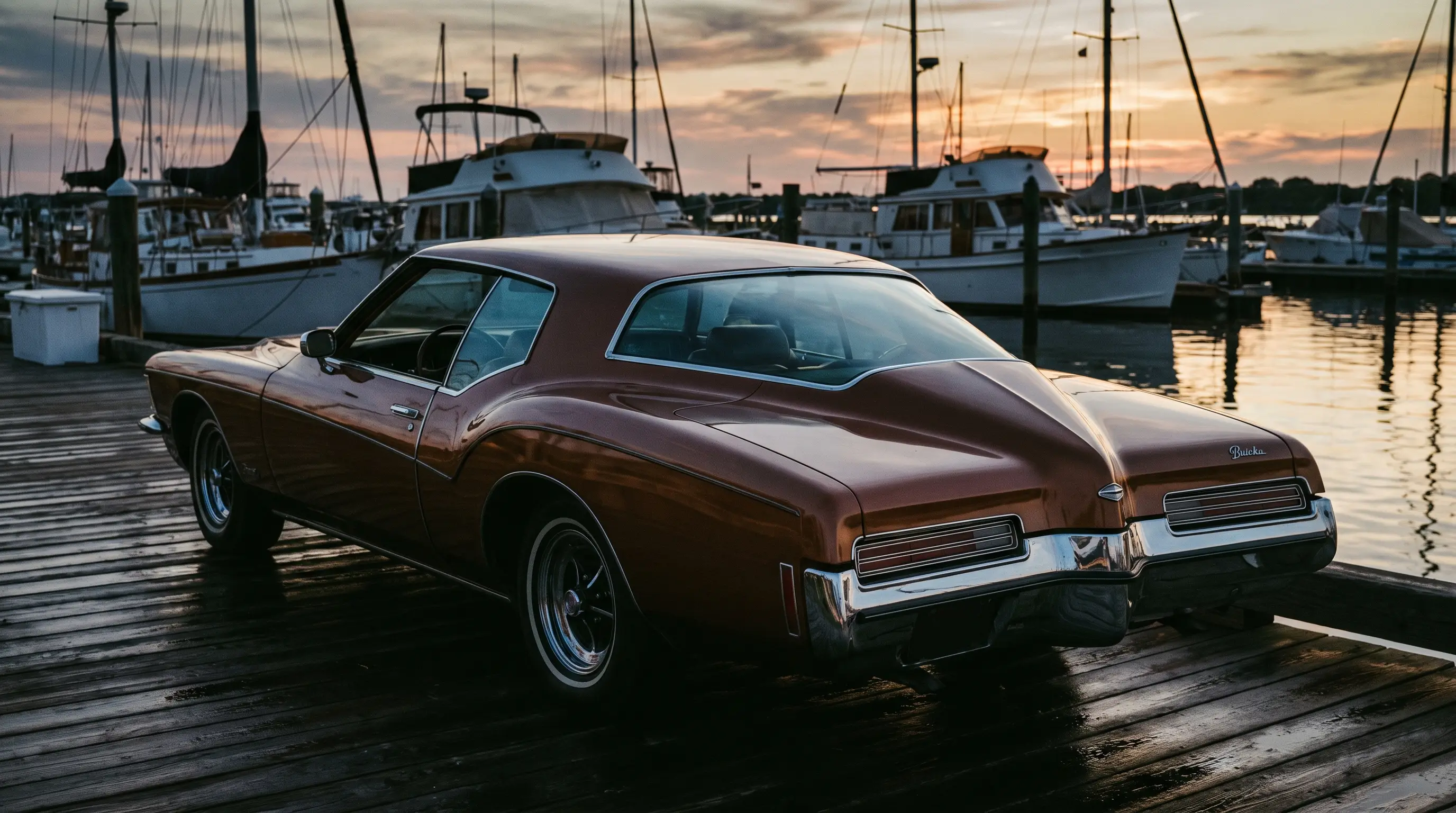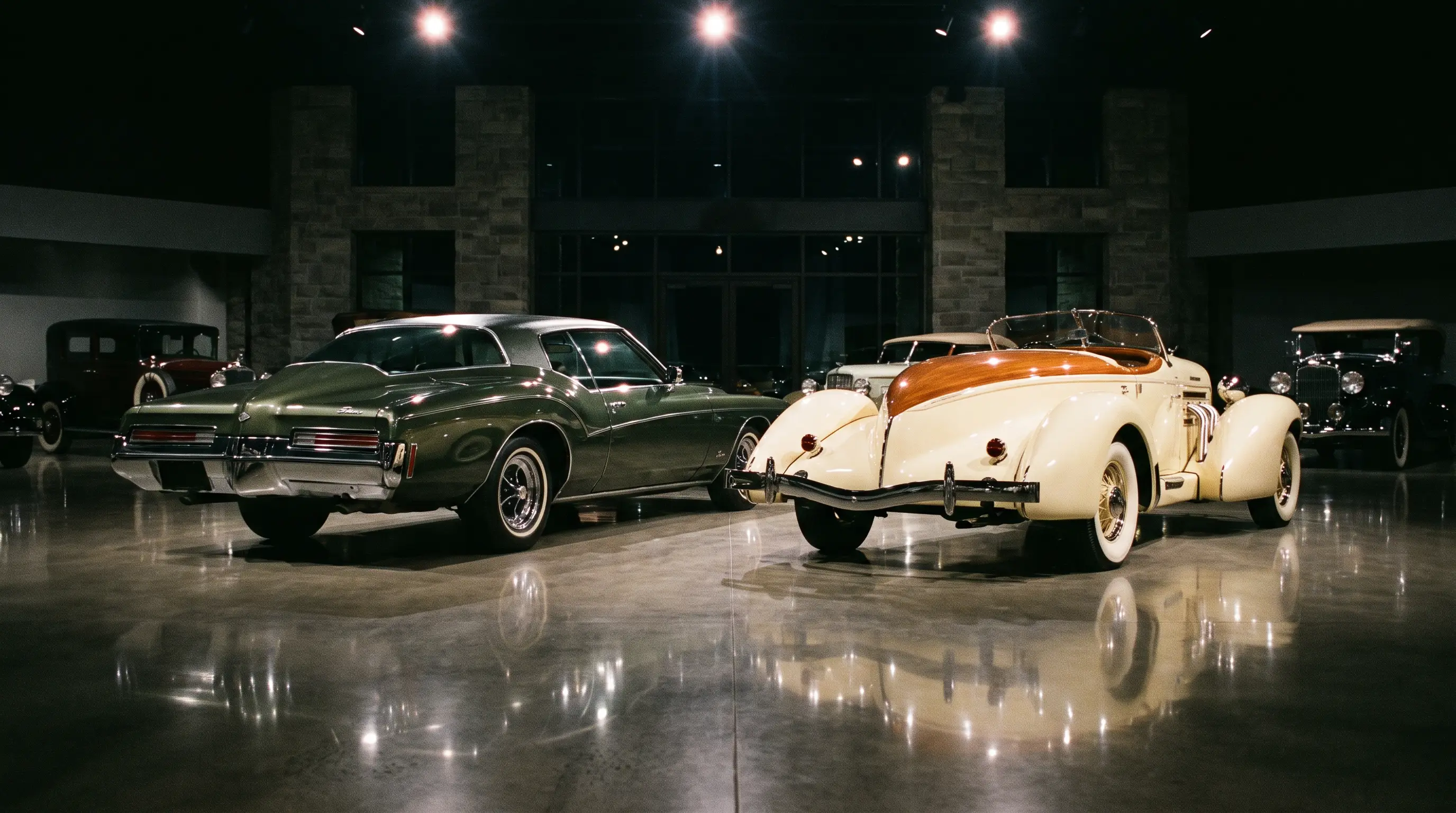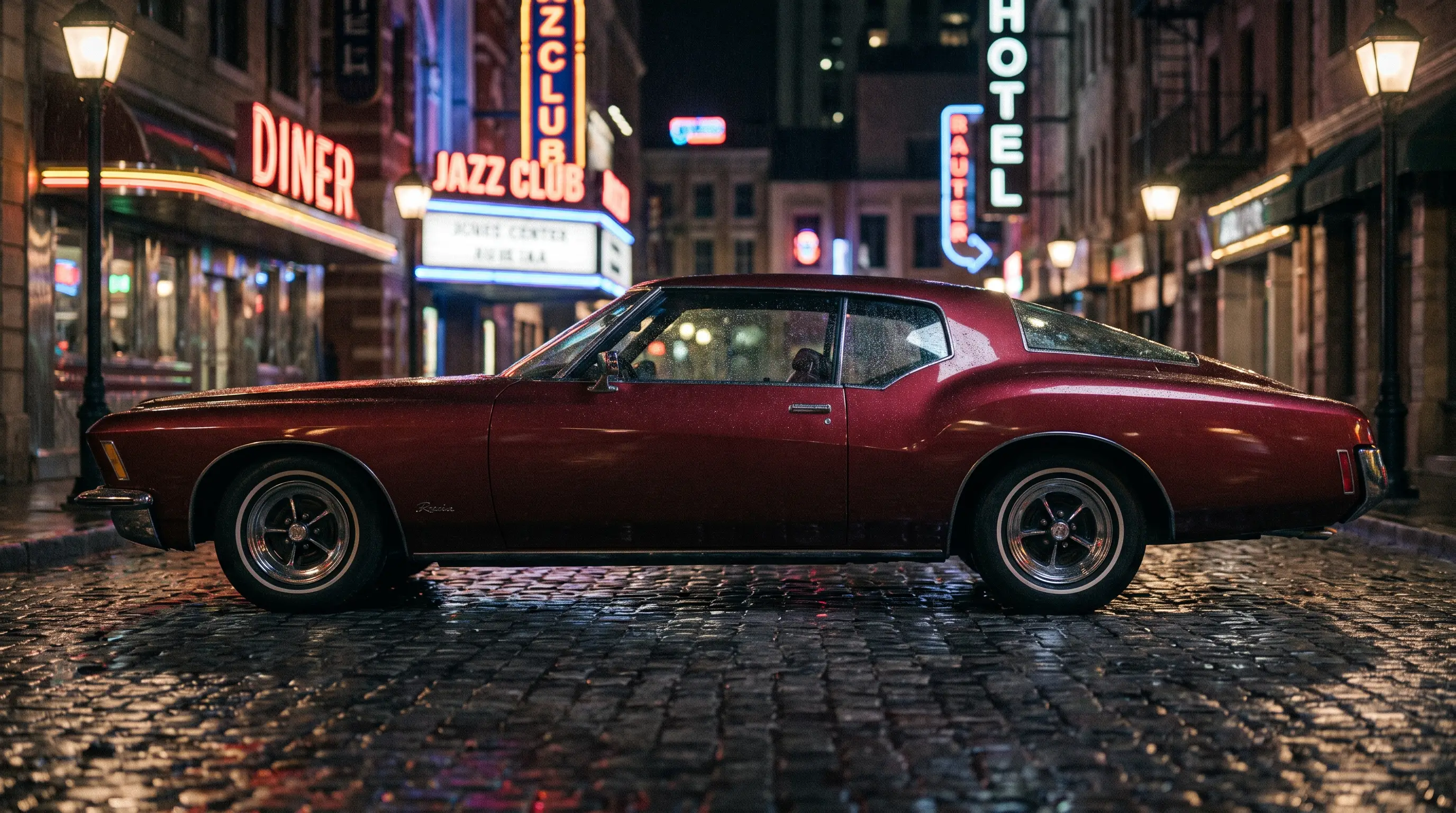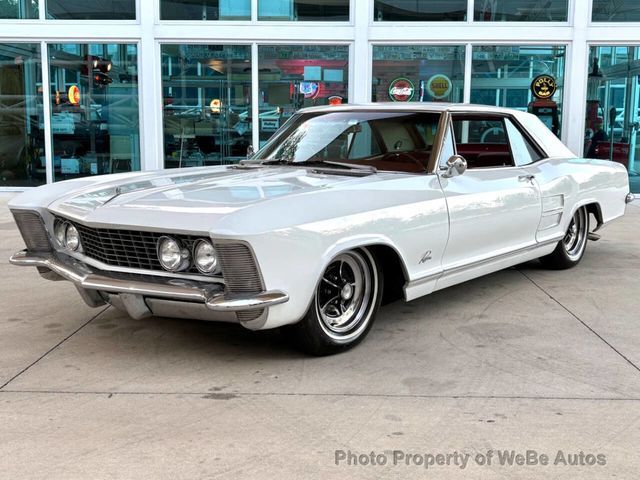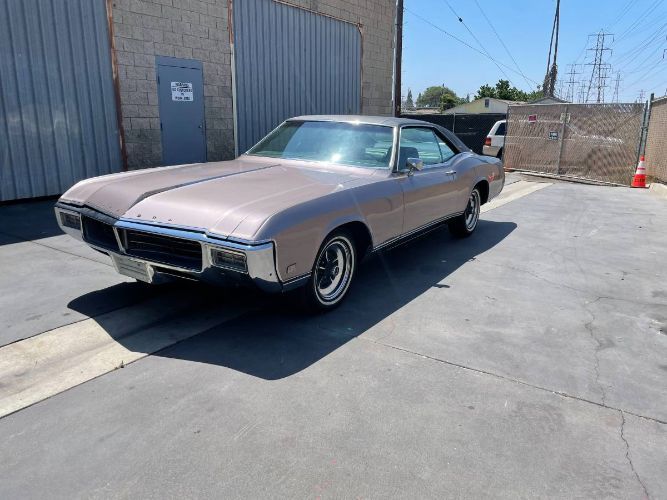
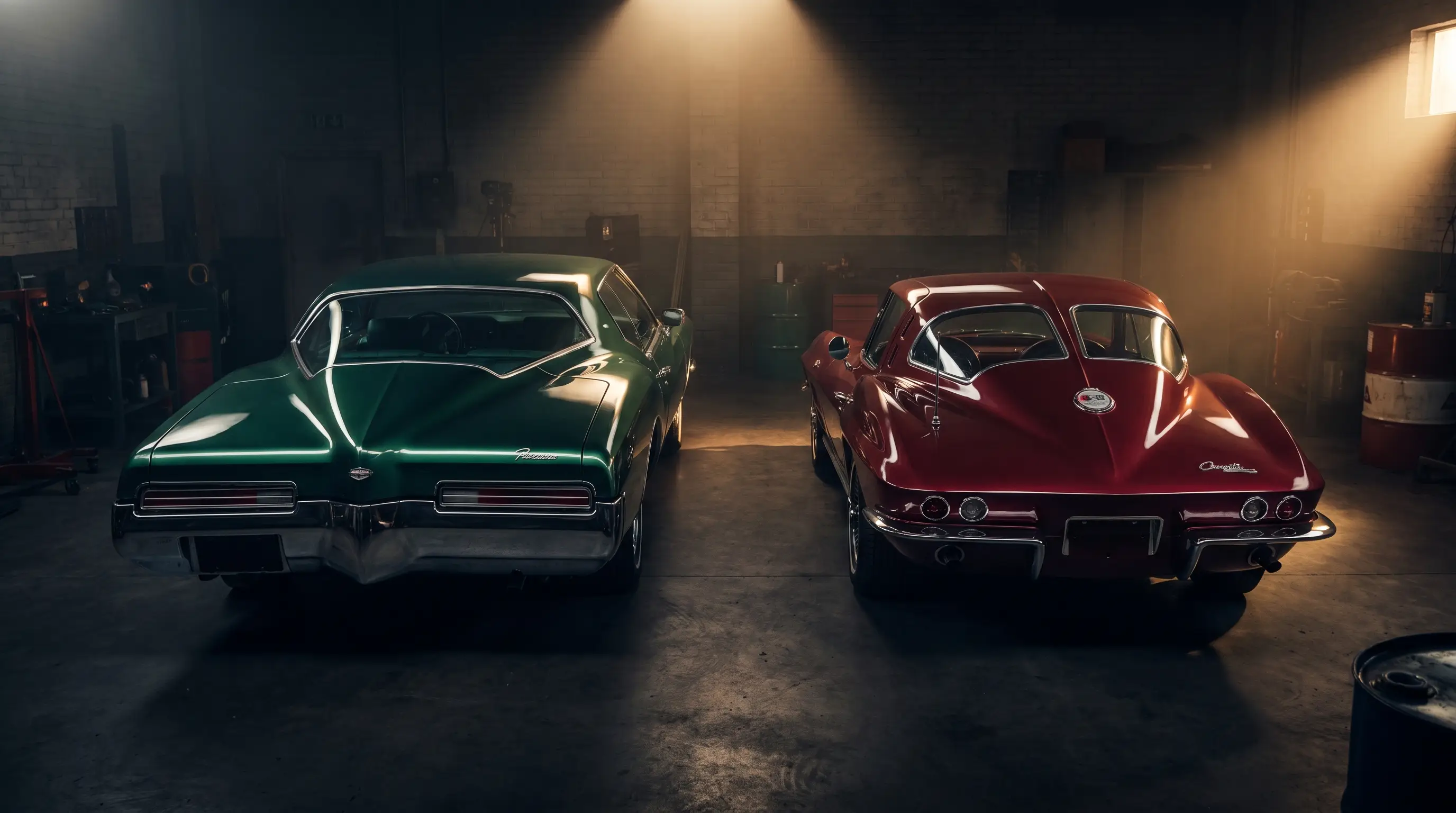
A man in Michigan once told me he bought his 1972 Riviera because it reminded him of a Corvette he could never afford as a young father. He was not wrong to see the connection, and he was not the first. The buick riviera boattail corvette sting ray echo is one of the quieter open secrets in American car design, a family resemblance hiding across two different divisions of the same company.
Two cars, one studio
Both cars trace back to the same building. General Motors Design under Bill Mitchell touched nearly every shape that left the corporation between the early 1960s and the mid 1970s, and Mitchell was not a man who kept his favorite ideas locked in one department. The 1963 Corvette Sting Ray, with its split rear window and tapering tail, was one of his most personal projects. When his studio turned to redesigning the Riviera for 1971, the same instincts came back out, this time on a much larger, heavier canvas.
The Sting Ray's rear end narrowed dramatically behind the doors, cutting the car's visual mass in a way no American production car had attempted at that scale. The boat-tail Riviera did the same thing eight years later, on a car more than three feet longer (217 inches versus the Sting Ray's 175 inches) and built for four adults rather than two. That the trick still worked, on a personal luxury coupe instead of a sports car, says something about how well Mitchell understood the shape rather than just the specific car he first used it on.
What carries over, and what does not
The kinship is not identical twins. The Sting Ray's tail is short and abrupt, ending almost as soon as it begins to taper, built around a small trunk and a low seating position. The Riviera's tail is a much longer, slower taper, stretched over a full-size frame with a real trunk behind the rear seat. Where the Corvette announces itself in a glance, the Riviera lets the shape unfold as you walk around the car. Both approaches came out of the same design language, applied to two very different jobs.
The similarity people notice most is the rear glass. Neither car uses a simple flat backlight. Both rake the window steeply and let the metal around it do the work of narrowing the tail visually, a technique that shows up again and again in Mitchell-era GM cars once you start looking for it.
"The Riviera never pretended to be a Corvette, and it did not need to. It borrowed a shape, not a personality, and that is a more honest kind of tribute than most car companies manage."
- Nora Beckett
A family resemblance owners still notice
Talk to enough boat-tail Riviera owners at a car show and someone will eventually bring up the Corvette on their own, usually before you ask. It is one of those details that does not need to be pointed out because the eye finds it without help. A few owners have told me they cross-shopped a Sting Ray and a boat-tail Riviera decades apart, at different points in their lives, and only later realized how much the two cars had been speaking the same visual language the whole time.
There is a generational piece to this too. Many of the men and women who bought new Rivieras in 1971 and 1972 had come of age watching the Sting Ray become an American icon in the 1960s. They could not afford the sports car, or did not want a two-seater with a young family at home, but the Riviera let them own a shape that echoed something they had admired from a distance for the better part of a decade.
I met a woman at a regional Buick meet a few years back who put it plainly. Her father drove a Sting Ray in the mid 1960s before she was born, and she grew up hearing about it the way other families tell stories about a house that burned down or a trip that never quite happened. She bought her boat-tail Riviera at nineteen, on an insurance settlement she had not asked for, and she said the moment she saw the tail taper in a used car lot she understood exactly why. Nobody had explained the design connection to her. She simply recognized something from a photograph she had looked at a hundred times as a child, translated onto a bigger, calmer car.
Stories like hers are common enough among boat-tail owners that I no longer find them surprising. The Corvette echo works on people who have never read a design history book and never will. It works on instinct, the same way the original shape worked on showroom floors in 1963 and again in 1971.
Why the echo still matters
Design lineage like this rarely gets written down anywhere official. It survives in interviews, in old design department photographs, and in the memories of people who worked under Mitchell and later talked about his habits. The Riviera does not carry a Corvette badge and never will, but the shape tells its own quiet story about where Mitchell's eye kept returning during one of the most productive stretches of his career.
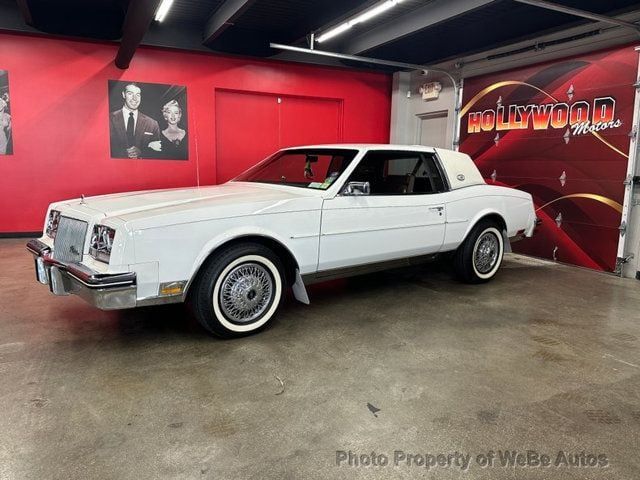
For the fuller account of how the boat-tail shape actually came together on the Riviera, including the sketches that led to the final production car, there is more on the buick riviera boattail. And since this whole story only makes sense with the earlier Riviera as a starting point, it helps to see where this started back in 1963. If the shape has you looking for one of your own, there are classic Rivieras on the market worth a closer look.
Reading the tail without a manual
You do not need a design degree to see the connection. Stand at the rear quarter of a boat-tail Riviera, at roughly the angle a photographer would use for a magazine cover, and the same visual trick the Sting Ray used shows up immediately. The body narrows faster than the eye expects, the glass rakes away at a steep angle, and the whole rear third of the car reads lighter than its actual dimensions. That is not an accident of two different design teams landing on similar ideas independently. It is one designer's signature, applied twice, refined the second time around for a bigger and heavier car.
What I find more interesting than the resemblance itself is how differently the two cars wear it. The Sting Ray is aggressive about the shape, almost showing off. The Riviera is patient with it, letting the taper reveal itself slowly as a viewer walks the length of the car. Two very different temperaments, built from the same underlying idea.
A shape that outlived the argument
Whether you see the Sting Ray in the Riviera's tail or think the resemblance is overstated, the cars share a moment in American design history that will not happen again quite the same way. One company, one studio, one designer chasing the same idea twice, on two cars built for entirely different customers. That is a rarer thing in Detroit's history than most people realize, and it is worth noticing every time one of these boat-tail Rivieras rolls past.