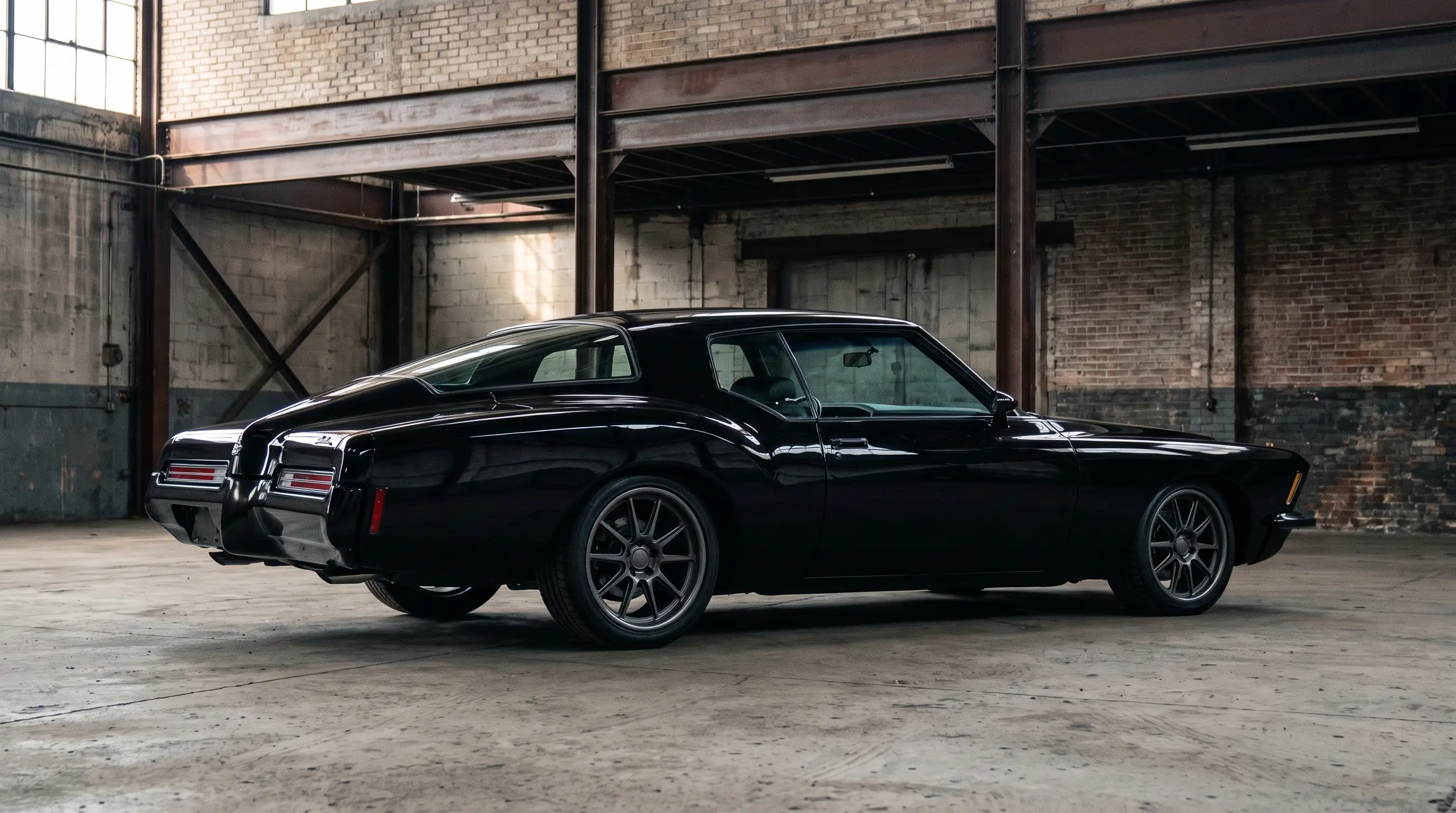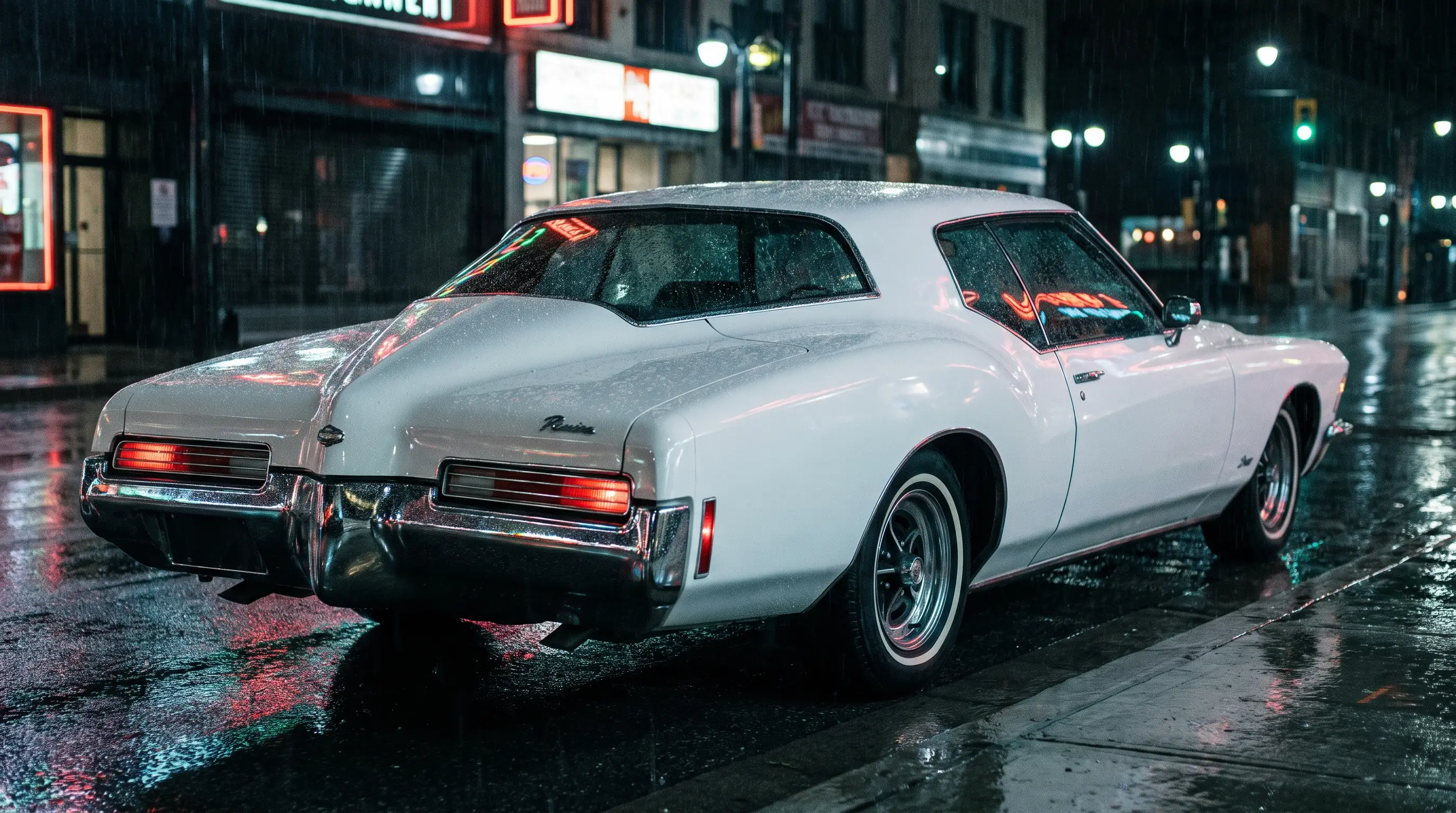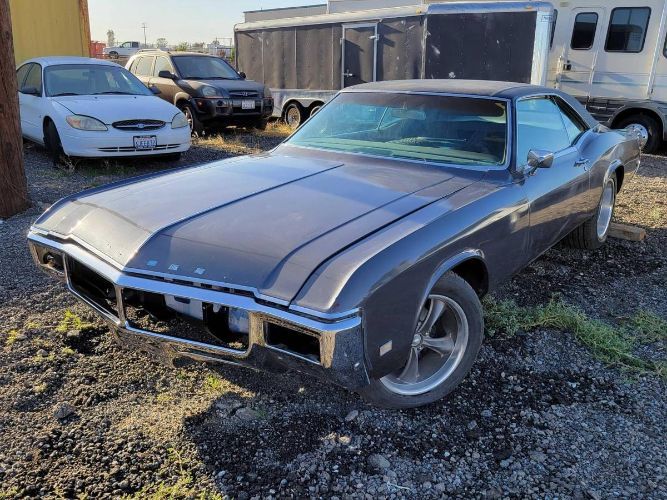
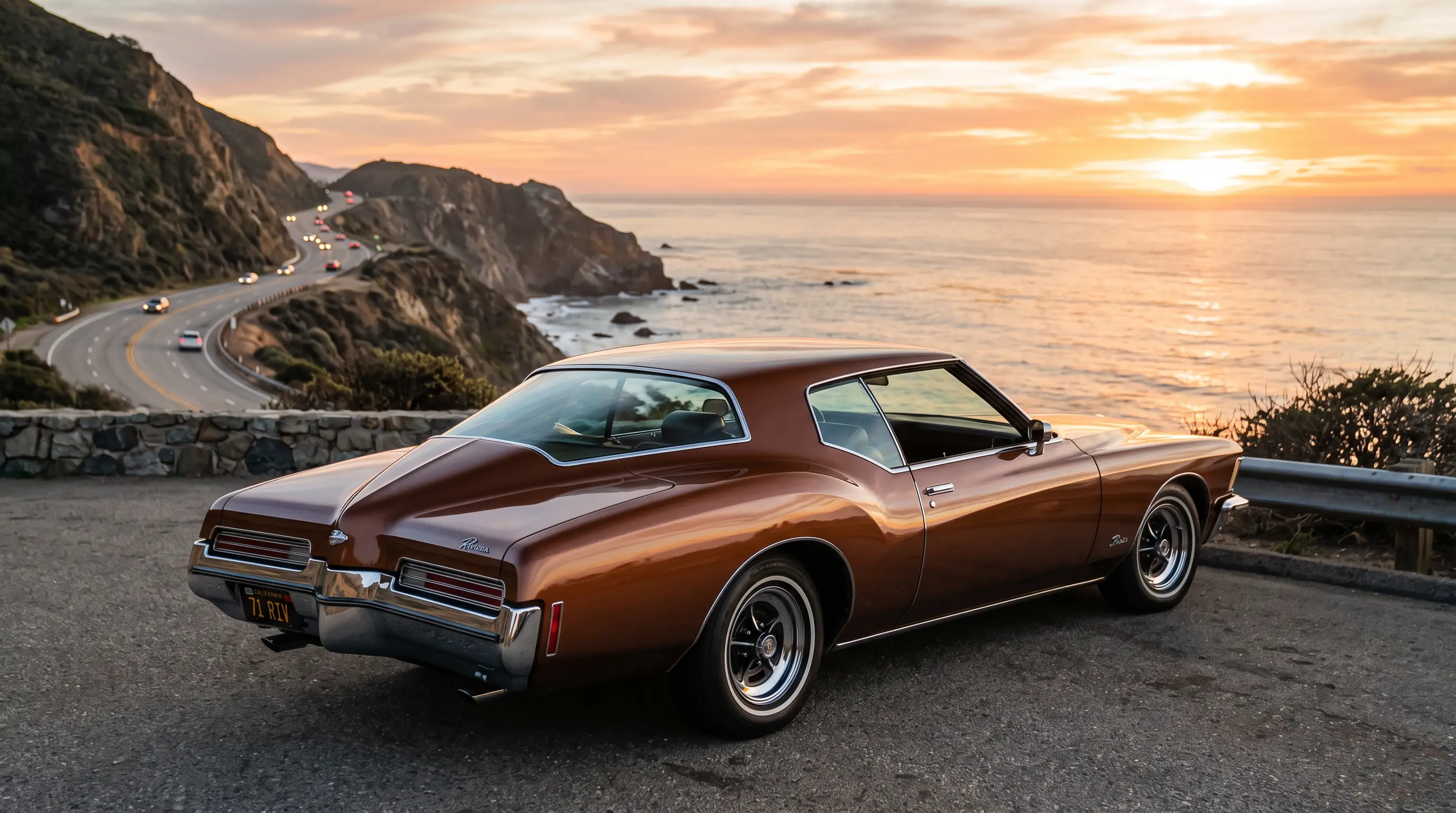
A young designer at an auto show a few years back told me she had never sat inside a real one, only studied photographs of it in school, and she could still describe exactly why the buick riviera boattail design influence today keeps surfacing in conversations among people who were not even born when the car went out of production. That kind of reach, from a showroom floor in 1971 to a design student's reference folder five decades later, says something about how rare it is for a mass production car to still feel like an idea worth studying rather than simply an object worth restoring.
A shape that refused to be forgotten
Most production cars from any given decade fade into a general impression of their era, remembered collectively rather than individually. The boattail Riviera resisted that fate almost entirely, because its tapering rear deck was distinctive enough that even people with only a passing interest in classic cars tend to recognize it on sight. That kind of staying power in public memory is rare, and it is the reason the car keeps appearing in design retrospectives, museum exhibits, and enthusiast writing long after most of its 1970s showroom rivals have been quietly forgotten by anyone outside the hobby.
The design's origin in Bill Mitchell's own fondness for boats and yacht silhouettes gave it a coherence that pure trend chasing rarely produces. It was not styled to match a moment. It was styled around a genuine personal reference point, and that kind of authenticity tends to age more gracefully than anything built purely to follow a passing fashion.
Where echoes of the shape show up later
Later personal luxury and grand touring coupes, across multiple manufacturers, have occasionally reached for a tapering, sculpted rear treatment that echoes what Buick's studio attempted here, even though no specific later production car is documented as citing the boattail Riviera directly as its reference point. That is how influence tends to travel in the design world, less through direct copying and more through a shape entering the shared visual vocabulary that later designers draw on, consciously or not, when they are solving a similar problem.
Design students and enthusiasts alike return to this car specifically because it represents a moment when a major manufacturer let a genuinely personal, almost artistic reference point drive a production shape, rather than letting a committee sand every distinctive edge off the concept before it reached a showroom.
Why the influence matters beyond nostalgia
It would be easy to file the boattail's continued relevance under simple nostalgia, older enthusiasts keeping a childhood memory alive. But the interest from younger designers and collectors who never saw the car new suggests something more durable is happening. They are responding to the shape itself, to the confidence of a design that commits fully to one idea rather than compromising between several safer options.
That is a lesson that applies well beyond classic cars, and it is probably the real reason this particular Buick keeps earning attention in design conversations that have nothing to do with the collector car market at all. A shape built from genuine conviction tends to communicate that conviction to people encountering it decades later, even people with no personal memory of the era it came from.
"She had never ridden in one, never smelled the interior or heard that 455 idle, and she still understood exactly what made the shape special. That tells you the design did its job completely, independent of anyone's memory of the actual car."
- Nora Beckett
Museums, retrospectives, and a second life in memory
Automotive museums and design retrospectives return to the boattail Riviera with a frequency that outpaces its original production numbers, which is itself a small piece of evidence about how the design has aged. Curators putting together exhibits on American personal luxury design from this era consistently include a boattail, often alongside its more conventionally styled contemporaries, precisely because the contrast teaches visitors something about the range of ideas GM's design studios were willing to entertain in the same period.
That second life in institutional memory matters for owners too, beyond any sentimental value. A car that keeps appearing in serious design retrospectives tends to hold cultural relevance that outlasts simple nostalgia cycles, and that relevance has quietly supported the boattail's collector market even during periods when interest in other 1970s personal luxury coupes has cooled.
What today's designers actually take from it
Conversations with younger designers about this car tend to circle back to the same idea repeatedly, that the boattail demonstrates how a strong personal point of view, even an unusual one like Mitchell's fondness for boat silhouettes, can produce a more memorable result than a shape optimized purely against committee feedback and market research. That lesson has little to do with tail fins or deck lids specifically and everything to do with process, a reminder that the most distinctive results in any design field usually trace back to someone willing to defend an idea that made other people in the room a little uncomfortable at first.
A shape still teaching lessons today
What the boattail Riviera offers contemporary designers and enthusiasts is a case study in commitment, a reminder that the boldest version of an idea, even one that did not out sell its more conservative rivals when new, can end up being the version that people are still studying and admiring long after the sales figures stopped mattering to anyone. That is a different kind of success than the one Buick's sales department was measuring in 1971, but it may be the more durable one.
If you want read the background on how this shape actually came together inside GM's design studio, that history explains the conviction behind the car far better than any retrospective admiration can. And if that story leaves you wanting to experience the shape in person rather than in old photographs, you can browse classic Riviera listings and see for yourself why this particular design keeps finding new admirers born decades after it left the factory floor.
I think about that young designer often, describing a car she had only ever met through photographs with more precision than some owners manage after years behind the wheel. That is the real measure of this design's influence, not how many units Buick sold in three model years, but how clearly the idea behind the shape still communicates itself to someone meeting it for the very first time. Fifty years from now, I suspect a new generation of designers will be having the exact same conversation about it, which is about the highest compliment a production car shape can earn.
Sources and notes
- Das Boattail: The 1971-1973 Buick Riviera - Ate Up With Motor
- Who Designed the '71 Boattail Riviera - Dean's Garage
- Bill Mitchell's Dreamboat: The 1971 Buick Riviera - Mac's Motor City Garage
- Curbside Classic: 1972 Buick Riviera Boattail - Curbside Classic
- The 1971-73 Buick Rivieras Offered Great Boattail Designs - MotorCities
- Buick Riviera - Wikipedia