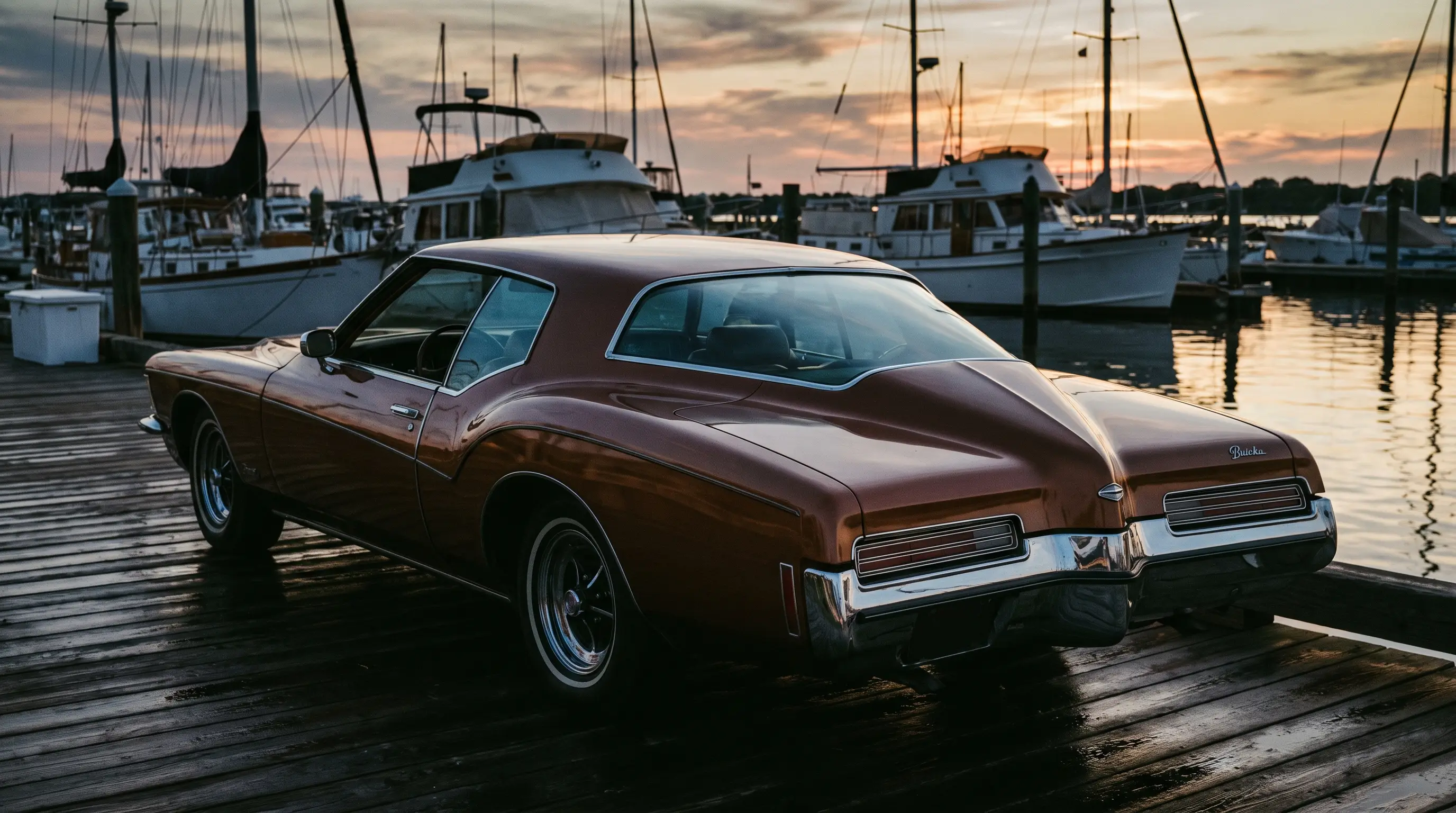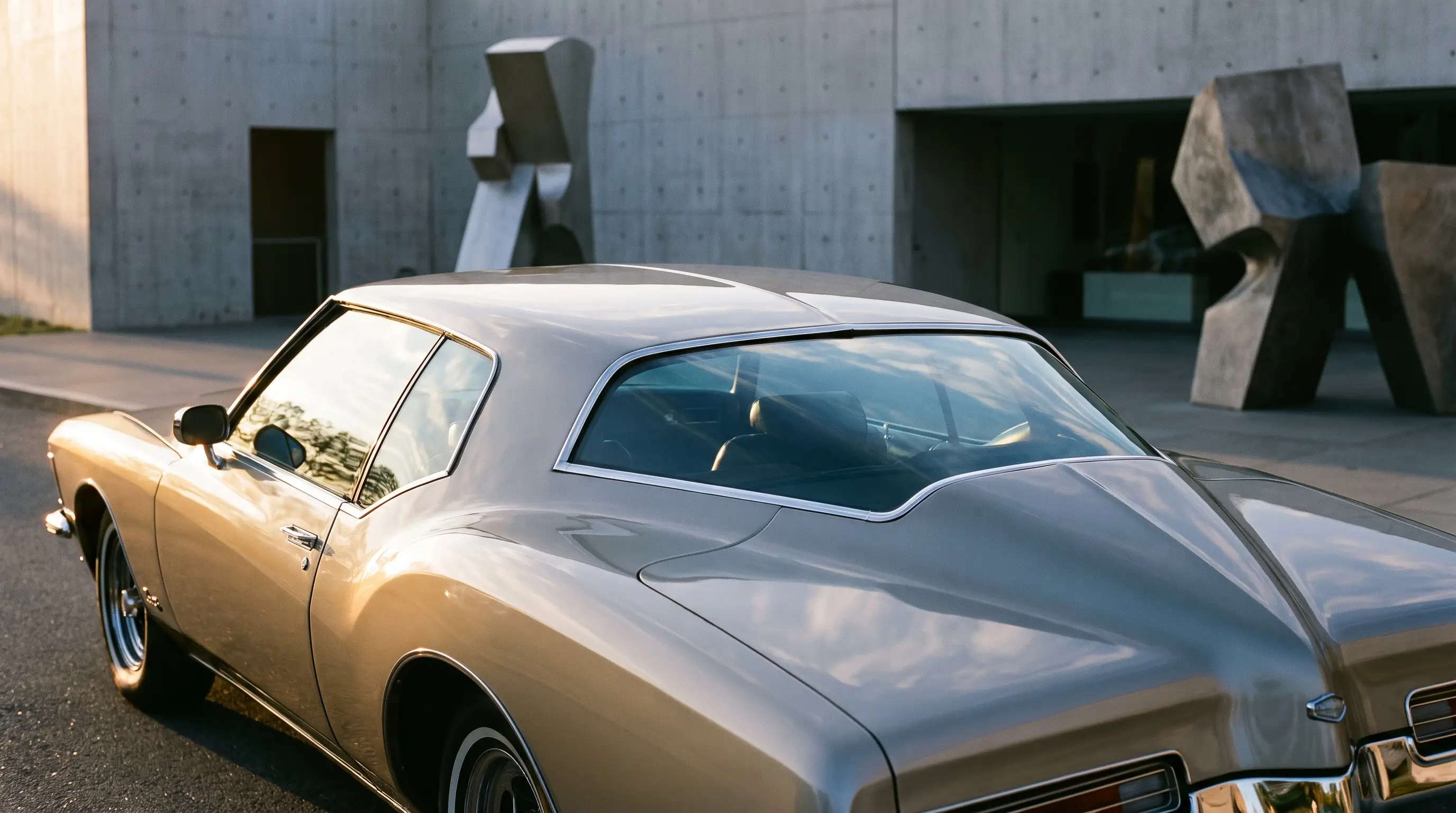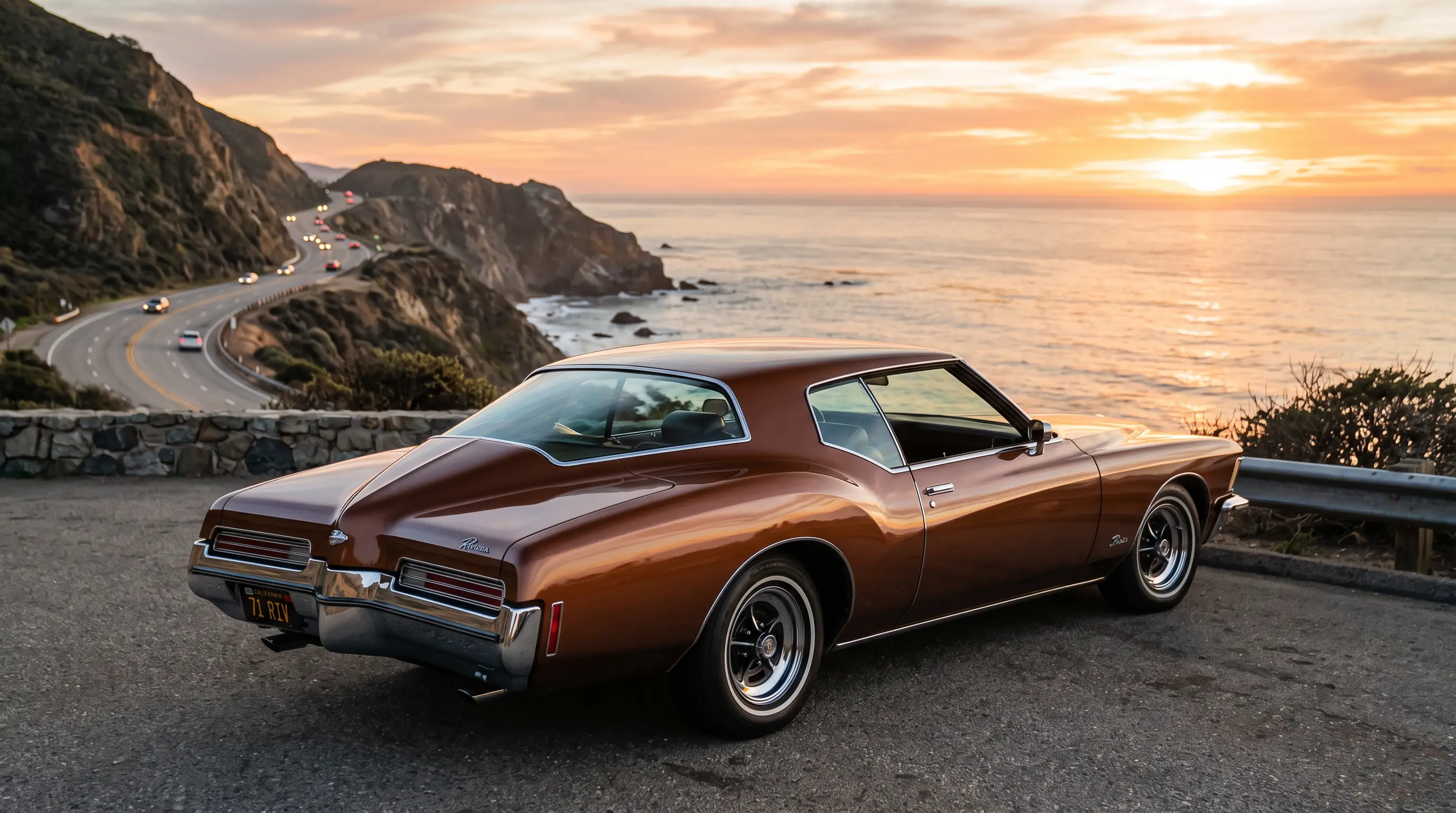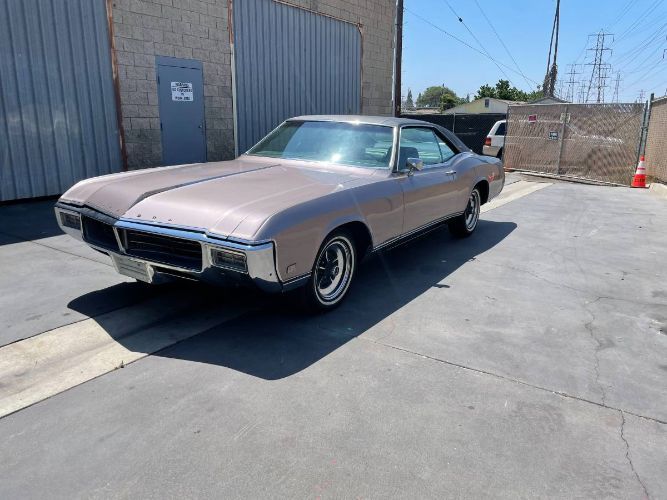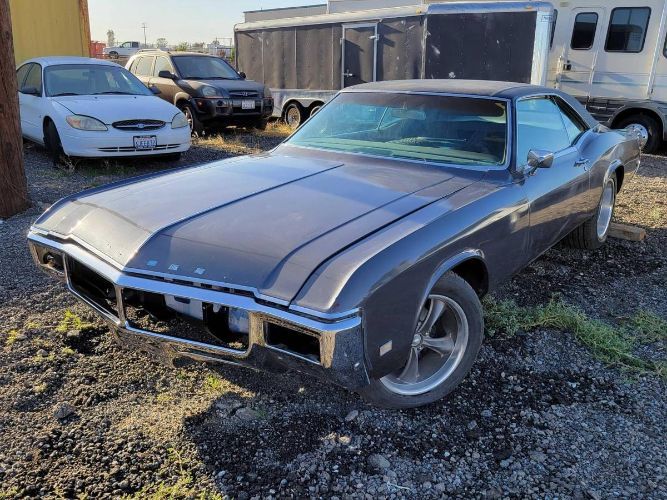
I've had guys walk clean across a cars and coffee lot, past a row of Hemi cars and a couple of E-types, just to put a hand on the rear fender of a 1971 Buick Riviera. That's the honest answer to buick riviera boattail why it still turns heads: it's not horsepower, it's not rarity numbers, it's the sheet metal. Thirty years of doing paint and bodywork on these cars has taught me that the boat-tail Riviera earns its stares the hard way, one compound curve at a time, and most people admiring it in a parking lot have no idea how much argument went into that shape before it ever left a drawing board.
A tail that fought the whole building
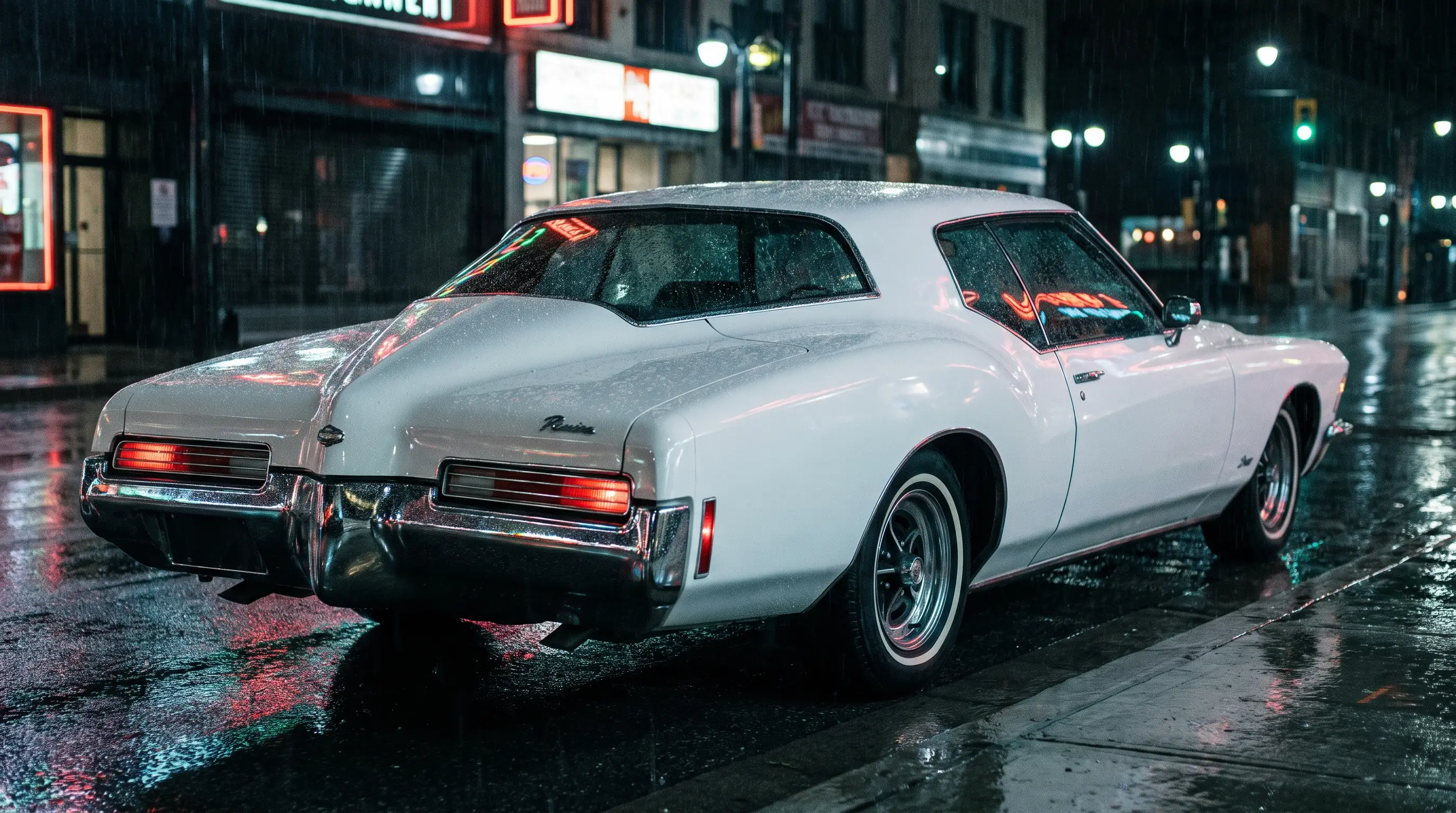
The boat-tail Riviera, built for the 1971 through 1973 model years, is the third generation of Buick's personal luxury coupe, and it looks nothing like the crisp first-generation car from 1963 or the cleaner second-generation body that followed it. GM design boss Bill Mitchell wanted a fastback that tapered like a speedboat's stern, and he got it, but the production version fought Buick's engineering and manufacturing teams every step of the way. Stamping that tapering rear deck meant complex dies and a rear window that had to be curved in two directions at once, which is expensive to build and even more expensive to fix badly forty years later.
That's the part I want people to understand before they fall in love with one at a show. This is not a flat-sided Detroit coupe with a couple of creases in it. The boat-tail is a sculpture on a unibody, and every panel guy who has actually cut rust out of one will tell you the same thing: it rewards patience and it punishes shortcuts.
Why the shape still works from every angle
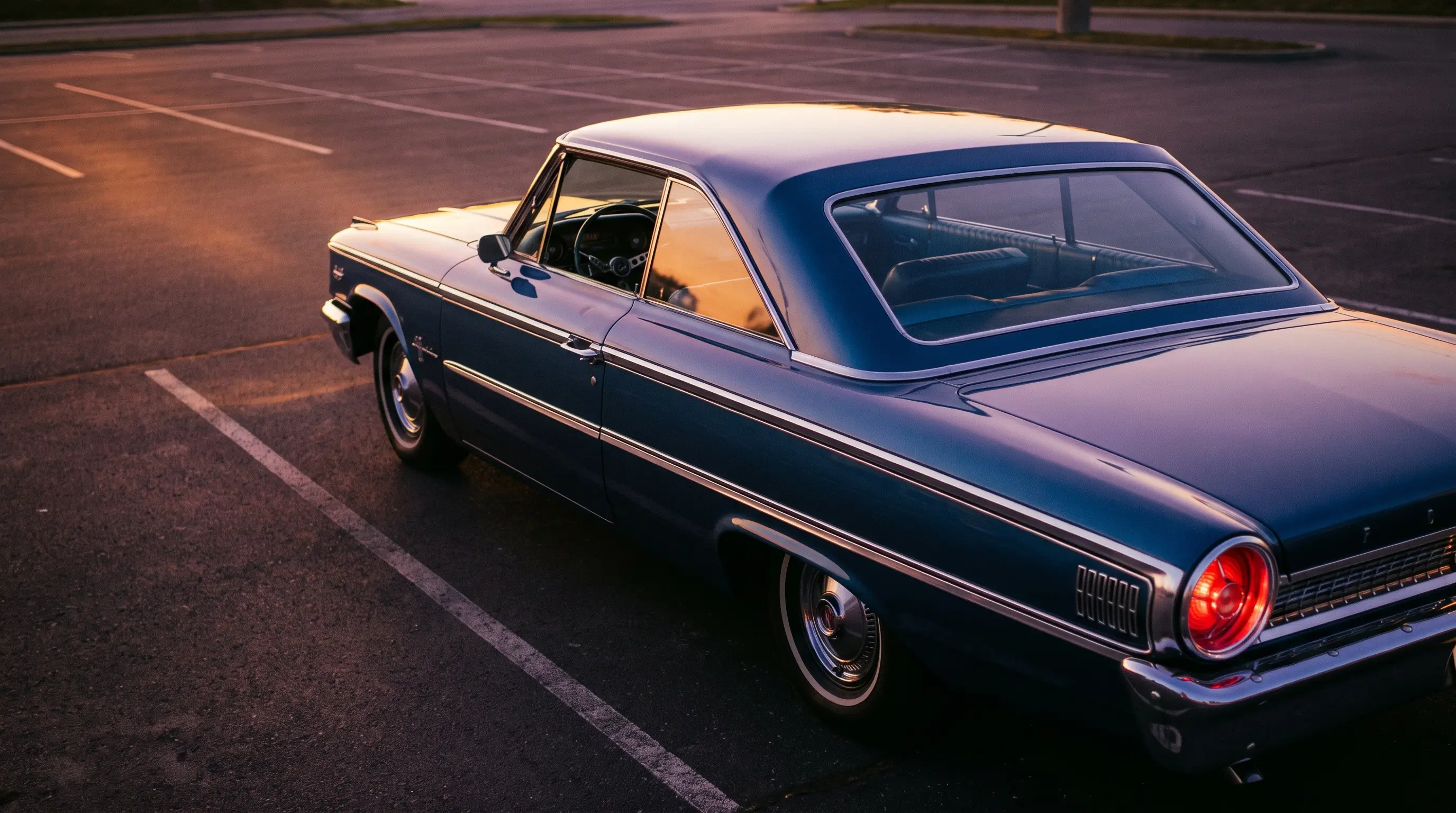
Most 1970s personal luxury coupes read as a slab from the side and a windshield up front. The boat-tail Riviera reads as a shape from every angle, front quarter, straight side, or dead astern, and that's rare. The front end carries a long hood and exposed round headlamps set into the bumper, the beltline tucks in hard behind the doors, and then the whole rear quarter narrows into that pointed tail like the car is exhaling. Stand behind one in a parking lot and the trunk lid looks almost like a boat's transom. Nobody in Detroit was doing that in 1971, and honestly nobody has really repeated it since without it reading as a costume.
I tell customers this all the time. A lot of cars from this era look good because they're simple. The boat-tail looks good because it's complicated and somehow still resolves. That tension between the aggressive tail and the formal, almost sedate greenhouse up front is exactly what makes people stop walking and turn around for a second look. You can read more about how that shape came together, generation by generation, in our buick riviera boattail retrospective, which gets into the studio politics behind Mitchell's original full-size clay.
The panels that separate a real one from a rattle can job
Here's where the shop talk matters. Because the rear quarters taper and the trunk lid follows that boat-tail curve, panel gaps on these cars are unforgiving. A quarter panel that's been hammered out after a fender bender, or a trunk lid that's been shimmed to close instead of properly metal-finished, throws off the whole visual line the car is built around. I've turned away jobs where a previous shop tried to save time by filling a low spot with too much filler along that taper. It looks fine in primer. Under sunlight on a curved panel like this one, every wave shows up like a fingerprint.
Buyers looking at one of these should run a hand along the quarter panel in raking light before they run a hand along anything else. A correctly finished boat-tail Riviera has a continuous, unbroken curve from the door to the taillight. A poorly repaired one has a flat spot you can feel even if you can't quite see it. That's not restoration talk, that's just what to check with your eyes and your palm before you fall for the shape.
| Model year | Body style | Notable trim detail |
|---|---|---|
| 1971 | Boat-tail 2-door hardtop | Standard Riviera and available GS package |
| 1972 | Boat-tail 2-door hardtop | Deck lid louvers deleted, new grille and taillights |
| 1973 | Boat-tail 2-door hardtop | Softened rear deck and heavier bumper, final year before the more formal 1974 redesign |
What actually turns heads at a show in 2027
Ask any three people at a show why they stopped at a boat-tail Riviera and you'll get three different answers, and that's the point. Some people are drawn to the size of it, this is a big personal luxury coupe with real presence at the curb. Some people are drawn to the color and trim combinations Buick offered, since the right two-tone or vinyl roof treatment plays beautifully against that tapering rear quarter. And some people, like me, just want to talk about the metalwork, because getting that shape right in 1971 with the stamping technology of the era was genuinely difficult, and getting it right again today after fifty years of sun and rust is harder still.
None of those reasons cancel each other out. That's rare for a car this old. Most 1970s designs have aged into a single lane, they're either a nostalgia piece or a performance piece or a design piece, and that's it. The boat-tail Riviera still works as all three, which is a big part of why clean examples keep climbing at auction and why a driver-quality car still draws a crowd instead of getting scrolled past.
"You can fake patina and you can fake a story, but you cannot fake a panel gap on a boat-tail Riviera. The car tells on you."
- Jim Vasquez
Buying one without getting fooled
If the shape has you hunting listings, slow down before you get out the checkbook. This is a car where the bodywork is the whole story, so a pretty photo set doesn't tell you much. Ask for close, raking-light shots of the quarter panels and the trunk lid seam. Ask when the car was last painted and by whom. A boat-tail that has never been touched, with its original stampings intact, is worth chasing hard even if the paint is tired, because tired original paint is honest and a botched repaint is not.
When you're ready to go look at real cars instead of just photos, there are Rivieras for sale now worth cross-shopping against whatever you find at a show. Walk the quarter panels first. Everything else about the car, the engine, the interior, the options, is easy to check on paper. The shape is the one thing you have to check with your own hands, and on a boat-tail Riviera, that shape is still the whole reason people stop walking.
Sources and notes
- Ate Up With Motor: Das Boattail, The 1971-1973 Buick Riviera
- Wikipedia: Buick Riviera
- Mac's Motor City Garage: Bill Mitchell's Dreamboat, The 1971 Buick Riviera
- Mac's Motor City Garage: The Buick Riviera Colonnade Era, 1974-76
- Curbside Classic: 1972 Buick Riviera Boattail
- MotorCities: The 1971-73 Buick Rivieras Offered Great Boattail Designs