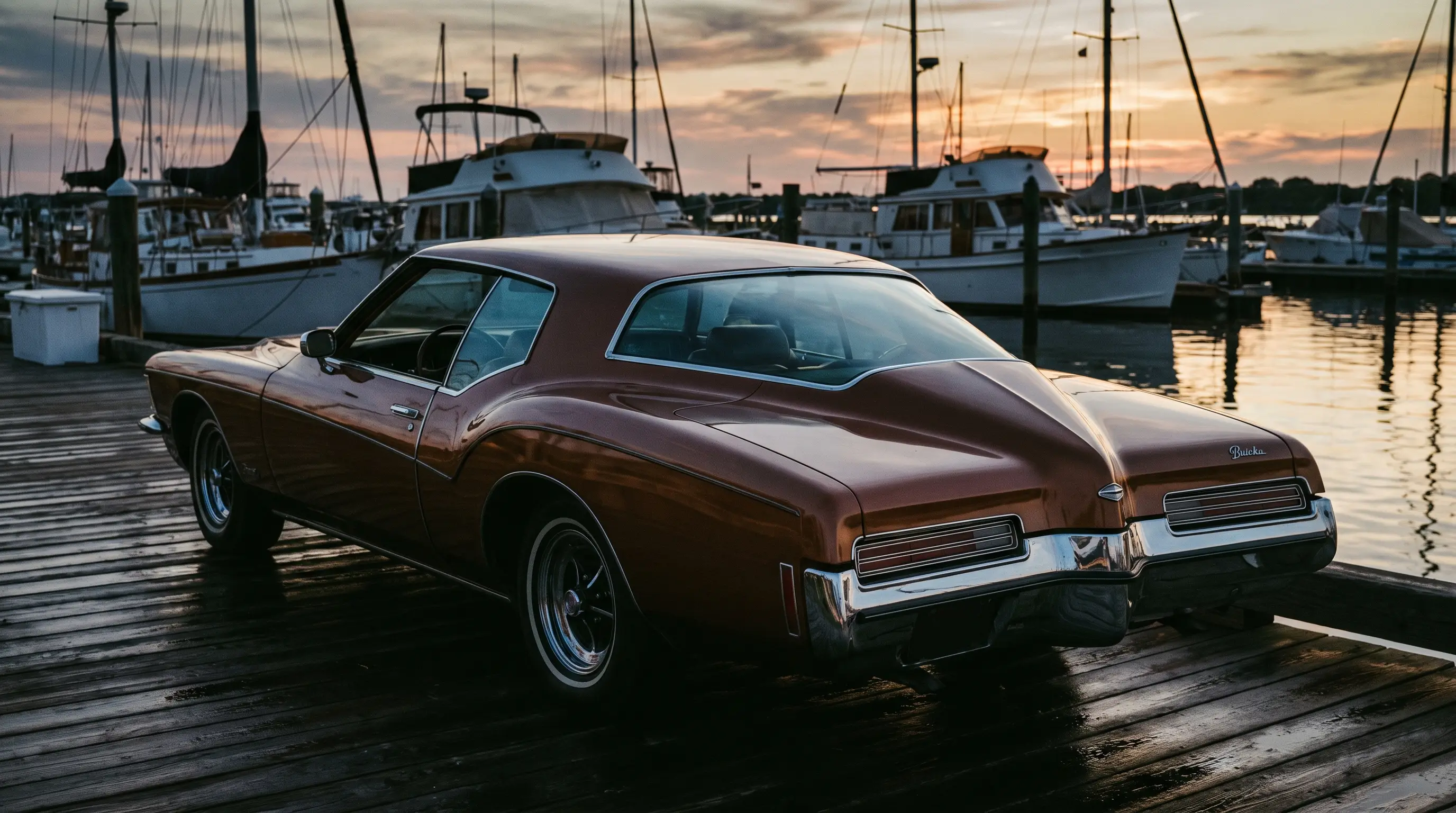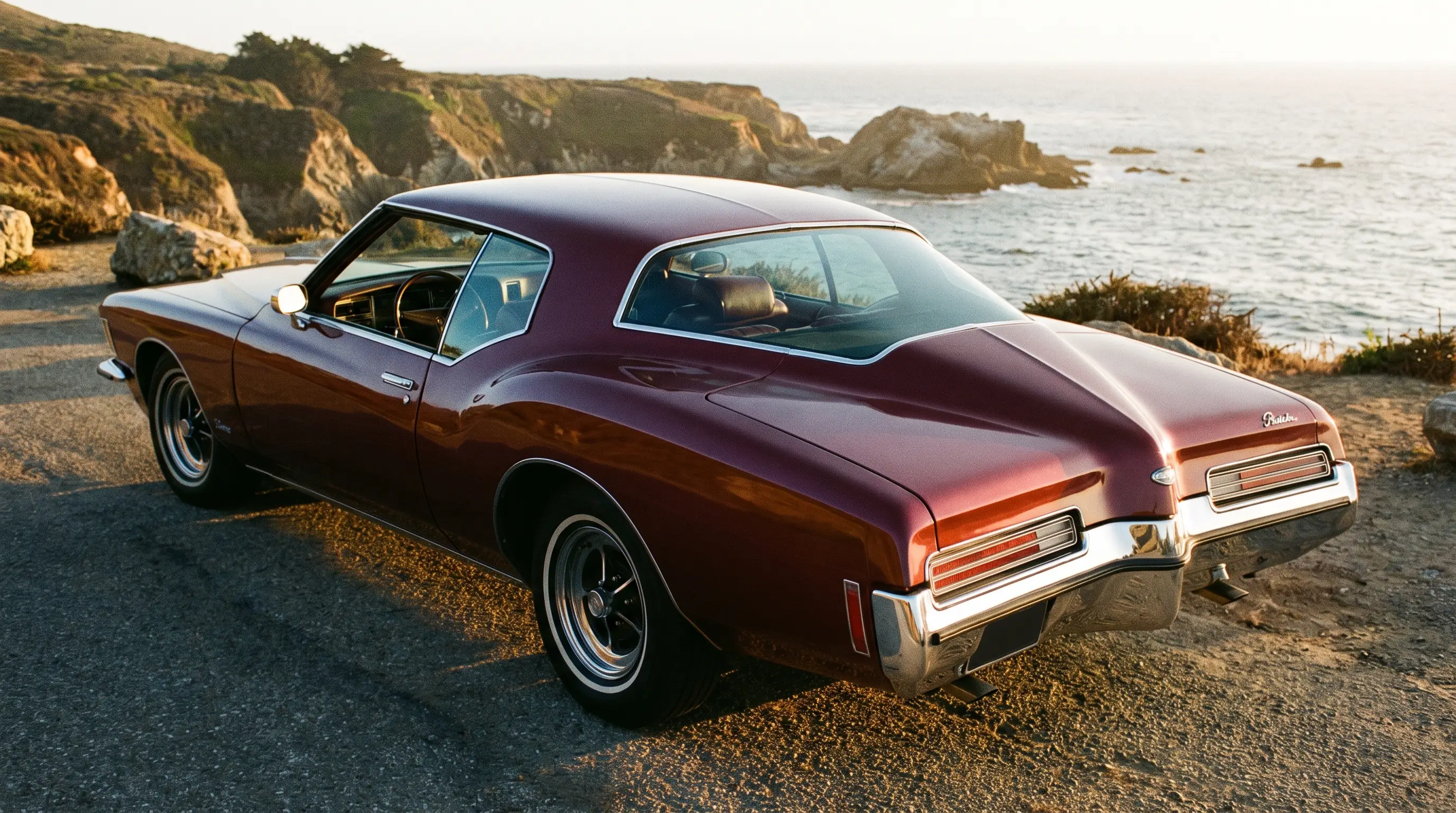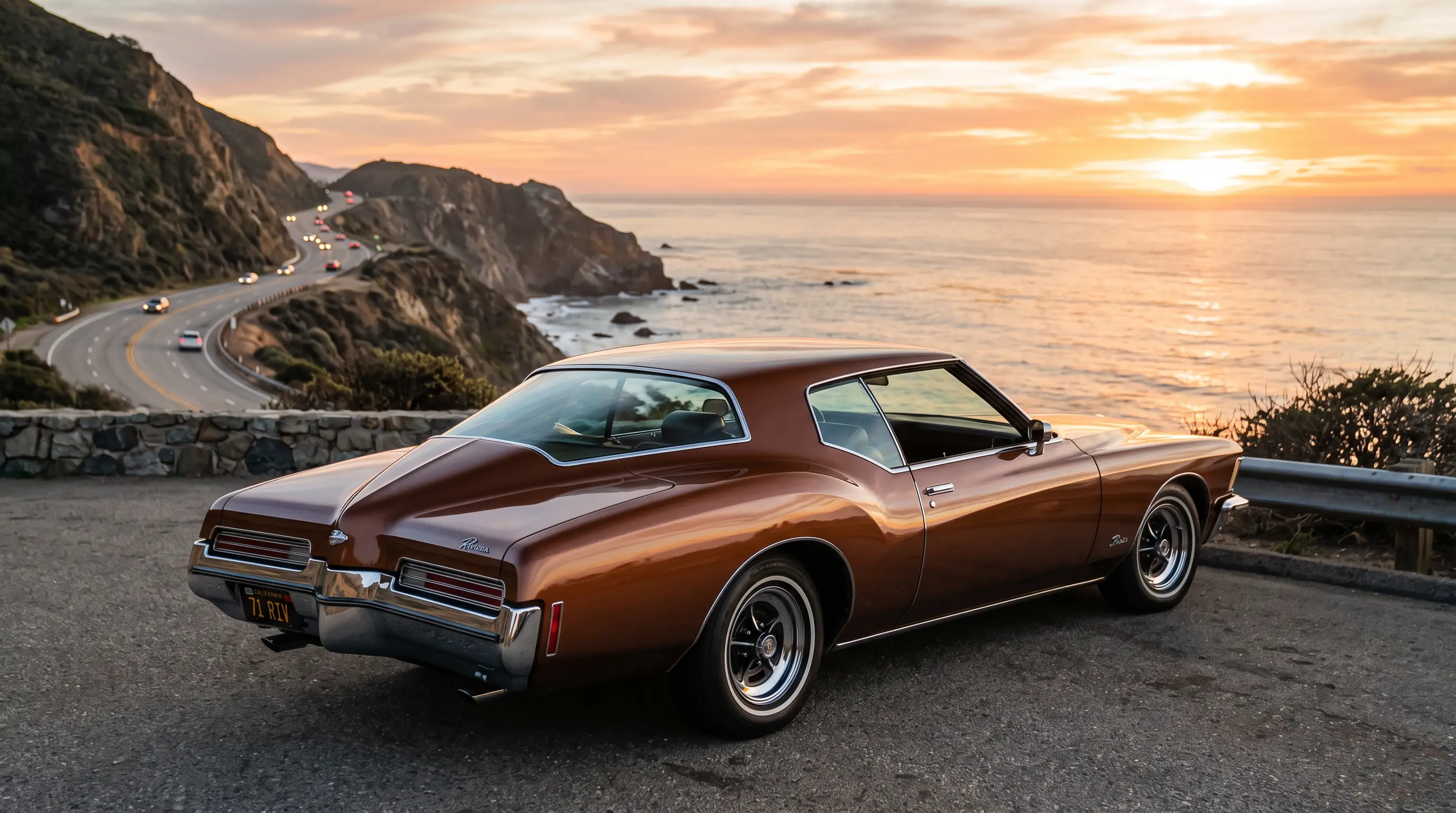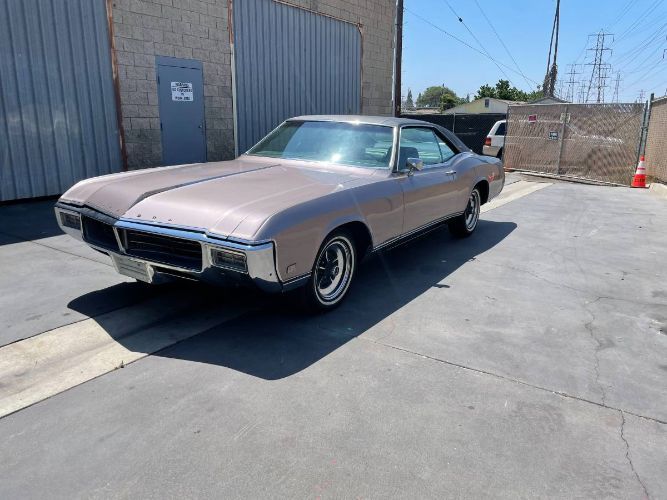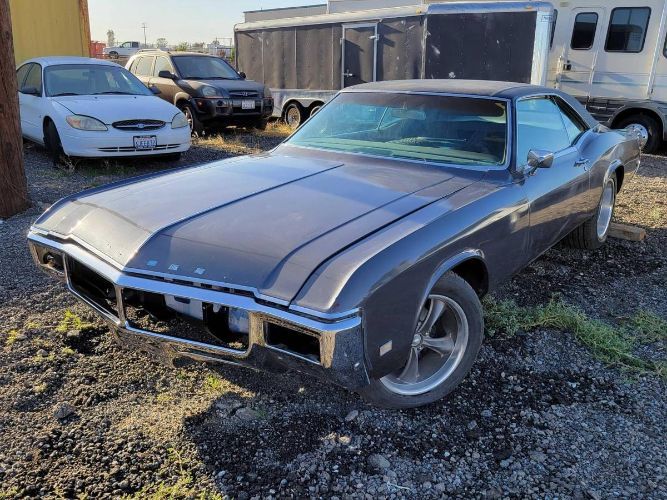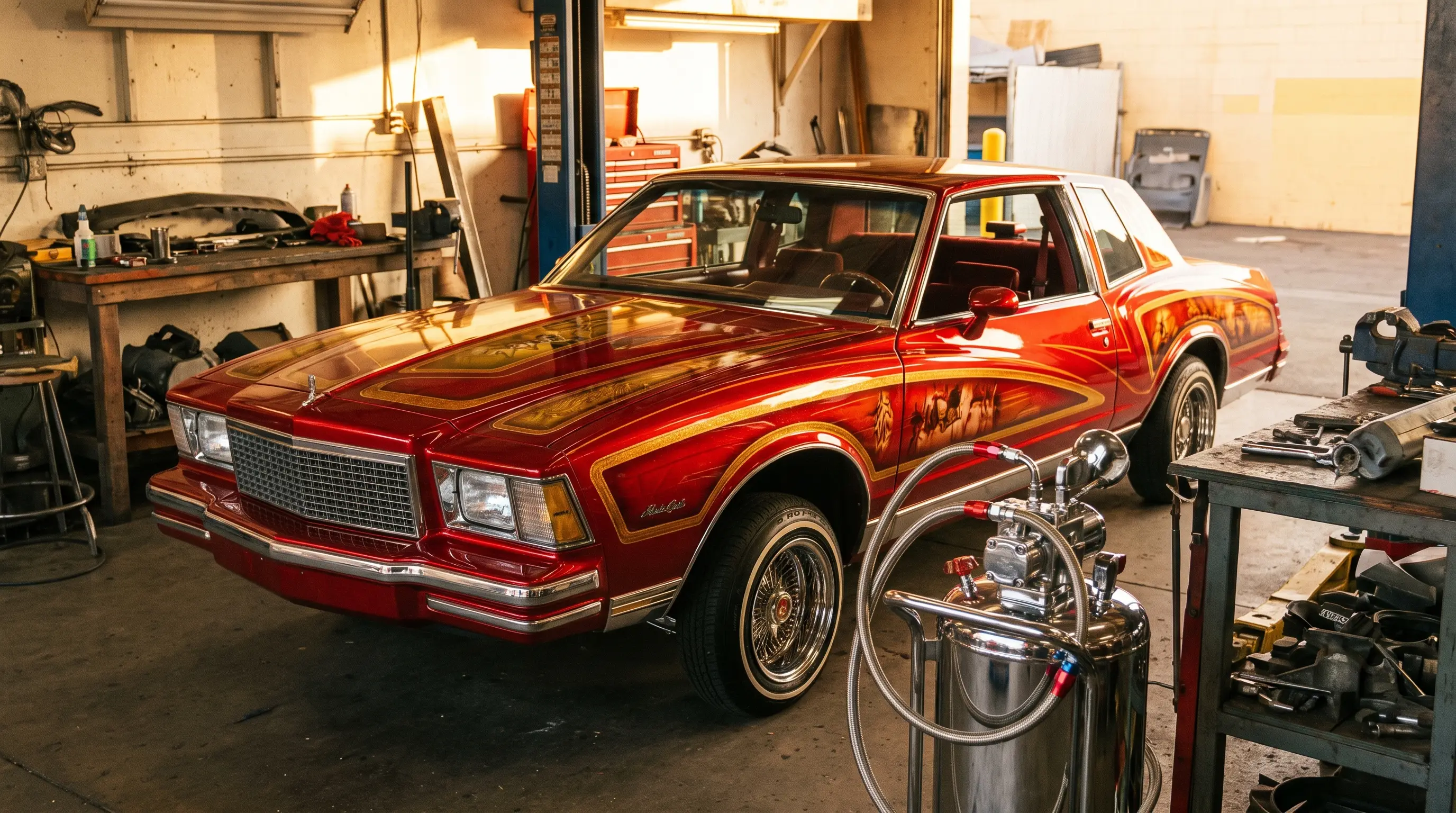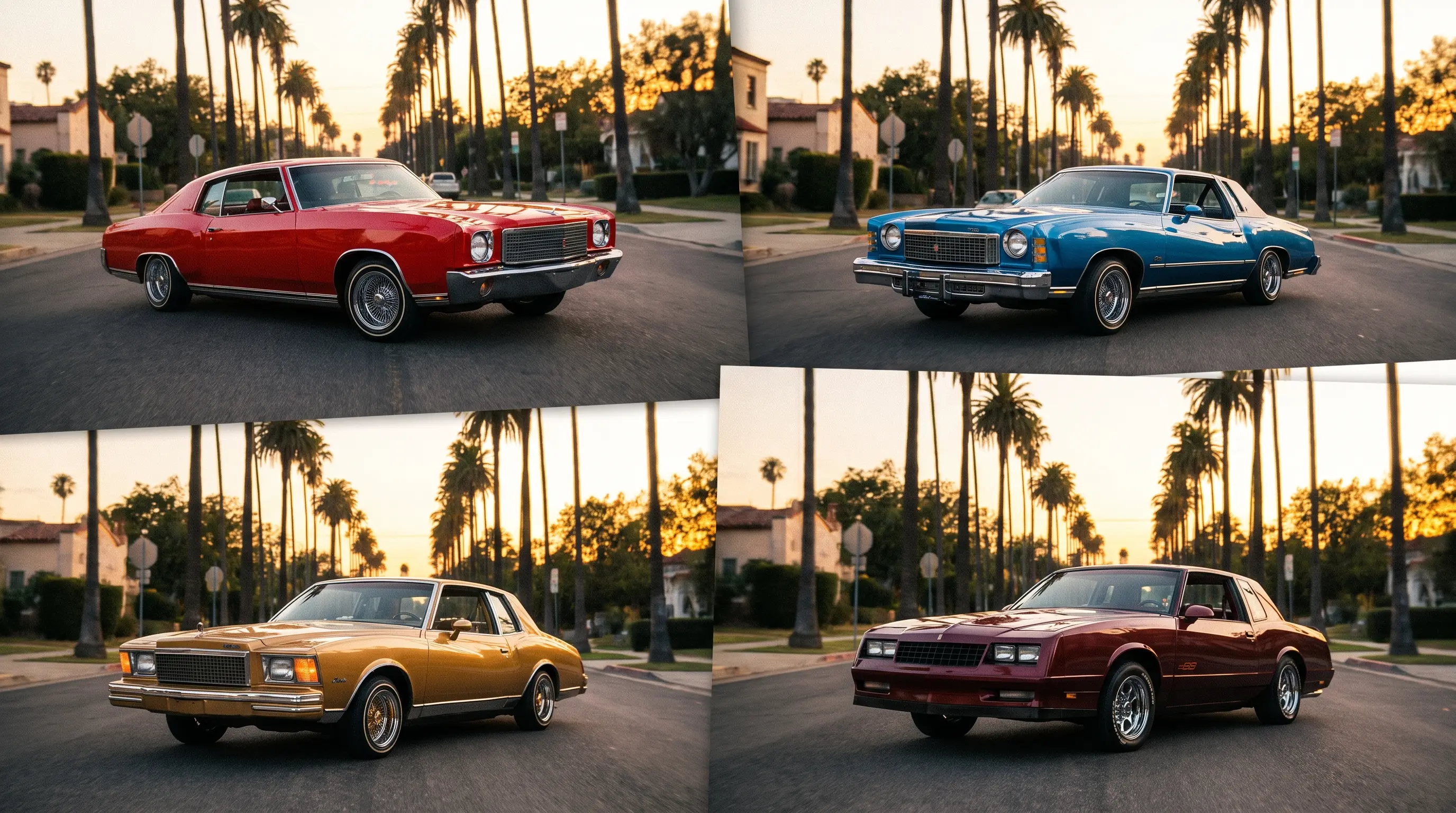
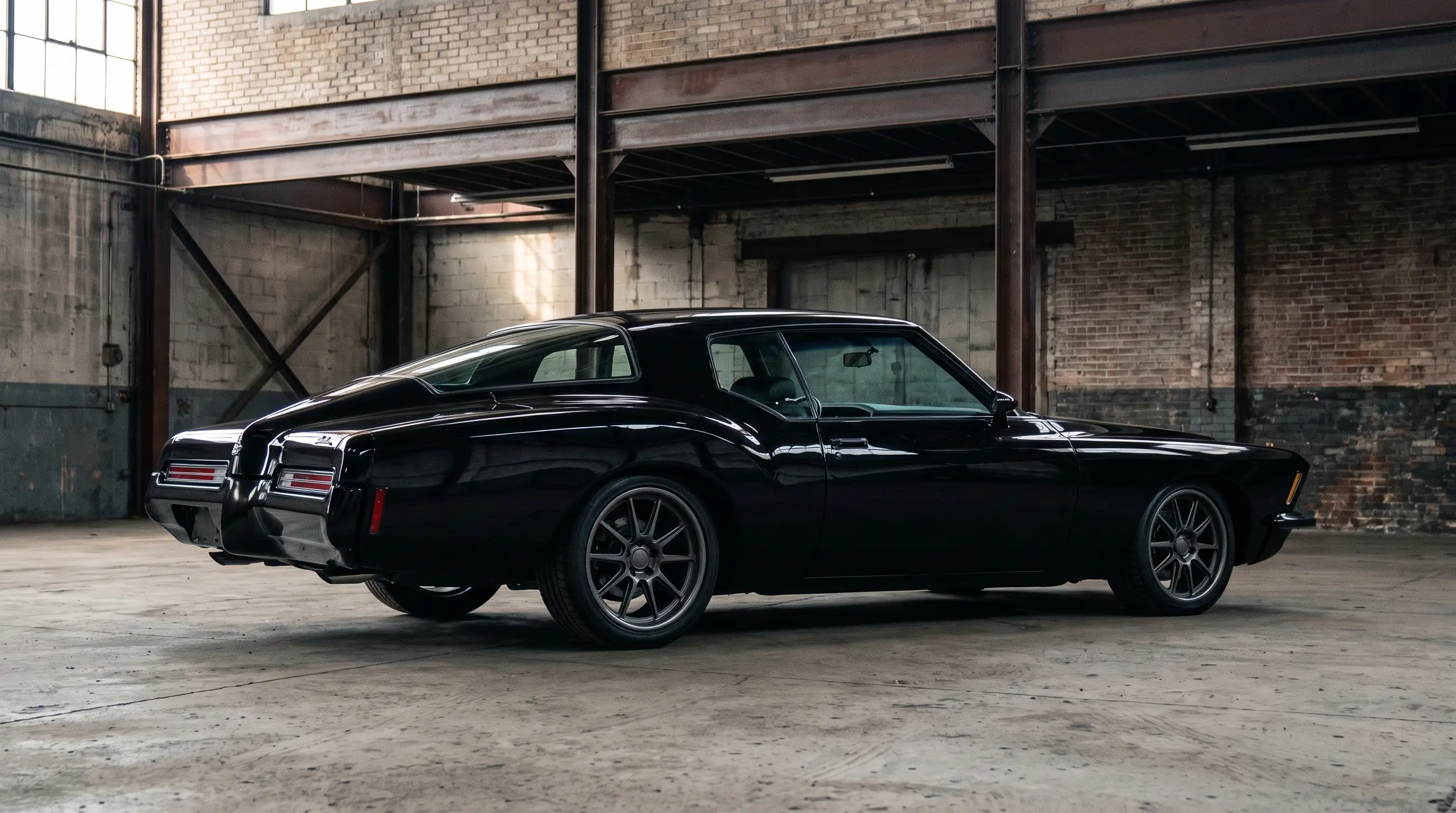
Every so often a customer rolls a boattail into my shop and tells me they want to build something completely different with it, and that is exactly when the buick riviera boattail restomod canvas conversation gets interesting. This is a car with a shape so distinctive that most builders either treat it as sacred and leave it alone, or treat it as the single best surface in the personal luxury world to reimagine entirely. I have watched both camps do excellent work, and I have opinions about why the second approach has become more common over the last decade.
Why builders are drawn to this specific body
A restomod lives or dies on the strength of its starting shape, and the boattail gives a builder more to work with than almost any other American personal luxury coupe from this era. That tapering rear deck, the low steeply raked window, the confident sweep line down the flank, none of it needs reinvention to look modern. A builder can update the mechanicals underneath, refine the stance, and modernize the details without touching the core proportions, because those proportions were already ahead of their time in 1971.
That is a rare gift in this hobby. Plenty of period American cars need real styling intervention to read as contemporary. The boattail mostly needs confidence from the builder to leave the shape alone and focus the actual work where it belongs.
What changes and what stays untouched
The builders I respect most in this space treat the exterior sheet metal as close to untouchable, since that complex tapering rear panel work is exactly the kind of factory craftsmanship that is genuinely difficult to replicate if it gets damaged during a build. Where I see the most interesting custom work happen is underneath, in ride quality, braking feel, and drivetrain refinement, areas where a fifty year old design can benefit enormously from modern components without changing a single line the original designers drew.
The interior is where personal taste tends to show up strongest. Some owners keep the original bucket seat and console layout faithfully, restoring it with period correct materials. Others reupholster with modern materials and add technology the factory never offered, while still respecting the original dashboard's sculpted, driver focused layout. Both approaches can work well on this canvas, since the cabin design was ahead of its era to begin with.
The Gran Sport question in a custom build
Owners building a restomod boattail often wrestle with whether to preserve or chase Gran Sport identity in a car that is already being modernized well beyond factory specification. My honest take is that the Gran Sport badge matters most to a buyer chasing period authenticity, and a restomod is already telling a different story than a numbers matching restoration. That does not mean a builder should ignore the Gran Sport's original intent, dual exhaust, firmer suspension character, sportier stance. It means those attributes can be honored in spirit through a modern build rather than treated as a checklist for factory accuracy.
That distinction matters for value too. A heavily customized boattail, however well executed, is being judged by a different market than a numbers matching factory restoration, and owners should go into a build with clear eyes about which audience they are building for, since Hagerty and auction data generally show original, documented cars commanding the strongest premiums while well executed customs draw their own separate following rather than competing directly for the same dollars.
"This body gives you permission to be bold underneath it because the shape itself is already doing the hard work. I have never had a customer regret trusting that exterior and putting their creative energy into how the car actually drives instead."
- Jim Vasquez
Sourcing the right starting car for a build
Not every boattail makes a good restomod candidate, and I tell customers this before they get attached to a specific car. A body with rust in the complex tapering rear panels or prior poor quality collision repair is a much harder starting point than a straight car with honest wear, because that curved sheet metal is expensive and time consuming to correct once it has been damaged or repaired badly. A builder is almost always better served buying a slightly rougher but structurally straight example than a shinier car hiding filler and mismatched panel gaps under fresh paint.
Interior condition matters less for a restomod build than it would for a numbers matching restoration, since most builders are already planning to rework the cabin anyway. That gives buyers more flexibility to prioritize a clean body and a straight frame over a pristine original interior when they are shopping specifically for a project rather than a finished car.
What separates a good restomod from a wasted opportunity
The builds that hold up best over time are the ones where the mechanical upgrades match the character of the original design rather than fighting it. A boattail restomod that keeps the ride comfortable, confident, and quiet, in the spirit of what this car always was, tends to age better in the eyes of other builders and collectors than one chasing raw straight line speed at the expense of everything the personal luxury concept originally stood for. This car was never meant to be a stripped down performance machine, and the best custom builds respect that history even while updating everything underneath it.
Where this canvas is headed next
I expect the boattail's popularity as a restomod platform to keep growing rather than fade, simply because the shape keeps aging well while plenty of other period customs from this exact era are starting to look dated by comparison. Builders are increasingly treating it the way they treat a handful of genuinely iconic body styles from other decades, as a shape worth building around rather than building over.
If you want the design story behind the shape these builds all start from, our complete history covers how this body came together in the first place. And if you want to see how that same shape keeps showing up in newer design language decades later, keep exploring for that broader thread. If any of this has you hunting for a project, there is real value in starting with a straight, rust free example, and you can find a classic Riviera for sale to begin evaluating candidates before committing shop time to a build.
I have never gotten tired of watching a new customer see this shape in person for the first time and start describing the build they want before the car is even up on the lift. That reaction is exactly why this canvas keeps attracting serious builders instead of losing them to newer projects, and I do not expect that to change anytime soon.