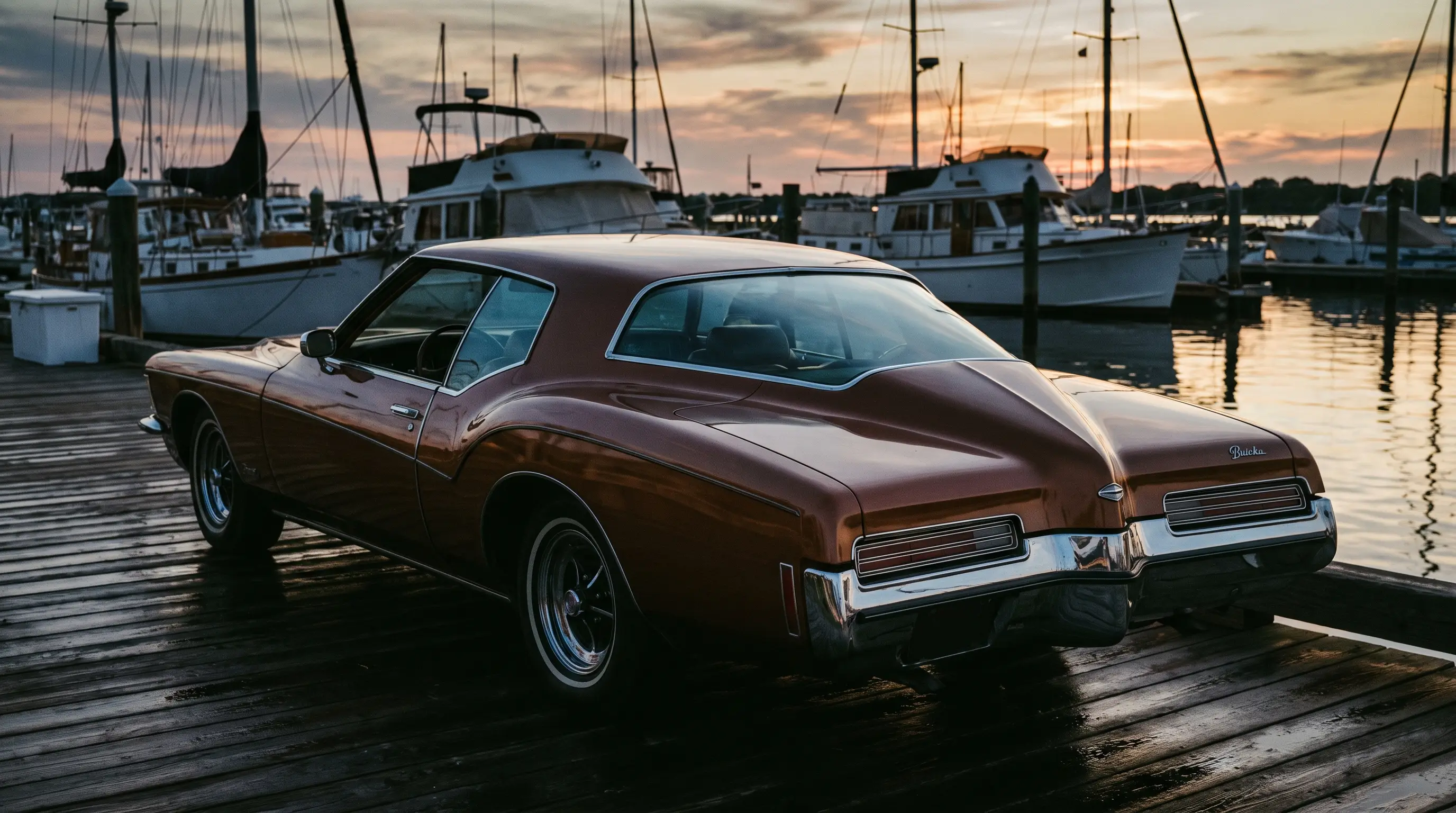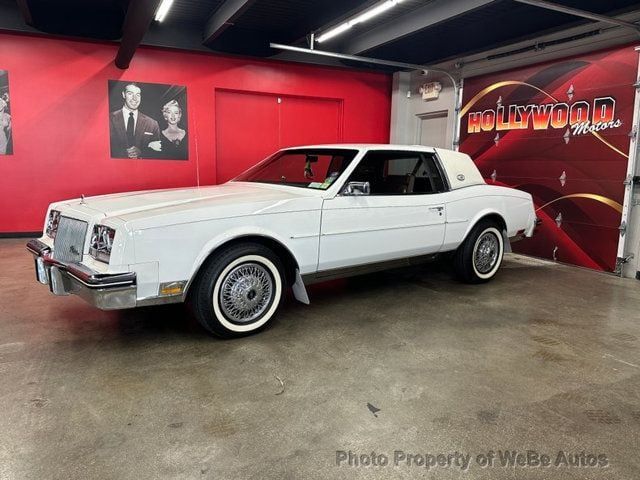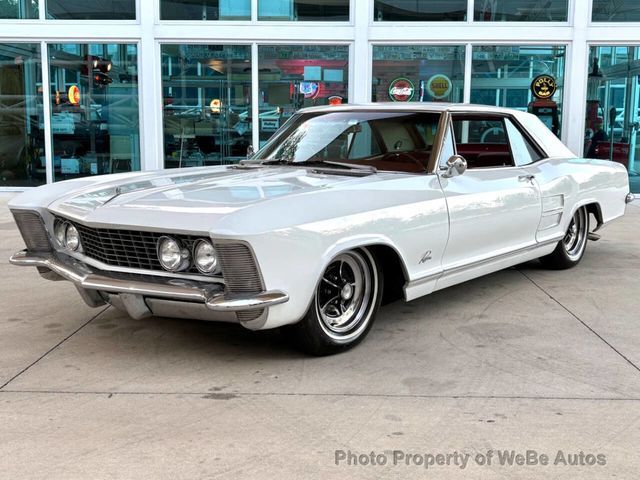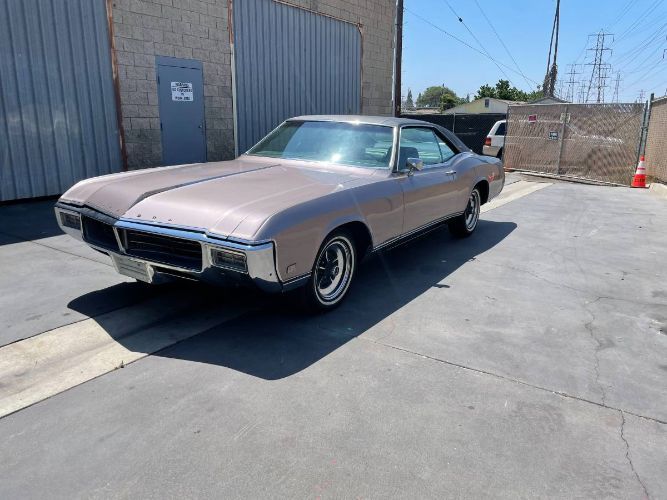
I have had my hands inside a lot of personal luxury coupes from the early seventies, and the buick riviera boattail personal luxury statement is the one that still stops people at a cruise night. Owners do not walk past it. They stop, they walk around the back end twice, and then they ask what it is. That reaction alone tells you Buick was not building a Chevrolet with nicer trim. It was building a statement about what a rich man's daily driver could look like in 1971.
What personal luxury actually meant in 1971
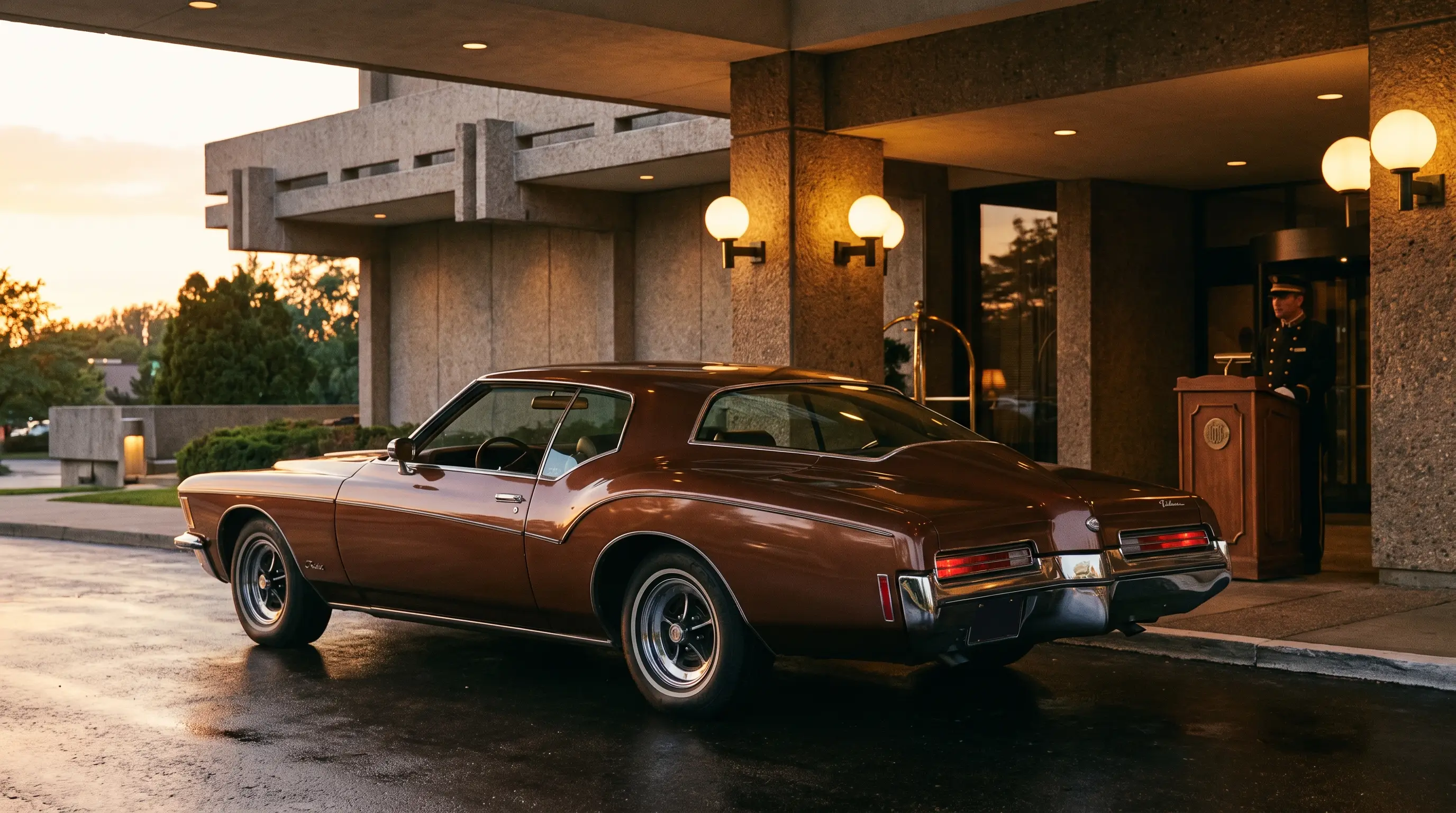
Personal luxury was never about hauling four adults in comfort. It was a two-door coupe built for one owner who wanted to be seen in it. Buick had been selling that idea since the first Riviera in 1963, but the 1971 through 1973 boattail generation pushed the concept further than any Buick before or since. The rear deck tapered to a point like the stern of a yacht, the roofline flowed without a hard break, and the whole car read as a single sculpted piece rather than a body bolted to a frame with add-on trim.
That was the point. A personal luxury car in this era was supposed to signal that the owner had already made it and did not need to prove anything with horsepower alone, though the 455 under the hood proved plenty on its own.
The engineering behind the statement
Under that dramatic sheet metal sat a conventional and honest drivetrain. The standard engine was Buick's 455 cubic inch V8, and buyers who wanted the sportier edge could order the Gran Sport package with its dual exhaust and firmer suspension tuning. Output figures moved around across the three model years as emissions requirements tightened, so treat any specific horsepower number you read as a snapshot of one particular year and one particular test. The 1971 Riviera GS 455 was rated around 330 hp gross, with the extra-cost Stage 1 package pushing that figure higher, and those gross numbers dropped again once the industry switched to net ratings for 1972.
What matters more than the peak number is how the car drove. It was heavy, it was long at over seventeen feet, and it rode like a proper American luxury coupe should, soft over expansion joints and stable at highway speed. Buick engineers were not chasing a sports car brief here. They were building a comfortable, confident cruiser that happened to wear the boldest body Buick had built in a generation.
Reading the statement in the sheet metal
Walk around one in person and the tail end is the whole argument. The deck lid narrows and drops away in a single unbroken curve, the rear window is small and steeply raked, and the bumper is tucked in tight enough that it almost disappears into the design in 1971 and 1972 before federal bumper rules forced a heavier, more prominent bumper onto the 1973 cars. Chrome is used sparingly and only where it earns its place, around the wheel openings and along a single sweep line down the flank.
Inside, Buick leaned into the same idea with bucket seats, a center console, and a dashboard wrapped around the driver rather than laid flat across the car. None of it was flashy in a cheap way. It was confident, and it aged into something that reads as genuinely elegant fifty years later rather than dated.
Why the statement did not land with every buyer
Not everyone wanted a coupe this bold, and Buick's own sales figures across 1971 through 1973, which ran around 33,000 to 34,000 boattail Rivieras in each of those model years, show a personal luxury buyer base that was more conservative than the design studio hoped, especially once the Cadillac Eldorado pulled ahead of the Riviera in 1972 sales. The Cadillac Eldorado, built on the same GM E-body platform, sold in stronger numbers with a shape that took far fewer risks. Some Buick dealers reported that the boattail's dramatic rear end was a harder sell to a customer base that skewed a little older and a little more cautious than Buick's marketing team had hoped for.
That is not a knock on the car. It is a reminder that the boldest design statement in a showroom is rarely the one that outsells its more conservative sibling, and the boattail Riviera has always benefited from hindsight more than it benefited from 1971 showroom traffic.
"You can put a Riviera boattail next to almost anything from its era and it still looks like it was designed on purpose, not just styled to hit a deadline. That is a rarer thing than people give it credit for."
- Jim Vasquez
Living with the statement day to day
I have set up more than one of these cars for owners who wanted to actually drive them rather than trailer them to shows, and the boattail rewards that kind of use. The seats are wide, the steering is light at low speed once power assist is dialed in correctly, and the long hood makes the car easy to place on the road once you get used to the length. None of that shows up in a magazine photo, but it is the reason owners keep these cars in daily rotation instead of parking them under a cover.
Parts support is better than people assume for a low production personal luxury coupe. The 455 shares plenty of internals with other Buick big blocks of the era, and the driveline is conventional rear wheel drive rather than the front wheel drive layout Cadillac and Oldsmobile used on their E-body cousins. That difference matters to anyone doing their own maintenance, since a Riviera boattail bolts together more like a traditional American V8 coupe than its platform mates do.
What the statement is worth today
Collectors who understand what they are looking at treat a clean, unmolested boattail as one of the more distinctive personal luxury cars of the whole muscle and personal luxury era, distinctive enough that it rarely gets cross-shopped against a generic period coupe. If you want the full story of how this shape came together inside GM's design studio, that history explains a lot about why the car still reads as bold instead of dated.
If you are searching for a classic Riviera for sale, know what you are buying. This is not a car you pick up because it was cheap transportation in its day and happens to survive. It is a car people specifically sought out because of what it said about them, and that intent shows in how well built and how well finished a good example still feels from behind the wheel.
Sources and notes
- Buick Riviera - Wikipedia
- 1971 Buick GS 455 Stage 1 Specs - Automobile Catalog
- 1971 Buick GS 455 Profile - HowStuffWorks
- The 1971-73 Buick Rivieras Offered Great Boattail Designs - MotorCities
- Model Years - Buick Riviera Boattail Registry
- 1972 Buick Riviera GS Valuation - Hagerty
- Das Boattail: The 1971-1973 Buick Riviera - Ate Up With Motor