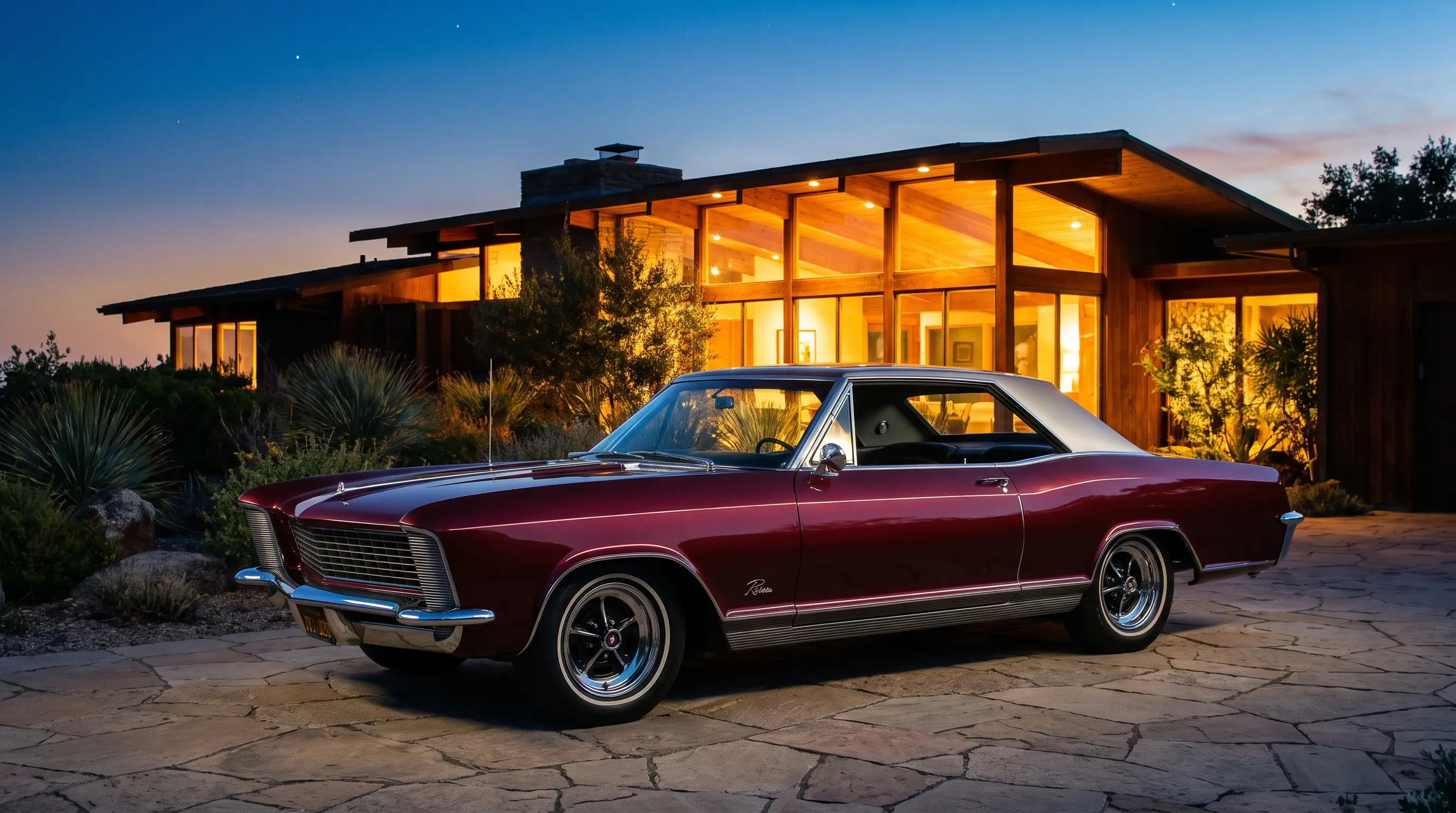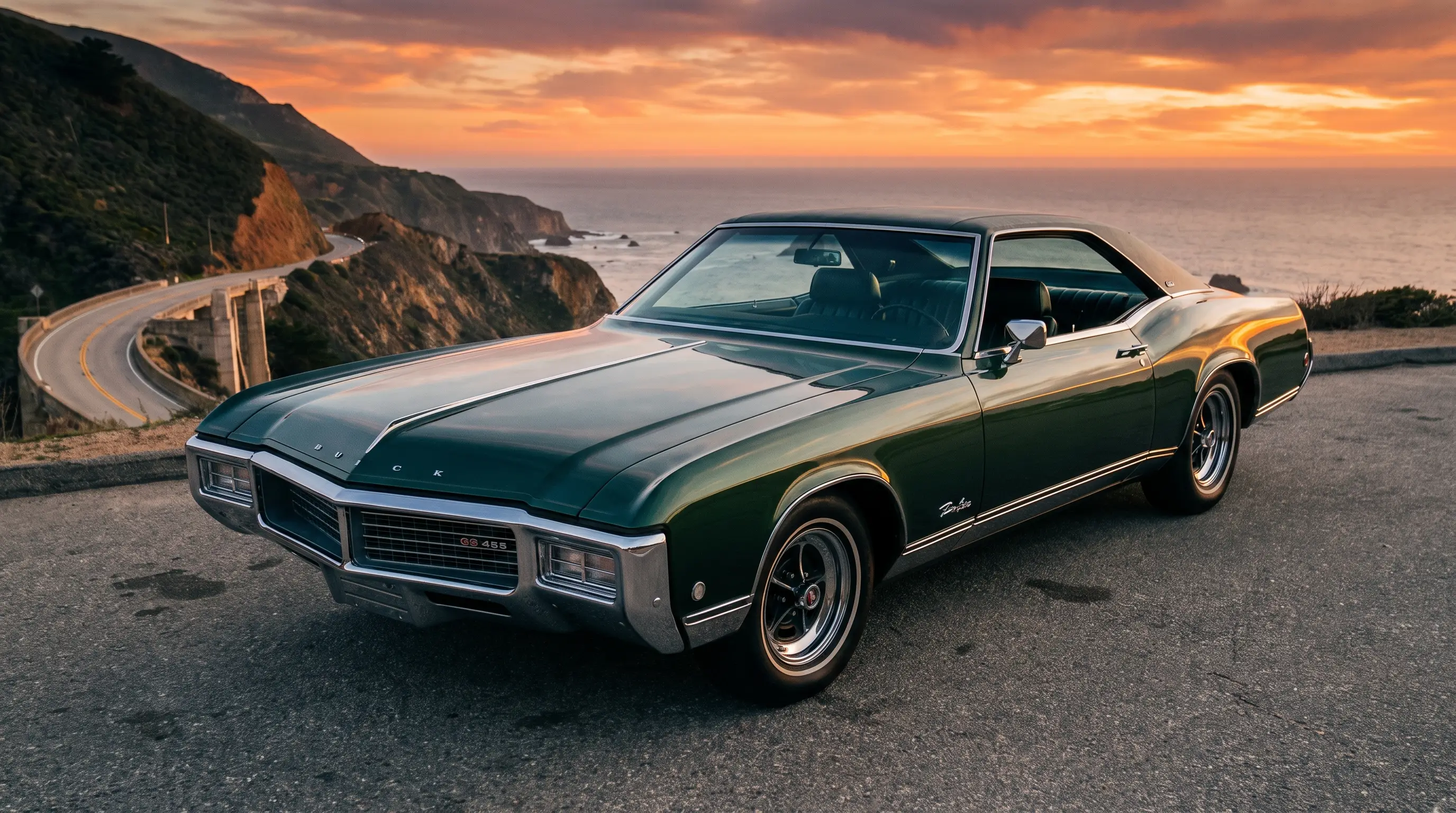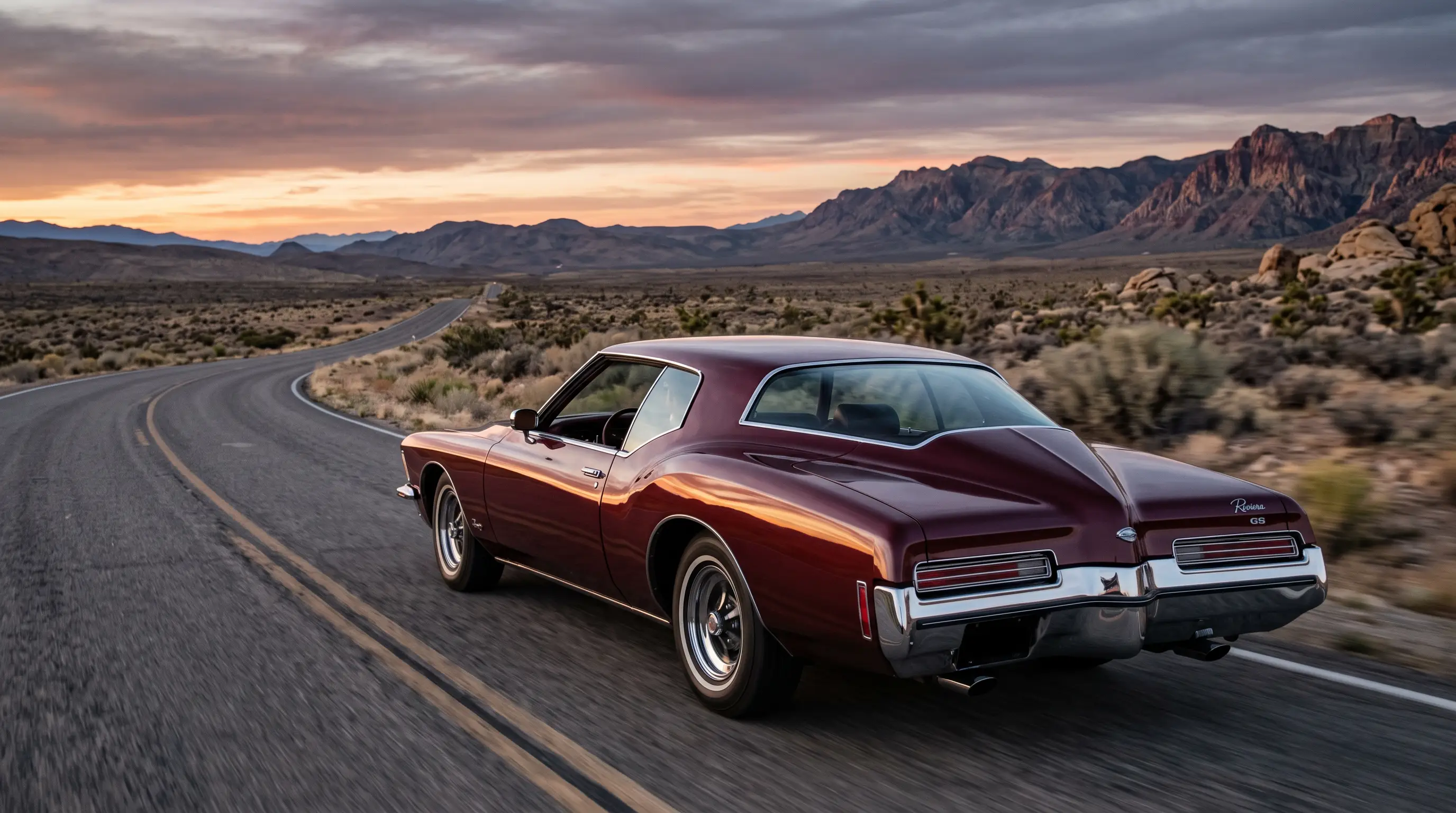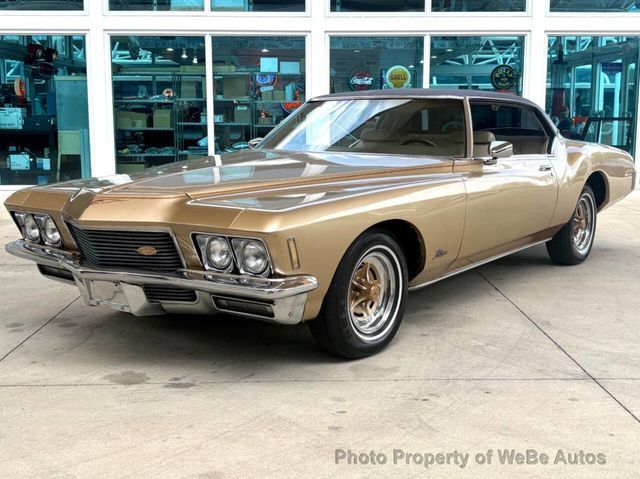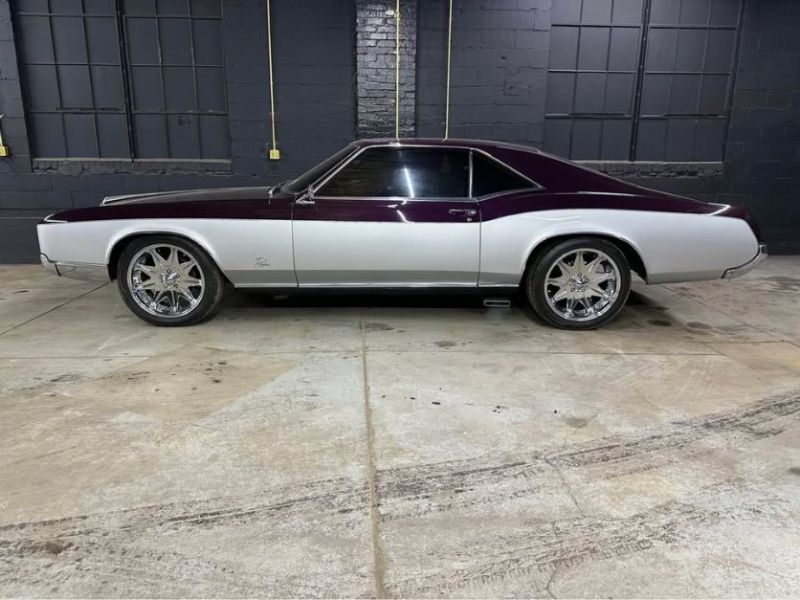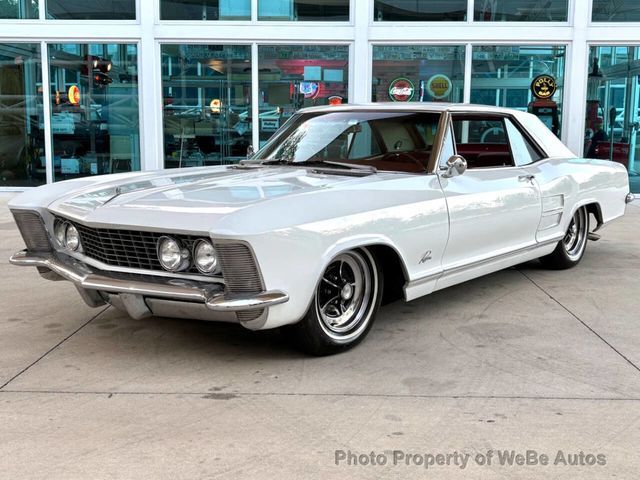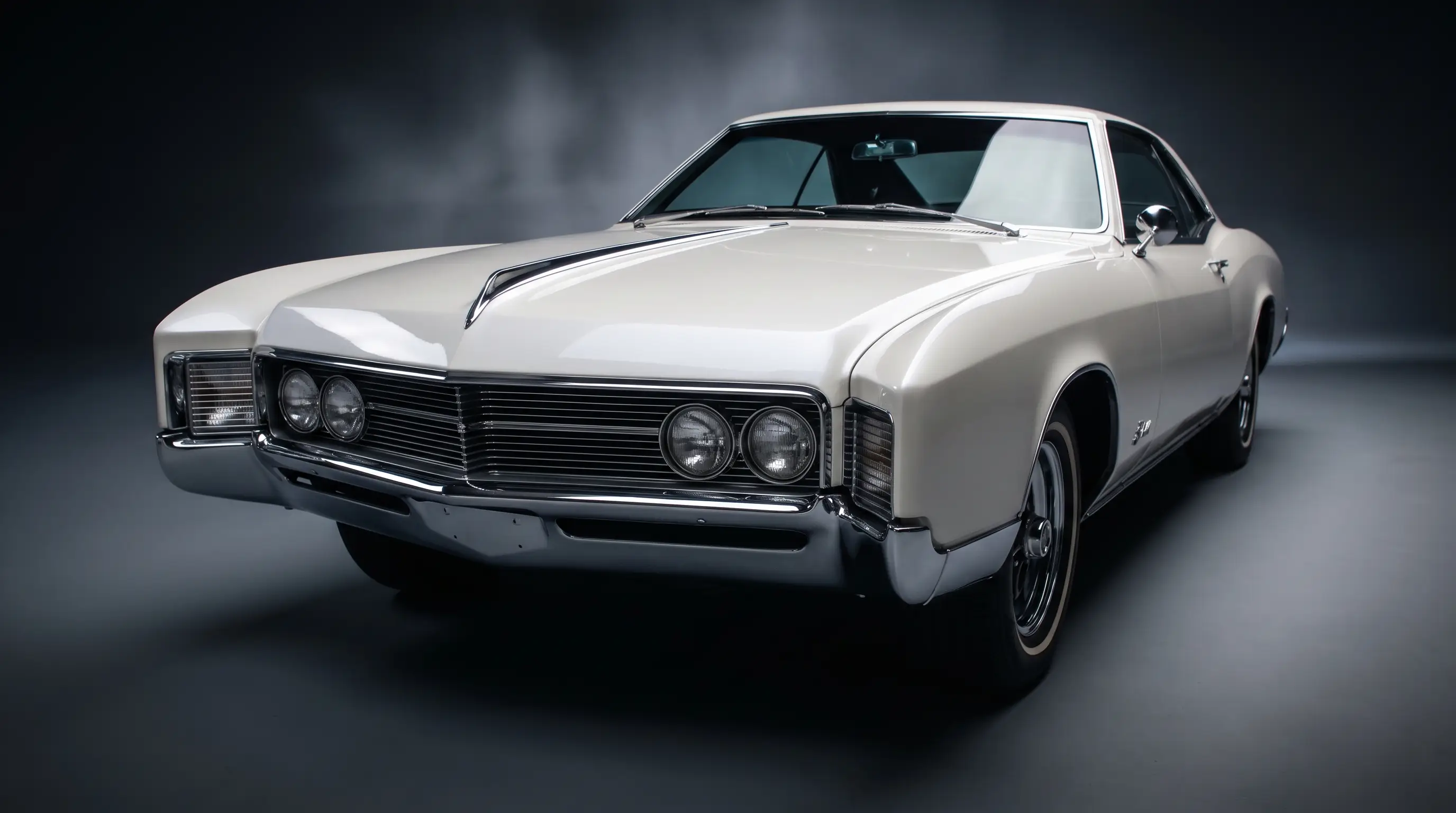
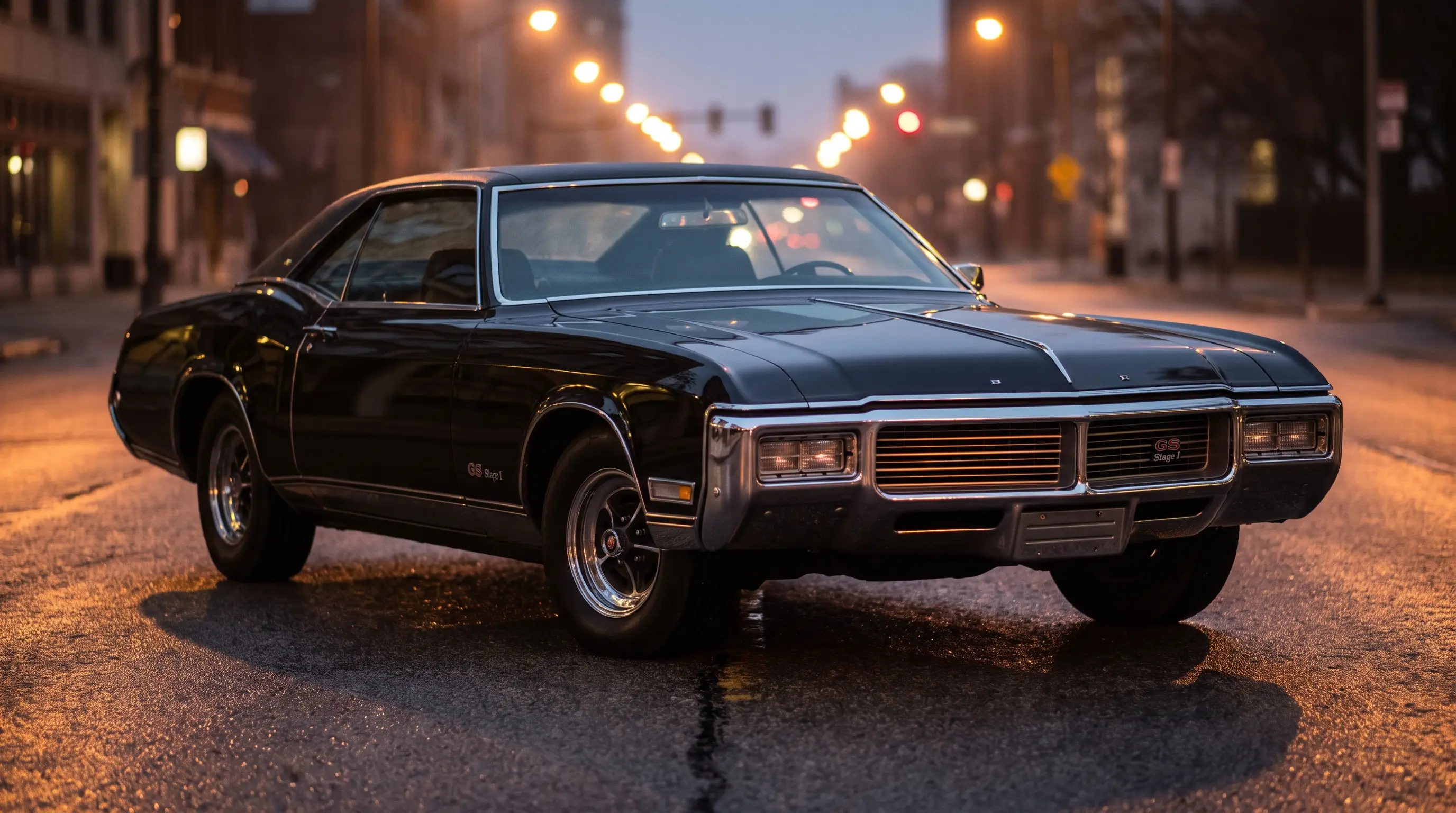
Every shop has a car that changes how people talk about a brand, and for a lot of Buick guys that car is a Riviera GS wearing the Stage 1 badge. The buick riviera gs stage 1 legend did not come from a magazine cover story. It came from guys at the drag strip and at the local cruise night watching a two ton personal luxury coupe walk away from cars that were supposed to be faster. I have had more than one of these on the lift, and I will tell you straight: the reputation is earned, but it is also more specific than most people remember.
What Stage 1 actually was
Stage 1 was Buick's factory performance package, built around a revised camshaft, higher flow cylinder heads, a stronger valvetrain, and recalibrated carburetion tied to the big 455 cubic inch V8. It was not a dealer add-on and it was not a sticker. It was a build code that changed real parts on the engine. Buick rated the Stage 1 455 at 360 horsepower and 510 lb-ft of torque, numbers that made it one of the highest torque figures out of Detroit in that era, GM's own big blocks included. On a Riviera GS, that torque showed up as effortless roll-on power, not a screaming top end. That is the part people who never drove one tend to miss.
Most of the Stage 1 folklore in enthusiast circles centers on the Skylark based GS and the GSX, and that history is well documented. The Riviera GS did carry its own Stage 1 code, offered in 1971 to 1972 and again in 1973 to 1974, but it ran a different camshaft than the Skylark based GS and GSX cars, one ground for more torque and slightly less peak horsepower to suit the heavier Riviera platform. What is not in dispute is that Buick's big block philosophy, torque first, drama optional, ran straight through the Riviera GS lineup regardless of the exact badge on any single car.
Why it earned respect instead of hype
Hype fades. Respect sticks because it gets tested. A Stage 1 equipped car did not need to be revved to make its case. Drop the hammer at 2,500 rpm in a Riviera GS and the torque converter and rear axle did the rest. That is a different kind of fast than a small block screamer, and it is the reason old timers still bring it up unprompted. I have watched a stock Riviera GS surprise a Chevelle SS owner who assumed a personal luxury car had nothing under the hood worth discussing. The owner was not bragging. He just drove it like he always did, and the Chevelle owner went quiet.
Part of what makes the legend durable is that it was never marketed as a race car. Buick sold the Riviera GS as a gentleman's coupe with an attitude problem, leather seats and a console shifter wrapped around genuine muscle. That combination, comfort with real bite, is why the car still gets talked about differently than a stripped down intermediate built purely for the strip.
What to check before you believe the number on paper
If you are shopping one, the horsepower rating on a build sheet only means something if the numbers match the block. Buick's casting codes, carburetor tag, and cylinder head castings all correlate to specific engine configurations, and a car advertised as Stage 1 without matching casting numbers is a car you should ask harder questions about. This is not a restoration tutorial, so I will not walk you through decoding every stamp, but I will say this: paperwork and casting numbers together are worth more than a seller's word, every time.
Where the legend gets exaggerated
Every legend picks up barnacles over the years, and this one is no exception. I have heard owners claim quarter mile times that do not square with the weight of a Riviera, and I have heard sellers use the word Stage 1 loosely to mean any big block Riviera GS regardless of what is actually under the hood. Buyers should treat those claims the way I treat any shop talk I cannot verify with paper: interesting, not proof. A genuine Stage 1 car is a specific combination of parts built to a specific spec, not a general vibe a seller is trying to sell you.
The other exaggeration worth flagging is the idea that Stage 1 turned the Riviera GS into something it was never meant to be, a pure race car in disguise. It was not. The chassis, the weight distribution, and the intended use of the car were all built around comfortable long distance cruising with a strong reserve of power in hand, not around beating dedicated muscle cars purpose built for the strip. Respecting what the car actually is, rather than what internet folklore wants it to be, is part of what keeps this reputation honest instead of inflated.
The character that outlasted the era
Muscle car values have swung wildly over the decades, chasing whichever nameplate is fashionable that year. Through all of it, the Riviera GS has held a steadier reputation among people who actually drove these cars new or drove them a lot used, because the appeal was never about a magazine number. It was about how the car behaved when you needed it to behave. That is a harder thing to fake and a harder thing to lose. If you want read the background on how the Gran Sport package came to exist in the first place, it fills in a lot of what made this engine combination possible. The torque character on the road is worth a look too if you want the deeper story on why it feels the way it does behind the wheel.
"I don't care what the dyno sheet says. I care what happens when you mash the pedal at a stoplight, and a good Stage 1 Riviera GS answers that question every single time."
- Mike Sullivan
None of this legend matters if the car in front of you cannot back it up. That is the whole point of chasing casting numbers instead of chasing a name on a fender. If you are ready to go look at real cars instead of just reading about them, you can shop classic Riviera listings and start asking the same questions I would ask.
Sources and notes
- TeamBuick.com, Buick 455 Camshaft Usage and Horsepower Ratings
- Barn Finds, 455 Survivor: 1973 Buick Riviera GS Stage 1
- HotCars, Buick Hid America's Highest Torque Rating Inside a Two-Ton Luxury Car
- Automobile Catalog, 1970 Buick GS 455 Stage-1 Sport Coupe Specs
- Ate Up With Motor, The 1971-1973 Buick Riviera Boattail
- Wikipedia, Buick Riviera