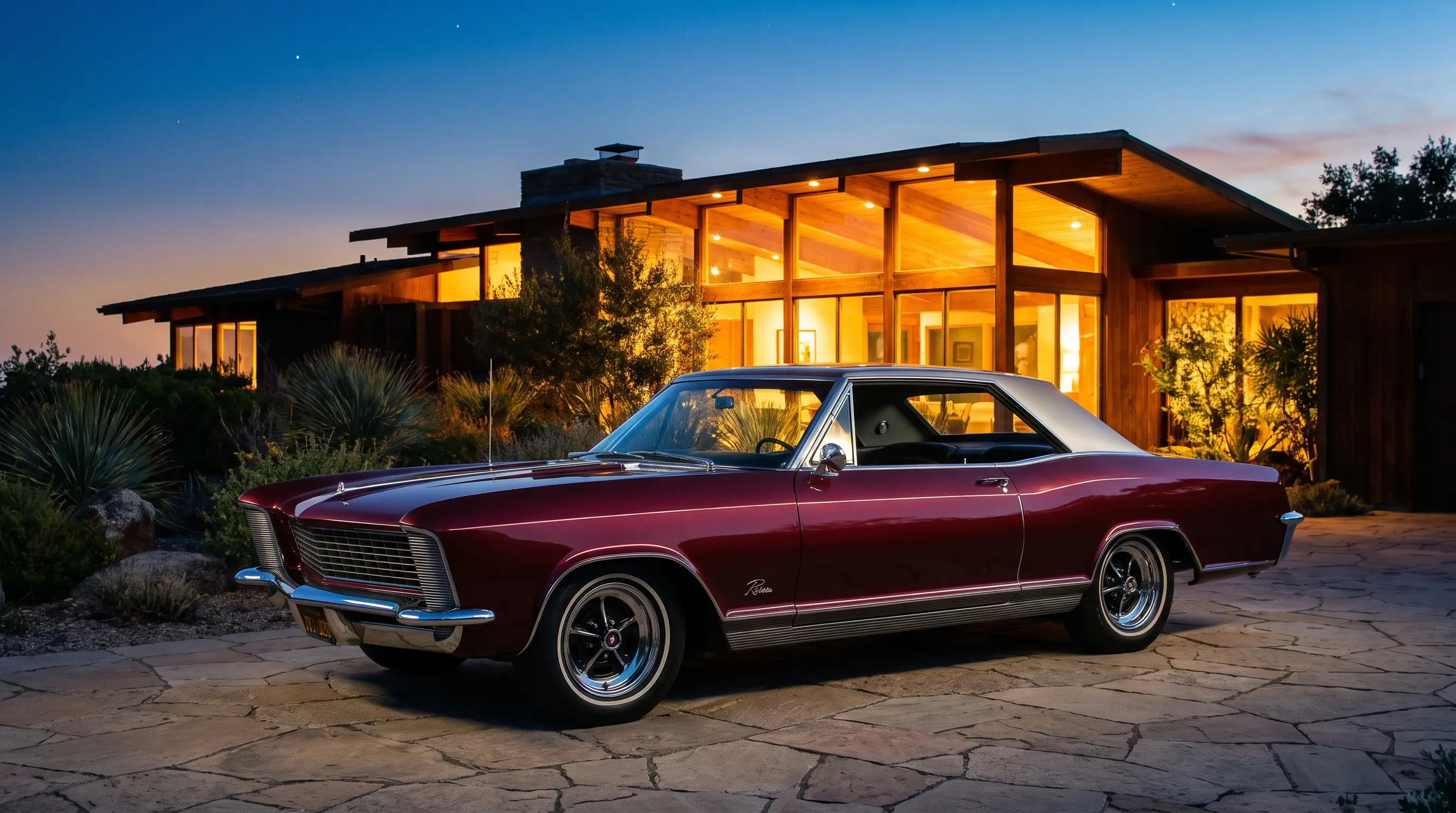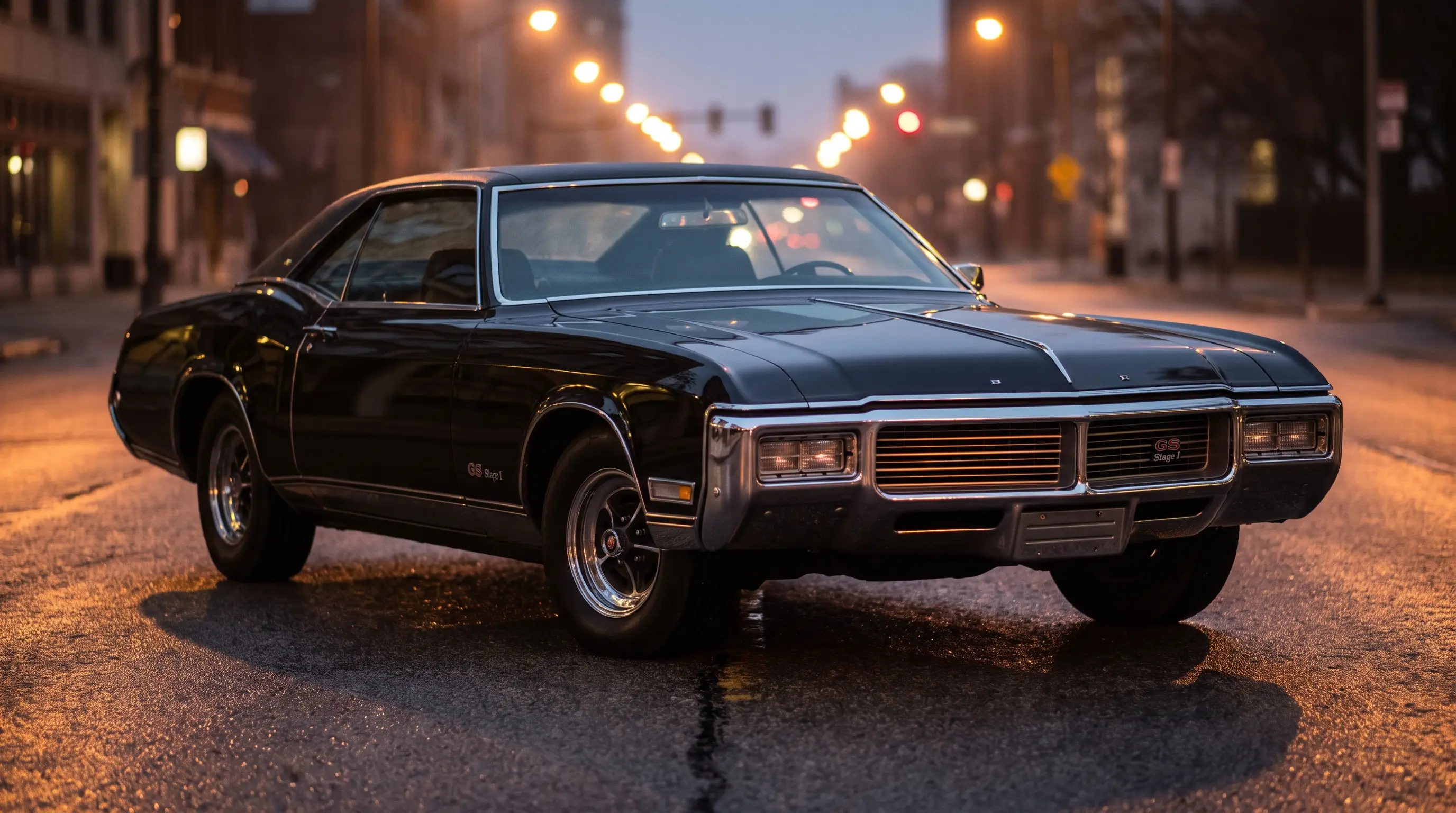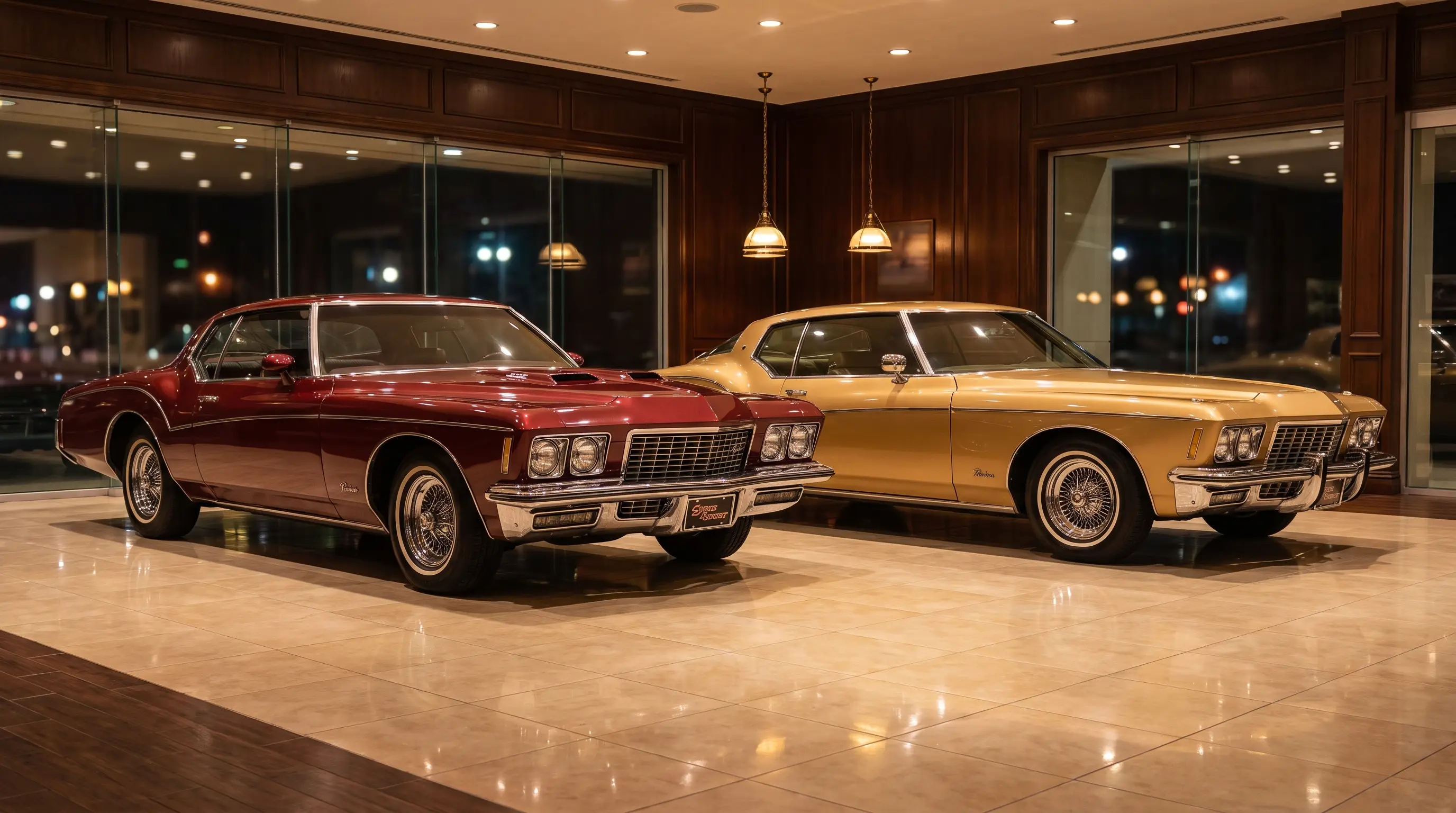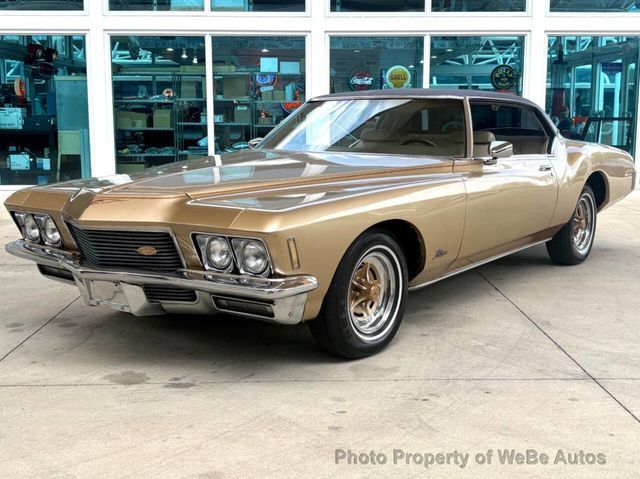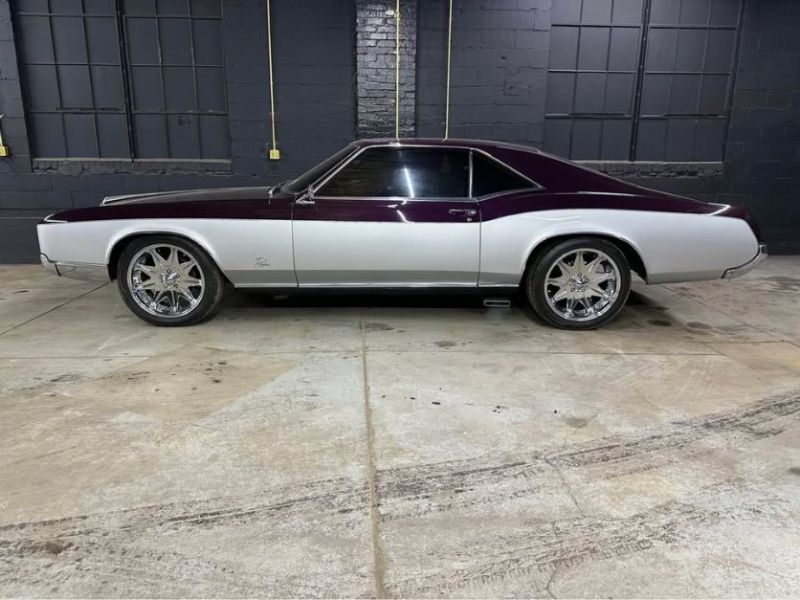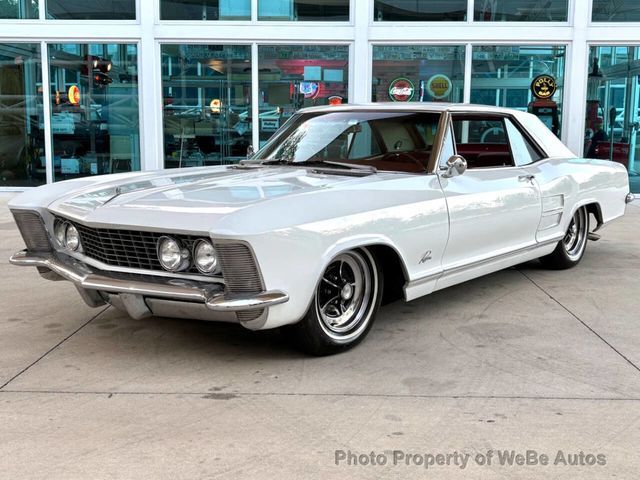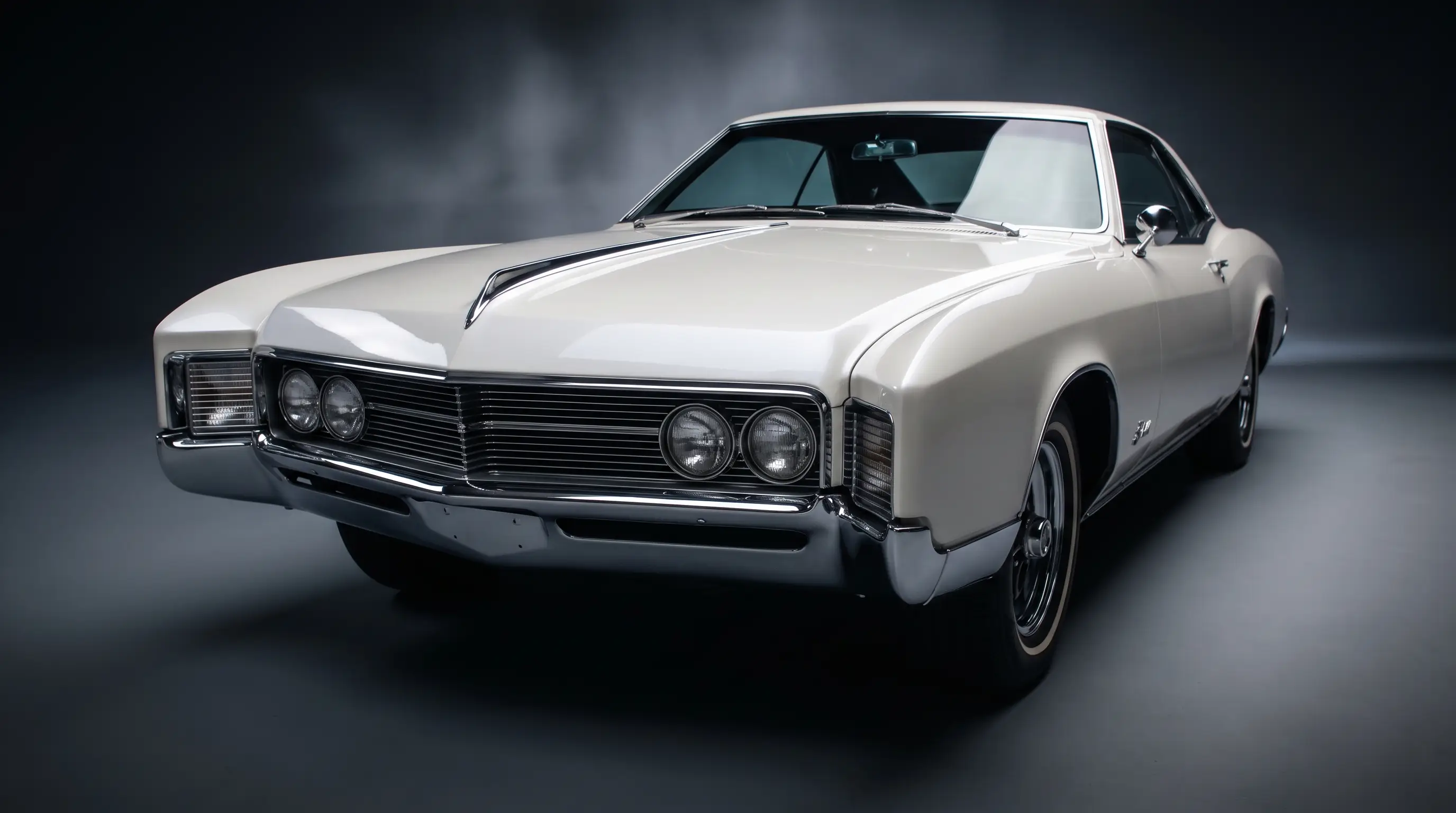
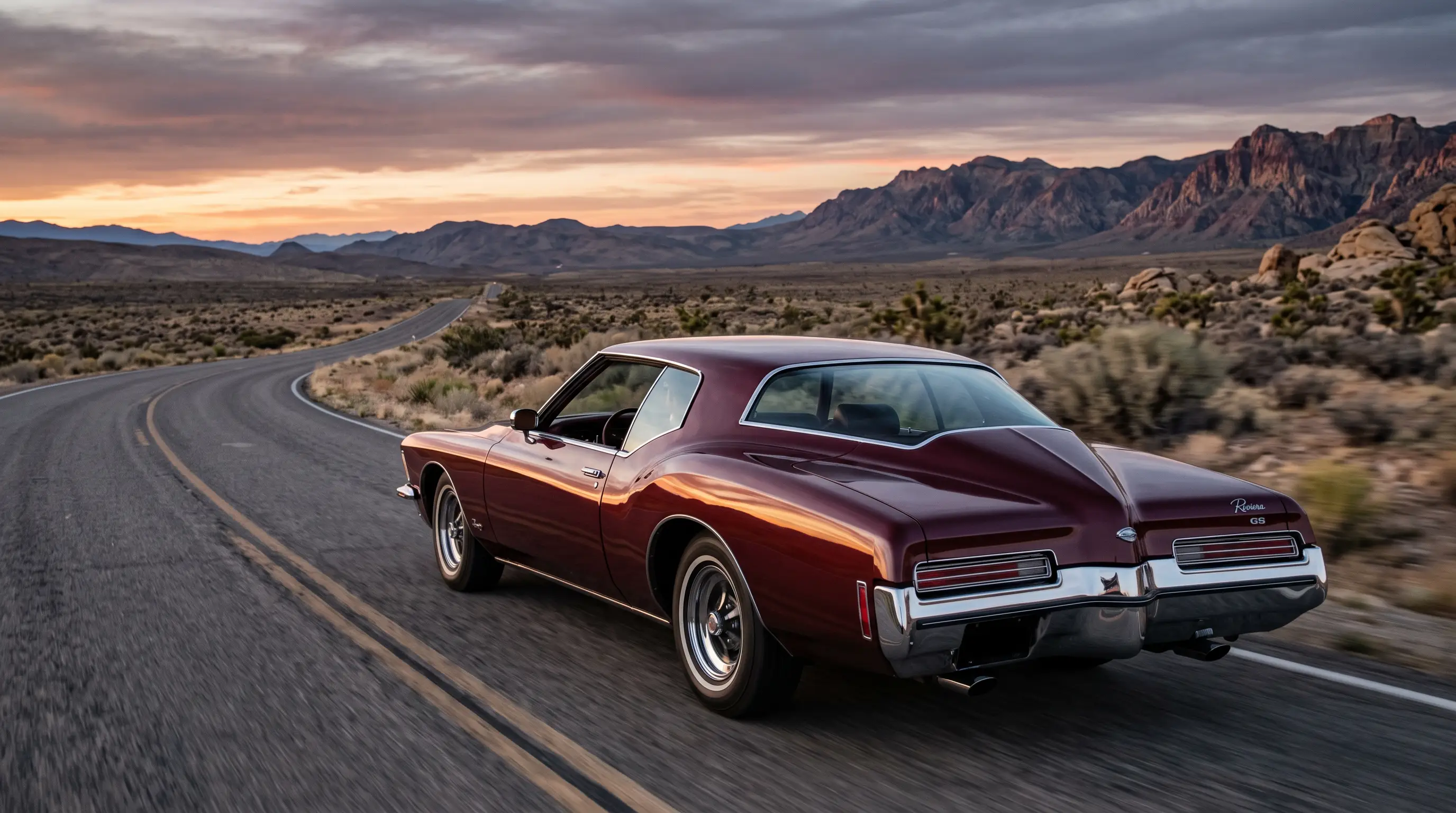
The guy at the gas station in 1971 was not impressed by the tachometer. He barely glanced at it. What he wanted to feel was the shove in his back the moment his foot went down, and that is exactly what a Riviera GS delivered. This is the buick riviera gs torque monster character in one image: a car that never asked you to work for its power, because the power was already there, low in the rev range, waiting.
A different kind of fast
Ford and Chevy built cars in this era that wanted to be revved. Buick built something else. The GS versions of the Riviera carried big block engines tuned for torque, not top end screaming, and that decision shaped everything about how the car felt on the road. You did not chase redline in a Riviera GS. You short shifted it out of habit, because the torque curve had already made its point by 3,000 rpm. Buick's own literature leaned into this, marketing the car's power delivery as effortless rather than explosive, a deliberate contrast to the intermediate muscle cars fighting each other on quarter mile times.
The nailhead V8 that powered the earliest Riviera GS models in the mid 1960s already carried this personality, a big displacement, low revving engine built more like a tractor than a sprinter, and it is part of why those early cars still feel substantial from behind the wheel today. By the time the 430 and then the 455 replaced the nailhead in later years, the philosophy carried forward even as the numbers on paper grew. Buick was not chasing horsepower headlines. Buick was chasing the feeling of a big hand pushing you into the seat.
Why torque wins the argument that horsepower can't
Horsepower numbers make for good bar arguments. Torque numbers make for good driving. A car with strong low end torque does not need perfect conditions, a specific gear, or a driver willing to wind the engine out to feel fast. It just feels fast, immediately, from a stop or from a roll. That is the entire appeal of the torque monster reputation, and it explains why period road testers, writing at a time when quarter mile bragging rights ruled every other review, kept coming back to how effortless the Riviera GS felt in real world driving rather than at the strip.
There is a story, repeated often enough among Riviera owners that it has become part of the car's folklore, about a Riviera GS owner who never once opened the hood to prove a point to a doubter. He would simply offer a ride. That was the whole argument. A pull from a stoplight told you more than any spec sheet could, and it told you in about four seconds.
Living with a torque monster today
Owning one of these cars now means understanding that the character has not changed even though the world around it has. Modern traffic, modern gearing on other cars, none of it dulls what a big block Riviera GS does well. Roll into a highway on ramp and the car still answers the same way it did decades ago, without drama, without a downshift, without asking permission. That consistency is part of why long time owners describe the car less as a machine they drive and more as a personality they have gotten used to.
It also means the car rewards a certain kind of driver, one who is not chasing a number on a dyno sheet but chasing a feeling behind the wheel. That is a harder thing to advertise and a harder thing to fake, which is exactly why the reputation has held up as well as it has over fifty years of changing tastes in the collector market.
What the numbers hide
Spend enough time around these cars and you notice something the spec sheets never capture well: the sound. A big block Buick under load does not scream the way a small block Chevy does when it is worked hard. It growls, low and steady, the exhaust note rising just enough to tell you the engine noticed your right foot without ever sounding strained. That sound is part of the torque monster character too, and it is one of the details that gets lost when people reduce these cars to a horsepower figure and move on.
There is also the matter of how the car ages. A lot of high strung performance engines from this era do not tolerate decades of casual ownership particularly well, and they show their age through finicky tuning and marginal reliability once components wear. The big Buick engines, built the way they were, with an eye toward long service life rather than peak output, have generally aged into dependable, torquey companions rather than temperamental show pieces. That durability is not usually the first thing people mention when they talk about why they love these cars, but it is a large part of why so many are still on the road running strong, decades after cars built purely to win a magazine comparison test have long since been parted out or forgotten.
Where this fits in the bigger Riviera story
None of this happened in a vacuum. The Gran Sport badge that gave these cars their edge has its own history worth understanding, and you can get more on the buick gran sport if you want the full context of how the package came together. The Riviera itself started as a different kind of statement altogether, a personal luxury coupe built to compete on style before it ever competed on power, and that origin story is where this started if you want to trace the whole arc from the beginning.
"I have ridden in a lot of cars that were supposed to impress me with a number. The Riviera GS never bothered with the number. It just went, and that was always enough."
- Patrick Walsh
If reading about that torque has you thinking about feeling it yourself, there are always a handful of good ones out there. Take a look at classic Rivieras on the market and see what is available before someone else beats you to the good one.