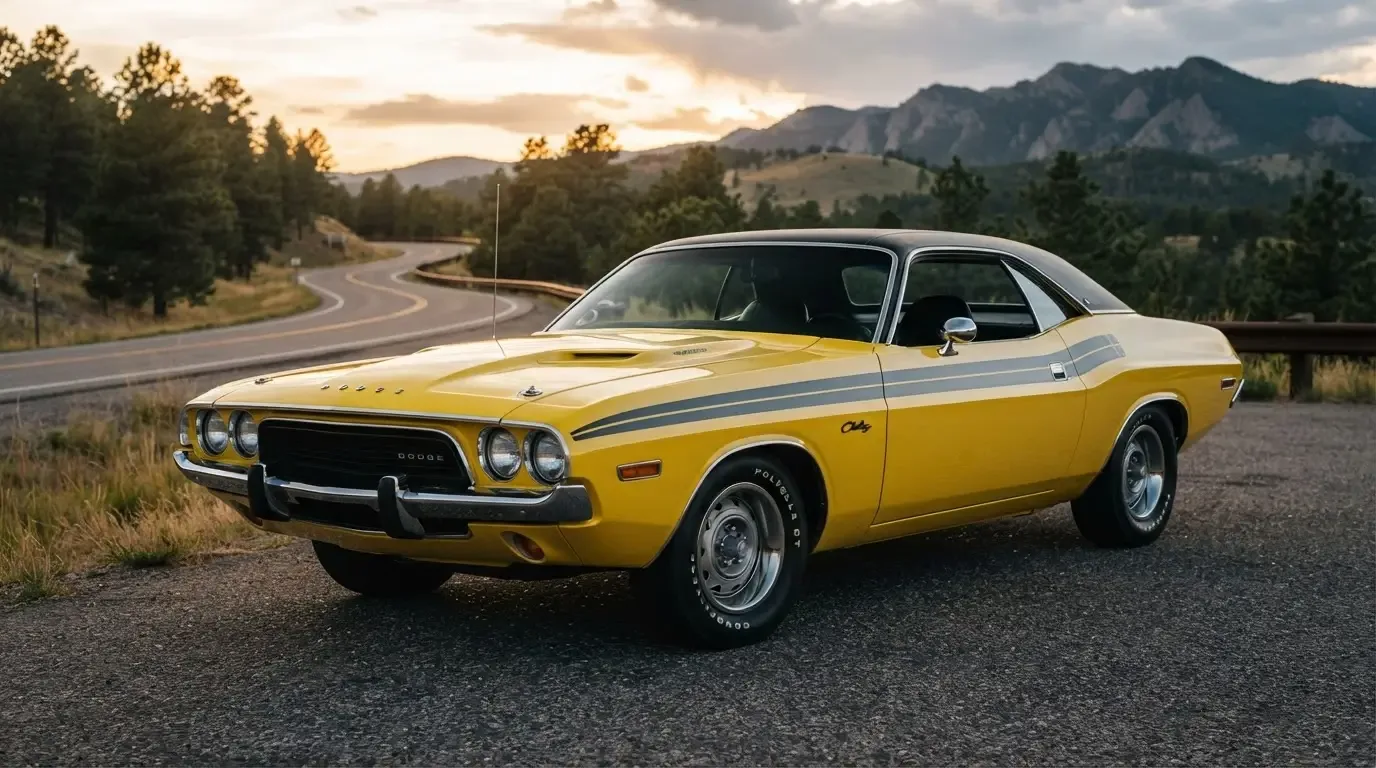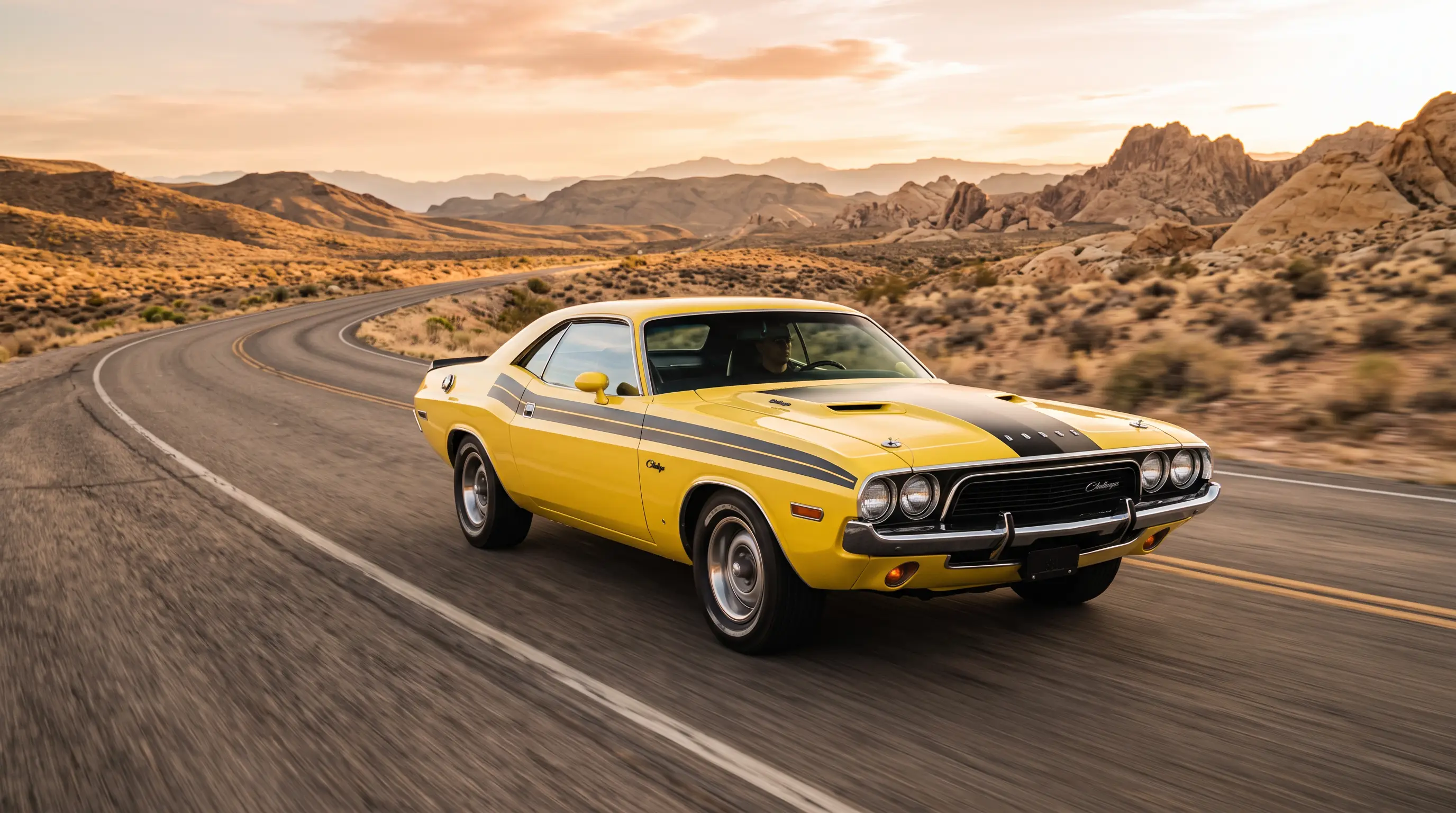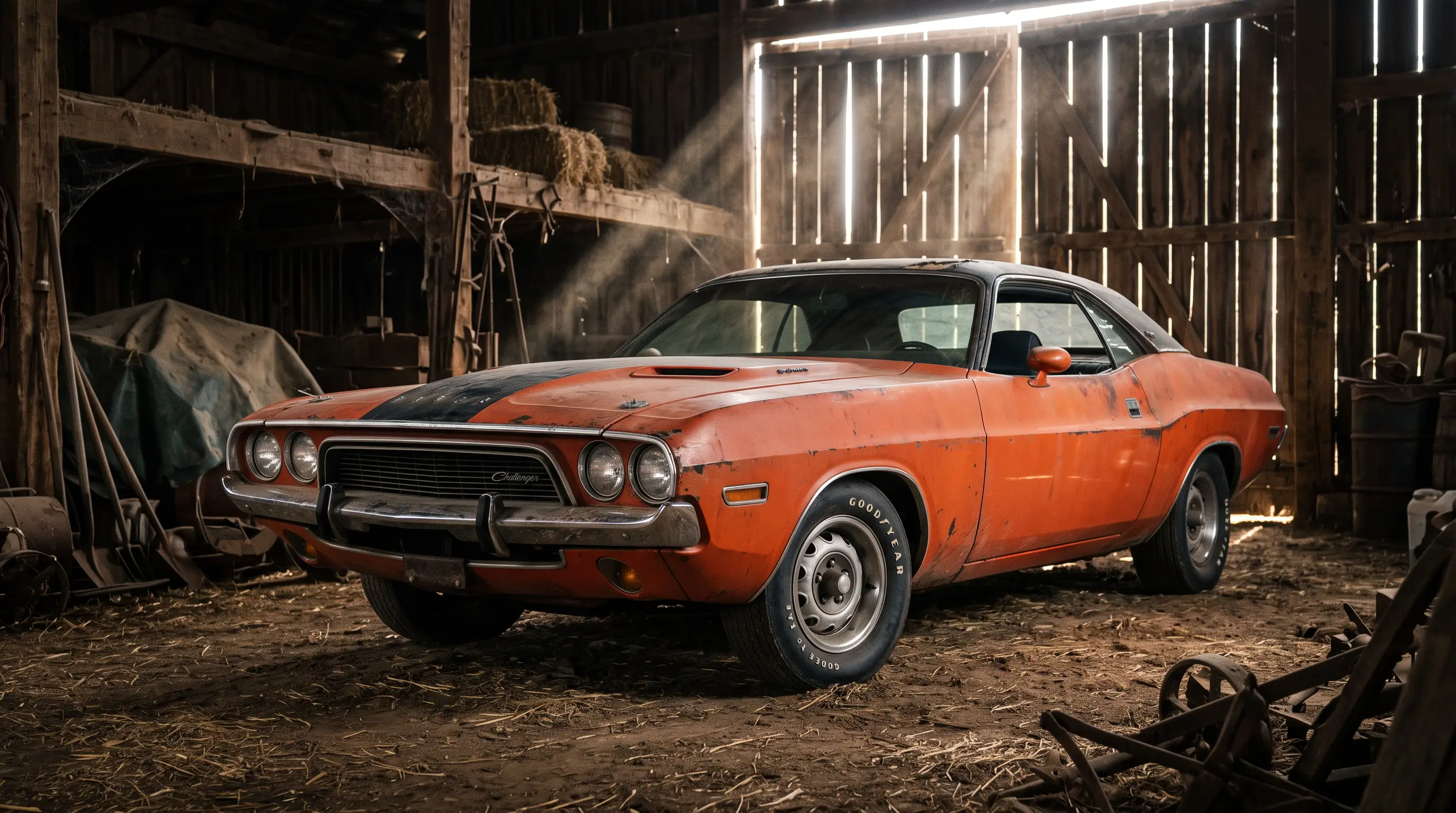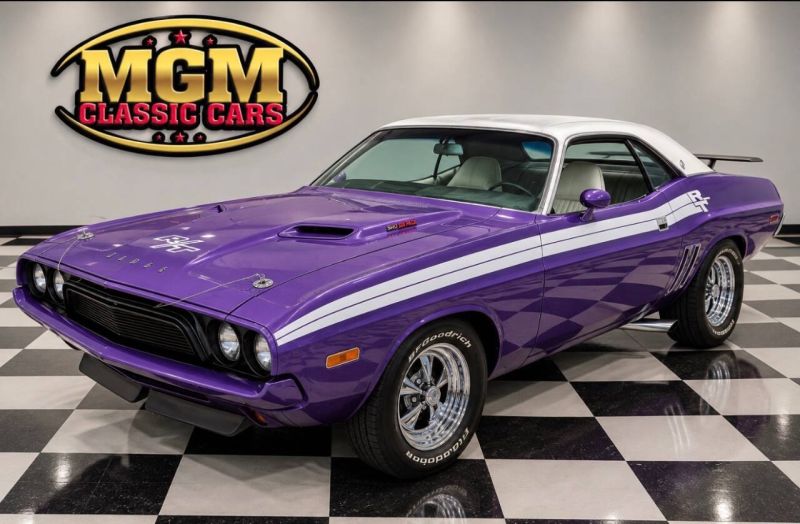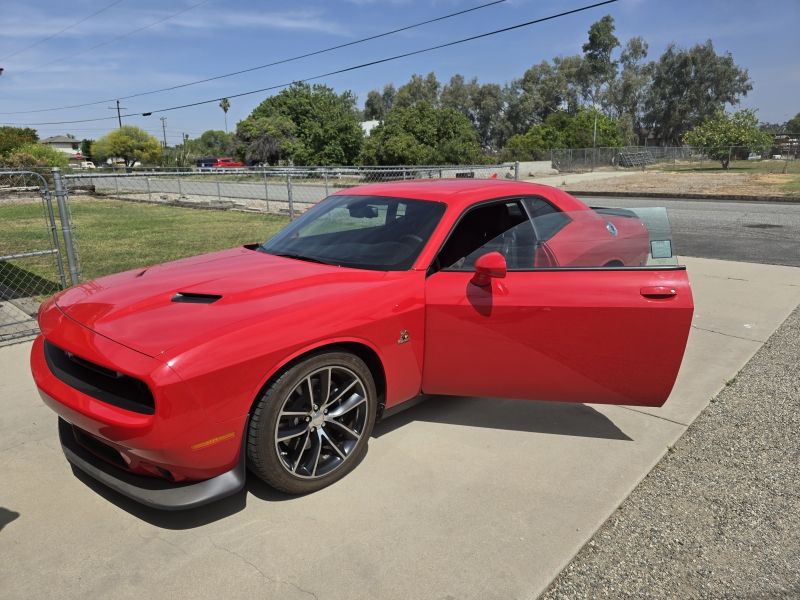
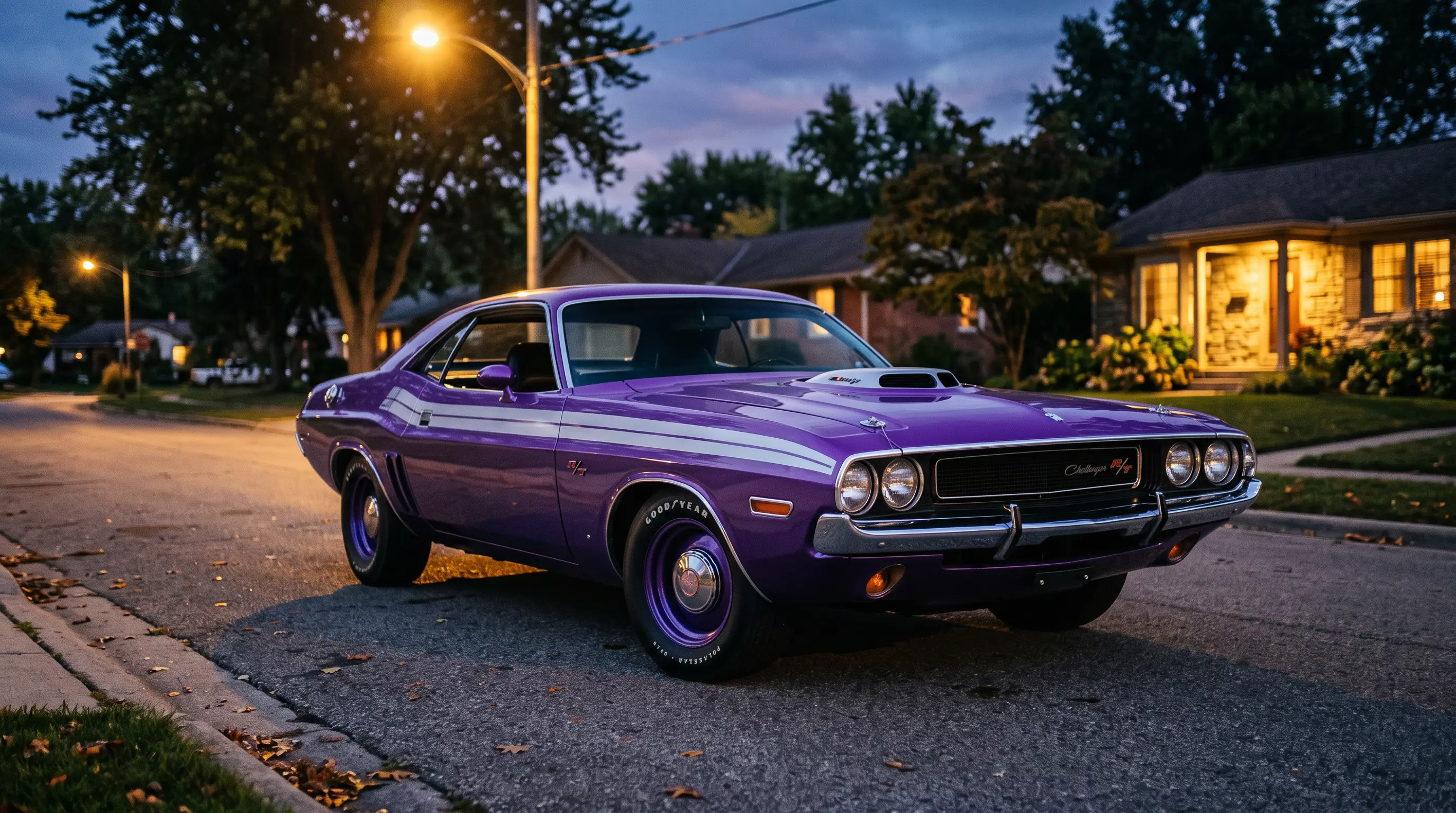
The 1971 Dodge Challenger arrived with a new face and a shrinking audience, and the two facts are connected even if Dodge would not have put it that way at the time. This is the year the Challenger's styling matured while its sales figures did the opposite, and understanding why requires looking past the sheet metal to what was happening in the broader performance car market. For the full arc across these transitional years, our 1972 dodge challenger history covers the period in more depth.
The twin loop grille and what it signaled
Dodge replaced the 1970 Challenger's single wide grille opening with a new twin loop design for 1971, splitting the front end into two distinct openings separated by a center divider. This was not a minor trim update. It represented a genuine restyle of the car's face, moving away from the cleaner, simpler 1970 look toward something busier and more aggressive looking, depending on who you ask. The new grille integrated the turn signals differently than before, and Dodge paired it with revised taillights out back, giving the 1971 car a distinct visual signature from its 1970 sibling despite riding on the same basic platform underneath. Collectors and researchers use these details today as quick identification points when a car's documentation is incomplete or when a seller's description does not quite match what the sheet metal actually shows.
Factory records show the styling changes were planned early enough in the design cycle that they were not simply a reaction to slowing sales. Dodge intended the 1971 car to look meaningfully different from 1970, part of a normal model year refresh cycle rather than a hasty response to market conditions that had not yet fully materialized when the design was locked.
The engine lineup, and what quietly disappeared
The 426 Hemi remained available for 1971, but this would be its final year in the Challenger, a fact that carries more weight in hindsight than it did on dealer lots at the time. Production of Hemi equipped Challengers for 1971 was smaller than 1970, reflecting both the engine's high cost and a market that was already cooling on the most expensive performance options. The 440 Six Pack continued as well, still a serious performer and a far more common choice among buyers who wanted genuine power without the Hemi's price premium and maintenance demands. Below those two headline engines, the standard 383 and smaller displacement options carried the bulk of Challenger sales, a pattern that had actually held true since 1970 despite the outsized attention the Hemi commands in modern retrospectives.
Why sales dropped despite the new styling
Total Challenger production fell substantially for 1971 compared to 1970, and the reasons extend well beyond Dodge's own showroom. Rising insurance premiums on high performance cars were beginning to bite across the entire muscle car segment, not just at Dodge, making buyers think twice before checking the box for a big block engine. The broader pony car market was also softening industry wide as the initial wave of enthusiasm from the late sixties matured into a more price conscious buying environment. Dodge was not alone in seeing numbers slide. Ford's Mustang and Chevrolet's Camaro faced similar pressure during the same period, though the specifics of each brand's decline varied. What made the Challenger's situation notable is that the car had only just launched two years earlier, meaning it never got the chance to enjoy a long run of peak popularity before the broader market began contracting around it.
Factory correspondence and dealer records from this period show Dodge was aware of the sales trend in real time and had already begun planning further cost cutting measures for subsequent model years, a strategy that would become more visible in 1972 and beyond.
The R/T package loses ground
The R/T package, which had defined the performance minded Challenger since launch, saw its take rate decline for 1971 alongside the broader sales slump. Fewer buyers were checking that box, and dealer inventory data from the period shows R/T equipped cars sitting on lots longer than the standard trims, a signal Dodge's product planners could not ignore heading into the next model year. This decline was not about the package itself losing appeal on paper. The R/T still delivered a genuinely different driving experience than a base Challenger, with heavier duty suspension components and available performance engines that the standard car could not match. What changed was buyer appetite for paying the premium those options demanded, as insurance costs and a cooling economy made every dollar spent on optional performance equipment a harder sell than it had been just a year or two earlier.
Color choices for 1971 also reflected a market in transition. The bold, saturated high impact colors that had defined 1970, with names like Plum Crazy and Go Mango, remained available but sold in smaller numbers as buyers gravitated toward more conservative choices. This shift in ordering patterns is visible in surviving production data and gives researchers another data point for understanding how quickly buyer tastes moved away from the loud, unapologetic muscle car aesthetic that had only just peaked the year before.
"The factory paperwork rarely lies. A fender tag and a broadcast sheet will tell you more about a 1971 Challenger in five minutes than a seller's story will tell you in an hour."
- Tom Ramirez
Identifying a genuine 1971
For anyone researching or shopping a 1971 Challenger specifically, the twin loop grille and revised taillights are the fastest visual confirmation, but serious verification always comes back to the fender tag and broadcast sheet, which carry the actual build codes for engine, transmission, color, and options as the factory recorded them. Given how much the Hemi's rarity has driven interest in this era of Challenger, buyers should be especially careful to confirm engine codes against documentation rather than relying on badges or engine appearance alone, since engine swaps between Mopar models were common enough in later decades that a Hemi badge is not proof of a Hemi build sheet.
Readers who want to see how the story continued should look at a related story covering the following model year, when Dodge's response to these same market pressures became even more pronounced. Challengers for sale now span this whole era, and comparing listed examples against factory codes is the surest way to confirm what you are actually looking at, particularly on a model year where a Hemi badge, an R/T stripe, or a bold color alone can no longer be trusted to tell the whole story without paperwork behind it.