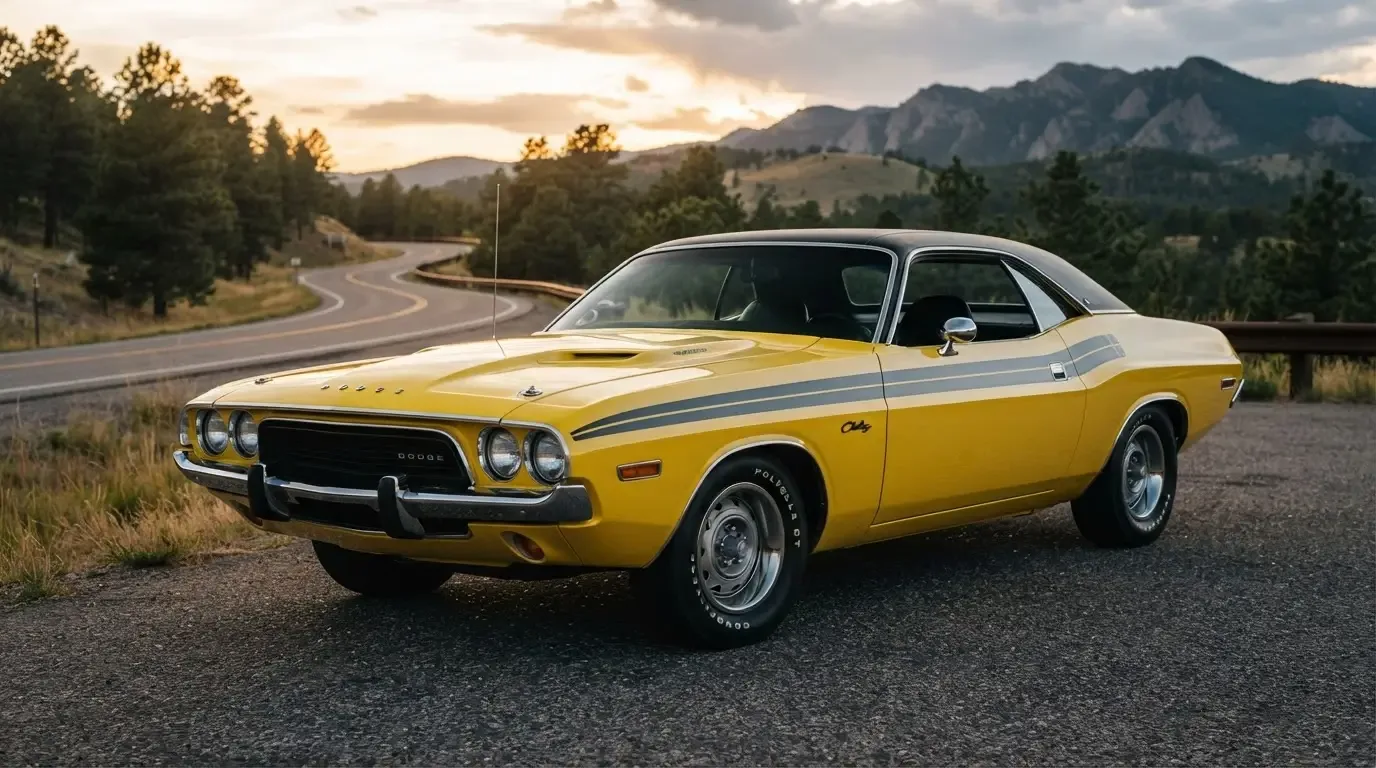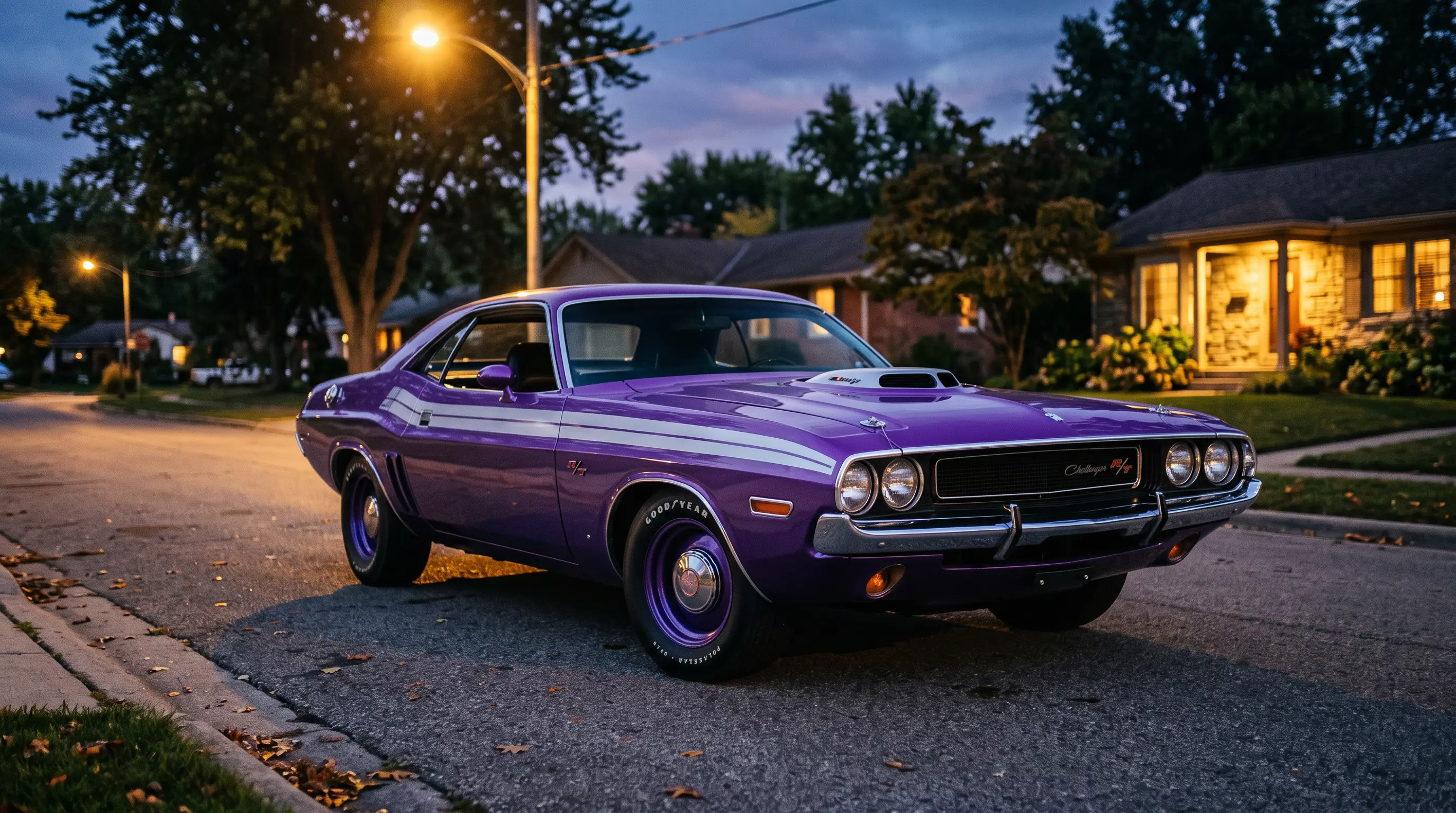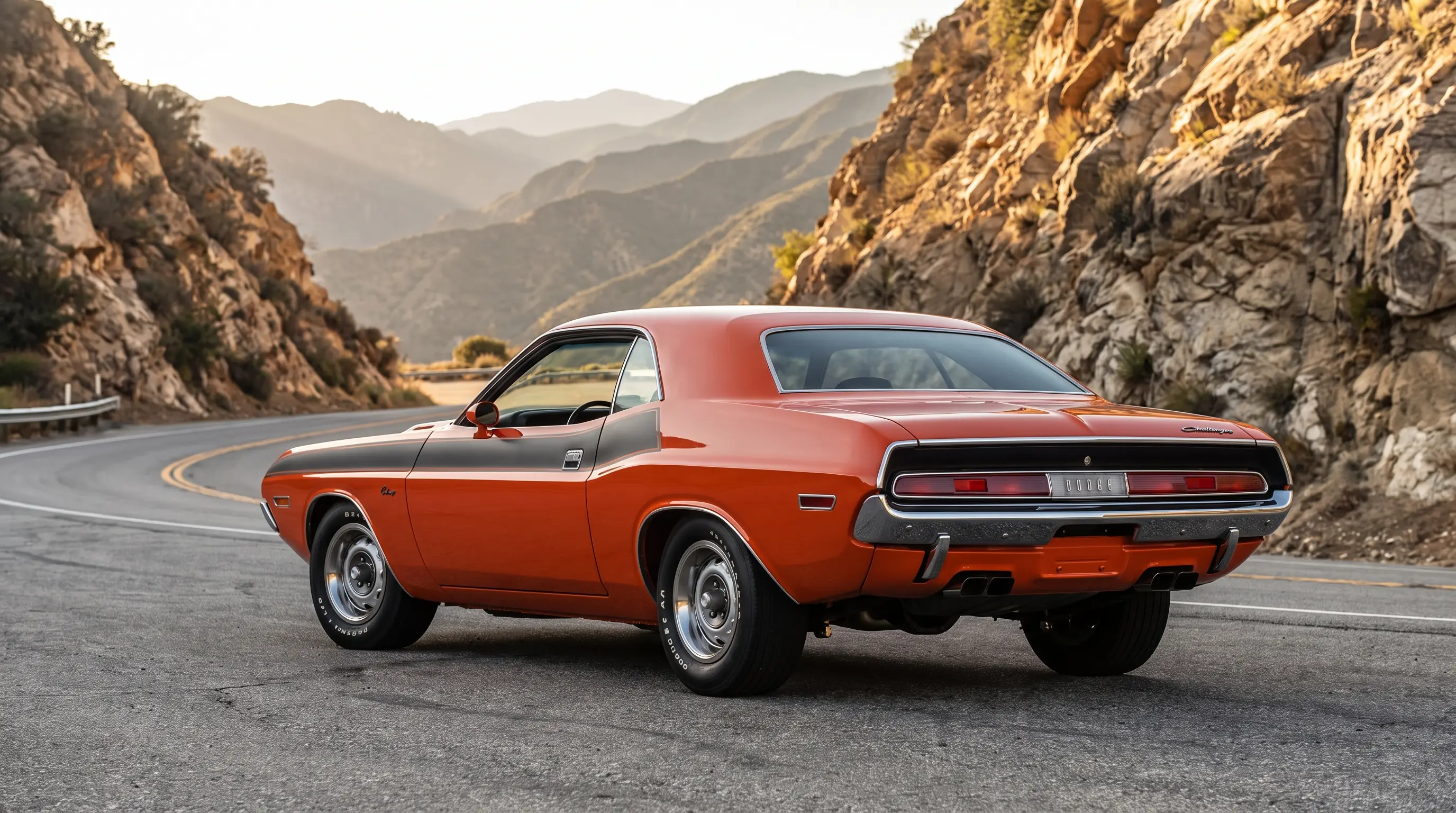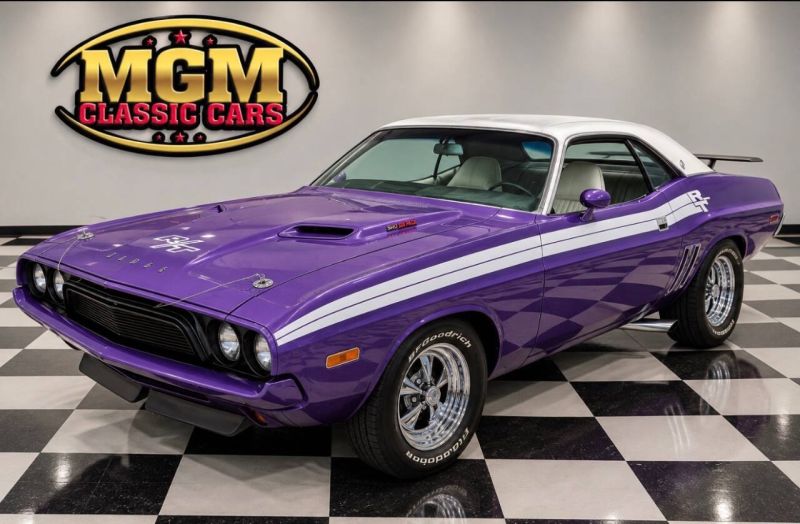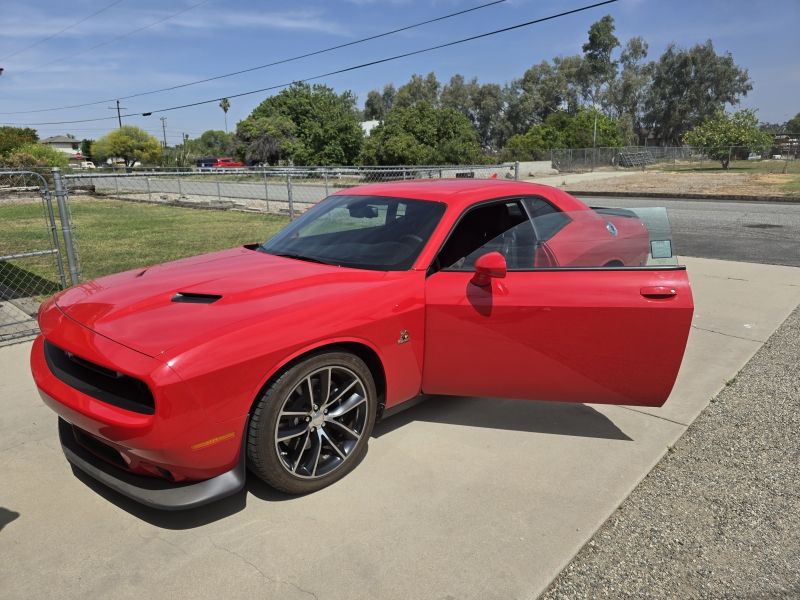
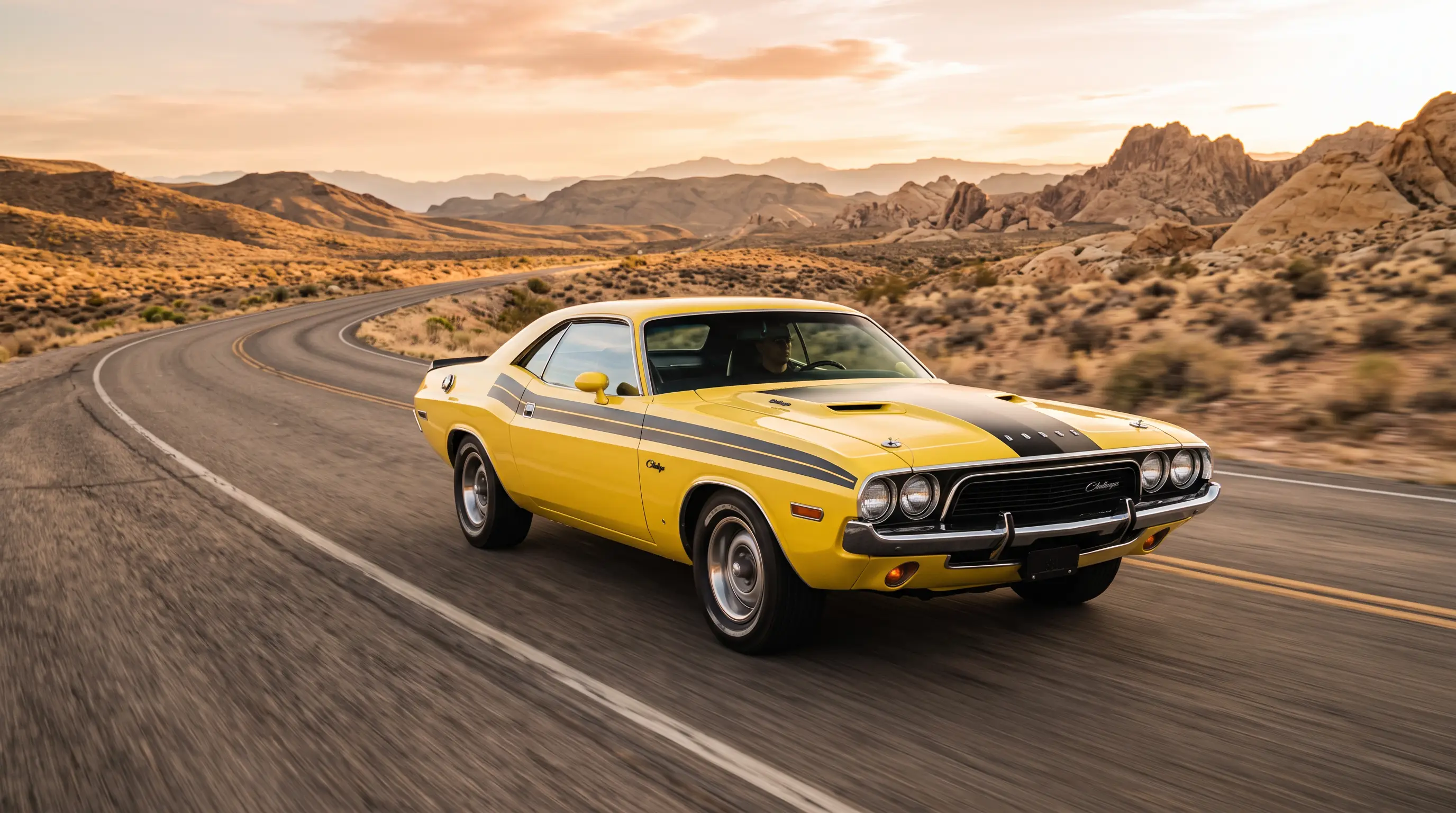
Approach the 1972 Dodge Challenger as an artifact rather than a nostalgia piece and the 1972 dodge challenger changes read less like decline and more like adaptation. This is the year the R/T nameplate disappeared from the Challenger lineup entirely, replaced by a new Rallye package that tells us as much about federal regulation and insurance economics as it does about Dodge's design department. For the broader chronology of these years, our complete history sets this model year in its proper context.
The R/T disappears, the Rallye arrives
Documentation from Dodge's 1972 product planning shows the R/T designation was retired rather than simply demoted, a distinction worth preserving carefully in the historical record. In its place, Dodge introduced the Rallye package, which functioned primarily as an appearance and handling option rather than a true performance flagship in the mold of the earlier R/T. The Rallye included styling elements, a distinctive hood treatment, and suspension upgrades, but it did so without access to the big block engines that had defined the R/T's identity through 1971. This was not an oversight. It reflected the reality that the 440 and 426 Hemi engines were no longer viable options for the Challenger after 1971, victims of tightening emissions regulations and an insurance environment that had made big block muscle cars an increasingly hard sell to underwrite.
For the collector and researcher examining a surviving 1972 example, this distinction matters enormously. A car wearing Rallye badging should never be mistaken for, or described as, an R/T successor with equivalent performance credentials. The two packages occupy genuinely different places in the model's documented history, and conflating them misrepresents both.
The 340 becomes the performance ceiling
With the big blocks gone, the 340 cubic inch small block became the top performance engine available in the 1972 Challenger. This is a meaningful shift in the artifact's story. The 340 was a genuinely capable engine, well regarded among period road testers for its power to weight characteristics, but it represented a different philosophy than the big block era it replaced, prioritizing a lighter, more balanced car over outright displacement. Primary source material from period road tests treated this shift with more equanimity than modern retrospectives sometimes suggest, noting that a well sorted 340 Challenger remained genuinely quick even without a big block under the hood.
Reading the exterior and interior changes as period artifacts
Beyond the mechanical shifts, the 1972 Challenger carried refinements to its grille and taillight treatment that distinguish it from the 1971 car to a trained eye, alongside interior trim revisions that reflected cost management pressures Dodge was navigating across its entire lineup that year. Cataloguing these details precisely matters for authentication purposes. A restorer or appraiser working from period parts catalogs and factory service documentation can date a Challenger to its correct model year with confidence using these details alone, independent of any VIN or fender tag verification, which is valuable when documentation is incomplete or has been separated from a car over five decades of ownership changes.
Treating each of these small changes as historically significant rather than incidental is precisely the discipline that separates careful concours research from casual restoration guesswork. A grille that looks similar to the untrained eye can, on close examination against period photographs and factory drawings, confirm or contradict a seller's claimed model year entirely.
Production numbers and what they tell researchers
Total Challenger production for 1972 continued the decline that had begun the previous year, a trend consistent across most of the American performance car segment rather than unique to Dodge. Reading these production figures purely as evidence of a struggling model misses important nuance. The Challenger nameplate survived, adapted its engine lineup to comply with tightening regulation, and continued production through the mid seventies, which is more than several competing pony cars managed. Treating 1972 as simply a bad year ignores that the platform's survival through this period, in a form still recognizably related to the 1970 original, is itself a documented achievement worth noting in any serious accounting of the model's history.
Original build sheets and factory shipping records from 1972, where they survive, remain the most reliable primary source for confirming exact production splits between Rallye equipped and standard trim cars. Researchers should treat any production estimate not traceable to factory documentation with appropriate skepticism, since enthusiast literature has repeated some figures for decades without always tracing them back to a verifiable original source.
"A 1972 Challenger is not a lesser 1970 car. It is a different artifact entirely, built under different regulatory pressure, and it deserves to be researched and described on its own terms rather than measured against a year it was never trying to replicate."
- Sarah Whitfield
What this means for today's buyers and researchers
Anyone examining a 1972 Challenger today should approach it with the regulatory and market context of that specific year in mind rather than importing expectations from 1970. The absence of big block options is not a flaw in the historical record, it is a defining characteristic of the year, and describing a 1972 car honestly means acknowledging that context rather than apologizing for it. Buyers who want to find a classic Challenger from this era should pay close attention to whether a given car is being represented accurately as a Rallye equipped 340 car, since some sellers still blur the line between Rallye and R/T terminology in ways that primary source documentation simply does not support.
The 1972 model year deserves to be understood on its own documented terms, as a car built at the exact moment American performance culture met federal regulation head on, and came out the other side changed but not diminished.
Cataloguing colors and trim as documentary evidence
Paint and trim data from 1972 offer their own kind of documentary evidence. The bold high impact color names that had defined 1970 largely disappeared from the order sheet by this point, replaced by a more restrained palette that reflected both changing buyer taste and Dodge's own cost management priorities. Interior trim options similarly narrowed compared to the car's launch years. For the concours researcher, these details matter because they help establish whether a restored car's paint and trim combination is period correct or represents a later reinterpretation, sometimes an enthusiastic but historically inaccurate one, applied during restoration decades after the fact. Cross referencing a car's claimed color and trim combination against factory build sheets and period color charts remains the only reliable method for settling disputes over authenticity, and it is a step worth insisting on before accepting any seller's description at face value.