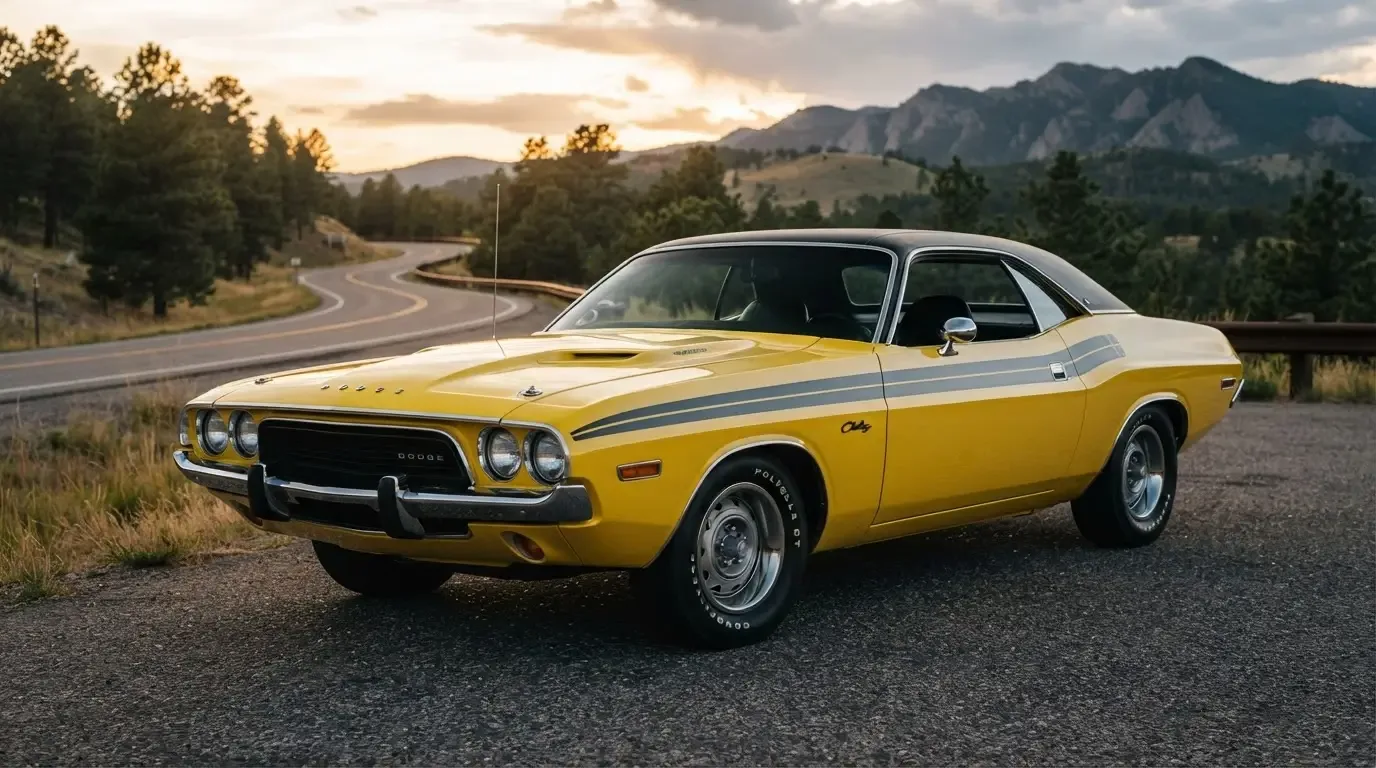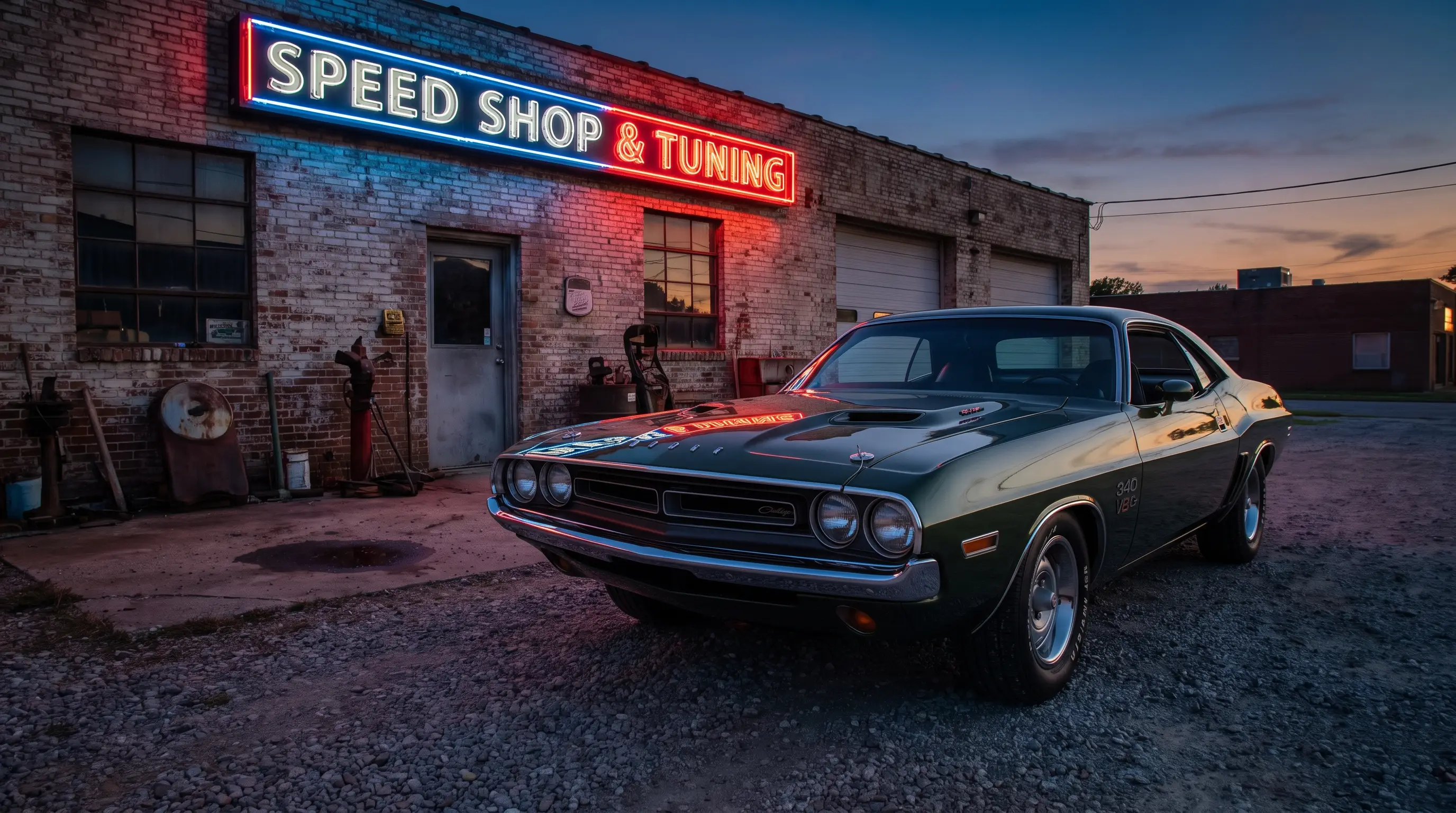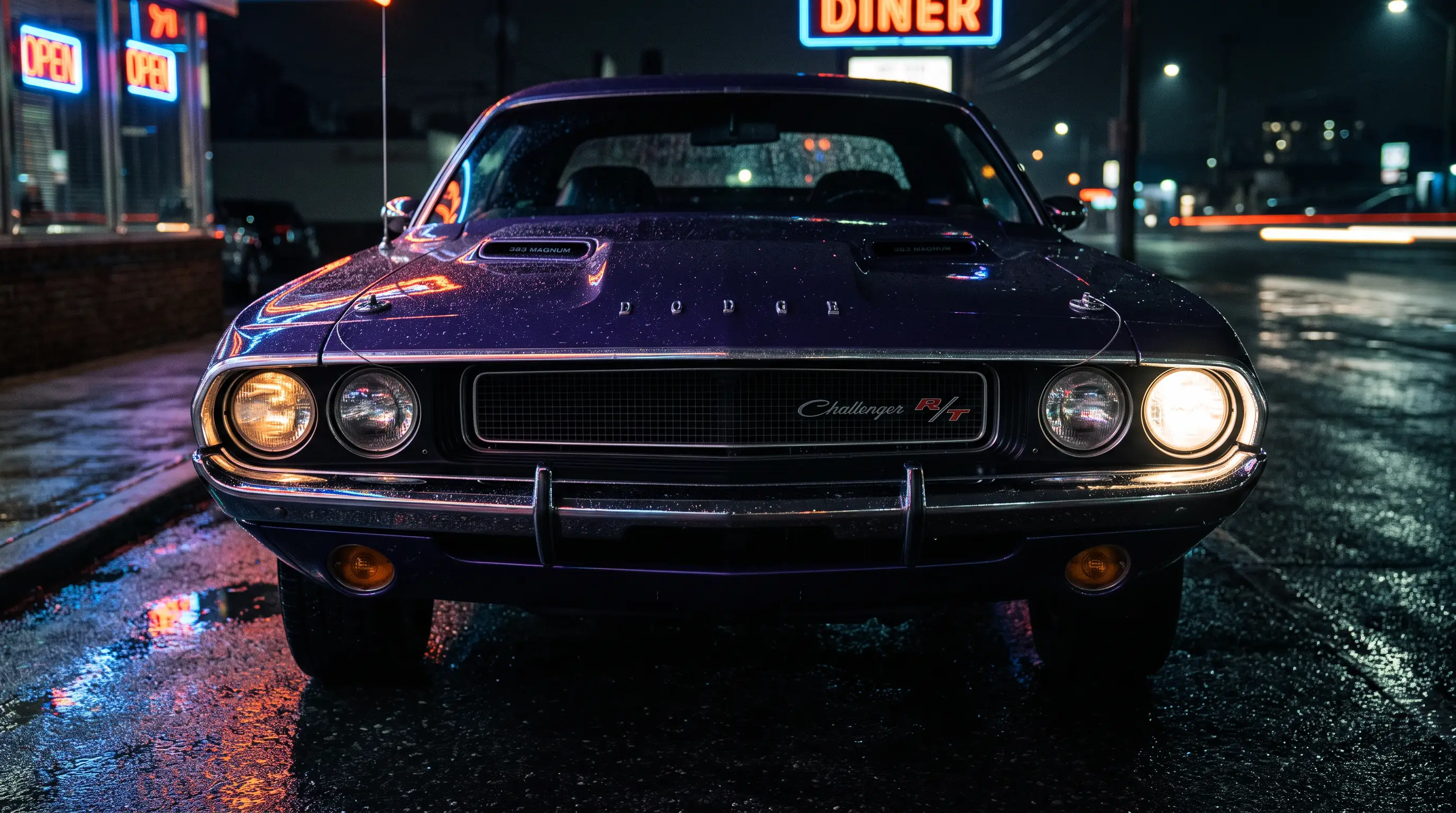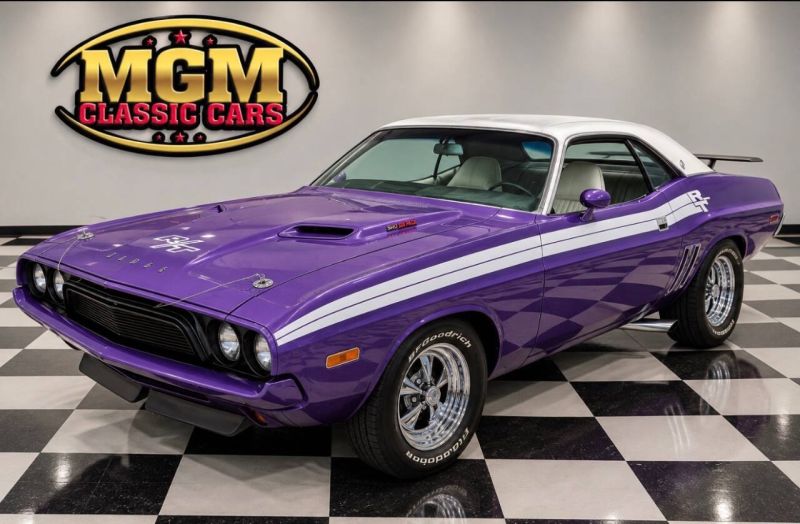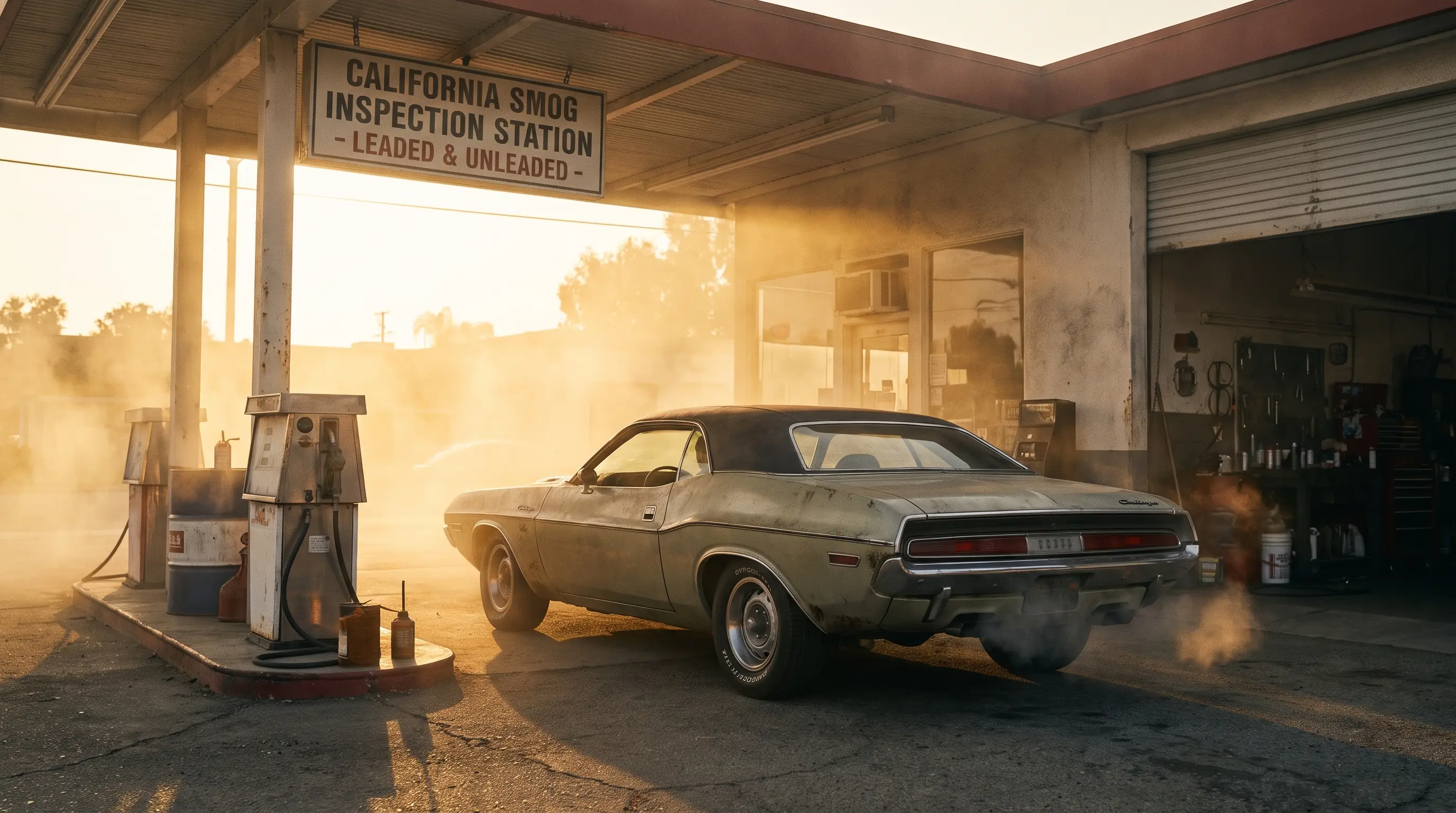
A Dodge engineer standing on the tarmac of a proving ground in 1972, watching a Challenger roll off a compression test bench with numbers his predecessors would have rejected outright two years earlier, probably did not think he was witnessing history. He was just doing his job under new rules. But the story of emissions challenger performance during this period is exactly that kind of quiet, unglamorous compromise repeated a thousand times across every engine option Dodge still offered, and it reshaped the Challenger more than any styling change of the era.
The switch that changed everything on paper
Before 1972, Detroit rated engines in gross horsepower, measured on a stripped test engine without accessories, exhaust restriction, or emissions equipment attached. Starting with the 1972 model year, the industry moved to net horsepower ratings, measured with all of that equipment bolted on and running as it would on a real street car. A Challenger's engine did not necessarily get weaker between 1971 and 1972. The number attached to it got more honest, and that honesty landed hard on buyers who had grown used to inflated figures. It is one of the more misunderstood chapters in muscle car history, and it happened right as the Challenger was already losing engine options.
Compression, catalytic hardware, and the real losses
The rating change was only part of the story. Compression ratios genuinely fell across the board to accommodate lower-octane unleaded fuel that emissions regulations were pushing toward. Exhaust systems grew more restrictive. By the mid-1970s, early catalytic converter hardware added further backpressure that older big block designs were never engineered around. These were not cosmetic adjustments. A 1971 340 and a 1972 340 were meaningfully different engines under the skin, even sharing a displacement figure and a badge. Enthusiasts who cross shop model years without understanding this gap often end up disappointed by a car that looks identical to an earlier favorite but drives with noticeably less urgency off the line.
How Dodge tried to compensate
Dodge's response was not to fight the regulations head on but to lean into trim and appearance packages that kept the Challenger visually aggressive even as underhood numbers softened. The Rallye package, with its stripes, spoiler, and dual exhaust tips, did a lot of work convincing showroom visitors the car still had teeth. It is worth reading our 1972 dodge challenger retrospective for the fuller picture of how styling and engineering decisions were made in tandem during this stretch, because neither department was operating independently of the other's constraints.
| Year | Rating standard | Top engine net output |
|---|---|---|
| 1971 | Gross horsepower | 385 hp gross, 440 Six Pack |
| 1972 | Net horsepower | 240 hp net, 340 |
| 1973 | Net horsepower | 245 hp net, 360 |
| 1974 | Net horsepower | 245 hp net, 360 |
Reading that table without context makes the drop from 1971 to 1972 look catastrophic, and plenty of period magazine writers played it that way at the time, chasing a dramatic headline about the death of performance. The reality on the road was less severe than the numbers alone suggest, because the net rating simply reported friction, backpressure, and accessory load that gross ratings had always ignored. A driver who never experienced the gross-rated years had no emotional stake in that number and simply judged the car on how it felt from behind the wheel, which is precisely why so many 1972 through 1974 buyers remember these cars fondly despite what the spec sheet implies.
A generation of drivers who never knew the difference
Here is the part that gets lost in retrospectives written decades later with full hindsight: most buyers walking into a Dodge dealership in 1973 or 1974 had no baseline for comparison. They were not cross-shopping against a 1970 Hemi Challenger in their head. They were comparing this car against other new cars on the lot that same year, all of which had absorbed the same regulatory hit. A 1973 Challenger with the 340 or 360 still felt quick relative to its actual competition, even if it could not touch what the nameplate had offered just three years prior. Understanding emissions challenger performance requires resisting the urge to judge every year against 1970, a trap even seasoned enthusiasts fall into.
"I met a guy at a Mopar show who bought his 1973 Challenger new, never owned an earlier one, and to this day he tells me it was the quickest car on his street. Context is everything in how these cars get remembered."
- Patrick Walsh
Styling kept pace even as power fell
The front end treatment tells its own version of this story, and it is worth reading a related story covering how the split grille design language evolved alongside these mechanical compromises. Dodge's stylists were, in effect, given the job of making a car look faster every year that it was mechanically allowed to be slower, and the fact that the Challenger's silhouette remained genuinely handsome through 1974 says something about how seriously that design work was taken even as the engineering side absorbed one regulatory hit after another.
None of this is a story of decline told for its own sake. It is the story of an entire industry relearning what performance meant under rules nobody in Detroit had asked for. Buyers curious how these engineering compromises show up in real market pricing today can find Challengers for sale now and compare how documentation and condition affect value across engine years shaped by this exact regulatory shift.
The emissions era did not end the Challenger's performance story so much as force it to redefine what performance meant, trading peak numbers for a quieter kind of resilience that kept the nameplate alive four full years past when the muscle car era, by most conventional accounts, was already supposed to be over.
What this means for how collectors judge these cars now
Modern collectors have the benefit of hindsight that period buyers lacked, and it cuts both ways. On one hand, knowing exactly how much of the horsepower drop was measurement convention rather than genuine mechanical loss helps explain why a well-sorted 1973 or 1974 Challenger still drives better than its spec sheet suggests. On the other hand, that same hindsight tempts some buyers to dismiss emissions-era cars outright without ever driving one, assuming the lower numbers tell the whole story. The more useful approach is judging each car on its own condition and documentation rather than treating every post-1971 Challenger as an automatic step down from what came before it. A gap in enthusiasm existed at the time and still colors auction results today, but it rarely reflects the actual driving experience these cars deliver when properly maintained. Drive one before you write it off on paper alone, and the emissions era stops looking like a decline and starts looking like a different, equally legitimate chapter of the same story.