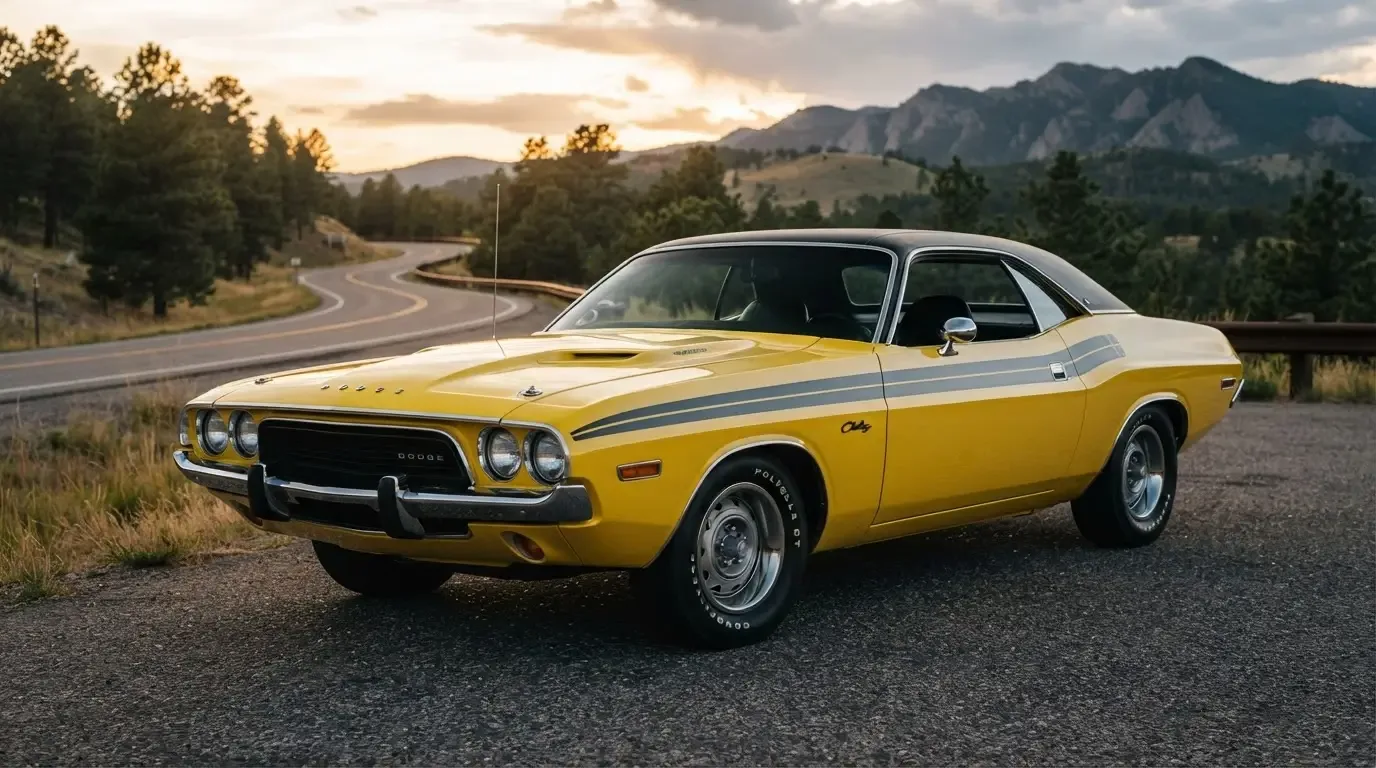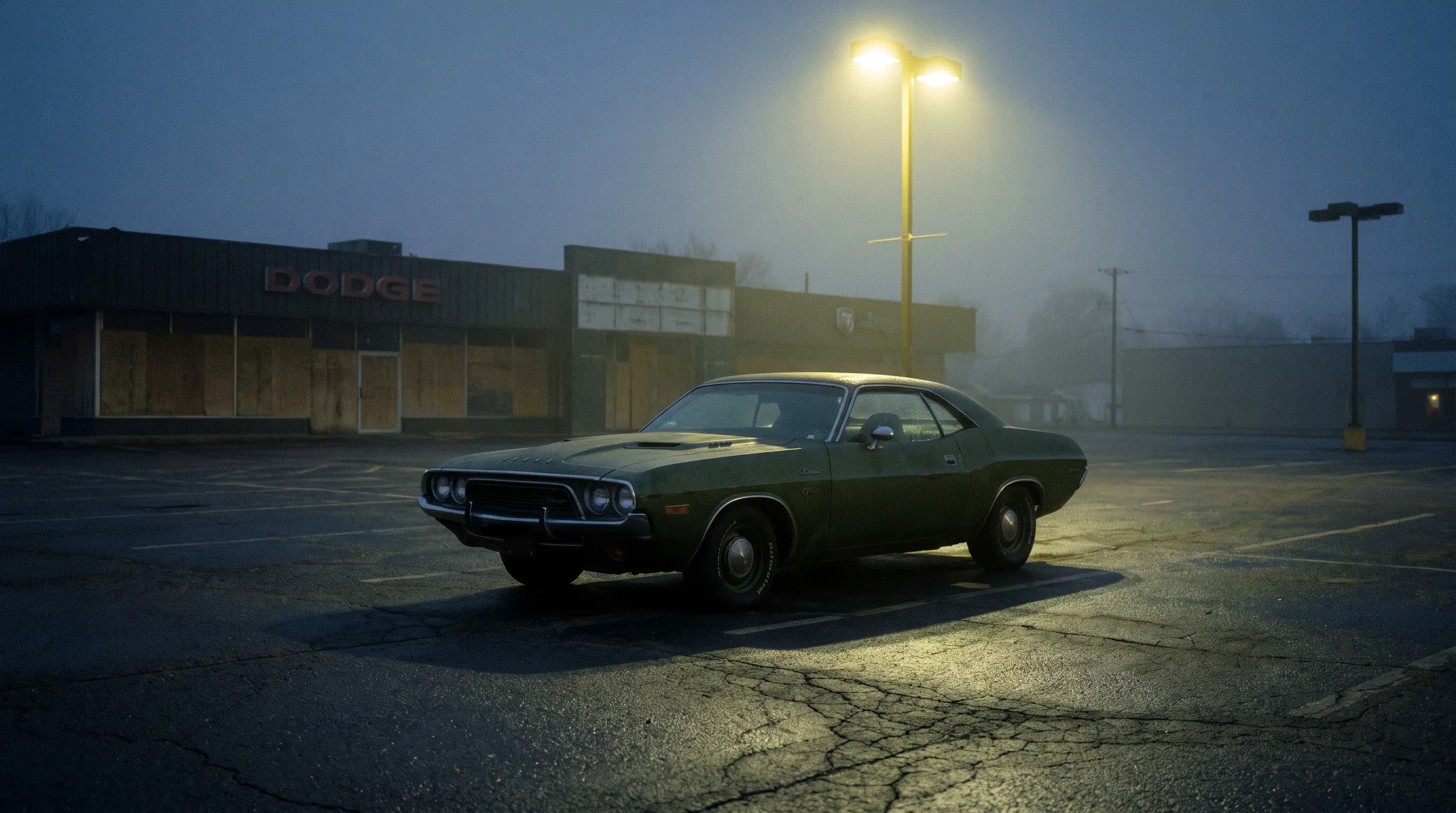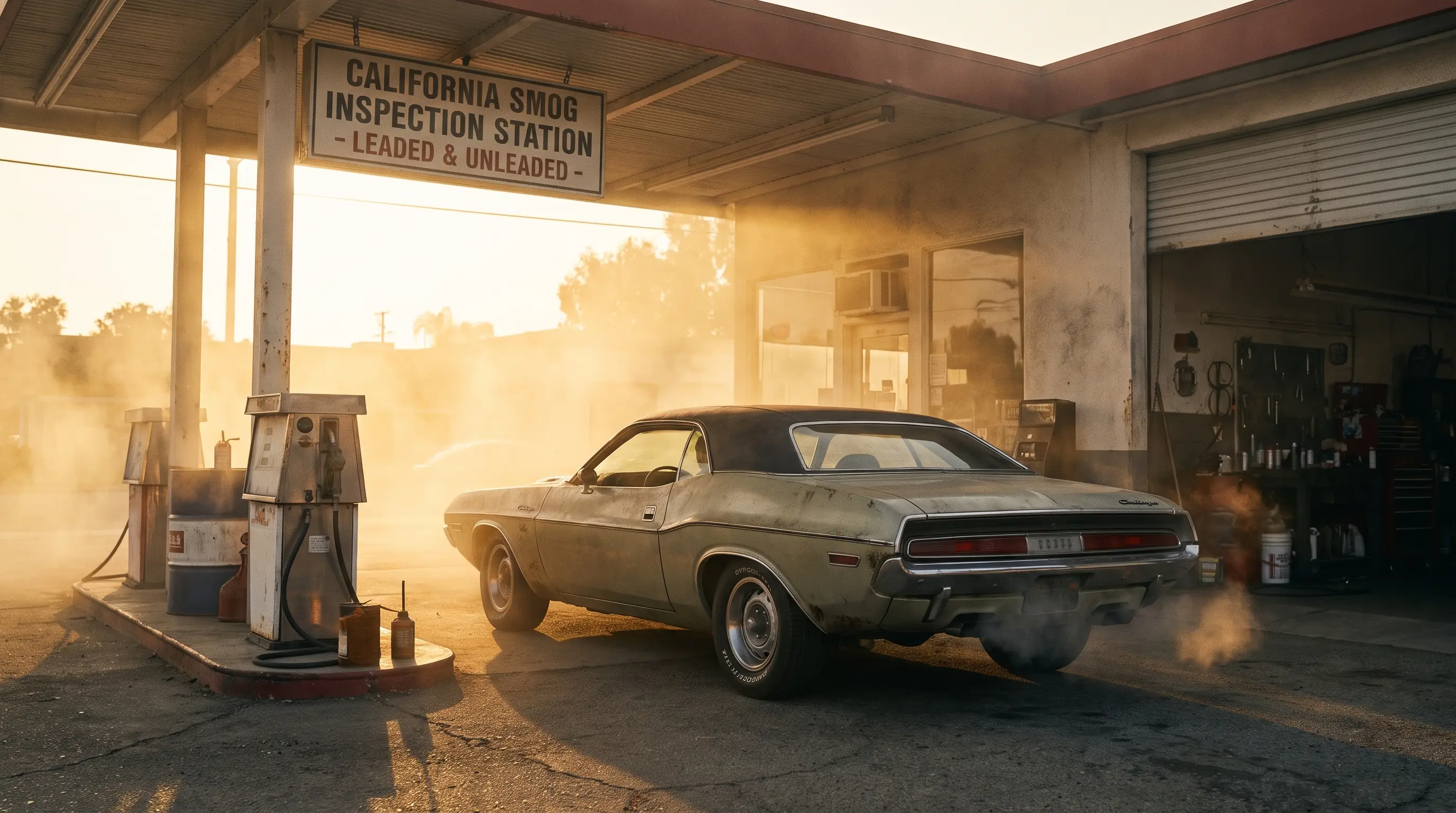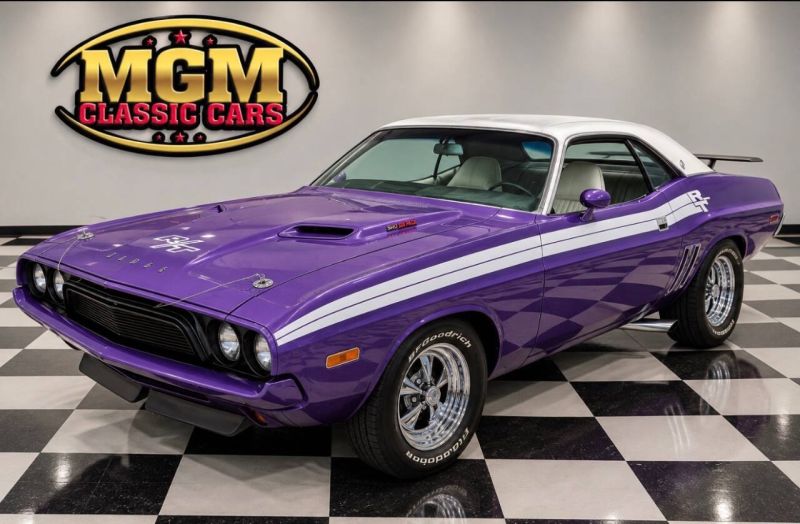
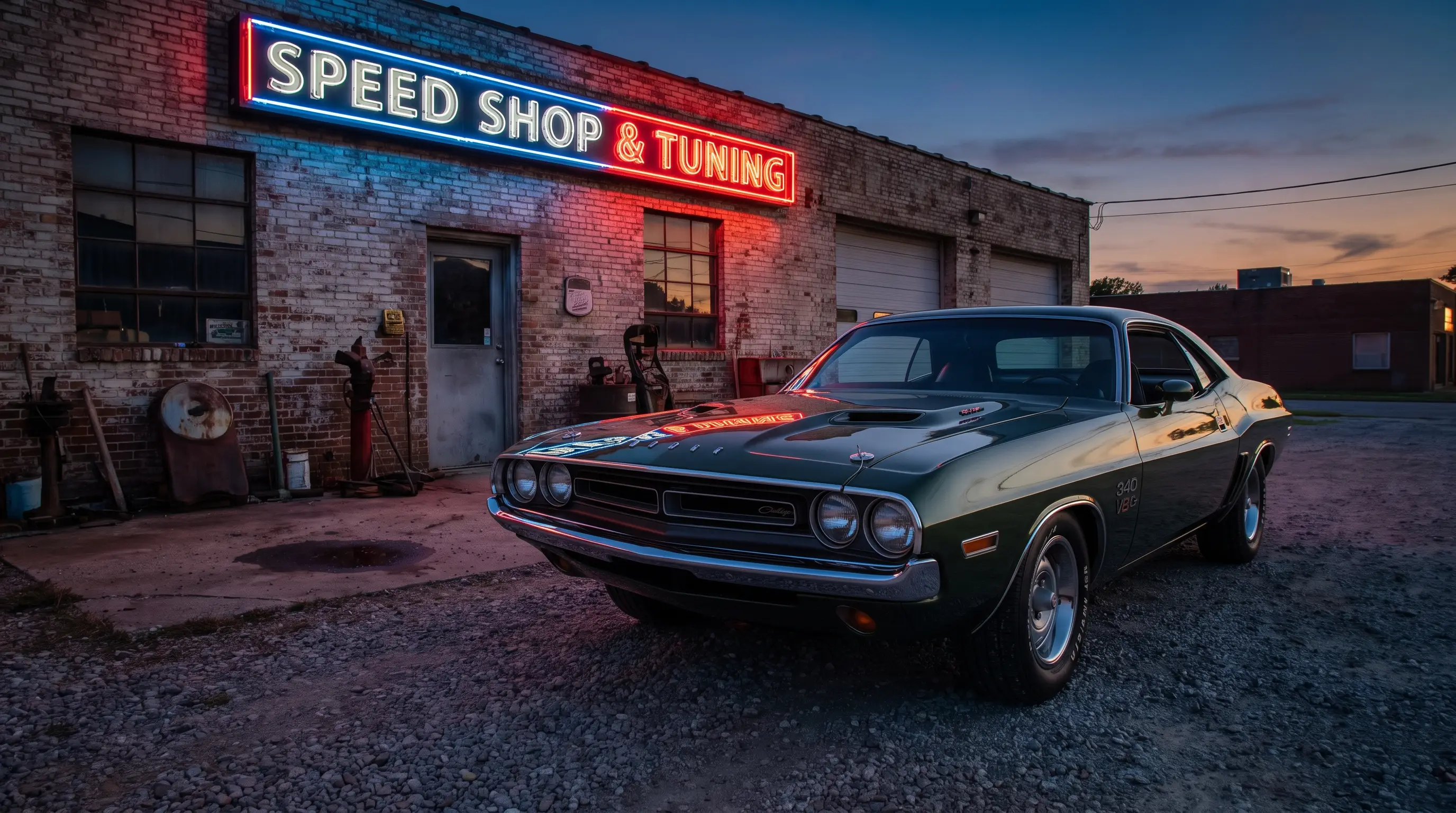
Look at a spec sheet comparison between a 1970 Challenger and a 1973 model and the numbers tell a story that most casual histories skip past. The 1972 Challenger engines lineup lost the 440, lost the 383, and lost the Hemi entirely, leaving the 340 and later the 360 as the highest-output options left in the catalog. That is not a footnote. It is the entire engineering story of how Chrysler kept a pony car alive through the front half of the 1970s while the ground under performance motoring was shifting beneath every manufacturer at once.
The 340: small block doing big block work
The 340 cubic inch V8 had been the quiet overachiever of the Chrysler small block lineup since its 1968 introduction, and by 1972 it was carrying more weight than ever. With a factory rating of 240 horsepower net for 1972, down from the 275 gross rating of earlier years largely due to the industrywide switch in measurement standard rather than a real mechanical loss, the 340 still pulled harder per cubic inch than most of its big block stablemates. High-flow cylinder heads and a genuinely aggressive camshaft profile let it rev in a way the 383 and 440 never bothered to. Engineers who worked on the platform have noted that the 340's power curve, not its peak number, is what made it feel faster than its paper specs suggested on a street where stoplight-to-stoplight response mattered more than a quarter mile time slip.
| Engine | Years offered | Net horsepower |
|---|---|---|
| 340 cubic inch V8 | 1970 to 1972 | 240 hp net (1972) |
| 360 cubic inch V8 | 1973 to 1974 | 245 hp net |
| 318 cubic inch V8 | 1970 to 1974 | 150 hp net |
| 225 cubic inch slant six | 1970 to 1972 | 110 hp net |
Why the 360 replaced the 340 in 1973
The 340 was discontinued after 1972 not because it underperformed, but because Chrysler needed an engine that could meet tightening emissions standards while sharing more tooling with other corporate applications. The 360, bored and stroked from the same small block family, stepped in for 1973 and carried the top-engine role through the end of production in 1974. On paper the 360 offered a marginal horsepower bump over the outgoing 340, but in practice the two engines drove differently. The 360 had a broader torque curve suited to a car that was, by 1973, being marketed more on comfort than outright speed, while the 340 kept a livelier, higher-revving character that enthusiasts still prefer today when given the choice between the two.
What actually disappeared from the order sheet
The engine story is as much about what left as what stayed. The 426 Hemi was gone after 1971, a low-volume option that Chrysler had already been losing money on for years given its complex tooling and low take rate. The 440 Six Pack followed the same year. The standard 383 four barrel, long a mid-tier performance choice, was dropped after 1971 as well, leaving a genuine gap between the 340 and the base 318 that the catalog never fully closed. By 1972, a buyer who wanted serious performance had exactly one credible choice on the order form, and that scarcity is part of why surviving 340-equipped Challengers from this window carry a documentation premium today.
"The numbers on the 1972 Challenger engines sheet look like a step down until you actually drive a well-tuned 340. It is a case where the spec sheet undersells the experience, and I say that as someone who trusts spec sheets over sentiment."
- Emily Chen
Reading the build sheet correctly
Because so many Challengers from this window were later modified, matching an engine to its original build sheet matters more than trusting what is currently under the hood. The 340 and 360 share enough visual similarities that a casual inspection can miss a swap entirely, and values between a numbers-matching 340 car and one with a later replacement engine diverge meaningfully at auction. Buyers serious about a factory-correct example should cross-reference the fender tag and broadcast sheet codes rather than relying on badges, which were sometimes carried over during service replacements decades ago. For more on how these engine changes fit into the styling and market shifts happening at the same time, see the full story of the broader 1971 to 1974 generation.
None of this engine progression happened in isolation. Every horsepower figure on that spec table reflects a regulatory environment tightening in real time, and the fact that Chrysler kept any meaningful performance option in the lineup through 1974 is itself a small engineering achievement given how many competitors simply gave up on the segment entirely. Buyers looking to compare surviving examples across engine options can browse classic Challenger listings to see how condition, documentation, and original engine status affect asking prices in the current market.
What this means for a buyer today
A 340-equipped 1972 Challenger and a 360-equipped 1973 or 1974 car occupy different tiers of the same collector conversation. The 340 benefits from being the last engine offered before the Hemi and 440 departed, giving it a scarcity narrative the 360 cannot claim. The 360, meanwhile, benefits from being paired with the final and arguably most complete trim packages the E-body ever received. Neither is objectively wrong to collect. The decision comes down to whether a buyer values peak performance character or completeness of documentation through the end of the model run, and both paths lead back to the same underlying engineering story of a company squeezing genuine capability out of a shrinking set of options.
What stands out most, viewed from an engineering perspective decades later, is how much of the 340 and 360's real-world character survived a regulatory environment designed to strip it away. Compression ratios fell, exhaust systems grew more restrictive, and net horsepower ratings replaced the more flattering gross figures of the muscle car's peak years, yet both engines remained genuinely satisfying to drive. That says something about the underlying design work Chrysler had already banked in the small block family before the regulatory tightening began, and it is a large part of why these later cars still find enthusiastic buyers instead of being written off as compromised transitional models.