The rarest Dodge Challenger built during the classic era isn't a single car so much as a small handful of combinations that production numbers alone explain. Rarity in this market means a specific engine, body style, color, and options package overlapping in numbers small enough to count on two hands, and the data behind those overlaps tells a clearer story than any single "rarest of all time" headline usually does.
The Hemi convertible is the rarest meaningful combination
Start with the obvious candidate. The 1970 Hemi Challenger convertible represents the smallest production intersection of the most desirable engine with the scarcest body style, and the number that gets cited most consistently is just nine cars, out of 356 total Hemi Challengers built that year in every body style. Dodge never repeated the combination. The Hemi was R/T-only for 1971 and the convertible wasn't offered alongside it, so no factory Hemi convertible exists for that year, and any car claiming to be one is a later build rather than an original. That scarcity, combined with the 426 Hemi's standing as the most desirable engine Dodge offered in the Challenger, is why the 1970 car consistently sets the benchmark for what "rarest Dodge Challenger" actually means in practical market terms rather than internet superlative terms.
Rare colors add a second layer of scarcity
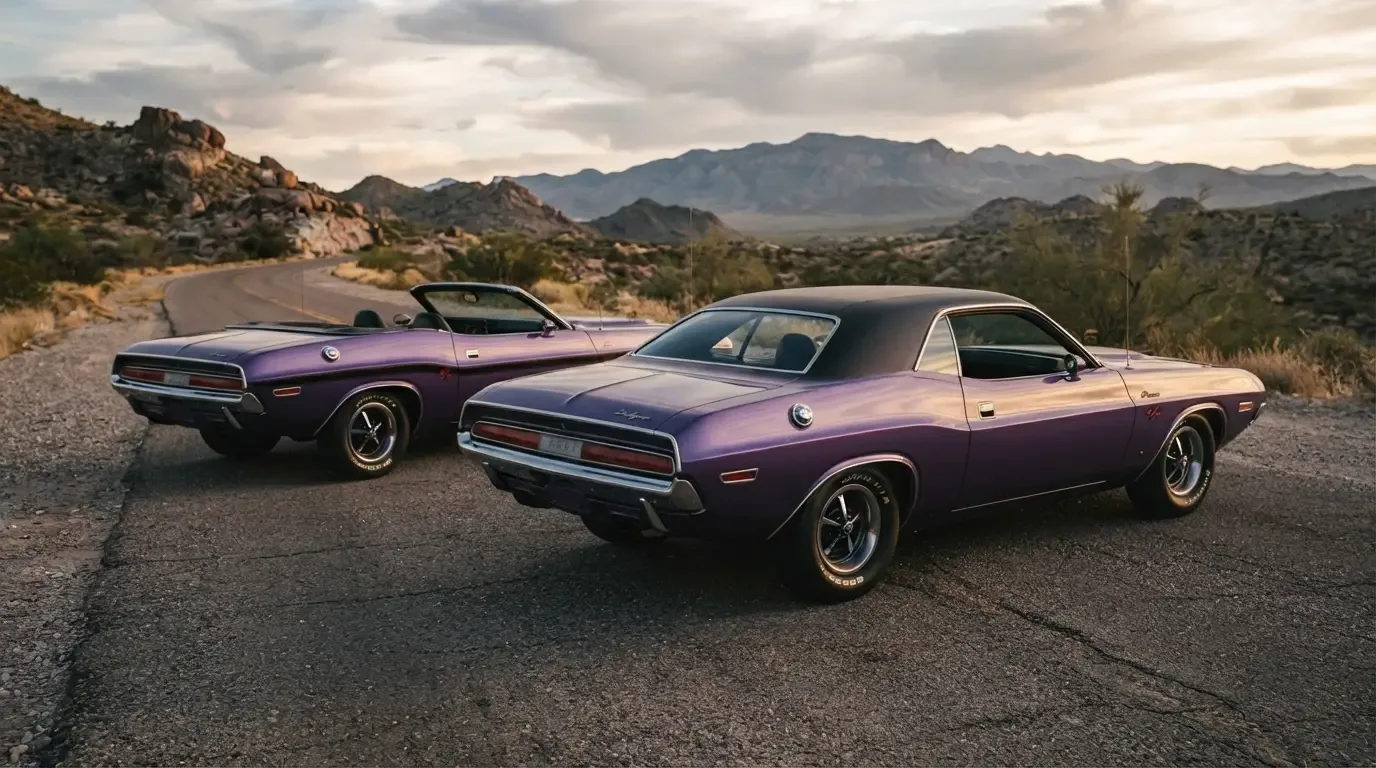
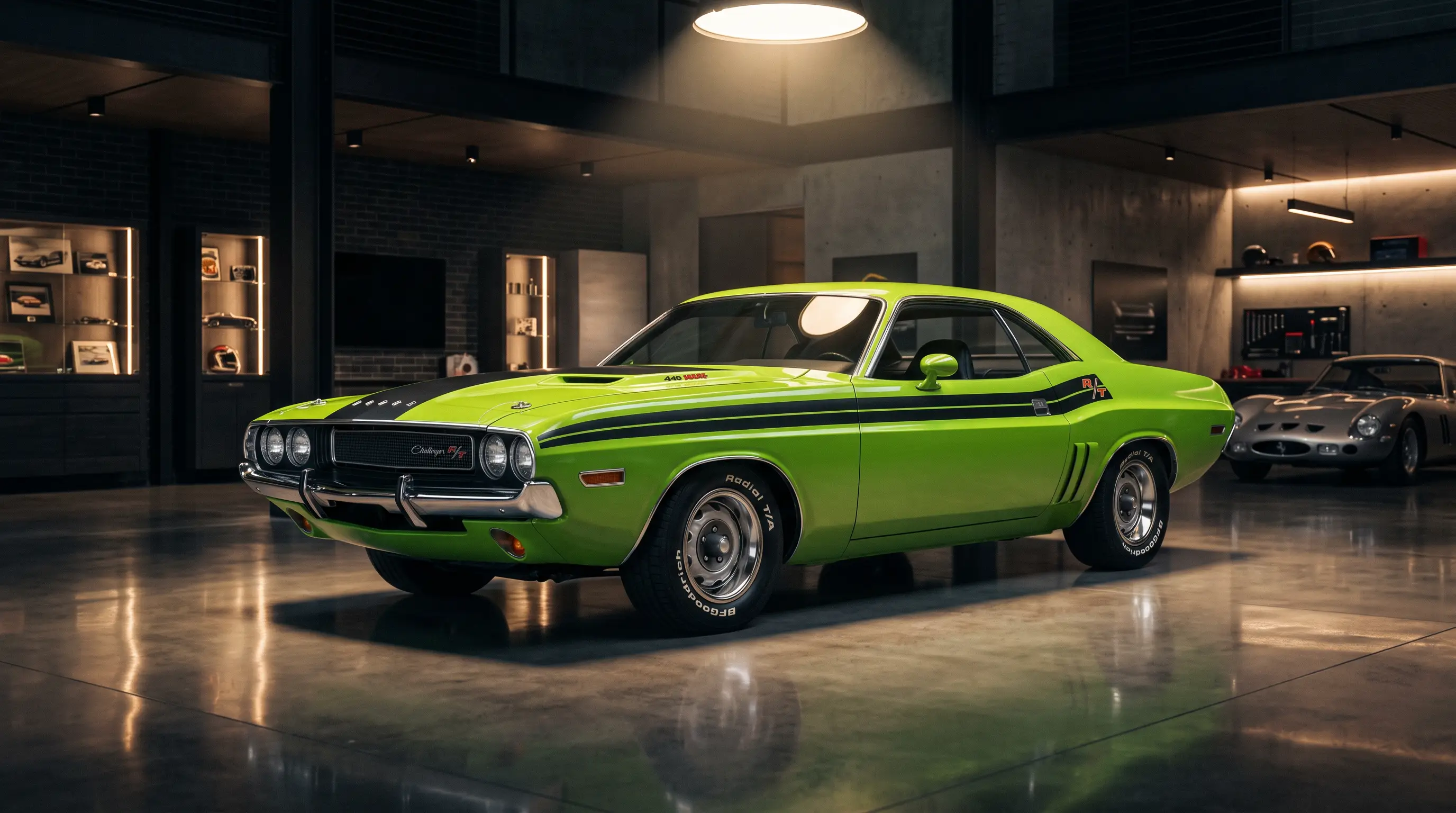
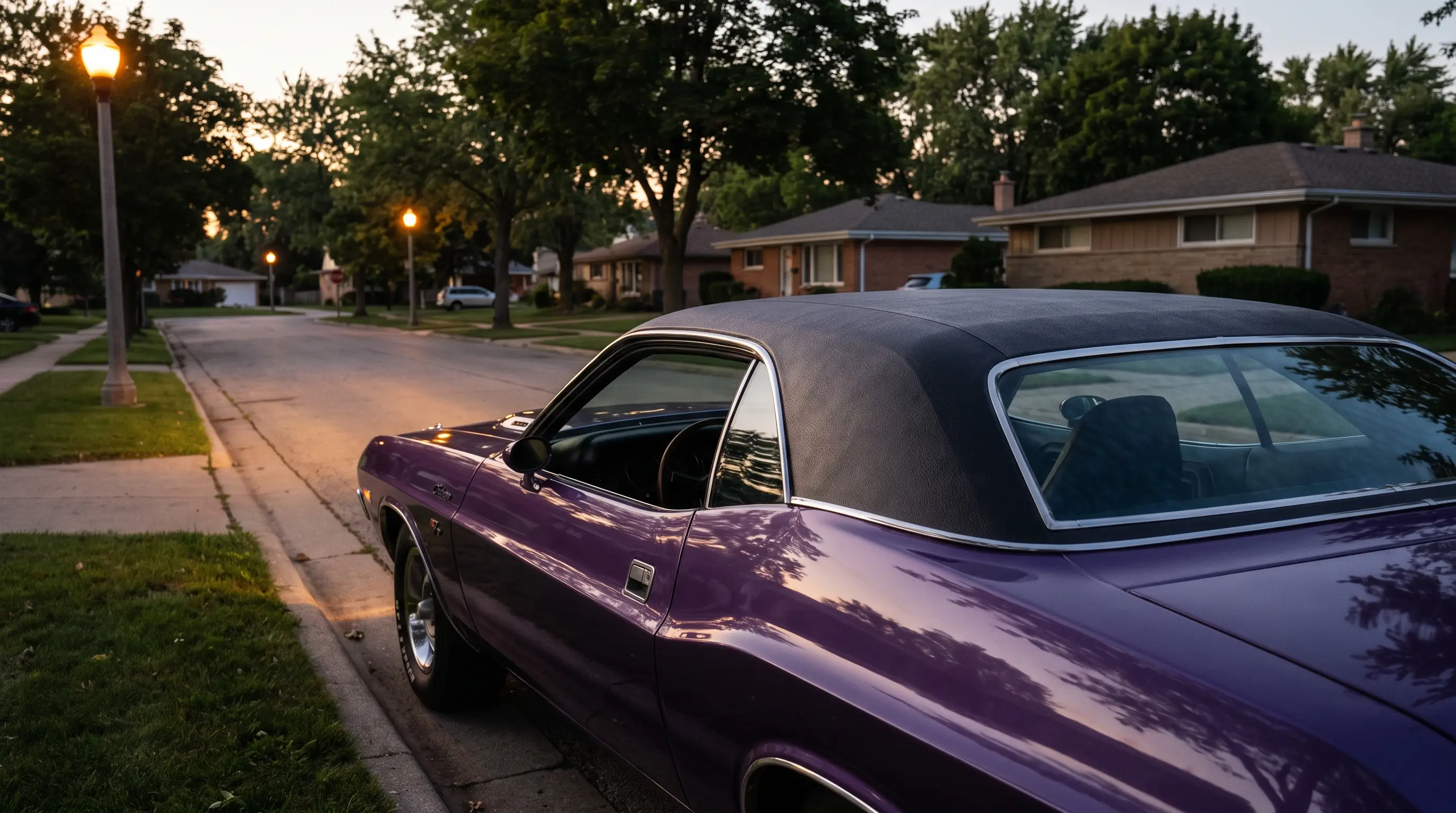
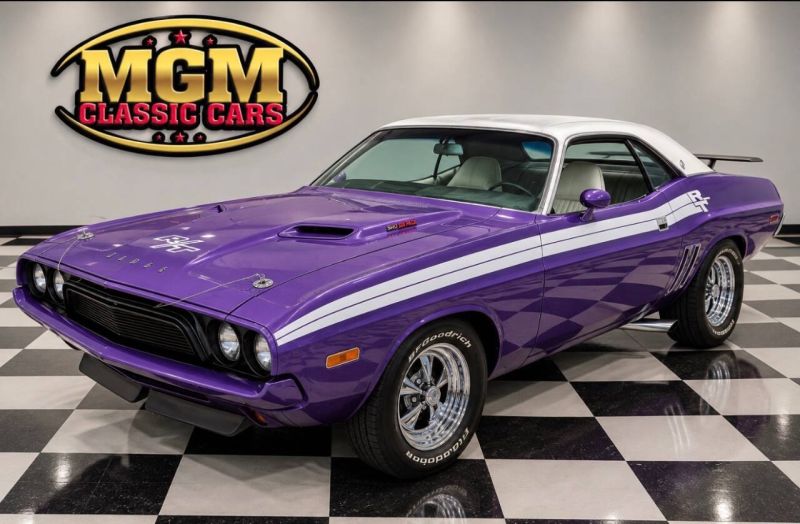
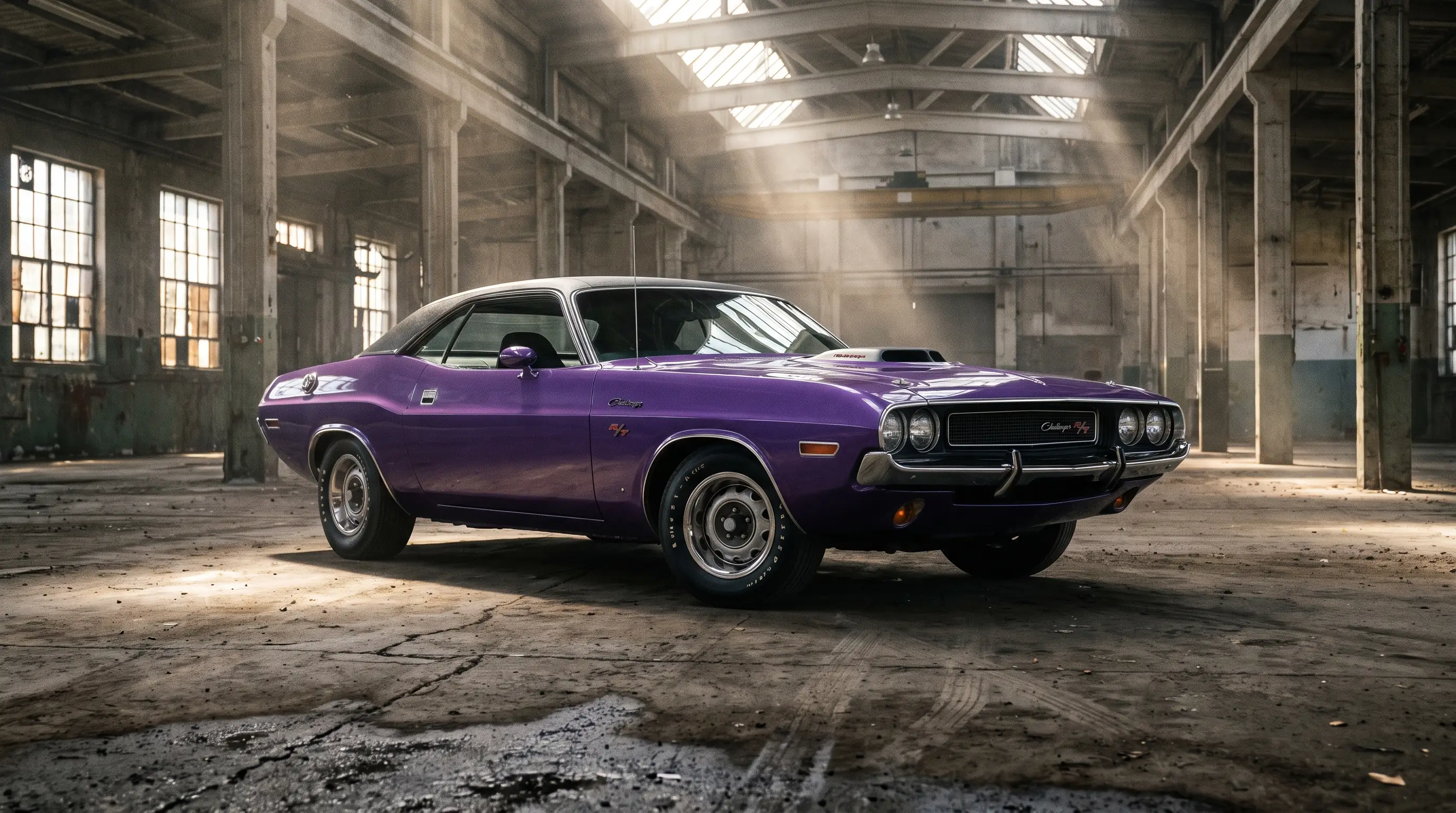
Beyond engine and body style, factory color adds a meaningful scarcity multiplier. Dodge's High Impact palette, colors like Plum Crazy, Green Go, and Hemi Orange, was already a minority choice among 1970 buyers who mostly ordered more conservative colors. When a rare color intersects with a rare engine and a rare body style on the same car, you get combinations that may exist as documented single examples. A Hemi convertible in an uncommon High Impact color, if one exists with clean documentation, would represent about as rare a combination as this model produced. Understanding how color scarcity actually works within the broader collectibility picture is worth a closer look, and our complete history covers exactly that intersection.
Rarity doesn't always mean big-block
It's worth noting that rarity and desirability aren't the same axis, even though they overlap at the top of this market. A base six-cylinder Challenger built with an unusual factory option, an odd late-production color, or a rare dealer-installed accessory can be objectively rarer in surviving numbers than a common 383 R/T, without commanding remotely comparable money. Collectors chasing genuine rarity for its own sake sometimes gravitate toward these overlooked corners specifically because nobody else is competing for them, while collectors chasing investment value stay focused on the big-block, documented tier where rarity and desirability actually align. Both are legitimate ways to collect. They just answer different questions.
"People ask me for the rarest Challenger like there's one right answer. There isn't. There's a rarest Hemi convertible, a rarest color, and a rarest trim, and they're not always the same car."
- David Mercer
Why surviving numbers matter more than original production
Original production figures only tell half the story. Attrition over five decades, through rust, accidents, drag racing, and simple neglect during the low-value years of the 1980s, means surviving numbers for any given combination are almost always lower than the original build count, sometimes dramatically so. A combination that Dodge built in modest but not vanishingly small numbers can still be functionally rare today if most examples were lost before the collector market caught up and started preserving them. This is part of why registries and marque clubs put real effort into locating and documenting surviving cars rather than relying on factory production figures alone. The rarest Dodge Challenger, in practical terms, is defined as much by what's left today as by what left the factory in 1970.
What this means if you're chasing a rare example
Buying at the rarity extreme requires patience most collectors underestimate. These cars rarely come up for sale, and when they do, provenance research is non-negotiable given how much money separates a genuine rare combination from a well-executed clone. Verifying a fender tag, broadcast sheet, and matching numbers against known factory records is the only real protection against paying rarity-level money for a car that merely looks the part. For buyers who want genuine rarity without the extreme scarcity of the summit-tier cars, mid-tier rare combinations, an uncommon color on a documented 383 or 440 car, for instance, offer a more realistic path into this corner of the hobby. You can browse browse classic Challenger listings to see what combinations are actually available right now and compare them against what the production and survival data says is genuinely scarce.
Options and dealer add-ons that created accidental rarity
Some of the scarcest combinations were never planned rarities at all. A specific interior color paired with an unusual exterior shade, a factory sunroof option ordered on only a handful of cars, or a regional dealer add-on package that never sold beyond a small distribution area can all produce combinations rarer than the headline Hemi convertible numbers, simply because nobody was tracking or preserving them at the time. These accidental rarities rarely command Hemi-tier money, because desirability hasn't caught up to scarcity in the same way it has for the big-block cars, but they matter to a specific kind of collector who values documented uniqueness over raw performance credentials.
Marque clubs and registries have done meaningful work over the past two decades tracking down and cataloging these unusual combinations, in part because a car that looked unremarkable to a casual buyer in 1985 might turn out to be the only documented surviving example of a specific factory combination today. This is one of the quieter, more research-driven corners of the hobby, and it rewards patience and archival digging over checkbook size.
Why the rarest examples rarely come up for public sale
A genuinely rare Challenger, once identified and documented, tends to stay in long-term ownership far longer than a common car does. Owners who understand what they have are reluctant to sell into a market where a comparable replacement, by definition, doesn't really exist. This creates a scarcity feedback loop separate from production numbers. Even if a combination technically has three or four surviving examples, if none of the owners are selling, the practical rarity a buyer experiences in the market is total unavailability rather than merely low supply. That's part of why headline sales of summit-tier rare Challengers generate so much attention when they do happen. They're not just rare cars changing hands, they're events where a car that might not come up for sale again for a decade or more is finally available, and serious buyers treat them accordingly.
For most collectors, the practical lesson is to stop chasing a single title and start defining which axis of rarity actually matters to a personal collection, whether that's engine, body style, color, or a documented option nobody else has bothered to preserve.
Sources and notes
- 1970 Challenger Production Numbers - Stock Mopar
- Was there ever a 1971 Dodge Hemi Challenger convertible? - Challenger Talk Forum
- The 10 Mopar High-Impact Colors: Complete Guide - autoevolution
- Dodge Challenger (1970) - Wikipedia
- Dodge Challenger 1970-1974 - Allpar
- 1970 Dodge Challenger R/T Hemi Convertible - Sports Car Market