
There is something almost cruel about how briefly the Challenger T/A existed. Dodge built it for a single model year, 1970, and then it was gone, never returning to the lineup in the same form again. Anyone digging into challenger ta one year questions eventually lands on the same conclusion: this was not an oversight or a slow sales death. It was the direct result of a handful of forces converging all at once at the end of 1970, and understanding why helps explain why the car is remembered so specifically today.
Car Features
7 min read
The One-Year Wonder: Why the T/A Vanished
The Challenger T/A lasted a single model year because the racing program it was built to homologate ended, and insurance and emissions pressure closed the door behind it.
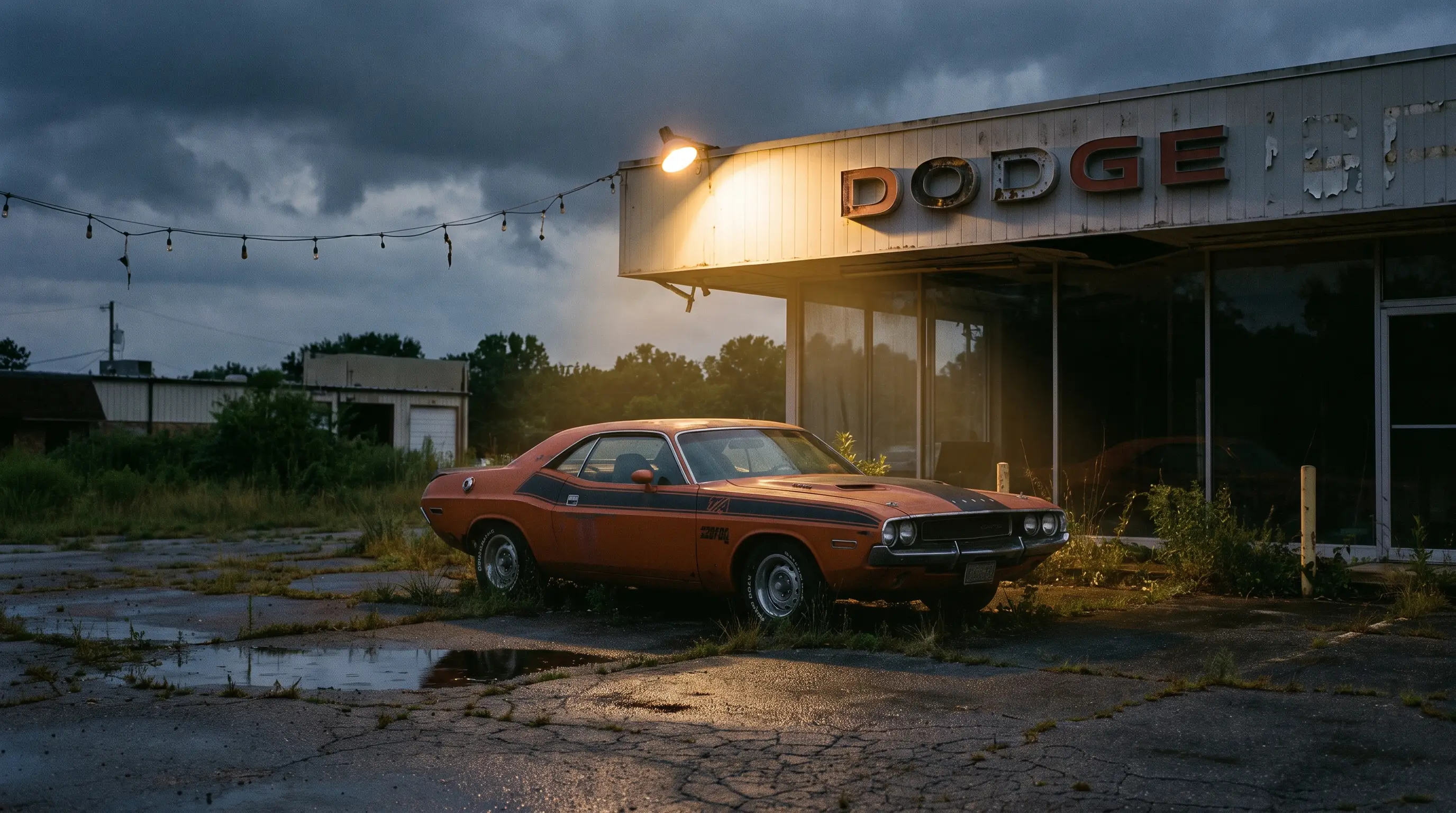
The factory racing program ended
The T/A existed to homologate Dodge's entry into the SCCA Trans-Am series, and when Chrysler pulled its factory backing from Trans-Am racing after the 1970 season, the entire reason for the T/A's existence went with it. Ford and Chevrolet scaled back their own factory Trans-Am commitments around the same time, as the broader economics of manufacturer-funded racing programs stopped making sense against rising costs and diminishing showroom returns. Without an active racing program to homologate a street car for, Dodge had no structural reason to keep building a car whose entire specification sheet had been shaped by SCCA rules rather than by ordinary market demand.
That is worth sitting with for a moment. The T/A was never designed primarily to sell well on its own merits. It was designed to satisfy a rulebook, and once the rule stopped mattering to Dodge's business, the car stopped mattering to Dodge's product plan.
Insurance and emissions pressure closing in
The T/A's exit also lined up with broader industry headwinds that were already reshaping the muscle car market by 1971. Insurance premiums on high performance cars were climbing fast as underwriters reacted to years of rising claims tied to powerful engines in the hands of young drivers, and that pressure hit exactly the buyer demographic these homologation specials were aimed at. Emissions regulations were also tightening heading into the early 1970s, squeezing the kind of high compression, multi-carburetor engines that made the T/A's Six Pack setup possible in the first place. Neither factor alone killed the T/A, but together with the end of the racing program, they made a strong case against bringing the car back for a second year even if Dodge had wanted to.
What a one year run means for the car's identity
A single model year production run has a strange effect on how a car gets remembered. There was no chance for Dodge to refine the T/A across a second or third year the way most successful performance packages evolve, no running changes to compare, no early versus late production debates the way you get with cars built over several seasons. What exists is a single, tightly bounded snapshot: one specification, one racing season behind it, one year of dealer inventory, and then nothing. That compression is part of why the T/A reads as more special than some longer running performance packages that technically sold in higher total volume. Scarcity from a short run and scarcity from genuinely low volume both point the same direction for collectors, even though they come from different causes.
"People ask me why Dodge didn't just keep building it if it was such a hit with enthusiasts. The honest answer is it was never built to be a hit. It was built to satisfy a racing rule, and the second that rule stopped applying, the business case for the car disappeared with it."
- Patrick Walsh
What Dodge offered instead in 1971
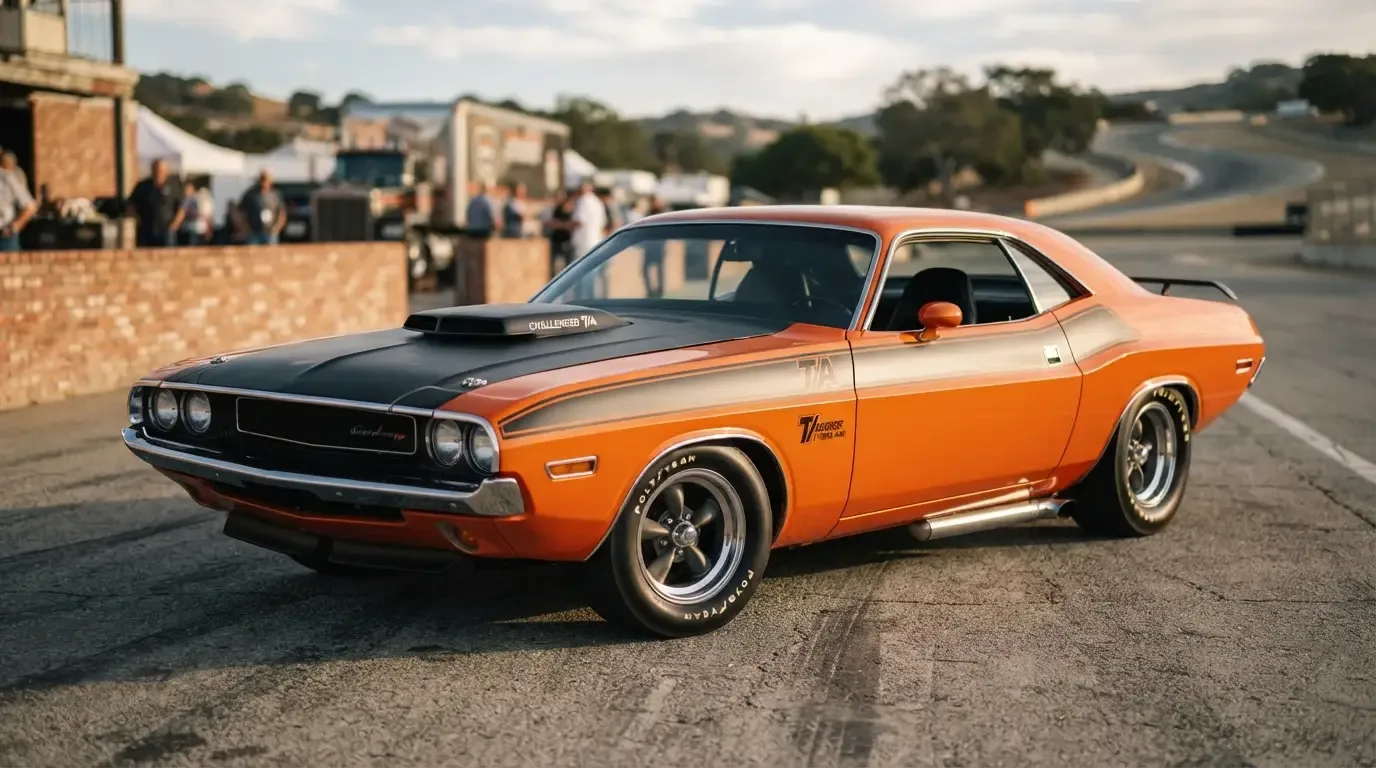
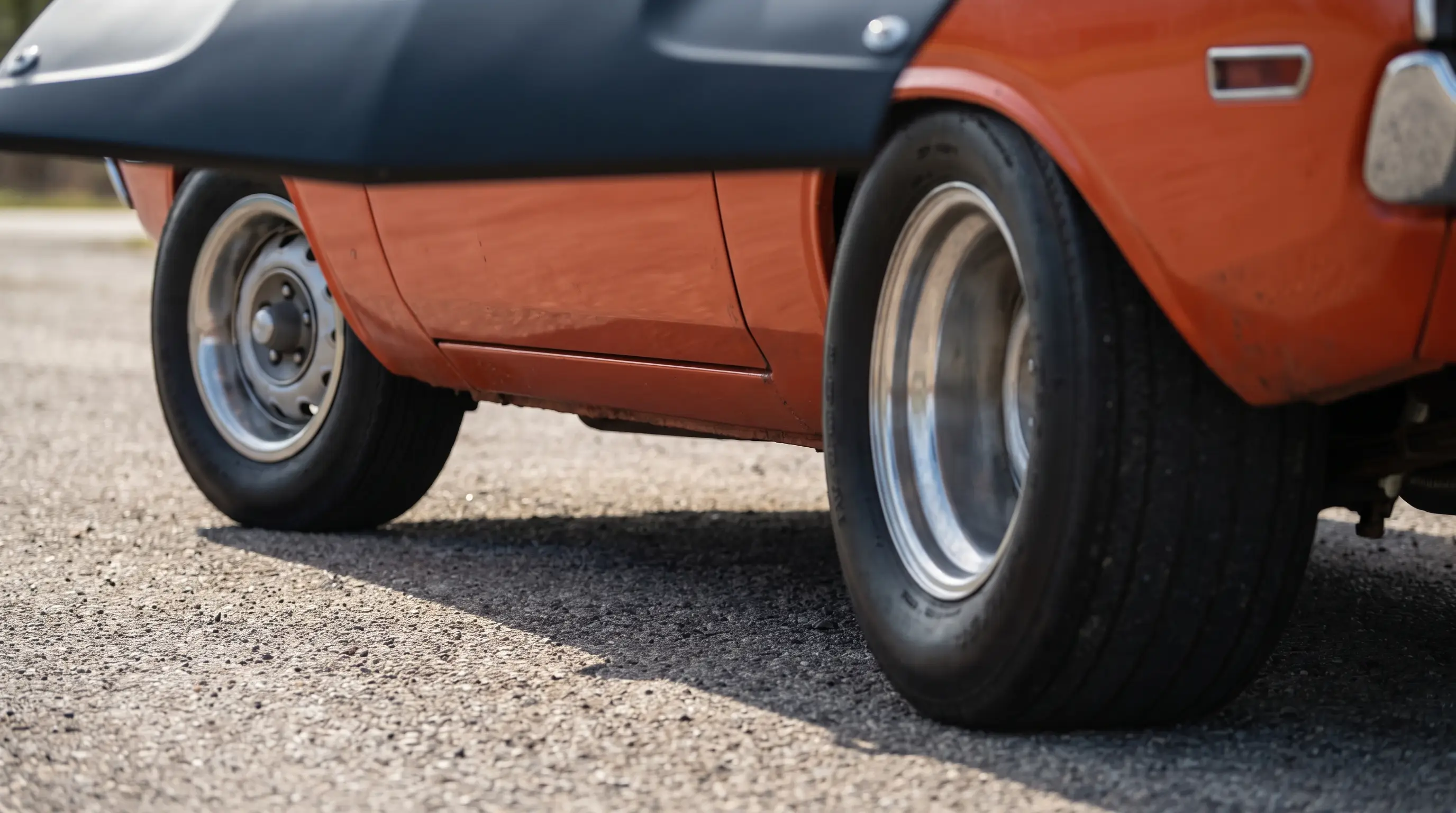
When the 1971 model year Challenger lineup arrived, buyers looking for the T/A's specific combination of Six Pack induction, side exhaust, and staggered tires found nothing that replicated the full package. Dodge continued offering high performance Challenger variants with big block engines and various trim packages, but none of them carried forward the T/A's specific homologation-driven engineering as a complete, unified specification. Individual styling elements from the T/A's era echoed into later option packages here and there, but the car as a cohesive concept, purpose built around a racing rule that no longer applied, simply had no reason to continue.
That absence is part of why the T/A stands out so clearly in retrospect. It was not gradually phased out or slowly de-contented across a few model years the way some performance packages fade. It appeared fully formed for one season and then vanished entirely, leaving a gap in the Challenger lineup that nothing else quite filled in the same way.
Why enthusiasts still gravitate toward the story
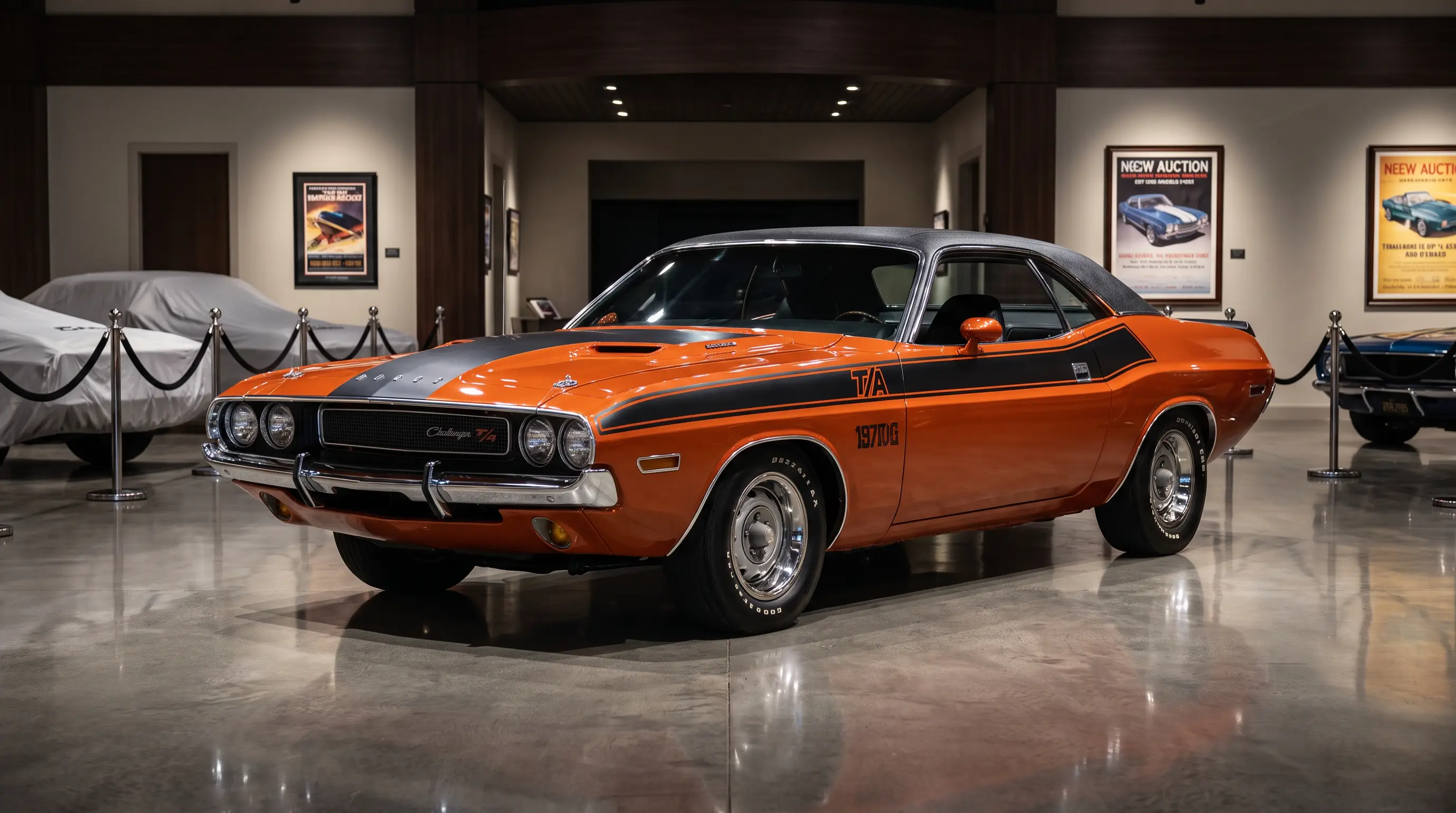
Short production windows tend to generate outsized enthusiast interest relative to their sales volume, and the T/A is a clear example of that pattern. A car built for one specific purpose, sold for one model year, and never repeated carries a kind of narrative clarity that longer running models rarely have. There is no need to argue about which year was the best year, no debate about which running change improved the car, just a single, tightly defined car that either matches its original specification or does not. That clarity is part of the appeal for collectors, and it is also exactly why documentation matters so much when you are deciding whether a specific example for sale today is the real thing.
Comparing the T/A's exit to other short-lived specials
The T/A is not the only Detroit performance car from this era to disappear after a single season. Several other homologation specials and low volume performance packages across multiple manufacturers followed the same arc, appearing briefly to satisfy a racing requirement or a marketing moment and then vanishing once the underlying justification passed. What sets the T/A apart within that broader pattern is how directly its ending traces to a single, well documented cause, the end of Chrysler's factory Trans-Am program, rather than a slower fade driven by softening sales figures or shifting buyer tastes. That directness makes the T/A a cleaner case study than most of its contemporaries when people try to explain why certain performance cars from this period were built for such a short window.
Understanding that pattern also helps set realistic expectations for anyone hoping a similar package might eventually resurface under a modern Challenger nameplate. The conditions that produced the original T/A, an active factory racing program with a specific rulebook requirement, do not really have a modern equivalent, which is part of why the 1970 T/A remains a genuinely singular chapter in the car's history rather than the first entry in an ongoing tradition.
How the short run shapes the buying decision today
Knowing the T/A only exists as a single model year changes how you should think about shopping for one. There is no later, more refined version to wait for and no earlier prototype year to chase either. What you see across surviving 1970 T/As is close to the full range of variation Dodge ever built into this specification, mostly differences in color, options, and individual car history rather than meaningful year to year changes. That makes documentation even more important than it would be for a longer running model, since every genuine T/A is drawing from the same tight production window and the same finite pool of original parts and paperwork.
For the broader context of how the T/A fits into Dodge's Challenger story overall, the dodge challenger ta story covers the full specification and racing background, and if you want to trace the nameplate back further, the full story of the Challenger line puts the T/A's brief life into perspective against everything that came before and after it. When you are ready to look at what survives today, there are classic Challengers on the market worth comparing against everything covered here.
Sources and notes
Related Reading
Have a
Dodge Challenger
for Sale?
Reach thousands of serious classic car collectors across the US.
Sell It Here →
Are You a Classic Car Dealer?
List your full inventory and connect with targeted classic car buyers.
Join as a Dealer →
#trans-am racing
#muscle car history
#mopar history
#dodge challenger
#Challenger T/A
#one year production

About the author
Patrick Walsh
Automotive journalist covering classic car shows, events, and the enthusiast community across North America.
Related Listings - Dodge Challenger




Comments (1)
E
Eddie Carlisle
5 days ago
passed on a T/A in '04. block was a 360, not the 340. walked.
R
Rick Fontaine
4 days ago
Gonna disagree here. Walking was the right call at that price, but a T/A with the wrong block isn't worthless. The body, the fiberglass hood, the side exhaust and the staggered tires still put it ahead of any base Challenger. Priced as a body-correct car without its engine, it's a fair buy.