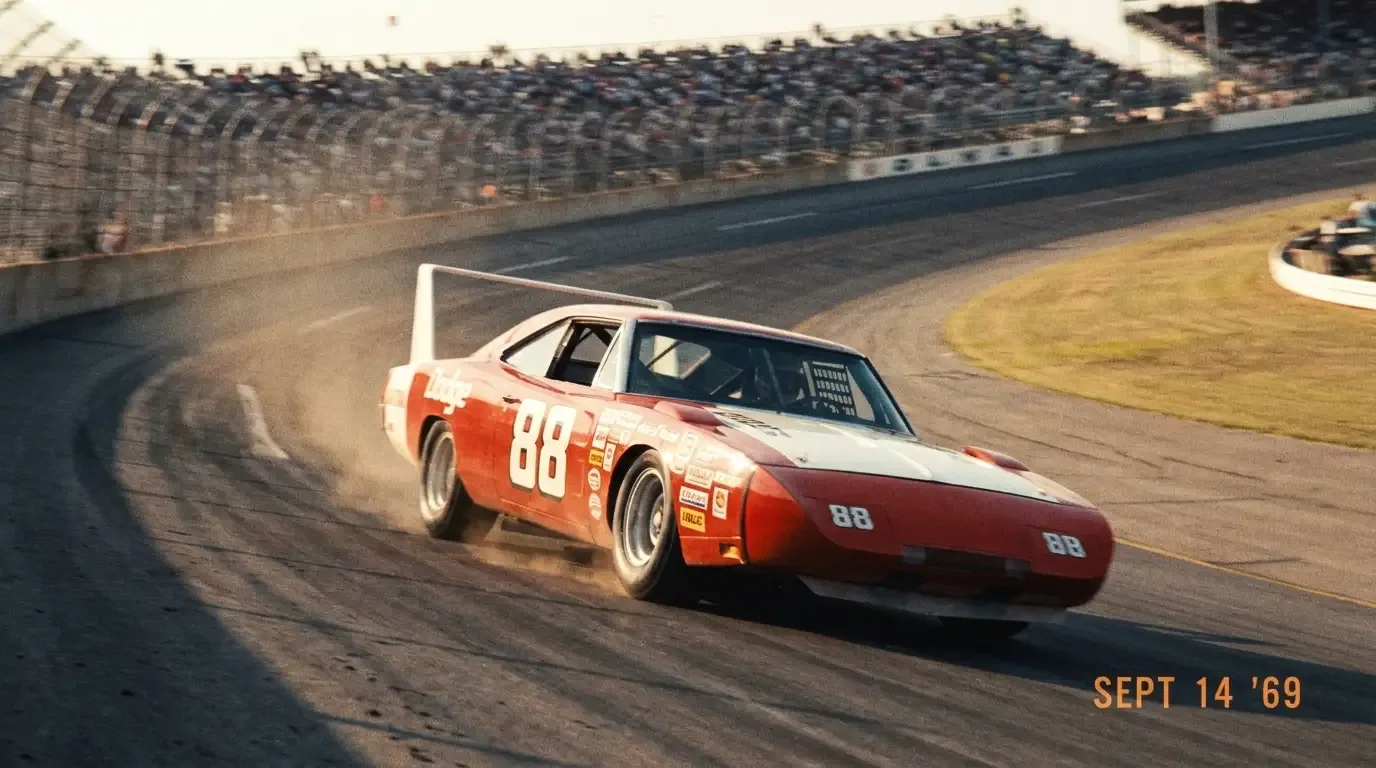
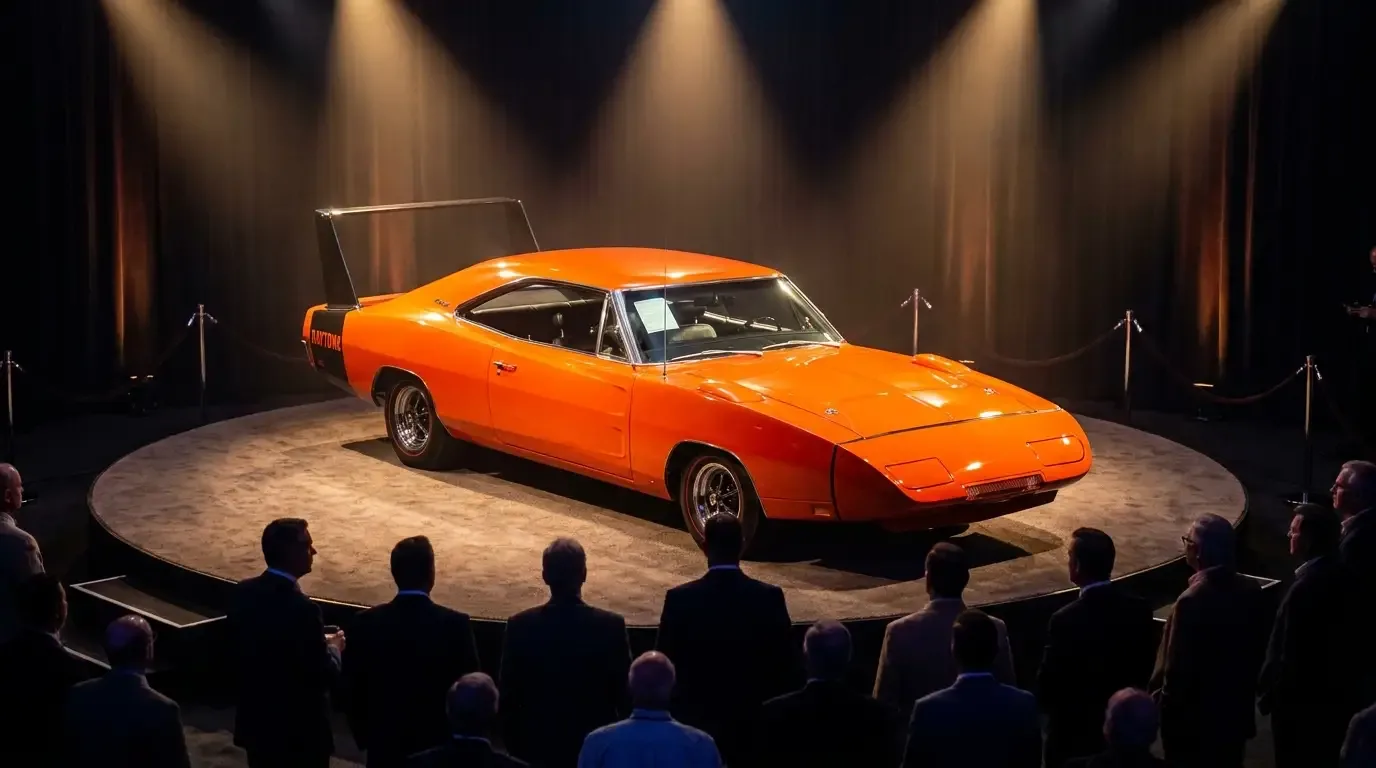
A #2 car with a thin paper trail isn't a #2 car when the check clears. It's a #3 with a good story, and the appraisal has to say so. Nowhere is that principle tested harder than with the dodge charger daytona, a car that went from unsellable dealer stock in 1971 to seven-figure auction headlines within a single collector's lifetime.
The gap between original price and modern value is not subtle
A base 440 Daytona carried a sticker price around $4,000 new, already a premium over a standard Charger, and a well-optioned Hemi car ran higher still, toward $6,000. By the mid-1970s, used examples were trading for a small fraction of that figure, victims of poor fuel economy, a shrinking used-muscle-car market, and a shape that had never been universally loved even when new. Some sold for a few hundred dollars. Some sat unsold for months even at that price.
Today, documented, numbers-matching Hemi Daytonas have sold at auction for figures well into seven digits, and even 440-powered examples in strong condition with clean documentation regularly bring six figures. That trajectory, from a car dealers discounted to move, to one of the most sought-after Mopar collectibles in existence, did not happen gradually. It accelerated hard once serious collectors recognized how few genuine cars had survived.
Documentation is worth more than most buyers expect
Two Daytonas in near-identical cosmetic condition can bring dramatically different prices at auction if one has a complete, verifiable paper trail and the other does not. A broadcast sheet, original fender tag, and a clean, traceable ownership history push a car toward the top of its condition tier. A car missing that documentation, even one that looks and drives beautifully, gets appraised more conservatively, because buyers at this price level are paying as much for certainty as they are for the car itself.
This is where the phrase every serious appraiser in this business eventually says to a disappointed seller comes from. A car can look like a #2 in every photograph and still get valued as a #3 once the paperwork gap becomes apparent, because the risk of that gap sits entirely with whoever writes the check.
| Documentation level | Typical market effect |
|---|---|
| Full broadcast sheet, matching numbers, clean history | Top of condition tier, strongest auction results |
| Partial documentation, numbers matching, ownership gaps | Meaningful discount versus fully documented cars |
| No broadcast sheet, engine not verified original | Valued closer to a strong tribute or driver-quality car |
| Reproduction body panels, undocumented history | Priced well below genuine, documented examples |
Engine configuration still drives a substantial spread
Hemi cars sit at the top of the market by a wide margin over otherwise comparable 440 Magnum examples, reflecting both the smaller production numbers for Hemi cars (just 70 of 503) and the engine's outsized reputation. That spread has held, and arguably widened, as the broader muscle car market has matured and buyers have grown more sophisticated about what actually drives long-term value versus short-term hype.
A well-documented 440 car is still a strong buy and a strong long-term holding. It's simply competing in a different price tier than a documented Hemi car, and buyers who understand that distinction going in tend to make better decisions than buyers chasing headline auction numbers without accounting for which specific configuration produced them.
"The headline auction number is always for the best-documented Hemi car that sold that week. Most Daytonas on the market aren't that car, and pricing one as if it were is how buyers overpay and sellers get disappointed offers."
— Marcus Feld
Condition tiers behave differently at this price level
Standard condition grading, the familiar #1 through #4 scale used across the collector car hobby, still applies to Daytonas, but the price gap between adjacent tiers is wider here than on more common muscle cars. A #2 Daytona and a #3 Daytona are not separated by a modest percentage the way they might be on a more plentiful model. The gap can run into hundreds of thousands of dollars, because so few cars exist at the top of the market that buyers competing for a genuine #1 or #2 example are willing to pay a steep premium rather than settle for the next tier down.
That dynamic makes condition assessment on a Daytona a higher-stakes exercise than it is on almost any other muscle car. A cosmetic flaw that would cost a few thousand dollars to correct on a common Charger can represent a meaningfully larger swing in value on a Daytona, simply because the buyer pool at the top of this market has the means and the motivation to pay for the difference between very good and exceptional.
What drives risk on the downside
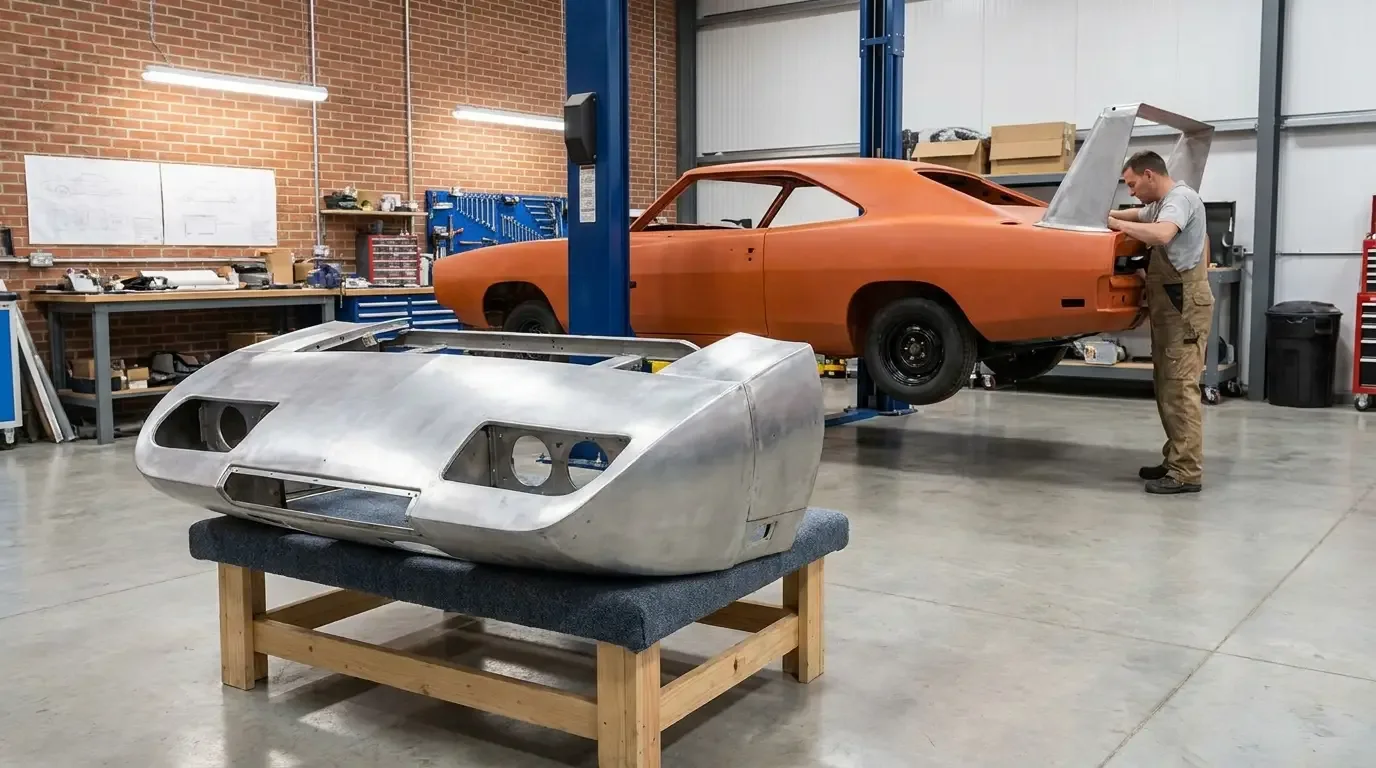
The biggest downside risk in this market isn't overpaying for a genuine car. It's paying genuine-Daytona money for a car that turns out to be a standard Charger with a reproduction nose cone and wing added later, a tribute build sold, intentionally or not, as an original. That risk is exactly why VIN verification and registry cross-referencing matter as much as condition when a car this valuable is on the table.
Liquidity matters too. Even at the top of the market, genuine documented Daytonas do not trade hands frequently, and that scarcity cuts both ways. It supports strong prices for sellers, but it also means a buyer looking for a specific configuration, color, or documentation level may need real patience before the right car surfaces. For collectors thinking about the car's place in American culture rather than just its price, the Charger Daytona Legacy story covers how that scarcity and symbolism reinforce each other. And for the complete arc of how this model went from oddball homologation special to blue-chip collectible, the whole Charger saga is worth reading in full.
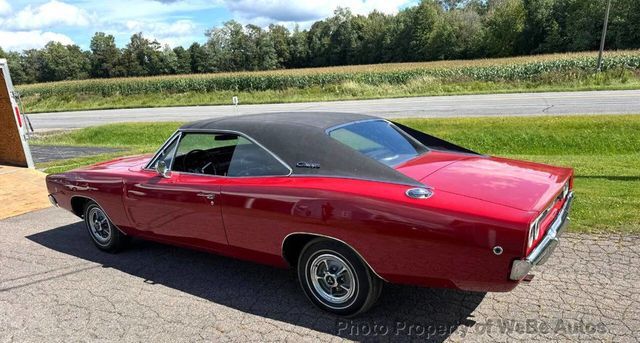
For buyers ready to start looking seriously, the same rule applies whether shopping a six-figure Daytona or something more attainable. Documentation first, condition second, price last. Anyone browsing Dodge Chargers for sale with real money on the table should be applying that order, not the reverse.
Sources and notes
- Dodge Charger Daytona - Wikipedia - confirmed original pricing context and the 70-Hemi / 503-total rarity behind current values.
- Hagerty - Dodge Daytona vs. Plymouth Superbird - confirmed the Hemi-over-440 value spread and the collector trajectory.
- MoparInsiders - Most-optioned Hemi Daytona at auction - example of a documented Hemi Daytona's auction result.
- autoevolution - Numbers-matching 1-of-503 Daytona - confirmed how documentation and matching numbers drive top-tier value.
- Cars of Dreams Museum - 1969 Daytona Hemi - corroborated the premium commanded by documented Hemi cars.