She kept the car in the barn for eleven years before she could sell it. Not because she loved it. Because nobody wanted it, and the dealership that had taken it in trade in 1971 finally let it go for less than a third of its original sticker, glad to have the space back. The car was a 1969 Charger Daytona, the same model that would sell for over a million dollars at auction decades later. In 1971, it was just a strange-looking Charger that wouldn't move off the lot.
A race car with a license plate is a hard sell to a normal buyer
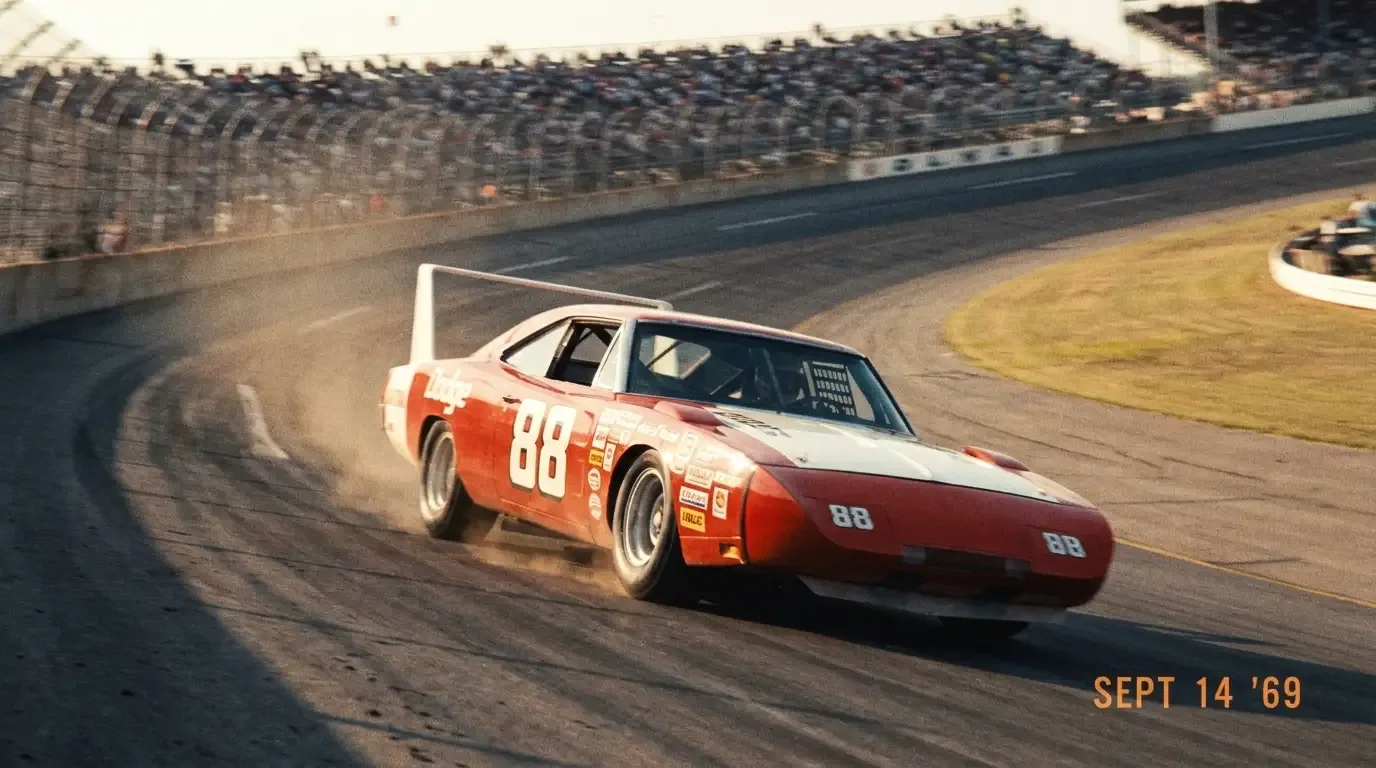
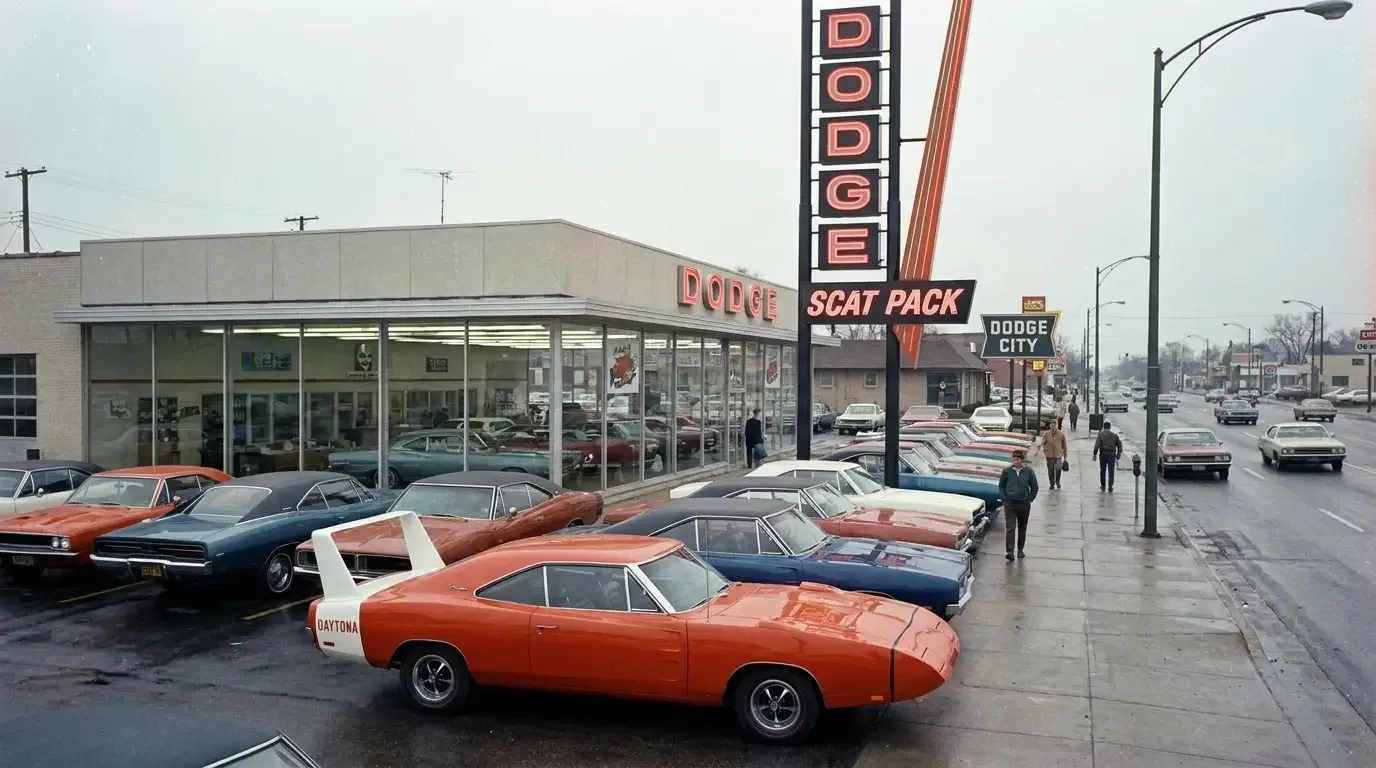
The Daytona existed because NASCAR required Dodge to sell a street version of its aero racer to homologate the body for competition. That requirement was about satisfying a rulebook, not about building the car American buyers were asking for in 1969. What resulted was an 18-inch nose cone, a rear wing sitting well above the trunk lid, and proportions that looked purpose-built for 190 mph ovals, parked next to more conventional Chargers and Road Runners on the same dealer lot.
Most buyers walking into a Dodge showroom that year wanted a fast, good-looking car they could drive to work and to church on Sunday without every stranger at a stoplight staring at the nose. The Daytona did not blend in anywhere. It stood out in a way that a meaningful number of period buyers found genuinely off-putting rather than exciting, and dealers reported cars sitting on lots for months at a time, discounted repeatedly before they finally moved.
The practical complaints were real, not just aesthetic
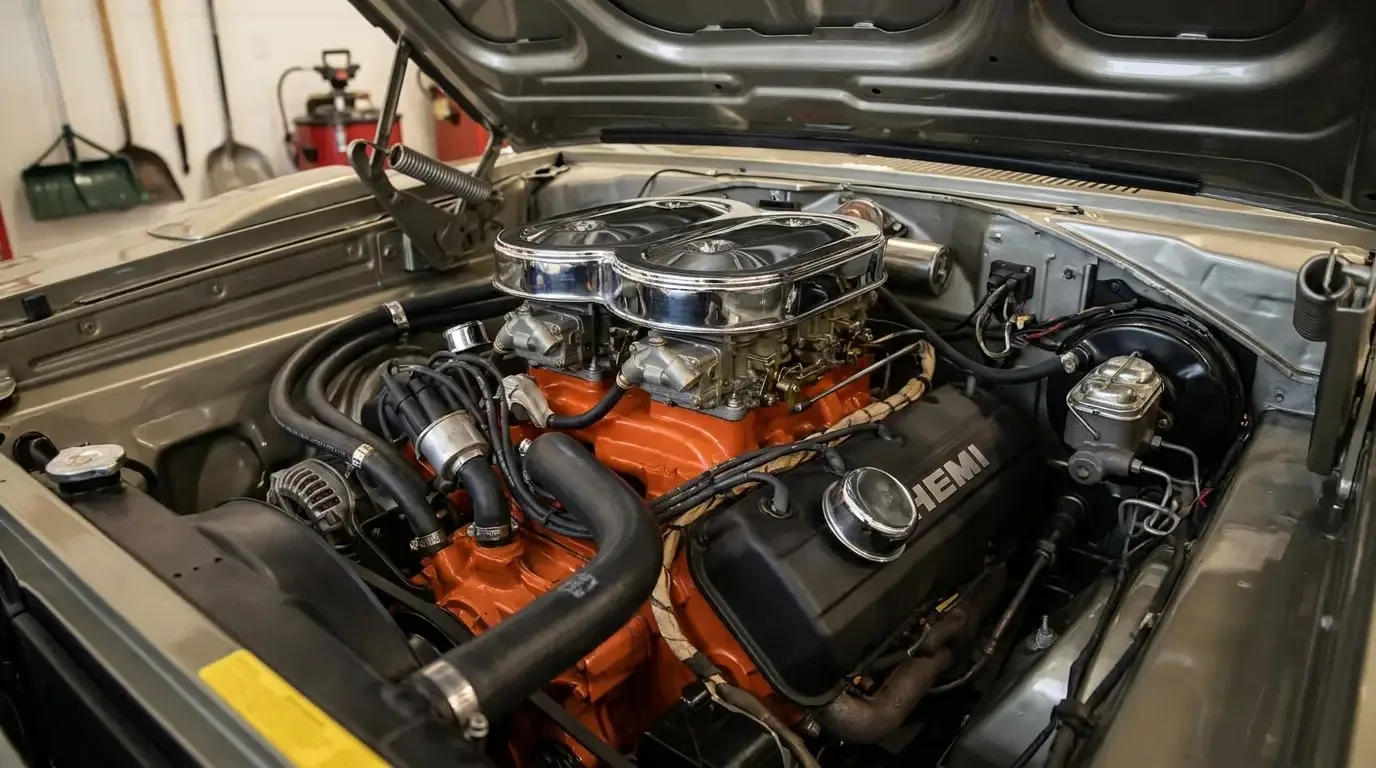
Beyond looks, the Daytona asked a lot of an owner. The nose cone made routine service more involved than on a standard Charger, since simple engine bay access required working around the extended front structure. Parking the thing required more care than most drivers were used to, given how far the nose extended past where a driver's instincts told them the car ended. And a Hemi-equipped example demanded the kind of attention to tuning and fuel quality that not every buyer wanted from a car they intended to drive daily.
None of that made the Daytona a bad car. It made it a specialized one, built to satisfy a racing rule rather than a showroom customer, and 1969 buyers noticed the difference immediately even if they couldn't always articulate why the car felt like it belonged somewhere else.
"She kept the car in the barn for eleven years before she could sell it. When the new owner started it, she cried in the driveway. Nobody in 1971 wanted the same car people would later pay a fortune for."
— Nora Beckett
Resale value collapsed almost immediately
By the early 1970s, used Daytonas were trading for a fraction of their original price, a common fate for muscle cars generally as insurance costs climbed and the broader market shifted, but the Daytona's decline was sharper than most. Its specialized shape meant a smaller pool of interested used buyers than a standard Charger R/T, and its poor fuel economy became a bigger liability once the 1973 fuel crisis reshaped what Americans wanted from a car.
Cars that had cost a genuine premium new were changing hands for a few hundred dollars by the mid-1970s in some cases, treated as used muscle cars rather than the rare, homologation-driven artifacts collectors would later recognize them as. Some were parted out for their big-block engines. Some were simply left to sit, exactly the kind of neglect that produced the barn-find stories that circulate through the hobby today.
| Period | Market perception | Typical outcome |
|---|---|---|
| 1969, new | Odd-looking, expensive homologation special | Slow sales, dealer discounting |
| Early-mid 1970s | Used muscle car, fuel crisis pressure | Steep depreciation, some parted out |
| 1980s-1990s | Slowly recognized rarity | Values begin climbing among enthusiasts |
| 2000s-present | Blue-chip Mopar collectible | Six and seven figure auction results |
A few holdouts saw something the market didn't
Not every Daytona owner in the 1970s treated the car as disposable. A small number of buyers, mostly people who had wanted the car specifically for what it was rather than as a status symbol, kept theirs running, kept the correct parts on it, and simply drove it as intended. Those owners were not thinking about future value. They liked the car, oddly proportioned as it was, and that stubborn attachment is a meaningful part of why some of the best-documented survivors today trace back to a single caring owner rather than a chain of quick resales.
It is worth remembering that this kind of quiet preservation almost never looks significant while it is happening. A Daytona parked in a garage instead of a barn, driven occasionally instead of raced hard, serviced instead of neglected, looked in the 1970s like nothing more than a slightly unusual hobby. It only became historically important once the surrounding population of cars had thinned out enough to make that one example rare by comparison.
The turn came slowly, then all at once
What changed the Daytona's fortunes was time and scarcity working together. As surviving examples dwindled through neglect, accidents, and parts cars, the remaining cars became genuinely rare in a market that had, by the 1980s and 1990s, developed a serious appetite for documented muscle car history. The same nose cone that had scared off 1969 buyers became the exact detail that made the car instantly recognizable and desirable to a new generation of collectors who understood what the shape represented.
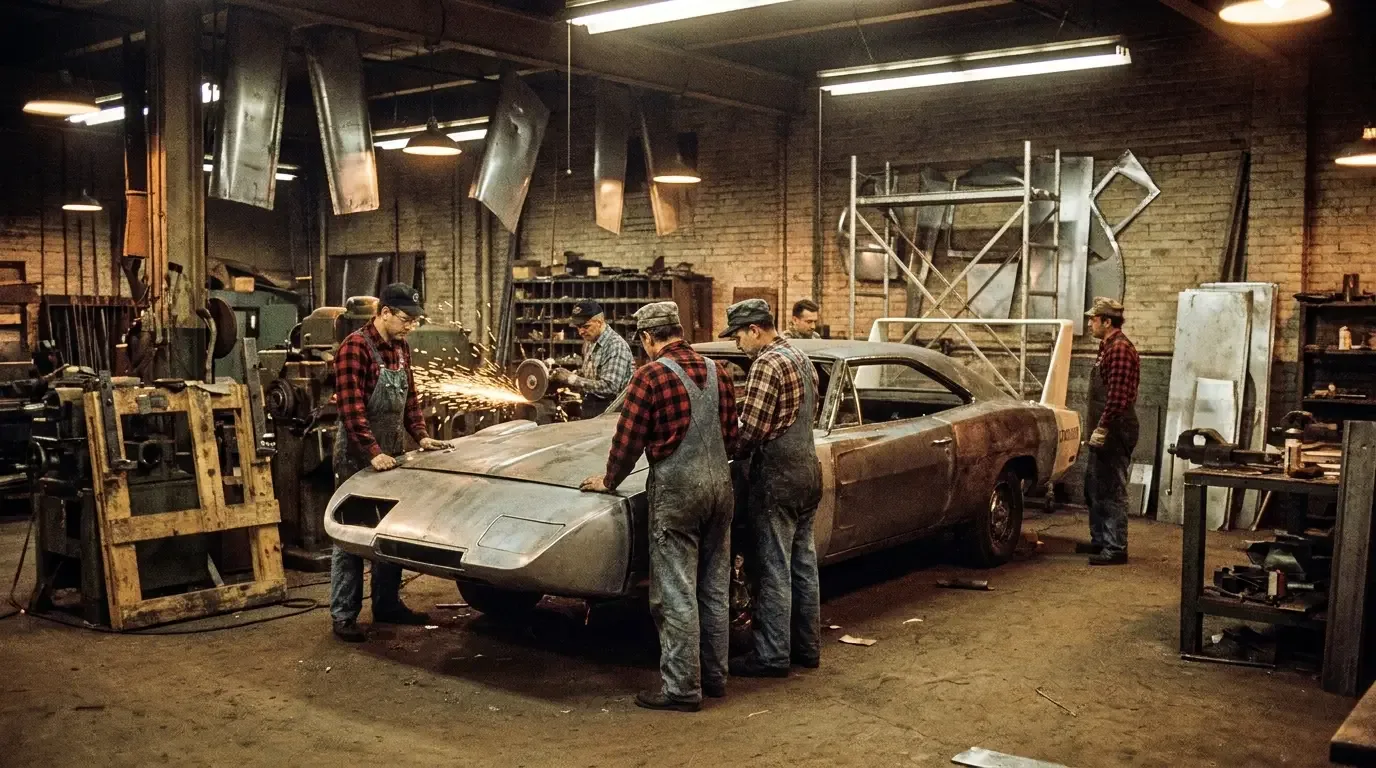
By the time values started climbing meaningfully, the cars that had survived, often by accident rather than design, became the foundation of a collector market that now treats the Daytona as one of the most significant American performance cars of its era. The story of who actually built these cars, and the shops and craftsmen behind the fiberglass and metalwork that made the aero package possible, is covered in the Charger Daytona Creative Industries story, which fills in a part of this history most owners never think to ask about.
The 1971 dealer who finally let that Daytona go for a discount had no way of knowing what the car would become. Neither did the woman who parked it in her barn for eleven years. That gap, between what a car is worth to the people around it in the moment and what it becomes worth once enough time passes, is the entire story of the Charger feature on Classic Cars Arena, and it's a gap that keeps repeating itself in this hobby more often than anyone expects.
Sources and notes
- Dodge Charger Daytona - Wikipedia - confirmed the homologation-driven street run and the car's slow initial sales.
- Hagerty - Dodge Daytona vs. Plymouth Superbird - confirmed the winged cars' early depreciation and later collector rise.
- Old Cars Weekly - 1969 Daytona number one - period context on dealer discounting and reluctant buyers.
- autoevolution - Daytona pulled from a junkyard in 1982 - real-world example of a Daytona left to sit before values climbed.
- Classic Industries - The Mopar Wing Cars - background on why the aero shape was polarizing to 1969 buyers.